
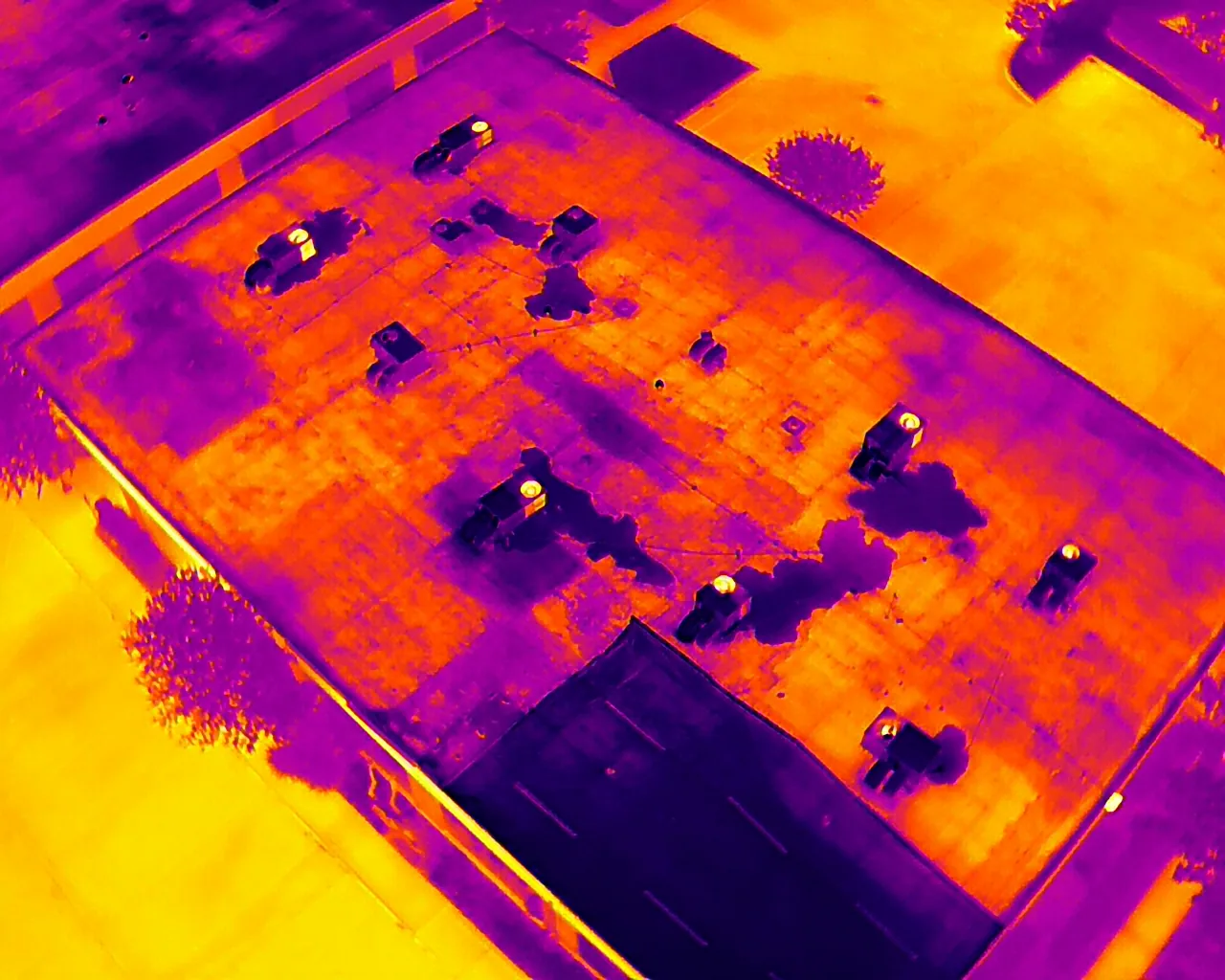
Spray Polyurethane Foam Roofing in Escondido, CA
Roof Systems · Escondido, CA
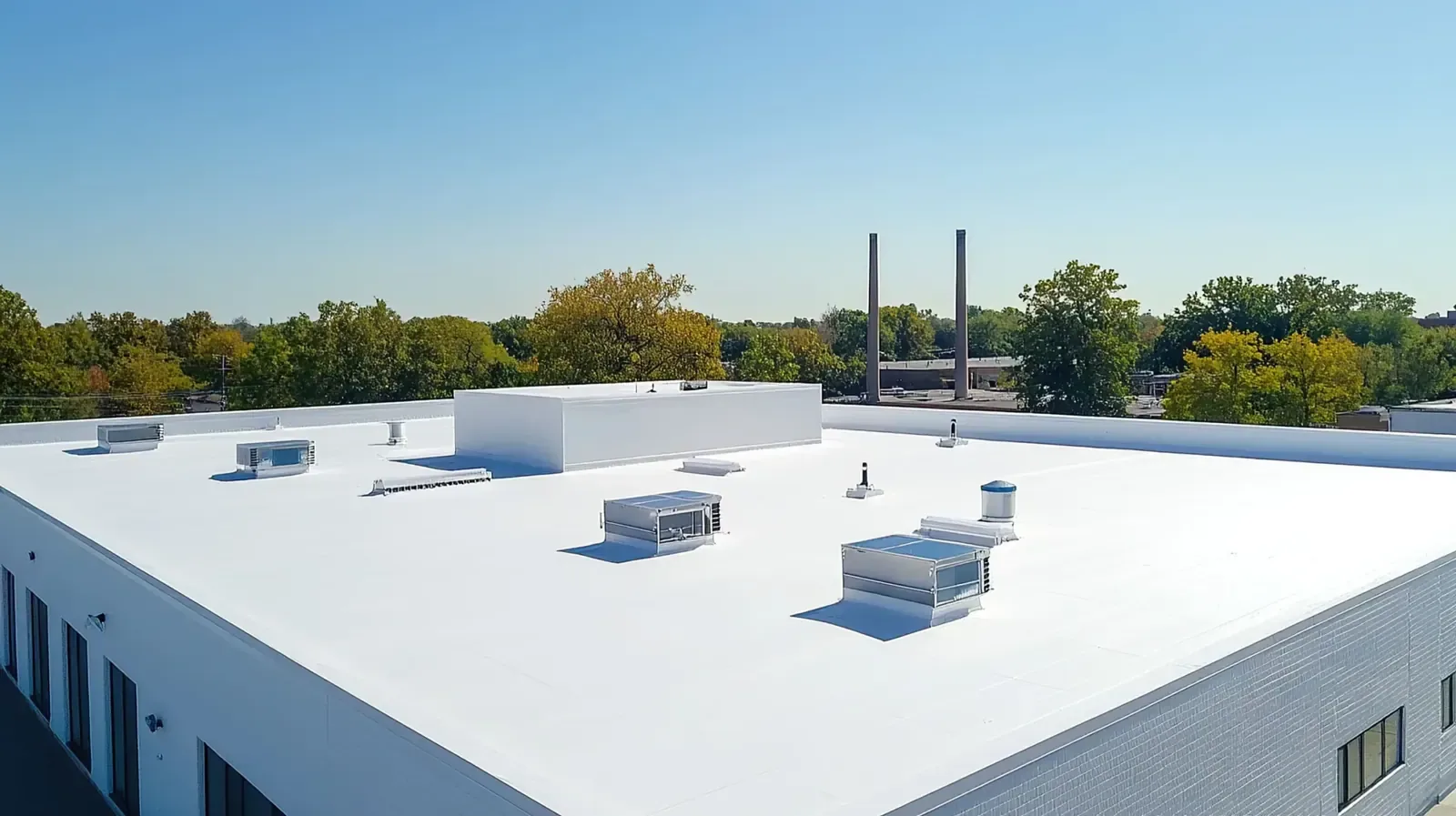
A worn coating over spray foam can expose the cells below. We check surface adhesion, foam condition, and drainage before pricing another pass. Escondido's dry, sometimes hot Santa Ana winds put roof edges and terminations on the same walk. The General Plan identifies employment uses around the Research and Technology Center and an office opportunity near Felicita Road and Interstate 15. Those planning areas help frame access questions. They do not establish that a building has an SPF roof. We confirm the assembly and mark repair, recoat, or removal limits by roof zone.
SPF roofing is sprayed as a foam layer, then protected by a coating or surfacing. The foam creates a continuous surface, while the top layer carries weather exposure. A puncture, wet foam, or failed transition needs correction before another coating is applied. We inspect the surface, penetrations, slopes, and drainage path as one assembly.
Foam Cells and Coating Bond
We look for exposed foam, impact marks, blisters, delamination, soft areas, and coating cracks. A surface split may end at the coating or extend into the foam. We identify the depth and repair boundary before selecting material. Loose coating must be removed to a sound edge. Wet or degraded foam may need cutting back and replacement, followed by a compatible protective layer. The scope states how the edge will be feathered and checked.
Older patches can hide the original surface. We mark coating types and note where adhesion testing is needed. A roof review can map those areas with photos. Moisture beneath the foam may not show as a visible depression. A targeted survey can help choose a test opening when the pattern raises a question. The work order records the result and keeps untested zones separate.
Drain Paths and Penetrations
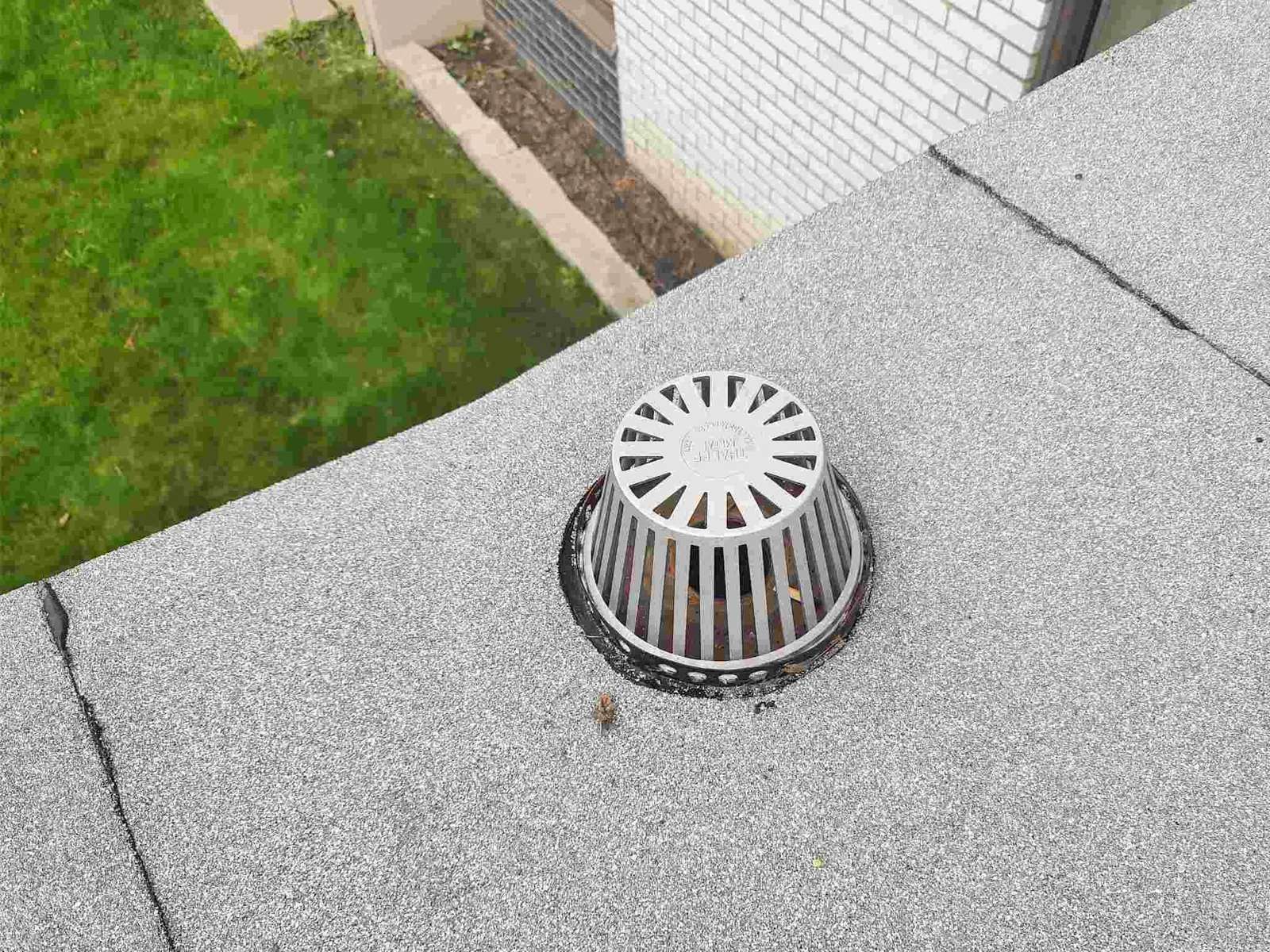
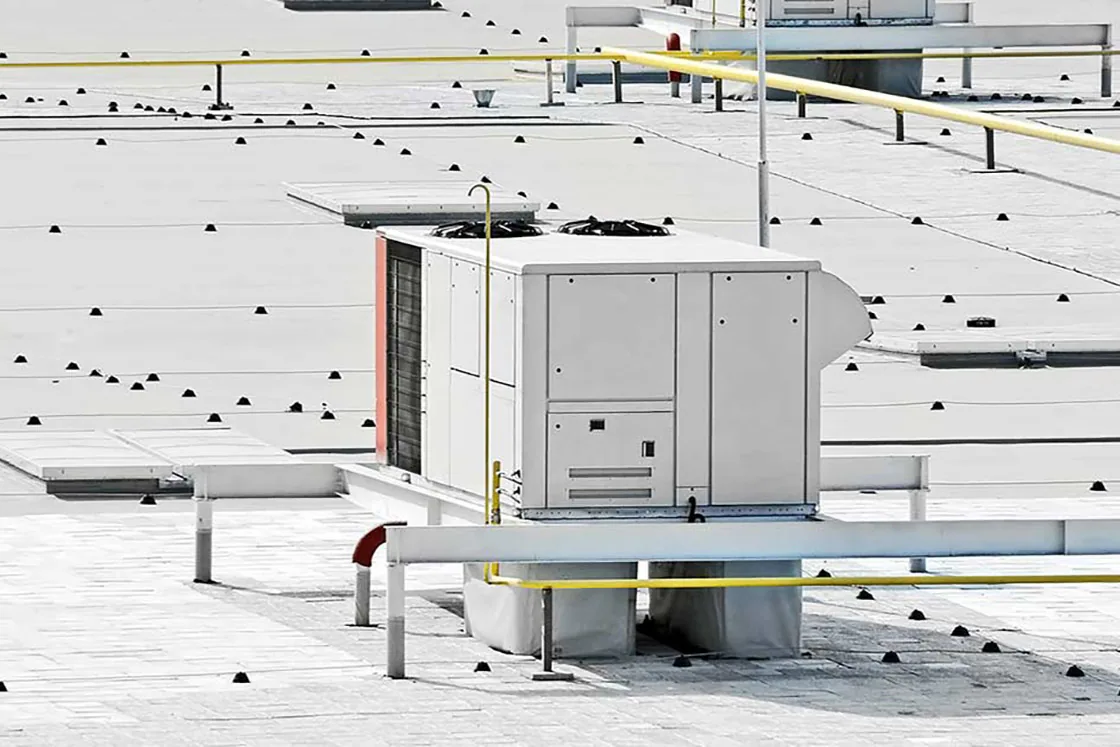
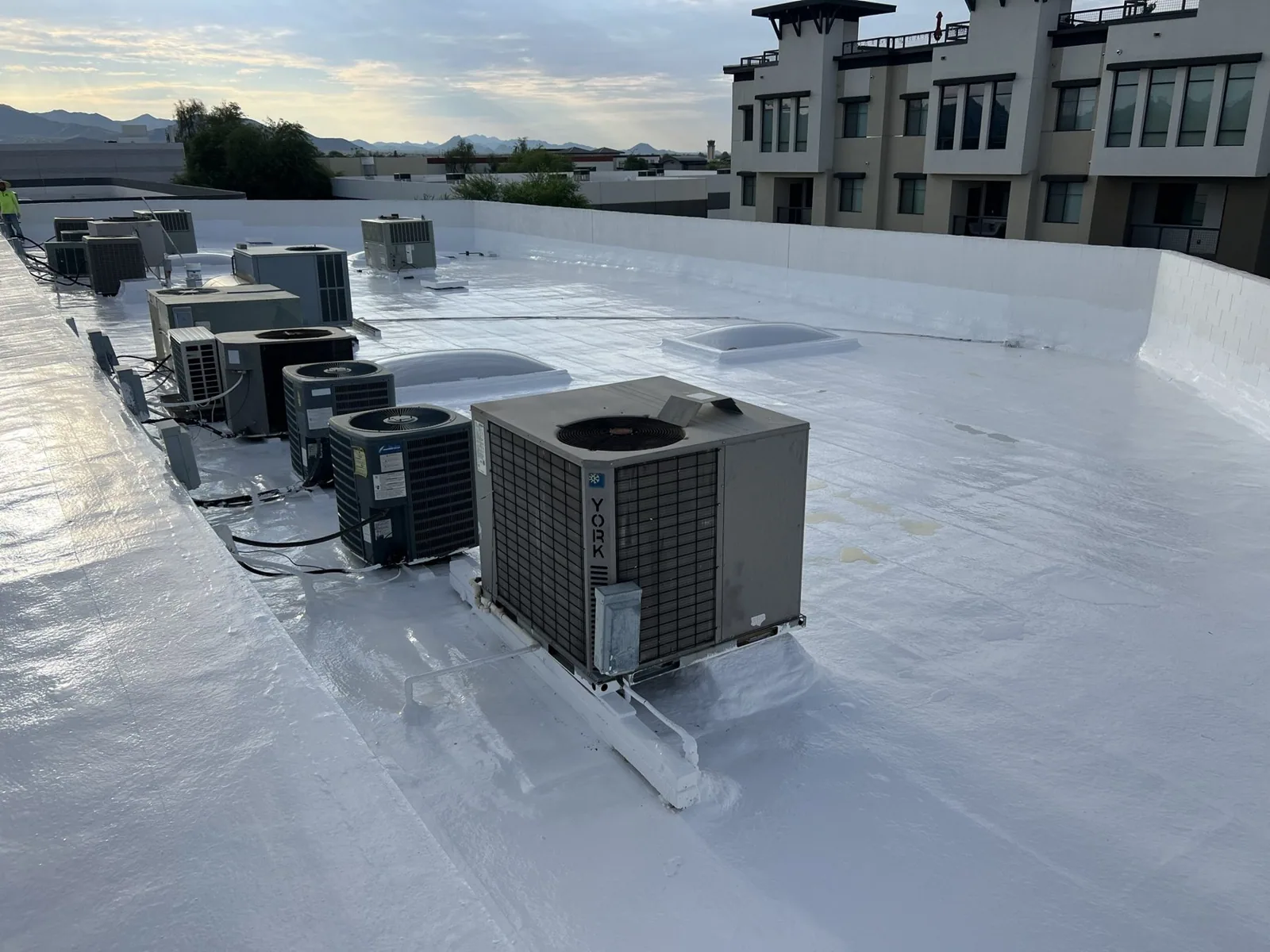
SPF can follow a roof's slope, but settling and later work may leave low areas. We check drains, scuppers, crickets, and any coating buildup that redirects water. A clogged outlet and a membrane defect are separate items. At penetrations, inspect the foam-to-curb transition and the protective coating at the base. Equipment replacements can cut or crush the surface. The repair detail should restore both the waterproof layer and the coating continuity.
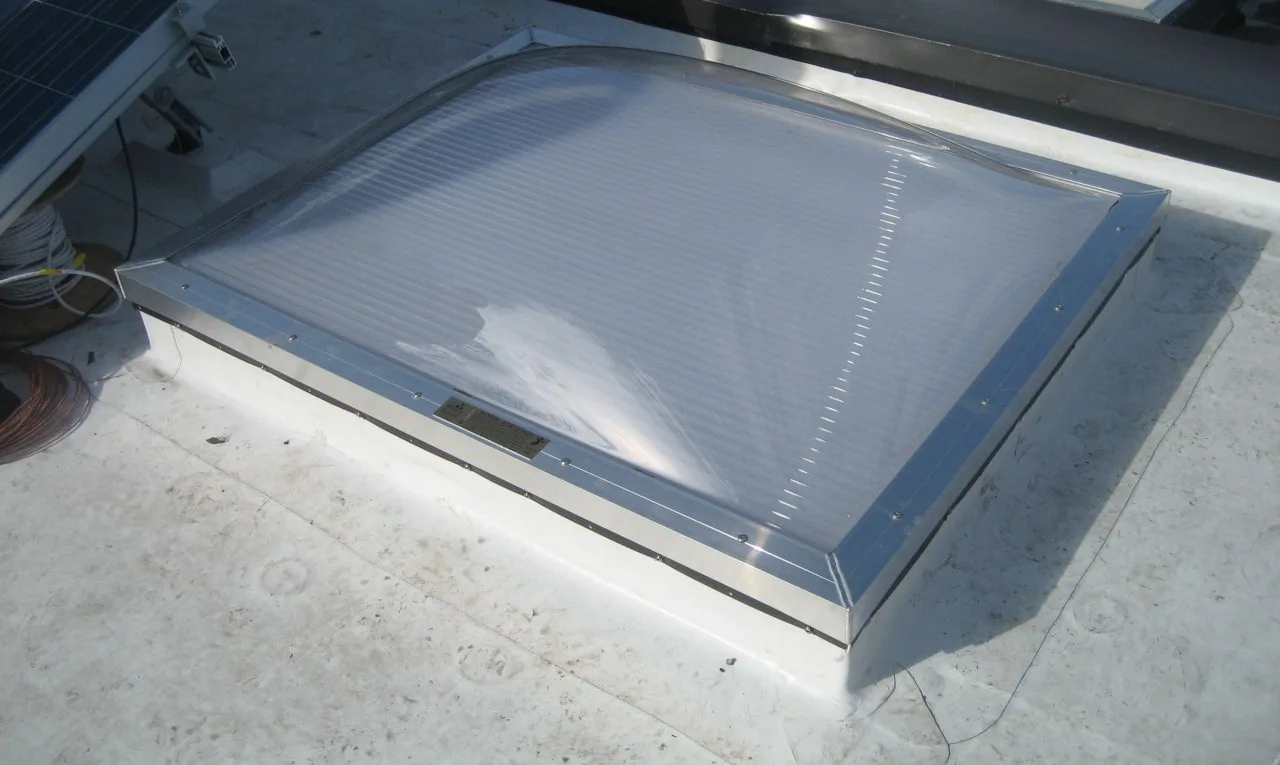
A drain that sits below a thick repair can retain water against an edge. We photograph the elevation and recommend a detail with a defined path to the outlet. Drain and scupper work can be priced beside foam repairs. Equipment curb coordination establishes which trade moves supports or disconnects units. A penetration scope covers skylights, pipes, and curb bases with a compatible transition.
Recoat or Replace the System
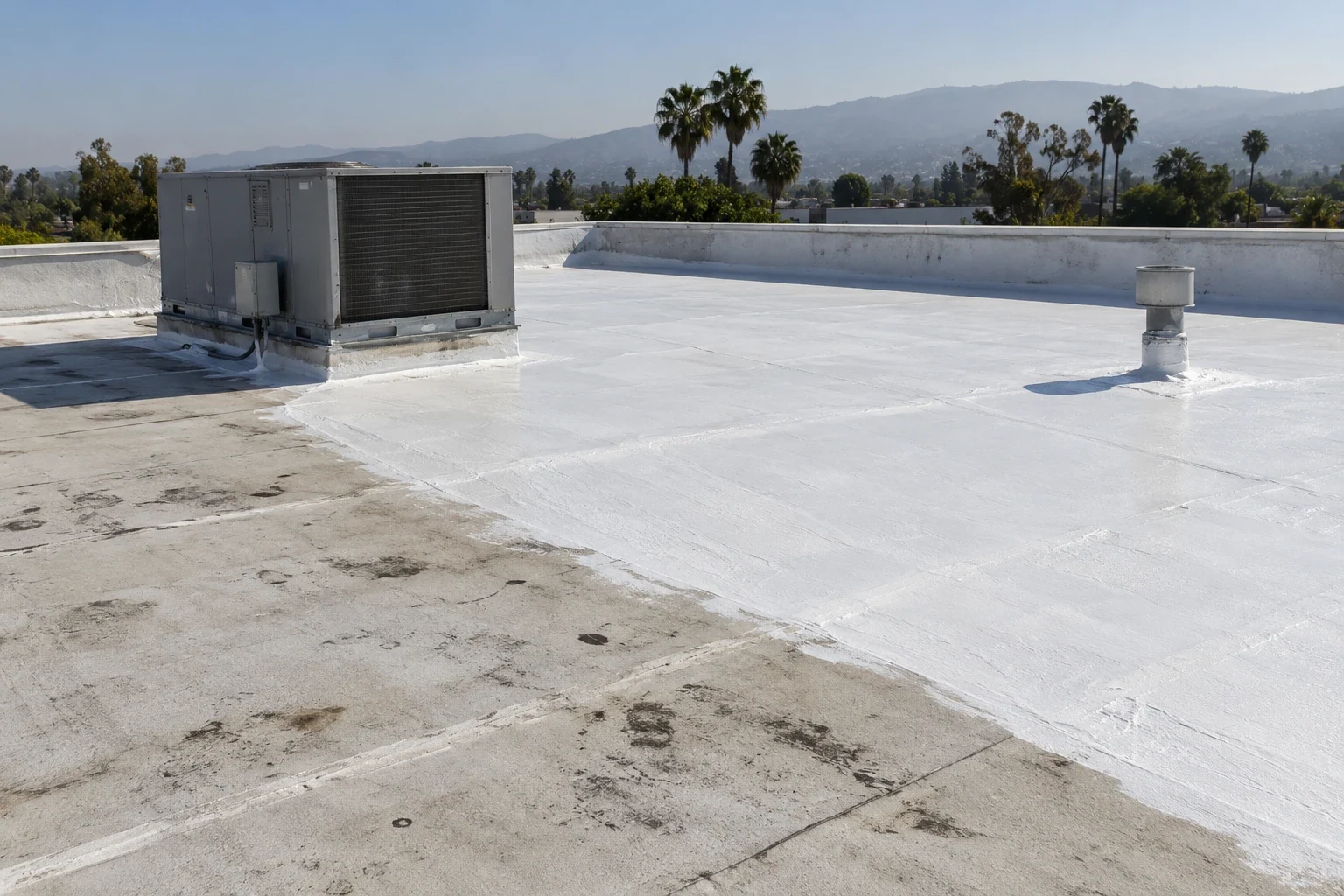
A recoat may fit when foam remains dry, firmly bonded, and properly sloped. The existing coating needs adequate adhesion and enough thickness for the specified system. We inspect seams, penetrations, drainage, and surface cleanliness before choosing a preparation method. If foam is broadly wet, crumbling, or detached, coating more material can conceal a larger failure. We measure repair areas separately from the field recoat quantity.
Silicone and acrylic products have different performance limits and weather considerations. A silicone coating or acrylic coating should match the existing surface and slope. We do not recommend a product by name alone. A recover may be possible only when structure, attachment, drainage, and new edge details support it. Compare the coating scope with a replacement estimate using the same measured area and access assumptions.
Surface Preparation and Site Timing
Coating work needs a clean, dry, prepared substrate and a window for application and cure. We sequence washing, repairs, primer where specified, coating passes, and inspection. A building contact confirms access, exhaust or intake restrictions, work hours, and protection below. If the roof is occupied by other trades, define a route that avoids tracked debris on the prepared surface. Each day's limits should end at a closed edge.
The National Weather Service describes Santa Ana winds as dry, often warm or hot, moving through passes most often from September through May. That regional pattern helps identify a planning season; current temperature, moisture, and wind decide whether application can proceed. Escondido fire guidance also flags dry, strong-wind periods. We check current site conditions before staging materials. For work near the Felicita Road and Interstate 15 Office Area, the property's delivery window still sets access timing.
Quantities and Closeout Evidence
A clear SPF proposal identifies foam removal depth, patch dimensions, coating product type, primer, reinforcement, number of passes, and inspection method. It shows drainage corrections and flashing work separately. Add an approval trigger for foam that is soft or wet under the surface. Photos should include a close detail and a wider roof reference. Document the tested locations, coating condition, and areas left outside the scope so the owner can track the next maintenance visit.
Escondido's fire-hazard map shows moderate, high, and very-high zones in different parts of the city, with ignition-resistant standards for new construction in higher zones. We verify parcel conditions and permit requirements rather than assuming one rule for every project. Downtown Escondido and the city employment areas bring differing schedules, but the roof findings determine the system. A photo condition report keeps the basis with the bid. Arrange a walk with leak records, previous coating information, and access rules. We will return a repair boundary and a budget window for the next decision.
Include roof area, perimeter length, and penetration count in the takeoff. Those measures help explain the difference between field coating and detail labor. List the minimum dry time between applications and who verifies surface conditions. If foam replacement quantities change after opening, stop at the marked boundary for approval. This keeps the work sequence aligned with the owner's occupied schedule and prevents a broad coating quantity from absorbing unforeseen reconstruction.
Set a measurable closeout standard before applying the finish layer. The crew can check dry film, inspect repaired transitions, and photograph completed details by zone. Record any area held for another trade or a later application. The owner should receive both the completed quantity and the locations left outside the system, not only an invoice total.
Frequently Asked Questions
Can another coating go over existing SPF?
The foam needs to be dry, attached, properly sloped, and compatible with the new coating. We inspect and test the existing surface before including a recoat. Loose areas or wet foam need repair first. The proposal specifies preparation and any excluded zones.
How do we know whether damage reaches the foam?
We open a representative defect when the coating alone does not answer the question. The test records coating, foam, and substrate condition at that location. We map the result and keep other areas separate until reviewed. Repair depth follows the observed layers.
What changes the timing of SPF restoration?
Cleaning, drying, repair cure, temperature, wind, and coating cure time all affect the work window. We divide the roof into areas that can close at each shift. Building operations and exhaust locations also shape access. Current site conditions govern the application day.
When should we replace SPF instead of recoating?
Broadly wet or detached foam, poor drainage, recurring repairs, or an unstable substrate can move the scope toward removal. We map affected areas and compare restoration quantities with replacement. The bid should state the test findings and what remains uncertain.
What records help price an SPF roof?
Past coating invoices, product data, roof plans, leak logs, and repair photos help identify the assembly. We verify them against the current surface. Equipment changes and access rules affect sequencing. The scope notes conflicts before final quantities are set.
Check the SPF Coating Boundary
Share prior coating records, roof plans, leak locations, and access rules. We will inspect the foam and define repair, recoat, or replacement quantities. Call to arrange a site review.
Call 555-555-5555 or email [email protected].