
Commercial Roof Planning for Investors and REITs in Escondido, CA
Industries We Serve · Escondido, CA
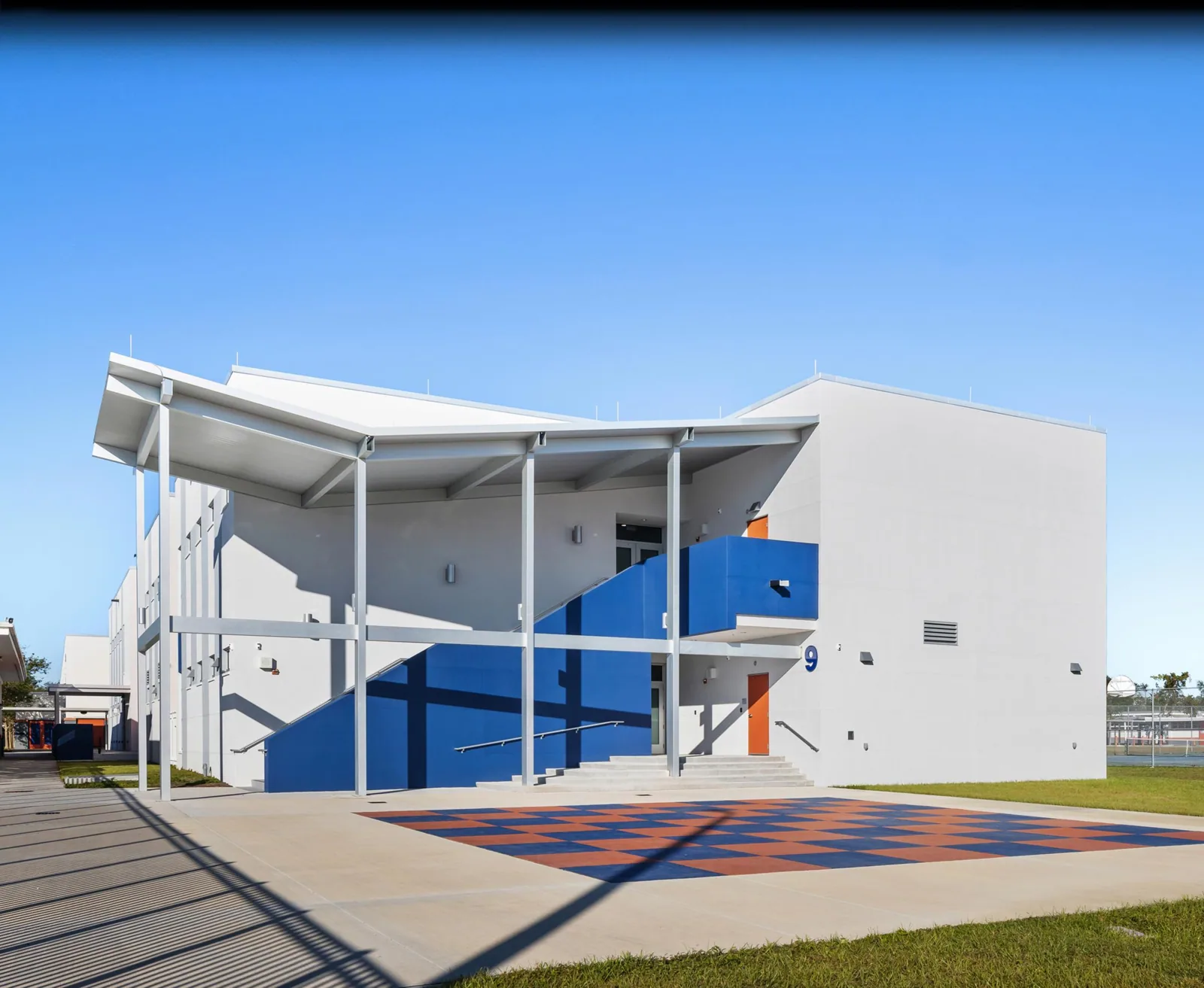
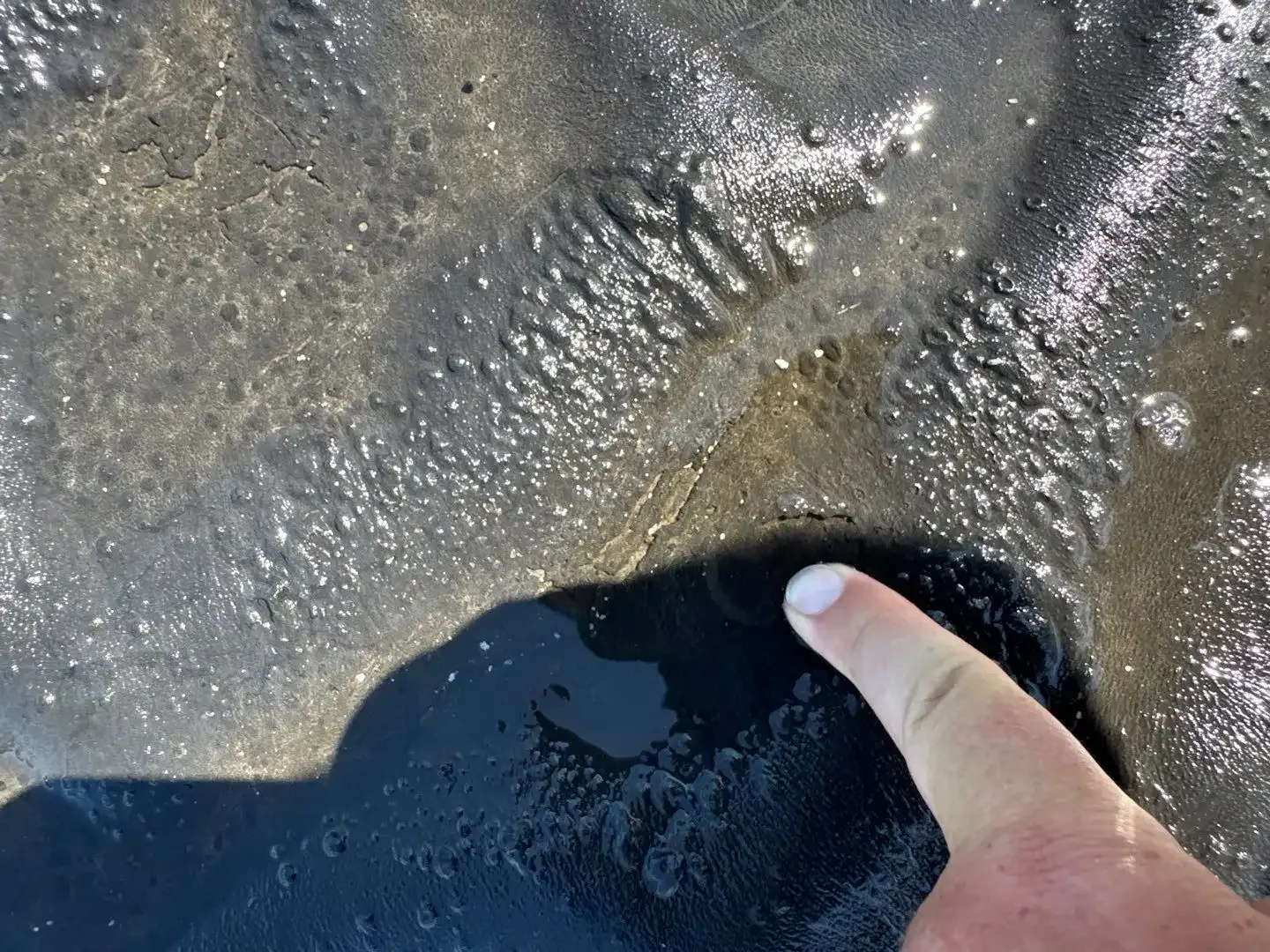
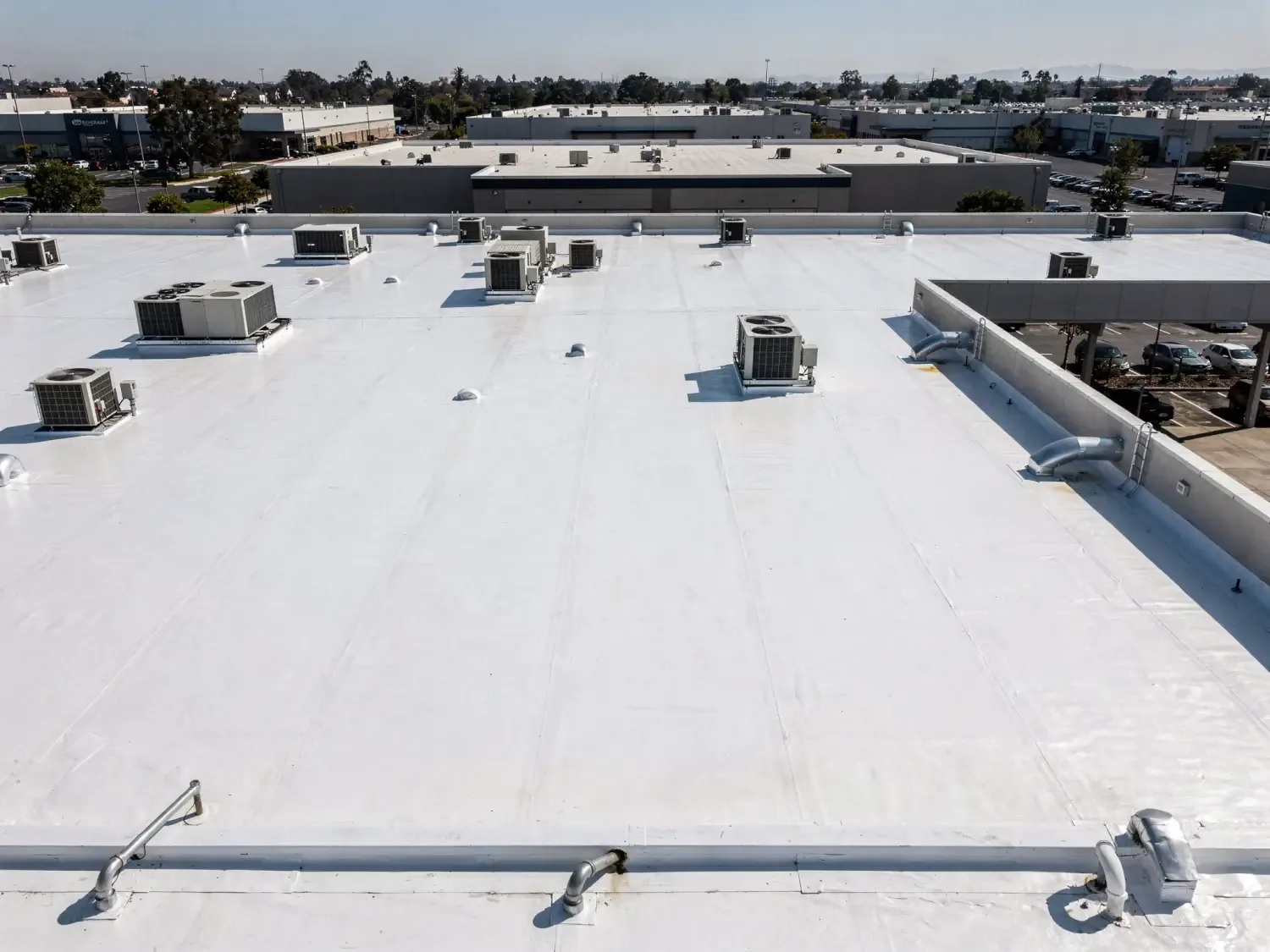
A roof reserve should follow documented conditions, not a parking-lot impression. Investors need a clear view of visible defects, inspection limits, and the next decision. We inspect commercial roofs in Escondido and connect findings to the affected zone. That may include an open seam, loose flashing, soft insulation, blocked drainage, or a detail needing closer review. We distinguish what was observed from what remains concealed. Santa Ana winds in Southern California can arrive dry and warm or hot, often from fall through spring. That regional pattern gives exposed edges and rooftop penetrations a reason for inspection. We inspect the asset’s own roof and tie any repair recommendation to observed conditions. A roof due-diligence survey can help an investor frame questions before setting a repair allowance, capital plan, or transaction condition.
Define what the inspection can establish
A visual roof visit can document accessible surfaces and details. It cannot confirm every concealed layer. The report should identify the areas reached, the assembly information supplied, and barriers that limited inspection. We photograph conditions with enough context to find the roof zone again. A close image of a split without a location is difficult to use in a later budget review. We also note whether a condition appears active, aged, repaired, or unresolved when visible evidence supports that distinction. The report avoids converting uncertainty into a repair quantity.
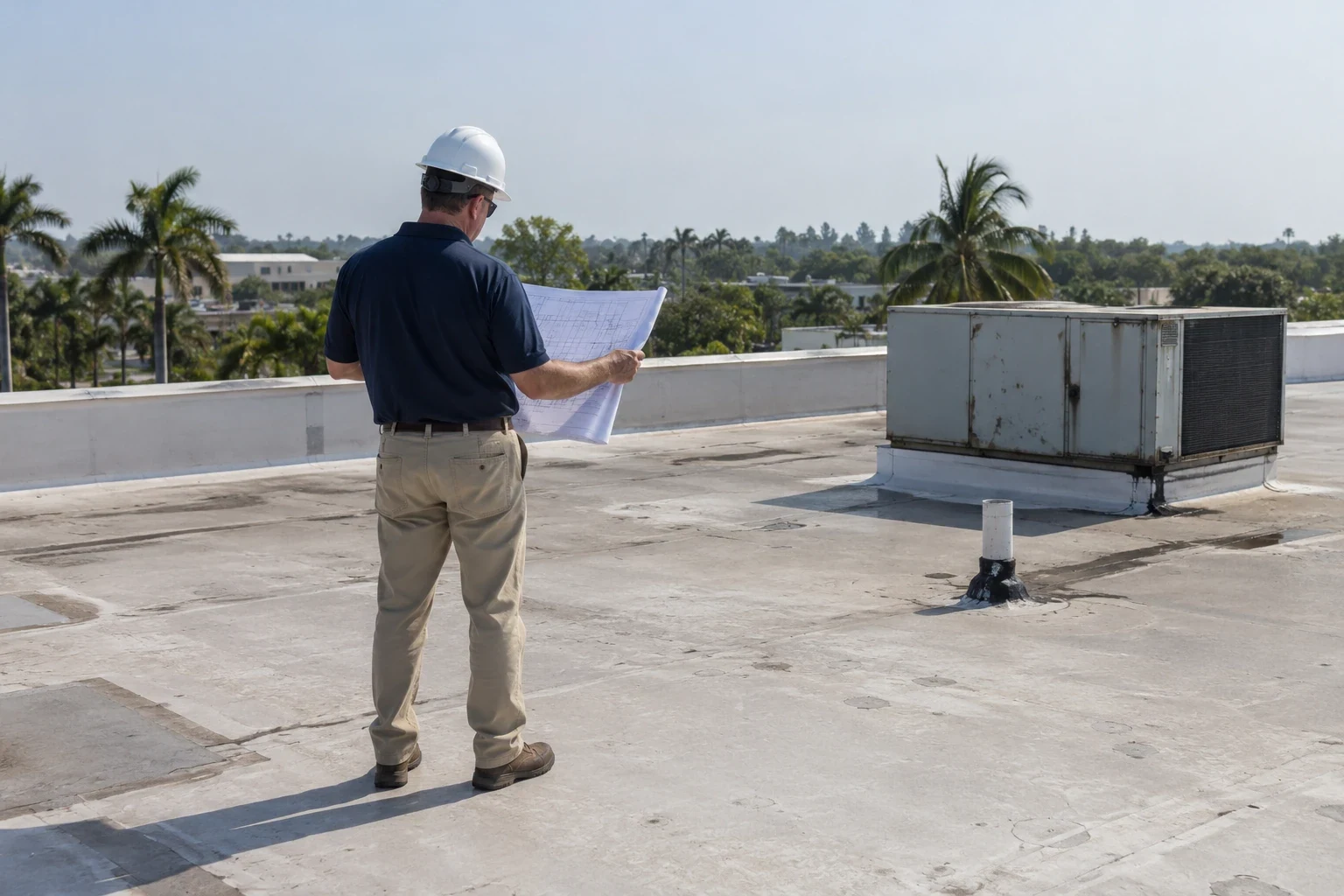
During acquisition, request existing plans, warranty records, repair invoices, and recent leak notes when available. Compare those documents with visible conditions. A mismatch can lead to a follow-up question rather than an automatic replacement recommendation. Investors evaluating several assets can use condition reports to separate immediate work from unresolved investigation. Each property's findings stay independent, even when the portfolio uses a common review format.
Compare repair with broader alternatives
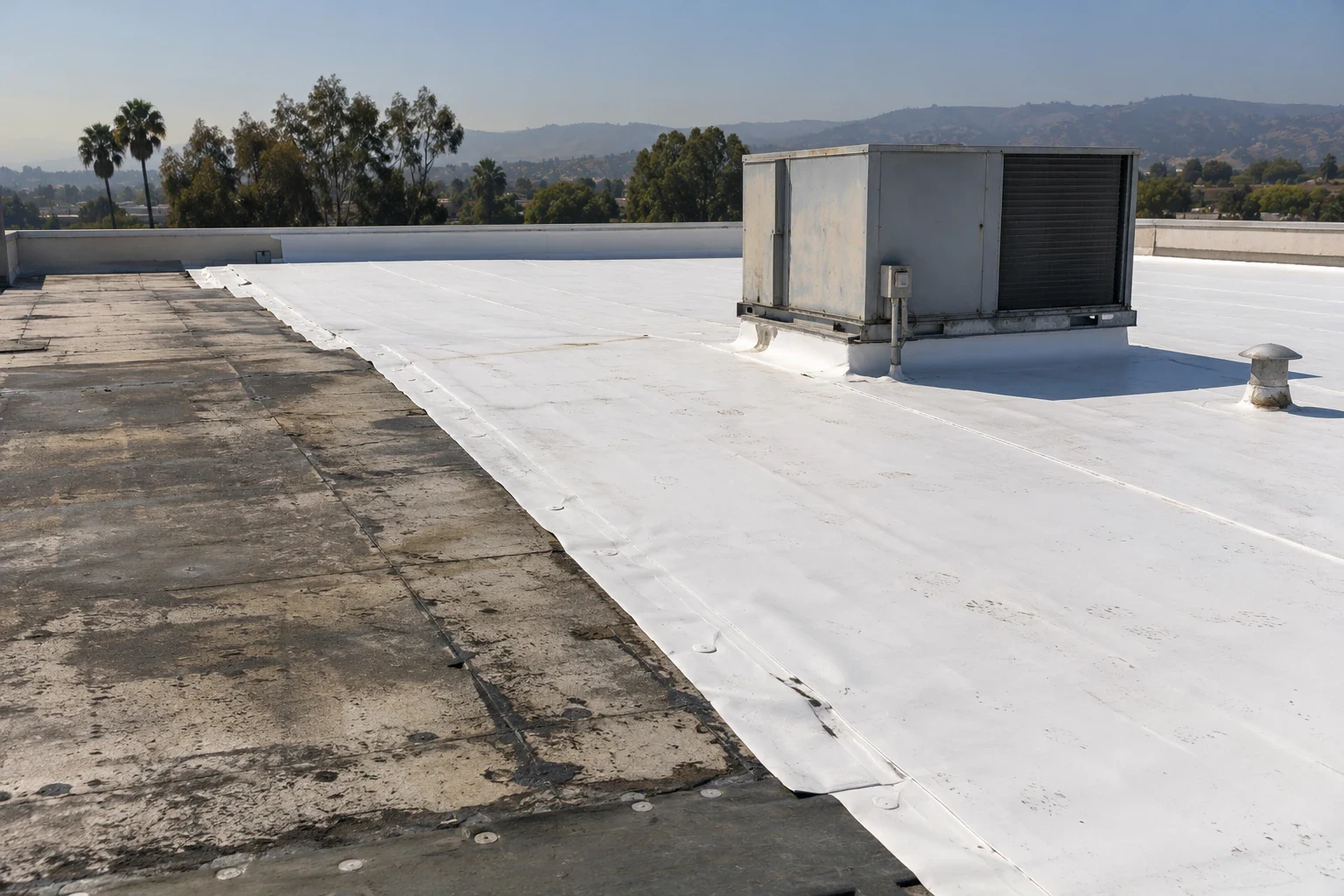
A repair, recover, and replacement are different scopes. A repair addresses a defined condition. A recover review asks whether another layer can be installed under the applicable assembly and code limits. Replacement addresses a larger system and may expose deck or insulation conditions once work begins. The roof facts decide which comparison is useful. We do not treat an isolated leak as proof that every area needs replacement. We also do not assume an old patch means the roof remains serviceable.
For a repair estimate, identify the detail, access requirements, material transition, and excluded areas. For recover or replacement planning, document what must be tested or opened before a final quantity can be set. The roof recover review and commercial replacement scope should state their assumptions separately. That gives ownership a fair comparison instead of a single number with hidden unknowns.
Connect findings to the hold-period plan
Capital timing depends on more than roof age. Current water entry, repeat repairs, access, tenant impact, assembly condition, and the cost of deferring work all matter. We can separate immediate protection from permanent repair and longer-range planning. The report should state which finding supports each proposed step. If insulation or deck condition is concealed, exploratory work may be needed before the budget becomes specific. Keep that work separate from the permanent scope so approval remains clear.
A roof capital plan can group documented needs by evidence and timing. It cannot set an exact failure date from one inspection. Investors can compare a current repair against a broader review, then keep contingency assumptions beside the estimate. That is more useful for a hold-period decision than treating every visible mark as either harmless or urgent. The property manager's work-order record can carry approved findings into future operating reviews.
Account for tenant and access conditions
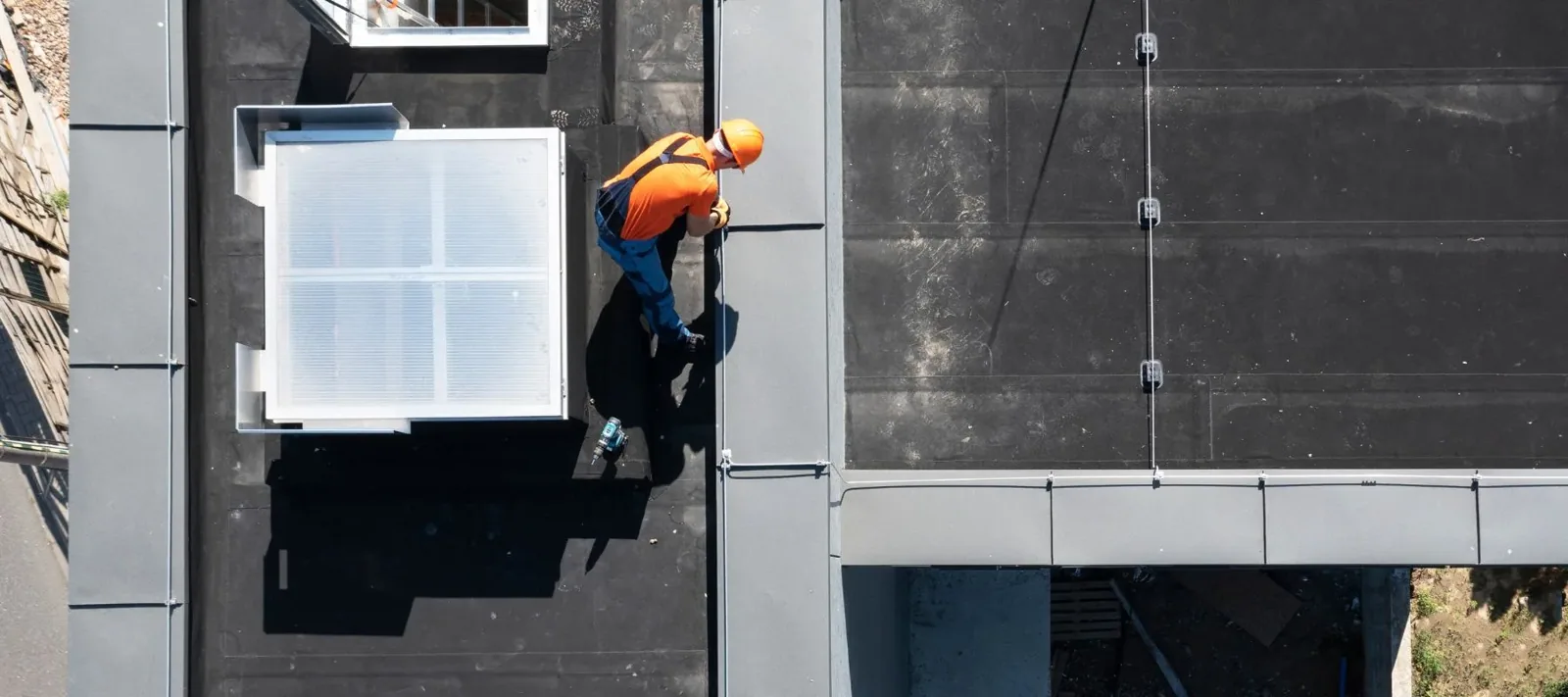
A roof scope affects the people and equipment below it. Identify operating hours, sensitive areas, rooftop equipment, lift access, loading paths, and tenant notice requirements before mobilization. A short access window may limit how much roof can be inspected safely. The proposal should say what fits that window and what must wait. If a tenant reports active water entry, document the location and any temporary protection already in place. A focused commercial roof inspection can define what the visit can verify.
At a multi-tenant asset, stage noisy or disruptive work around confirmed building rules. Do not infer those rules from the property's neighborhood or use category. If another trade is servicing rooftop units, coordinate before opening nearby flashing. A work sequence that accounts for access can reduce repeat setup and unnecessary roof traffic. For recurring calls, consider whether preventive maintenance can document small corrections while preserving larger items for separate review.
Escondido access and property records
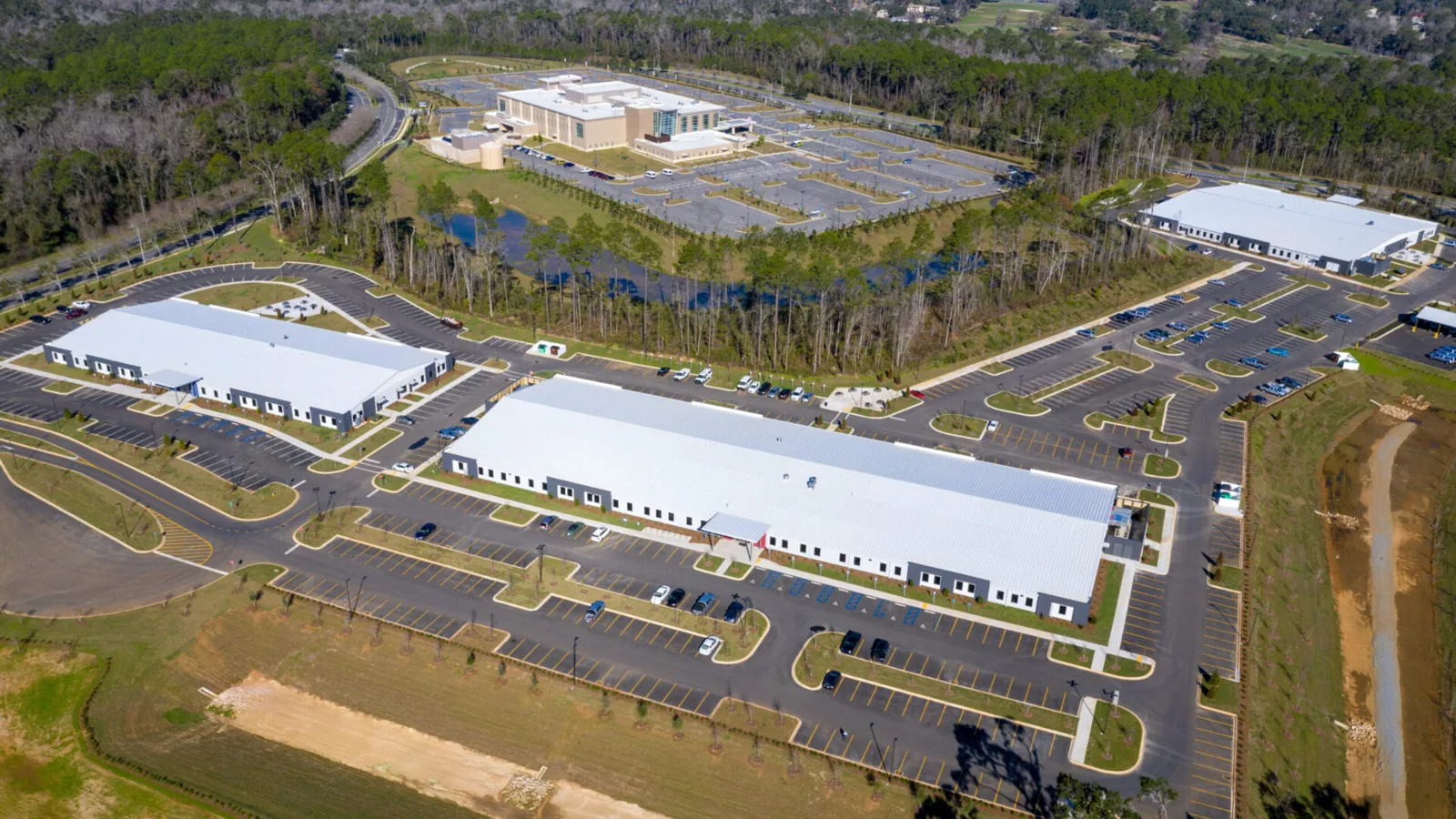
Centre City Parkway’s commercial mix includes storefront, office, visitor-serving, and residential uses. The Harmony Grove employment park lies along Citracado between Avenida del Diablo and Auto Park Way. For an investor review, verify the property’s own truck approach, gate rules, and roof-access window with its manager. A Downtown Escondido property and an asset near Harmony Grove may need different delivery and roof-access arrangements. During diligence, record the route, equipment limits, and operating window for the property inspected. Compare those notes with its roof layers, moisture findings, repair history, and tenant constraints before setting a capital line.
For an asset near the Harmony Grove Industrial Park, note the approved truck route, equipment staging point, and tenant access window in the inspection file. A property near Centre City Parkway may need a different delivery plan; confirm it with the property contact before scheduling. Manufacturing roof operations may add line-stop or equipment coordination. Keep those requirements separate from roof defects, then tie each recommendation to the inspected zone.
Frequently Asked Questions
Can a roof inspection set an acquisition reserve?
It can document visible conditions and defined next steps for reserve planning. The report should also list access limits and concealed conditions that need follow-up. Final allowances depend on the agreed scope and any findings from exploratory work.
Does one leak mean the whole roof needs replacement?
No. A leak identifies a reported area, not the condition of every roof zone. We inspect the detail and nearby assembly, then explain whether repair, testing, or a broader review is supported.
What records help before a property inspection?
Provide roof plans, repair history, warranty documents, and recent leak notes when available. The inspector can compare those records with accessible conditions and flag information that remains unverified.
Can a proposal separate immediate work from capital planning?
Yes. A defined protective measure or repair can be listed separately from investigation and longer-range assembly planning. Each item should state its basis, exclusions, and approval point.
Will a roof report predict remaining service life?
No single visual visit can establish an exact remaining life. It can record current conditions, known assembly details, and limits. Broader planning depends on follow-up evidence, maintenance history, and budget needs.
Review a property-specific roof scope
Share the reported roof area, available records, and access contact. Call Commercial Roofers Escondido to arrange an inspection and review a defined scope.
Call 555-555-5555 or email [email protected].