
Commercial Roofing in Harmony Grove Industrial Park, Escondido, CA
Service Areas · Escondido, CA

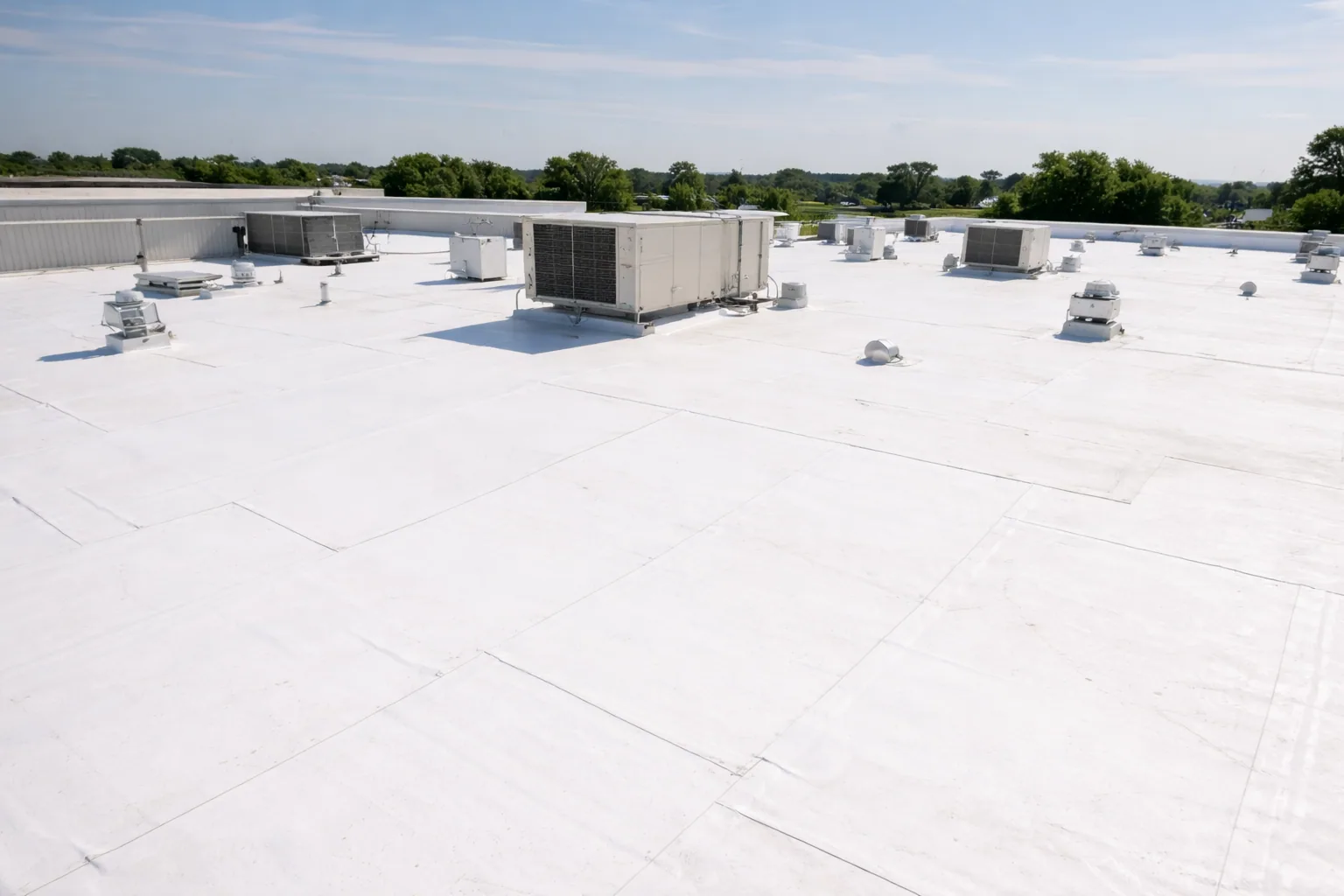
A roof scope for an industrial property starts with the assembly and the work window. Citracado Parkway connects Harmony Grove Industrial Park's stated bounds at Auto Park Way and Avenida del Diablo. The district spans about 476 acres, with detailed development standards covering 201 acres. The acreage and lot range describe a multi-property employment area, so equipment access and roof assembly must be checked at each building. We inspect the actual membrane, seams, edges, penetrations, and drainage before pricing. The result is a defined repair boundary or a clear reason to consider replacement. An on-roof commercial inspection gives the project team a starting record.
Lot scale and roof scope
Employment lots in Harmony Grove range from one to 40 acres. At the building, we measure the roof and separate its sections by assembly, elevation, drainage, and condition before selecting a repair boundary. Where access is restricted, we note what could be inspected and what needs another method. A photo condition report can show each finding beside its location. That record lets facilities staff compare each roof zone and follow the repair boundary at the property.
Citracado Parkway, Auto Park Way, and Avenida del Diablo frame a multi-property employment area. We mark the actual roof zone and access point for the building under review. A visible split seam, loose edge, or open penetration gets a measured work limit. Sound adjoining material stays outside the repair unless inspection shows otherwise. For a commercial repair scope, we identify the layers to open, the tie-in detail, and the closeout check. Those details let a general contractor price the work against the actual roof.
What the first walk establishes
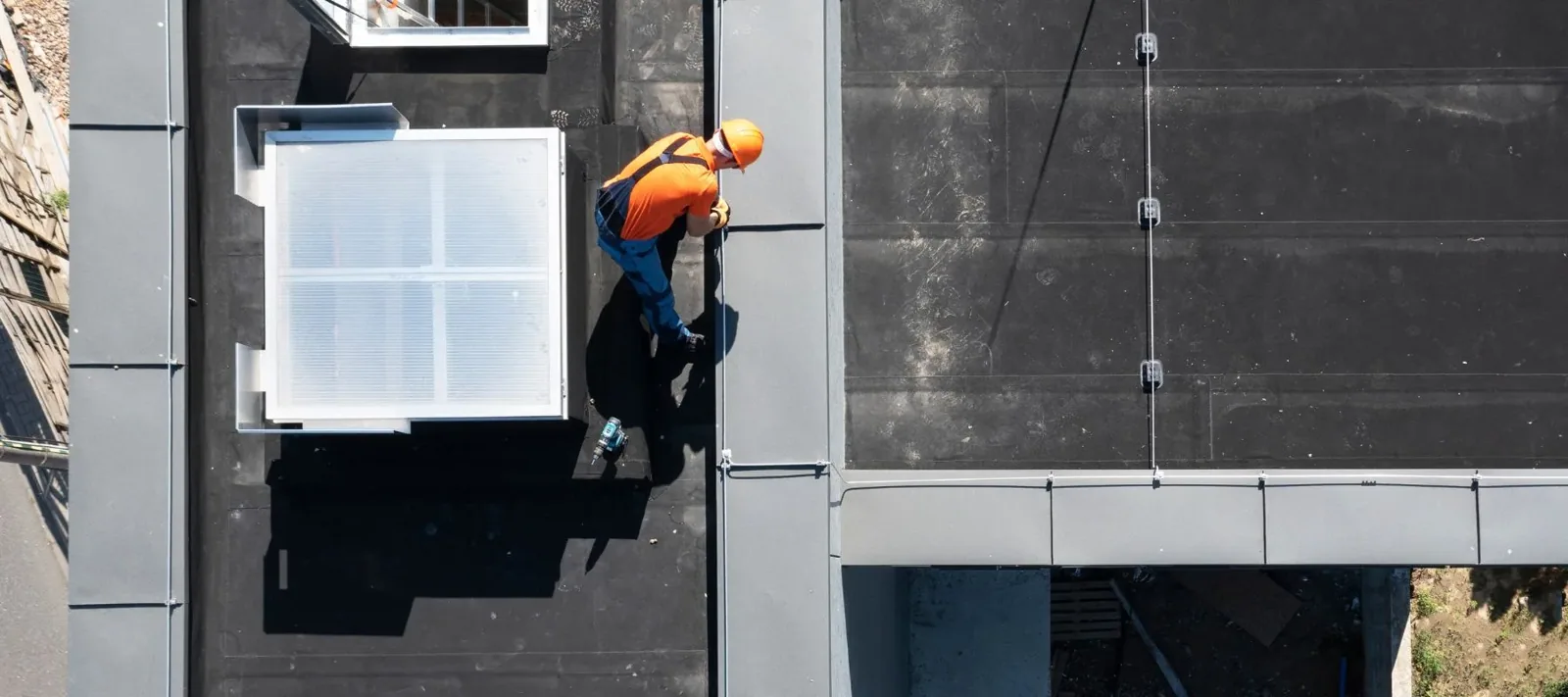
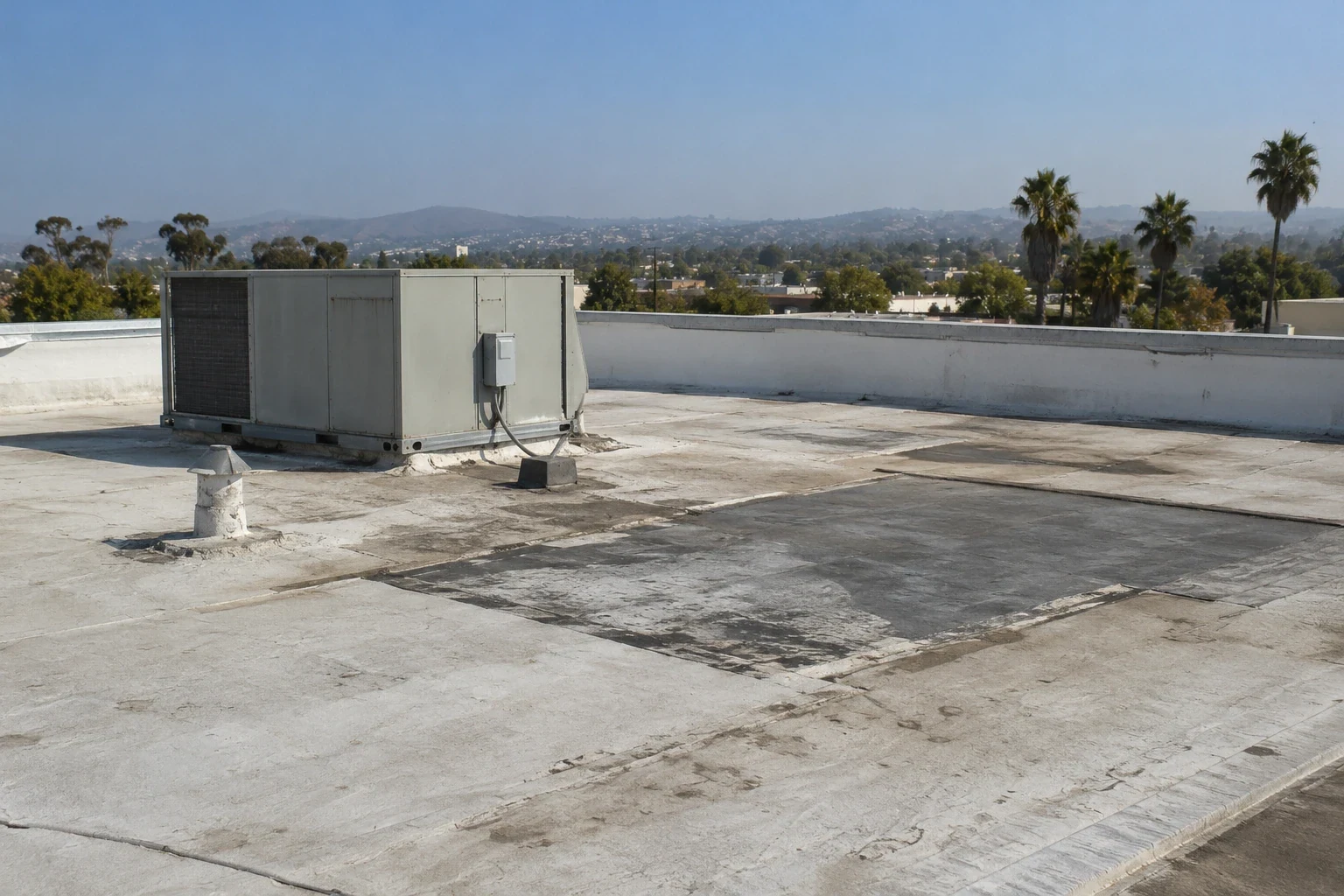
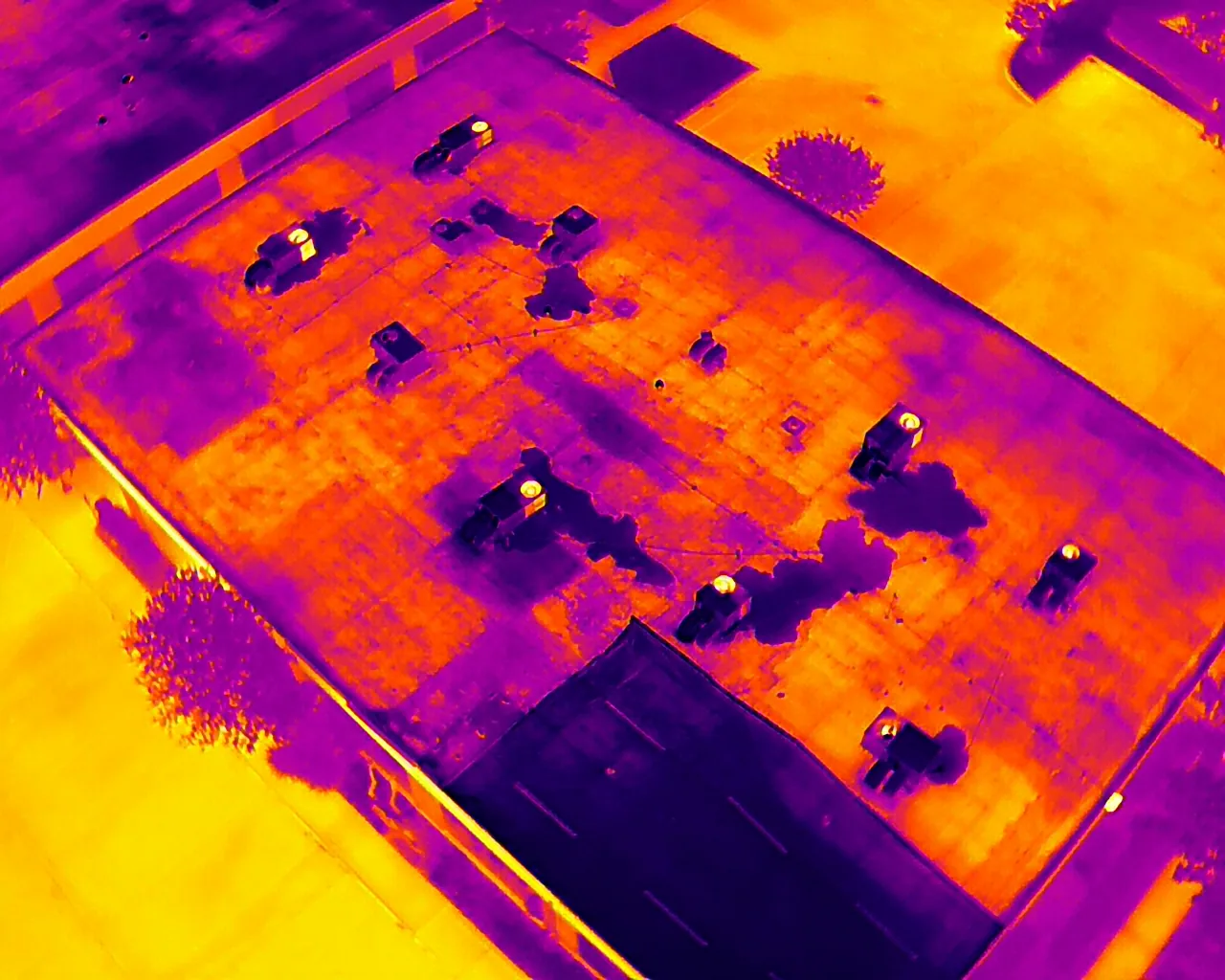
On a first walk, we start where water can cross the roof assembly: seams, wall transitions, drains, curbs, and penetrations. We look for lifted edges, failed sealant, open laps, damaged flashing, trapped debris, and signs of movement. A symptom can appear below the entry point, so we map the reported leak against the roof above it. If the condition is not visible, infrared or other testing may help locate retained moisture. We describe the limit of each observation and what additional access or testing would answer.
A moisture survey can inform whether wet insulation sits beyond an obvious repair. It does not replace a physical review of seams and transitions. We record the affected area, adjacent conditions, and any obstruction that limited the view. That distinction matters when an estimate must separate known work from an allowance or follow-up investigation. If several roof areas need attention, a roof condition record can keep the findings organized by building and priority for later budget decisions.
Wind exposure and edge details
In Escondido, Santa Ana winds are typically dry and warm or hot. Their most common period runs September through May, and they can damage property. For a roof inspection in Escondido, that regional condition makes edge metal, perimeter attachment, coping, and flashing worth a close look. We check for movement, open joints, loose fasteners, and membrane separation. A finding at one edge does not establish a defect across the roof. We mark the location and extent before recommending a repair.
Escondido red-flag periods involve dry northeast winds, often Santa Ana or easterly flow, and strong winds can increase wildfire spread. After a wind report, check edge metal, coping, flashing, and rooftop items. If we find an opening or displaced detail, a wind-damage repair scope states which components need work and what remains serviceable.
Repair, restoration, or replacement
A repair may fit when the surrounding roof remains sound, the moisture extent is limited, and the assembly accepts a dependable tie-in. Restoration can be considered when the existing surface is suitable, drainage can be corrected, and preparation supports the selected coating. Replacement enters the discussion when wet insulation is broad, attachment has failed, repeated repairs are accumulating, or the system cannot accept another reliable tie-in. We verify those conditions rather than selecting an option from the industrial label or lot size.
Material, access, tear-off depth, insulation replacement, edge details, crane or lift needs, and disposal all affect cost and timing. Existing equipment and active operations may narrow the work window. We set out alternatives with their assumptions, exclusions, and testing needs. A capital plan can then separate urgent repair from planned renewal. If a recover is suitable, we explain the assembly and preparation requirements before proposing it. A recover review starts with attachment, moisture, and drainage conditions, not a promise that another layer will fit.
Access, tenants, and trade sequence
Industrial work can overlap with deliveries, equipment service, and other trades. We ask for roof access rules, escort needs, loading limits, shut-down restrictions, and the person authorized to approve changes. The access plan affects inspection time as well as crew sequencing. Before mobilization, we confirm staging, lift routes, material protection, and how a temporary opening would be secured. If the building remains in use, a phased roofing sequence can keep exposed areas controlled while operations continue.
Mechanical equipment can constrain membrane work around curbs and supports. We coordinate which trade disconnects or raises equipment, who owns temporary protection, and how the finished flashing will be reviewed. Work should not proceed beneath equipment that cannot be safely moved or protected. We record the decision before pricing the roofing portion. For adjacent commercial planning context, the Research and Technology Center area and Centre City Parkway corridor are other Escondido locations, each with its own confirmed property conditions. Their plans do not establish conditions at Harmony Grove.
Frequently Asked Questions
What does the employment lot range mean for a roof survey?
The lots range from one to 40 acres, but building area and roof configuration vary. We measure the structure and verify its assembly, dimensions, drainage, and access before selecting repair or replacement details.
Can roof repairs be scheduled around deliveries and equipment work?
Access windows, loading activity, and equipment restrictions set the sequence. We review those limits with the project contact, define staging, and coordinate roof work with other trades before mobilization.
What should we send before pricing a roof project?
Roof plans, leak locations, prior repair records, access rules, and schedule limits help define the first review. We compare those records with observed conditions and flag testing or opening needed to price uncertain areas.
When does a local repair stop making sense?
The decision follows moisture extent, attachment, repeated repair history, and the condition of adjoining material. We document those findings, then compare the limits and timing of repair, restoration, or replacement.
Does a Santa Ana wind alert mean the roof needs replacement?
An alert describes weather risk, not a roof diagnosis. We inspect edges, seams, and penetrations after reported damage, then identify the observed repair area and any condition that needs further testing.
Set the roof review
Arrange an inspection or scope review for Harmony Grove Industrial Park. Share roof plans, access rules, leak locations, and schedule limits so we can set a practical inspection window and define the next decision.
Call 555-555-5555 or email [email protected].