Sika Sarnafil Roofing in Escondido, CA
Roofing Manufacturers · Escondido, CA

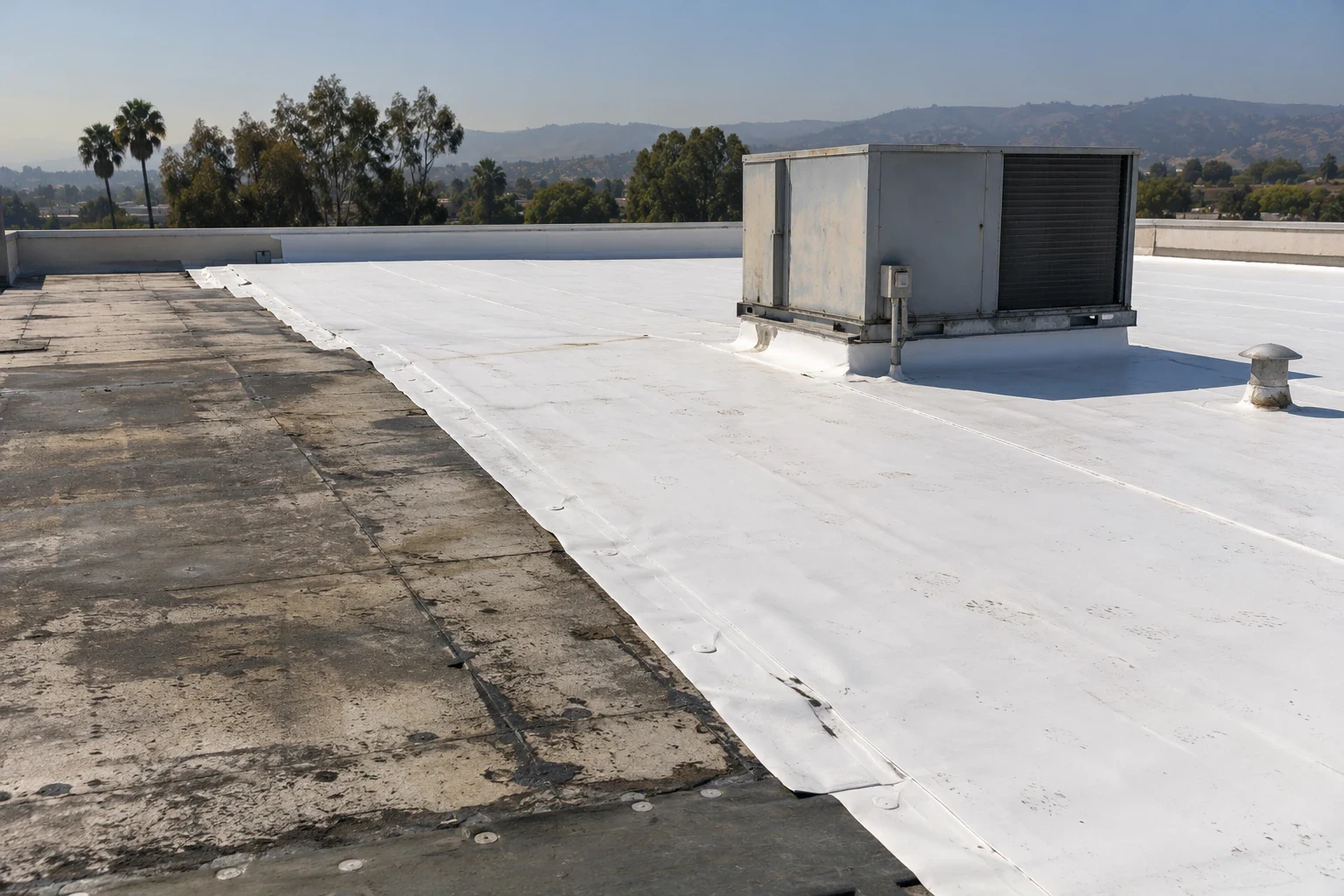
A chalked seam beside a rooftop unit can make a Sarnafil repair more involved than it looks. We identify the membrane series, attachment, flashing, and substrate before drawing the repair limit. Sarnafil is Sika's PVC roofing membrane family, with adhered and mechanically attached assembly choices. Its G and S product lines use different reinforcement and installation approaches. In Escondido, the General Plan identifies Centre City Parkway among commercial areas targeted for revitalization. That context does not describe a building's roof. We inspect actual seams, curbs, drainage, and access before setting scope. A PVC system review can explain the thermoplastic seam method, while the site inspection establishes what is installed.
We record field markings where accessible and compare them with closeout documents. Prior repairs, rooftop changes, and different additions can complicate identification. A manufacturer name alone does not tell us whether a sheet is G-series, S-series, or a different PVC membrane. We keep each zone distinct and note where a sample or record is still needed. That avoids ordering material against a guess.
G-series, S-series, and fastening
Sarnafil G membranes are associated with adhered roofing systems, while S membranes are reinforced for mechanically attached use. The chosen assembly still depends on the approved detail, deck, substrate, roof geometry, and project design. We check attachment patterns at accessible edges and verify what the specification called for. A change in attachment can affect perimeter work and wind-load design. The crew should not infer the fastening plan from one exposed fastener plate.
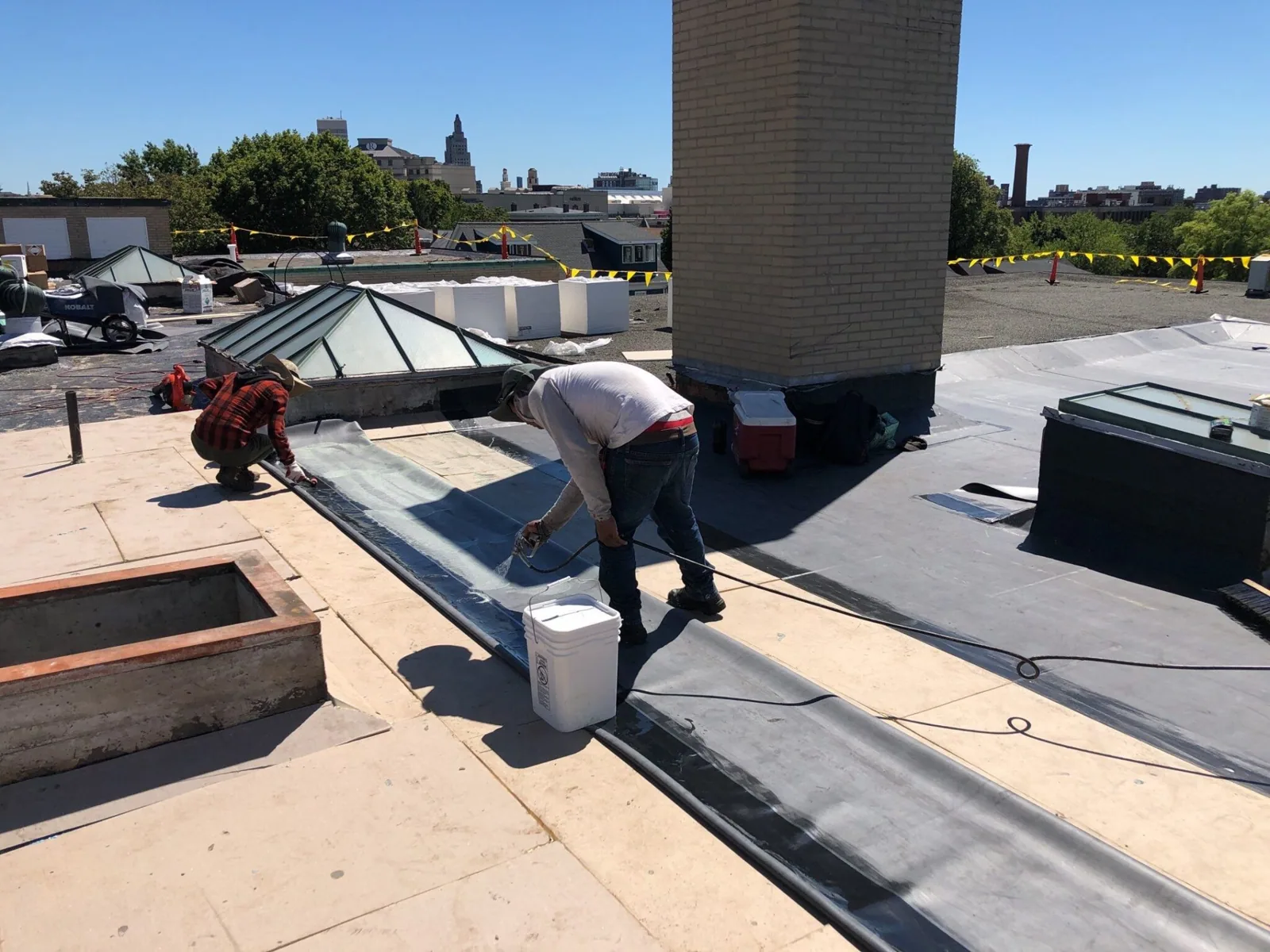
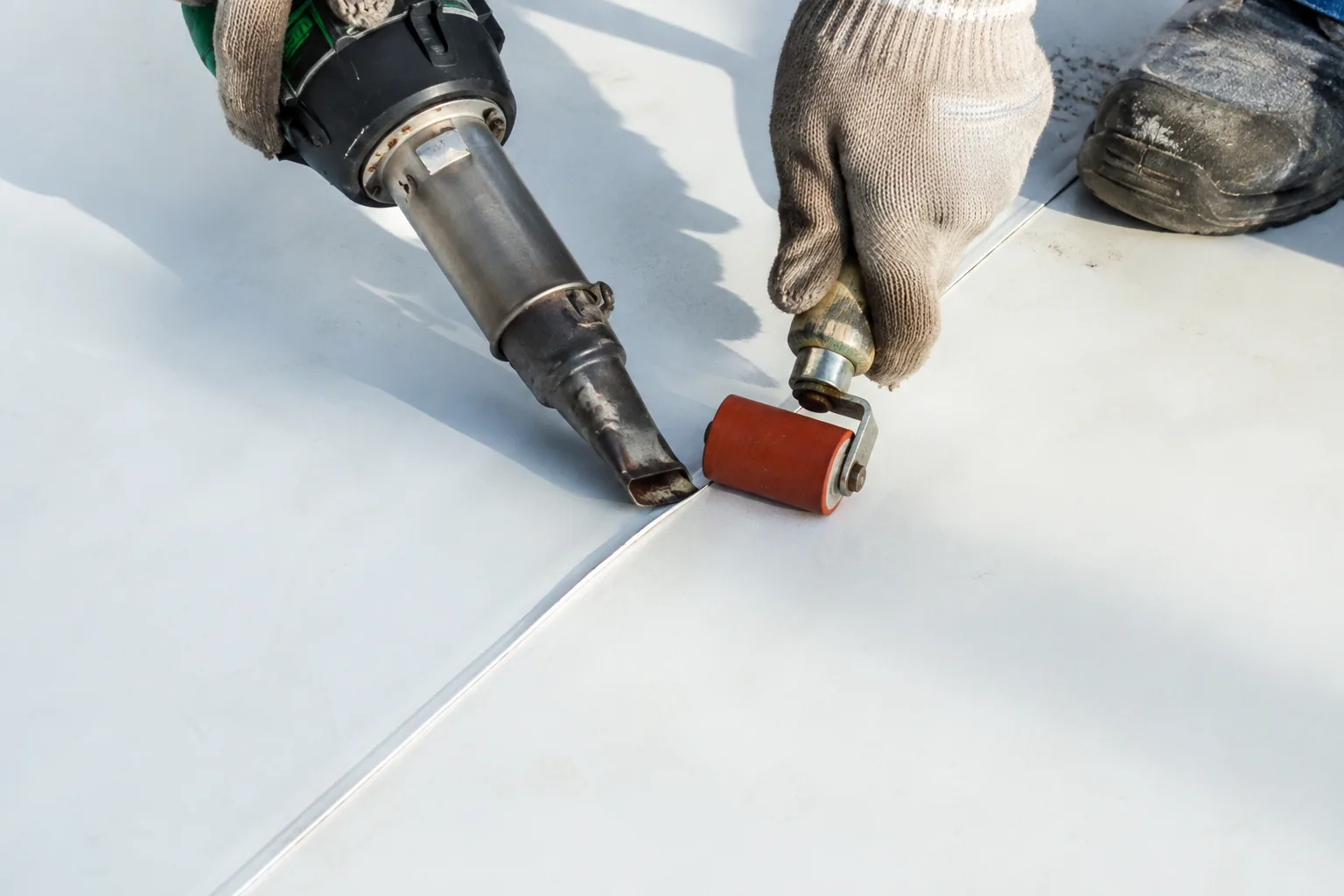
As a thermoplastic roof, PVC uses hot-air welded seams. Lap condition, weld width, contamination, and sheet movement all matter. We probe representative seams and look for incomplete contact or repairs that have separated. The Johns Manville PVC range and Holcim Elevate assemblies have their own product selections and attachment details.
Welds, wall returns, and penetrations
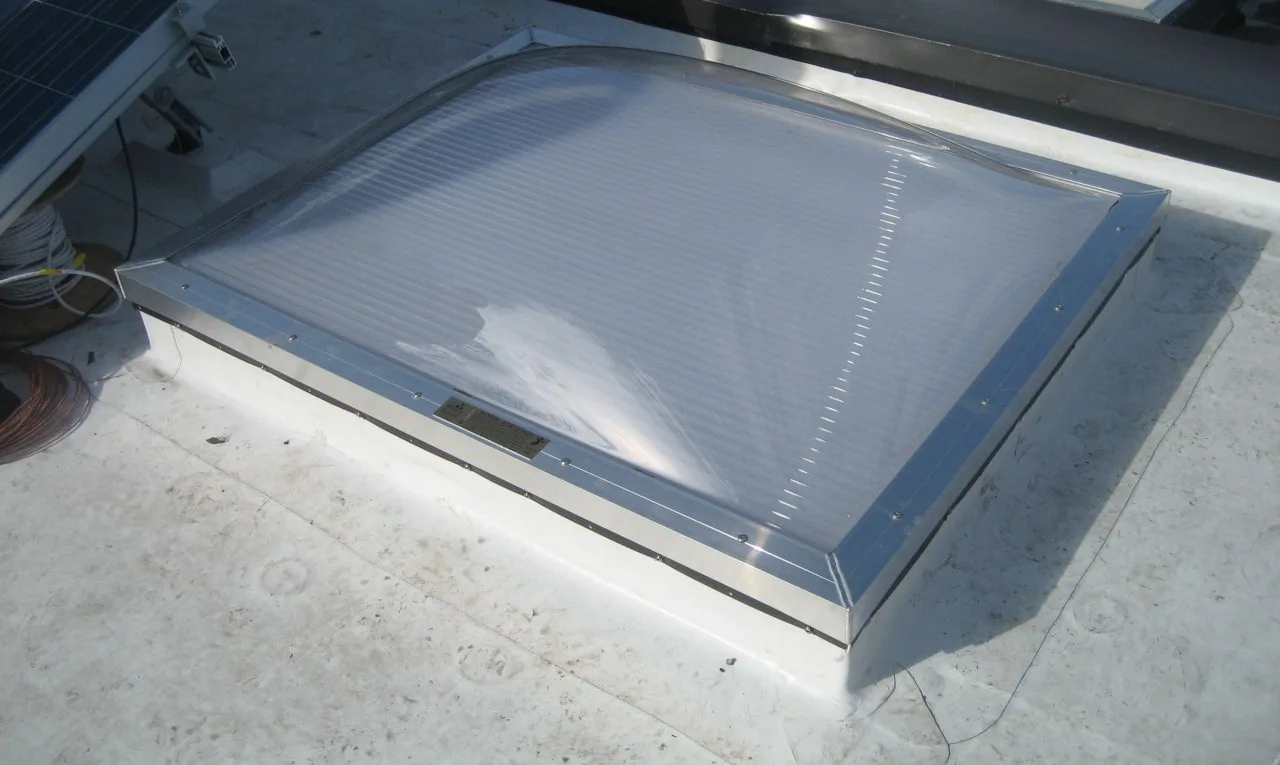
A good field seam does not resolve a weak wall transition or curb corner. We inspect base flashing, inside and outside corners, pipe boots, termination bars, metal coping, and rooftop equipment supports. A split or loose edge may require opening enough material to find sound substrate. The repair scope identifies preparation, new sheet, welds, and the final check. If more than one roof area is involved, the written record maps each one separately.
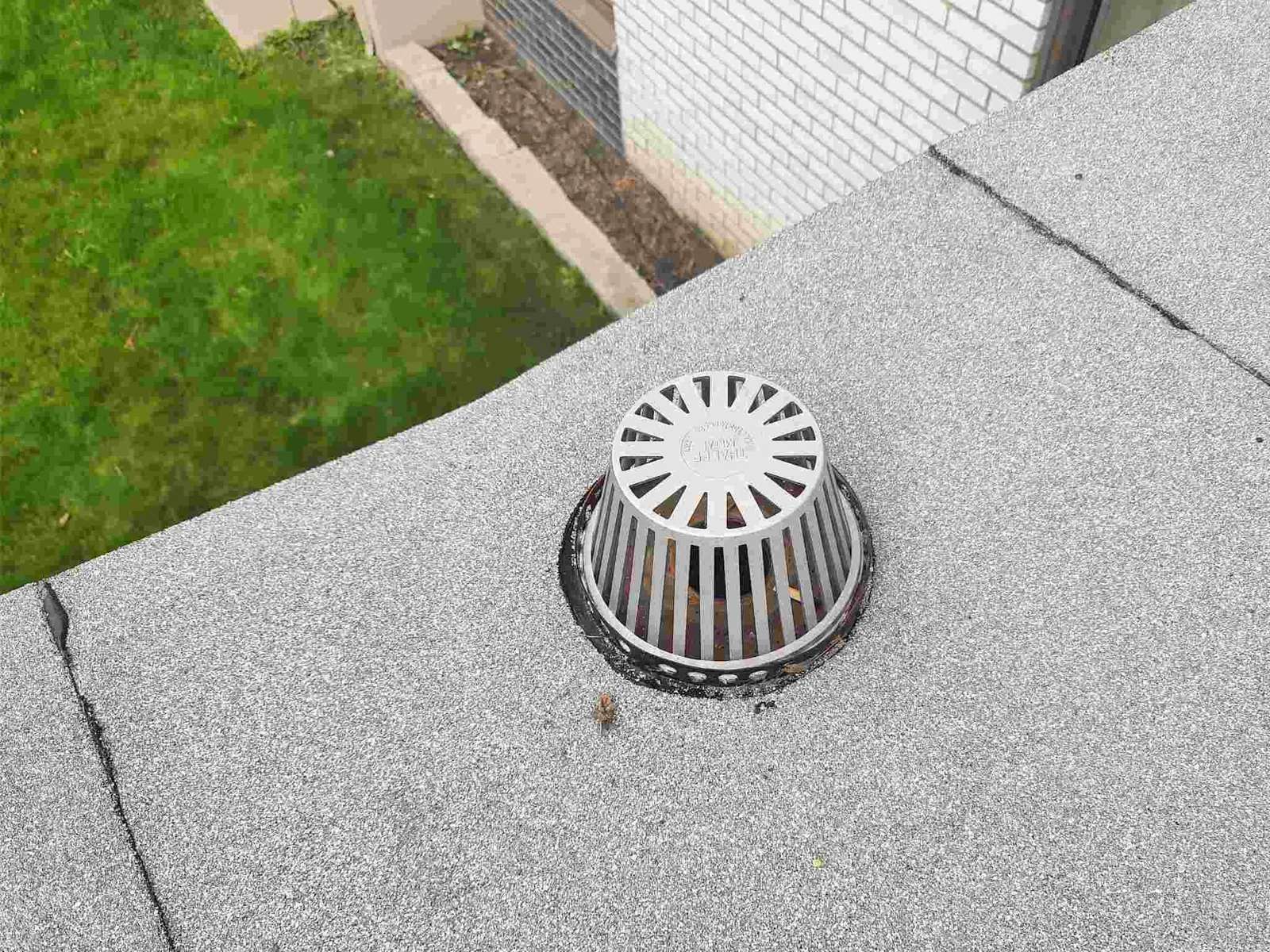
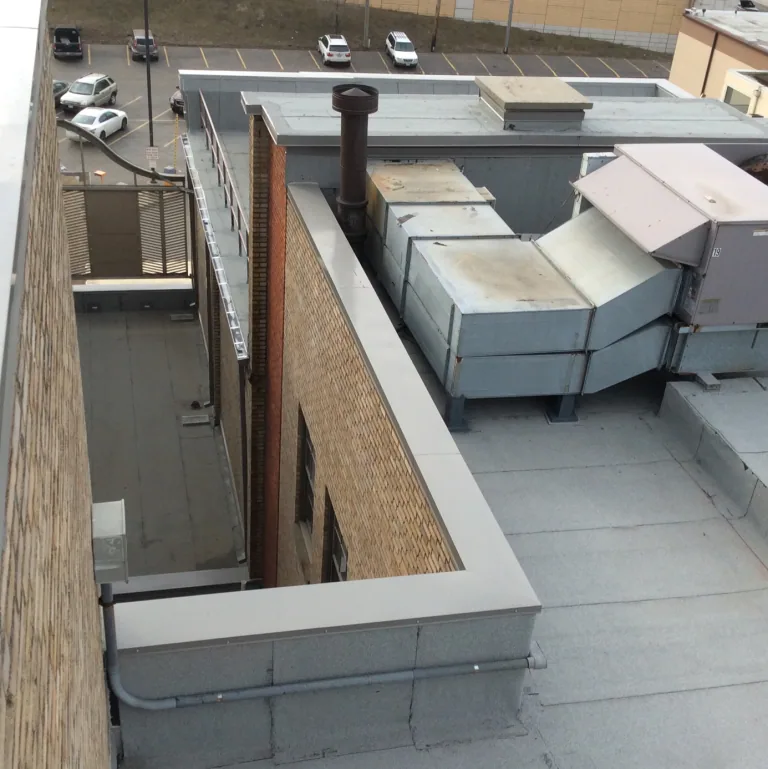
PVC contact with asphaltic residue or incompatible materials can affect the repair decision. We identify separation layers and prior patching before joining new sheet to an older assembly. At a drain, the membrane must tie to the bowl without obstructing flow. At a curb, the flashing height and counterflashing need a coordinated detail. A penetration flashing review or drainage detail can be priced as defined work rather than folded into a vague allowance. Escondido's General Plan names Harmony Grove Industrial Park along Citracado Parkway, where property access and roof entry remain site-specific.
Repair, recover, or replacement
A local seam split may be repaired if adjacent membrane and substrate remain stable. Repeated weld failure, wet insulation, loose sheet, or widespread aging can change the area under review. We compare the roof-zone map with leak records and earlier patches. Infrared patterns may help locate test points, but openings confirm only the conditions at those cuts. If the deck or insulation is affected, the repair estimate needs an approval step for concealed work.
A recover can retain an existing roof when the layers remain dry, attached, compatible, and allowed by the project. Added height can change edge metal, drains, curb transitions, and rooftop clearances. Tear-off exposes the assembly but brings removal, debris, and protection requirements. The recover review and a replacement plan should compare the same zones and access limits. That makes the budget decision track the actual roof condition rather than the product label.
Access around occupied properties
Hot-air welding requires a dry prepared surface and room to finish the day's tie-in. We confirm roof access, lift locations, staging, interior protection, and work hours. An occupied office or retail space may need a phased route and notice below the repair area. Equipment shutdowns and other trades can set the order of work. The general contractor should identify who can authorize roof entry and respond to concealed findings.
Escondido's employment plan includes technology, manufacturing, office, professional-service, and shopping uses. Roof access and interior schedules vary across those properties. A field review should identify the actual tenant routes and equipment conditions. For active water entry, report the affected roof zone and interior area through the property's established incident channel, then confirm current response availability before relying on a visit. Temporary protection and permanent repair are separate decisions: each needs a defined limit, safe access, and a follow-up step after the membrane and weather conditions are reviewed.
Records for system selection
Bring Sarnafil labels, roof plans, repair invoices, inspection reports, and any assembly specification. Those records can identify series, thickness, attachment, or earlier recover work. We compare them against accessible edges and seams. If a document conflicts with field evidence, we note the unresolved point. A test opening should answer a specific question about moisture, deck, or layers. It should not be treated as a survey of every roof area.
The closeout record should show before-and-after conditions, material used, finished welds, flashing transitions, and areas left outside the scope. A roof condition report can preserve that baseline for future repair decisions. Grand Avenue is the historic downtown corridor, and Escondido completed its second streetscape project phase in June 2025. That fact gives nearby crews a reason to confirm loading and staging with the property contact. We can also coordinate field access in the Downtown Escondido district by the building's operating hours.
Frequently Asked Questions
How do G and S Sarnafil membranes differ?
The G series is commonly used in adhered assemblies, while S membranes are reinforced for mechanical attachment. We confirm the installed series and approved design before planning repair. Field conditions and project documents need to agree on the attachment approach.
Can any PVC patch be welded to Sarnafil?
No. The membrane, surface condition, and compatible detail materials must be identified first. We prepare a controlled area and check the finished weld. The repair record names what was used and whether an adjacent sheet remains sound.
What causes a Sarnafil repair to expand beyond the seam?
Moisture, loose sheet, failed flashing, damaged insulation, or an unstable deck can extend the work boundary. We map those findings separately. If the next layer is concealed, the scope sets an approval step before removal moves beyond the visible defect.
Can a Sarnafil roof be recovered instead of removed?
A recover depends on dry layers, secure attachment, compatibility, drainage, and project limitations. We inspect the base and identify test points before recommending an overlay. The proposal states which layers remain and which conditions still need confirmation.
What should we send before a Sarnafil inspection?
Share roof plans, product labels, leak locations, repair history, access rules, and rooftop equipment schedules. Those details help us prepare the inspection route. We still verify the membrane and transition details at the property.
Review a Sarnafil Assembly
Arrange a roof inspection with Sarnafil records, plans, leak locations, and access details available. We will document the series, attachment, and repair boundary. Call to schedule an Escondido site visit.
Call 555-555-5555 or email [email protected].