
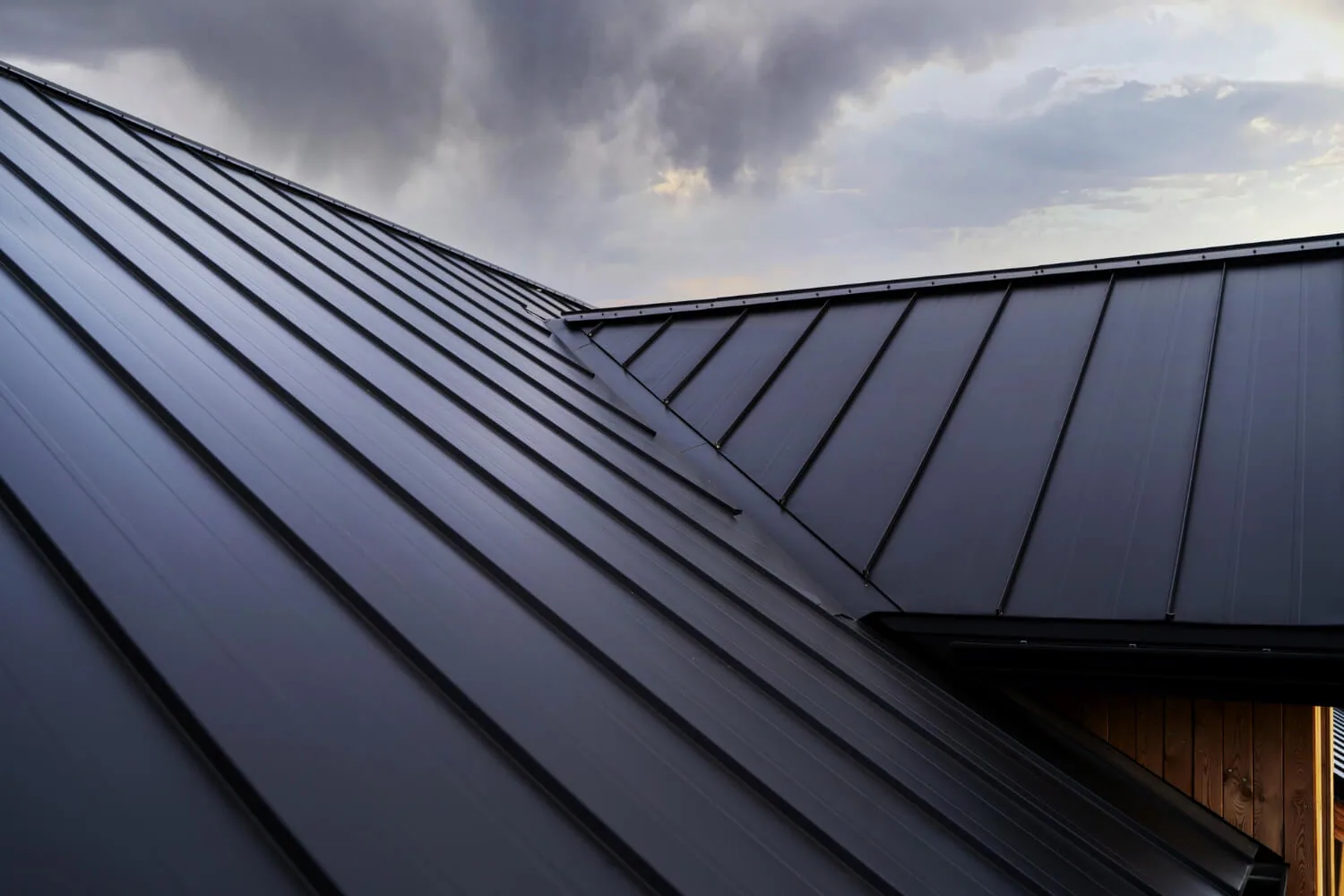
Commercial Roof Inspection in Escondido, CA
Commercial Roofing Services · Escondido, CA
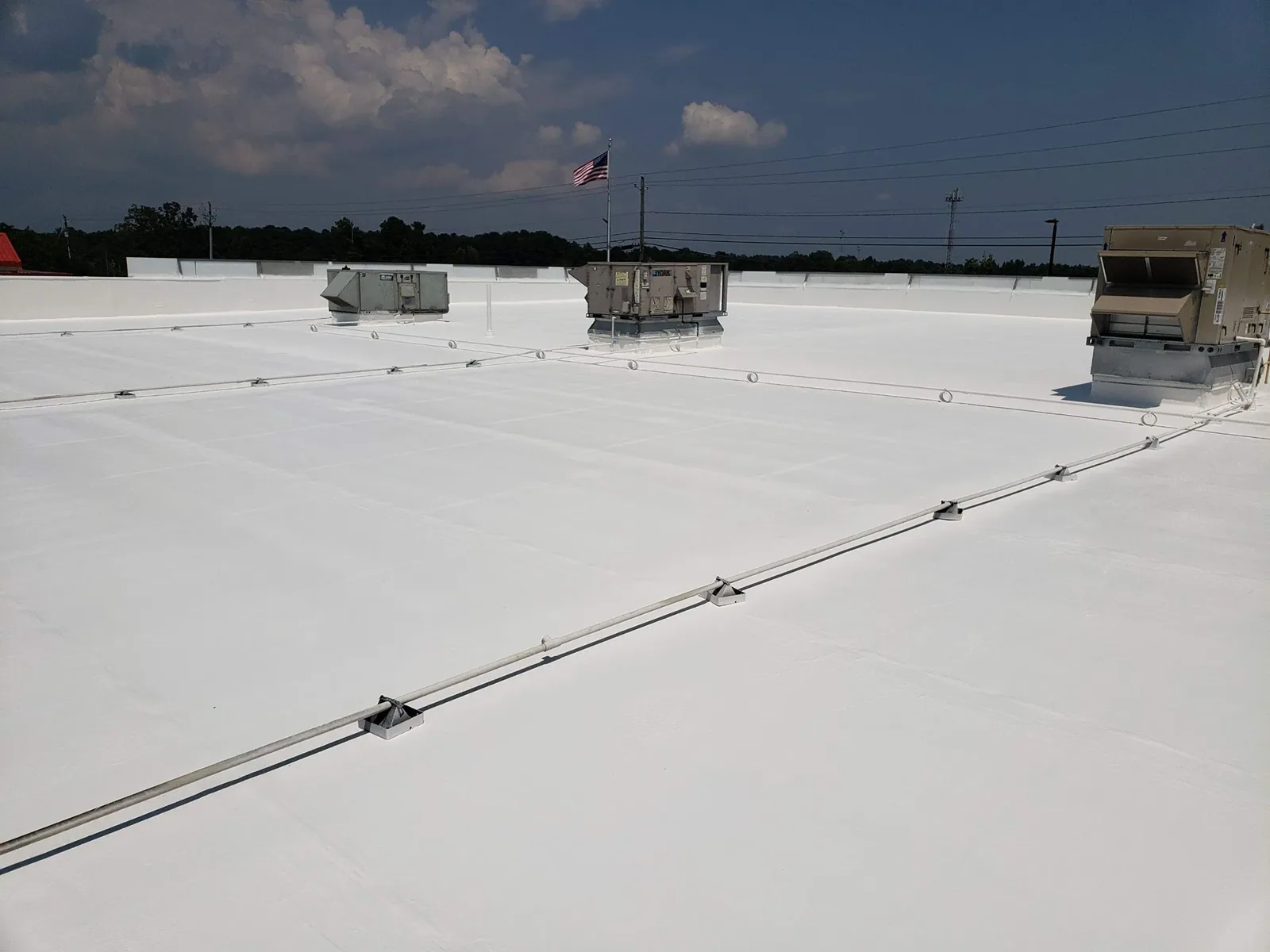
A roof inspection should answer a decision, not only describe a surface. A general contractor may need repair quantities, replacement triggers, access notes, or a record before budgeting. We inspect the roof assembly and identify the details that control the next step. That includes seams, flashing, penetrations, edge metal, drains, transitions, and visible deck conditions. Escondido supports technology, manufacturing, office, professional services, and shopping uses. For these properties, we account for equipment access and occupied schedules before choosing a work window. We gather the property records, then walk the roof areas available for review. The report connects each condition to a repair, monitoring item, or further test. It gives the owner a basis for planning work without assuming every finding needs immediate replacement.
The Field Review
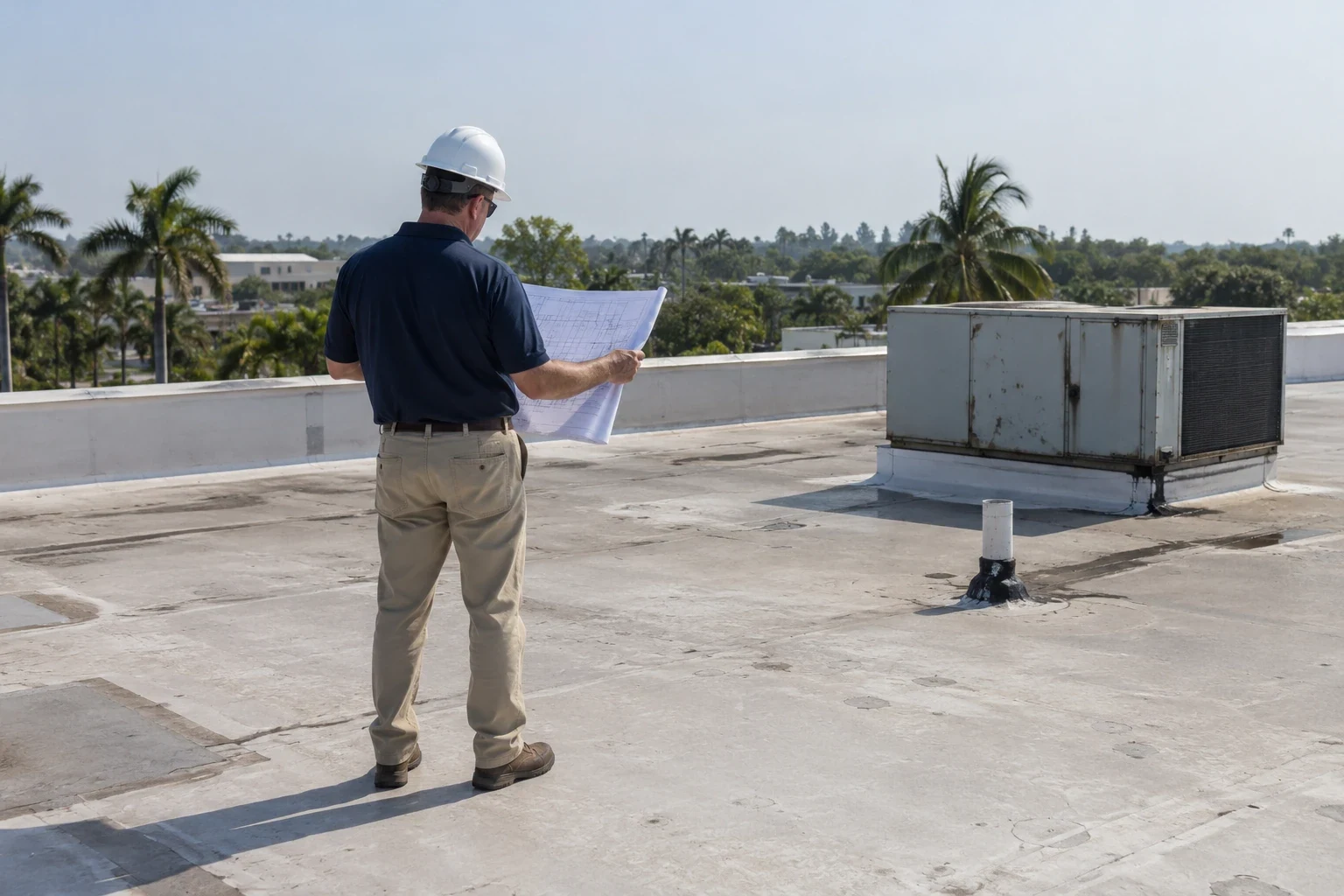
We start with the roof history and the question the project team needs answered. Plans, past repairs, leak logs, warranty records, and equipment changes help identify differences between the drawing and current roof. We confirm access points and note any area that cannot be reached. Then we review each roof section by assembly and visible condition.
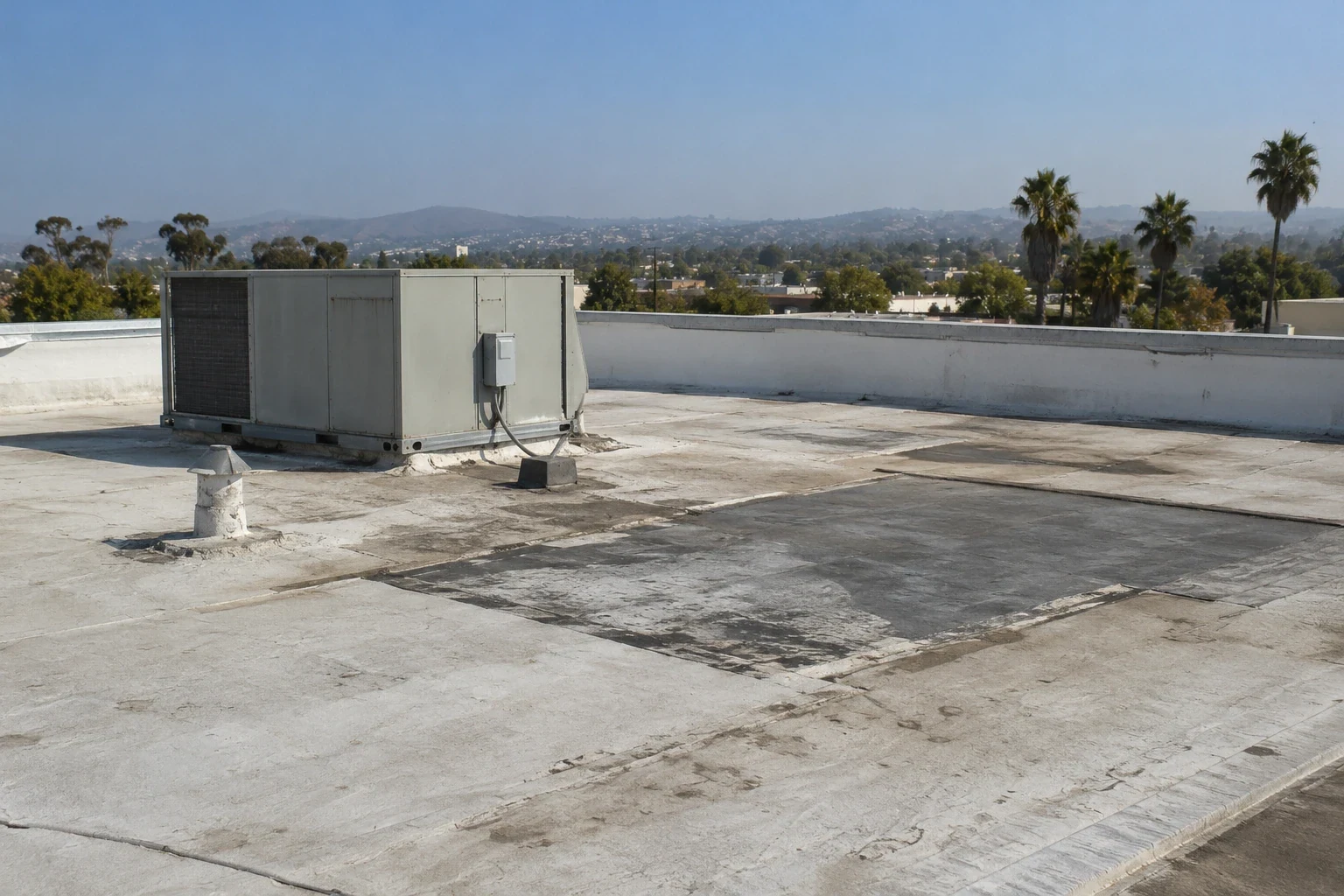
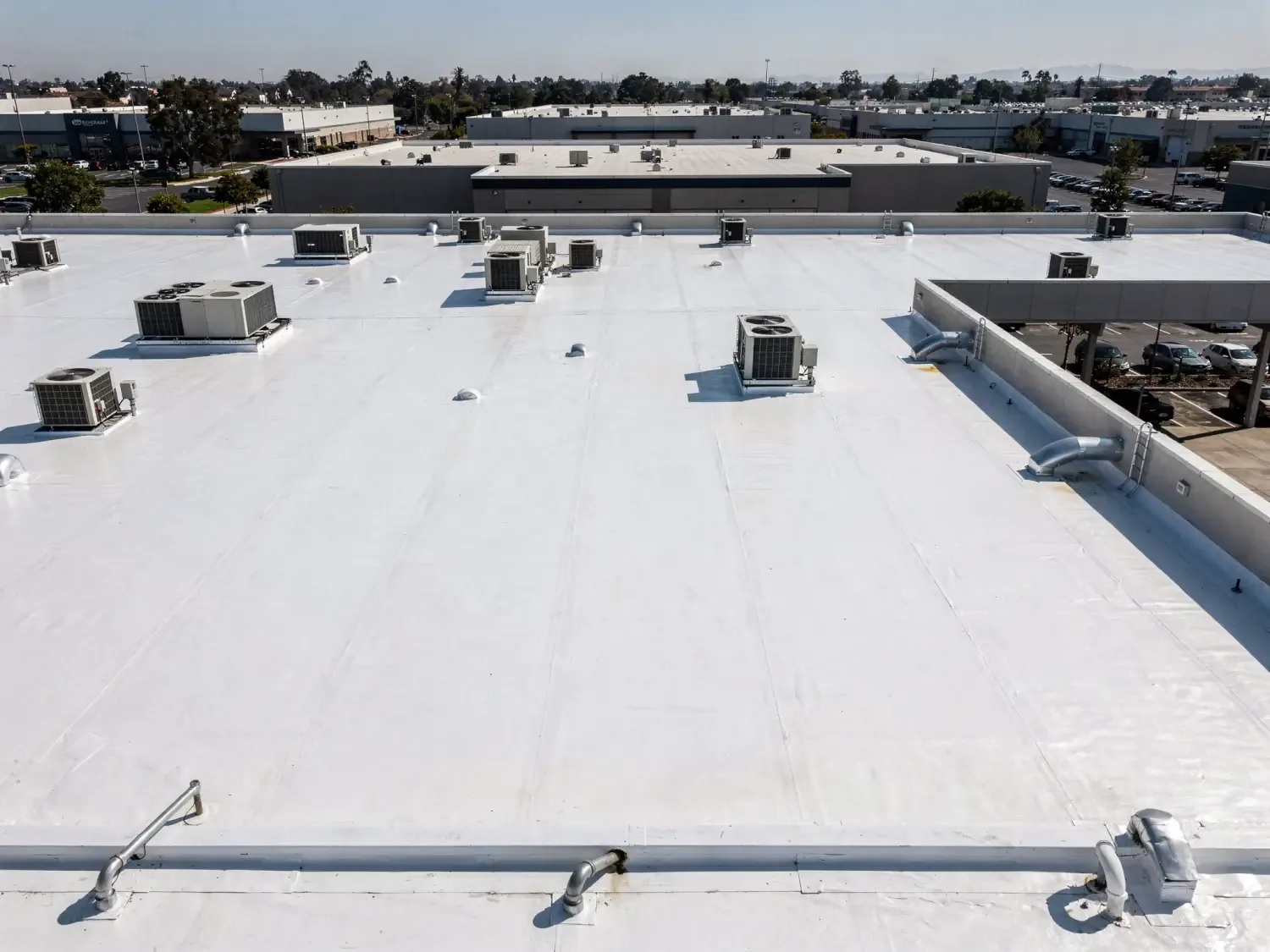
At the surface, we look for open seams, loose patches, split flashing, worn coatings, fastener movement, punctures, ponding, blocked drains, and deteriorated edges. We check transitions around curbs, skylights, pipes, walls, and rooftop equipment. We photograph and map each finding to the roof area it affects. The report describes what was observed, not a hidden layer that has not been confirmed.
Southern California Santa Ana winds are dry, often warm or hot, and can damage property. We inspect exposed edges, flashings, and corners when the owner reports wind exposure; observed movement sets the repair scope and any follow-up testing. A wind-damage repair review may be appropriate after the inspection when the evidence supports that scope.
From Observation to Finding
A useful finding describes location, condition, likely consequence, and next action. We distinguish an active leak from an aged surface, a loose termination from a stable seam, and a blocked outlet from a larger drainage problem. Where the cause is not visible, we say what additional check would resolve it. Moisture readings, infrared review, or core cuts may help answer whether insulation is wet. The selected method should match the decision at hand.
Each item receives an action: repair now, monitor, test, or include in a replacement scope. We note priority based on water entry, material loss, drainage restriction, or exposure of the assembly. The report records conditions observed during the visit and cannot predict future leaks. A roof condition report can organize photographs, roof-area references, and the next work step for estimating.
The owner can use the findings to compare repair options. For instance, a failed seam may be locally repairable if adjacent material remains sound. Repeated separation across several roof areas can point to a larger membrane or attachment issue. A damaged drain connection may require new flashing and a plumbing coordination point. A repair scope lists the detail and materials. A replacement evaluation can address moisture or deck concerns that extend beyond patch work.
Inspection Boundaries
The roof visit has limits that should be visible in the report. Locked areas, unsafe surfaces, active equipment, weather, or stored materials can prevent inspection. We identify those boundaries and explain what information or access is needed for a follow-up. Infrared imaging can reveal patterns, but those readings need interpretation and may require openings. A visual inspection cannot verify every concealed layer.
Downtown Escondido, East Valley Parkway, Centre City Parkway, and Escondido Boulevard have planned retail, office, visitor-serving, and residential uses. We confirm roof entry, parking, loading, escorts, and work hours with the property contact. For an active site, an occupied-building access plan can set review windows around tenant and equipment needs.
Inspection timing also depends on the decision deadline. A capital budget request may need roof quantities and options. A transaction survey may need a concise condition summary and known exclusions. A leak call may require quick access and photos of active water entry. We ask what the report must support before choosing how much sampling to perform. The capital planning review can organize repair priorities and future scopes after the field visit.
A Practical Priority List
Not every finding belongs in the same budget year. Active water entry, exposed insulation, open flashing, or impaired drainage can need prompt correction. A stable surface defect can be monitored if there is no evidence of water entry or material separation. We explain what makes one item urgent and what evidence would change its priority.
Roof systems also change how repairs are made. TPO and PVC seams are heat-welded. EPDM repairs rely on compatible bonding materials. Modified bitumen and built-up roofs use different surface preparations. Metal roof fasteners and laps need a movement-aware detail. We identify the assembly before outlining work. Where an overlay is being considered, a recover evaluation should include moisture, attachment, deck, and drainage findings.
The Research and Technology Center holds a significant portion of Escondido's employment acreage available for development. For office or technology operations, we record equipment dependencies and shutdown windows beside the roof findings. The report can distinguish work requiring a pause from repairs that fit a shorter service window. A Research and Technology Center area review is useful only when the inspected property is actually in that broader geography.
Information for a Useful Report
Before we visit, share drawings, repair history, leak locations, roof access rules, and any equipment change planned. Tell us if the report supports a repair bid, capital plan, transaction, or contractor coordination.
The report should contain dated photographs, roof-area labels, observed conditions, recommended actions, and open questions. If repair quantities are available, we identify the assumptions behind them. If a larger survey is recommended, the report states why and where it should focus.
Call to arrange an inspection or to review an existing condition report. We will use the roof's history, access rules, operating needs, and decision deadline to prepare the visit. A defined inspection can support repair pricing, a replacement comparison, or a maintenance schedule. The result is a documented finding that tells the project team what to do next and what still needs confirmation.
Frequently Asked Questions
What does a commercial roof inspection include?
We review visible membrane or metal conditions, seams, flashings, penetrations, edge details, drains, transitions, and access limits. Records and leak history add context. The report maps findings to roof areas and identifies repair, monitoring, or testing steps. It does not imply that concealed layers were confirmed unless they were opened or otherwise evaluated.
Can an inspection tell us whether insulation is wet?
A visual walk may not show moisture below the membrane. Infrared readings can identify patterns for further review, and a core cut can expose the layers at a selected location. We recommend a test when it resolves a repair or replacement decision, then record the area it represents.
How should the report prioritize repairs?
Active water entry, open flashing, exposed insulation, drainage restrictions, and unstable details usually deserve attention before surface aging that has no evidence of failure. We document why an item received its priority and what would change it. The owner can then set work against operating needs and budget timing.
Can you inspect around rooftop equipment?
Access, equipment curbs, supports, conduit, and nearby flashing are included where reachable. Equipment must remain safe to approach, and some panels or service zones require another trade or escort. We identify any area we could not inspect and specify the access needed for another visit.
What should we have ready for the inspection?
Roof drawings, past repair records, leak dates, access contacts, safety rules, and the decision deadline are useful. If the report supports a bid or capital request, tell us what roof areas and options need comparison. That helps keep the visit focused on a decision the project team can use.
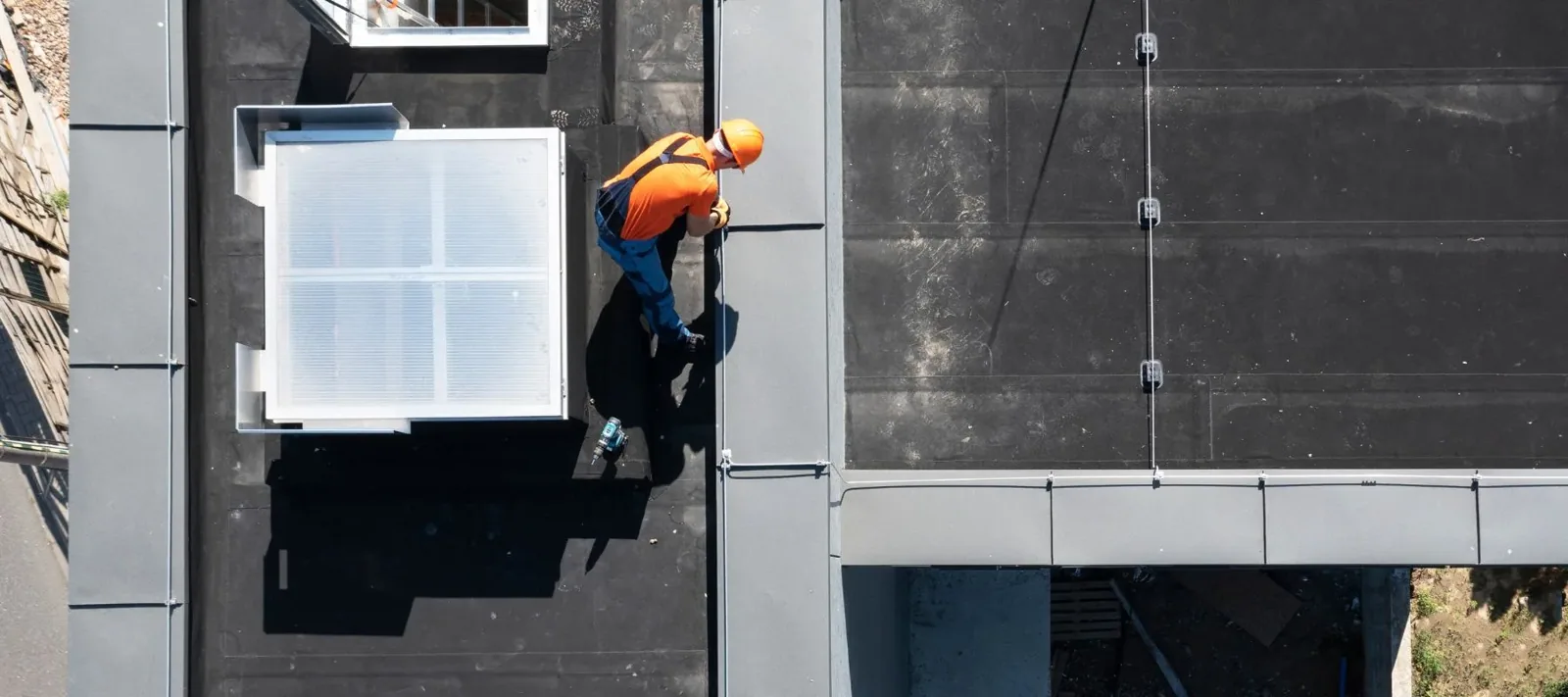

Schedule a Defined Roof Review
Share the roof records, leak history, access conditions, and decision deadline. We will inspect accessible areas, map findings, and outline repair or testing priorities for your team. Call to arrange a site visit or review an existing report.
Call 555-555-5555 or email [email protected].