Manufacturing Roof Programs in Escondido, CA

Industries We Serve · Escondido, CA

Manufacturing Roof Programs

A production roof proposal has to fit the line beneath it. In Escondido, CA, we start with the affected zone, operating schedule, rooftop equipment, and route for safe access. Then we inspect seams, curbs, penetrations, edge metal, and drainage. A leak above machinery can require immediate protection, but the permanent repair still needs an agreed opening and closure plan. Our report identifies the roof condition, work boundary, and any testing that remains. For companies with more than one facility, each building receives its own findings. That lets operations compare work without treating unlike roof assemblies as a single project. When water threatens production or an occupied area, report the zone and confirm current response availability before arranging protection.

Escondido's employment strategy includes manufacturing and technology alongside life sciences, biotechnology, biomedical activity, software, telecommunications, and research work. The Research and Technology Center represents a significant share of employment acreage available for development. That citywide mix can put a roof project beside production, lab, or office operations, but it does not identify a manufacturer's particular building. We ask who can pause equipment, release roof access, and approve a work window before setting the repair scope. A roof inspection begins with those site controls.

Production Lines and Roof Zones

Start by linking the interior report to a roof location. Water can follow deck flutes, insulation joints, or structural lines before appearing below. We inspect nearby membrane seams, penetrations, curbs, drains, and wall transitions. On metal, fasteners and panel laps need their own review. We photograph each condition with a wider zone reference, then note the area that needs testing. A work order should distinguish a confirmed opening from a suspected path. That keeps the repair quantity tied to evidence rather than a ceiling mark alone.

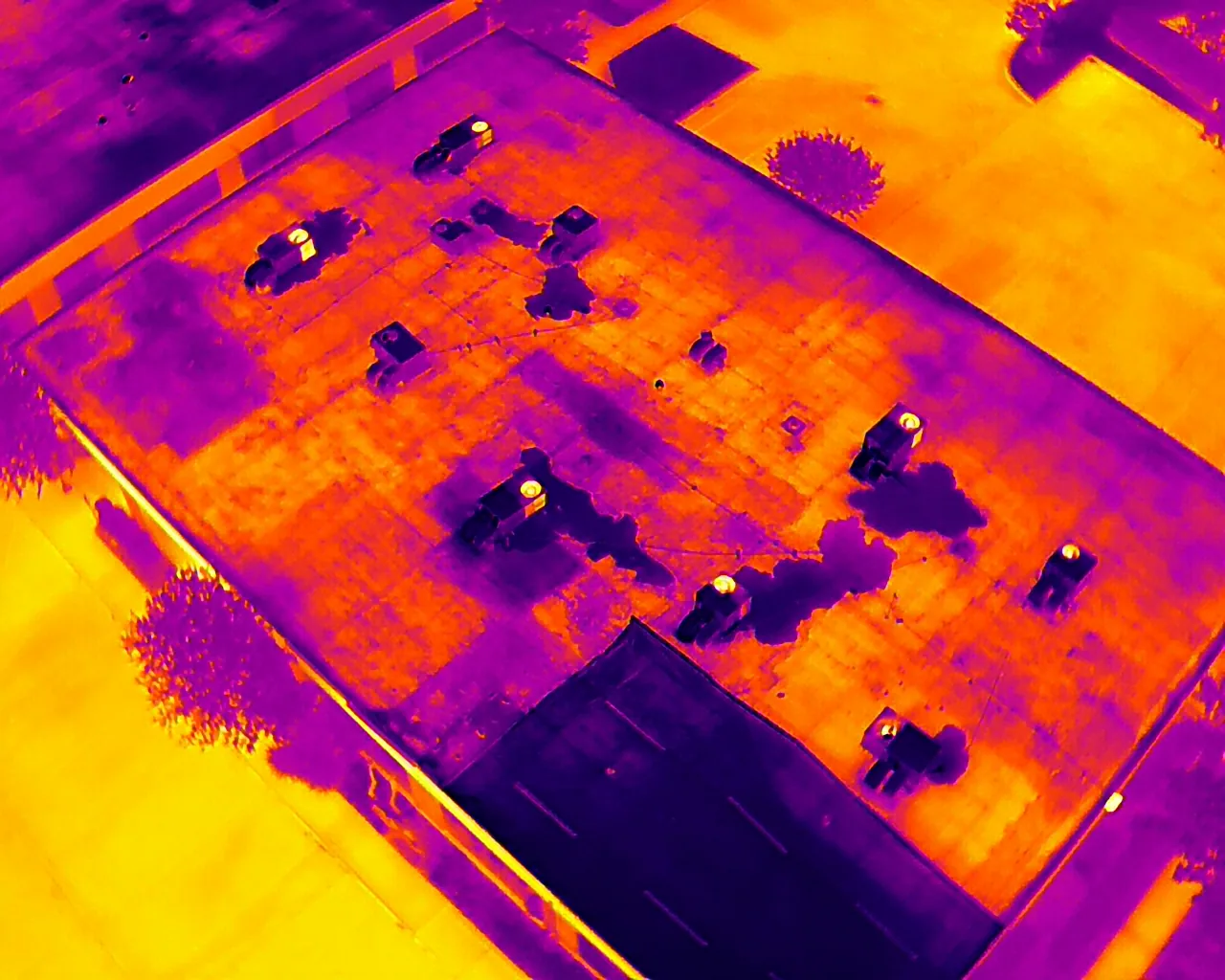
Heat accelerates wear at exposed sealants and accessories. A Santa Ana event can also bring dry winds, sometimes with warm or hot conditions and the potential to damage property. We check perimeter attachment, metal laps, curb corners, and fastener movement at the plant before expanding a repair. Equipment vibration or service work can complicate a flashing detail; prior maintenance photos help define its boundary. If moisture readings support a test cut, the plant contact chooses a safe point away from active process areas. An infrared moisture survey can help select those points when the assembly and conditions support reliable readings.

Equipment Curbs and Trade Limits

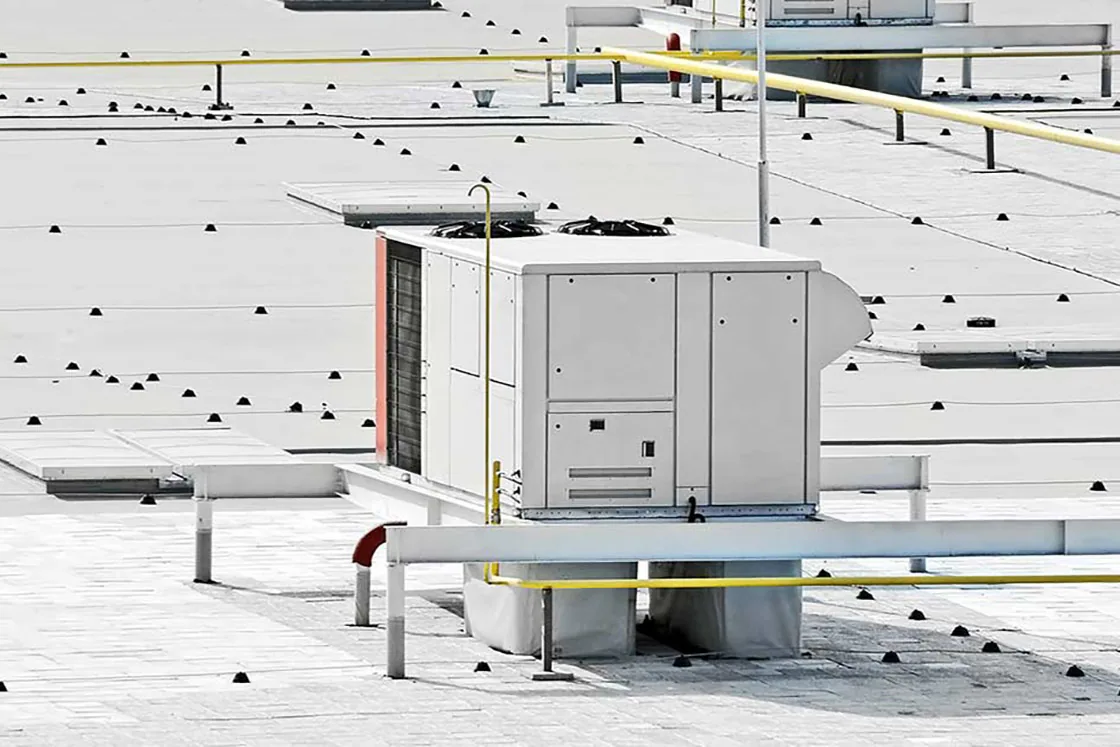
A roofing repair can overlap with mechanical, electrical, or process work. Before opening a curb, we identify who disconnects the unit, who protects lines, who moves supports, and who authorizes restart. The scope shows the roof contractor's boundary and the handoff point. If an active process cannot pause, the facility contact identifies an acceptable window. A localized seam or flashing repair may fit between shifts. Work below an operating line can require debris containment, a room closure, or a different access path.

Production flow can change which roof sections are available. The facility lead identifies any line stop, equipment clearance, or access restriction before the estimate assumes a shutdown. We show added protection and equipment coordination as separate scope items when needed. The daily route should leave fire lanes and active process access clear. A curb and equipment scope states where roofing work stops; general-contractor coordination places that boundary beside the wider trade schedule.

Repair, Recover, or Replace by Assembly

A sound surrounding sheet and dry substrate may support a local repair. Repeated seam separation, wet insulation, weak attachment, or damaged deck can make the boundary larger. We compare the observed condition with repair history and prior overlays. A recover is considered only after verifying layer count, moisture, attachment, drainage, compatibility, and applicable limits. The proposal explains which zones remain and what needs approval before removal. That lets a plant manager compare work options against production and budget windows.

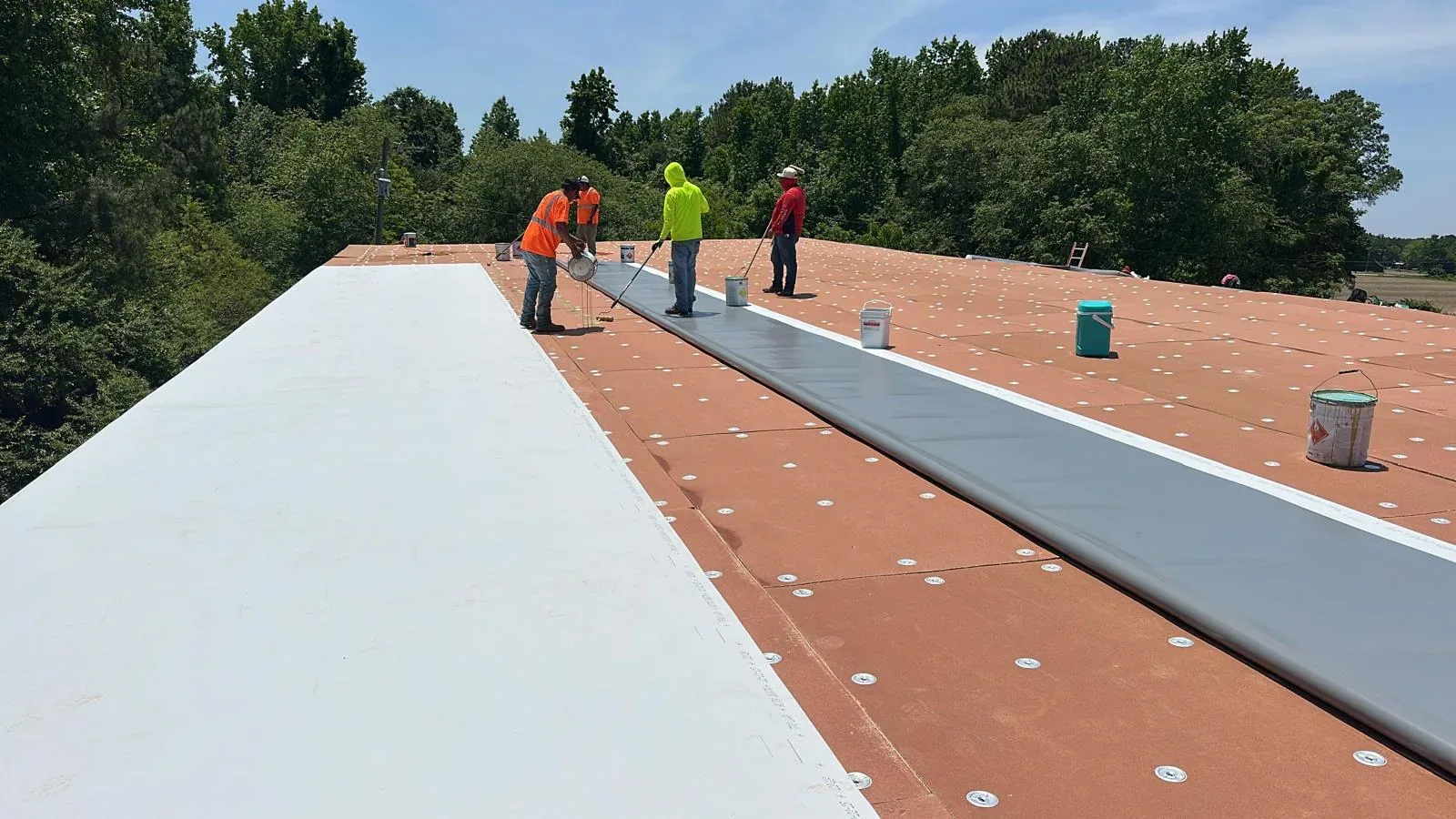
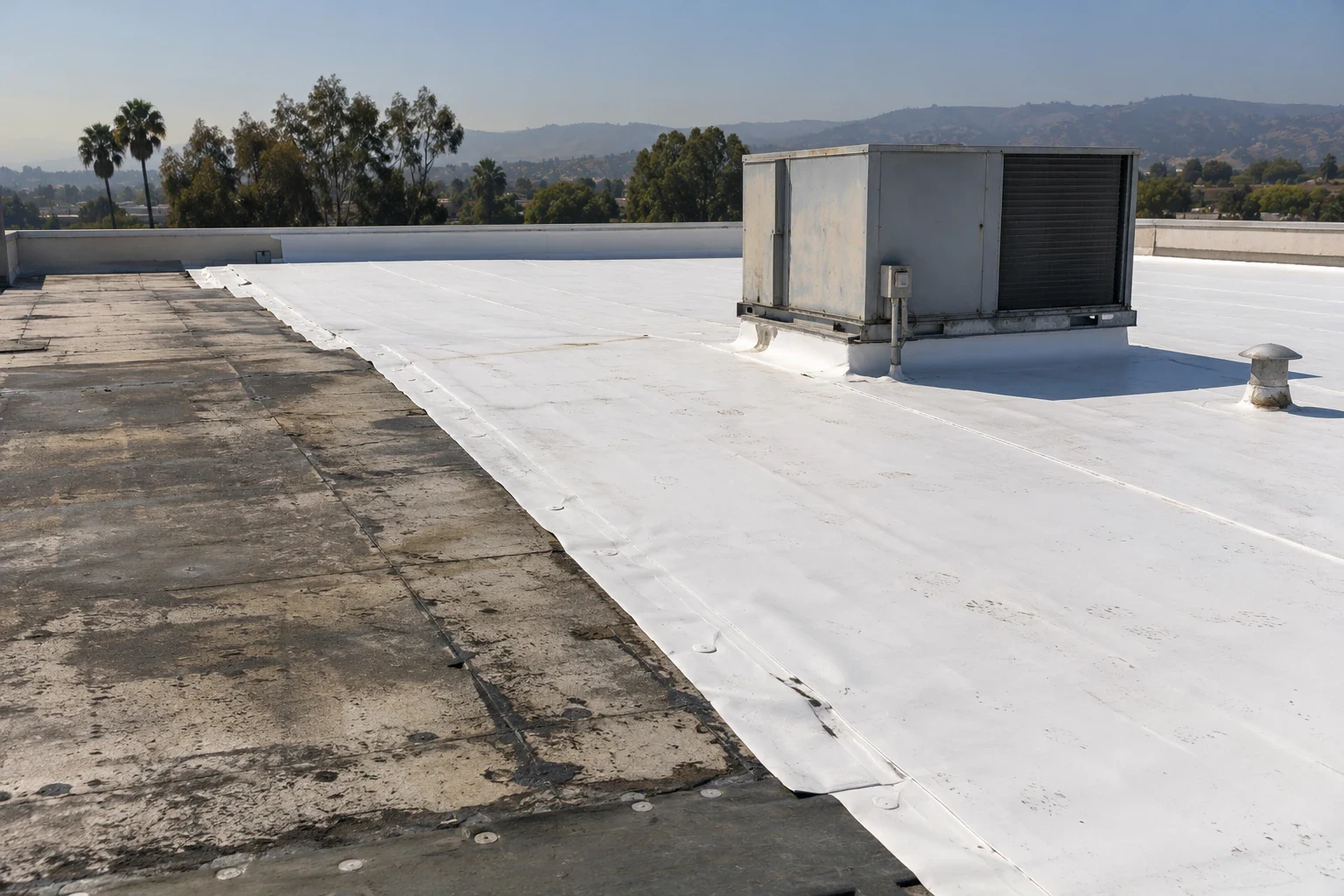
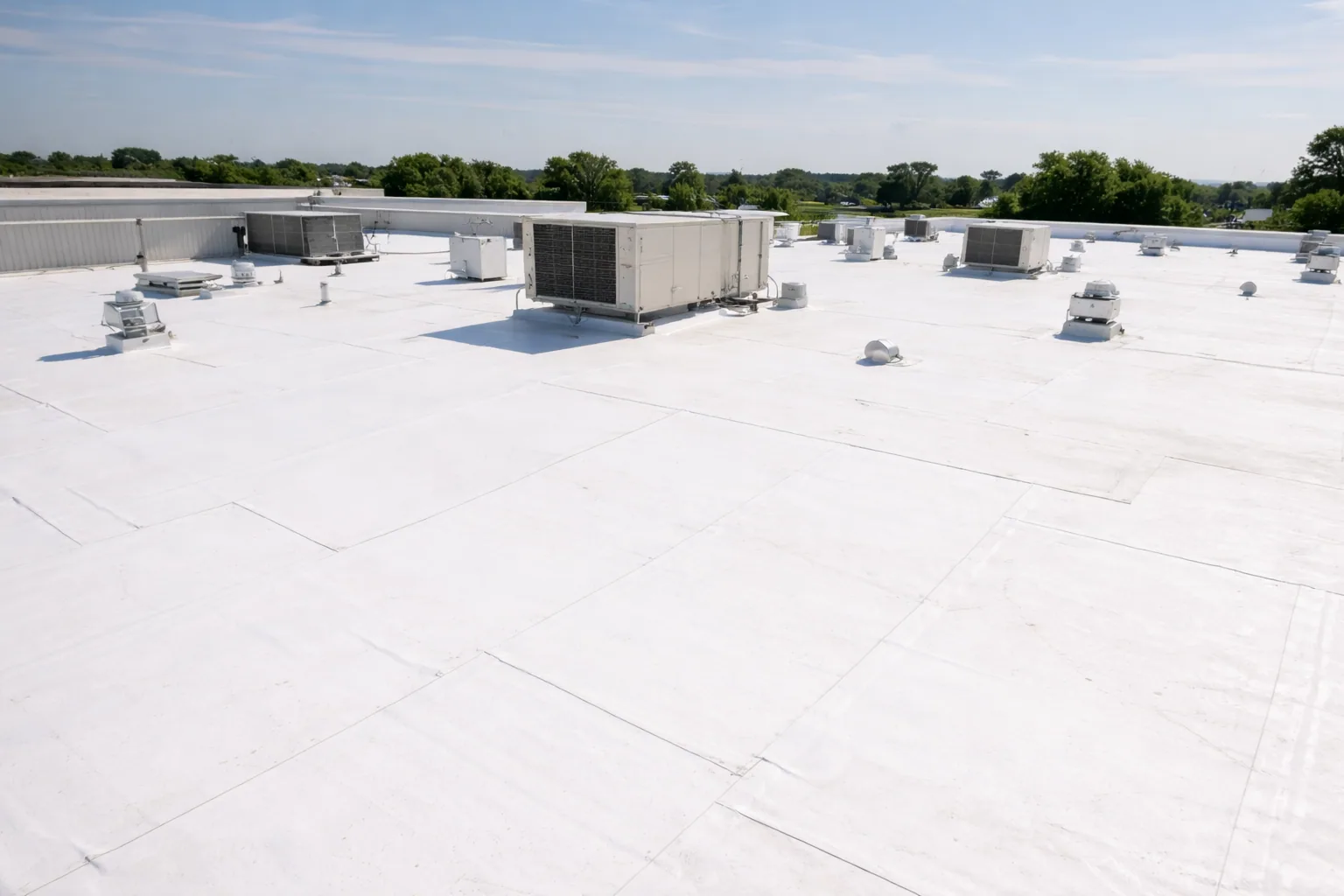
Replacement scope should identify membrane, insulation, cover board, attachment, edge metal, flashing, drains, and equipment transitions. Divide the roof into work areas with temporary dry-in and inspection points. For a thermoplastic assembly, TPO roof details require compatible preparation and controlled seam welding. A recover review addresses a different question than tear-off. The plan should also state how equipment is protected and who releases an area for production. If wet layers remain outside the approved limit, mark them for a separate decision rather than imply they were included.

Shift Changes and Work Windows

Set the work window from the plant's actual operating calendar. We record line changes, loading hours, maintenance stops, noise limits, odor controls, roof hatch access, and escort requirements. The material path should not cross an active process or block a fire route. If a temporary cover is needed, identify who inspects it before the next shift. For multi-site teams, one contact can coordinate records, but each facility still confirms its own safety and access procedures.

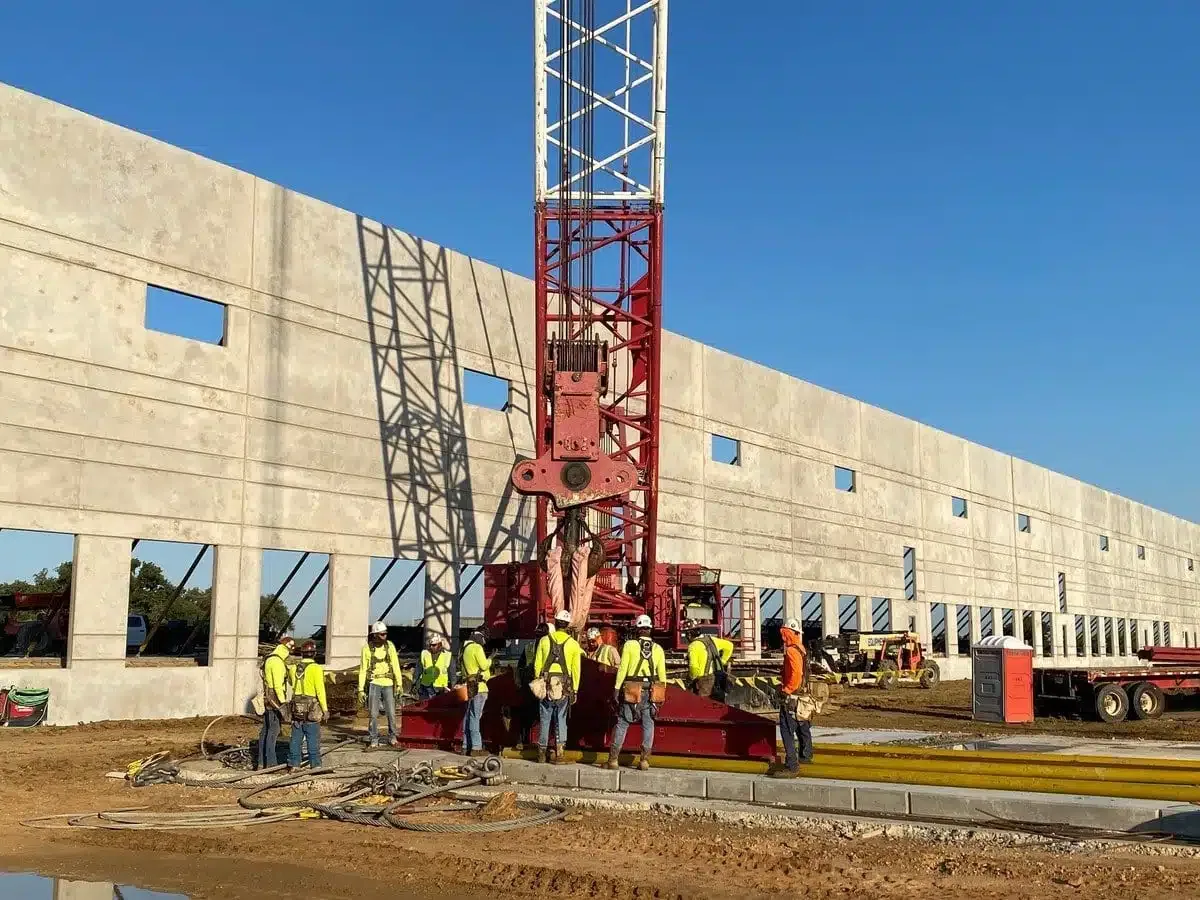
Grand Avenue's completed downtown streetscape includes wider sidewalks, diagonal parking, and three traffic-calming roundabouts. At an East Valley Parkway property, confirm the roof-entry and staging route with the building contact. Neither fact sets a plant's loading instructions; the operations lead approves the truck path, setdown point, and lift position for this job. Put roof deliveries on the work sequence with line changes and maintenance stops. The approved entrance and safe window still need confirmation at the site. A logistics roof work plan can place dock access beside production stops. For a route through Harmony Grove industrial district, the owner still approves the setdown area and actual entrance.

A Field Record for Plant Leadership

Useful documents include roof plans, past leak tickets, shutdown calendars, equipment layouts, warranty papers, and records of prior repairs. We compare them with what is visible and label separate roof sections by assembly. The recommendation lists the defect, proposed material, access needs, temporary protection, and approval point. Concealed moisture or deck damage stays an open condition until a test confirms it. That lets estimating and operations review the same defined scope before authorizing work.

Closeout should show the repaired zone, photos, materials, and any area left for observation. We note the trade handoff if equipment was lifted or disconnected. A condition report can support maintenance planning. For companies comparing facility needs, the scope for an individual manufacturing plant differs, while this program keeps company-level coordination in view. Arrange an inspection with operating hours, access rules, roof records, and current leak locations ready. We will document the assembly and set a repair or capital decision based on findings from that site.

Frequently Asked Questions

Can roof repairs fit between production shifts?

A bounded repair may fit a short window if access, material, and protection are ready. We identify the roof zone and interior exposure before setting the sequence. Larger openings can need a shutdown or temporary relocation. The site contact approves the work window and return-to-operation point.

How should a company compare findings across plants?

Use a consistent record format, then keep each facility's assembly, access limits, and repair boundary separate. We can group priorities by urgency or budget timing. One site's moisture finding does not transfer to another building. Site-level records support a fair comparison.

What changes the cost of a manufacturing roof repair?

A cost review starts with the work conditions the estimator can verify: roof elevation, access setup, equipment clearances, occupied process areas, and the number of penetrations in the requested zone. The proposal separates known quantities from concealed layers. If opening work reveals additional damage, the owner reviews a documented change before the crew extends the repair.

When should a facility consider replacement?

Replacement becomes a comparison worth pricing when inspection finds broad moisture, recurring seam movement, unstable attachment, or deck concerns across several zones. We map each observation to its location, note what remains untested, and compare targeted repair with replacement by assembly. The recommendation identifies the conditions behind each option and the decision still needed.

What should be ready for an inspection visit?

Have roof access, current leak locations, operating hours, equipment contacts, prior repair records, and any shutdown rules ready. We use them to plan a safe route and identify trade coordination. Missing drawings can be noted as a limit, not a reason to guess.

Plan a Manufacturing Roof Review

Arrange a visit with operating hours, roof records, equipment layouts, leak locations, and access contacts ready. We will document the assembly and set a defined repair or replacement scope. Call to schedule a review.

Call 555-555-5555 or email [email protected].

Call us555-555-5555