
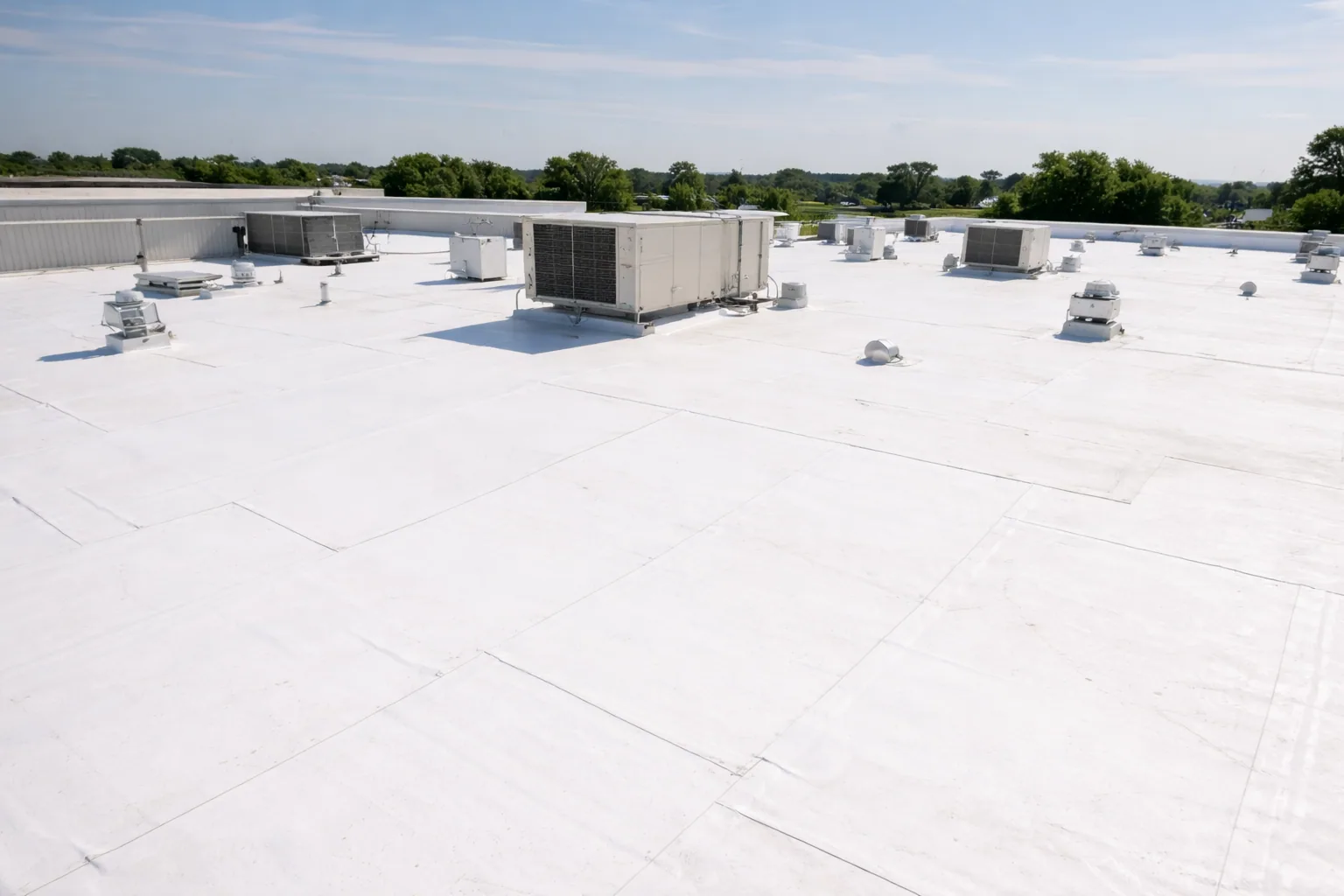
Manufacturing Plant Roofing in Escondido, CA
Property Types We Roof · Escondido, CA
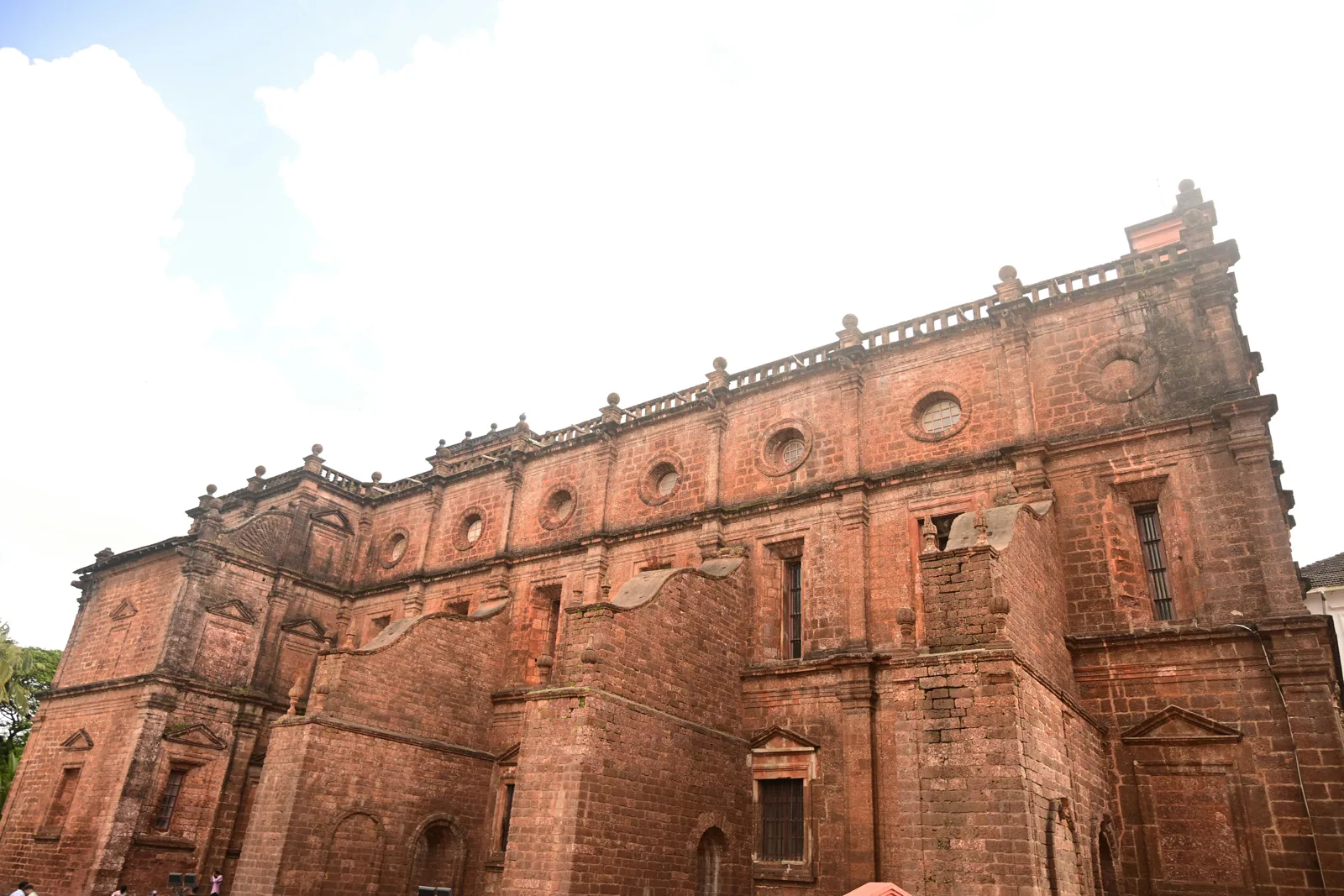
A leak above production can change the work window by the hour. For a manufacturing plant in Escondido, CA, we identify the roof zone, equipment below it, and any process that cannot stop. Then we trace membrane or metal through insulation, deck, seams, curbs, and drains. The finding names the defect, area, and uncertainty. That gives a general contractor a repair boundary while operations keeps moving. Report active water entry through the site contact; confirm current availability before temporary protection. Permanent work needs dry access and an agreed sequence.
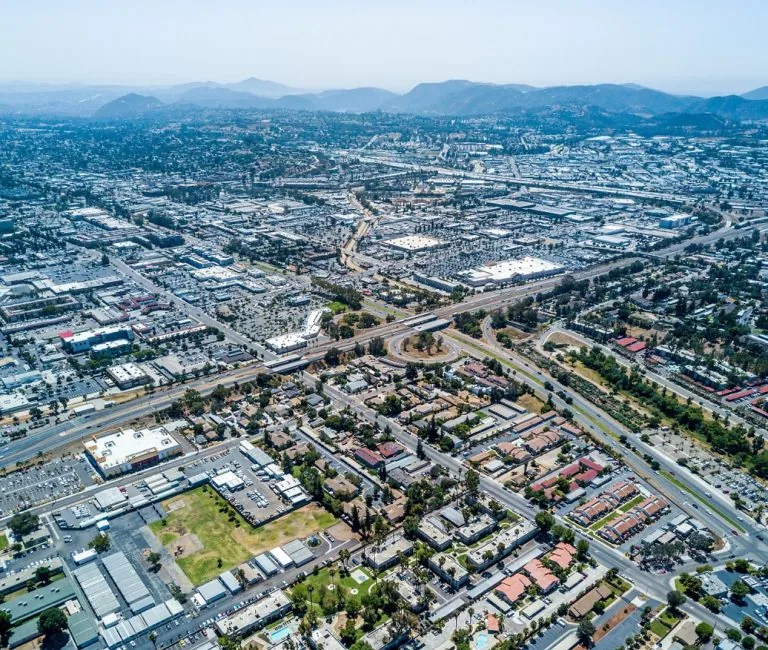
Escondido's General Plan recognizes manufacturing as an employment use and identifies the Research and Technology Center as employment acreage. This context does not describe a specific plant or roof. It makes operating constraints central to the walk. We ask which lines, utility runs, exhausts, and deliveries sit below the work. A commercial roof inspection can pair marked photos with leak reports and follow-up areas. Production limits stay beside each recommendation.
Defects Above Active Work
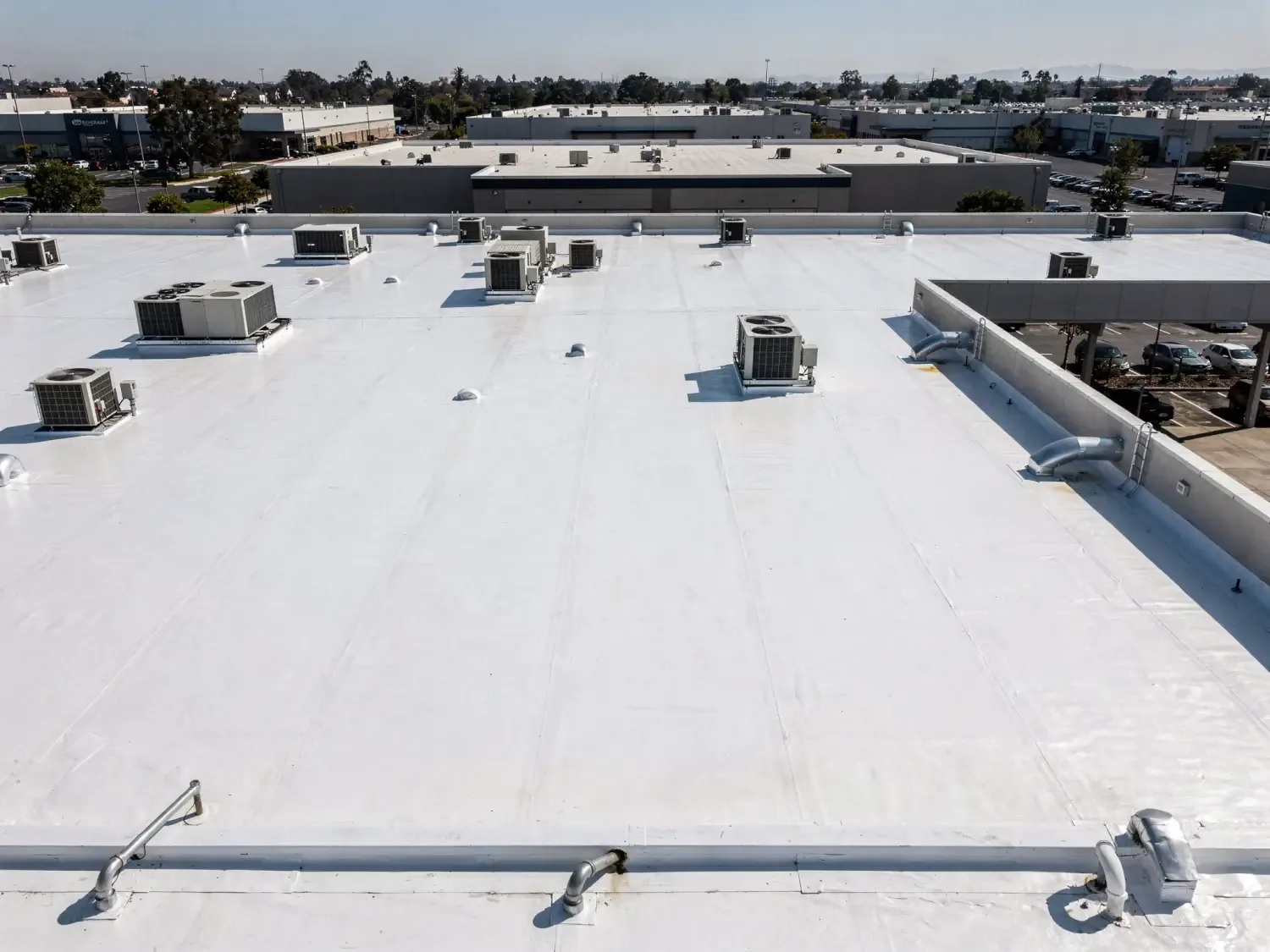
Manufacturing roofs often collect penetrations, curbs, exhaust transitions, and patched sections as equipment changes. We inspect each detail with the surrounding membrane or panel. At a low-slope assembly, a split at a curb corner can feed water beneath the field sheet. On metal, a failed fastener washer or open lap can admit water along a panel joint. The opening seen from below may sit several feet from the entry point. We map each observation to a roof zone and photograph its position against permanent equipment or grid references, so the repair scope remains usable.
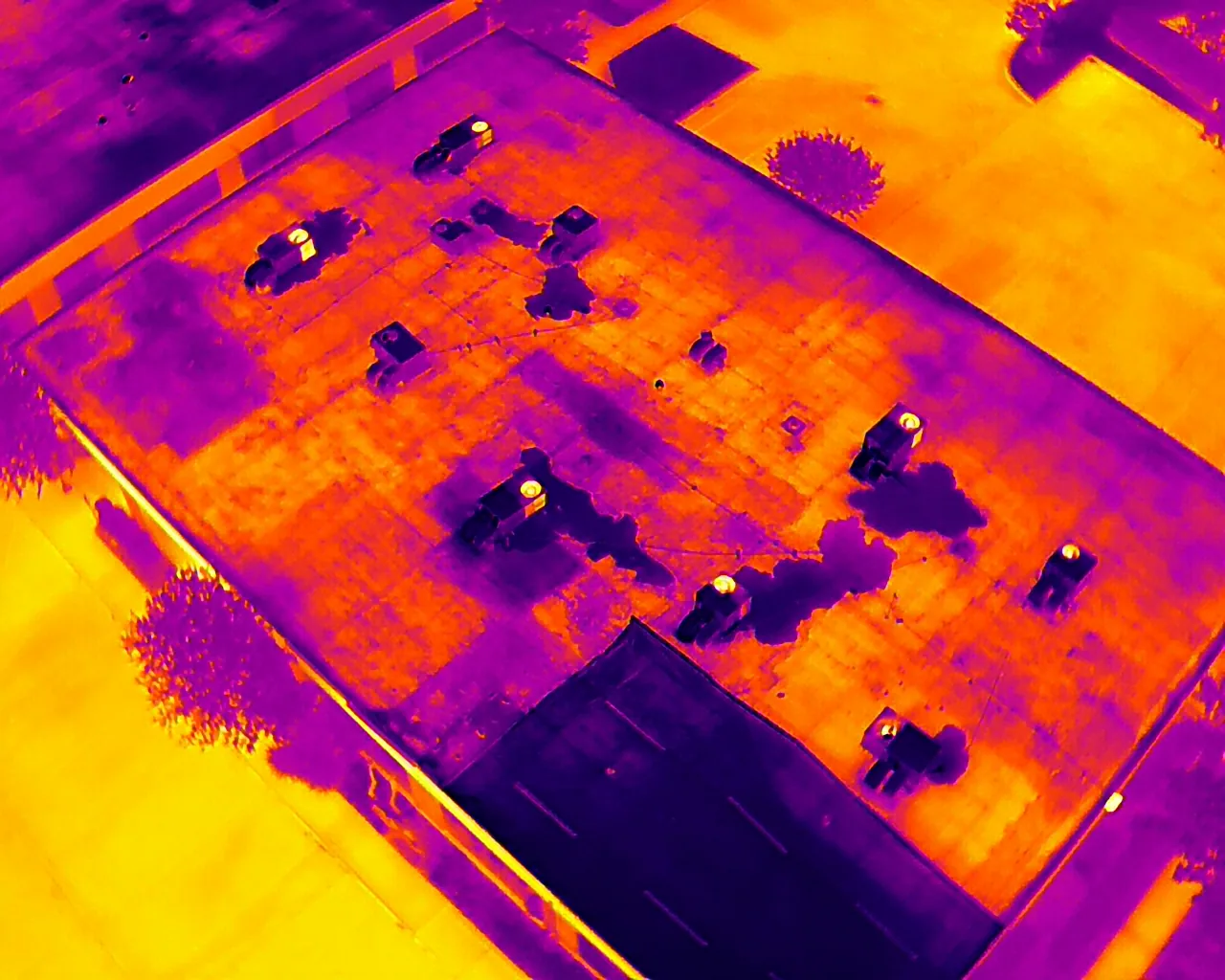
Heat can dry sealants and age exposed accessories, while regional Santa Ana winds can be warm or hot and can damage property. We look closely at perimeter restraint, coping joints, flashing terminations, and raised equipment edges after a reported event. That regional pattern is not proof of damage at a plant. We record the condition we can see and separate event-related observations from older wear. If moisture may extend past the visible defect, an infrared moisture survey can help select test openings. The report states which areas were scanned and which were not.
Process-Safe Repair Limits
A repair plan should state what production must protect before roofing begins. We identify shutdown requirements, hot-work restrictions, sensitive materials, overhead lines, roof access, and the point where temporary protection ends. Some defects can be isolated to a seam or curb. Others need a controlled opening to check insulation and deck. We agree on the opening size and interior protection before cutting. When several trades share the area, the scope assigns removal, disconnection, lifting, flashing, and reset steps. A clear boundary keeps a roofing patch from being confused with mechanical work.
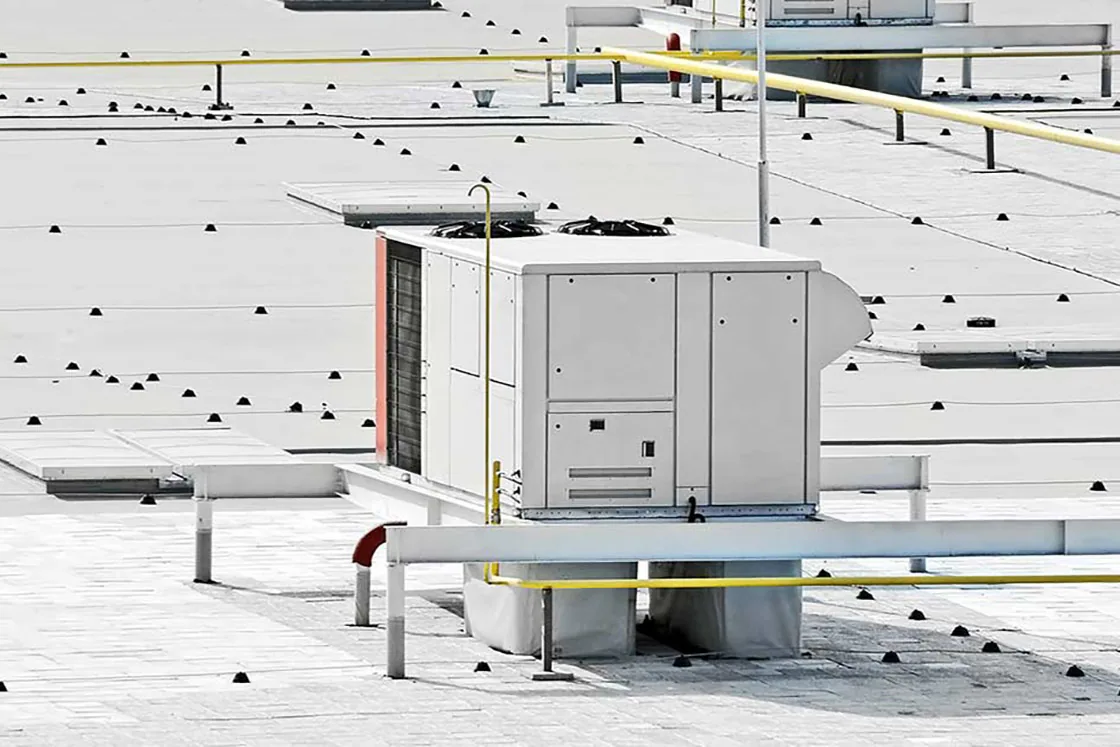
Within Harmony Grove Industrial Park, the City places employment uses along Citracado Parkway between Auto Park Way and Avenida del Diablo. The plan's lot and approval framework describes an industrial district, not any particular tenant or roof. For work there, we confirm the individual property's delivery route, access rules, and active operations. A curb and support repair scope can define coordination where rooftop units interrupt the membrane. If the assembly is TPO, the welded seam condition and compatible flashing material affect repair preparation. We record who can authorize an operational interruption before setting the work window.
Repair, Recover, or Replace
A localized defect with dry, stable material around it may support a repair. Repeated leaks, widespread wet insulation, loose attachment, or deteriorated deck can point to a broader correction. A recover is a possibility only when existing layers are dry, secured, compatible, and permitted for the proposed assembly. We verify the roof build-up rather than assume it from a drawing. The proposal should say which zones stay, which are removed, and how concealed conditions will be approved before added work proceeds. That lets the general contractor compare the options against production timing.
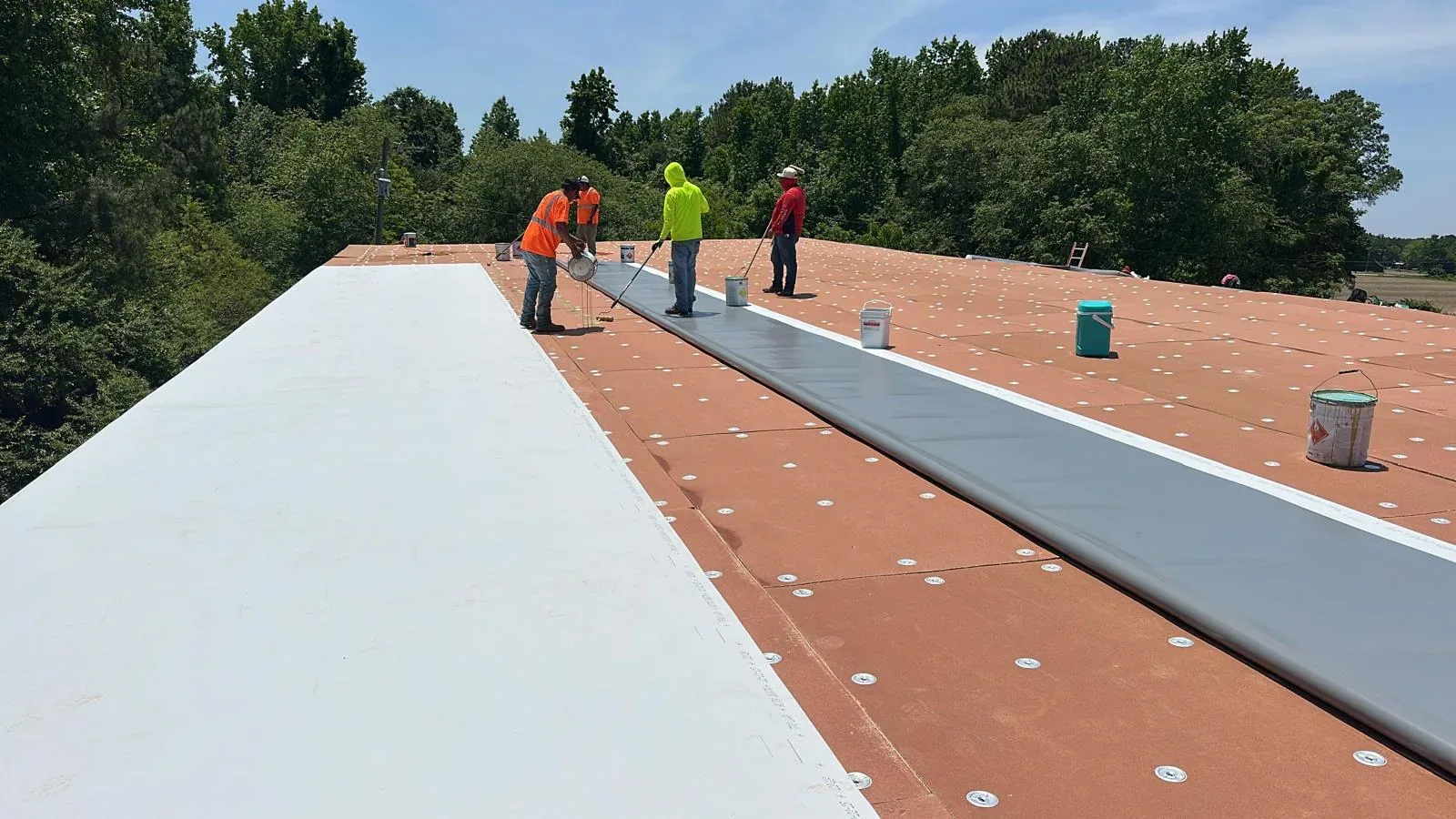
Replacement scope should identify insulation, cover board, attachment, membrane, flashings, edge metal, drainage changes, and penetrations. Sequence can matter as much as material selection. We divide the roof into areas that close at different times, with dry-in and inspection hold points. Access and work zones need similar coordination in Harmony Grove Industrial Park. Before coating, we check adhesion, substrate, drainage, and compatibility. Coating will not correct wet insulation or unstable metal. A replacement review sets when repair no longer fits.
Access and Production Windows
Schedule starts with what happens beneath the roof. We note line changeovers, shipping hours, maintenance shifts, odor sensitivity, and areas that cannot accept falling debris. The site plan should include ladders, hatch keys, crane or lift position, staging, material travel, and the route for removing old roofing. An escort or pause may be required. If a leak needs immediate control, we can install temporary protection and set a return visit for permanent work. We record stabilization separately.
Downtown Escondido planning includes office, commercial, residential, and visitor uses. Grand Avenue's streetscape work added wider sidewalks and diagonal parking. Those facts do not define a plant site. They show why delivery and pedestrian routes need confirmation before equipment arrives. The General Plan also designates the Escondido Research and Technology Center for employment. We check truck access and clearances with site staff. Where production and shipping share a site, warehouse roof zones need separate drainage, delivery, and access assumptions.
A Scope the Project Team Can Price
Before approving a major roof scope, gather available roof plans, past leak logs, repair tickets, equipment schedules, warranty documents, and records of earlier overlays. We compare those records with current field conditions. If multiple roof sections were added at different times, we label each assembly separately. The written recommendation distinguishes active water entry, deferred maintenance, and testing still needed. It also names the work limit and any owner approval required before opening concealed layers. That gives estimating, facilities, and production teams the same basis for sequencing.
Closeout should identify finished zones, repair materials, before-and-after photos, and items for later review. If a drain, curb, or panel transition belongs to another trade, state the handoff. An illustrated condition report can support capital planning. For facilities combining production and shipping, compare distribution roof access planning with plant sequencing. The Research and Technology Center remains local employment context, not a roof condition. Arrange an inspection with leak locations, access rules, operating hours, and roof documents ready. We will document findings and define the next repair or replacement decision.
Frequently Asked Questions
Can roof work proceed while a production line is running?
The safe work zone and process controls decide that. We identify overhead exposure, noise, dust, hot-work limits, and any equipment interruption before scheduling. Some exterior repairs can proceed with separation in place. Openings above sensitive operations may need a shutdown or temporary relocation. The work plan should name the exact zone and responsible site contact.
What should a plant manager send before the roof walk?
Send roof plans, known leak locations, equipment layouts, access rules, and operating windows. Prior repairs and warranty records can help distinguish an old patch from a new defect. We use the information to plan routes and identify who needs to attend. Missing documents do not prevent an inspection, but they can affect testing.
How do you handle a leak near electrical or process equipment?
First we coordinate immediate protection with site staff and the trade responsible for the equipment. We do not move electrical or process components without authorization. Once safe access is set, we trace the entry path and mark the repair boundary. The permanent scope identifies interior protection, roof opening, and any follow-up inspection.
What changes the cost of a manufacturing roof repair?
Roof height, system type, access equipment, penetrations, interior controls, and concealed moisture all affect labor and materials. We separate those drivers in the scope. If testing reveals wet insulation or deck damage, the approval step should be clear before quantities change. This avoids treating an unknown layer as a priced certainty.
When does a plant roof need replacement instead of more patches?
Widespread moisture, unstable attachment, repeated failures, or a deteriorated deck may make repairs difficult to bound. We map the affected areas and compare them with the remaining sound assembly. Replacement is a defined option when the evidence supports it. The timing plan should account for production zones, temporary dry-in, and work sequencing.
Set the Plant Roof Work Window
Arrange an inspection with leak areas, roof records, operating hours, and access contacts ready. We will document the assembly and define the next repair or replacement step. Call to coordinate a site review.
Call 555-555-5555 or email [email protected].