
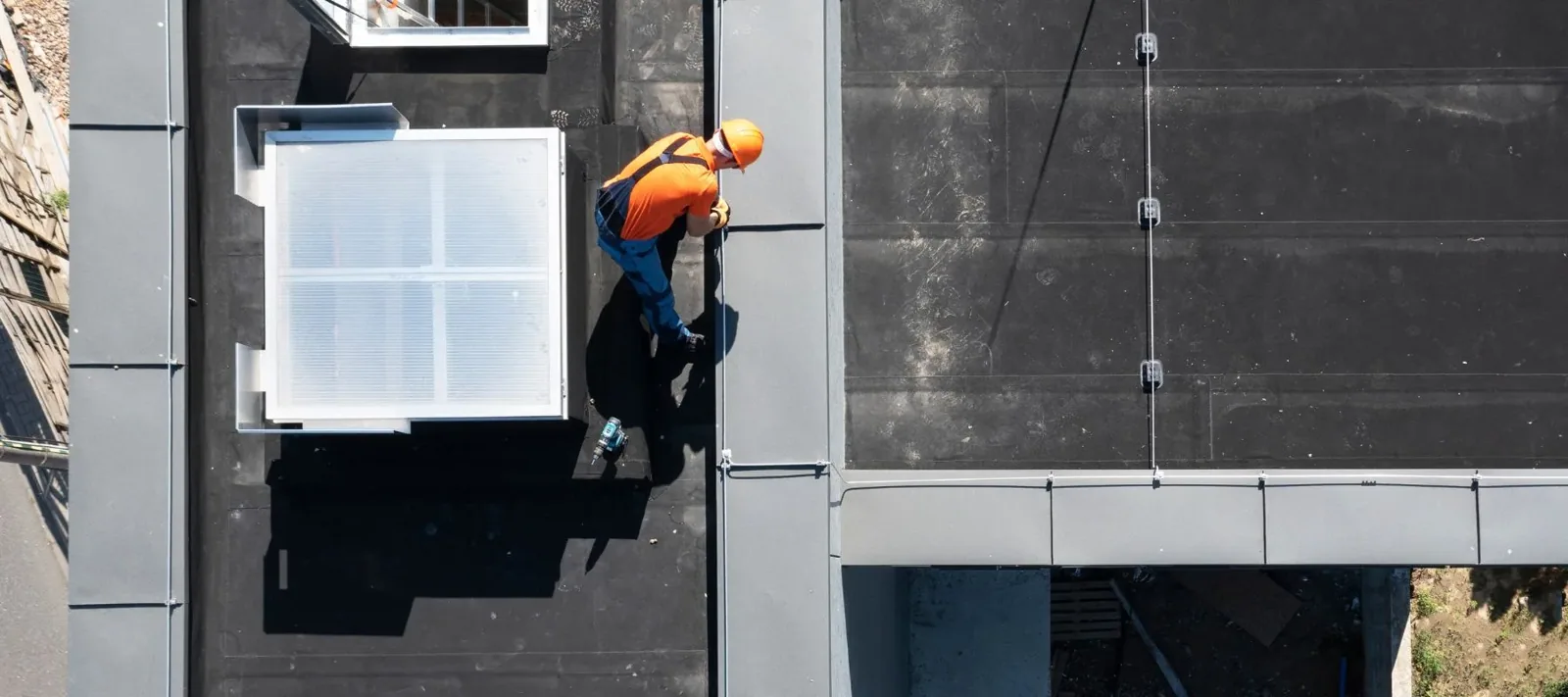
Commercial Roof Asset Management in Escondido, CA
Roofing Capabilities · Escondido, CA
A recurring maintenance record should distinguish weather context from asset condition. Santa Ana winds can be dry, warm or hot during Southern California events and may damage property, but the report must identify what was actually observed. Use the roof condition report to capture roof zone, access limits, photographs, and an evidence-based next review date rather than turning a regional pattern into a replacement recommendation.
Give every roof a traceable record
Start with the building identifier used by ownership and the manager. Add the roof section, system if known, access route, last documented visit, and the source of each repair note. Photos should show both the detail and enough surrounding roof to locate it later. A close image without context can be difficult to compare at the next visit. Keep observed conditions separate from assumptions. If an assembly is covered or an area cannot be reached, mark the limitation. Do not create a condition rating from missing information.
Asset records change hands. Use plain labels and dated observations so a new manager can understand what was inspected. Attach proposals and completion photos to the same area when the project closes. A commercial roof inspection can refresh the visible record, while the maintenance visit can log agreed upkeep and accessible small corrections. Those records help teams distinguish completed work from open recommendations.
Separate findings from open questions
Use different statuses for active water entry, a defined repair, monitoring, additional testing, and a longer-range review. A staining report may need an interior check before the roof source is known. A split at a flashing transition may have a clear repair path. If deck or insulation condition is concealed, the next step could require exploratory work. The record should say what evidence would resolve that question. It should not convert uncertainty into a definite quantity.
When a manager asks for a repair proposal, identify the affected roof zone and the work included. List exclusions and follow-up needs. That lets an owner approve the documented item while leaving unrelated areas out of scope. An asset register can then show whether a recommendation was approved, deferred, or replaced by newer evidence. A multi-site roof program can sequence work without treating different buildings as interchangeable.
Set review intervals from the evidence
A calendar reminder does not replace an inspection plan. Review timing can depend on current leaks, open repairs, roof access, known warranty obligations, recent storm exposure, and a change in building use. The interval should reflect the documented risk and the owner's operating needs. A visit after a repair can confirm visible workmanship and note remaining concerns. It cannot verify concealed conditions that were not opened.
For a recurring issue, compare the same roof area across dated records. Note whether a seam, curb, drain, or edge detail changed. If conditions appear stable, keep that evidence rather than repeating generic urgency language. If the condition worsens, record the change and revise the action. A roof capital planning review can use those dated findings to distinguish routine maintenance from a project that needs broader approval.
Compare buildings without flattening differences
Owners may want one view across several properties. A portfolio summary can group roofs by known system, open repair, access readiness, or budget window. Keep the underlying evidence attached to each building. A warehouse with broad clear access is not the same as an occupied office roof crowded with equipment. One project's scope should not become a default for the rest. The useful comparison is the documented condition and next decision, not a single score that hides missing information.
For a warehouse or industrial asset, a warehouse roof review can frame loading access and drainage questions. For work-order coordination across buildings, property management teams can keep each record tied to its own scope. In each case, the asset record should identify what was actually observed at the roof and what needs a separate inspection.
Keep Escondido location context in its lane
The City map locates Harmony Grove Industrial Park along Citracado Parkway, with Auto Park Way and Avenida del Diablo defining the described stretch. That identifies an employment area, not the roof assembly at any property. Each asset record should stay tied to its own address, entry route, photographs, and observed condition. Near Grand Avenue, the second streetscape phase finished in June 2025. Sidewalks widened, parking moved to diagonal spaces, and roundabouts were added to slow traffic. Those public changes may affect visit staging, but only the site contact can confirm the loading and roof-entry route.
A manager scheduling reviews in Harmony Grove Industrial Park and Downtown Escondido should record separate contacts and access windows for each property. We keep each roof record attached to the building reviewed, with its own date, photographs, work history, and authorized next step. The district setting may guide scheduling; it does not supply a condition rating or replace a field observation.
Frequently Asked Questions
What belongs in a roof asset record?
Record the roof zone, system when known, dated findings, access limits, photos, completed repairs, and open questions. Keep approvals with the work they cover so the next reviewer can distinguish a recommendation from a completed scope.
Can a portfolio score compare different buildings?
A summary can group similar records, but it should not hide each roof's evidence and limitations. Different assemblies, access, occupancy, and repair history can lead to different priorities.
How often should a roof record be refreshed?
Set the review interval from observed conditions, open repairs, access, warranty duties, and the owner's needs. A calendar date is a prompt to review, not proof that a roof condition changed.
Does an inspection confirm concealed insulation?
No. A visual visit records accessible conditions. Concealed layers may require plans, testing, or exploratory work before their condition or quantity can be confirmed.
Can this register set an exact replacement year?
No. It can organize current evidence and budget decisions. Timing depends on future inspections, maintenance history, assembly condition, operating needs, and any findings from follow-up work.

Update a commercial roof record
Share the roof area, existing inspection notes, and access contact. Call Commercial Roofers Escondido to arrange a review and define the next scope.
Call 555-555-5555 or email [email protected].