
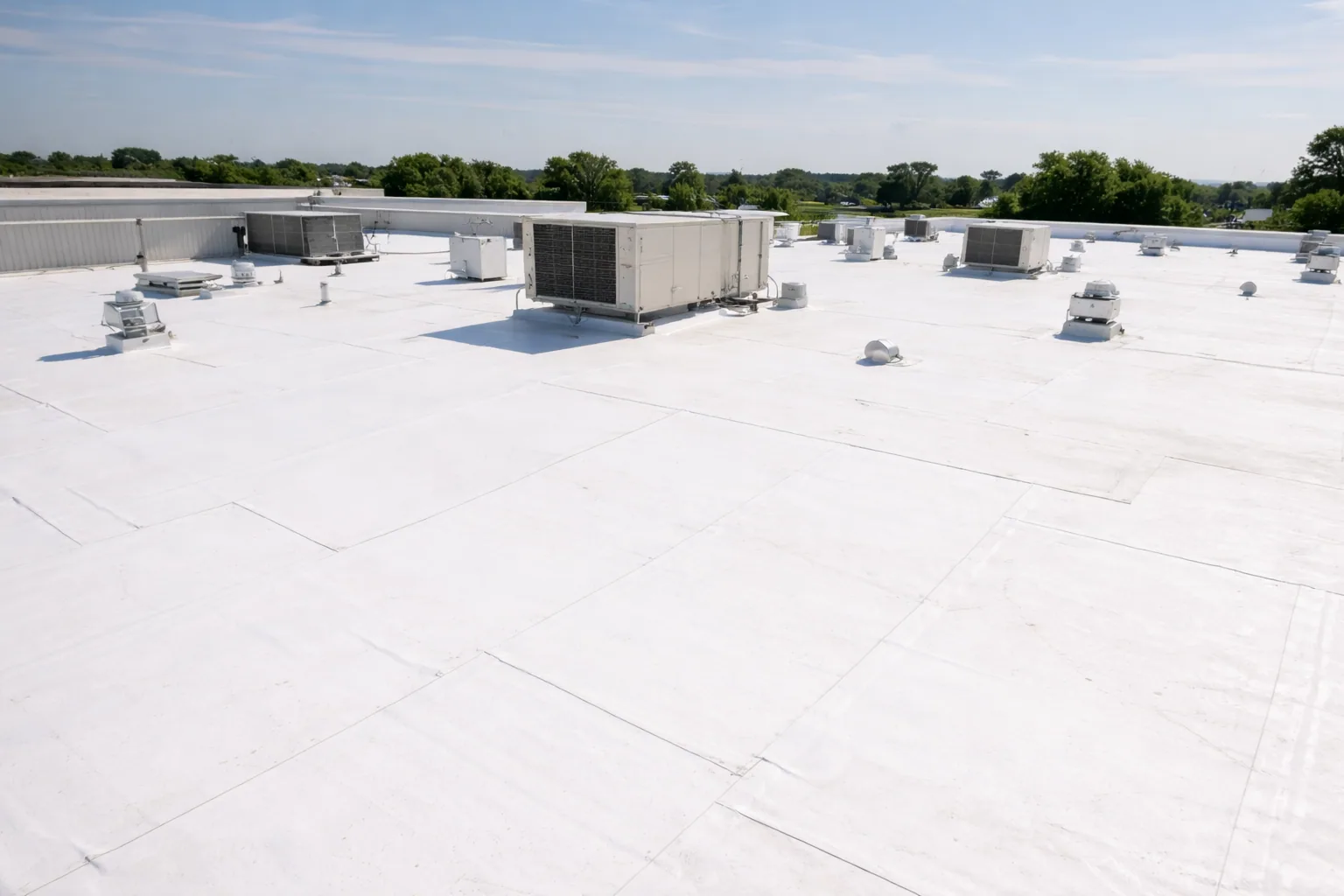
Commercial Roof Maintenance in Escondido, CA
Commercial Roofing Services · Escondido, CA
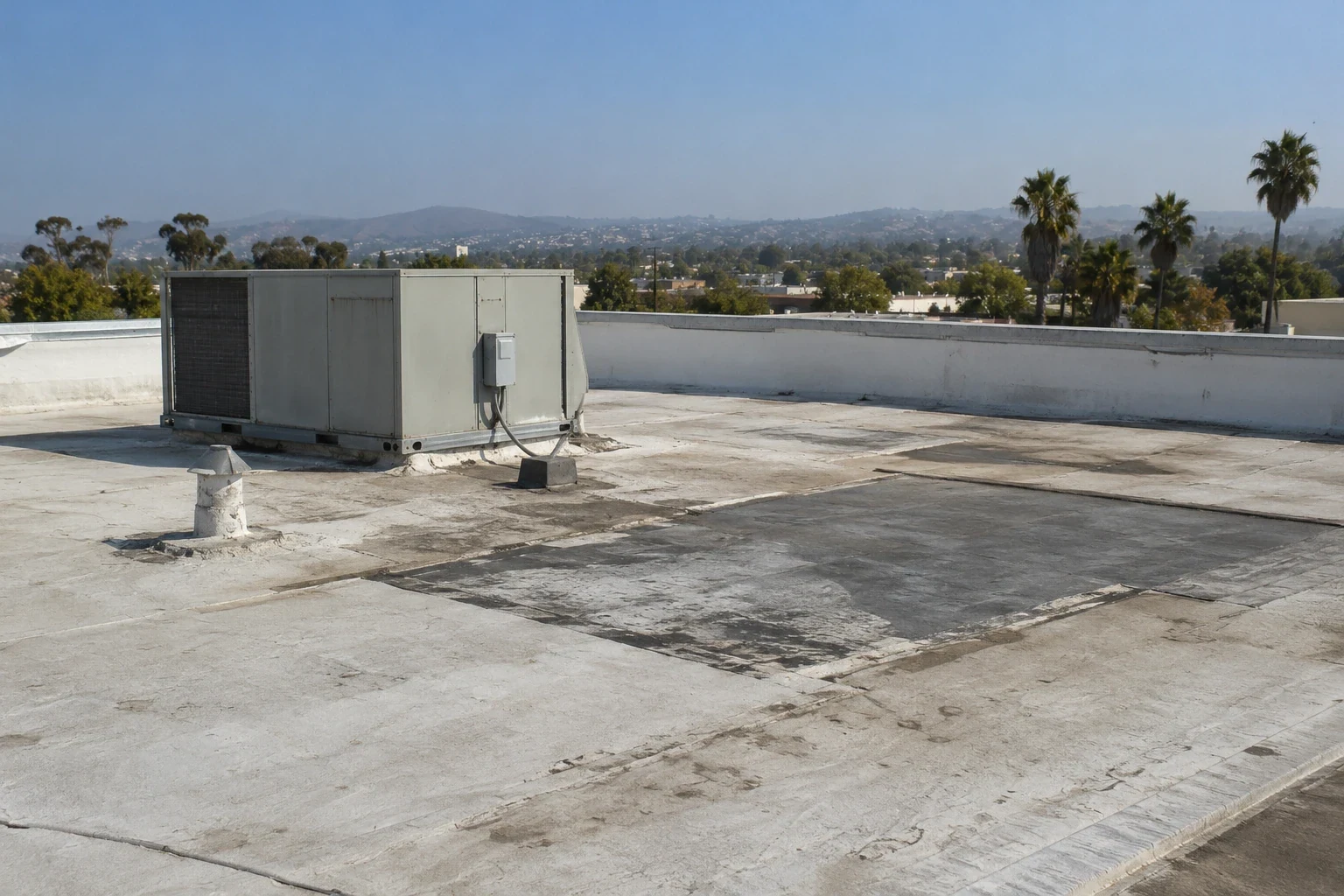
A small open lap can become a larger scope after one wet cycle. In Escondido, roof maintenance starts with the details exposed to warm, dry Santa Ana winds. We check seams, edge metal, penetrations, drains, and prior repairs. The owner gets a marked condition record, not a generic service checklist. That helps a general contractor set a budget window and coordinate access before a leak interrupts other work. A scheduled roof inspection can establish the first baseline. We then separate work that needs approval from conditions suitable for another observation.
Wind-exposed details
Regional Santa Ana events usually arrive from September through May, bringing dry air that can warm as it descends. Ahead of those seasonal work windows, we inspect edge securement, terminations, and exposed sheet metal for movement. We note whether displacement appears recent or extends into nearby details. A wind-damage review may fit when the owner reports a specific event. Routine maintenance remains distinct from an event claim. The work record identifies the observed condition, repair recommendation, and any area that needs closer testing.
Dry weather can also make a surface appear ready for repair before the roof assembly is understood. We check sealant condition and membrane adhesion at representative details. A loose surface layer is not automatically a failed field. The repair scope depends on the attachment and the material below. This matters near the Downtown Escondido commercial area, where retail, office, visitor-serving, and residential uses sit within the planned district. Access limits vary by property. We ask the site contact before setting equipment or a crew path.
Drainage and low points
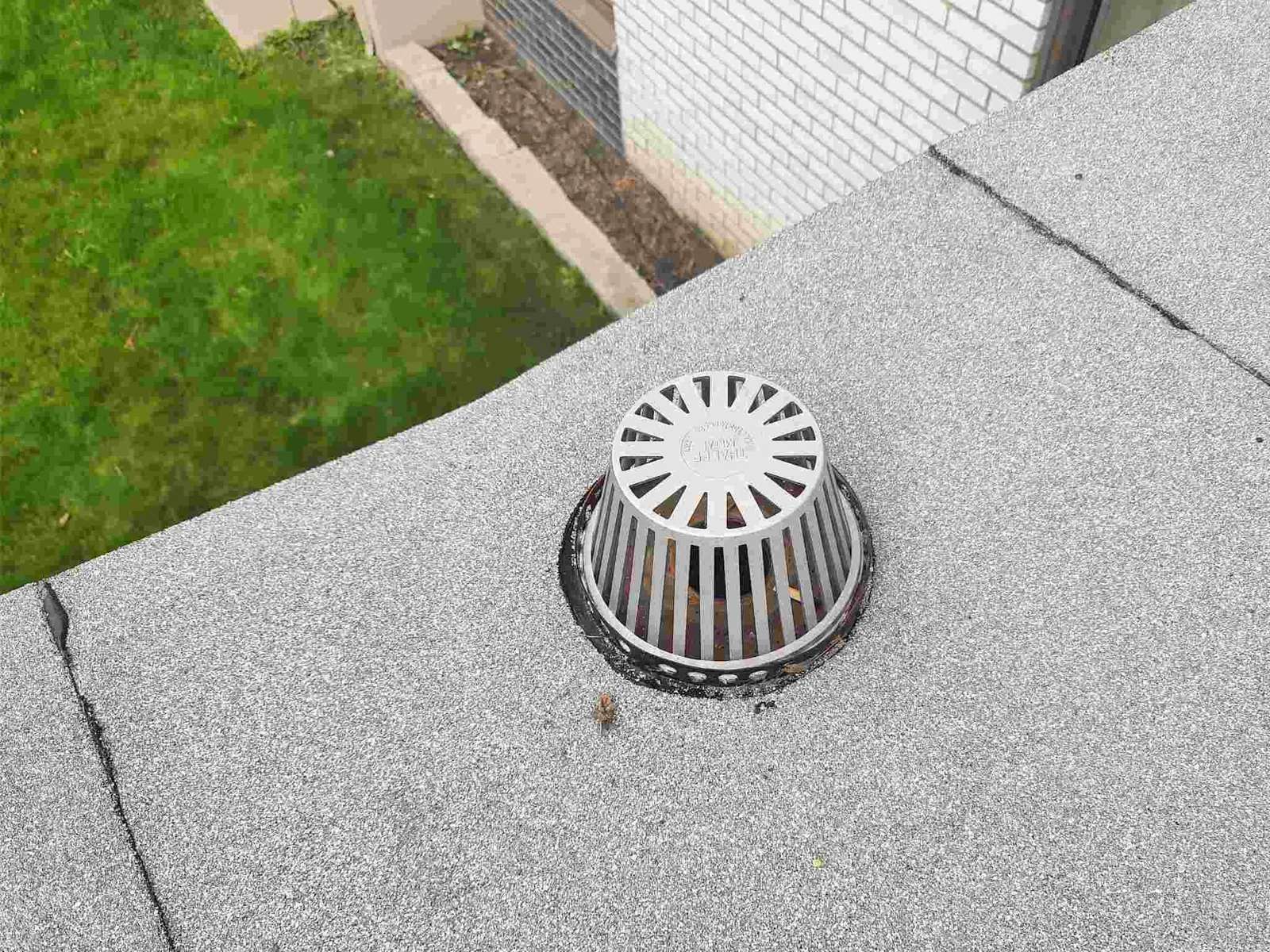
Maintenance should trace water toward each drain or scupper. We remove accessible debris, check the bowl and surrounding membrane, and note signs of slow flow. A clear outlet does not correct a depressed roof area. If water remains after ordinary drainage, we map the boundary and compare it with the roof plan. A separate drain and scupper assessment can distinguish a blocked outlet from a slope or assembly concern. That difference changes the parts, access time, and price basis. A follow-up visit should compare the same outlet and low-point locations, with a dated note about the weather conditions. This gives the facilities lead a useful record when approving separate corrective work.
At East Valley Parkway, the City plan supports office and professional uses, rehabilitation of existing commercial centers, and circulation improvements. Those planning goals do not describe the roof at a particular property. They do make access, deliveries, and tenant movement useful scheduling questions. We confirm where the crew can stage materials and how work reaches the roof. If the leak path may involve a seam, the ponding-water repair review records the drainage condition separately. A maintenance report should preserve both findings without combining them into one unsupported cause.
Inspection records
A useful maintenance record shows roof-plan locations, dated photographs, and a concise condition description. We identify the system when the available evidence supports it. We also note access limits and areas hidden by equipment. If we open a test area, the record shows its size, finding, and closeout method. The owner can compare the next visit against the same marked locations. A condition report can support work-order planning and later capital review.
Harmony Grove Industrial Park occupies a planned employment area along Citracado Parkway. Employment lots in the planned area range from one to forty acres, with separate development standards for other properties. The plan does not identify a roof assembly or active tenant at any individual lot. For a facility in the area, we confirm actual equipment, access routes, roof penetrations, and work hours with the owner. A flex-industrial roof review can help frame those operating questions. The maintenance schedule still follows observed roof condition and the owner’s priorities.
Repair timing and scope
We prioritize an active opening, deteriorated transition, or recurring leak before cosmetic surface wear. The report explains why a condition needs immediate correction or can wait for a coordinated visit. It names any material test that could change the repair recommendation. A commercial repair scope should define preparation, compatible material, tie-in limits, and closeout photographs. If moisture extends beyond a contained area, we show the next approval point before expanding the work.
Maintenance does not promise that a roof will avoid every leak. It gives the owner repeat observations and a chance to plan known work. If the assembly has several recurring defects, an asset planning capability can align inspections with the facility’s budget calendar. We confirm the interval and tasks from roof condition, use, and access. A planned visit may also coordinate with HVAC or façade work, reducing repeated mobilization. We do not treat a calendar date as proof that every section has been inspected.
Occupied-site coordination
Before mobilization, we confirm roof access, escort rules, lift position, delivery hours, and interior protection. A daily work boundary shows which section remains open and how it will be closed. If another trade needs the roof, the parties agree on temporary dry-in responsibility. This avoids a gap between a roofing repair and later mechanical work. For a building with tenants, the occupied-building sequence can identify restricted hours and entrances.
A maintenance visit can be efficient without becoming rushed. The crew follows a route that covers drains, perimeters, equipment, seams, and previously documented concerns. The owner receives a note when a location could not be reached or when testing is needed. Those exceptions matter for accurate planning. A contractor should not mark an inaccessible detail as acceptable. For recurring concerns, a moisture survey may help compare suspect areas before selective opening. The survey method and its limits belong in the record.
Frequently Asked Questions
What should a commercial maintenance visit cover?
We check visible seams, edges, penetrations, drains, equipment interfaces, and prior repair locations. The route and limits appear in the report so the owner can see what was reached.
Can routine maintenance prevent a storm leak?
Maintenance can identify visible wear and correct certain conditions before they worsen. It cannot control every event, and a reported storm impact receives its own inspection and record.
When should a repair be scheduled instead of monitored?
An active opening, recurring leak, loose termination, or wet assembly may need a defined repair scope. The finding and test results help set the timing and approval point.
Will a roof maintenance plan include every mechanical item?
We note roof conditions around equipment and coordinate with the facility contact. Mechanical repairs remain with the responsible trade unless included in the approved scope.
What records help price a maintenance program?
Send the roof plan, prior work orders, leak dates, warranty documents, and access rules. We can use those records to set a practical first inspection route.

Set a maintenance review
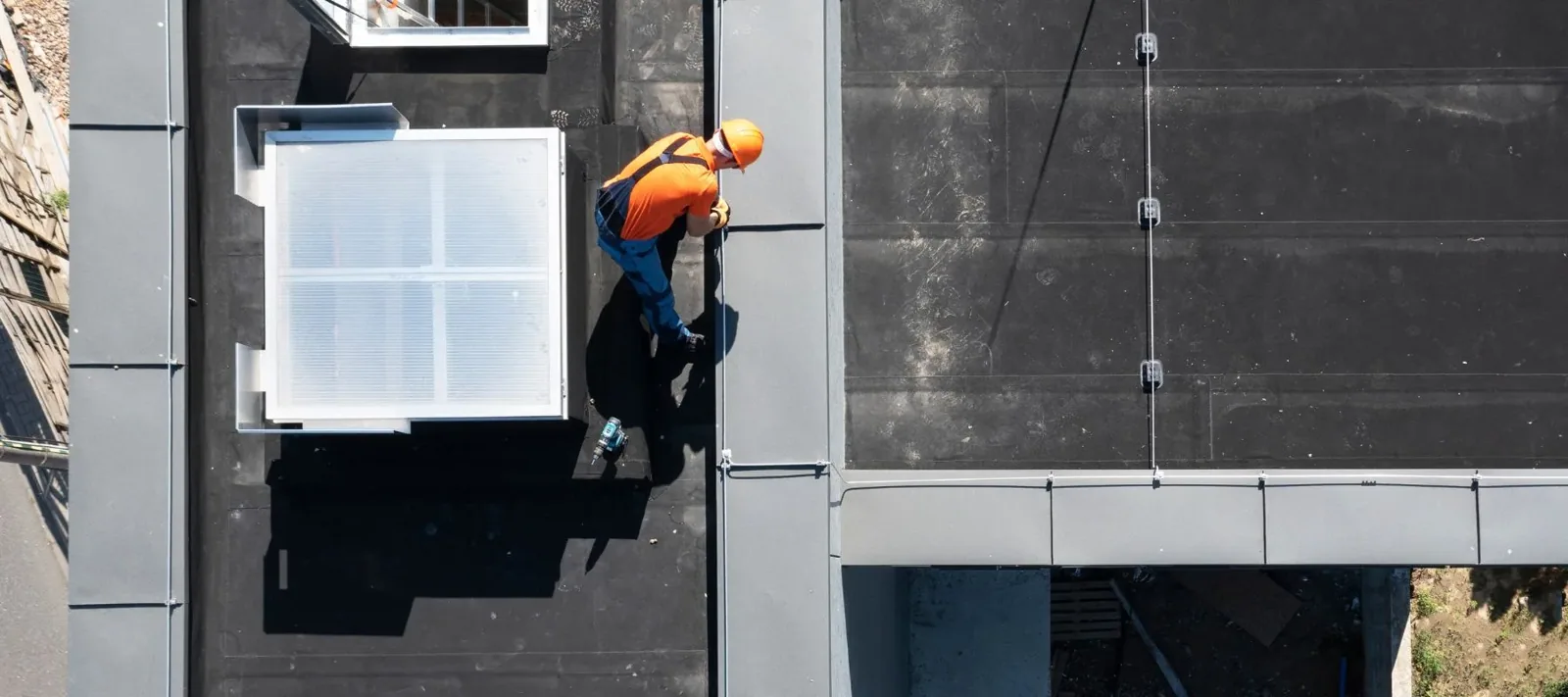
Share the roof plan, repair history, leak log, and access limits. We will record current conditions and identify work that needs a separate scope. Call Commercial Roofers Escondido to arrange timing.
Call 555-555-5555 or email [email protected].