
Commercial Roof Drains and Scuppers in Escondido, CA
Commercial Roofing Services · Escondido, CA
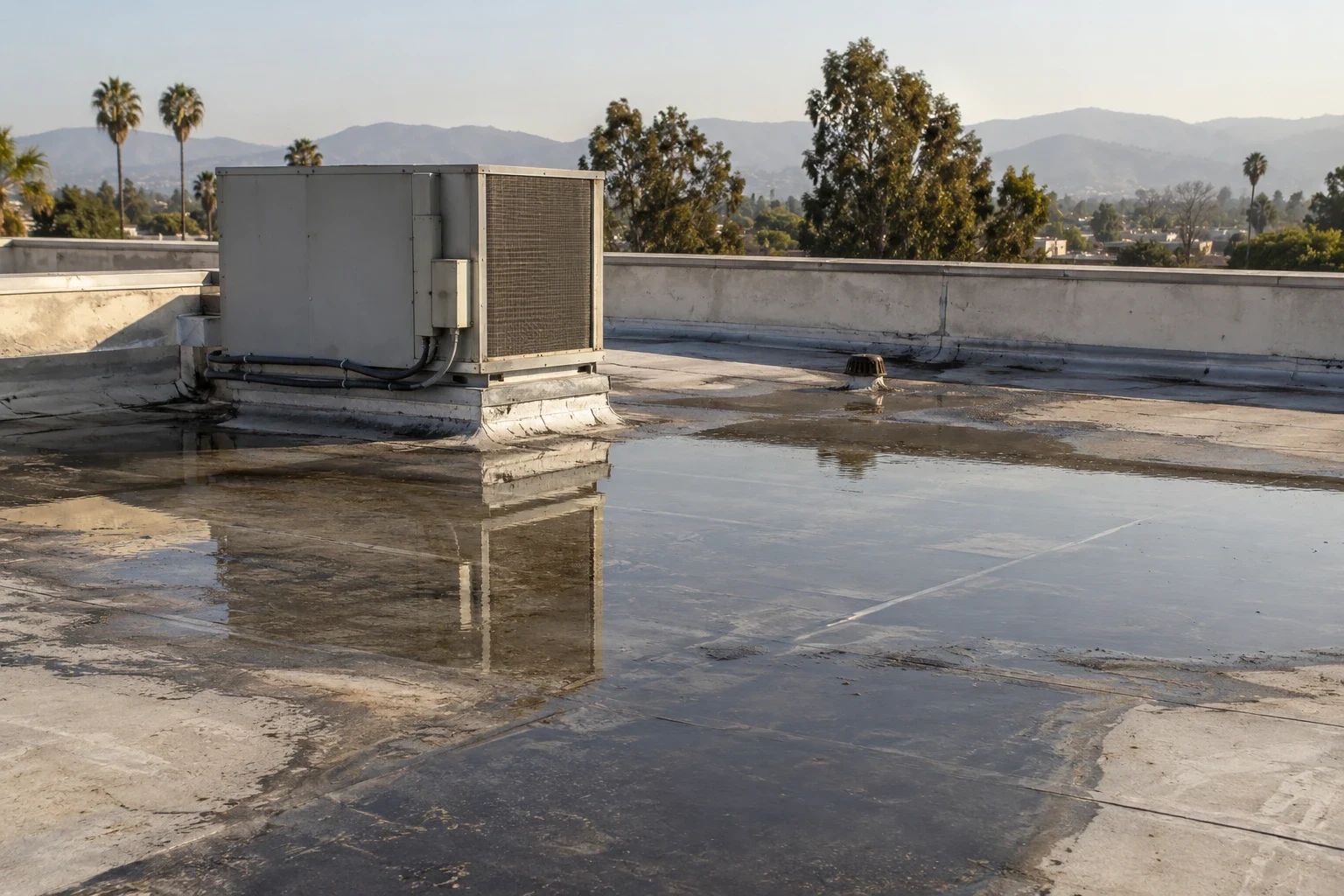
Water still standing after a storm can point to several different roof conditions. A blocked drain, low spot, damaged scupper, or insufficient slope needs a different response. We inspect the drainage path from the field to the outlet, then mark the finding on a roof plan. The ponding water review can distinguish persistent water from a temporary post-rain condition. A general contractor receives the repair boundary, access requirements, and any test needed before a budget is set. The goal is to correct the confirmed cause, not cover the low area with an unrelated patch.
Check every drainage outlet
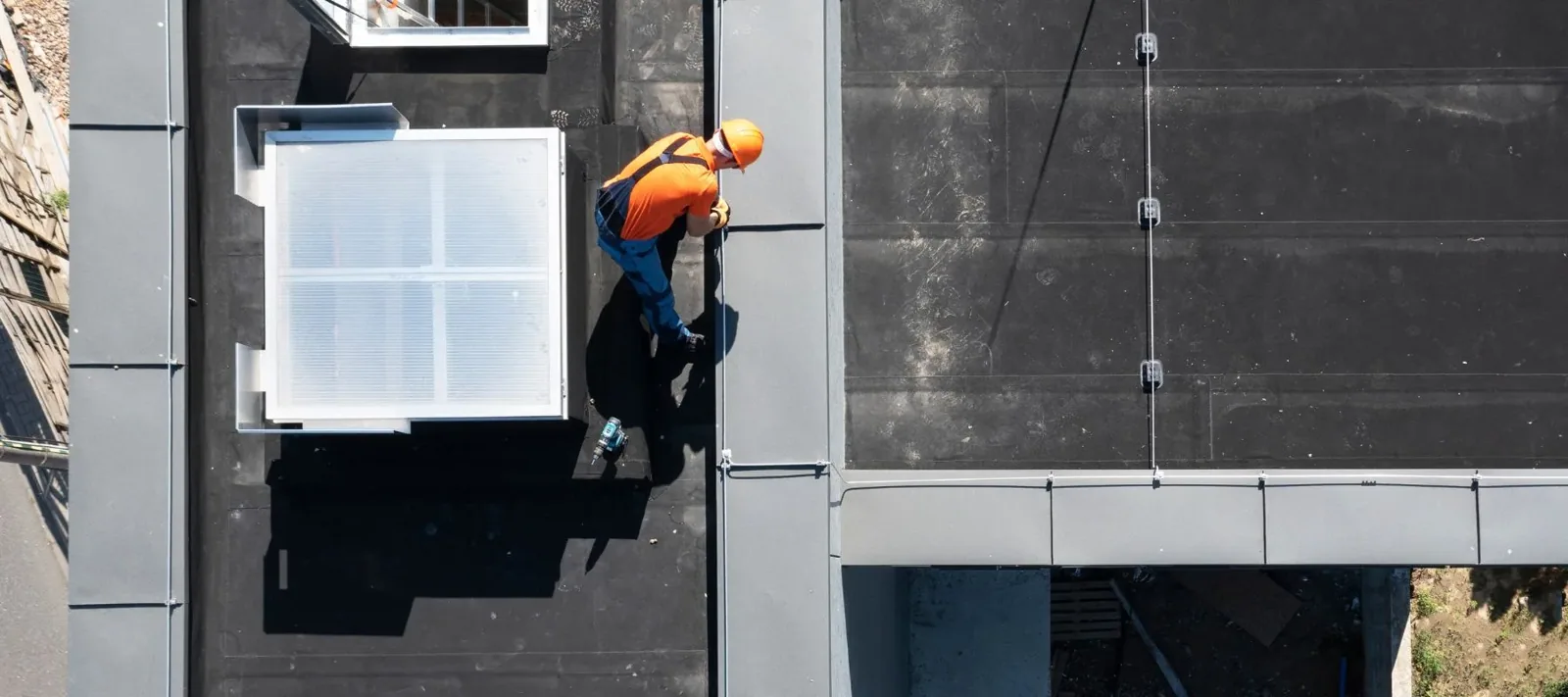
We inspect drain bowls, strainers, clamping rings, sumps, leaders, and visible connections. After debris removal, we inspect the bowl, clamping ring, membrane tie-in, and visible leader connection before closing the outlet scope. We look for loose rings, cracked bowls, membrane separation, corrosion, and signs that water bypassed the intended outlet. At a scupper, we check the opening, flashing, edge metal, and discharge path. Photographs show the condition before cleaning or adjustment. A roof inspection can establish a baseline for outlets that need seasonal checks.
Access matters when an outlet sits beside equipment or a restricted roof zone. We confirm safe paths and coordinate any interior ceiling access before testing. If flow testing is appropriate, we agree on water handling and the observation period. We record whether the bowl, clamping ring, tie-in, and visible leader were checked, then identify any component that remained concealed.
Trace low spots and water paths
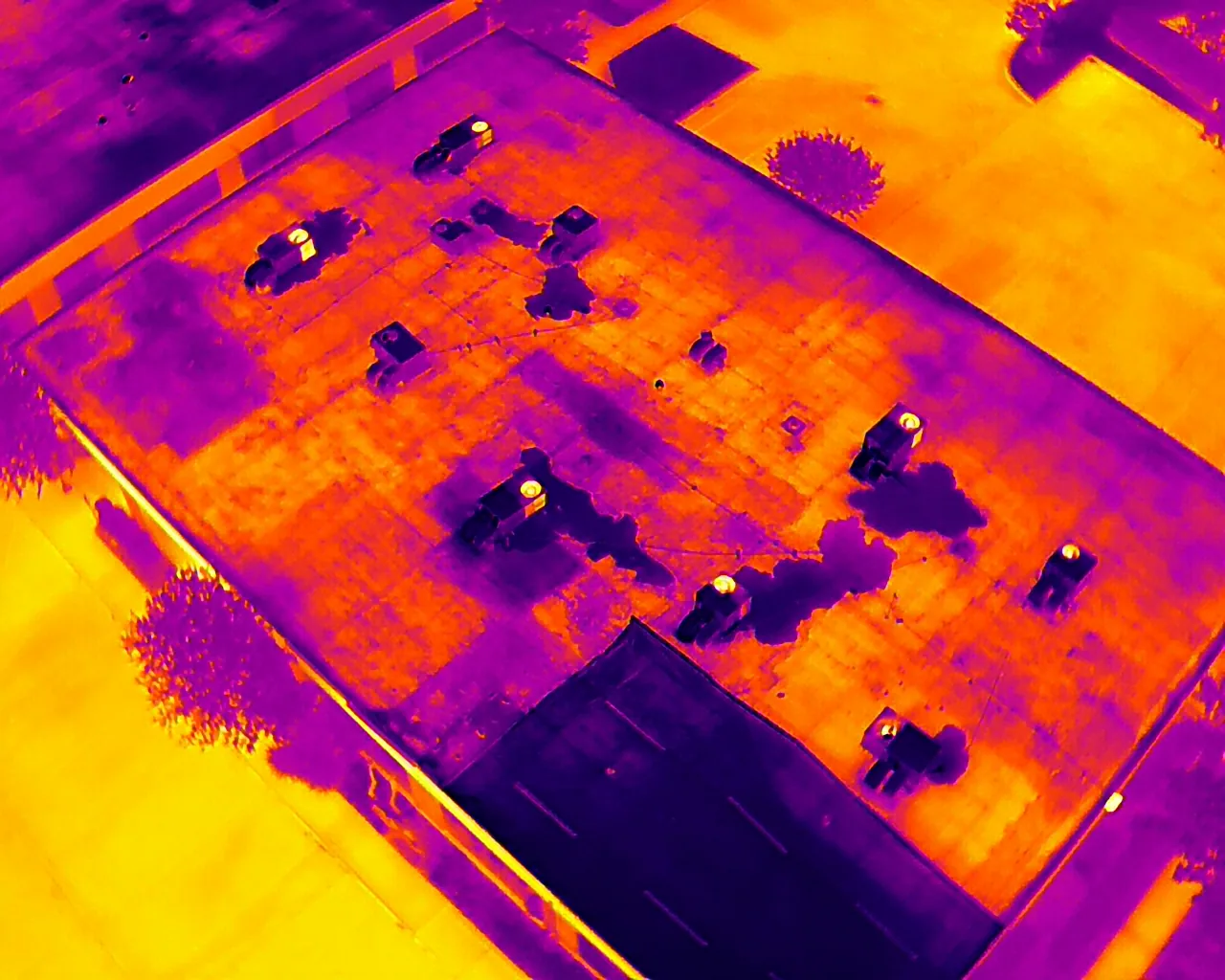
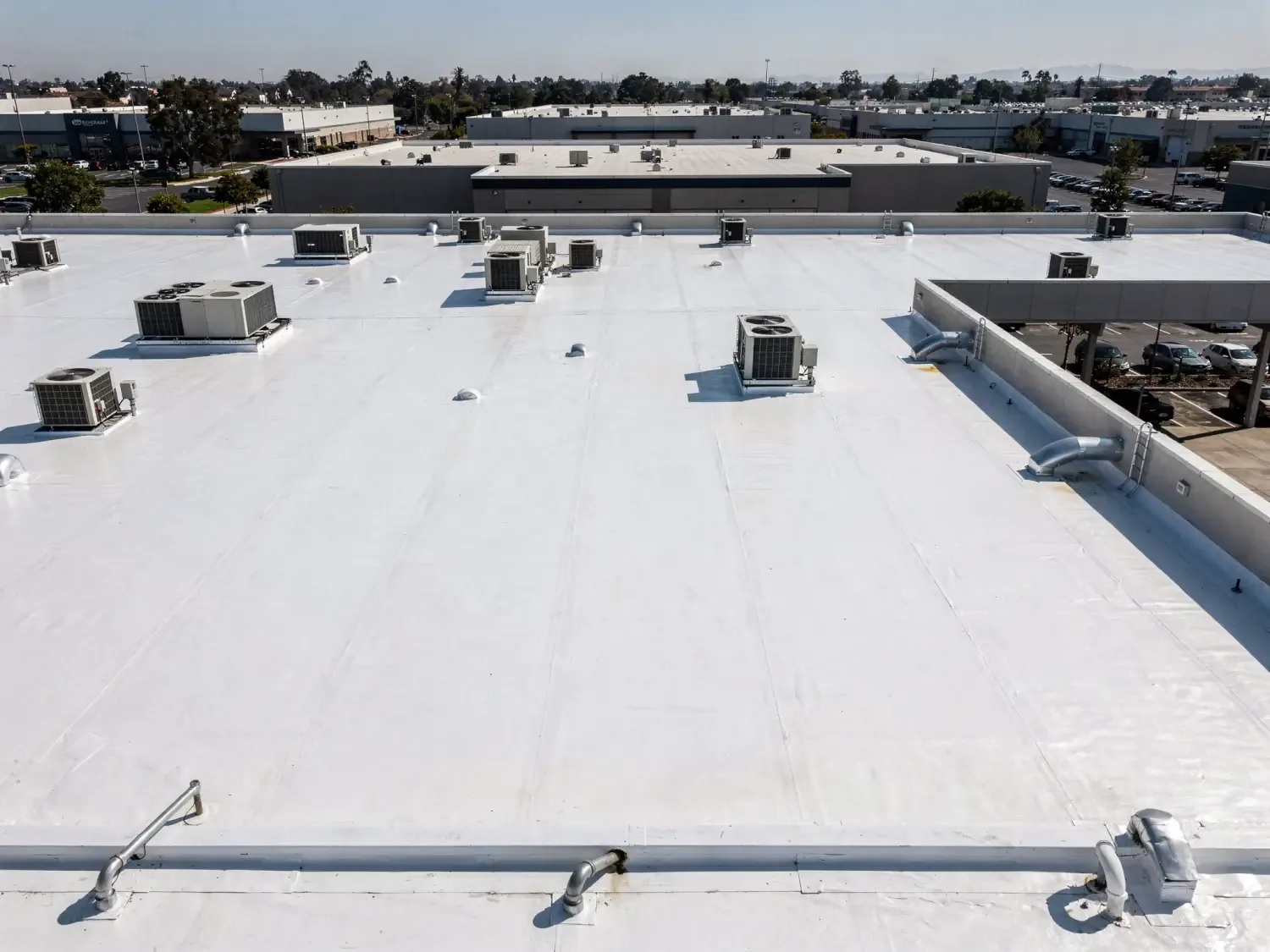
We map where water collects and how it approaches the outlet. A level check, roof plan, or controlled observation may help distinguish a local depression from a broader slope issue. We note water depth only when the site conditions allow a repeatable measurement. Staining below a roof is a separate clue, not a direct map of ponding. If the assembly may retain moisture, an infrared moisture survey can help identify contrasting areas for confirmation. We explain what the selected method can and cannot establish.
Existing patches, rooftop additions, and insulation changes can alter a drainage route. We compare available drawings with the actual roof and record visible differences. The condition report can tie each low point to a photo and proposed next step. If the water path crosses multiple roof sections, the scope should identify which area contributes and which correction is within budget.
Choose a correction that fits the assembly
A blocked outlet may need cleaning or component repair. A damaged scupper can require new flashing and a secured metal edge. A low area may need tapered insulation, a cricket, or a broader roof assembly review. We check deck capacity, existing layers, drain height, and tie-in conditions before recommending added slope. The roof replacement scope can compare removal and rebuild when isolated correction will not provide a sound transition. We separate design assumptions from field-checked dimensions.
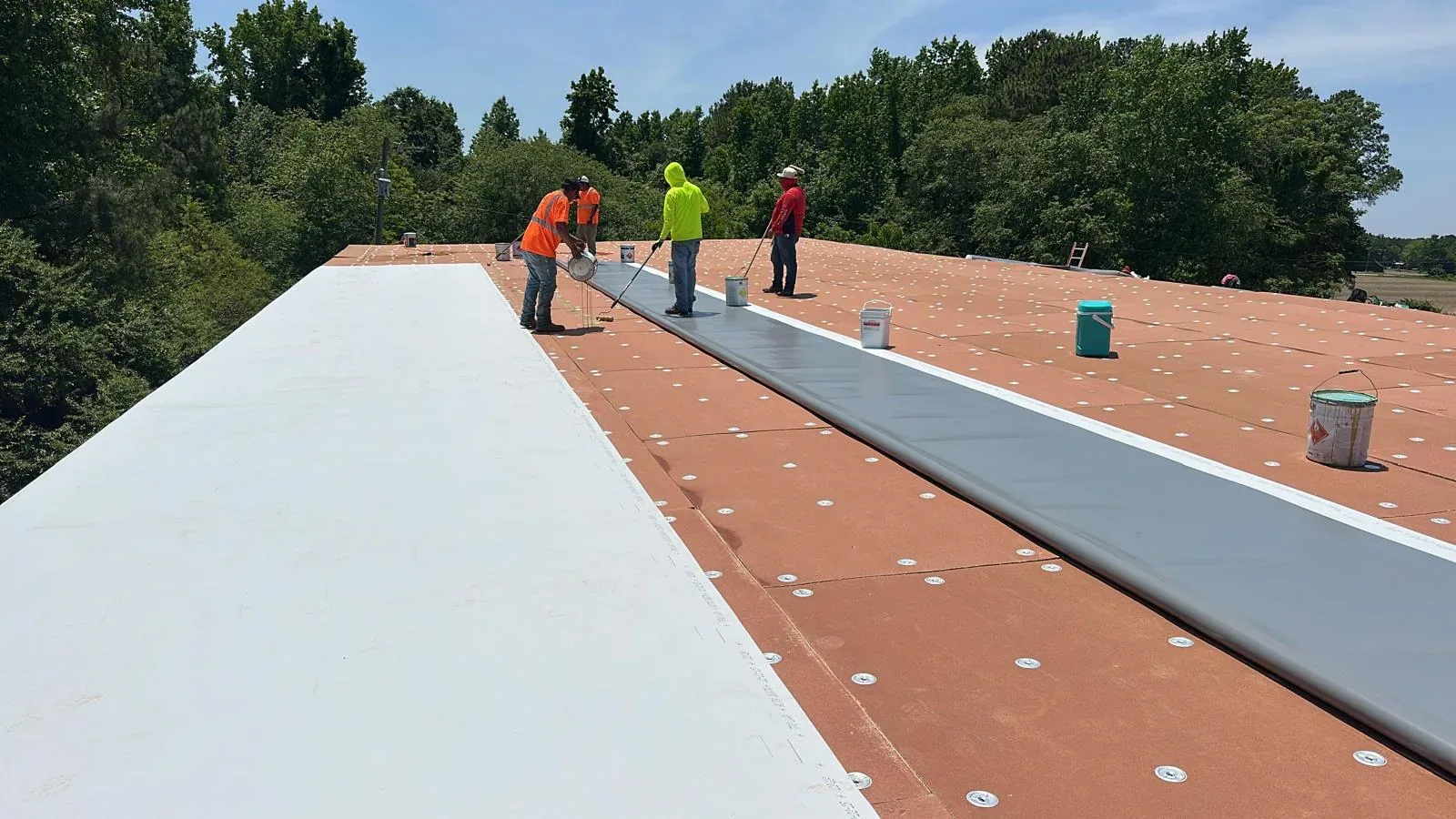
Tapered systems rely on a coordinated layout that directs water to the intended point. A small cricket can redirect flow around a curb; it does not solve every drainage deficiency. We identify starting elevations, drain locations, and any transition that could trap water. Before material ordering, the contractor should review plans, dimensions, and manufacturer requirements. A TPO assembly review may help align compatible membrane details with the proposed correction.
Fit staging to the property
The East Valley Parkway Commercial Area spans roughly two miles from Hickory Avenue to Citrus Avenue. Its plan supports rehabilitation of existing centers and circulation improvements. At a roof in the East Valley Parkway area, we confirm lift location, work hours, debris route, and outlet access with the property contact.
The South Escondido Boulevard Commercial Corridor runs about 2.25 miles from Fifth Avenue to the boulevard terminus at Centre City Parkway and Verda Avenue. At a roof near the Centre City Parkway corridor, the property contact confirms its delivery and staging plan before equipment is scheduled. Before opening a roof, we confirm where water can drain, how temporary protection will be secured, and which party will monitor the work area. Those details keep active drainage and public access separate responsibilities.
Price findings as separate work
A drainage proposal should list cleaning, outlet repair, flashing, slope work, and membrane tie-ins as distinct items when they can be separated. It should identify measured quantities, material assumptions, access equipment, and closeout checks. If a concealed leader or deck condition could change the work, state an allowance and the approval path. A maintenance plan can schedule follow-up observations after the correction. This makes it easier to compare immediate work with a broader capital project.
We avoid treating every water mark as evidence for a full reroof. If multiple areas share a low slope or failed drain details, the owner may compare targeted repair with replacement. Each option should explain what it corrects and what remains. We mark the limits clearly, including any inaccessible outlet or unverified leader. That leaves the general contractor with a priceable scope and an honest list of open questions.
Frequently Asked Questions
Does standing water always mean the roof needs replacement?
No. We first check the outlet, drainage path, low area, and assembly condition. The findings determine whether cleaning, detail repair, slope correction, or a broader comparison is appropriate.
Can you clear a drain during a maintenance visit?
Accessible debris can be removed when safe and included in the approved scope. We also record outlet and flashing conditions so cleaning is not mistaken for a complete repair.
How do you tell a blocked drain from a low roof area?
We inspect the strainer, bowl, sump, surrounding field, and visible water path. Measurements or testing may help. The report states the method and any limits.
Will a small cricket solve every ponding issue?
A cricket redirects water around a defined obstruction. Broader slope, deck, or drain-height problems need separate review before choosing a correction.
What should be included in a drain repair proposal?
Look for defined outlet and membrane work, materials, quantities, access, testing, exclusions, and an approval path for concealed conditions. Each drainage item should have a clear boundary.
Review a roof drainage problem
Share the roof plan, affected outlet, leak record, access rules, and any standing-water observations. We will inspect the drainage path and define a repair boundary. Call Commercial Roofers Escondido to schedule a review.
Call 555-555-5555 or email [email protected].