
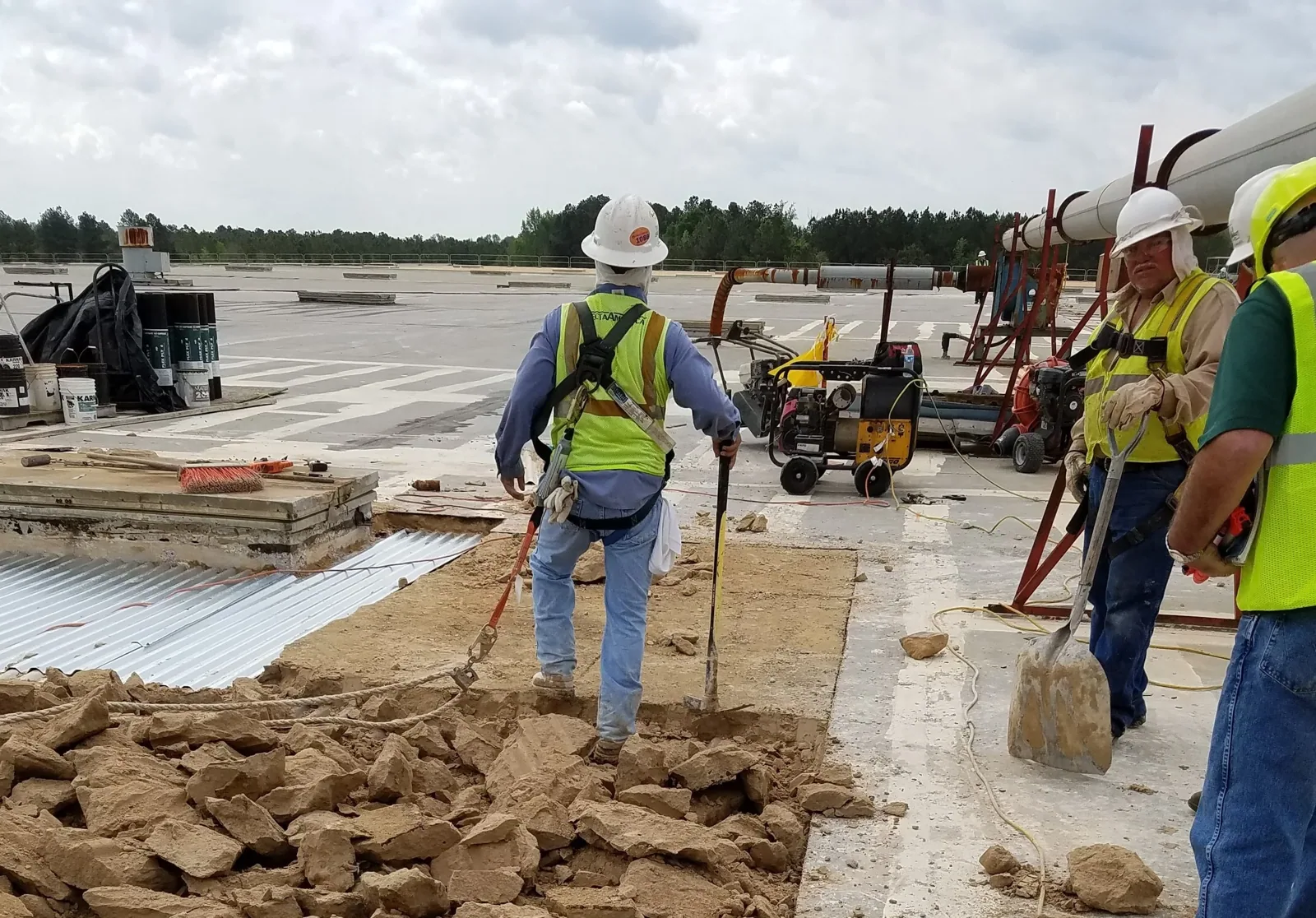
Commercial Roof Repair in Escondido, CA
Commercial Roofing Services · Escondido, CA
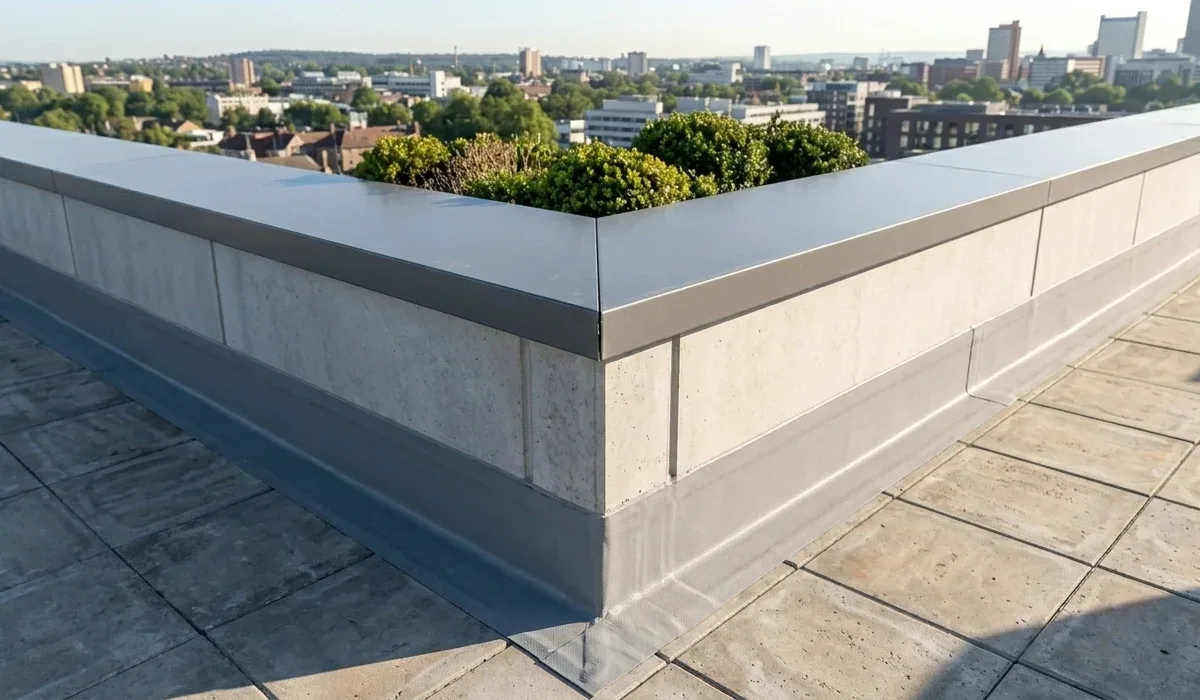
A lifted patch can point to a larger seam problem. The next decision is whether the defect is isolated or connected to a failing roof assembly. We inspect the membrane, flashing, edge metal, penetrations, and drainage path before setting a repair scope. Escondido’s commercial areas include Centre City Parkway and Escondido Boulevard, where retail, office, and service uses share busy operating schedules. We document the location, identify the likely water path, and separate the repair from any unresolved condition nearby. That helps a general contractor price the work and schedule access without turning a small defect into an undefined project. A commercial roof inspection can establish the repair limits, while an active leak may call for leak tracing and repair first.
Where the Failure Starts
Water can enter at a seam, flashing termination, curb, drain, skylight, or fastener. The wet ceiling location may sit away from the roof opening because water follows insulation, deck flutes, or framing. We check the interior clues and compare them with roof details above.
On the roof, we look for open laps, fishmouths, splits, punctures, loose flashing, failed sealant, displaced edge metal, and clogged outlets. A recurring opening may require a larger section of membrane or a reconstruction of the detail beneath it.
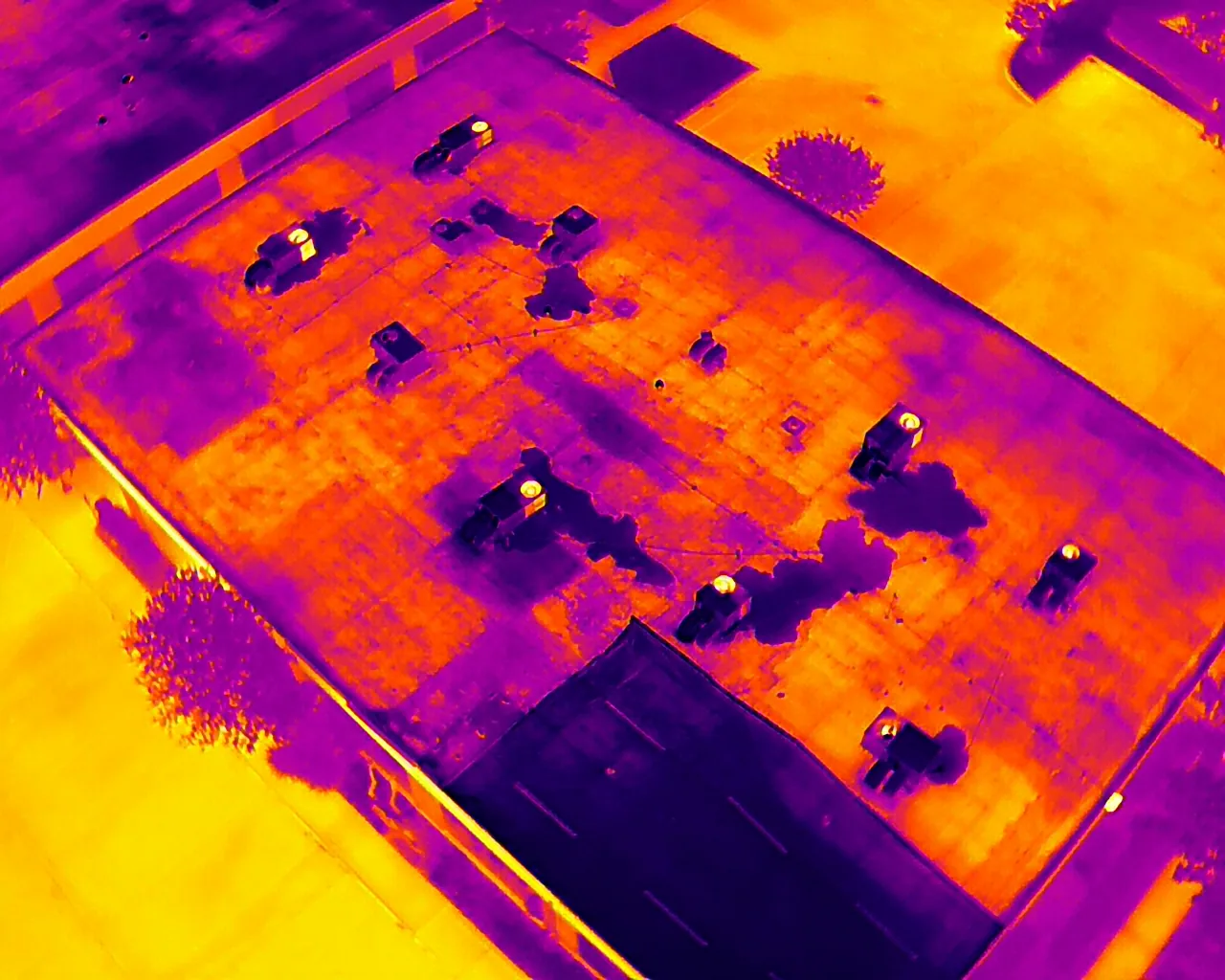
We record the roof system, prior repairs, surface condition, and access limits. If a repair has been coated or covered, we identify that layer before cutting into it. A written condition report can help the project team track what was found and what remains to be checked. When moisture extends below the surface, a targeted moisture survey can guide core cuts or removal limits.
Repairing the Actual Detail
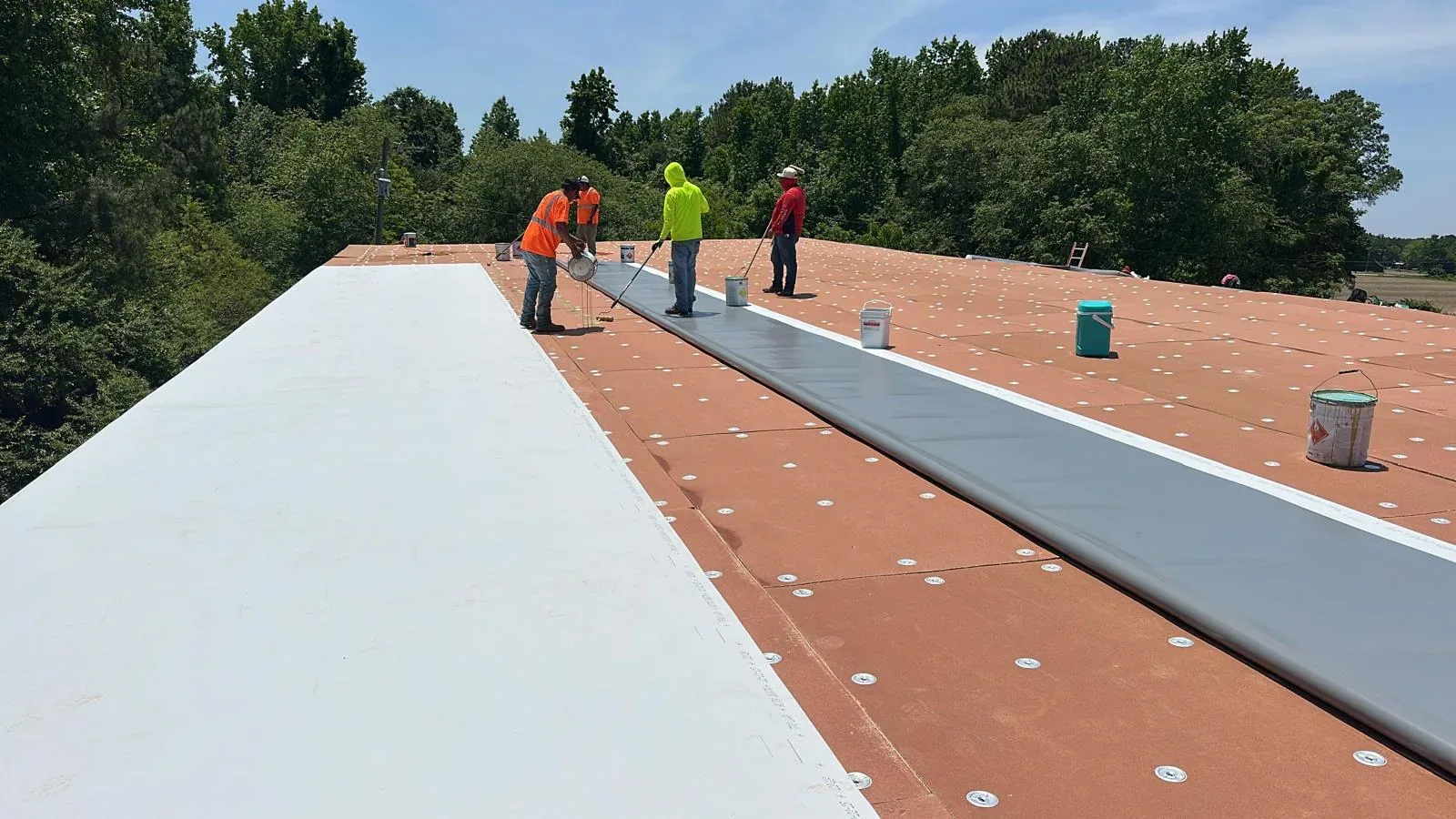
A lasting repair begins with a clean, compatible surface. We remove loose material, prepare the membrane, and use compatible repair materials. For a thermoplastic seam, that may mean checking weld quality and restoring the lap. EPDM requires compatible adhesives or seam materials. Modified bitumen and built-up systems call for repairs that match their asphaltic layers. Metal roofs need attention to panel laps, fasteners, closures, and movement.
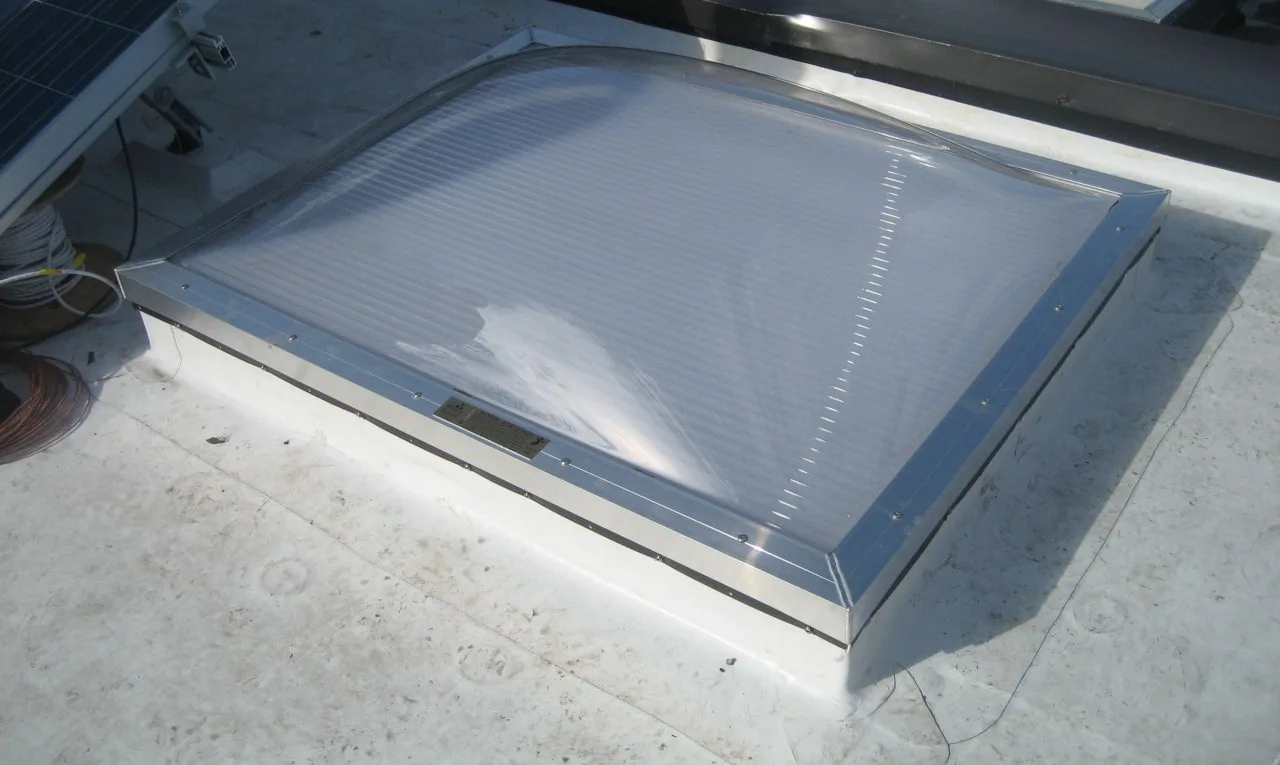
Flashing work follows the same logic. We identify the substrate and termination, remove failed sealant or loose flashing, and rebuild the transition with compatible materials. At equipment curbs, the membrane must connect without blocking required drainage or placing stress on unsupported edges. At drains, the repair needs a secure tie-in around the bowl and clear flow into the outlet. A penetration and skylight detail repair should address the curb or frame connection, not only cover the visible crack.
The scope should say what gets opened, what remains, and what test or visual check confirms completion. It should list access equipment, interior protection, debris removal, and any trade coordination. If the deck or insulation is concealed, the proposal can define the approval step and unit pricing for added work. This keeps the repair tied to a documented finding. A TPO seam repair and a modified bitumen repair may address similar symptoms but require different preparation and closure details.
Work Windows and Exposure
Active leaks need immediate control, but permanent repairs still depend on safe access and dry materials. We identify whether temporary protection is required before the full repair can proceed. If rain is forecast or a roof area cannot dry, the work sequence changes. The project team needs to know when a temporary measure ends and what inspection is required before the permanent system is closed.
From September through May, Santa Ana winds can carry dry, sometimes warm or hot air through Southern California passes. For roof repair, that regional pattern makes perimeter and flashing conditions worth checking. It does not establish that a particular building has wind damage. We inspect exposed edges, corners, and transitions where attachment or movement can affect a repair. If surrounding material is loose, a patch should not bridge an unstable surface.
Access planning includes roof hatches, ladders, escort requirements, staging, deliveries, work hours, and coordination with tenants or other trades. The Centre City Parkway Commercial Corridor and Escondido Boulevard corridors serve coordinated commercial uses. Whether a crew is heading to Downtown Escondido or Harmony Grove Industrial Park, we confirm the delivery location with the owner. For active occupants, a planned occupied-building work sequence can limit conflicts around entrances and mechanical interruptions.
Repair, Monitor, or Replace
One localized defect can often be repaired without changing the entire roof plan. Repeated seam failures, wet insulation in several areas, widespread membrane splits, or deteriorated deck may point to a broader scope. We compare the number and spread of defects with repair history and the assembly condition. The next action may be one repair, a planned group of repairs, or replacement of a defined roof section.
Monitoring can suit a sound detail that needs a scheduled check after exposure or equipment changes. The record should state what to watch. It should not leave an active leak or loose flashing without a repair plan. We can set a maintenance interval around the roof's actual condition, including drains, penetrations, edge metal, and prior patches.
Cost and schedule depend on more than the patch itself. Roof height, access, system type, moisture, required dry-in, working hours, and interior protection all change the estimate. We identify concealed conditions that could alter the work. If a repair will not restore a stable roof assembly, we explain the replacement trigger and options. A replacement review can compare a larger correction against continued repairs, using the same roof area and known findings.
A Repair Record the Team Can Use
Before work begins, share prior leak logs, inspection notes, drawings, repair invoices, roof system information, and any warranty requirements. We verify the visible conditions and identify missing details. Those records can reveal an earlier overlay or concealed transition. Access rules and current equipment plans also affect the scope.
After the inspection, the repair proposal should map each defect, list the material and preparation, identify related flashing or drainage work, and state how completion will be reviewed. Photos and a concise description make the finding useful to the owner and general contractor. Separate optional items from urgent corrections. That helps the budget decision reflect the roof rather than an undifferentiated allowance.
For an urgent commercial roof problem, call to discuss safe access and temporary protection. For non-emergency work, share the access window when arranging a defined inspection. We can review a repair proposal against the roof system and identified details. The goal is a clear work sequence, a repair suited to the failed layer, and a record the project team can use for the next budget window.
Frequently Asked Questions
How do you find the source when a ceiling stain is far from the roof defect?
Water can move sideways through insulation or along deck flutes before it appears inside. We compare the interior location with roof seams, penetrations, curbs, drains, and transitions. Openings may be needed to confirm the path. The repair scope should identify the evidence and avoid assuming one roof defect explains every stain.
Can the same repair material be used on every membrane?
No. TPO, PVC, EPDM, modified bitumen, built-up, and metal systems need compatible preparation and materials. We identify the assembly before selecting a repair method. Using a mismatched patch can fail at the bond or seam even when the surface looks closed.
What changes a patch into a larger repair scope?
Repeat failures, loose surrounding material, wet insulation, damaged deck, and defects across adjacent details can expand the work. We map those conditions and explain what should be opened. A larger scope should follow evidence, not a broad assumption based on roof age alone.
Can a repair be completed during normal building operations?
Access, noise, rooftop equipment, delivery routes, and interior sensitivity set the work window. We coordinate those items with the owner and general contractor. Some leak conditions need immediate temporary protection, followed by permanent work when the surface and schedule allow it.
What will the repair documentation include?
The record identifies the roof area, failed detail, materials used, and any condition that remains for follow-up. Photos can show the opening before and after repair. We also note access limits or concealed work that still needs confirmation. This gives the project team a clear basis for maintenance or budget planning.
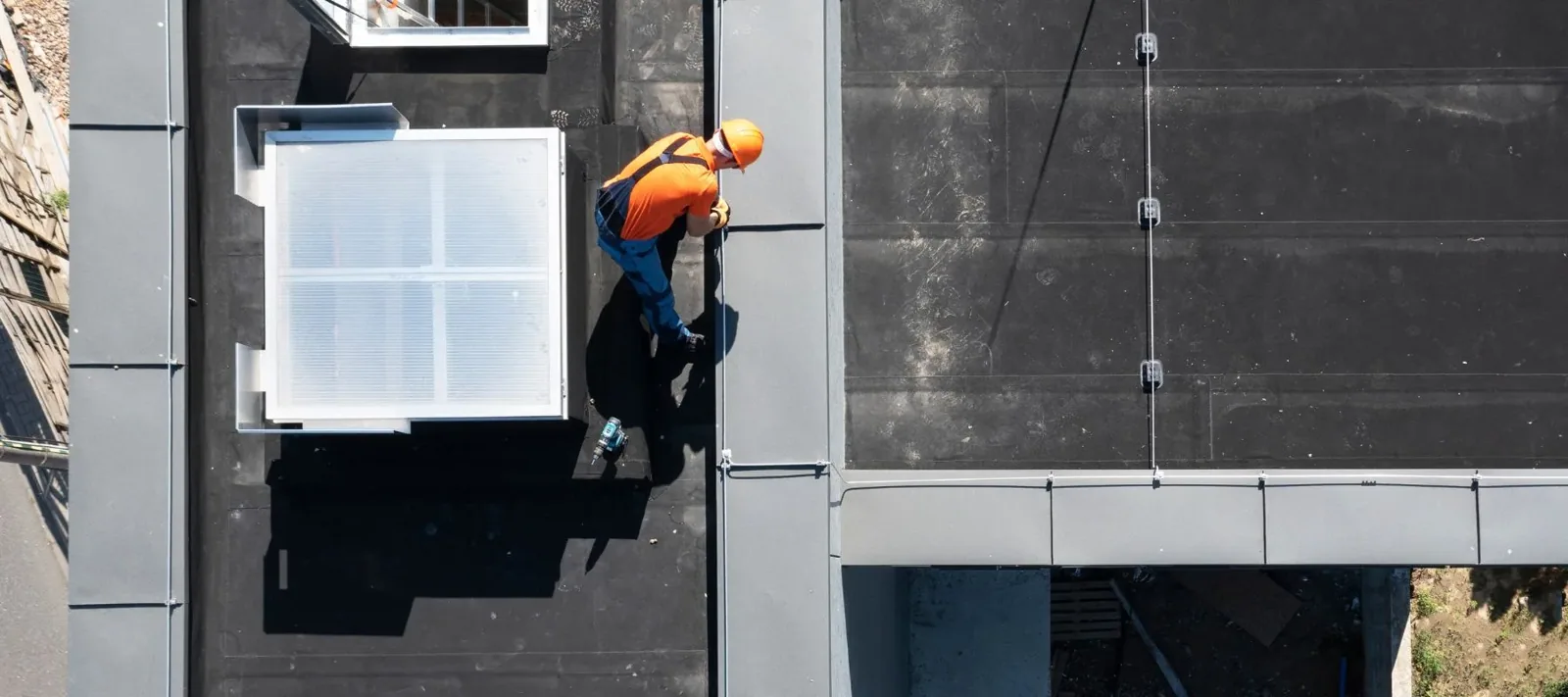
Set the Repair Boundary
Arrange an inspection with leak locations, past repairs, roof records, and access rules available. We will document the failed details and define the next repair or replacement decision. Call to set a site review or discuss an active roof problem.
Call 555-555-5555 or email [email protected].