Logistics Roof Programs in Escondido, CA

Industries We Serve · Escondido, CA

Logistics Roof Programs

Outbound freight windows can leave little room for an unexpected roof leak. In Escondido, CA, logistics teams need the roof zone, dock schedule, and safe access plan defined before repair work starts. We inspect membrane seams, drains, curbs, penetrations, edge metal, and prior patches. Then we separate a local defect from moisture or attachment problems that may extend beyond it. Each facility gets its own documented finding. A distribution roof cannot be priced from a warehouse label alone. The proposal states what opens, what stays in service, and how the work area closes before the next shift. For urgent water entry, contact the service team to confirm current availability and whether temporary protection can be arranged safely. Permanent repair is scoped separately after the roof condition and operating constraints are documented.

Harmony Grove Industrial Park lies along Citracado Parkway between Auto Park Way and Avenida del Diablo. For a visit in that area, confirm the correct street entrance and truck approach with the facility contact before dispatch. The site contact identifies the gate, loading lane, turning limits, and roof-material setdown area. Escondido supports employment uses that include manufacturing and shopping; those categories do not reveal what a particular warehouse stores or when its docks are open. We tie each inspection report to that building's operating window.

Dock Lanes and Active Routes

Map trailer approaches, dock doors, pedestrian crossings, roof access, and emergency lanes before setting a lift or material drop. The site contact can identify peak receiving periods and restricted yard areas. We mark which path the crew will use and where debris or tools may fall. A small repair can sometimes be isolated from operations. A larger opening may need a dock closure, temporary cover, or work outside the busiest shift. The scope should name the route and hold point. Confirm who can pause a lane, who approves temporary protection, and how the site communicates a changed start time. Those details belong in the daily plan so a roofing crew does not improvise around live freight movement.

Route planning for a roof visit treats regional roads as map context, not a delivery-time promise. Interstate 15 and State Route 78 appear in Escondido's land-use geography; Valley Parkway, Centre City Parkway, and East Valley Parkway are also named routes. A dispatcher still needs current gate hours, truck limits, pedestrian crossings, and lift restrictions from site staff. If trucks and pedestrians share a narrow lane, a trade-sequencing plan can separate roof access from active loading. The site lead confirms the actual arrival window.

Drainage, Seams, and Equipment Curbs

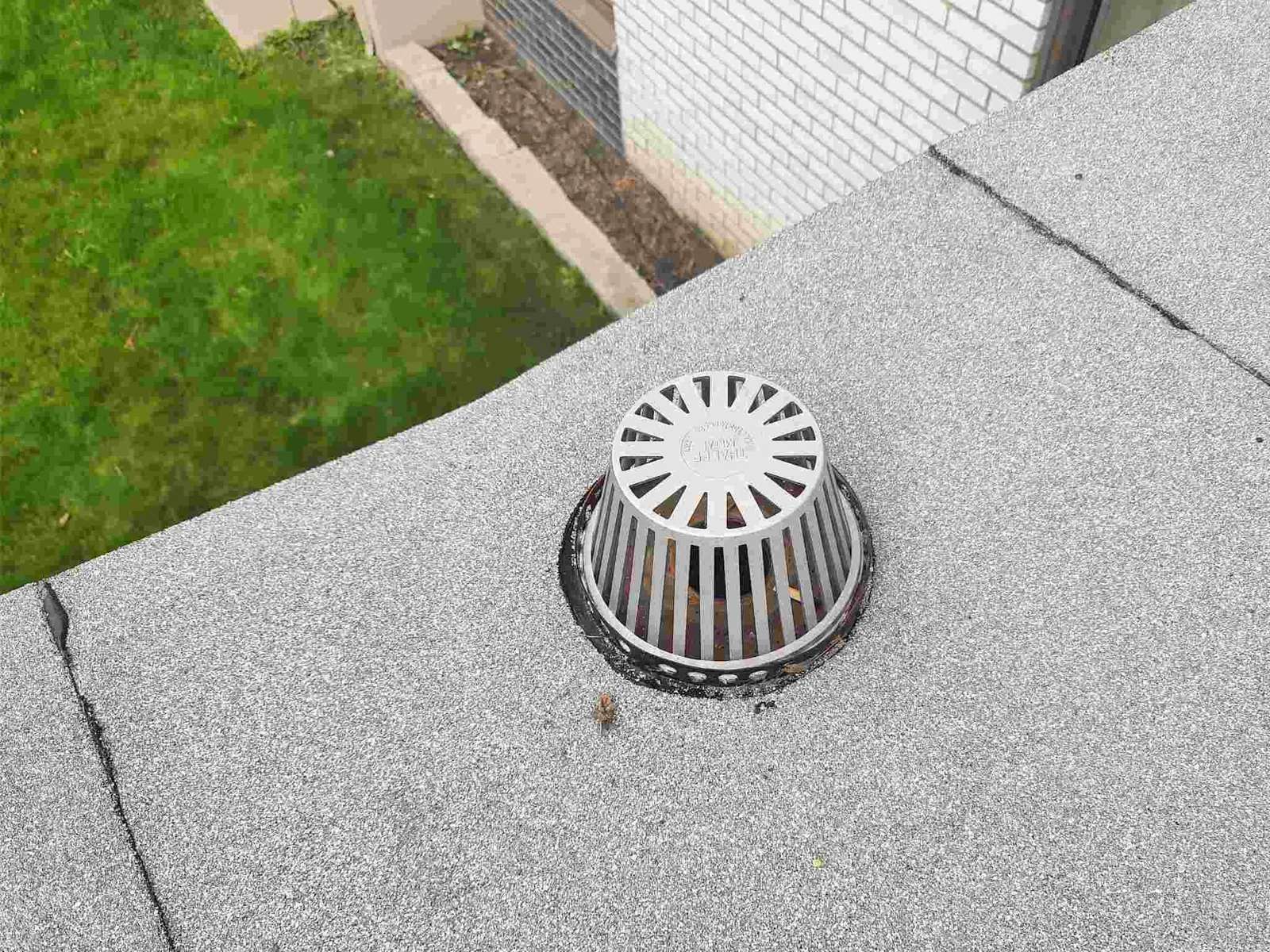
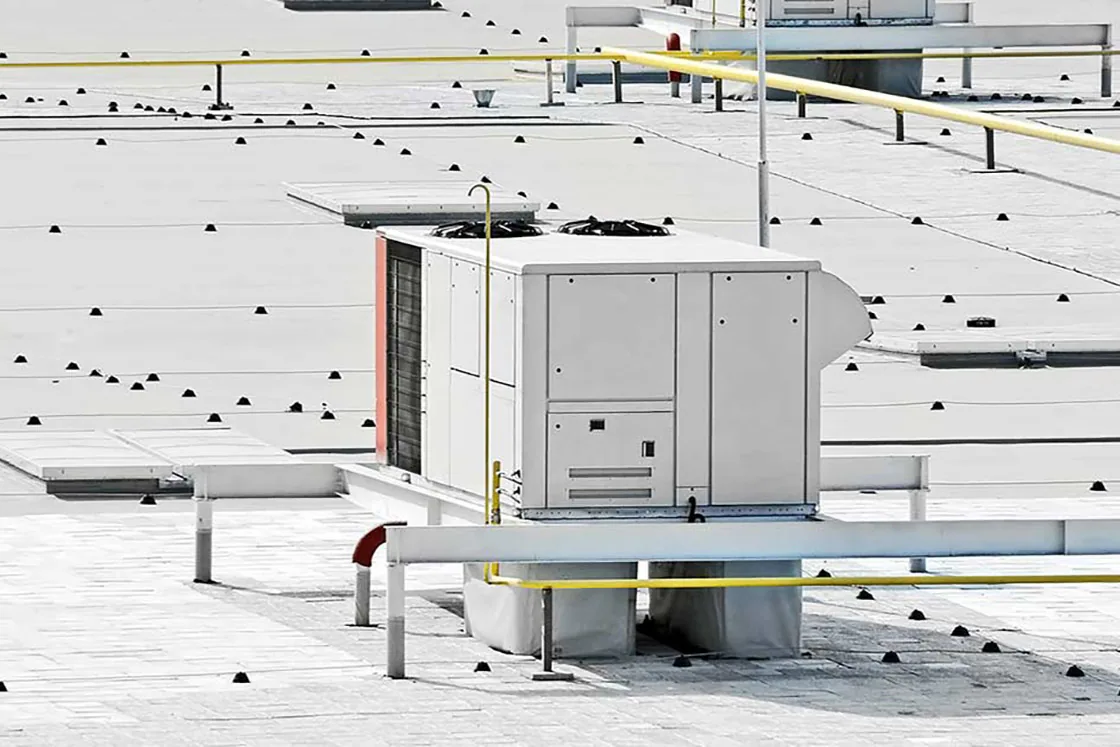
Water at a dock may start at a roof transition farther away. We check low areas, drain bowls, scuppers, wall flashings, curb corners, and field seams above the report. On single-ply roofs, a failed weld or incompatible patch can open under movement. Metal roofs need fastener, lap, and closure checks. Equipment changes may leave abandoned supports or penetrations. We map each defect by roof section and identify any area that needs a test opening.

After wind exposure, start with the warehouse perimeter rather than a network-wide assumption. Santa Ana winds in Southern California are dry, may be warm or hot, and can damage property. We photograph lifted edges, displaced flashing, and equipment supports at the affected roof, then compare each mark with earlier photos if available. Drainage is a separate question: clear an obstructed outlet before calling for membrane replacement. The work order should name the dock lane that remains closed until the roof area is secure. An outlet and drainage review can isolate flow problems; a curb repair scope sets the trade boundary.

Facility Records That Travel Well

For an operator with several buildings, keep the report structure consistent and the findings separate. Record the address privately for dispatch, roof section, assembly when known, leak date, access limits, repair history, and photos with zone references. The summary can group urgent work, scheduled repair, and testing still needed. It should not transfer one facility's membrane condition to another. That distinction helps regional managers compare needs without flattening differences in age, additions, or roof system.

Downtown Escondido and the Escondido Boulevard corridor are broad commercial planning references. They help a regional operator organize coverage, but cannot confirm warehouse inventory or roof construction at one address. East Valley Parkway offers another geographic marker; before sending a crew nearby, verify the parcel, entrance, and loading pattern. Separate throughput from storage access in the scope. A warehouse roof review may prioritize pallet movement, while a distribution-center scope can focus on dock sequencing and the roof zones above it.

Repair Boundaries and Capital Choices

A bounded seam or flashing failure can be repaired when nearby material remains stable. Repeated leaks, wet insulation across zones, loose attachment, or deck deterioration may justify broader work. A recover is evaluated only after checking moisture, layer count, drainage, compatibility, and applicable limits. We state which zones are included and what needs approval before removal. That lets the operator compare a targeted repair with a capital project without assuming every roof needs the same response.

Replacement scope should list insulation, cover board, membrane, attachment, edge metal, drains, curbs, and temporary dry-in. Work can be divided into zones that close at separate times. If the building remains active, a phased reroofing plan can coordinate dock and interior access. For supply-chain operators with varied facility uses, a manufacturing roof program may help compare equipment and production constraints. The cost and timing still follow the actual assembly and work boundary.

Set the Next Dispatch-Safe Step

Share roof plans, leak locations, dock hours, equipment layouts, access rules, and past repair records before the visit. We will identify what can be inspected safely and what needs a facility escort. The work scope lists temporary protection, permanent repair, testing, and trade handoffs separately. Concealed deck or insulation conditions remain an approval point until confirmed. That keeps a dispatch update aligned with the roofing decision.

Closeout should show the completed area, photos, material, zone reference, and any follow-up item. If the roof remains under observation, state the next review date and what condition triggers action. A roof condition report can support facilities budgeting. For a property in Harmony Grove Industrial Park, confirm the facility's actual entrance, dock layout, and roof-material route before setting a dispatch window. Arrange an inspection with the dispatch lead and facilities contact available. We will document the roof and define work that fits the site's actual operating window.

Frequently Asked Questions

Can crews work while loading docks remain active?

That depends on the roof zone, material path, and available separation. We review dock peaks, pedestrian routes, lift setup, and debris controls with the site contact. A local repair may fit outside the active lane. A larger opening can require a temporary closure or alternate sequence.

How do you prioritize leaks across multiple facilities?

We record water entry, affected operations, roof condition, and access separately for each property. The operator can group priorities by urgency or budget window. We do not infer a roof issue at one building from a report at another.

What records help price a distribution roof repair?

Roof plans, dock schedules, leak logs, equipment layouts, prior repair tickets, and access rules help set the work boundary. We verify those records in the field. The scope identifies material, staging, temporary protection, and approval points for concealed conditions.

When should a roof recover be considered?

Existing layers need to be dry, secure, compatible, and acceptable under applicable limits. We check drainage, moisture, attachment, and penetrations before recommending an overlay. Wet insulation or unstable deck can make removal necessary in a defined zone.

Can emergency roof response happen during night shifts?

Contact the service team to confirm current availability, safe access, and whether temporary protection can be arranged. The permanent repair scope follows after the affected roof area and operating constraints are documented with the dispatch lead.

Coordinate a Dock-Aware Roof Inspection

Arrange access with the dispatch lead, roof plans, leak reports, dock hours, and equipment contacts ready. We will map the defect and set a practical repair sequence. Call to schedule a review.

Call 555-555-5555 or email [email protected].

Call us555-555-5555