
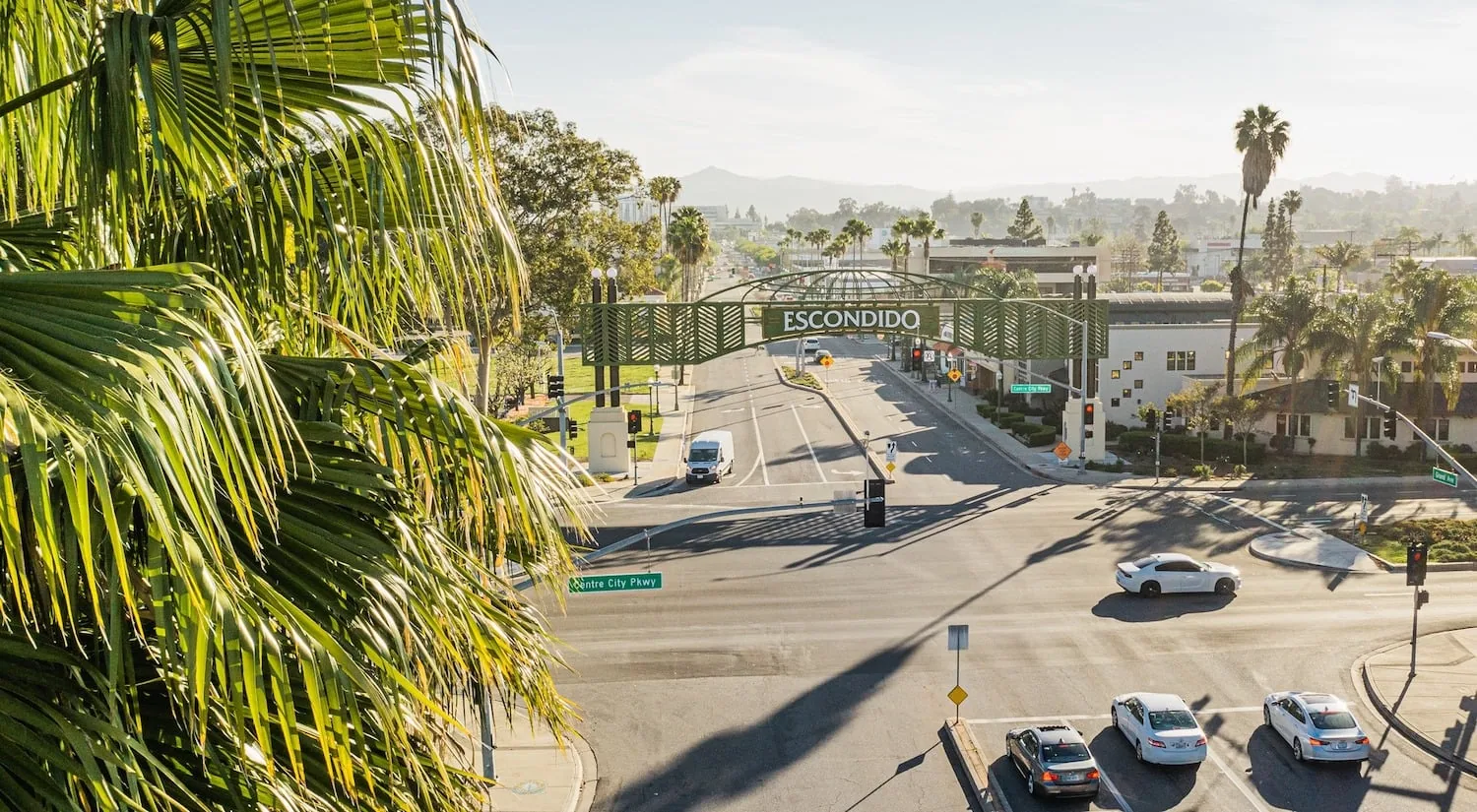
Commercial Roofing in Escondido Boulevard Commercial Corridor, Escondido, CA
Service Areas · Escondido, CA
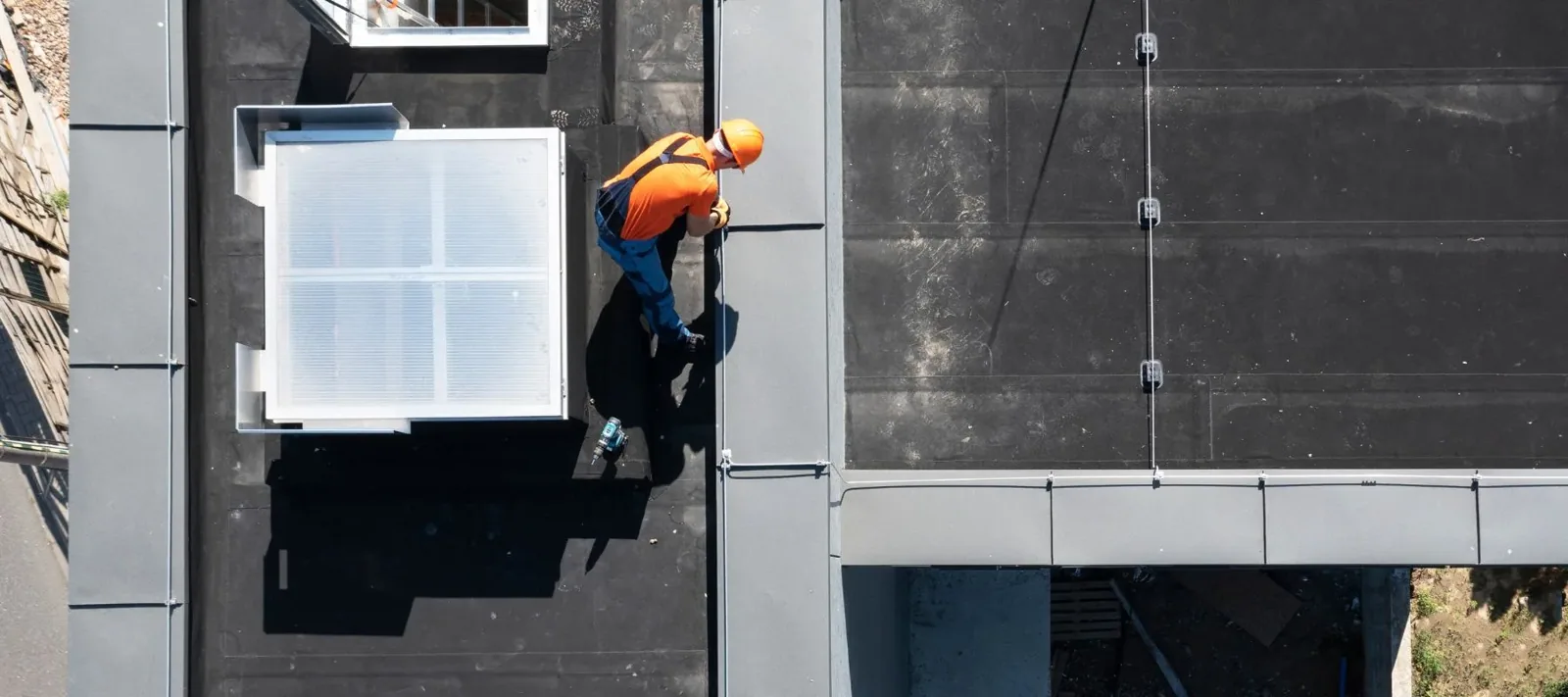
A loose edge termination needs a defined repair length. We inspect the metal, membrane tie-in, adjacent seams, and drainage path before pricing work along the Escondido Boulevard commercial corridor. The corridor's plan pairs shops, offices, visitor uses, and housing. That planned mix informs access and scheduling, while the roof's assembly still has to be checked at the building. Our field review confirms the assembly, access, and reported leak areas before scope is set. A commercial roof repair begins with an observed condition and a work boundary that ownership can review.
Plan work for the property's use
A roof over occupied office or retail space may need interior protection and a narrow work window. A visitor-serving operation can require different access and noise coordination. Those are project questions, not assumptions about every property on the boulevard. The contact confirms the operating calendar, roof hatch, loading route, and the area below the planned repair. We record those limits before selecting equipment or dividing work into phases.
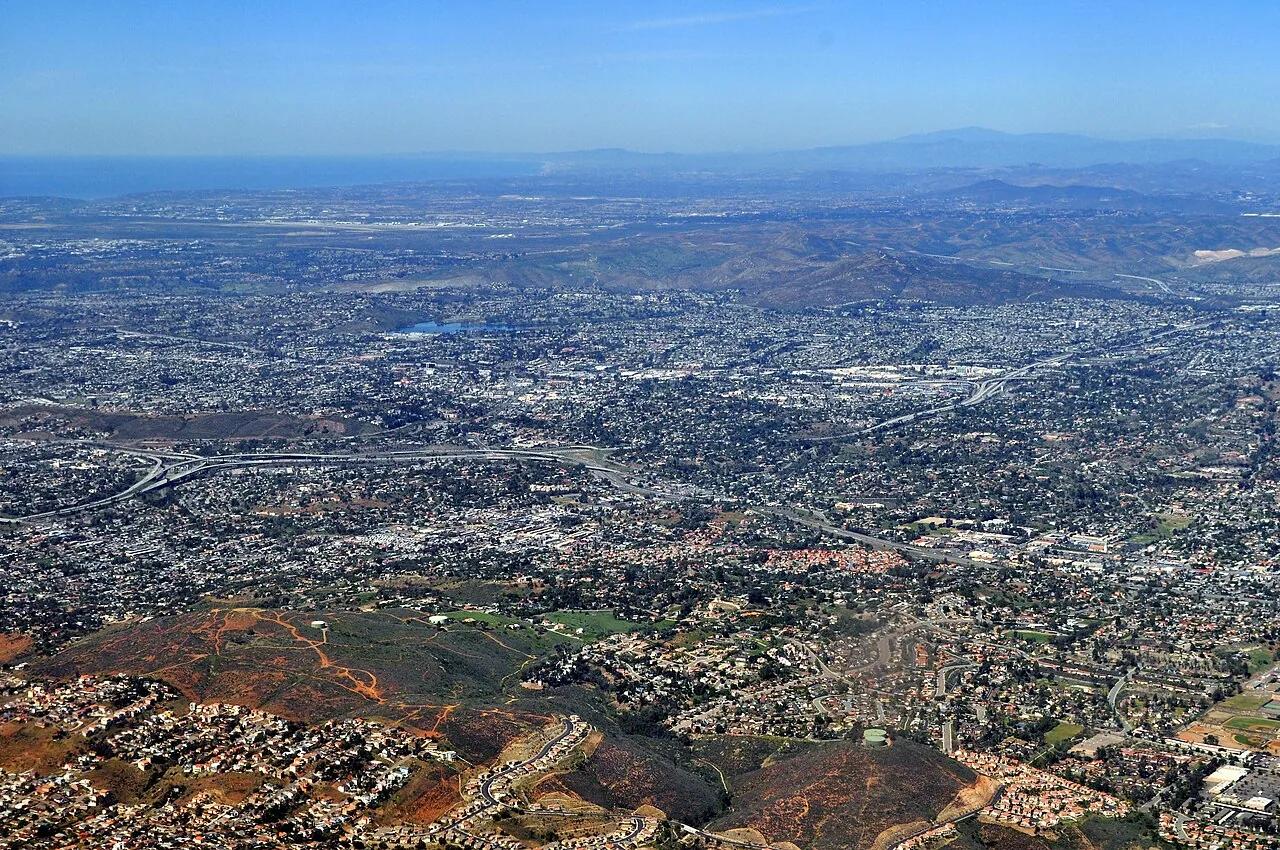
Escondido’s commercial centers have planned vehicle, transit, pedestrian, and bicycle connections. For roof work, the property contact confirms the current delivery route, staging, and arrival instructions before the crew is scheduled. For nearby roof reviews, Centre City Parkway is another named commercial area, while Downtown Escondido includes the Grand Avenue historic corridor. Keep each property's route and report separate.
Map seams, flashings, and drainage
We walk the accessible roof areas and inspect membrane laps, flashing corners, equipment curbs, wall transitions, edge metal, drains, and scuppers. Note split sealant or a lifted termination, then check nearby details rather than assume the first visible defect explains an interior report. Photos need a roof-zone label and a wider location frame. If a report covers only selected areas, the remaining surface stays uninspected until access is approved.
At transitions between additions, we check how the roof layers meet and whether water can move behind a termination. A curb repair may also need coordination with the equipment contractor. We record the area that can be reached and whether the surface is dry enough for preparation. These observations define a repair boundary before materials or quantities are selected.
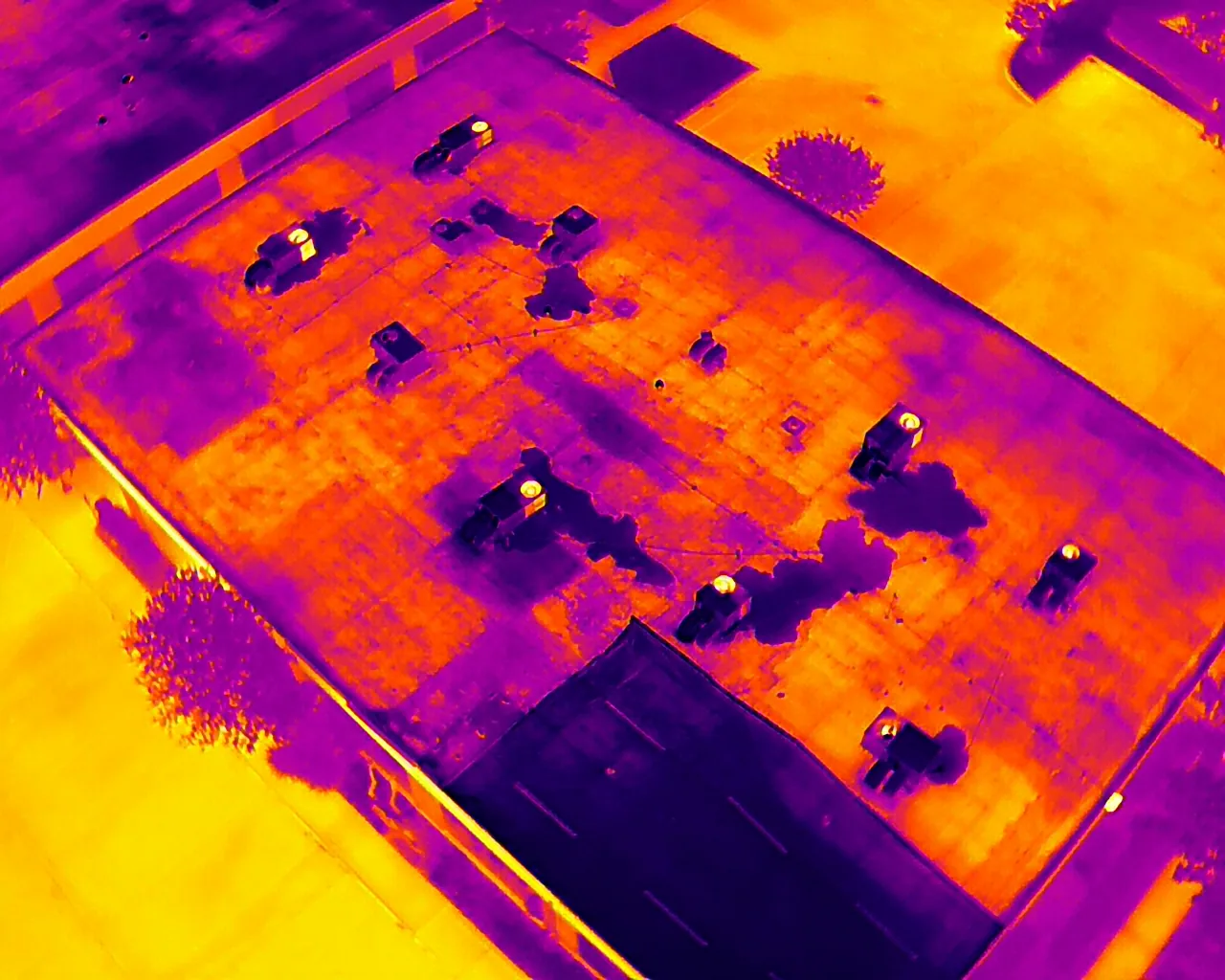
When moisture is suspected beneath the membrane, a surface inspection may not settle the extent. We can use infrared patterns to select test locations and open the assembly where material confirmation is needed. A moisture survey helps focus that investigation but is not itself proof of wet insulation. The resulting condition report should state its method, date, limits, and next action. A drain correction may require testing the connected path, not just clearing visible debris.
Review edge conditions after wind
Santa Ana winds in Southern California are commonly dry, sometimes warm or hot, and most frequent from September through May as they move west through mountain passes. Regional wind context can help set inspection priorities for edges and exposed flashing. For each Escondido Boulevard roof, we document observed movement, open joints, torn membrane, or new debris and compare those findings with the owner's event report.
Escondido red-flag periods usually involve dry northeast Santa Ana or east winds; dry conditions and stronger winds can raise wildfire spread risk. That does not create a roof condition finding. It can influence the property's emergency plan and the safe scheduling of any hot work. We confirm site controls and material handling before work. A wind-related roof assessment can distinguish temporary protection from the permanent repair scope. For an active leak, contact us with the affected zone and the person authorized to admit the crew. We will review safe access and temporary cover options before setting the permanent repair visit.
Keep a repair from becoming a guess
A repair can suit a localized defect when surrounding membrane and substrate remain sound. Repeated seam openings, broad moisture, weak attachment, or damaged deck may require testing and a larger review. We identify which roof zones support each option. A recover is considered only after checking existing layers, moisture, attachment, drainage, compatibility, and applicable limits. Replacement planning needs an assembly description, removal assumptions, new insulation, flashing, perimeter metal, and a closeout inspection.
Cost and timing depend on roof height, access equipment, equipment relocation, occupied hours, interior protection, and the amount of concealed material that needs confirmation. We show those drivers in the work scope. Capital planning can align documented findings with the owner's budget window. For a phased project, an occupied-building sequence should identify where work moves and how rooms below remain protected. Each proposal should separate known work from an approval allowance.
When evaluating a membrane repair, we mark where sound material begins and whether the patch can be tied into a clean surface. A fastener repair needs an attachment check beyond the exposed head. Flashing work should include the curb or wall transition rather than stop at the first open seam. If the scope includes an HVAC curb, identify who disconnects, lifts, and resets the equipment. These details influence crew access and help the owner coordinate other trades without widening the roofing quantity by assumption.
After work, closeout images should show the completed detail and its position on the roof. If the deck was concealed, the report still identifies that limit. An inspection on a later date can compare the same seam, edge, or drain and show whether the observed condition changed. That sequence gives a property manager a usable record for future budgets and keeps a temporary response distinct from permanent work.
Use the broader Escondido plan carefully
The city identifies Escondido Boulevard as a commercial area for revitalization and calls for coordinated retail, office, visitor-serving, and residential uses. For a roof visit, that planning context becomes a set of practical checks: where a lift can stage, whether deliveries overlap business hours, and how pedestrians reach neighboring storefronts. Grand Avenue is a separate reference point; its second streetscape phase finished in June 2025 after Phase I in 2022. Along the boulevard, confirm curb access, loading windows, pedestrian routing, and lift placement with the property contact.
We can arrange inspection blocks along Escondido Boulevard when property schedules align. Each roof still receives its own photos, assembly notes, and repair recommendations. A maintenance visit can record accessible drains, seams, and flashings for later comparison. If several properties share ownership, a coordinated program can sort the open work by timing while keeping findings tied to their sites. Call Commercial Roofers Escondido with the plans and access contact to define the first field review.
For each stop, keep the property name, roof zone, agreed access path, and authorized contact together in the visit note. That makes the field record useful when a portfolio team later reviews several buildings or compares repair timing across the corridor.
Frequently Asked Questions
Does the Escondido Boulevard plan identify what roofs are there?
City planning pairs shops, offices, visitor activity, and housing along the corridor. We inspect the property's assembly, drainage, access, and reported roof condition before defining repair work.
Can you inspect multiple properties along the corridor in one day?
We can group visits when access, operating schedules, and roof safety rules allow. Each property receives its own route, findings, photos, and follow-up list.
What should we do about a loose edge metal detail?
We inspect the termination, membrane tie-in, adjacent flashing, and attachment before defining the repair. The scope should identify its length, preparation, fasteners or compatible materials, and completion check.
Can infrared confirm water beneath a roof membrane?
Infrared patterns help focus testing but do not confirm moisture by themselves. We compare them with surface and interior observations, then recommend an opening when material confirmation is needed.
How do occupied hours affect the roofing schedule?
Noise, lift access, interior protection, tenant operations, and equipment moves can change the work sequence. We confirm those restrictions with the property contact before assigning a field window.

Arrange an Escondido Boulevard roof inspection
Share the roof plan, reported conditions, access rules, and operating hours. Call Commercial Roofers Escondido to document the roof and set a practical repair scope.
Call 555-555-5555 or email [email protected].