
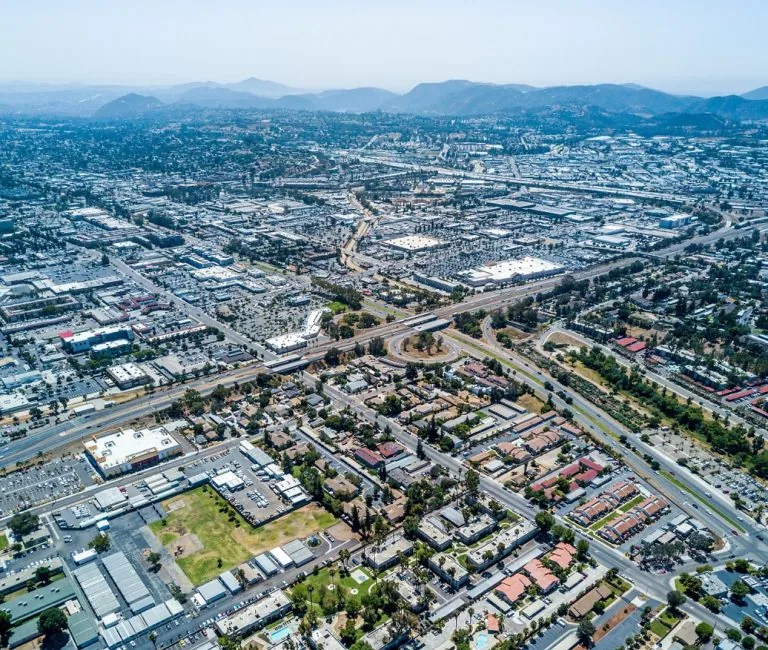
Commercial Roof Seam Repair in Escondido, CA
Roof Damage Repair · Escondido, CA
An open membrane lap gives water a path into the roof assembly. In Escondido, a hot dry period can leave the roof exposed between rain events. We check seam width, bond, nearby surface condition, and the substrate before choosing a repair. A general contractor needs a scope that states whether the defect is isolated or runs along a longer sheet edge. We mark the location, take photographs, and identify the material before testing a repair method. That keeps the work tied to the installed system. It also lets the owner decide if a patch fits the budget window or if a larger area needs investigation. At Harmony Grove Industrial Park, the property's roof access and work hours set the visit sequence; the inspected seam determines the repair boundary.
Test the seam condition
We begin with the visible lap. For a thermoplastic roof, the inspection checks for a consistent weld, separated edges, contamination, and movement under a probe. For EPDM, the concern may be adhesive failure, inadequate primer, or a splice strip losing its bond. Modified bitumen has a different lap geometry and surfacing. We record the system rather than assuming one repair method fits every membrane. If the seam is wet, dirty, or brittle, preparation and removal limits need to be set before the crew begins. For a heat-welded lap, a test strip shows whether the sheet joins without scorching or shrinking. On an adhesive splice, a pull check and edge inspection can locate a bond that releases. We record the test method and length examined so pricing follows the verified extent.
The test should continue beyond the apparent opening. A seam can look intact at one point yet release farther along. We mark where the bond changes and check the adjacent sheet for damage from rooftop traffic or equipment. When a penetration sits nearby, we inspect that detail separately. The flashing condition may be an independent entry path. A written observation identifies the defect, test boundary, and the material confirmation needed for repair.
Find what weakened the bond
Seams can open after poor preparation, incompatible materials, movement, aging, or repeated stress from service work. A single separated lap does not explain the cause by itself. We compare the failed section with nearby seam runs and review known repairs. If the membrane is brittle across a broad field, local welding may not hold as expected. If a newer patch failed at its edge, the original substrate or preparation may have been unsuitable. The inspection record should separate observed facts from likely contributors.
Grand Avenue runs through Escondido’s historic downtown corridor. The second streetscape phase closed in June 2025 after sidewalk widening, diagonal curb spaces, and roundabouts reshaped the street. Those details help locate nearby project constraints, not diagnose seam attachment. We verify property access, loading, and roof traffic before scheduling material. The downtown context may call for smaller staging moves. The seam evaluation remains focused on membrane condition and the work boundary.
Select a compatible repair
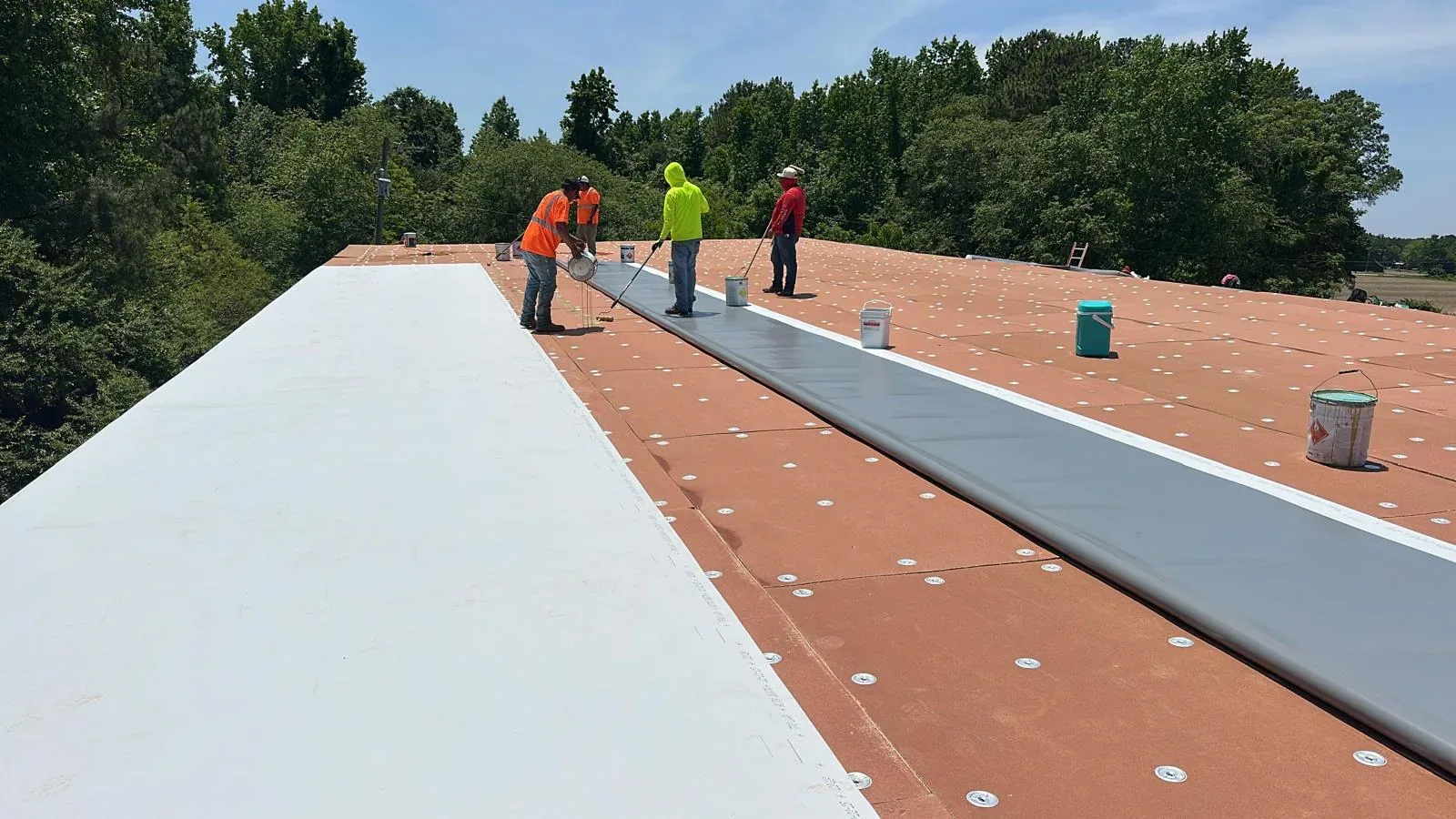
A repair begins with clean, dry material. We prepare the exposed surface and use a compatible patch, splice, or weld suited to the confirmed membrane. The repair should extend past the weak bond into material that passes inspection. Too small a patch can leave the same stress at its edge. Too large an opening can add removal and tie-in work that the evidence does not require. The proposed boundary includes the reason for each step, so the project team can review scope before mobilization.
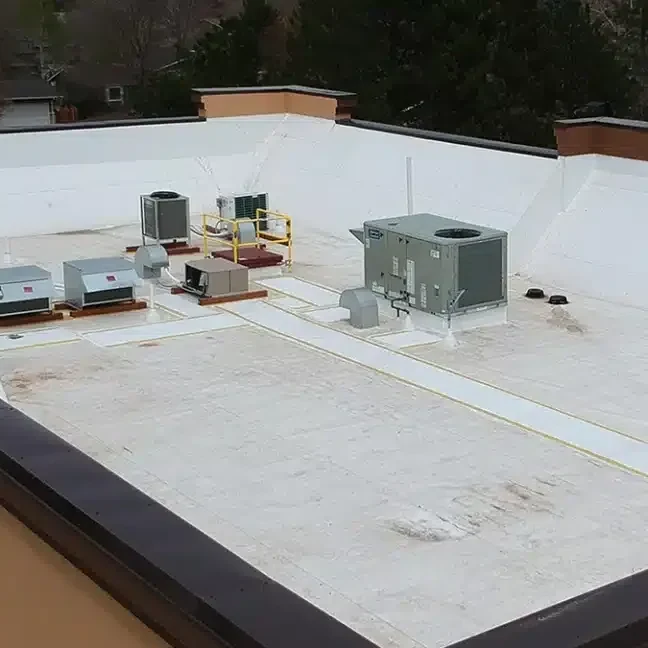
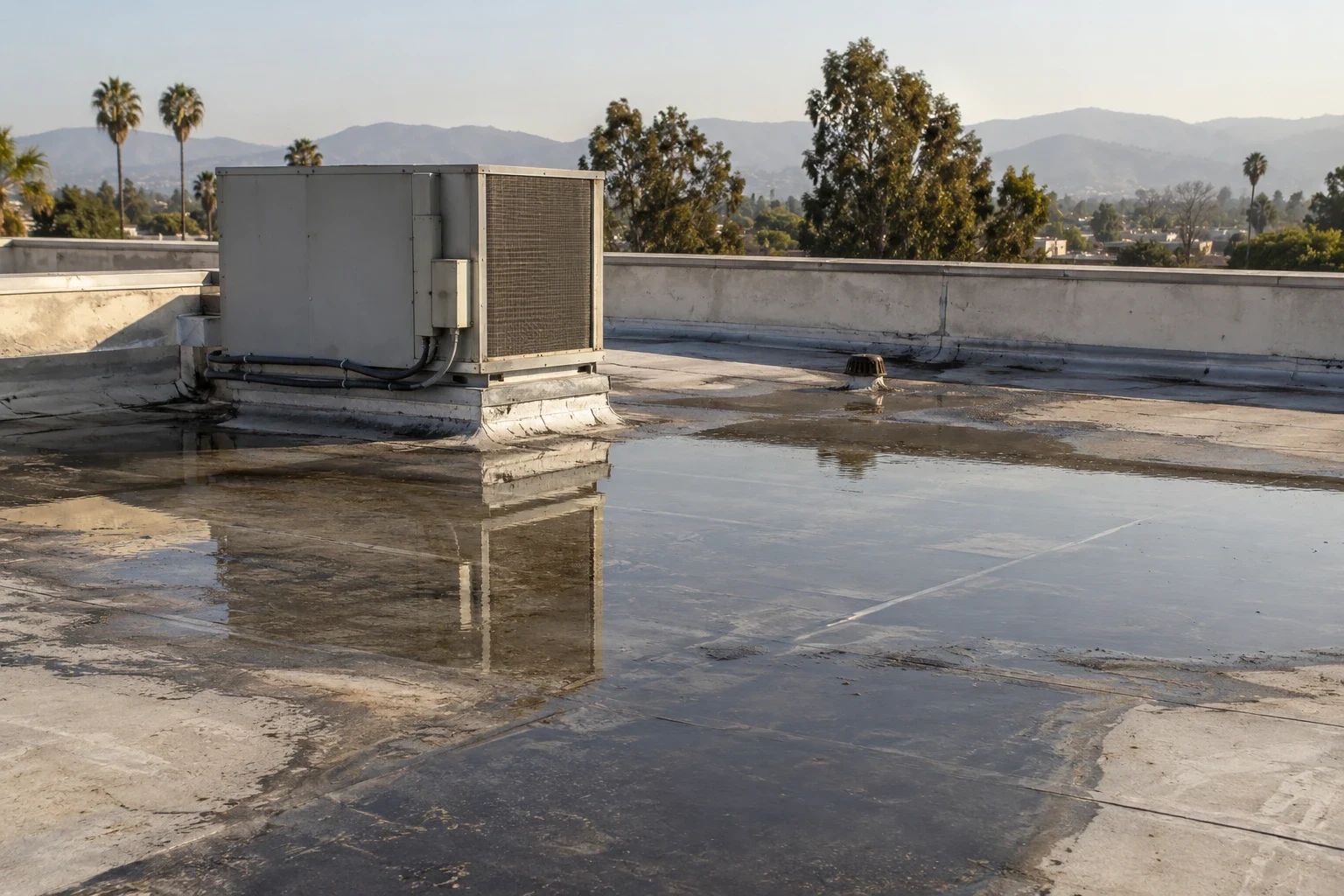
On a TPO or PVC roof, a test weld helps establish heat and travel settings on the actual sheet. A seam that cannot be welded may need a different documented repair. The TPO system details differ from a PVC assembly. If the seam is near ponding, drainage review should determine whether retained water is stressing the repair area. We list seam correction and drainage work separately. That lets the owner compare the direct correction with any broader assembly option.
Fit work to the project
A seam repair can require roof access, a dry work window, temporary protection, and an observation after completion. We confirm whether a lift or roof hatch will be used and how the crew avoids disrupting mechanical service. The Research and Technology Center represents a significant share of Escondido's employment acreage still available for development. A seam visit there still needs the site contact’s operating hours and equipment access limits. We coordinate the actual property schedule instead of assuming every site has the same access pattern.
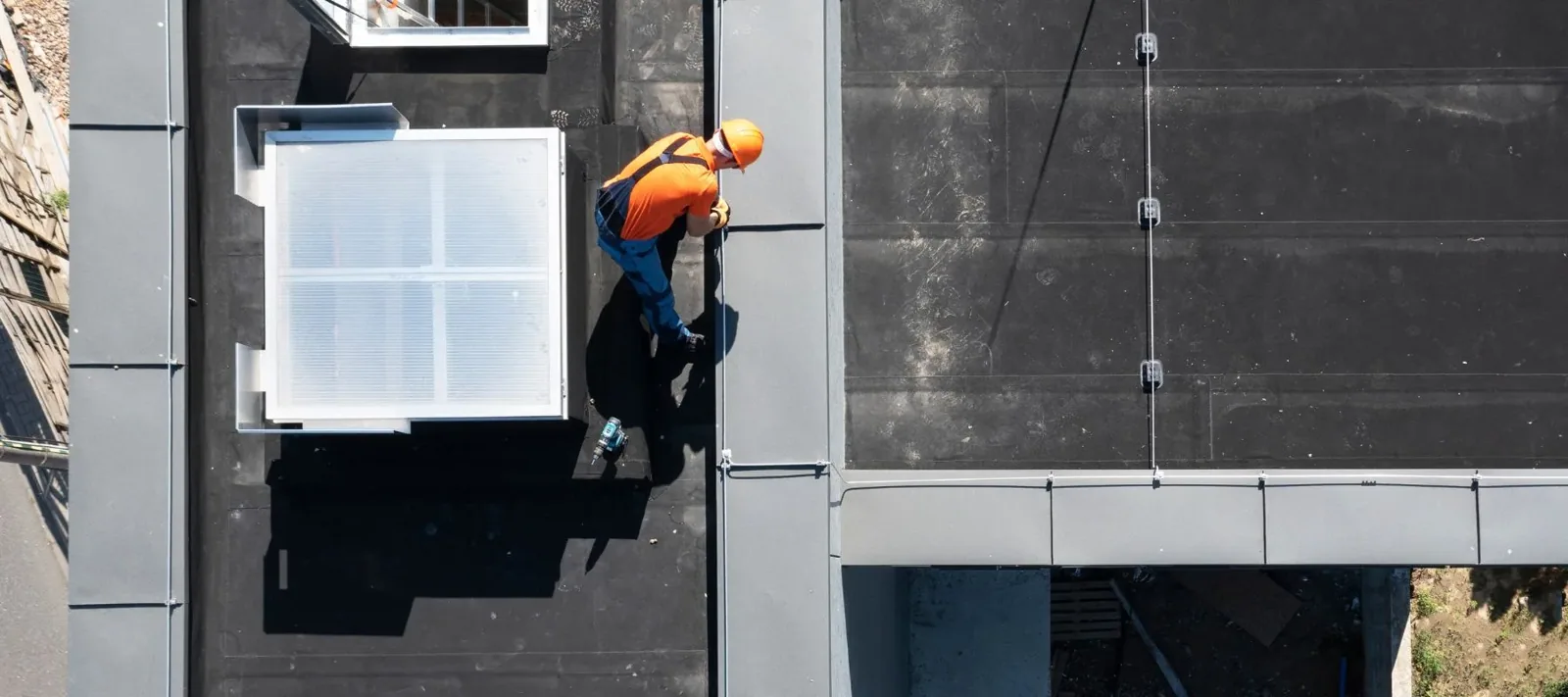
For a tenant-occupied building, the work plan identifies noise, roof traffic, material staging, and interior protection. If another trade is opening the roof, we agree on who provides temporary dry-in and when our crew returns. The occupied-building plan can document access and daily boundaries. We also note any weather hold that would leave an opening exposed. Before mobilization, we confirm the selected material and test-weld result with the contractor. That step prevents a crew from discovering an incompatible surface after the roof has been prepared. A work sequence gives the contractor a realistic repair duration, with time reserved for the final seam check and closeout record.
Verify the repaired lap
After curing or cooling, we inspect the full repair perimeter and test the seam using the method suited to the membrane. Photos show the starting defect and finished patch. The closeout identifies the product family and where the repair begins and ends. It also lists any nearby condition that remains outside scope. If a water test is appropriate, the project team agrees on the location and timing. The record should be specific enough for another reviewer to find the same seam later. We note the test location so later checks use that same point.
When the owner compares a later inspection with the repair map, a new opening can be distinguished from the original work. We can return to the marked zone and expand only when evidence supports it. A roof condition record can carry that history into planning and maintenance. If the full assembly shows repeated seam loss, we present broader options separately. Call Commercial Roofers Escondido with the roof plan, known membrane type, and access rules. We can arrange an inspection and define a repair scope that a general contractor can price.
Frequently Asked Questions
Can you tell whether a seam is open without cutting the roof?
Often, a visual check and probe can identify a weak or separated lap. We do not open the assembly unless the condition calls for it. If hidden moisture or substrate failure is suspected, we define a controlled test area first.
Does every failed seam need a full roof replacement?
No. We compare the defect with nearby seams, surface condition, and repair history. A local correction may fit when the surrounding membrane remains suitable. Broad deterioration can support a separate replacement review.
Can a new patch be welded over an old repair?
Only after the old material and bond are inspected. We remove loose or incompatible layers and test the prepared surface. The new lap must extend to material that can accept the selected repair method.
What information should the contractor include in a work order?
List the roof zone, membrane identification, repair boundary, access plan, dry-in steps, and closeout test. We provide photographs and note any condition left outside scope. That gives the owner a clear completion record.
How do you coordinate a seam repair with other roof trades?
We identify mechanical access, penetrations, work hours, and responsibility for temporary protection. The crew can then set a daily boundary with the general contractor. Call to arrange a roof walk and scope review.

Set the seam repair boundary
Share the roof plan, membrane type, failed seam location, and upcoming trade schedule. We will verify the repair limits and document a compatible method. Call Commercial Roofers Escondido to arrange an inspection.
Call 555-555-5555 or email [email protected].