
TPO Roofing in Escondido, CA
Roof Systems · Escondido, CA
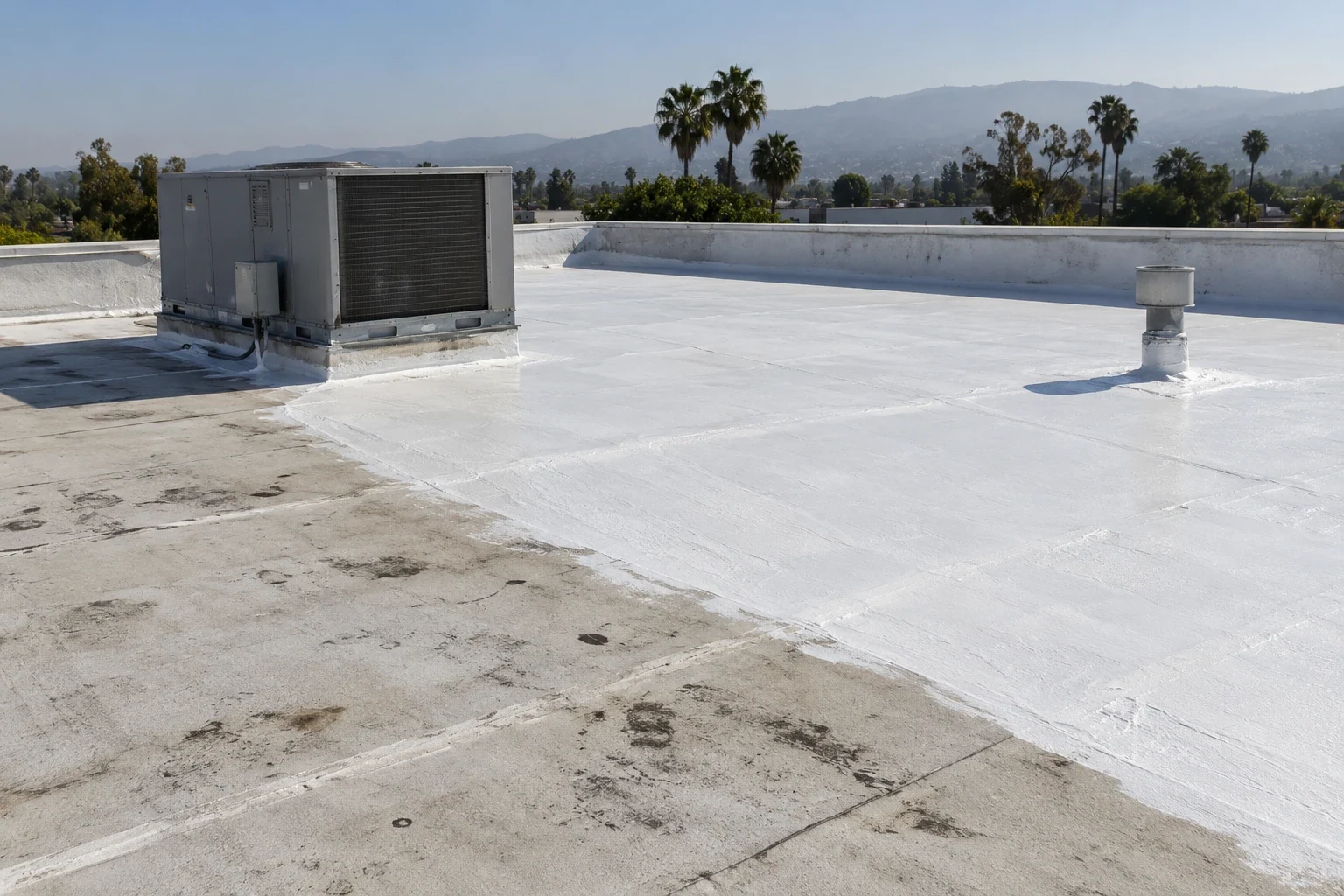
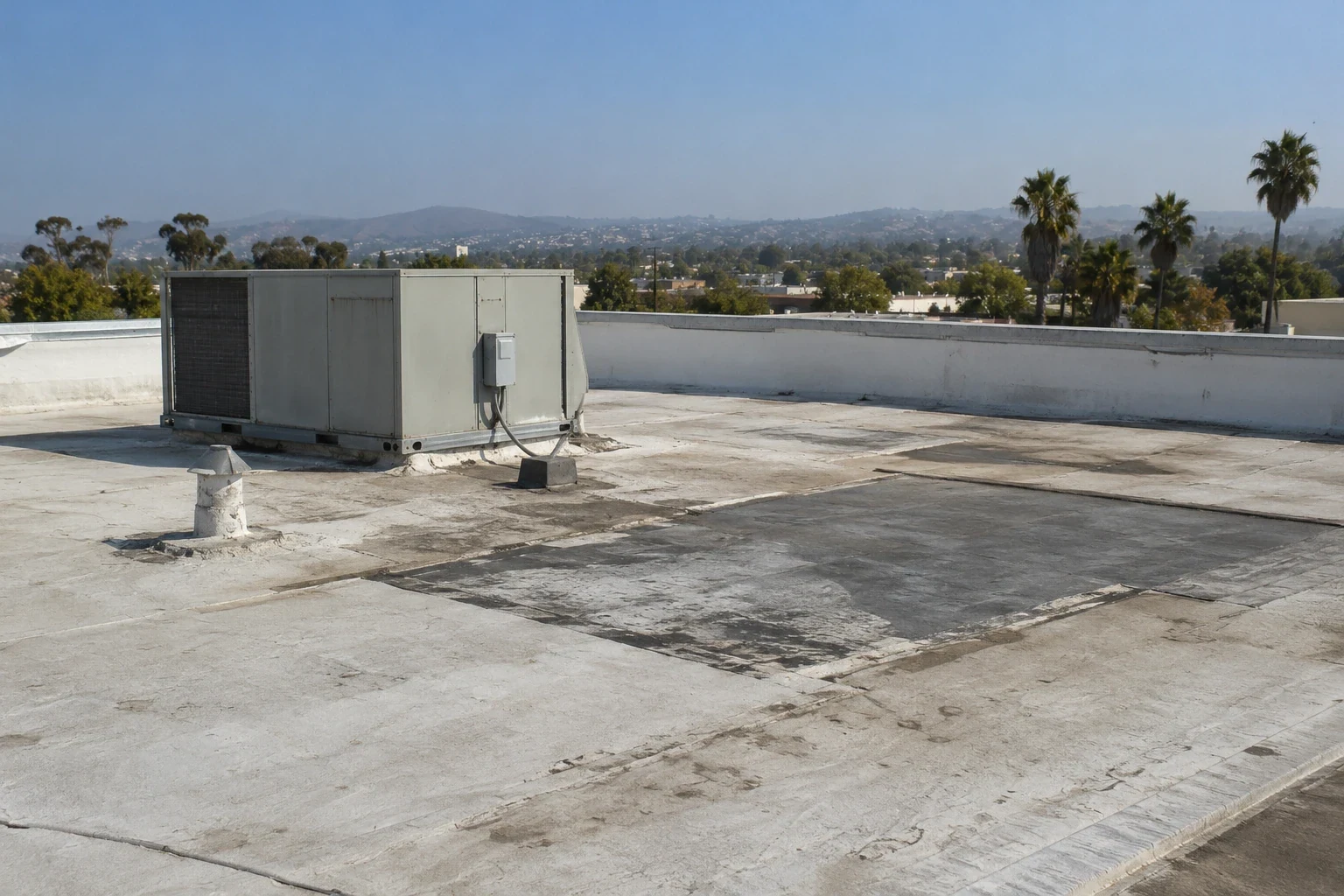
A TPO seam can look closed while its edge has started to lift. That detail changes the repair boundary. We inspect the lap, nearby flashing, insulation, and drain route before pricing membrane work. In Escondido, dry Santa Ana winds can be warm or hot, so perimeter transitions belong in the same field review. Commercial uses named in the city plan include technology, manufacturing, offices, professional services, and shopping. Each roof still needs its own assembly confirmed. Our record identifies what is bonded, what is loose, and what needs testing. A general contractor can compare a localized repair with an overlay or tear-off using the same roof zones and access assumptions.
We work on TPO roofs through repairs, maintenance, coating review, and replacement. The material is one layer in a system. Substrate, attachment, seam welds, flashings, and edge securement all affect performance. We identify which parts can remain. We also flag conditions that need another trade or design review. The next decision should follow the observed roof, not the membrane color or age alone.
Seams, Penetrations, and Edges
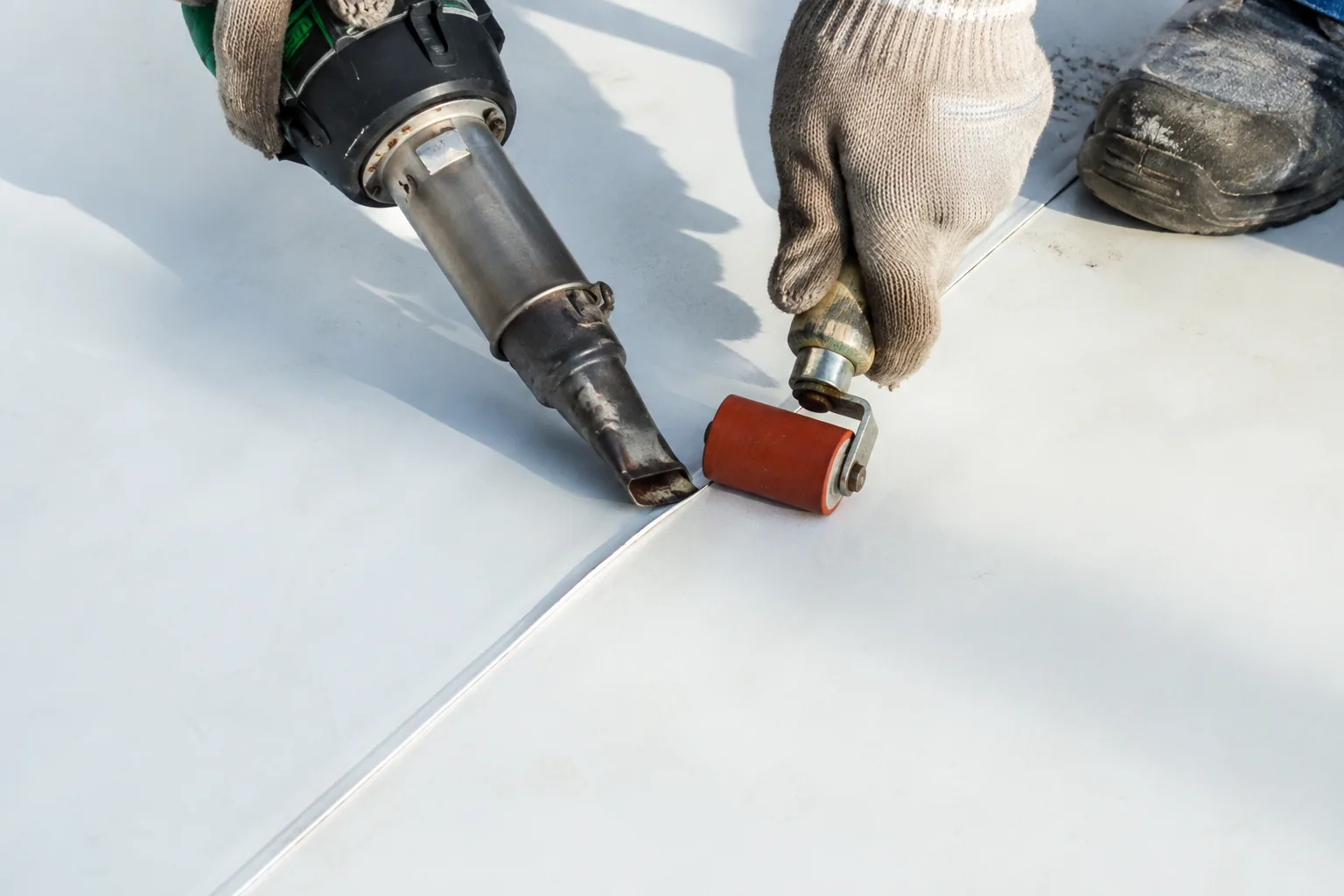
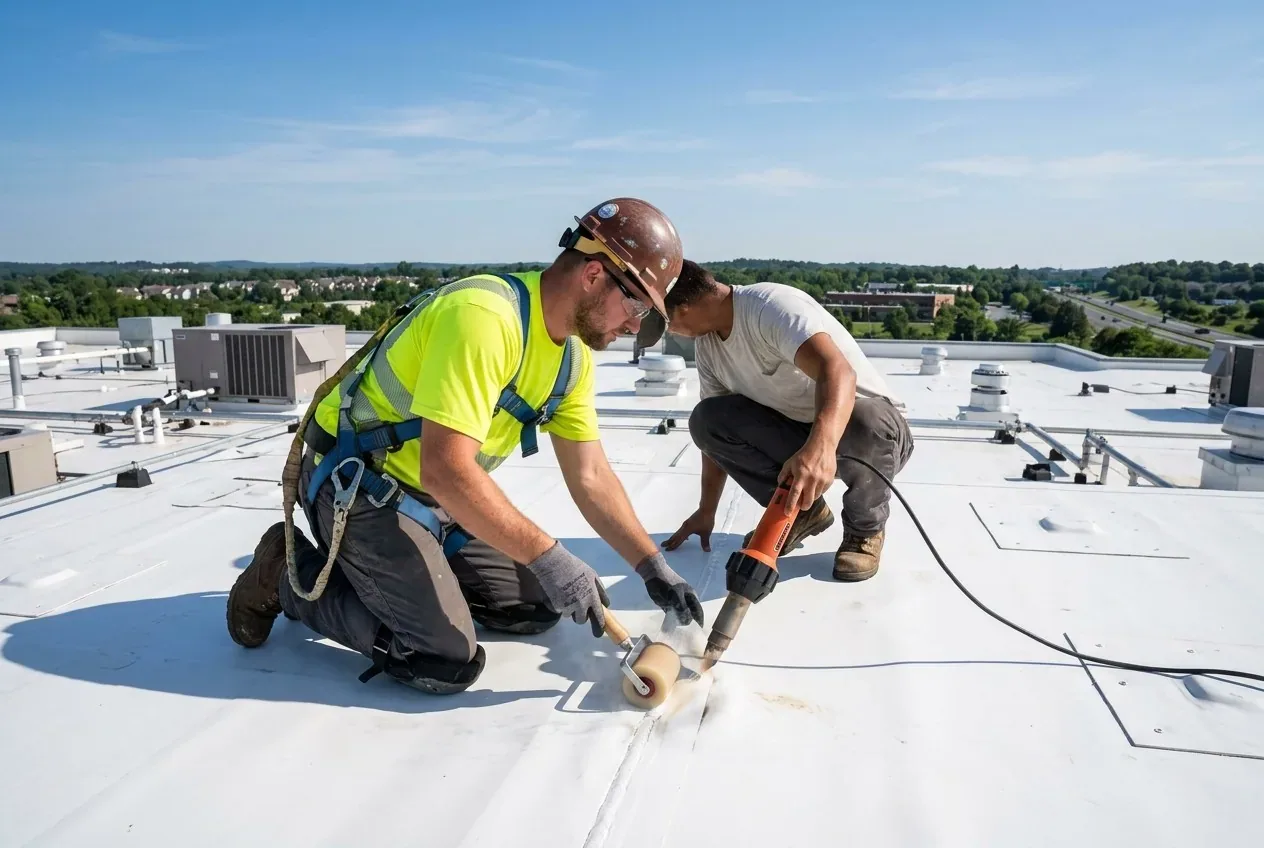
Heat-welded laps need clean contact across their width. A narrow cold weld, fishmouth, puncture, or poor patch can give water a path below the sheet. We check the field membrane beside the reported defect, then inspect wall flashings, curb corners, skylight frames, and pipe boots. The roof may include repairs from more than one visit. We mark each layer and identify any coating or cover material before preparing a new tie-in.
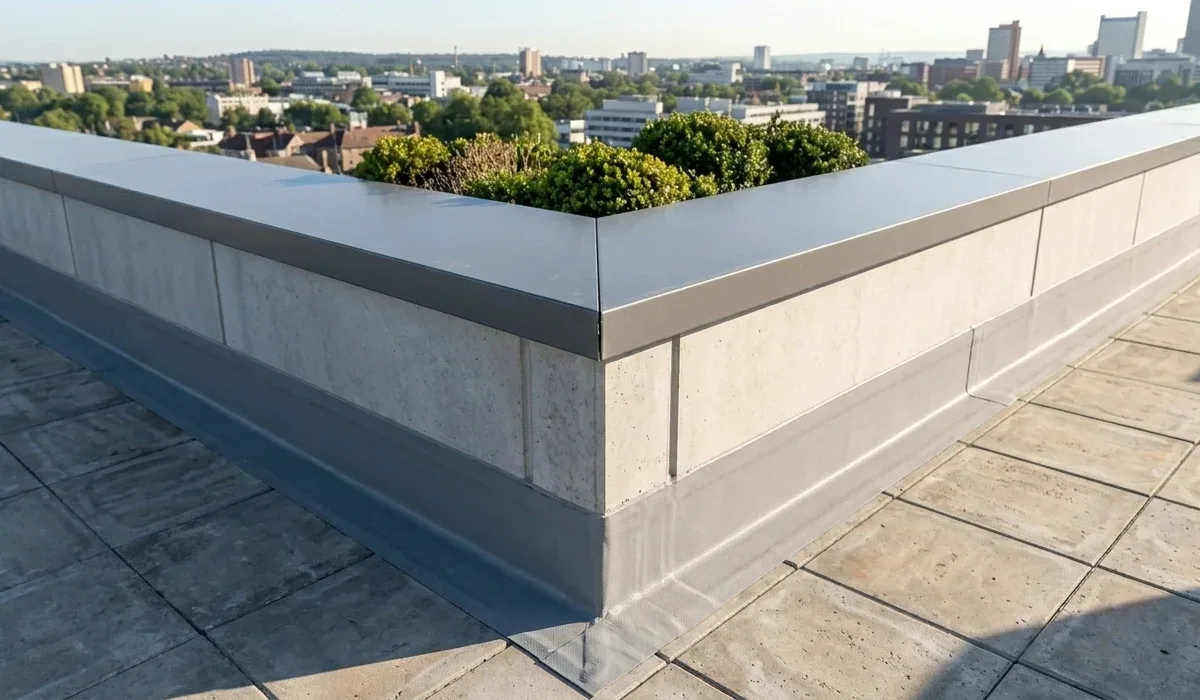
Wind exposure can place more demand on corners and roof edges. We look for loose terminations, open coping joints, displaced metal, and movement around penetrations. The regional Santa Ana pattern is a reason to inspect exposed transitions, not proof that wind damaged a particular building. For a confirmed seam defect, a TPO repair scope should name its preparation, welding method, patch boundary, and completion check. A nearby edge-metal review may be separate work.
What Testing Can Establish
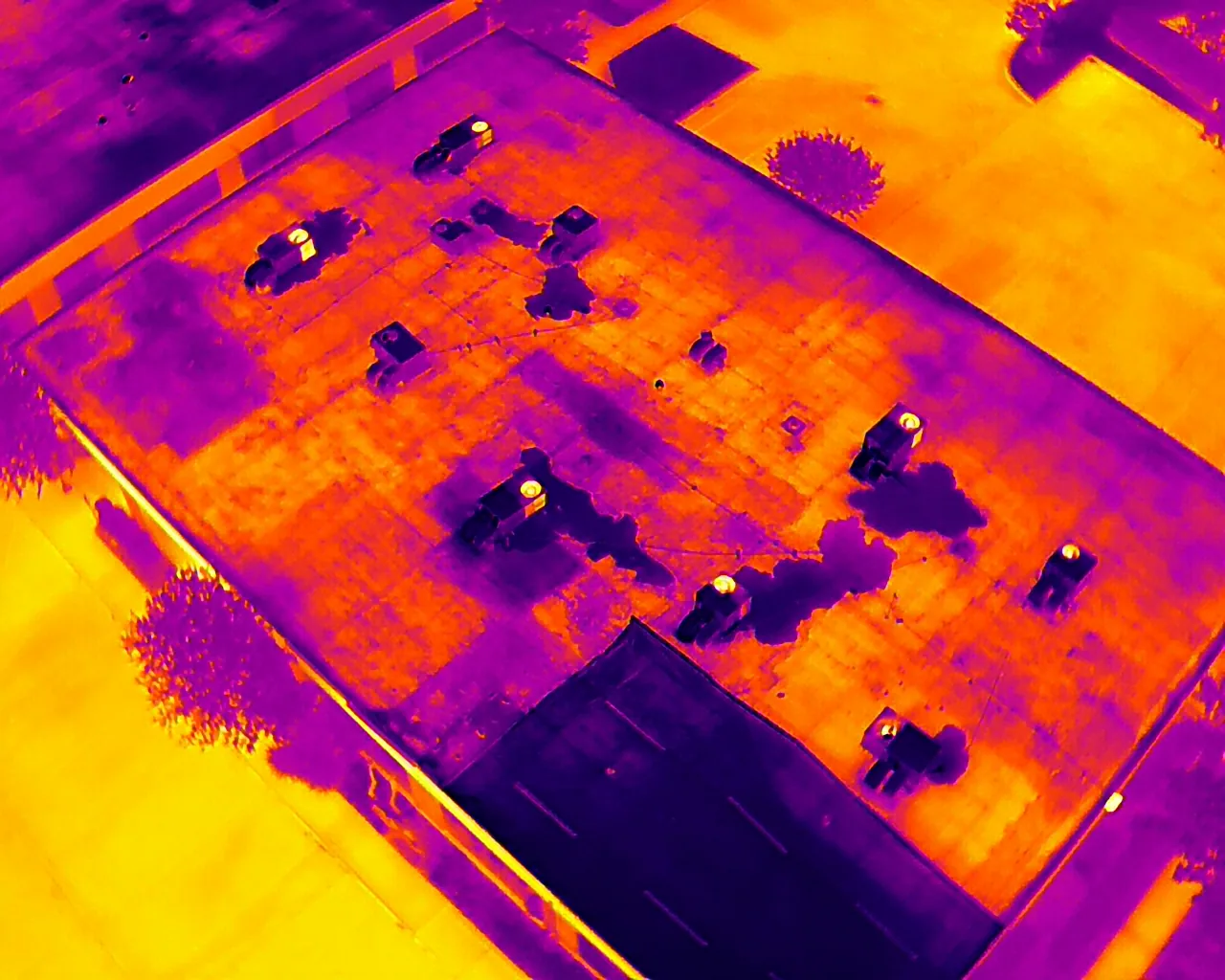
A roof walk shows surface conditions, but it cannot show every layer beneath the membrane. We map visible defects and compare them with interior leak reports. Infrared patterns can help choose test locations. A core opening can confirm membrane, cover board, insulation, and deck condition at that spot. We identify the question before making an opening, such as whether moisture extends past a failed seam or whether one roof zone can stay in service.
Escondido planning includes employment land near the Research and Technology Center and identifies the Felicita Road and Interstate 15 interchange for planned office development. Those planning uses do not describe a particular building's roof. They can shape access and equipment questions during the walk. A photo-based condition report maps each observation to a roof area. A moisture survey can guide openings where the assembly needs closer review. We record areas not tested.
Repair, Recover, or Replace
A bounded defect with sound surrounding sheet may take a repair. Widespread wet insulation, repeated seam separation, weak attachment, or an unstable deck can move the discussion toward removal. A recover may fit when the existing layers are dry, attached, compatible, and within applicable limits. We state what supports each option. If the roof includes different additions, we keep their assemblies separate instead of assigning one answer across the whole property.
TPO is a thermoplastic membrane. Its seams are welded, and compatible accessories matter at drains, corners, curbs, and perimeter metal. A proposed new assembly should identify substrate preparation, cover board, insulation, attachment, flashing details, and edge securement. The owner can compare PVC roofing or KEE membrane only after reviewing project needs and existing conditions. Those systems are not interchangeable by name alone. Any coating proposal needs a separate substrate and compatibility review.
Work Windows and Site Controls
Welding needs a suitable dry surface and room to prepare the lap. We plan a work area that can be closed before weather or a shift change. The access plan covers roof hatches, ladders, staging, material lifts, interior protection, and nearby operations. On an occupied building, we identify which entrances, loading routes, or rooms sit below the repair zone. A temporary measure gets its own boundary and return plan.
Escondido's fire-hazard map assigns different classifications to portions of the city. High and very-high areas have ignition-resistant requirements for new construction. That does not establish the classification or permit needs for every roof project. We confirm the parcel and scope before specifying materials or sequencing. Where several trades meet at a curb, a curb and support scope should show who disconnects, lifts, flashes, and resets the equipment. Work near Harmony Grove Industrial Park still follows the individual property's access rules.
A Comparable TPO Proposal
A useful proposal identifies the roof zones, existing build-up, verified moisture findings, and the work boundary. It states whether the membrane will be patched, recovered, or removed. For replacement, it names the new assembly, attachment approach, insulation changes, flashing materials, drain adjustments, and edge details. Concealed deck conditions need an allowance or approval step. Photos should show both a close detail and a wider location reference.
Prior leak logs, repair invoices, roof plans, warranty information, and equipment changes help focus the review. We compare them with current conditions. If the roof serves offices along Centre City Parkway or shopping near East Valley Parkway, the plan still needs site-specific access and work hours. A commercial roof inspection can establish the present scope. Arrange a visit with roof records, reported leak areas, and the person who can authorize access. We will document the findings and set the next budget window. The closeout should show the finished weld, the inspected perimeter, and any area left outside the work limit. That record helps the next trade avoid disturbing a recent repair.
Frequently Asked Questions
How do we know whether a TPO seam needs a patch or a larger repair?
The weld width, sheet condition, nearby repairs, and moisture results set the boundary. We probe the lap, photograph the edge, and check adjacent flashing. If the sheet remains sound, a bounded weld or patch may be enough. Repeated failures or wet layers can require testing beyond the visible opening.
Can TPO go over an existing roof?
Existing layers have to support the new assembly. We review moisture, attachment, deck condition, layer count, drainage, and applicable requirements before considering a recover. A dry surface alone does not qualify the roof. The proposal should state what remains and where testing is still needed.
What causes a TPO repair price to change?
Access equipment, roof height, seam length, flashing complexity, interior protection, and concealed moisture affect labor and material. We identify those conditions during the review. If removal exposes damaged insulation or deck, the scope needs an approval method before quantities expand.
When should a TPO roof be replaced instead of repaired?
Broad moisture, unstable attachment, repeated seam openings, or widespread substrate failure can make continued patching a poor fit. We map the affected areas and compare repair limits with a replacement scope. The decision should follow inspection evidence and the owner's timing, not age alone.
What should our general contractor provide before the inspection?
Send roof plans, prior leak records, access rules, equipment schedules, and any known shutdown windows. Identify occupied rooms or production areas below the roof. Those details let us choose a practical route and note which trades need to attend the review.
Set the TPO Repair Boundary
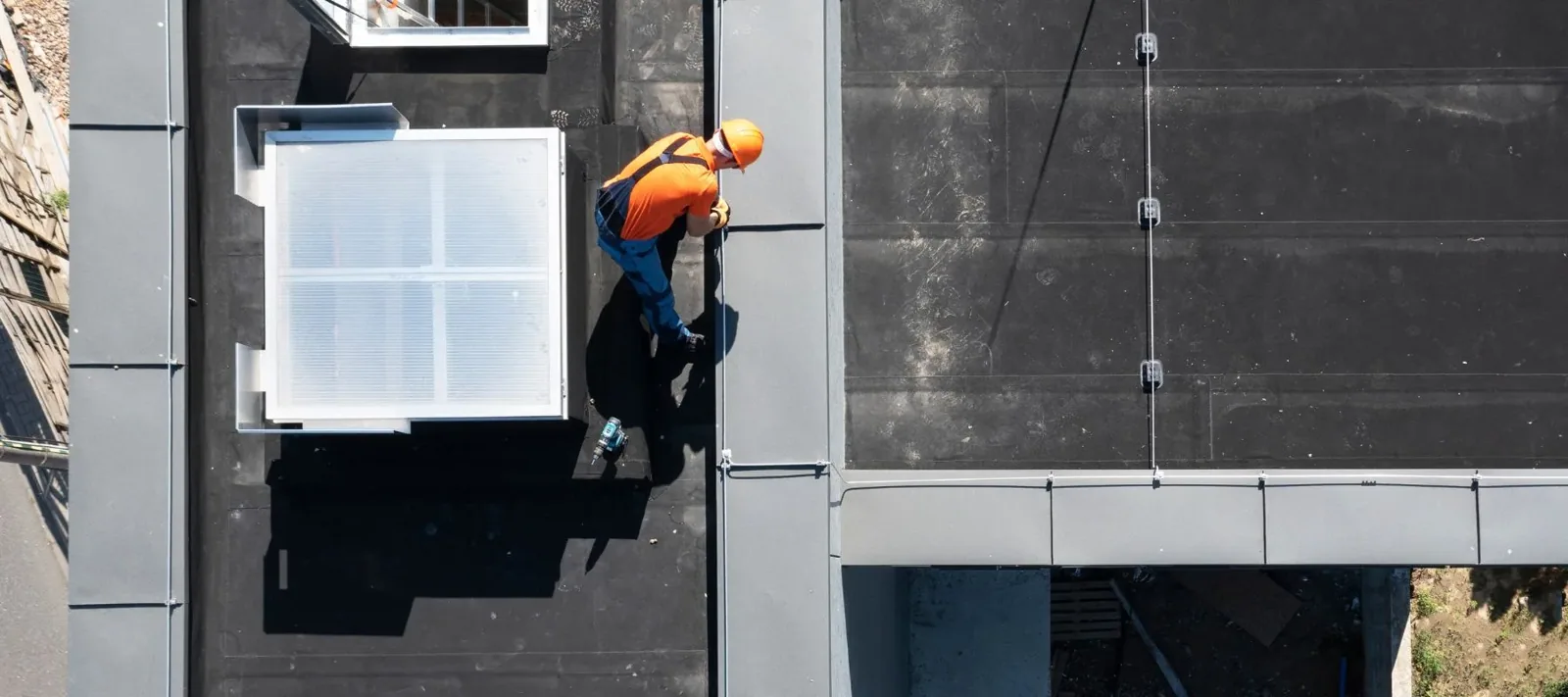
Arrange an inspection with roof plans, leak locations, access details, and prior repair records available. We will document the membrane and outline the next scope decision. Call to schedule a site review.
Call 555-555-5555 or email [email protected].