
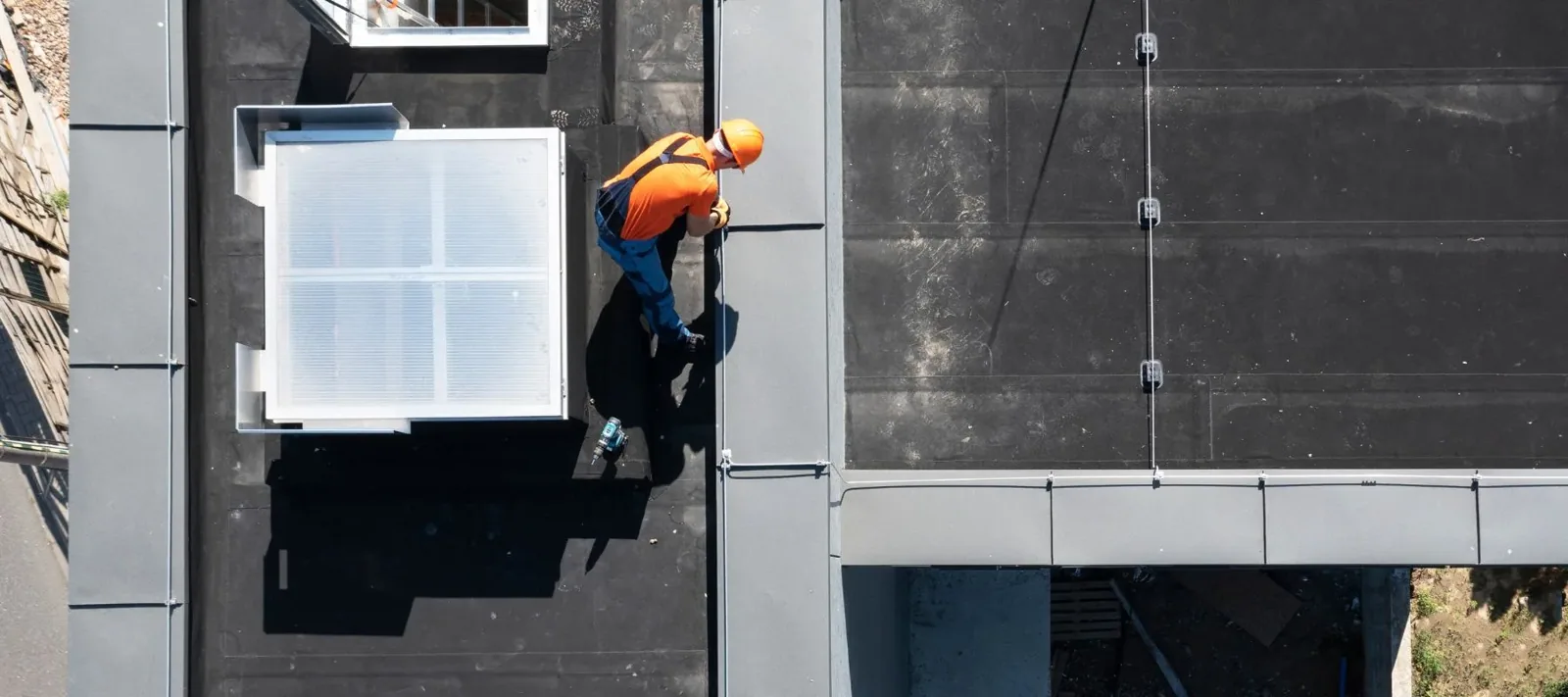
Commercial Roof Warranty Management in Escondido, CA
Roofing Capabilities · Escondido, CA
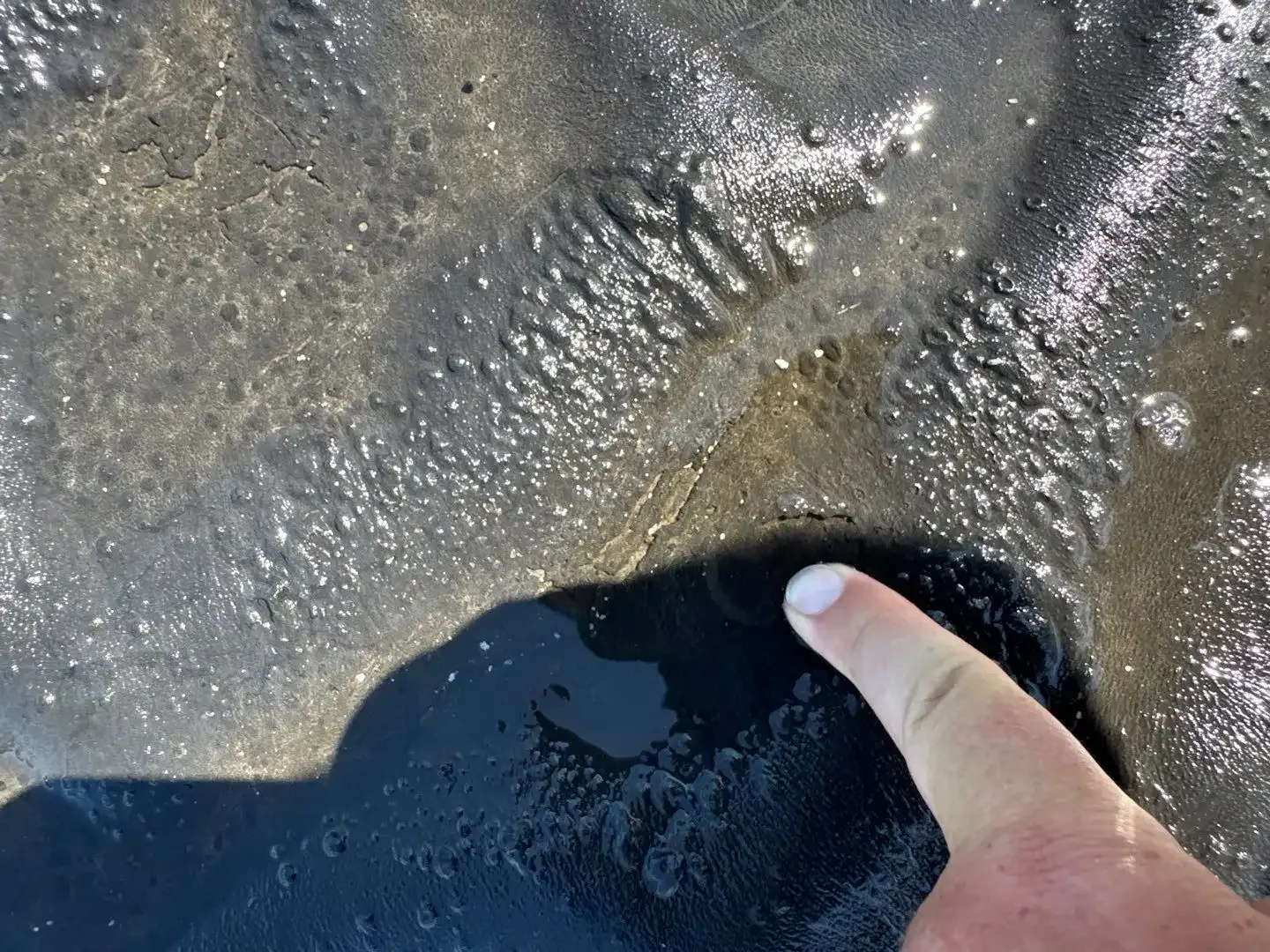
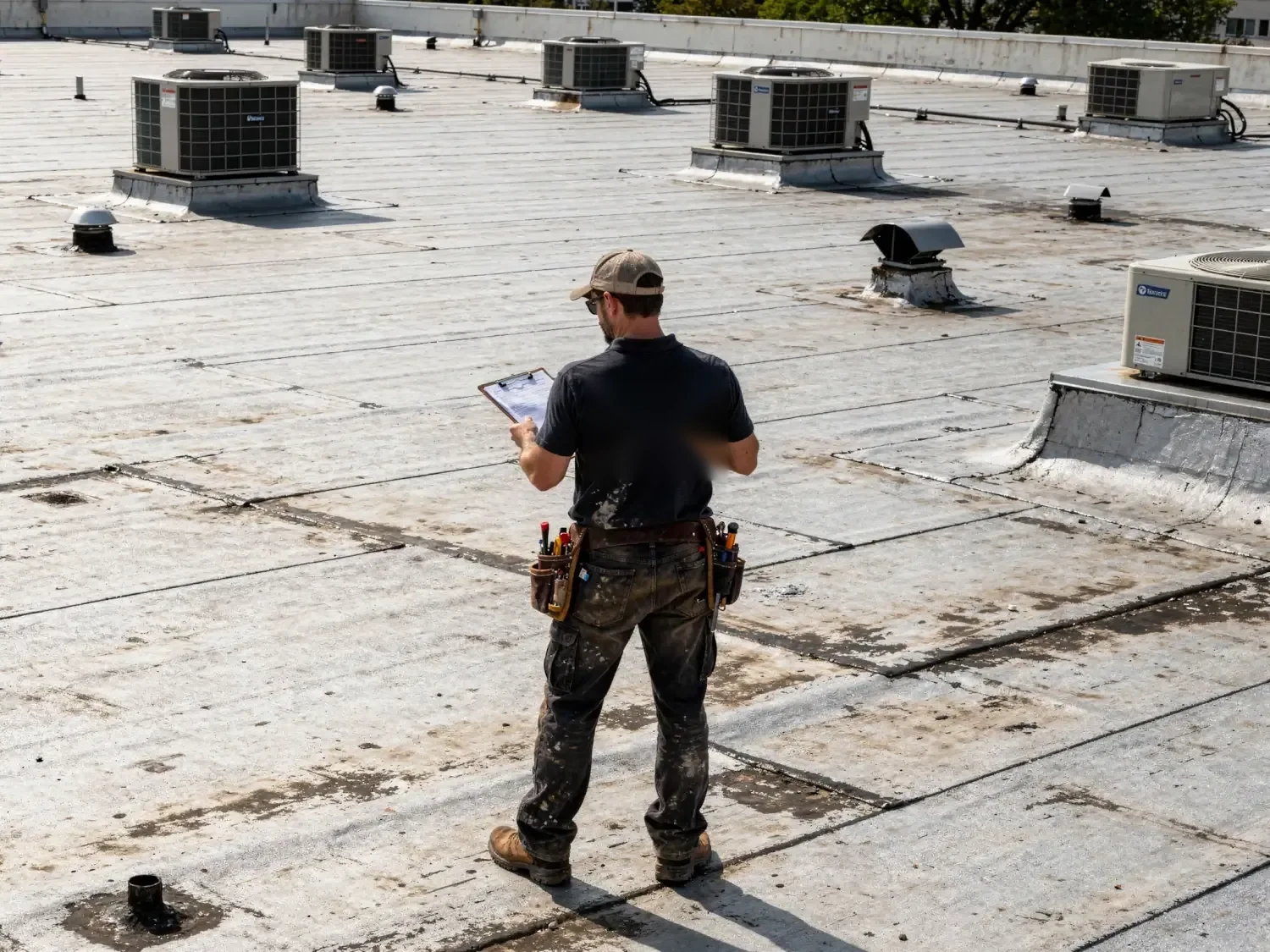
A warranty file is useful when it matches the roof that is on the building. Keep the original contract, system description, approved changes, inspection records, repair invoices, and dated photos together. If a tenant reports water, record the room and the date before connecting it to a roof detail. We inspect the assembly and document visible conditions, then prepare repair scopes that identify the affected area. Warranty terms depend on the actual documents and the manufacturer's requirements. We record visible conditions separately from the written coverage terms. For an Escondido property, a photo-based roof condition report gives the owner a current record to compare with the warranty file. Note any missed inspection interval as an open item for review.
Keep the system record intact
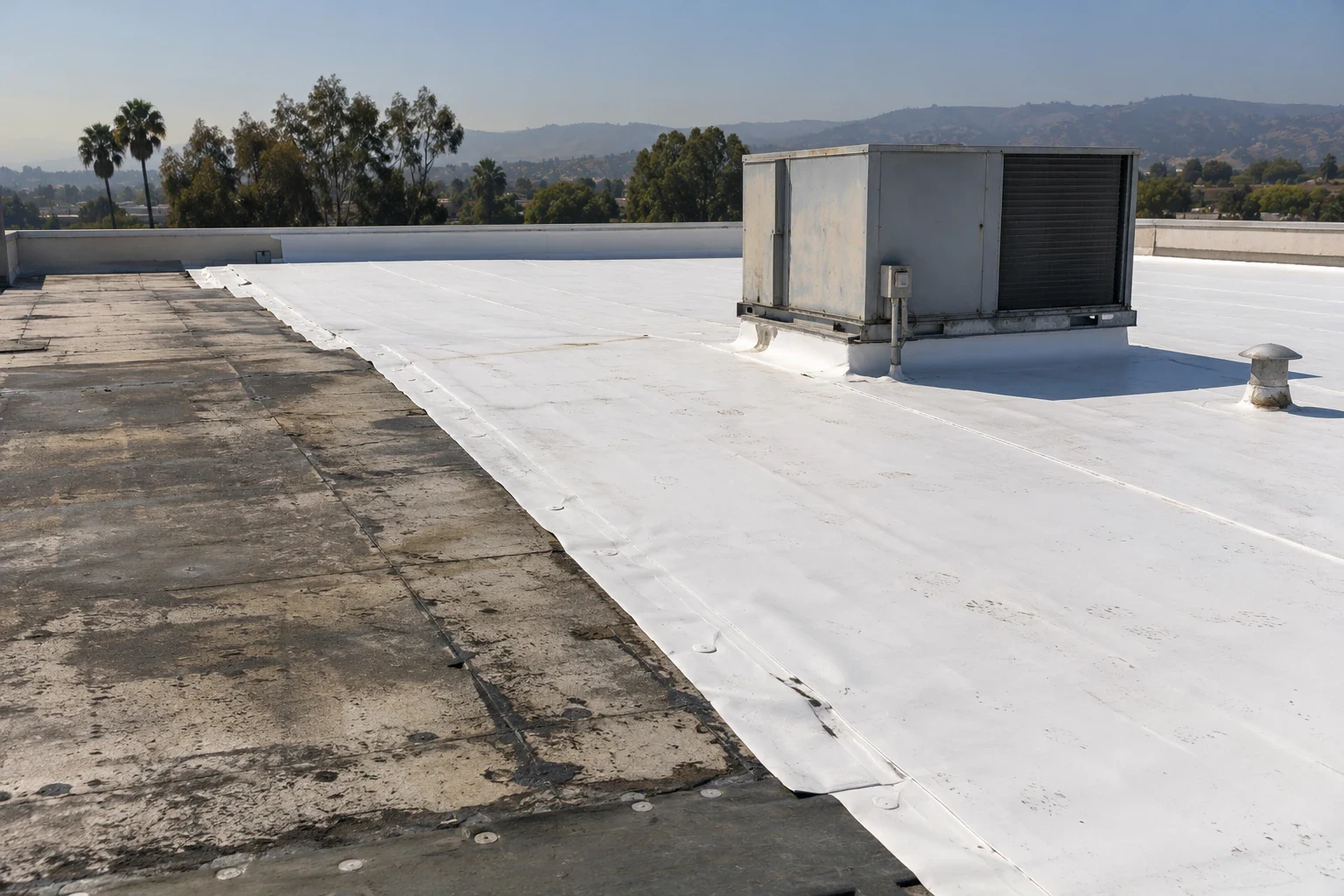
Start with the roof system, project closeout documents, installation details, and any manufacturer correspondence the owner holds. Keep additions and repair history attached to the correct roof zone. A building may have different assemblies over an original section and a later addition. Treating them as one system can send a warranty question to the wrong detail. If documents do not identify a material, mark it unconfirmed until the roof can be checked.
Store dated inspections beside service records. A roof asset record can track the current assembly, maintenance, and open questions alongside the original contract. When a report identifies a seam concern, retain the photographs and the repair boundary. A commercial roof inspection can note accessible conditions and state areas that were not reached. That distinction helps the owner decide what to send for a warranty review. If renewal depends on a repaired detail, match the approval to that roof zone and keep the closing photographs with the signed scope.
Track upkeep against written terms
Maintenance requirements vary by contract and system. The file should show what was inspected, what debris or drain conditions were addressed, and whether a repair changed a flashing or membrane detail. We compare the observed assembly with the documents available and flag questions for the manufacturer or design professional when needed. The inspection record lists accessed areas and any concealed condition left unconfirmed.
In Escondido, dry northeast winds can trigger local red-flag periods; the flow may be described as Santa Ana or easterly. After a reported event, check exposed edge metal and flashing transitions, then record the affected roof zone. A preventive maintenance visit can log accessible items and agreed corrections. Keep the date, roof areas covered, access limits, and follow-up needs with the record. Record who authorized follow-up work and which written term prompted the question. The owner can then compare the visit scope against the actual maintenance language.
Get authorization before changing details
A repair can affect a warranty when materials or methods differ from the system requirements. Before work starts, identify the membrane, repair product, substrate, and adjacent flashing. If the assembly is uncertain, gather roof plans and prior invoices or request further testing. The work order should define preparation, patch dimensions, seam treatment, and closeout photos. Any approval required under the warranty belongs in the project file before the crew proceeds.
In Harmony Grove, employment parcels range from one to 40 acres, and development standards cover a 201-acre portion of the district. Industrial sites may have equipment and access limits that affect repair sequencing. We confirm those with the property contact. A recover feasibility review should also address whether existing layers qualify under the system and applicable requirements. A coating cannot be assumed compatible simply because it adheres to a surface. Record the test result and approval basis before applying it.
Preserve the event and repair timeline
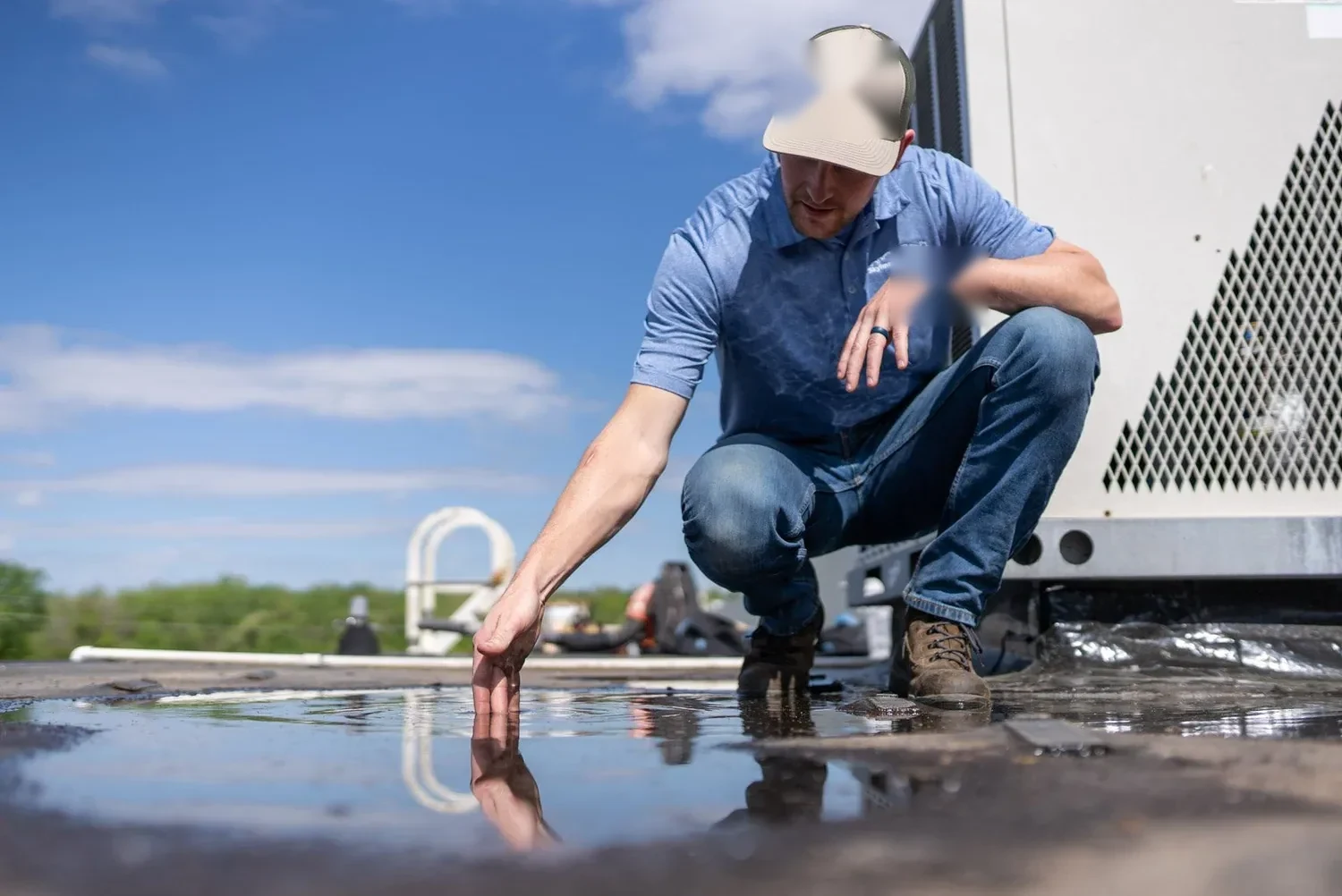
When a leak or weather event is reported, note the date, location, conditions inside, and any immediate protection installed. Photograph the roof detail before temporary materials obscure it, when safe access is available. Keep emergency work separate from permanent repair scope. A response log should explain what was done to limit exposure, what remains open, and who approved the next step. Report an active opening through intake and confirm current availability and safe access; we will inspect the exposed edge and record movement by roof zone.
After a reported event, inspect exposed transitions and record any movement by roof zone. The emergency repair record should distinguish temporary protection from completed permanent work. If ownership files an insurance claim, claim documentation support can organize the observed condition, dated images, and work performed without deciding coverage.
Separate district context from roof evidence
Escondido's designated employment acreage supports technology, manufacturing, office, professional services, and shopping uses. Poway Business Park brings together light industry, manufacturing, research and development, warehousing, and distribution uses. Portfolio properties can carry different assemblies and maintenance terms. Keep each inspection finding tied to the property and roof area it covers.
For a portfolio, a multi-site roof program can keep inspection dates and open warranty questions visible across buildings. Keep warranty records and the approved scope tied to each property. A Harmony Grove Industrial Park area visit needs its own contact, approved route, and access window. Broad geography helps scheduling; it is never a substitute for the actual contract or manufacturer's review.
Frequently Asked Questions
Does a roof inspection confirm warranty coverage?
An inspection records accessible conditions and the methods used. Coverage follows the actual warranty and manufacturer's review. We can organize photographs, findings, repair history, and questions, but the file must retain the written terms and any required approvals.
What documents should stay with the roof?
Keep the contract, system description, approved changes, inspection reports, maintenance records, repair invoices, and dated closeout images together. Separate original construction from later additions when the roof assemblies differ.
Should an emergency patch be listed as a permanent repair?
Record temporary protection and permanent work separately. The first log should state its location, date, limits, and follow-up need. A later approved repair should identify preparation, materials, completed details, and any remaining question.
Can we use any coating on a warranted roof?
Compatibility, substrate condition, system requirements, and approval terms have to be checked first. We identify the existing assembly and document any test or written authorization before a coating is included in the work scope.
What if our records do not identify the membrane?
Mark the system unknown and collect available plans, closeout records, and repair invoices. A field review can identify visible components, but concealed layers may need testing or an opening before a system decision is made.
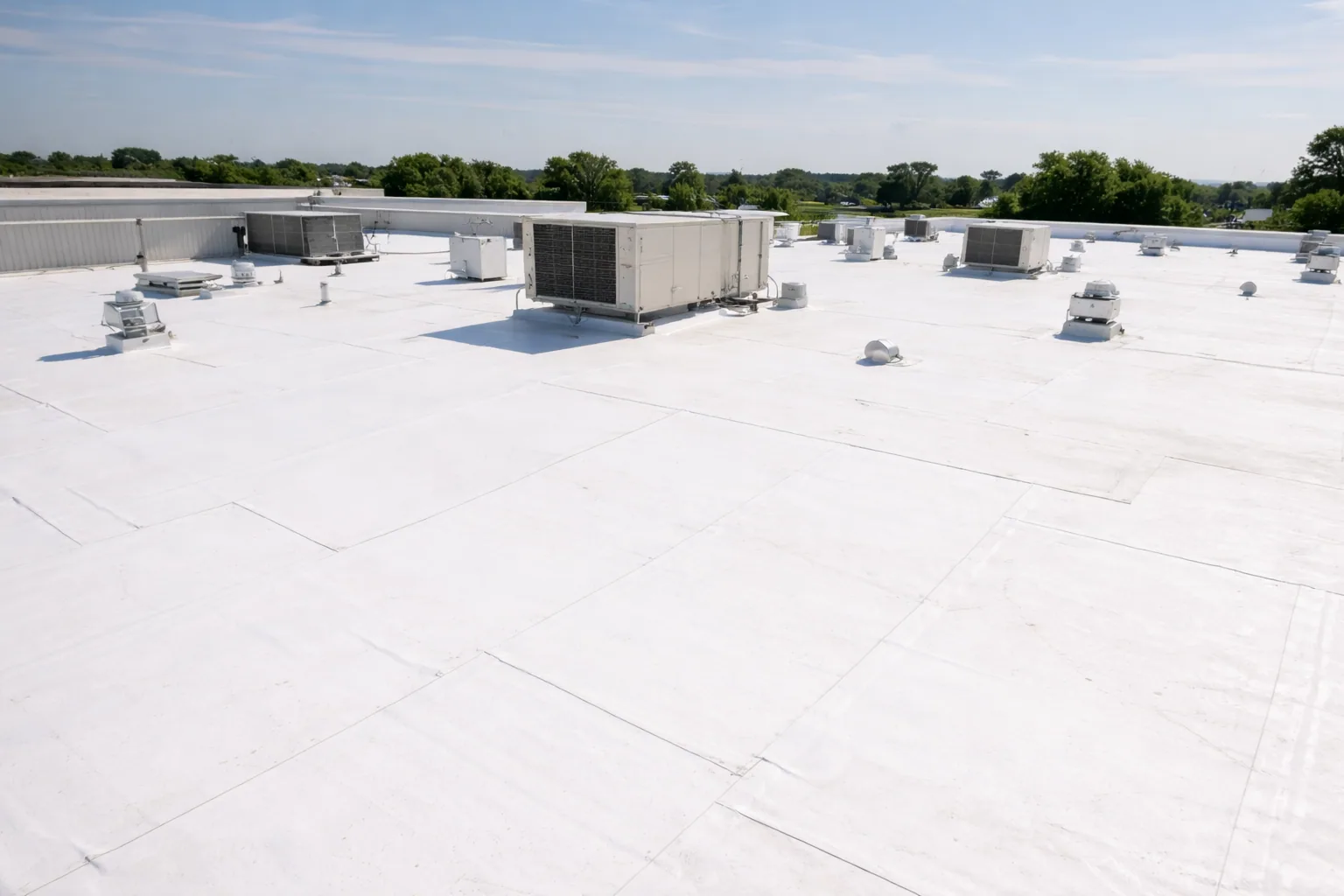
Review a roof warranty file
Have the contract, repair history, inspection reports, and current roof concern ready. Call Commercial Roofers Escondido to arrange a field review and document the next scope.
Call 555-555-5555 or email [email protected].