
Commercial Roof Insurance Claim Documentation in Escondido, CA
Commercial Roofing Services · Escondido, CA
A roof claim file works best when observations stay separate from coverage decisions. In Escondido, a commercial property team may need to coordinate a leak report, an event timeline, and access for inspection. We document visible roof conditions and the work performed. We do not interpret policy language or promise an insurer’s decision. The storm repair review can record immediate protection and permanent work separately. That gives an owner and general contractor a clearer scope to compare with carrier requests. Before mobilization, we confirm the roof plan, site contact, and timing constraints.
Build a dated event record
Start with the reported event date, the first interior symptom, and each location where water appeared. Add photographs before temporary work whenever safe. A roof plan or aerial mark helps relate an interior room to a roof zone, though the path may not be direct. We label observations by date and source: property staff, contractor, or inspection. If records disagree, preserve the difference rather than selecting a convenient version. A condition report can connect each photograph to a marked location and describe what was visible at the time.
Grand Avenue’s streetscape project added wider sidewalks, diagonal parking, and three traffic-calming roundabouts. Phase II finished in June 2025 after Phase I in 2022, so confirm current loading access before scheduling a visit. Those features help orient a crew, but they do not establish a private building’s loading plan. We verify the actual entrance, lift access, escort requirements, and tenant notice with the site lead. The claim record should distinguish event evidence from ordinary maintenance history so the reviewer can understand what was reported and when.
The East Valley Parkway Commercial Area extends from Hickory Avenue to Citrus Avenue. Confirm the property’s actual delivery route and roof access before documenting a claim visit.
Document roof conditions
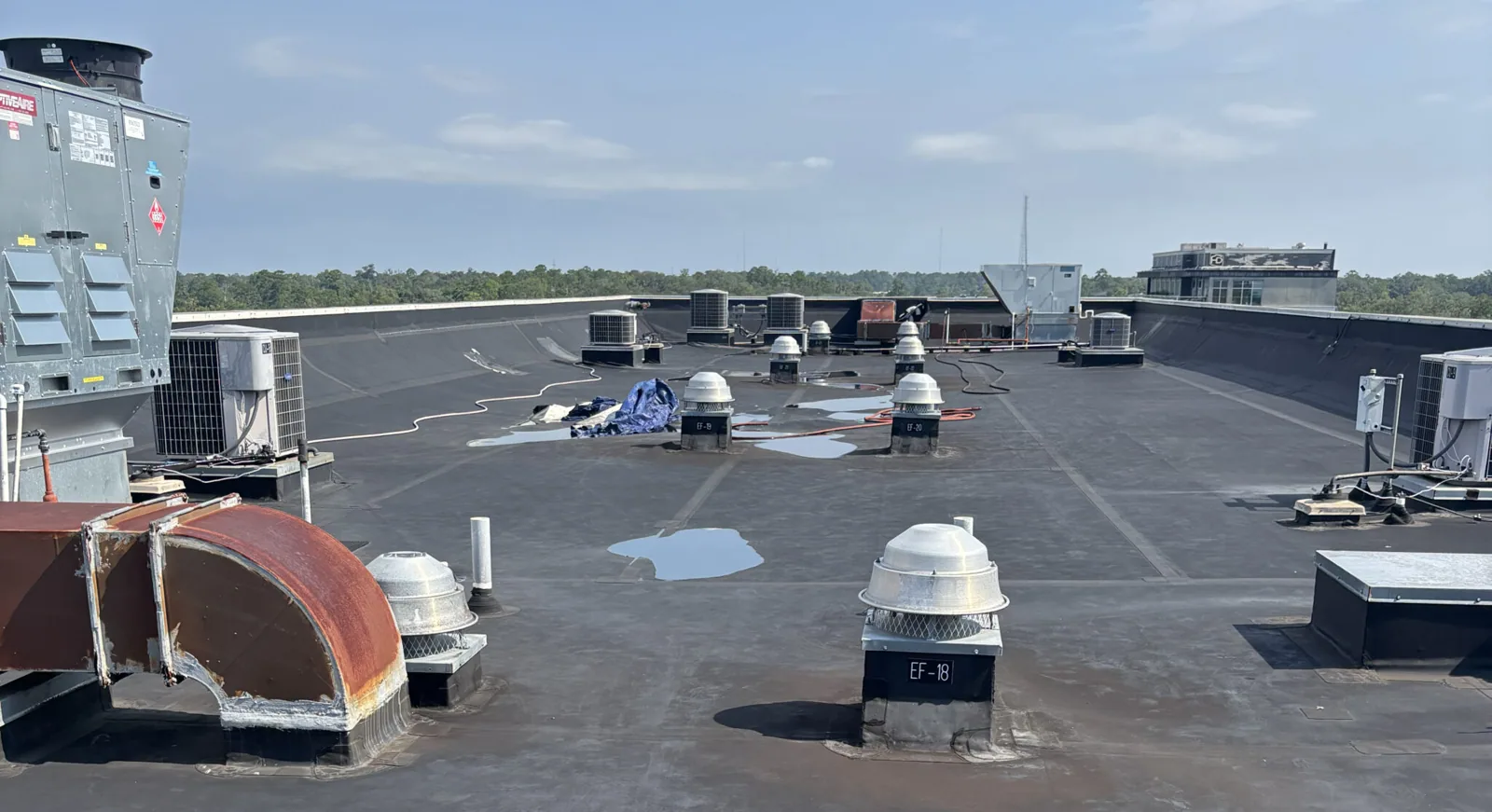
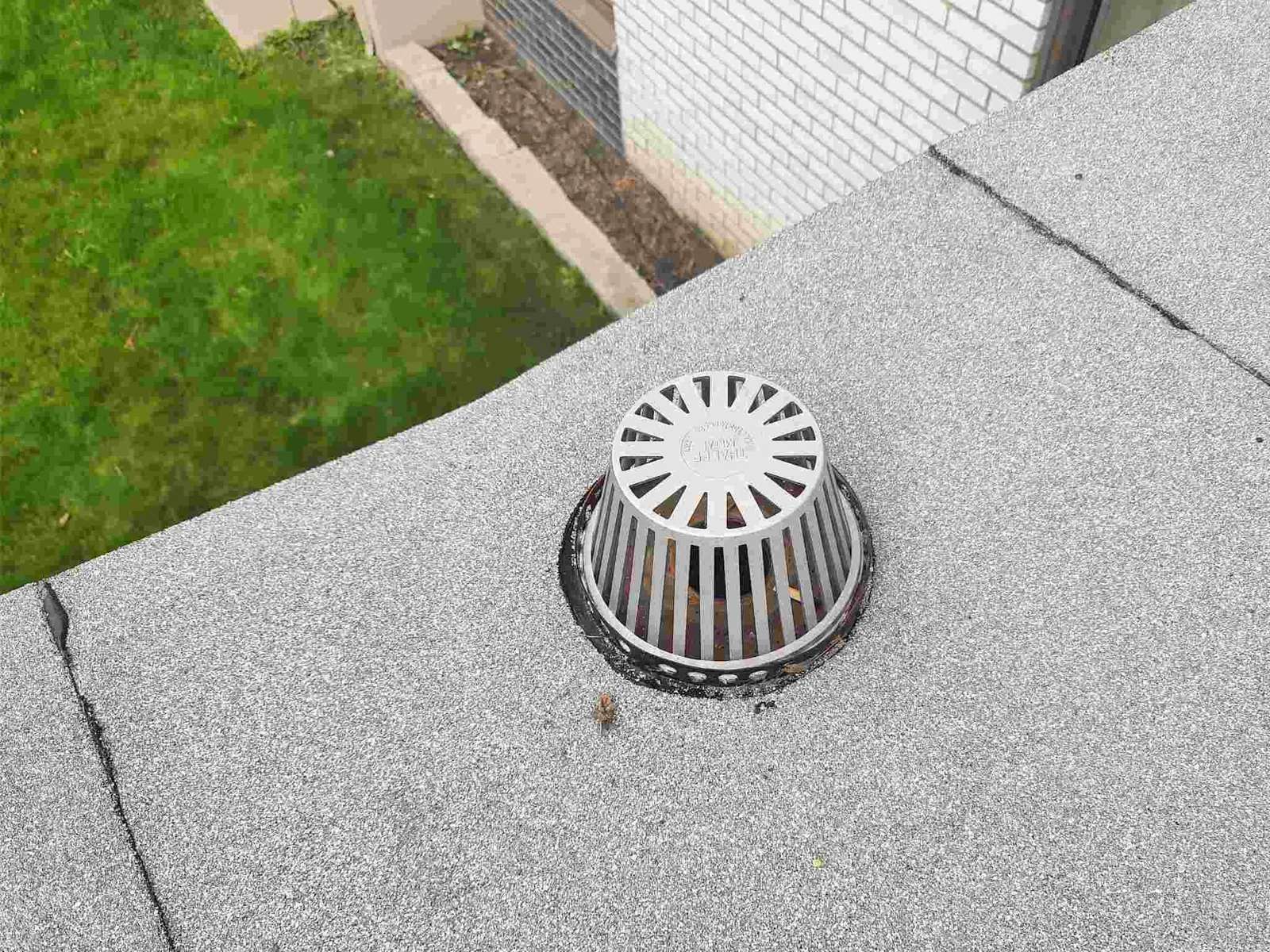
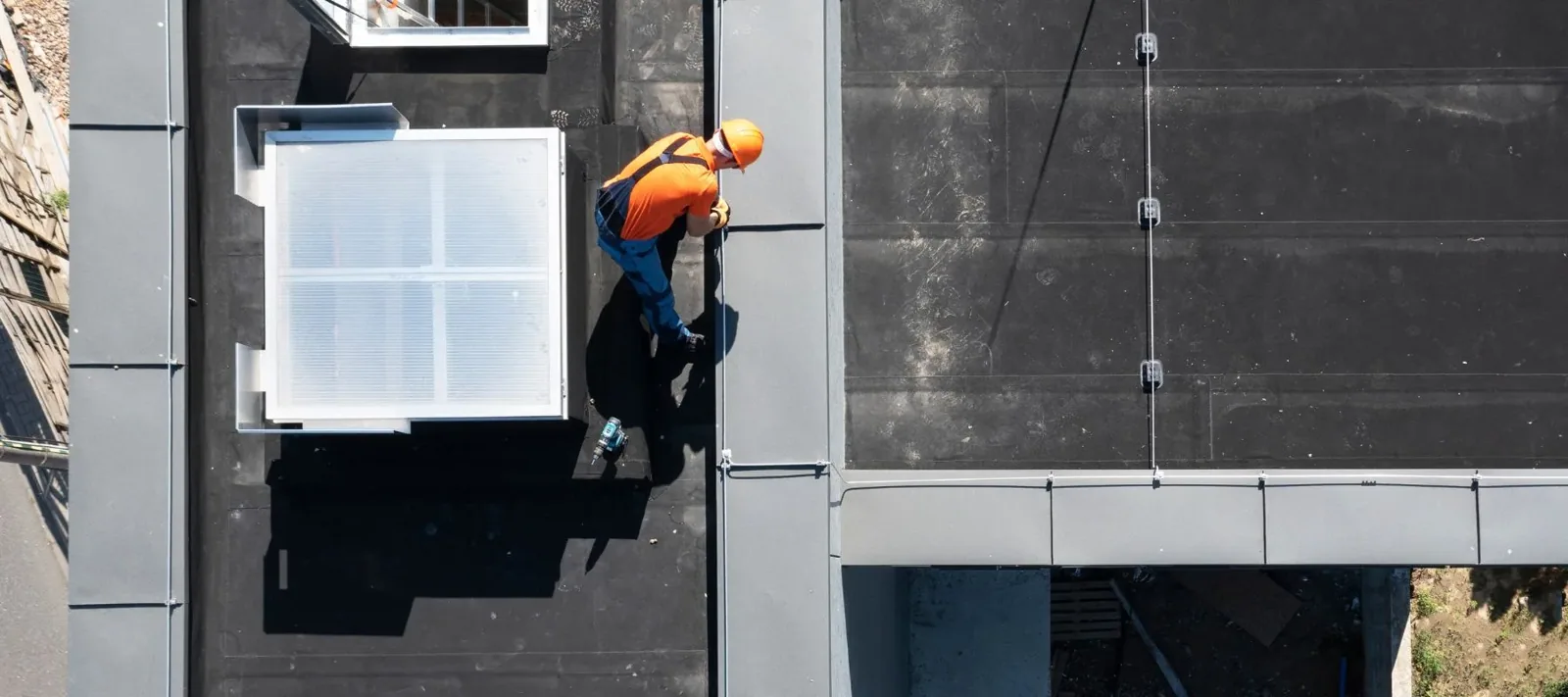
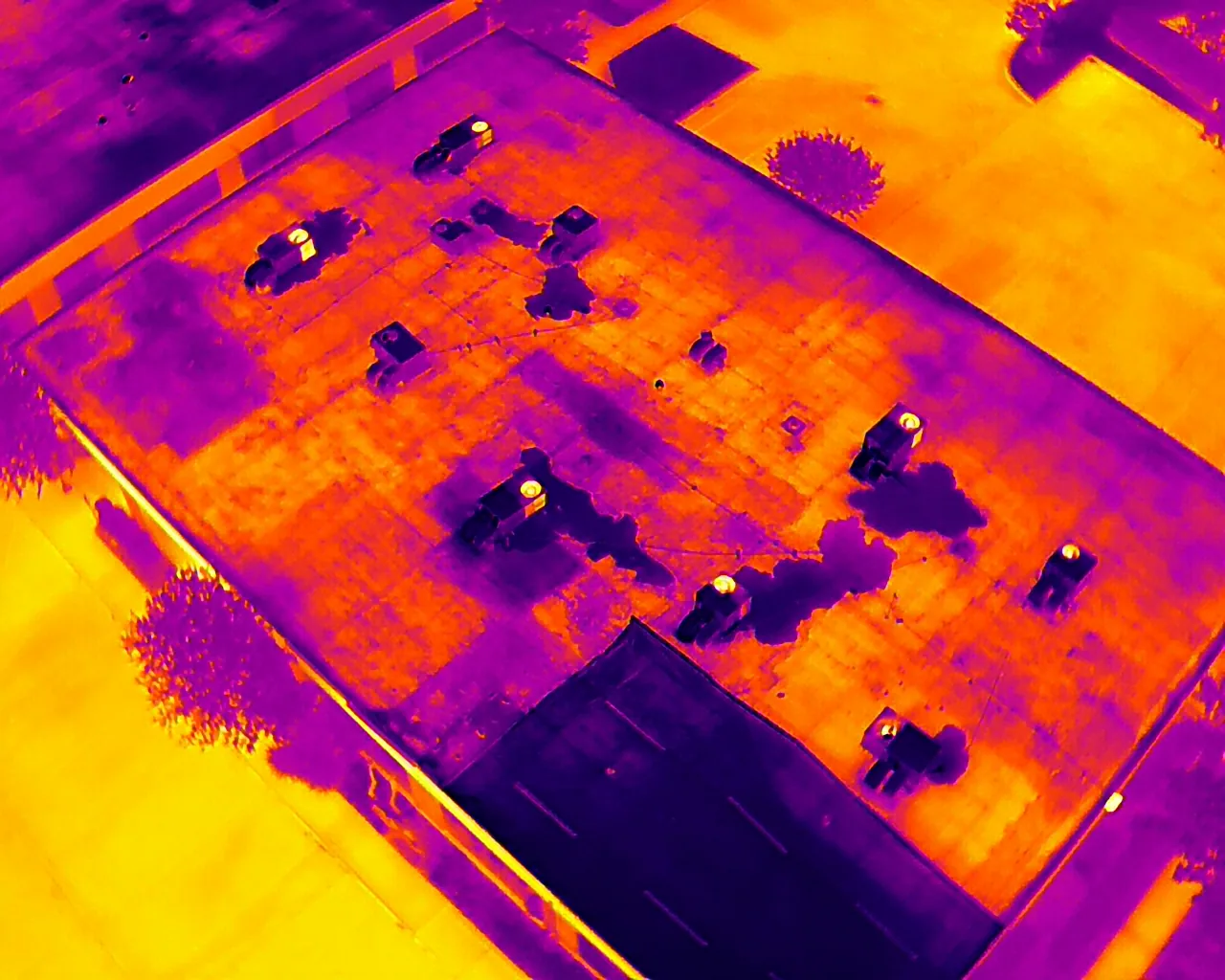
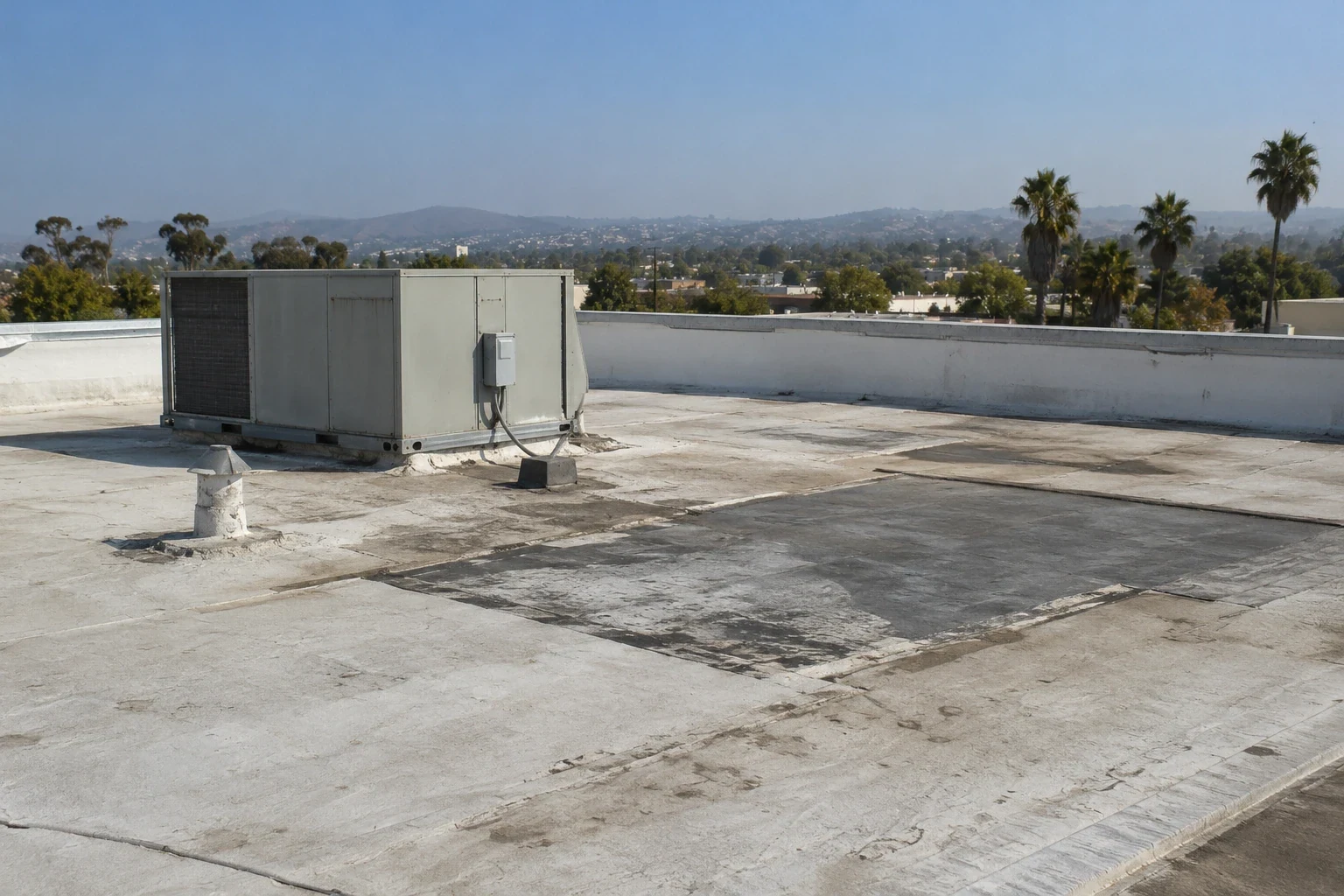
We inspect accessible membrane, seams, edges, drains, penetrations, and equipment interfaces. Each observation names the roof zone and visible condition. A displaced metal edge, open lap, puncture, or wet insulation concern deserves its own notation. A ceiling stain alone does not identify the entry point. We compare the reported area with the roof surface and note where further testing could change the scope. If the assembly remains uncertain, a moisture survey may help select locations for direct verification. We explain the method and its limits in the findings.
Inspection records should also state what could not be reached. Equipment, stored materials, unsafe surfaces, and active operations can limit a view. We identify those limits rather than implying full access. If a controlled opening is approved, the record notes its size, location, finding, and closeout. Those details let an owner compare later work against the original observation without treating an estimate as proof of concealed damage.
Separate protection from repair
An active opening may need prompt protection before the permanent scope is ready. We record where temporary material was placed, what it covers, and any weather or access limit. The emergency action does not automatically define replacement quantity. Before permanent repair, we inspect the underlying condition where appropriate and establish a boundary tied to observed or tested material. A commercial repair scope identifies preparation, compatible products, tie-in dimensions, and closeout checks. If investigation uncovers a broader condition, the owner receives a separate approval point before the work expands.
Claims and construction schedules can move at different speeds. The property contact should know who can approve temporary protection and who can authorize permanent work. We keep dates, photographs, work orders, and approvals together. A clear sequence helps the general contractor coordinate roofing with mechanical or interior trades. It also prevents a temporary patch from appearing in the file as a completed permanent correction.
Make scope and pricing readable
A useful estimate describes labor, material, access, preparation, and the repair limit. It lists allowances or concealed conditions separately. We identify exclusions such as deck replacement, interior restoration, or work by another trade when they are outside the proposal. Quantities should follow a marked plan or a measured field condition. If two repair options are reasonable, we state what each addresses and what uncertainty remains. The commercial roof inspection can provide a baseline before the contractor prices corrective work.
The owner can then compare the roofing scope with carrier questions and project requirements. We can clarify how an observed item relates to a proposed repair, but the policy and payment decision remain with the insurer. Do not change a report to match an expected result. If new evidence changes the quantity, document the revision and its basis. That keeps the construction record useful whether the claim proceeds, changes, or is closed without the proposed work.
Coordinate access around operations
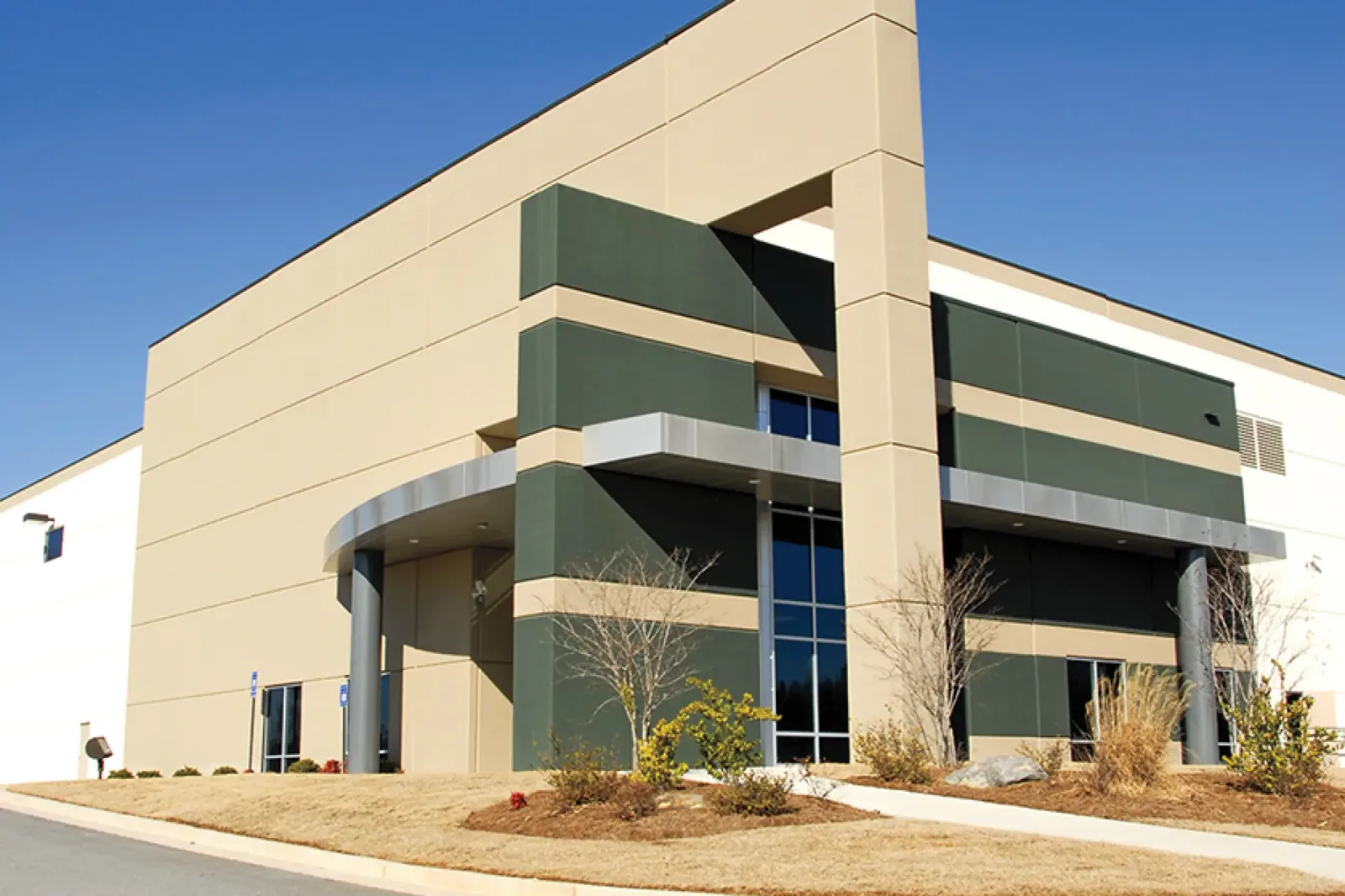
The Research and Technology Center represents a significant share of Escondido’s employment acreage available for development. At a particular property, verify the tenant, roof system, equipment clearances, and access hours directly with the building contact. We confirm those details with the building contact rather than assuming a standard work window. The office property review can help organize occupied-site coordination.
Centre City Parkway serves a mix of commercial, office, visitor-serving, and residential uses. For a Centre City Parkway property, we still verify the individual loading route and work hours with the site contact. We confirm lift placement, delivery timing, and protection below the work zone. A claim inspection should not interrupt critical operations without a plan. The record notes any access restriction and the area it affected. If a return visit is needed, the next action and decision owner are clear. Those steps support reliable scheduling while keeping the claim record tied to the actual property conditions.
Frequently Asked Questions
Can a roofer determine whether my insurance policy covers a leak?
No. We document roof conditions and repair work. The insurer reviews policy language and decides coverage. We can organize dated observations and scope details for that review.
What should I gather before a commercial roof claim inspection?
Bring the roof plan, leak log, event date, prior repair records, photographs, access rules, and carrier instructions. Those records help us mark the reported locations and identify missing information.
Will an emergency tarp be included as the permanent repair?
Temporary protection and permanent correction are separate work items. We record the protected area, inspect the condition beneath it when appropriate, and define the permanent boundary for approval.
Can you document damage that is not visible from the roof surface?
We can identify where additional testing or an approved opening may help. The method, limits, location, and findings belong in the record; concealed conditions are not stated as confirmed before verification.
What happens if the repair quantity changes during work?
We pause at the agreed approval point, photograph the added condition, and explain the revised boundary and cost basis. The owner or authorized representative decides whether to proceed.
Arrange a claim documentation review
Share the event date, roof plan, leak locations, access rules, and any carrier instructions. We will record observed conditions and outline a bounded repair scope. Call Commercial Roofers Escondido to coordinate timing.
Call 555-555-5555 or email [email protected].