
Ponding Water Roof Repair in Escondido, CA
Roof Damage Repair · Escondido, CA
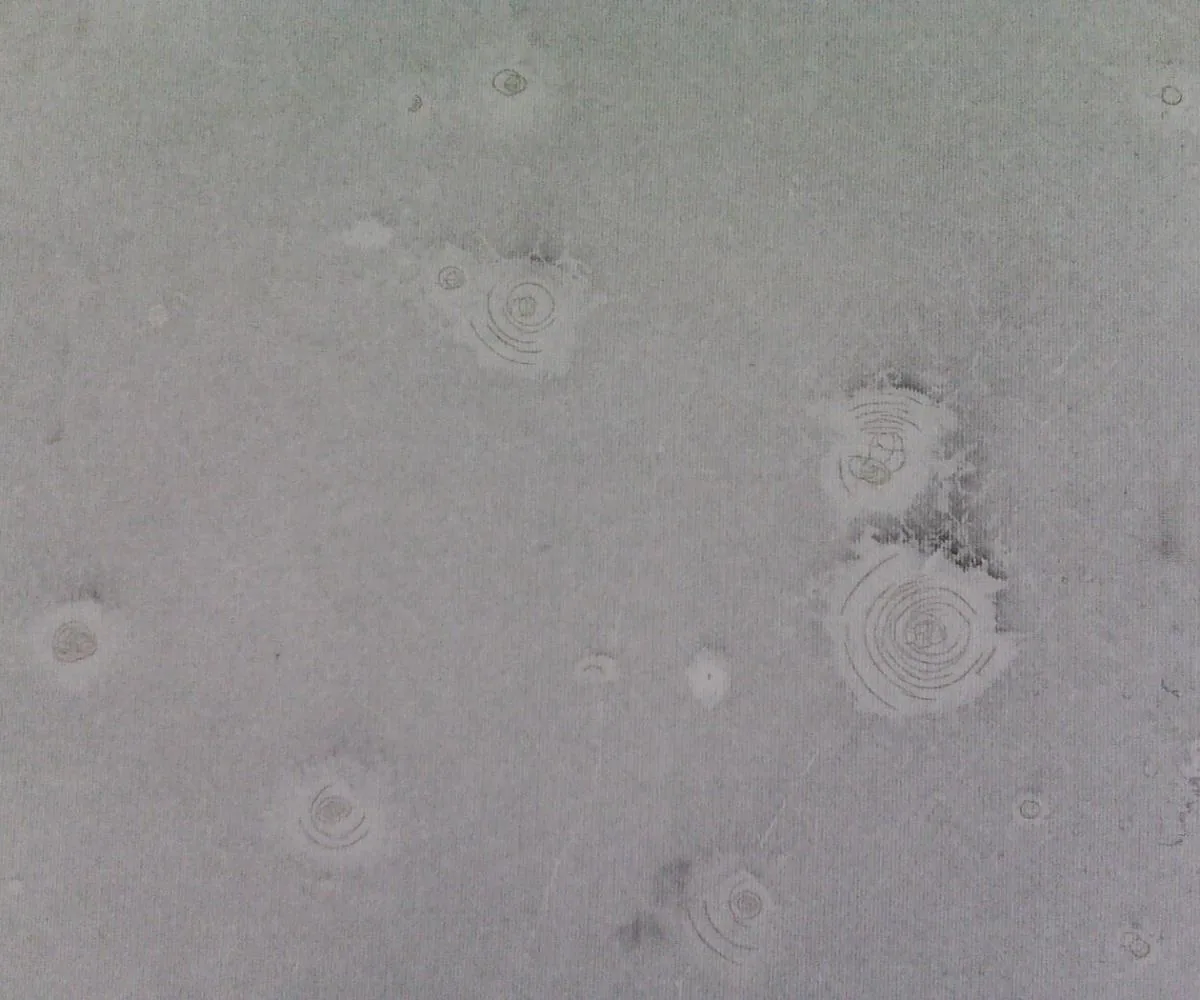
Water still on the roof after drainage has had time to work changes the next step. After normal drainage time has passed, inspect the low area, nearby outlets, membrane, and insulation before recommending correction. A general contractor needs to know whether the issue is a blocked drainage path, a depressed assembly, or a damaged seam. We map the water boundary and note the weather and inspection timing. That creates a practical repair scope. It also prevents the project team from treating every shallow pool as the same defect. The nearby Escondido Research and Technology Center reflects employment uses that may require coordinated roof access and operating hours. The roof itself still determines the repair.
Trace the drainage path
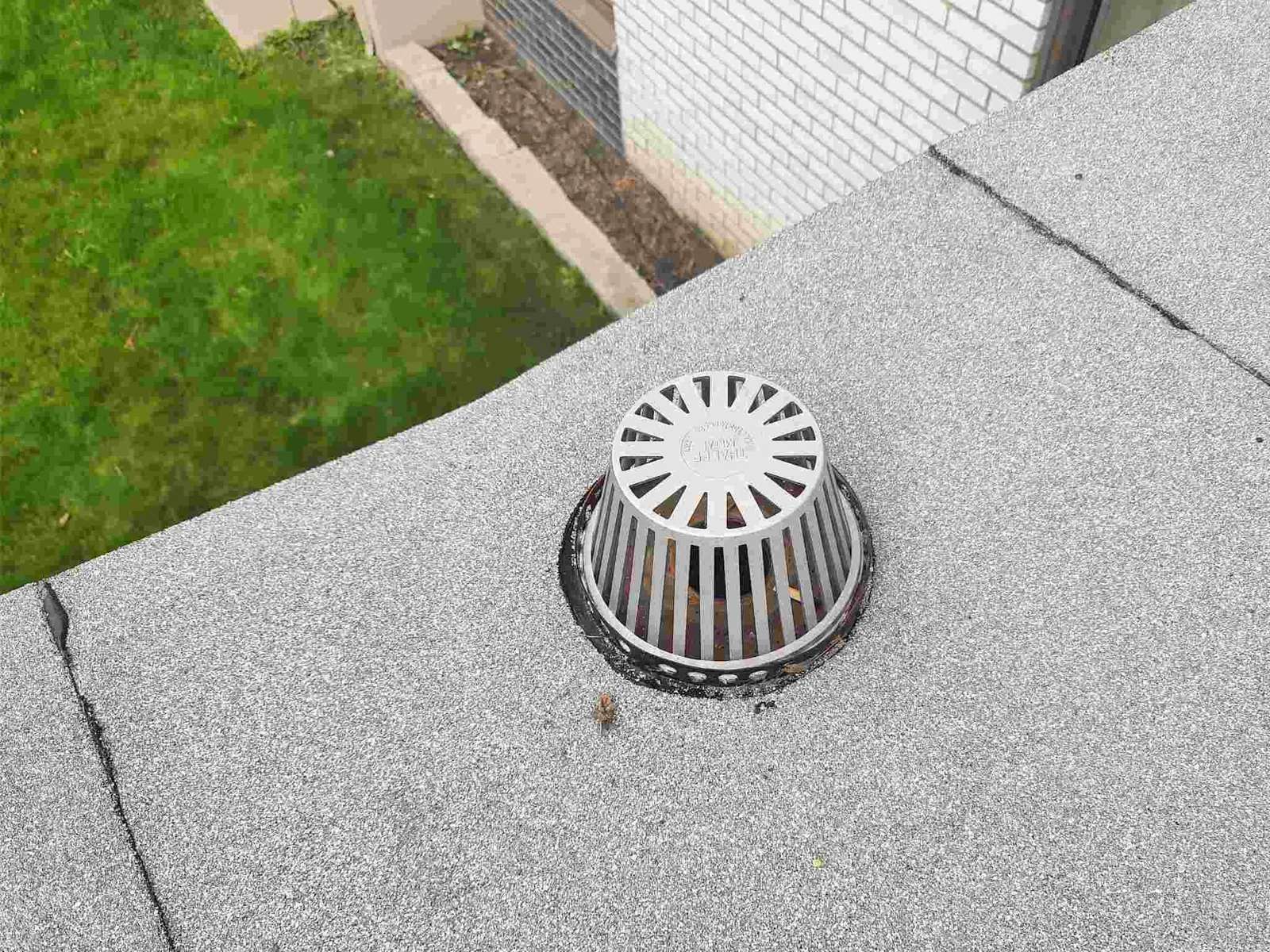
Start at the water boundary and follow the roof slope toward each drain or scupper. We check strainers, bowl connections, conductor paths, and the membrane around the outlet. Debris can slow discharge without proving that the drain was designed incorrectly. A disconnected leader or damaged bowl needs a different trade coordination plan. We photograph the condition before clearing anything, then record what changed after the outlet is open. That comparison gives the contractor a better basis for deciding whether a roof correction belongs in the scope.
State Route 78 and Interstate 15 frame Escondido’s larger road network; Valley Parkway, Centre City Parkway, and East Valley Parkway also appear in its land-use geography. Those routes help a crew set a travel approach, while the roof survey establishes slope and outlet performance. The Centre City Parkway commercial corridor accommodates a mix of retail, office, visitor services, and residential development, so service access can share space with several daily uses. For an occupied property, a drain review can be scheduled around deliveries and tenant access. Our drain and scupper work addresses the outlet assembly after the condition is identified.
Check the low area
Standing water can follow a settled deck, compressed insulation, framing deflection, or an earlier repair that changed the surface. We use a straightedge, level references, and visible transitions to map the low area. The report distinguishes ponding from a wet insulation finding. Those are separate observations. If the surface feels soft or the membrane has a blister, we document the limit and recommend a closer assembly review before closing the area. Cutting into the roof without a controlled boundary can expose more material than the project budget allows.
A roof near Centre City Parkway may sit amid shops, offices, housing, or visitor services; the property contact sets the available work hours. Those different occupancies can affect roof access and work hours. We note equipment clearances, roof traffic, and locations where standing water could affect service access. A condition report can record the observed boundary, drain state, and next inspection point. That gives the general contractor a defined question to price. If the leak has already reached interior finishes, the leak repair scope should track the interior symptom and the roof-side evidence separately. We keep any seam repair as its own line item.
Choose the right correction
Debris removal, drain component repair, localized membrane work, and slope correction are different scopes. We identify which one fits the observed cause. A clean outlet may solve a restriction. A split or open seam needs compatible material and prepared surfaces. Persistent water from a depression may require tapered insulation or another assembly correction, subject to deck and structure review. We describe the boundary, materials, and expected access before asking the owner to compare the options.
A coating does not correct a low spot by itself. It may help protect a suitable existing membrane when the surface and drainage are ready. The silicone system and acrylic system have different moisture and exposure limits, so system selection follows the actual roof condition. If the area has repeated saturation, a repair may need to include adjacent seams and penetrations. We keep that work distinct from correcting the drain body or adding slope. This helps the project team see the labor and disruption tied to each choice.
Plan inspection and access
A water-level photo taken immediately after rain cannot show how long the roof retained water. We ask when it was taken and compare it with a later observation. Roof access may also be constrained by equipment, tenant operations, or another trade. Near Downtown Escondido, Grand Avenue phase two finished in June 2025. Pedestrian routes widened, curb parking turned diagonal, and roundabouts changed local traffic flow. A nearby delivery plan still depends on the property’s own loading area and access rules. We confirm the path before equipment reaches the roof.
Where the roof is occupied below, we identify any ceiling or inventory protection before opening the assembly. If a dry window is needed for membrane work, the schedule includes preparation, dry-in, and a final water check. The flashing assessment may be added when an outlet is near a wall transition. We do not treat unrelated edge or curb conditions as part of the ponding repair without evidence. That discipline keeps the budget window tied to work the team can see and verify.
Record the drainage result
Before the crew leaves, we check the outlet, surrounding membrane, and repaired boundary. Photographs show the area before and after work. The closeout names any remaining low point and the next review needed. If the owner plans a larger reroof, the repair record can inform that capital discussion without assuming replacement. A general contractor can also use the record to close out coordination with interior trades and the building manager.
Keep the repair map with the roof plan and note the date of later observations. If standing water returns, the team can distinguish a recurring restriction from a low area that remained after cleaning. We can arrange a roof walk in the Downtown Escondido district or elsewhere in the city, then define what the scope should include. Bring recent photos, access requirements, and any prior repair notes. Call Commercial Roofers Escondido to schedule an inspection and review the proposed work sequence.
Frequently Asked Questions
When does standing water need a roof repair?
We look at the time after rain, the depth and boundary, the outlet condition, and the membrane beneath the area. Water that remains after normal drainage merits investigation. A photo alone does not identify the cause, so we verify the roof in person.
Can you clear a drain and confirm the roof is fixed?
Clearing a restriction is one step. We then check the bowl, leader, membrane tie-in, and drainage after the debris is removed. If water still sits in a depression, the assembly or slope may need a separate correction.
Does ponding mean the insulation is wet?
No. Surface water and moisture within the assembly are different findings. We mark the low area and use appropriate testing where the roof condition or interior symptoms justify it. The report states what was observed and what remains uncertain.
Should a low area be filled with roof coating?
A coating protects a compatible surface; it does not create reliable slope by itself. We check the existing system, water exposure, and drainage before recommending a coating. A slope correction may be the more direct option.
What should a general contractor include in the schedule?
Allow for controlled roof access, dry conditions for membrane work, drain coordination, and any interior protection. Share the roof plan, photos after rain, and operating-hour limits. We can review those items and set a defined repair window.
Review a ponding repair
Arrange a roof walk with recent after-rain photos, known drain locations, and access requirements. We will map the low area and separate outlet work from assembly correction. Call Commercial Roofers Escondido to set inspection timing.
Call 555-555-5555 or email [email protected].