
Silicone Roof Coatings in Escondido, CA
Roof Systems · Escondido, CA
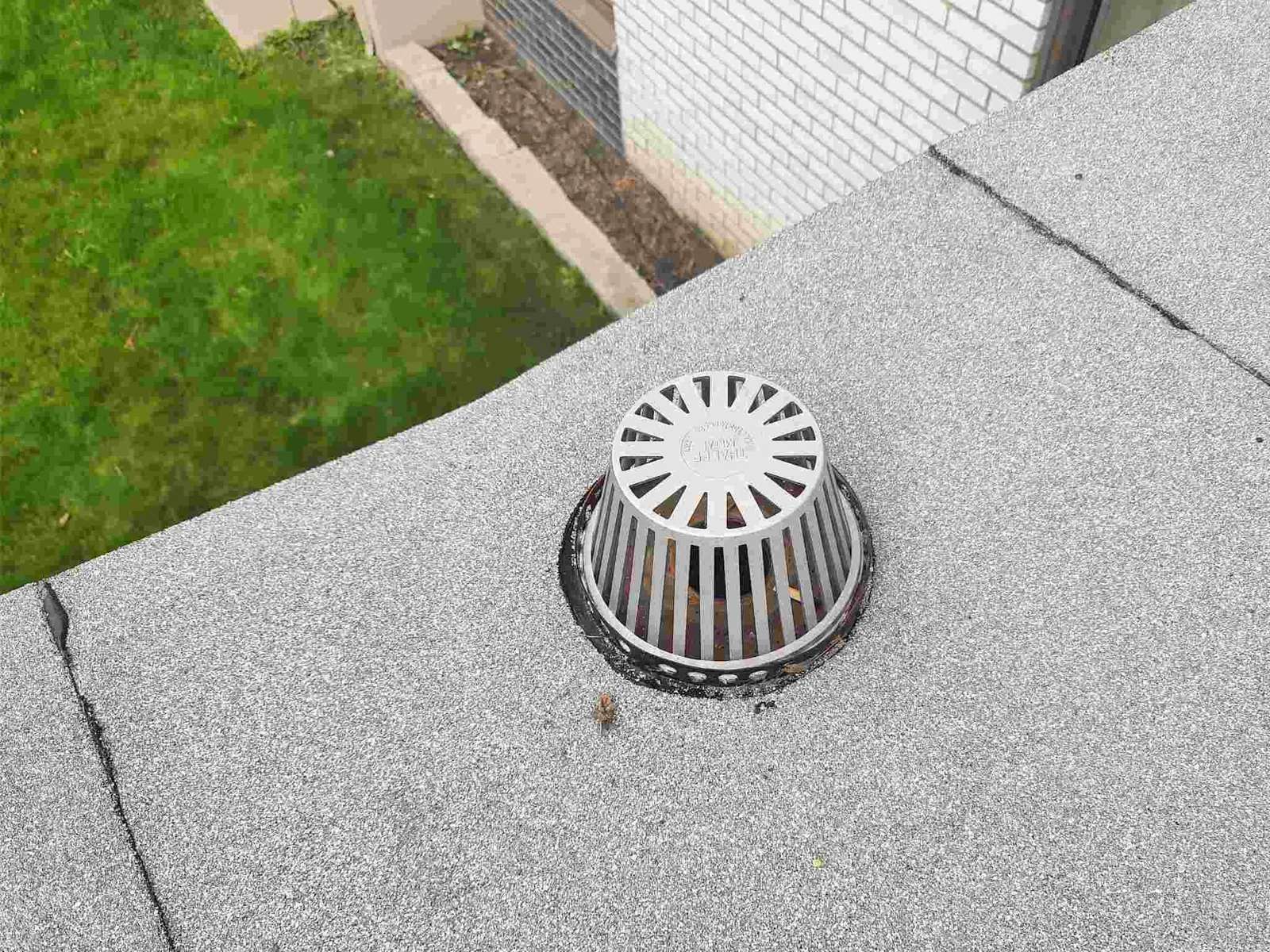
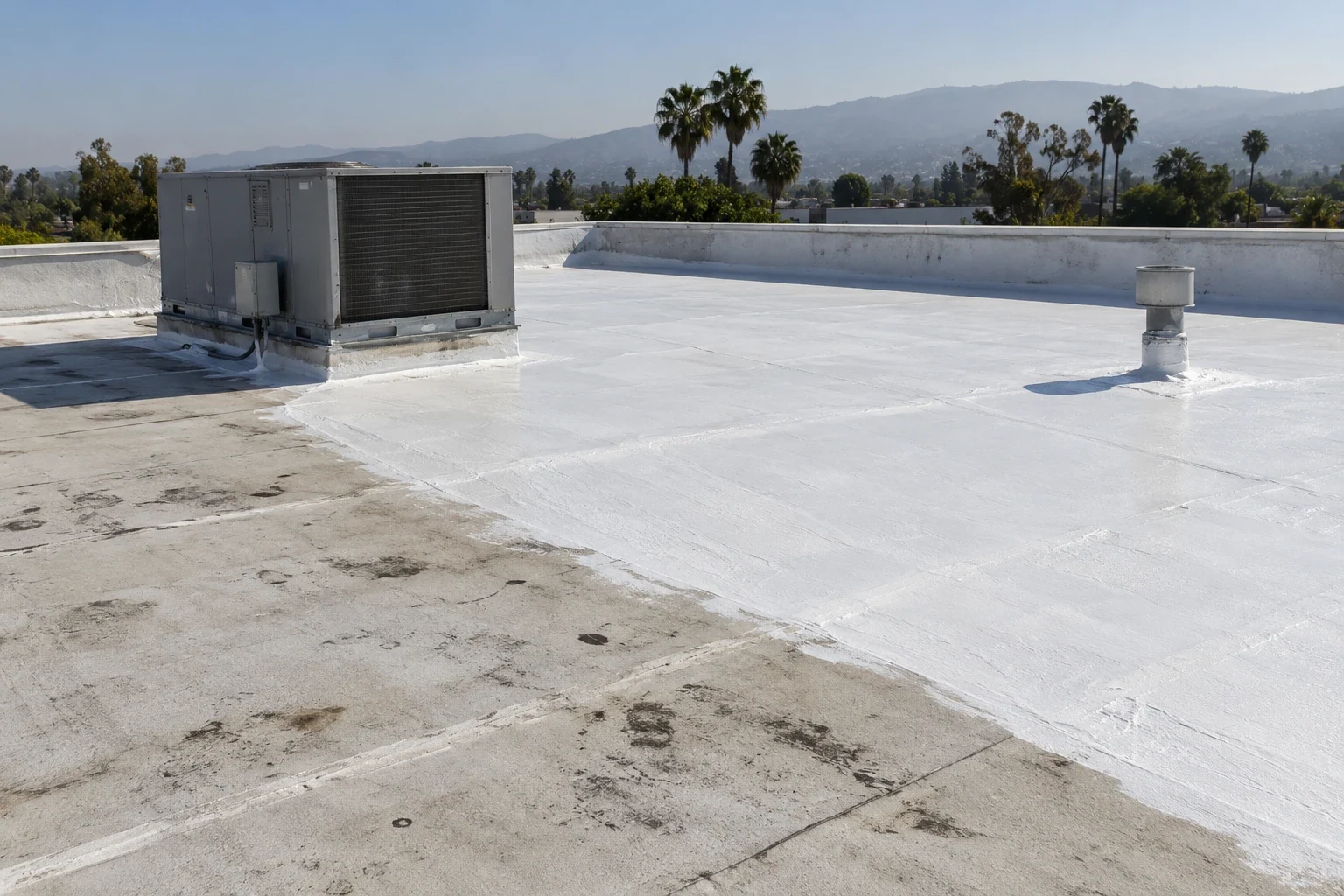
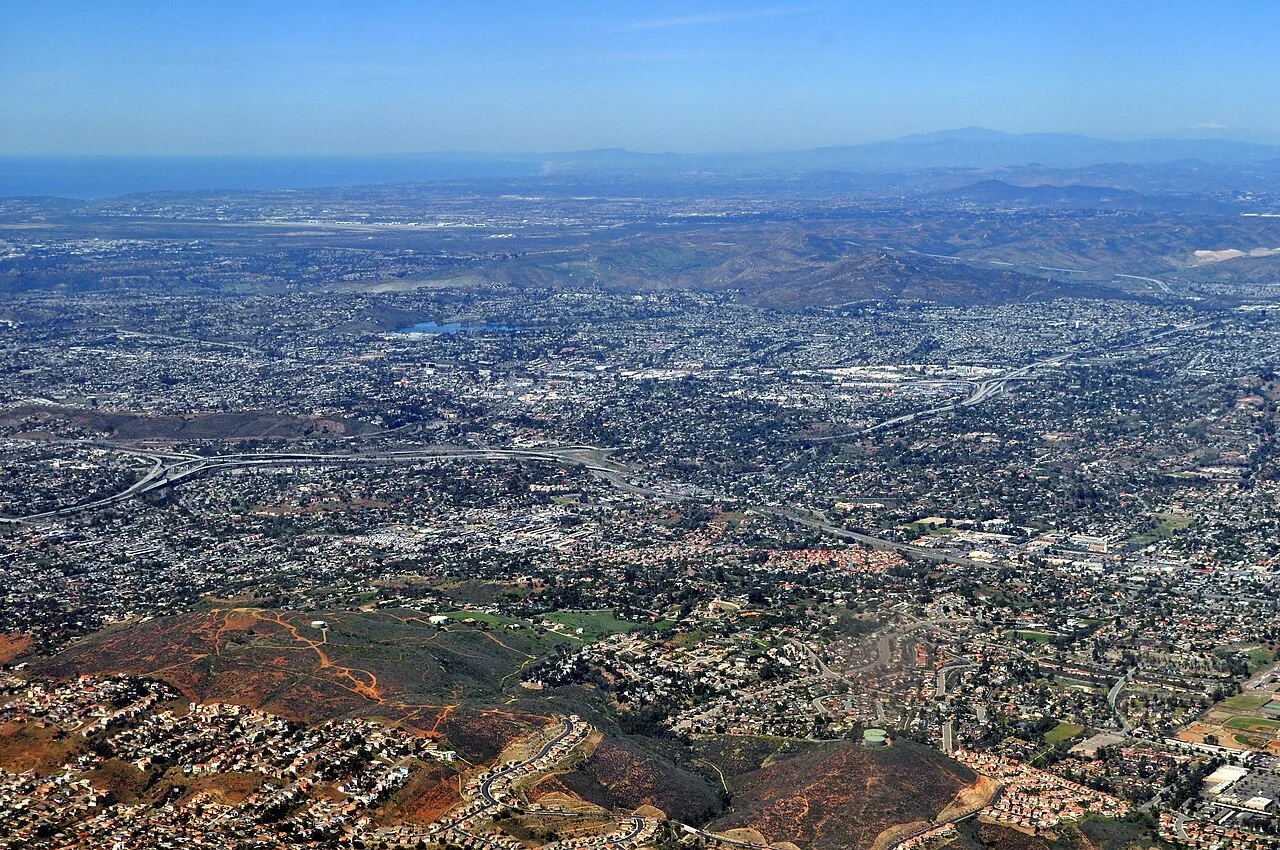
A peeling coating at a drain can expose a repair question before it becomes a reroof decision. We inspect adhesion, the membrane below, ponding areas, and flashing transitions before setting a silicone scope. Escondido's dry, often warm Santa Ana winds can stress exposed roof edges and details. Planning identifies the Escondido Research and Technology Center as employment acreage and Downtown as a commercial area. Neither fact tells us the condition of a particular roof. We verify the existing surface and define what can receive a coating, what needs repair, and where testing remains open.
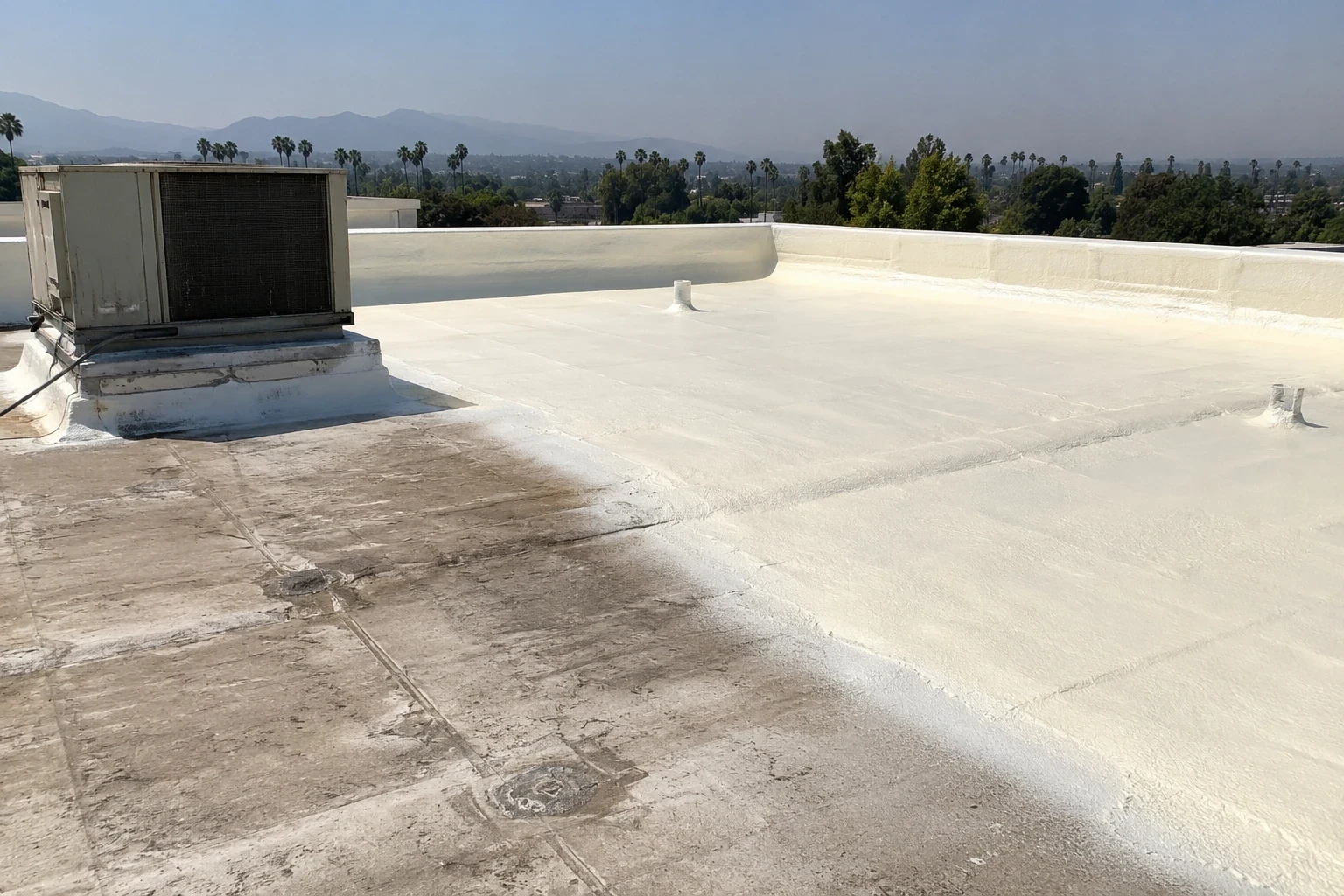
Silicone is a liquid-applied roof coating used over a suitable existing roof. Its performance depends on preparation, adhesion, film thickness, reinforcement, and compatible details. It does not replace wet insulation or rebuild a failing deck. The written scope separates cleaning and repair from the coating field quantity, so the owner can see each cost driver.
Bond, Surface, and Existing Layers
We inspect blisters, peeling, splits, exposed membrane, ponding, and old patch edges. A coating can separate because of contamination, moisture, incompatible material, or weak substrate. We identify the likely condition and test where visual review cannot answer the bond question. The scope states cleaning method, repair material, primer if specified, and how the prepared surface will be accepted. No coating quantity should hide areas that cannot hold the system.
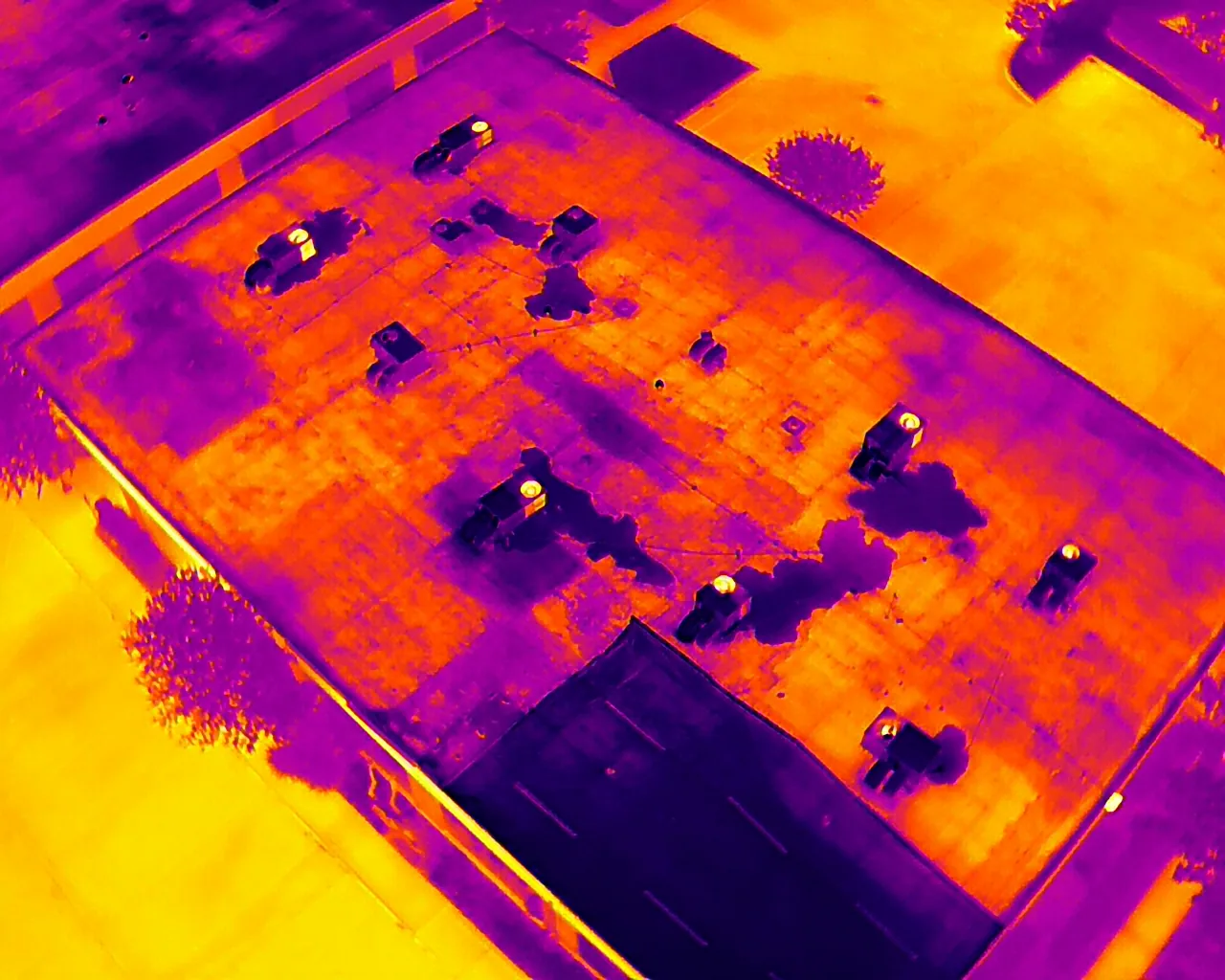
Different roof zones can have different membranes, patches, and previous coatings. We mark transitions before applying a single product assumption across the property. A field record can capture the surface and drainage map. Where moisture is suspected, a focused survey may help locate a test point. We document what the test establishes and keep its result tied to that location.
Ponding, Seams, and Flashings
Silicone may tolerate standing water better than some coating types, but ponding still deserves a drainage review. We check how long water remains, where it collects, and whether a drain or overflow is blocked. A low area may need a separate correction. Coating buildup should not close a drain throat or cover a loose flashing. The proposal shows these quantities apart from the field application.
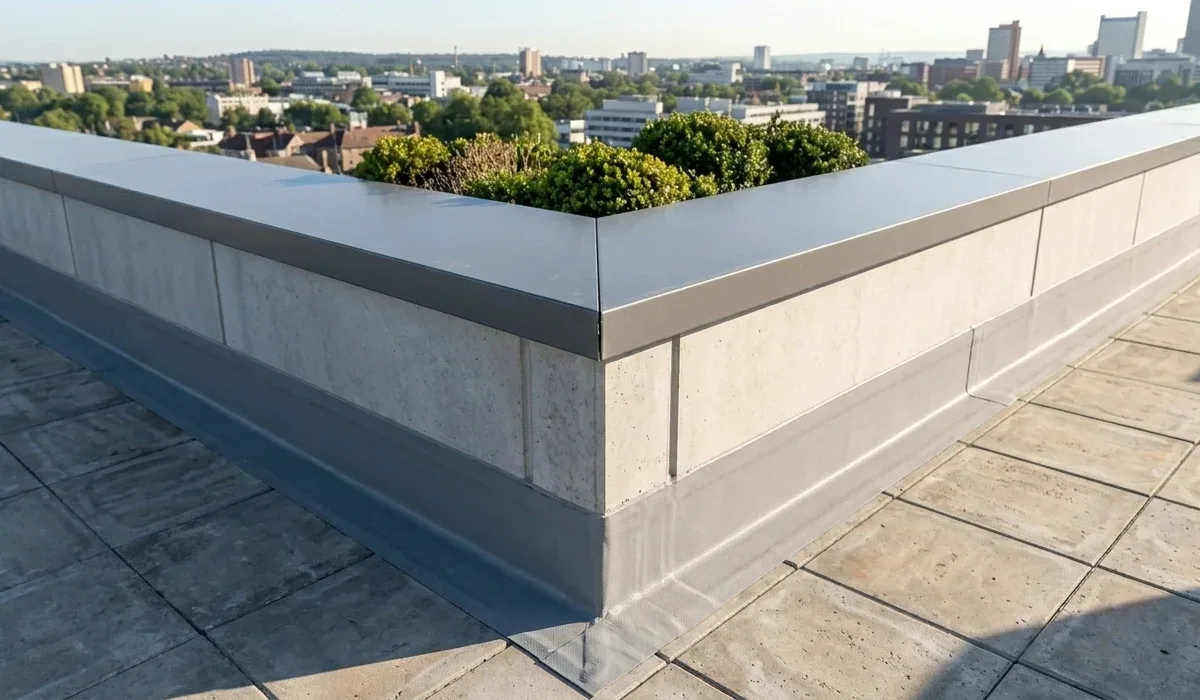
Seams, curbs, scuppers, and wall terminations often need reinforcement before the coating pass. We inspect each transition and identify compatible mesh or detail work. A drain and scupper scope can address flow. Perimeter metal work may need new fasteners or a separate seal. Escondido's city plan identifies East Valley Parkway among commercial areas. Operating hours and access still depend on the individual property, so we confirm them before cleaning begins.
Repair Before Recoat
We mark areas that need membrane repair, flashing replacement, or removal of unsound coating. A coating can bridge a prepared transition, not an unstable lap. Wet insulation needs a defined opening and replacement detail before the surface closes. We measure repair patches and reinforcement separately. The owner can compare confirmed work with an allowance for concealed conditions rather than pricing an undefined restoration.
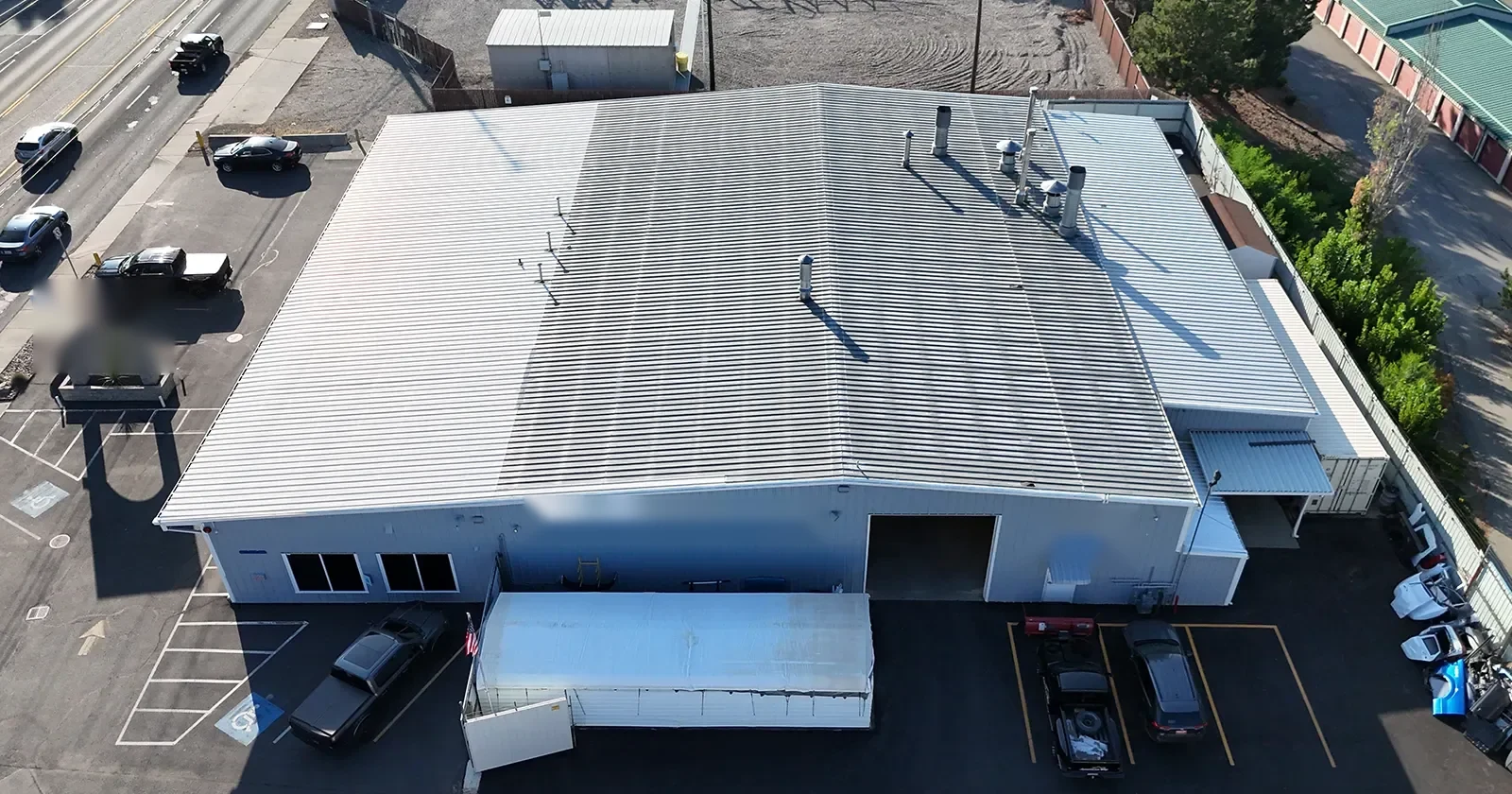
Silicone differs from acrylic in water tolerance, recoating considerations, and product requirements. A comparison with acrylic coating should account for roof slope, existing surface, climate exposure, and maintenance plan. The existing membrane also matters. On a metal roof, fastener and panel work may precede any coating. On a low-slope sheet assembly, we assess seam compatibility before recommending a fluid layer. A product name alone is not an assembly specification.
Build the price from preparation through closeout. List washing or abrasion, drying, seam treatment, repair materials, primer, and the coating passes. Identify how the crew will handle drains and penetrations during application. Any area with weak adhesion receives its own repair quantity. If the coating boundary changes after cleaning, pause for approval before extending the field application. This keeps the measured system aligned with the agreed budget window and avoids carrying unknown repairs inside a flat roof-area rate.
Cleaning, Cure, and Occupied Access
Preparation controls much of the schedule. We sequence debris removal, washing, drying, repairs, primer where required, and coating passes. The building contact confirms hatch access, air intakes, deliveries, and protection for occupied areas below. If dust or odors could affect operations, we identify a route and work window before mobilization. Every day's work should end at a secure, continuous edge.
The National Weather Service describes Santa Ana winds as dry and often warm or hot, most common from September through May. That regional pattern informs planning, but current weather and product requirements determine whether a coat can be applied. Local fire guidance also associates red-flag conditions with dry weather and strong winds. We check the conditions at the site before staging. Work near the Escondido Research and Technology Center still follows each property's access and air-handling rules.
A Coating Scope With Measurable Limits
State the prepared area, repair locations, reinforcement, primer, product type, specified dry-film build, application passes, and inspection method. Identify surfaces excluded from coating and any wet or unstable areas held for approval. Drainage corrections, metal repairs, and equipment resets should carry separate quantities. The closeout includes film checks and photos of representative details, not a single wide image of the roof. Those records give the owner a useful baseline for maintenance.
Escondido's fire-severity map assigns moderate, high, and very-high classifications to different portions of the city. Ignition-resistant standards for new construction apply in high and very-high areas; we verify parcel and permit scope instead of applying a citywide assumption to coating work. A photo condition report preserves test points and repair limits. For broader membrane failure, compare coating with a replacement scope or recover review. Arrange a roof walk with coating records, leak history, and access restrictions. We will return a defined preparation plan and budget window.
Keep field, detail, and repair quantities separate. The field rate covers only the area that passed preparation and adhesion checks. The detail schedule lists seams, penetrations, curbs, and drains. Any held area remains outside the accepted quantity until opened or retested. That format gives a superintendent a clear sequence and lets the owner approve new work against documented conditions.
Frequently Asked Questions
Can silicone go over an existing roof coating?
The existing layer needs sound adhesion and compatibility with the specified system. We inspect and test representative areas before listing the field quantity. Loose coating and failed details require removal or repair. The scope shows preparation and surfaces held outside the application.
Does silicone solve standing water on a roof?
A coating may tolerate ponding, but it does not correct a blocked drain or a low slope. We map water depth and duration, inspect outlets, and price drainage corrections separately. The finish detail must preserve the drain opening and overflow path.
What makes a coating bid change after cleaning?
Preparation can reveal loose membrane, wet insulation, or failed flashing not visible beforehand. We define an approval boundary for those findings. Cleaning method, repair reinforcement, primer, and film build also affect quantities. The proposal keeps field coating separate from reconstruction.
How do we know which areas need reinforcement?
We inspect seams, penetrations, cracks, and transitions after the surface is prepared. The specified system may require fabric or detail coating at selected locations. We map each reinforced area and photograph its condition. A broad field pass does not replace those detail quantities.
Which records should we send before a silicone restoration review?
Prior coating data, roof plans, leak reports, repair photos, and drain locations help set the test plan. We compare them with surface conditions and access rules. A marked plan separates confirmed preparation from untested areas. The owner can review the work boundary before mobilization.
Define the Silicone Preparation Plan
Share prior coating details, roof plans, leak locations, and access limits. We will test adhesion where needed and price repairs separately from the field application. Call to schedule a site review.
Call 555-555-5555 or email [email protected].