
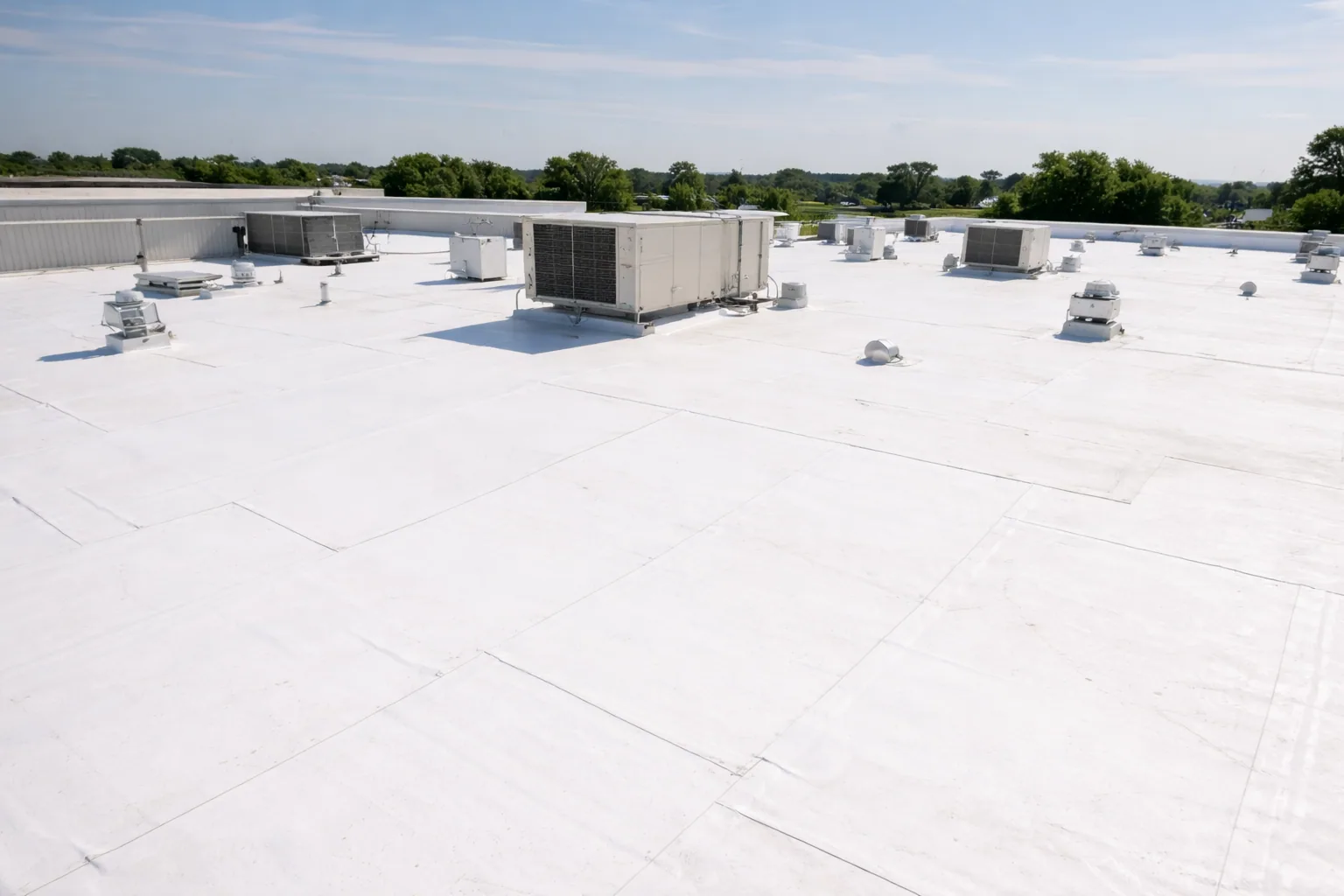
Commercial Roofing in Downtown Escondido, Escondido, CA
Service Areas · Escondido, CA
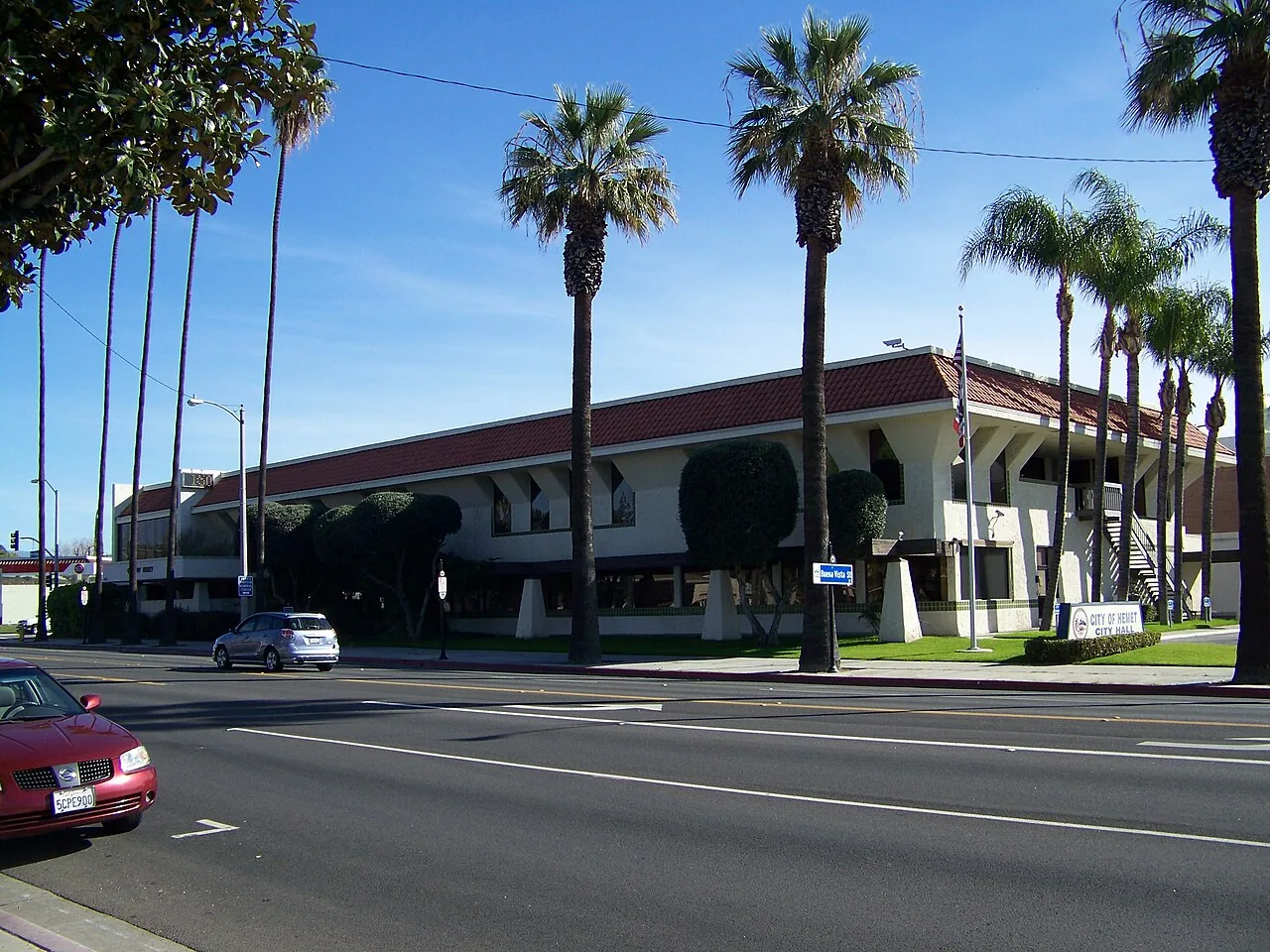
Retail, office, visitor-serving, and residential uses meet in Downtown Escondido. Roof work here starts with the building's actual assembly, occupied schedule, and approved access route. We inspect the field membrane, seams, flashings, roof edges, penetrations, and drainage before assigning a repair boundary. Grand Avenue is Downtown Escondido’s historic corridor. Its second streetscape phase, completed in June 2025, added wider sidewalks, diagonal parking, and traffic-calming roundabouts. That public work can affect a visit or staging discussion near the corridor. It does not establish access at an individual property. A commercial roof inspection records the roof condition and the limits of the walk.
What the first walk should settle
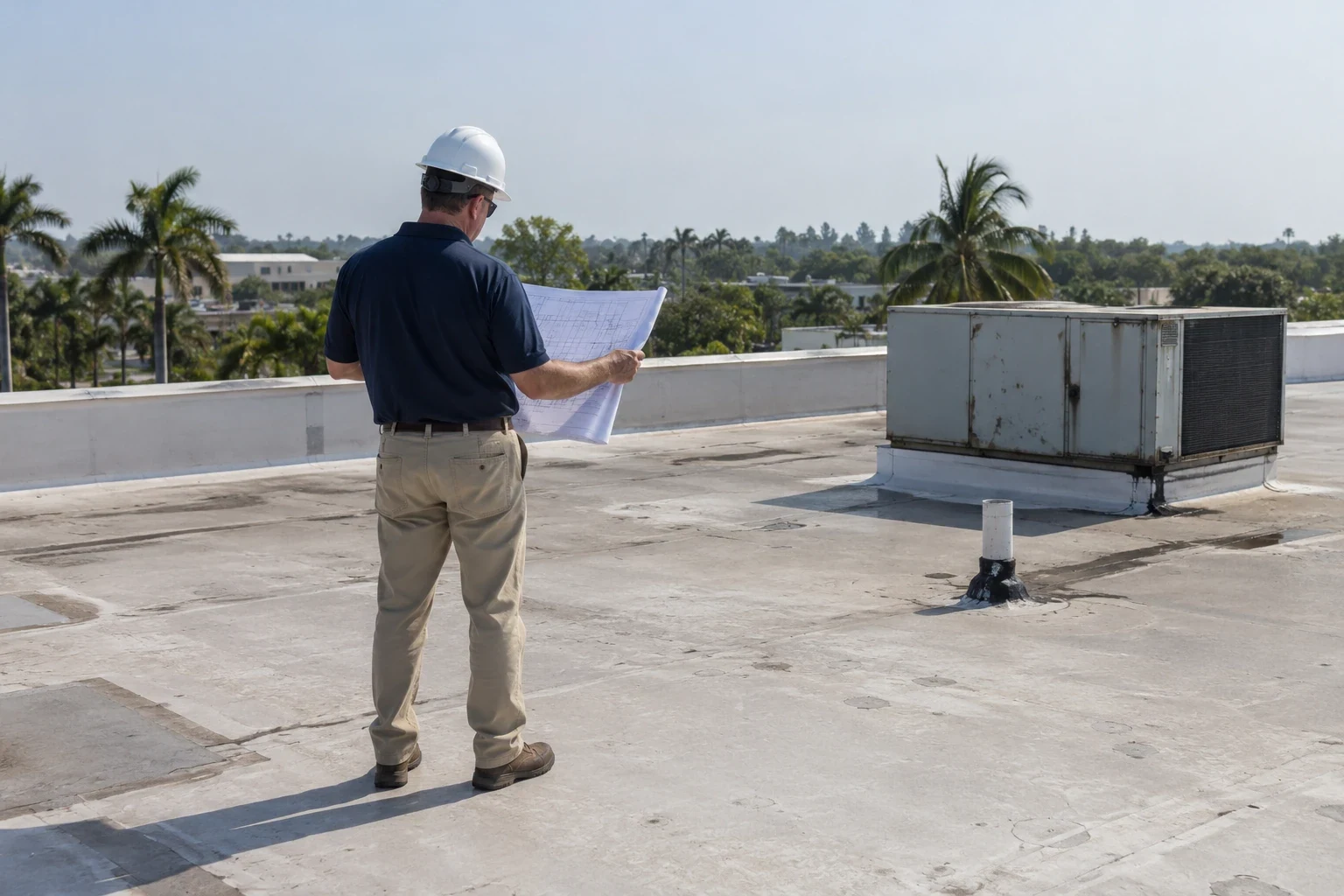
We start with reported leak areas, roof plans, prior repair records, and the person who can authorize access. On the roof, we look for open seams, split flashing, punctures, loose edge metal, blocked drains, and changes between additions. A stain inside does not identify the roof source by itself. We compare the report with accessible details and keep uncertain conditions marked for follow-up. Photos need both a close view and a wider location reference so a manager can find the spot later.
Downtown Escondido’s planned commercial mix includes retail, office, visitor-serving, and residential uses. That mix can affect interior protection, operating hours, and coordination with occupants. We note those constraints before choosing where to stage material or isolate a repair. A photo-based condition report can separate visible findings from concealed questions. If water paths need investigation, we state whether infrared review or an opening would answer the next question.
Trace a leak without guessing
Water can travel along a roof layer or structural member before it appears indoors. We document the reported room, ceiling condition, and date, then examine nearby seams, walls, curbs, drains, and penetrations. If the visible roof defect does not match the report, we extend the inspection to connected transitions rather than marking a cause prematurely. A test opening may be needed when insulation or deck condition remains concealed. The report should say what was confirmed and what remains unknown.
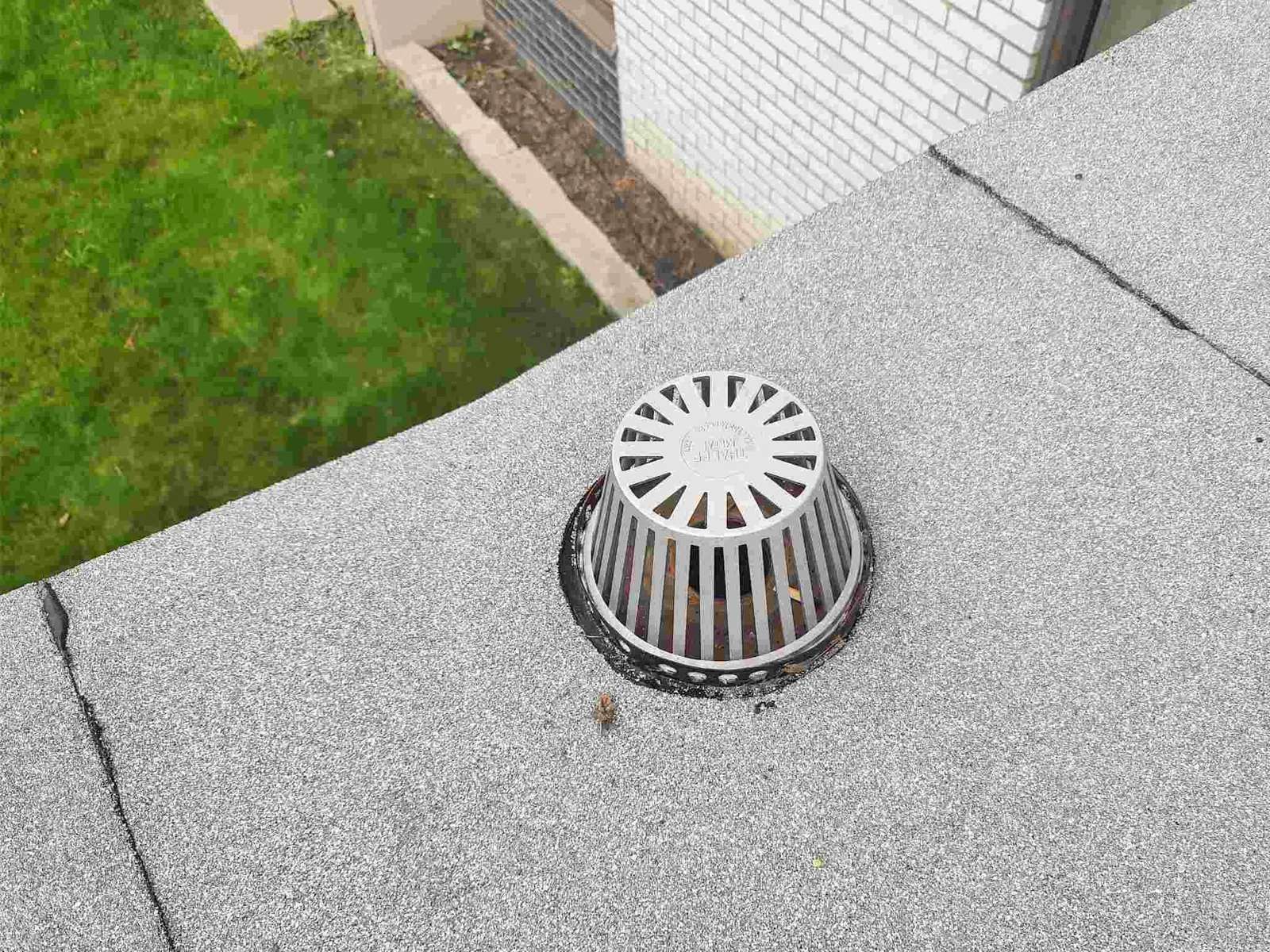
Escondido's Fire Department ties local red-flag conditions to dry Santa Ana or east winds from the northeast. That helps explain why exposed perimeter details merit attention after a reported wind event. It does not prove damage at a downtown building. We photograph displaced metal or an open flashing only when observed. A bounded flashing repair review can address the documented transition. Drainage questions may need separate drain and scupper work after flow and connection conditions are checked.
For multi-tenant properties, the building contact should select one person to collect access approvals and route occupants away from the protected work zone. Confirm whether parking, loading, or a shared entrance closes during the visit. Written notice and a clear reopen time keep a roof inspection from becoming a ground-level disruption.
Match the scope to the roof
A localized defect can remain a repair when the surrounding membrane, attachment, and substrate test sound. Repeated openings across separate zones may call for moisture mapping or broader assembly review. A recover is considered only after checking moisture, attachment, layer count, compatibility, drainage, and applicable requirements. Replacement may be the better planning path when material failure is widespread or the deck needs work. We show the observations behind each option so an owner can compare like boundaries and quantities.
Work in a mixed-use district may require phased access and interior controls. We identify the room or public area below a repair, the lift or staging point, and any schedule set by property management. An occupied-building work plan can coordinate noisy tasks, debris control, and temporary protection with operating hours. For a longer range decision, capital planning can use dated findings without setting a replacement year from age alone.
Coordinate across downtown blocks
Grand Avenue's completed streetscape phase added wider sidewalks and diagonal parking. Before a roof visit, the property contact should confirm loading access, material drop location, and any temporary limits on sidewalk or curb use. A map can orient the visit, but the property contact confirms the approved entrance, roof hatch, and fall-protection requirements. The approved entrance, roof hatch, and fall-protection requirements belong to each property. If an active leak needs protection, the property team can use its incident process and confirm safe access; permanent repair follows a separate inspection and defined scope.
When ownership is reviewing several downtown buildings, keep each plan and repair history in its own file. A shared appointment window can help coordinate roof walks, but it does not combine the findings. For each visit, identify the building contact, lift needs, rooms below the work, and time available on the roof. A proposal should name its repair boundary and any equipment or interior protection assumptions. Those details help a general contractor compare scope and schedule without assigning the same work to every property.
Downtown connects with the larger Centre City Parkway and Escondido Boulevard commercial areas. A visit near one corridor does not mean the same loading conditions apply across another. We can schedule nearby properties together when access windows align, then preserve separate roof maps and findings. Downtown connects with the Centre City Parkway commercial corridor and Escondido Boulevard commercial corridor, but access conditions still vary by building. Each building still needs an authorized contact.
Leave a record the next manager can use
A repair closeout should identify the roof zone, preparation, materials, completed detail, and any area outside the work limit. Add dated photographs and note whether the interior report changed after the repair. Do not label a concealed layer as sound unless a test established it. If follow-up is needed, identify the date and the question it will answer. These details help ownership distinguish a completed correction from a recommendation that remains open. Keep the approved proposal, work order, and invoice beside those images. If a tenant reports water again, the next reviewer can compare the same area rather than start from an unlabeled photograph. A changed pattern calls for a new field check. If another trade later crosses the repaired zone, add that activity and its date to the roof file.
Grand Avenue defines Downtown Escondido’s historic commercial area. We confirm property permissions and roof access directly with the contact responsible for the building. Send roof plans, prior reports, leak locations, and the operating calendar before the visit. We can inspect the defined area, document the findings, and prepare a practical repair or project scope. Call Commercial Roofers Escondido to arrange a site review in Downtown Escondido.
Frequently Asked Questions
Can a roof repair be scheduled during downtown business hours?
Access, noise, staging, and the area below the work determine the window. We confirm the property's approved route and operating needs, then define a work sequence. Some tasks may need a separate low-activity period.
Does the Grand Avenue streetscape define roof access?
No. The completed streetscape work is corridor context. The building contact confirms loading, staging, roof entry, and current restrictions. We record those details before setting the inspection or repair plan.
How do you trace a ceiling stain to the roof?
We document the reported room and inspect connected roof details, including seams, penetrations, walls, and drainage. If the path remains unclear, we identify the test needed. A stain alone does not establish its roof source.
When does a downtown roof need replacement planning?
Widespread moisture, repeated failures, weak attachment, or deck concerns can support a broader review. We map the affected zones and compare repair, testing, recover, and replacement options using the observed assembly.
What should we provide before a downtown inspection?
Send roof plans, past repair records, reported leak areas, access instructions, and the contact who can authorize entry. Include occupied hours and staging limits so the field route fits the property's operations.
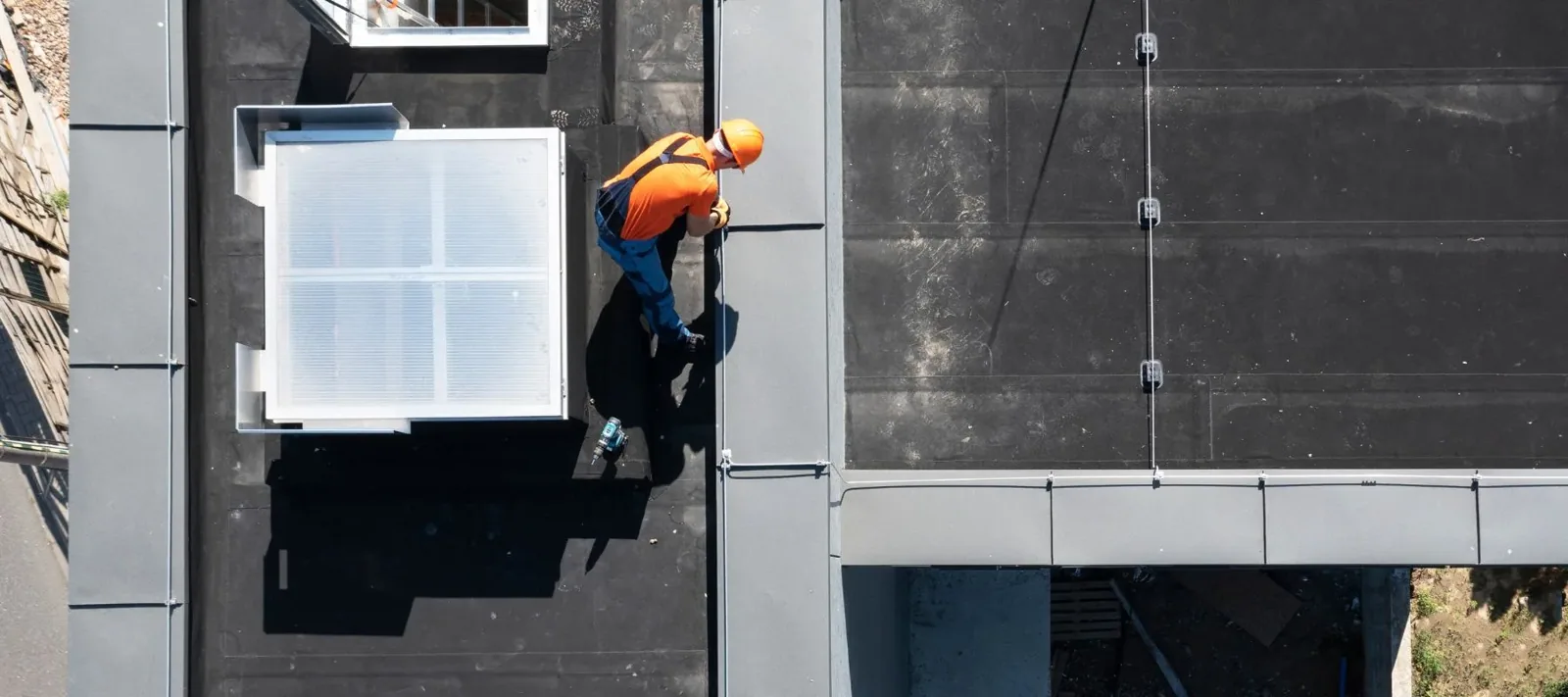
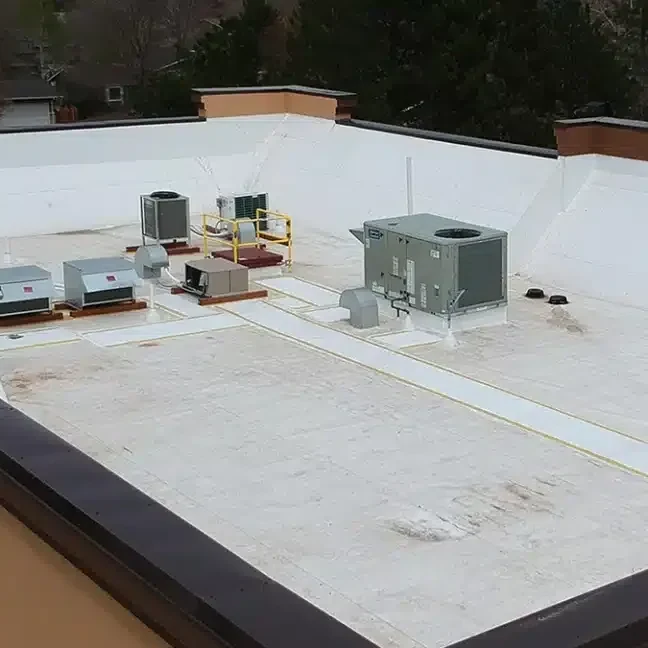

Arrange a Downtown Escondido roof review
Share the roof plan, leak locations, past repair notes, and access contact. Call Commercial Roofers Escondido to schedule an inspection and define the next scope.
Call 555-555-5555 or email [email protected].