Commercial Roofing in South Escondido Boulevard Corridor, Escondido, CA

Service Areas · Escondido, CA

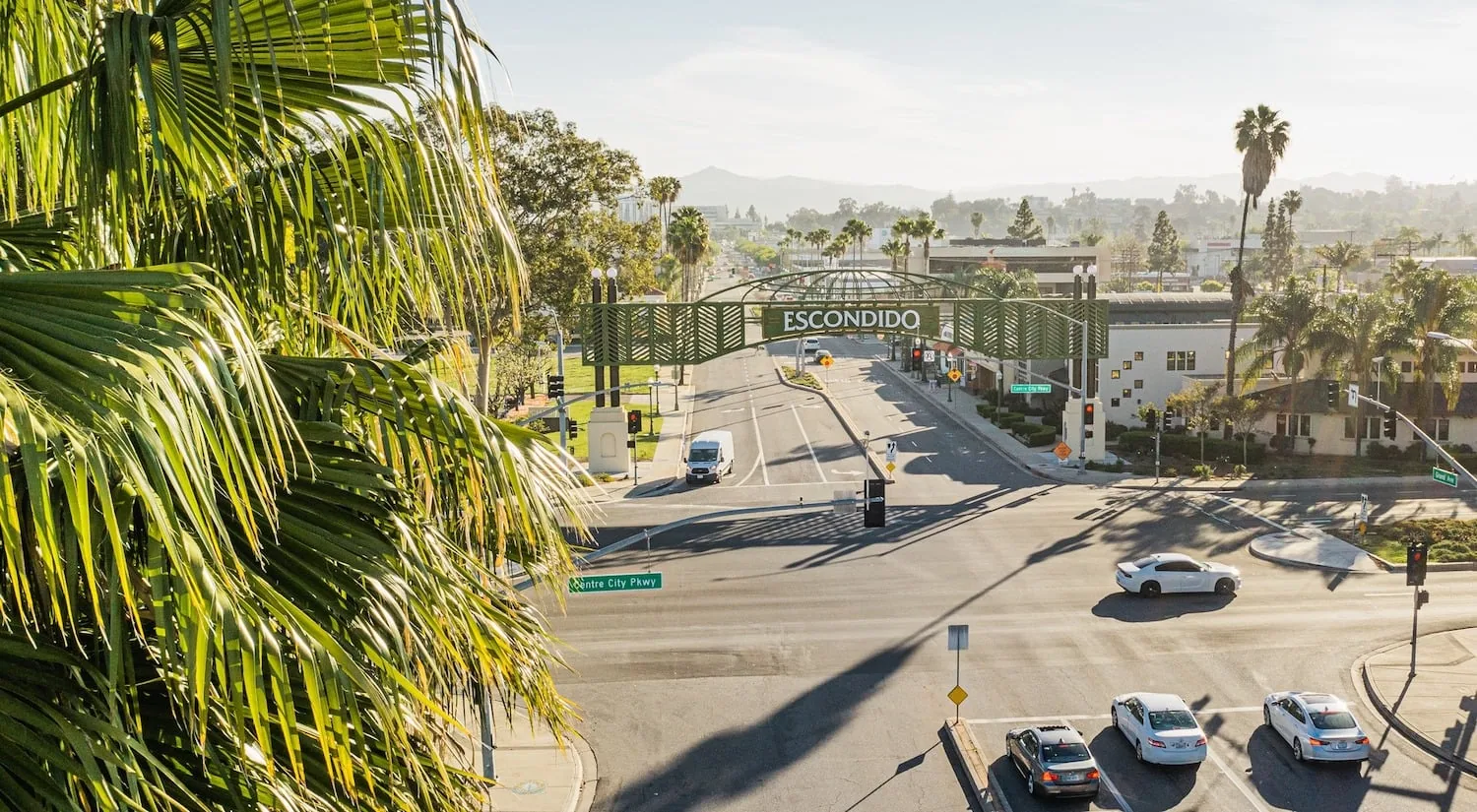
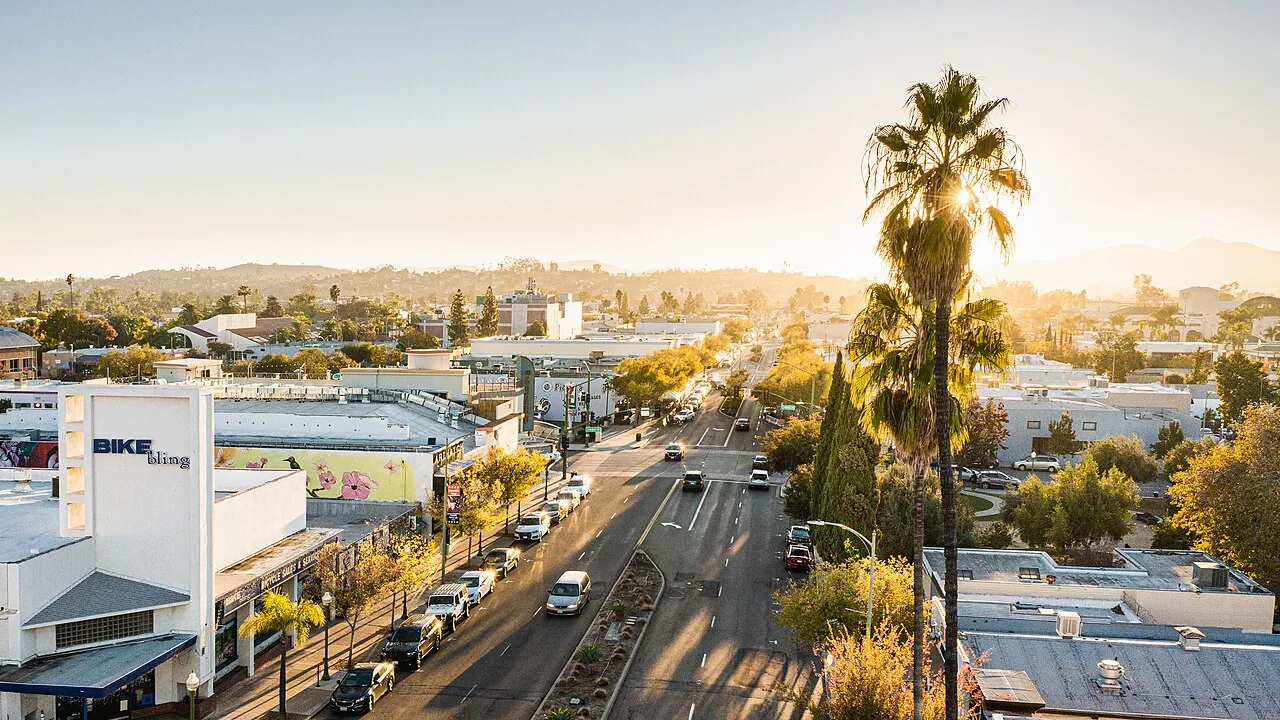
South Escondido Boulevard Corridor

A repair along a commercial corridor needs a real work boundary, not a map pin alone. The South Escondido Boulevard area extends about 2.25 miles from Fifth Avenue to the boulevard's end near Centre City Parkway and Verda Avenue. The corridor is intended to support neighborhood businesses through physical and economic improvements. Roofing work should keep active frontage and safe access in view. We start with the actual roof, then confirm the building entrance, staging space, drainage, and hours that shape the repair. Commercial activity along this corridor has a neighborhood focus, so confirm loading and customer access with each property before staging. We inspect seams, edges, flashings, drains, curbs, and prior patches before setting a scope. The owner receives a location-based finding, a repair option, and a clear point for approving hidden conditions.

South Escondido Boulevard supports neighborhood businesses, while the Centre City Parkway commercial area serves a separate mix of uses. Keep each building's roof findings and access notes on its own record. A Centre City Parkway roof visit needs its own repair boundary and staging review.

Confirm Access Along the Boulevard

Before dispatch, verify the property's actual loading area, roof entry, pedestrian path, and available parking. We schedule the access route for the building, not only the corridor span. We confirm lift placement and delivery timing with the site contact. Work near a public walk may require barriers and a protected route. The plan names who can approve a temporary detour and where materials can remain between shifts. These details affect setup time and safe access, so they belong in the proposal.

Commercial frontage and mixed-use blocks give each property a distinct work setting. Set roof limits from the building's use, access, and measured layout. If customers or tenants remain active, schedule material movement outside the busiest period where practical. A phased reroofing sequence can separate roof zones and daily closeout. Mercado Escondido forms a separate, pedestrian-oriented district of four mixed-use blocks; for a roof review in the Mercado Escondido district, confirm the property-specific entry, staging zone, and tenant paths.

Follow the Water Path Before Pricing

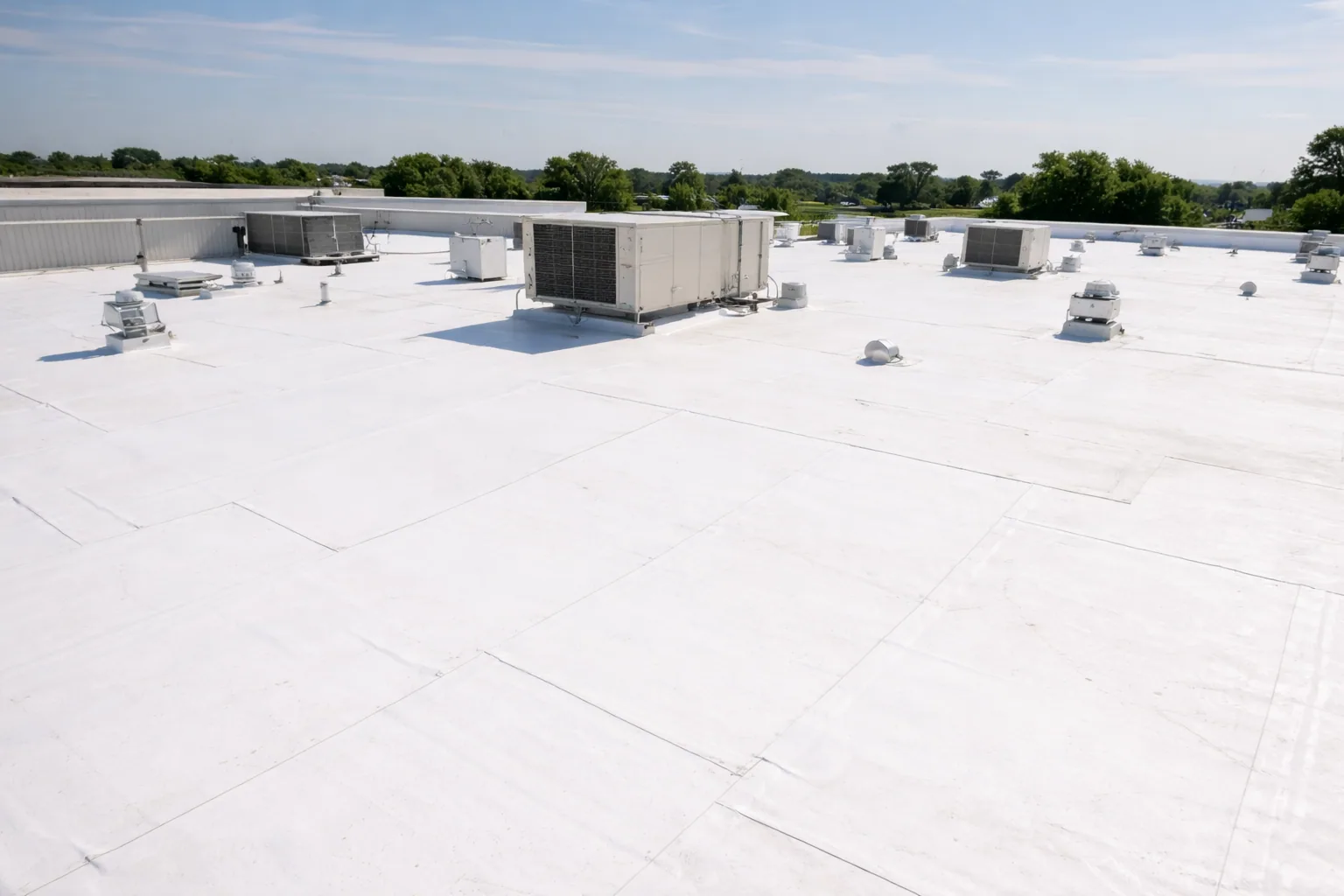
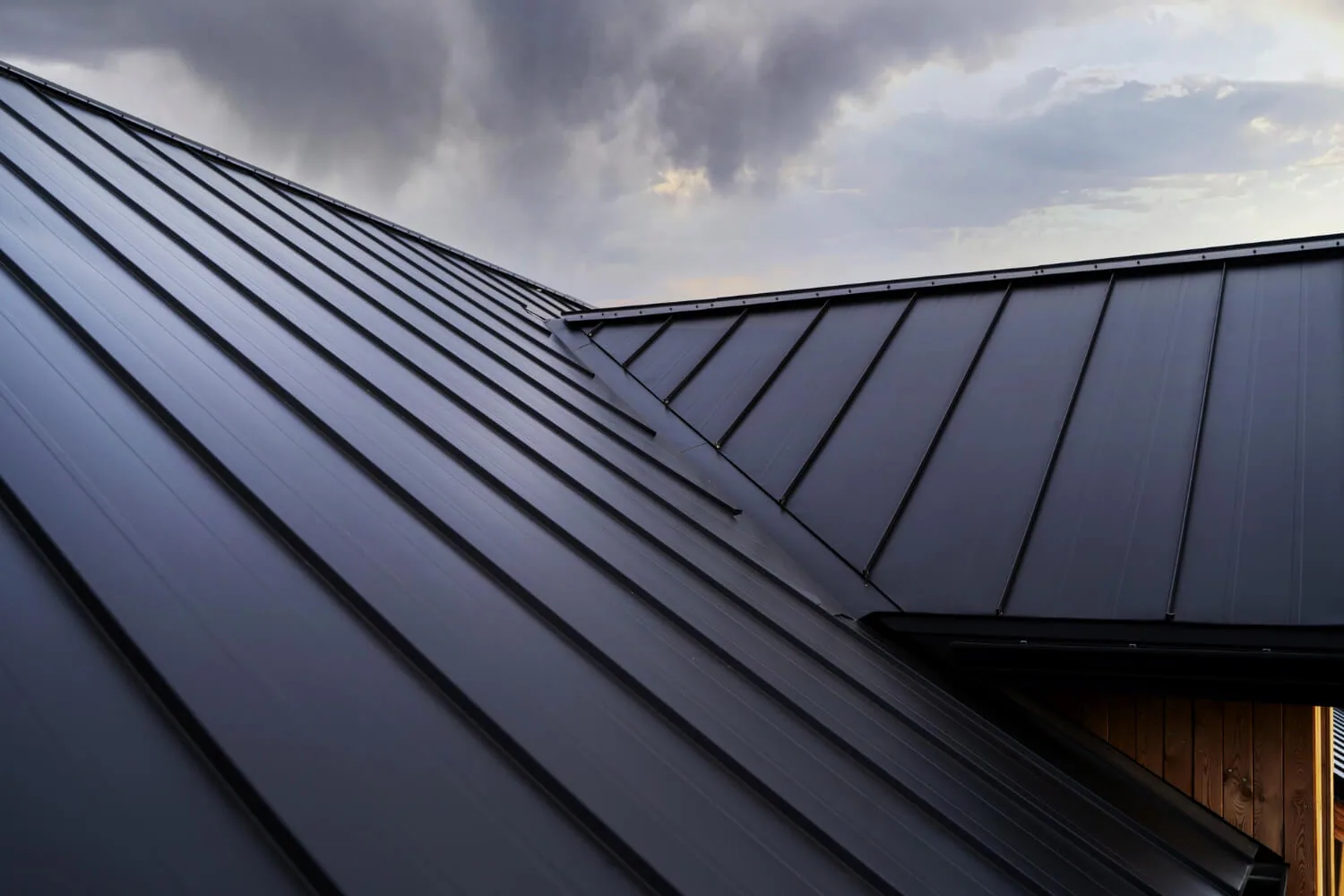
Interior water can travel from a seam, curb, wall transition, or drain before it appears below. We inspect the reported zone and adjacent details, then compare roof observations with the leak timing. On membrane roofs, check welds and patch edges. On metal, check laps, fasteners, and closures. At parapets, inspect flashing terminations and coping joints. A visible defect may be bounded, or it may connect to wet insulation beyond the first opening. The report states which condition is confirmed and whether a test opening or moisture survey is needed.

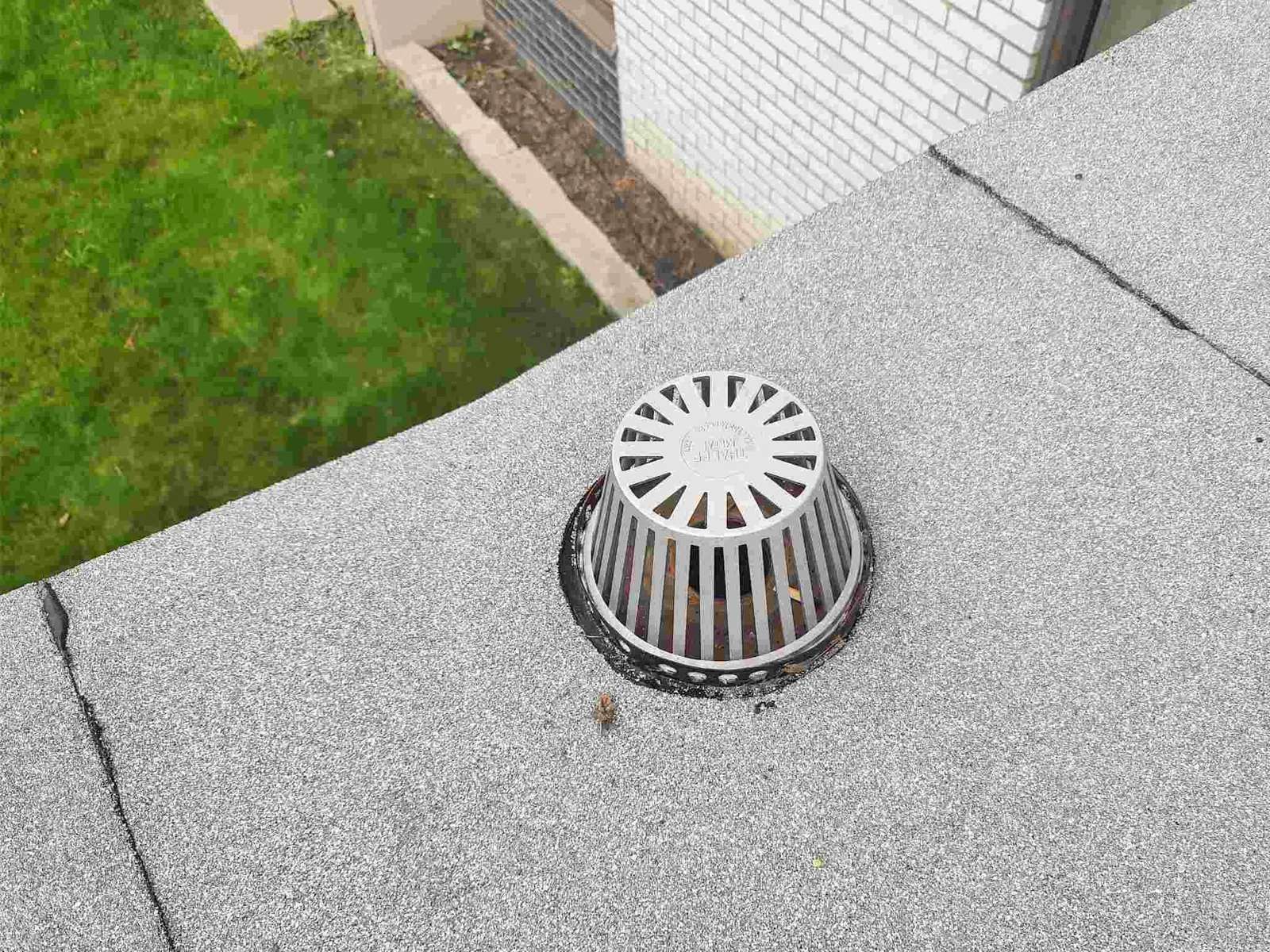
At Centre City Parkway and Verda Avenue, the corridor reaches its stated terminus. A roof defect still needs a marked building and roof-zone location. A commercial roof inspection can document the broader assembly. A drain and scupper review can distinguish blocked flow from membrane failure. We mark roof zones clearly so a later trade can find the same detail.

Inspect Edges After Dry Northeast Winds

Santa Ana or east winds can be dry, often warm or hot, and may damage property. After a reported event, photograph loose edges, open laps, and failed seals by roof zone. During the roof visit, log only observable movement, open laps, loose accessories, or failed seals, with the roof-zone location and photographs. Verify parcel-specific hazard requirements independently before work that could involve ignition sources.

Some Escondido parcels fall in moderate, high, or very-high wildfire zones. High and very-high classifications carry ignition-resistant requirements for new construction. Confirm requirements for the property and project before any hot work. A wind damage repair review can record exposed details, while a condition report preserves photos and follow-up items. The owner can then compare repairs against the documented roof condition.

Compare Repair Size with the Roof Condition

A loose flashing edge or isolated seam defect may support a local repair when nearby material remains sound. Repeated leaks, wet insulation, weak attachment, or deck deterioration can require wider investigation. We identify the evidence behind each option. Temporary protection remains separate from permanent correction. A replacement scope lists removal, insulation, cover board, membrane, attachment, drains, penetrations, and edge metal. Each item changes labor, material, and access needs. The owner can compare a bounded repair with a larger project without treating age alone as a replacement trigger.

A recover can fit only when moisture, layer count, drainage, compatibility, attachment, and applicable limits support it. If the roof includes additions, we map their conditions separately. A commercial roof repair scope can define a local boundary. The East Valley Parkway commercial district runs roughly two miles between Hickory Avenue and Citrus Avenue. Keep that target distinct when setting access and work sequence for a South Escondido property.

Set the Work Window with the Site Lead

Agree on the start condition, weather hold point, roof access, tenant notice, and end-of-shift dry-in before opening the roof. Identify who protects merchandise, equipment, or occupied rooms below. A change in wind or unexpected moisture may require a pause. The work record should show who was notified and what condition restarts the sequence. For multi-trade projects, confirm responsibility for moving rooftop units and restoring penetrations. Keep roof openings under the contractor's control until secure.

Work near active entries or public walks should account for deliveries and site circulation. Confirm the route, barrier location, and roof access with the property contact. A perimeter metal review can identify work at terminations and coping. West Mission Avenue covers 19 acres and encourages reuse of existing retail space; roof access and condition still need a separate property review.

Frequently Asked Questions

Where does the South Escondido Boulevard corridor run?

The corridor stretches about 2.25 miles from Fifth Avenue to Centre City Parkway and Verda Avenue. A roof visit still requires the property's exact access and staging details.

What sets the scope for a corridor roof repair?

The roof assembly and observed defects set the scope. We check records, mark visible seams, flashings, drains, edges, and prior repairs, then identify any test or access approval needed before pricing.

What changes the timing of a boulevard roof repair?

Access, lift placement, deliveries, tenant hours, weather, and the extent of concealed moisture can affect timing. We state the work window and any approval point before mobilization.

Can wind-related repair work be limited to one edge?

It can when inspection shows the issue is bounded and surrounding attachment remains sound. We check adjacent corners, coping, seams, and flashing, then define what is included and what needs monitoring.

What should the owner provide before scheduling?

Send roof plans, leak records, prior repair notes, site hours, and access instructions. Identify the person who can approve a test opening or scope change so the crew can keep the work sequence clear.

Arrange a South Boulevard Roof Inspection

Share the affected roof area, access rules, operating hours, and prior repair records. We will document the assembly and prepare a repair scope tied to field findings. Call to schedule a visit.

Call 555-555-5555 or email [email protected].

Call us555-555-5555