
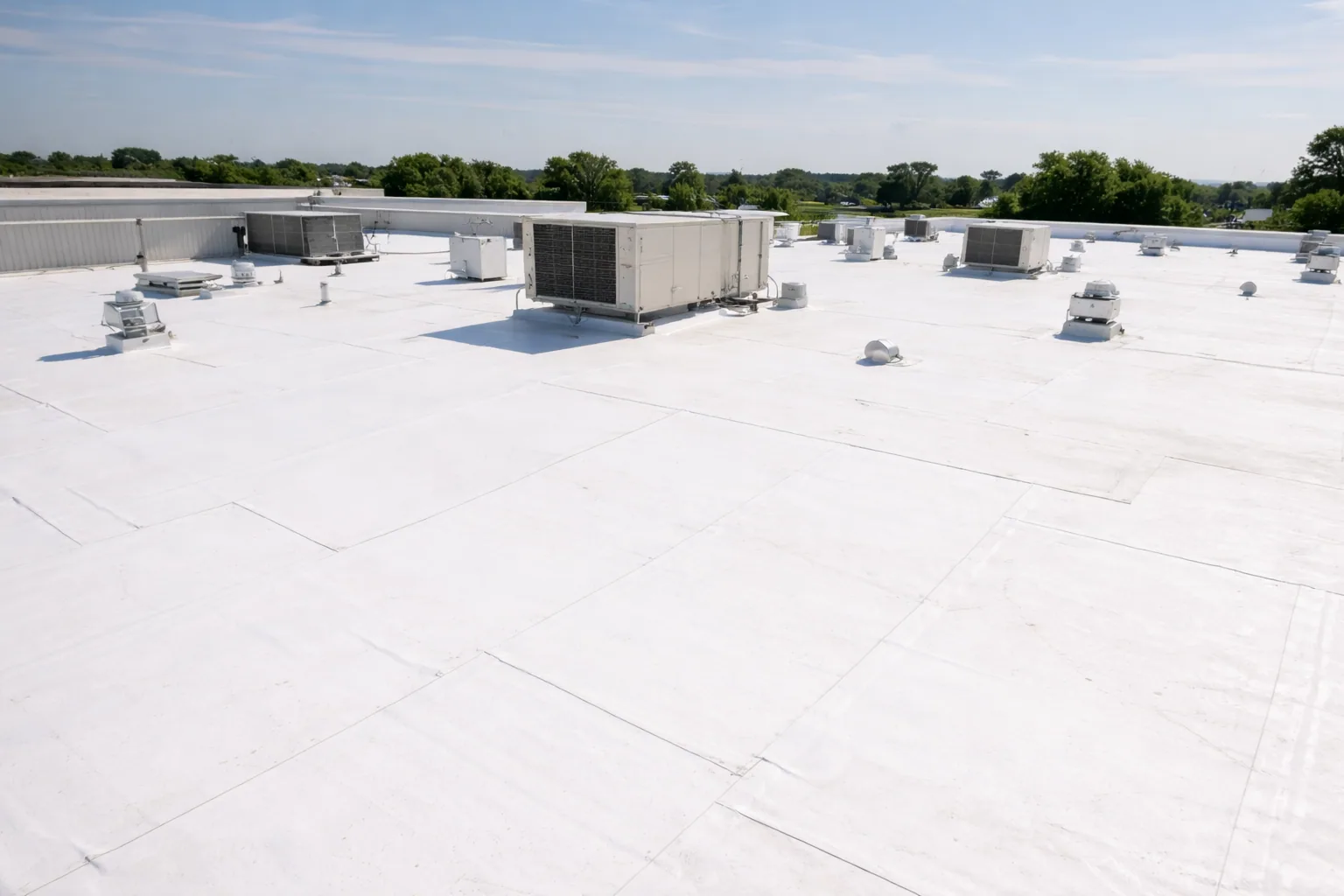
Built-Up Roofing in Escondido, CA
Roof Systems · Escondido, CA
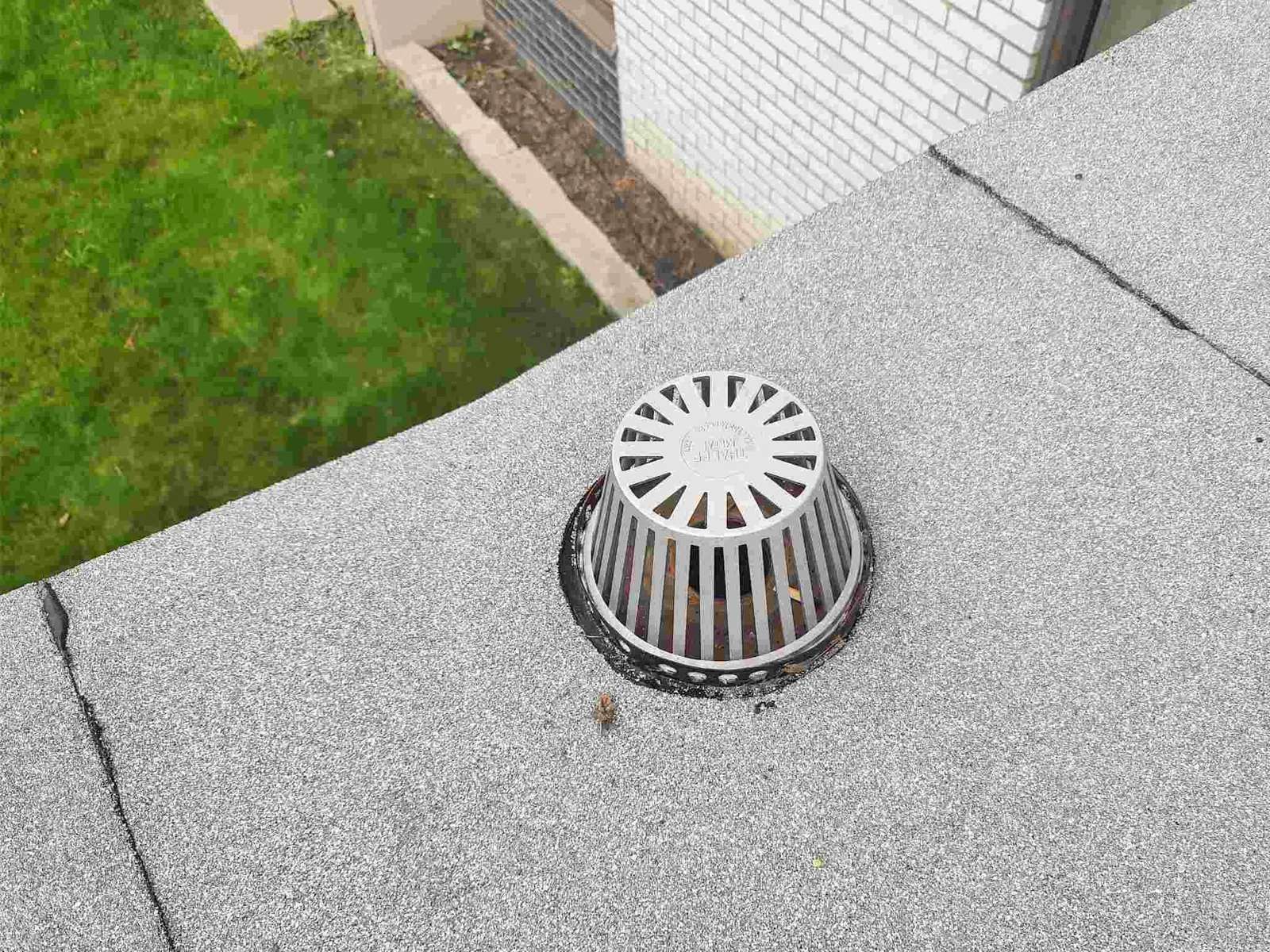
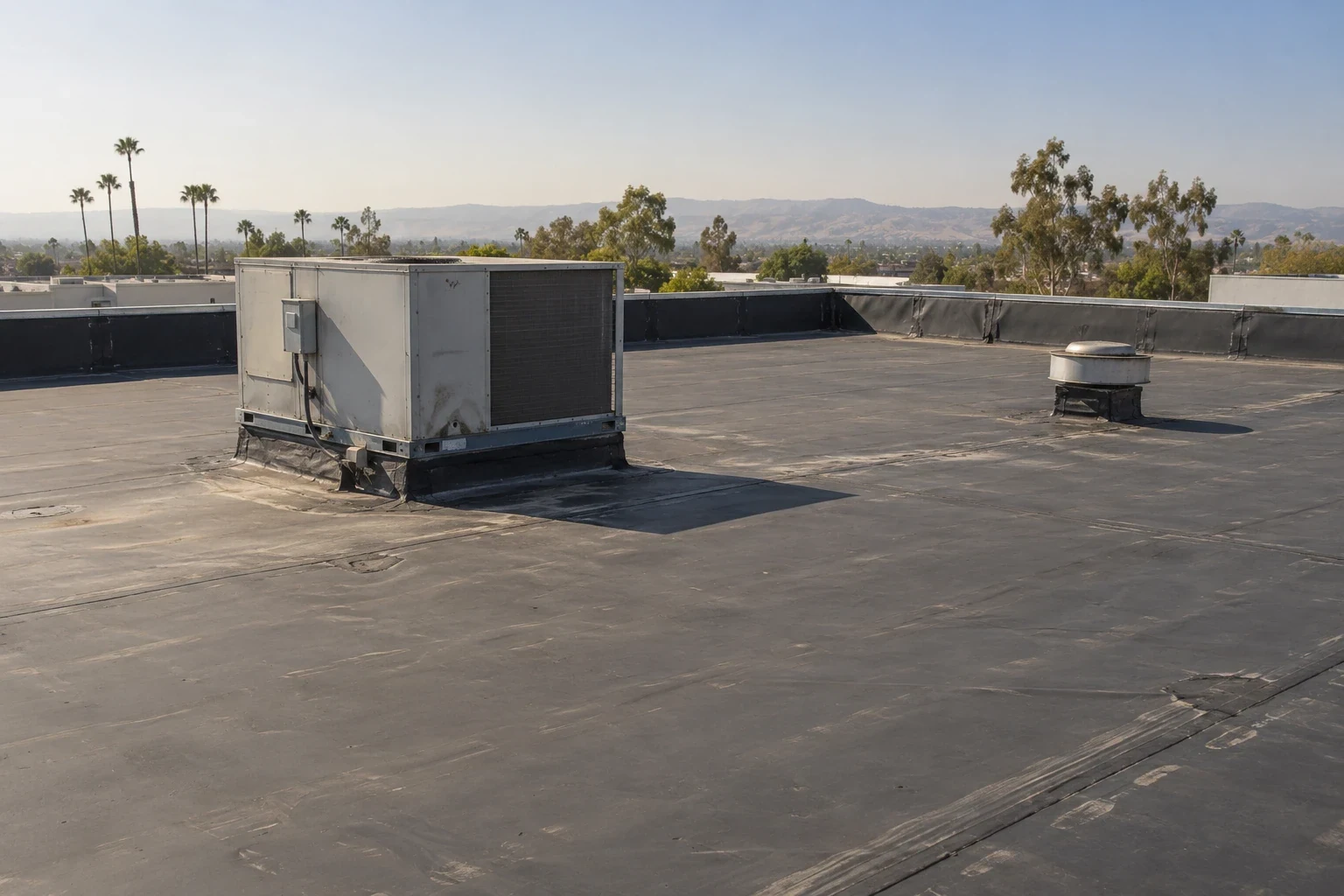
A worn cap sheet near a drain can hide several different conditions. We identify the built-up roof layers before pricing the patch. The review covers surfacing, ply edges, flashing, drainage, and any evidence of trapped moisture. Escondido's dry Santa Ana winds can be warm or hot, putting exposed perimeter details on the same inspection list. City plans identify manufacturing, office, technology, and shopping uses across employment areas. That mix affects access and work hours, not the roof assembly. The general contractor needs quantities tied to a marked zone and a clear allowance for what remains concealed.
Built-up roofing uses multiple bitumen and reinforcing-fabric plies, often finished with surfacing. The stack-up may vary between additions or past repairs. We check the roof edge and existing records before specifying another layer. A sound repair starts with a known receiving surface and a closure detail that can be inspected.
Ply Count and Surface Condition
We inspect blisters, ridges, splits, alligatoring, exposed felt, loose granules, and open flashing transitions. Surface wear by itself does not tell us whether moisture reached the insulation. We probe where the cap and plies separate, then compare the result with interior reports and drainage paths. A test opening can establish the layers at one location. The written record marks that point and keeps it distinct from untested sections.
Built-up additions can meet at a curb or parapet with a change in slope and thickness. We map the tie-in before placing a repair quantity. A roof inspection can document seams, wall flashings, drains, and penetrations. Infrared patterns can help prioritize a test opening when readings need confirmation. We also check whether old coating, gravel, or patch material has to be removed before a compatible repair can bond. That preparation belongs in the labor quantity, not as an assumed extra after mobilization.
Drainage and Flashing Transitions
Water follows the roof's low points, not the route suggested by the stain below. We check drain bowls, sumps, scuppers, and adjoining slopes for debris or ponding. A raised patch can interrupt flow. So can a shifted drain ring or a blocked downspout. The scope separates drainage corrections from membrane repairs when each needs different material or trade work. Photos identify the location from both roof level and a wider reference.
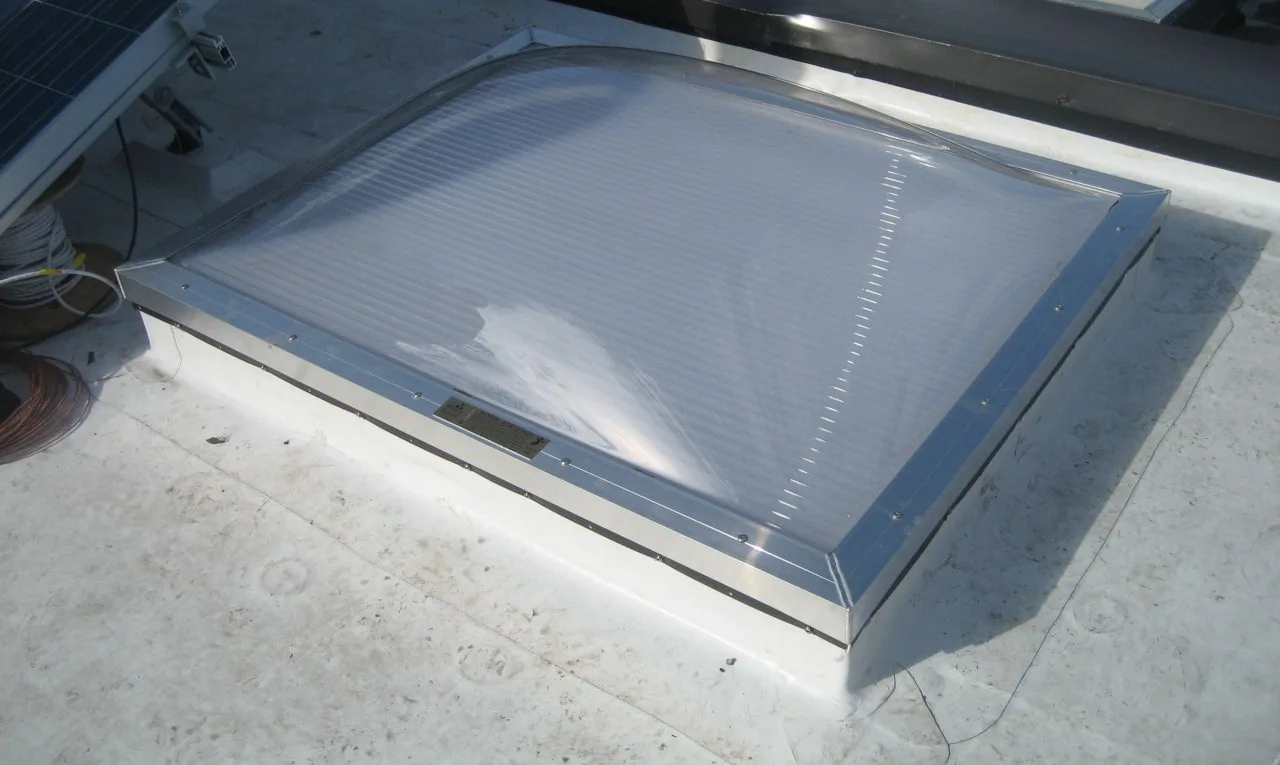
At curbs and walls, each ply needs a secure termination. We inspect inside corners, counterflashing, pitch pockets, and equipment supports for movement or open laps. Drain and scupper service can address the water path, while penetration flashing work covers curb and skylight transitions. Escondido planning names the Centre City Parkway Commercial Corridor as an area for coordinated retail, office, visitor-serving, and residential use. Occupancy and delivery rules there remain property-specific.
Patching a Layered Assembly
A localized split with dry, stable plies may support a patch. We remove loose surfacing, expose the receiving area as needed, and rebuild the layer sequence. The repair scope states the reinforcement, bitumen, cap material, flashing tie-in, and finished surfacing. We do not price a broad coating as a substitute for an open or unsupported ply. If water has traveled under the assembly, we test the area before closing it.
Granulated cap sheets, smooth-surfaced plies, and gravel-finished roofs need different preparation. A contractor should know whether hot work is allowed and how the building will be protected. Escondido's fire department notes that dry weather and strong Santa Ana or east winds can increase wildfire spread during red-flag periods. We set the hot-work sequence from current conditions and site controls. The repair record includes the boundary and any follow-up needed after a temporary close.
Layer Retention and Replacement
Adding a layer increases assembly height and load. Existing moisture, attachment, deck capacity, drainage, parapet height, and applicable limits all matter. We identify what supports retaining the roof and what still needs testing. If the system contains several prior additions, removal may be the more direct option. The proposal should state quantities for tear-off, disposal, insulation replacement, and new membrane, rather than burying them in one line.
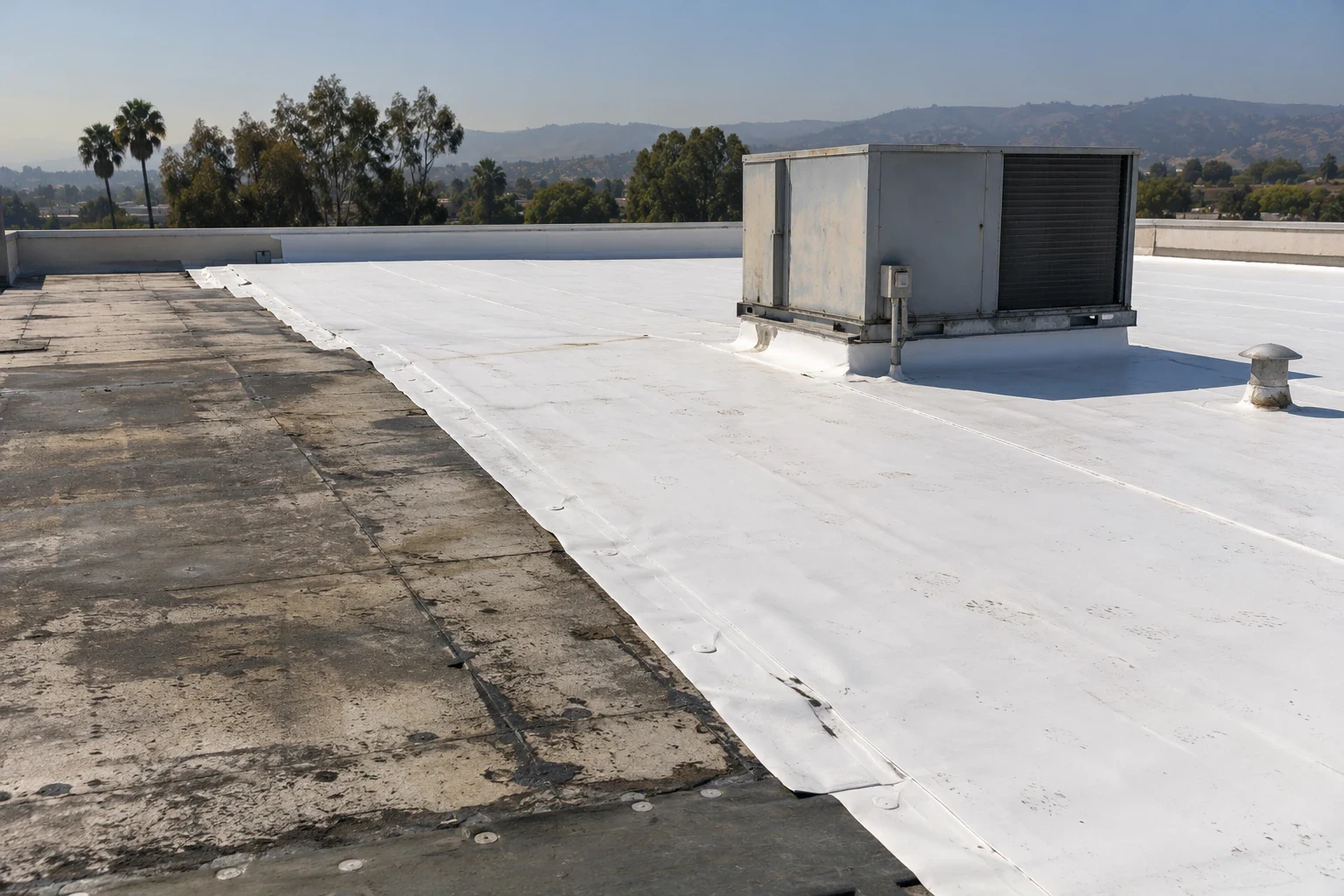
Different low-slope systems use different seams and tie-ins. A modified-bitumen assembly maintains a multi-ply approach, while a rubber membrane roof relies on its own sheet and seam details. Neither label replaces a condition review. For an overlay, the recover feasibility scope should include test locations, added height, drain adjustment, and edge securement. An owner can compare that work against a full replacement by zone.
Site Access and Material Handling
Gravel or multiple plies can change loading and cleanup. We plan how material reaches the roof, where tear-off moves, and how debris is protected from occupied areas. The superintendent confirms loading capacity, hatch limits, working hours, and any route shared with tenants. Hot-work controls, fire watch, and a safe stop point should be agreed before the crew starts. Each open section needs a same-shift closure or a documented temporary detail.
Santa Ana winds occur most often from September through May and may arrive warm or hot and dry through regional passes. That regional fact supports planning ahead, but current conditions decide the daily sequence. The Escondido Boulevard Commercial Corridor is part of the city's business geography; individual site access still comes from its facility contact. A photo condition report can carry measurements, test points, and closeout images into the owner file. Arrange the roof walk with leak records, prior repair scopes, and a decision date. We will return a defined work sequence and budget window.
Haul-off and protection quantities should follow the actual tear-off depth. If ballast or debris must move before work, record who stages and disposes of it. A crane, hoist, or rooftop conveyor changes the access plan and the labor window. We list those assumptions separately so a bid comparison reflects the same sequence. If the building remains occupied, protect the areas below each daily work limit.
Frequently Asked Questions
How many roof layers does a built-up system have?
The number can vary across a roof, especially where additions meet. We inspect an exposed edge or approved test opening and record what appears at that location. One test does not set the layer count everywhere. The proposal marks confirmed areas and separates any remaining question.
Can we patch a gravel-surfaced built-up roof?
The repair needs a prepared receiving surface and a compatible rebuilt detail. We remove material as needed, check the plies, and specify how the finished area is surfaced. If moisture or loose layers extend beyond the opening, testing sets the next boundary. A cover of mastic alone does not restore the assembly.
When does a built-up roof need removal instead of another layer?
Wet insulation, unstable attachment, too many existing layers, poor drainage, or insufficient edge height can weigh against a recover. We map test results and review the deck before recommending retention. Removal quantities should be visible in the comparison. The owner can then compare full system costs and schedule impacts.
What should the crew coordinate before hot work?
Confirm site controls, fire watch, combustible protection, occupied routes, and the area that can be closed before the shift ends. Current weather can change the planned work window. We coordinate material handling with the superintendent and document temporary protection where permanent closure must wait.
Which records help us scope a built-up roof repair?
Roof plans, prior core reports, leak logs, patch invoices, and known additions provide a useful start. We check those records against exposed edges and current conditions. Drainage trouble and past equipment changes should also be marked. The scope keeps documented facts separate from assumptions.
Map the Built-Up Roof Layers
Send roof plans, leak notes, past repairs, and access rules before the review. We will identify the assembly and compare a bounded repair with recover or removal. Call to set an inspection window.
Call 555-555-5555 or email [email protected].