
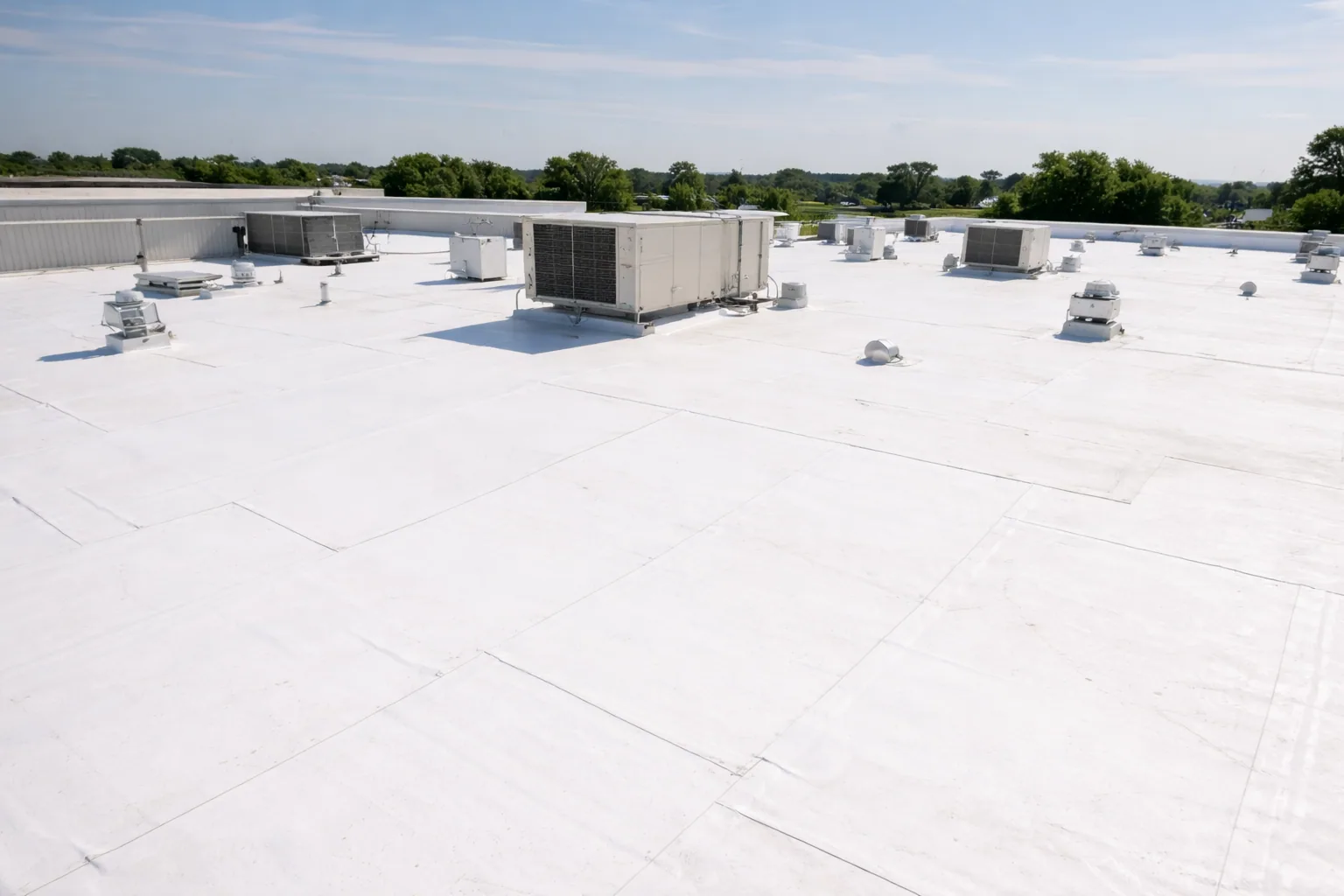
EPDM Roofing in Escondido, CA
Roof Systems · Escondido, CA
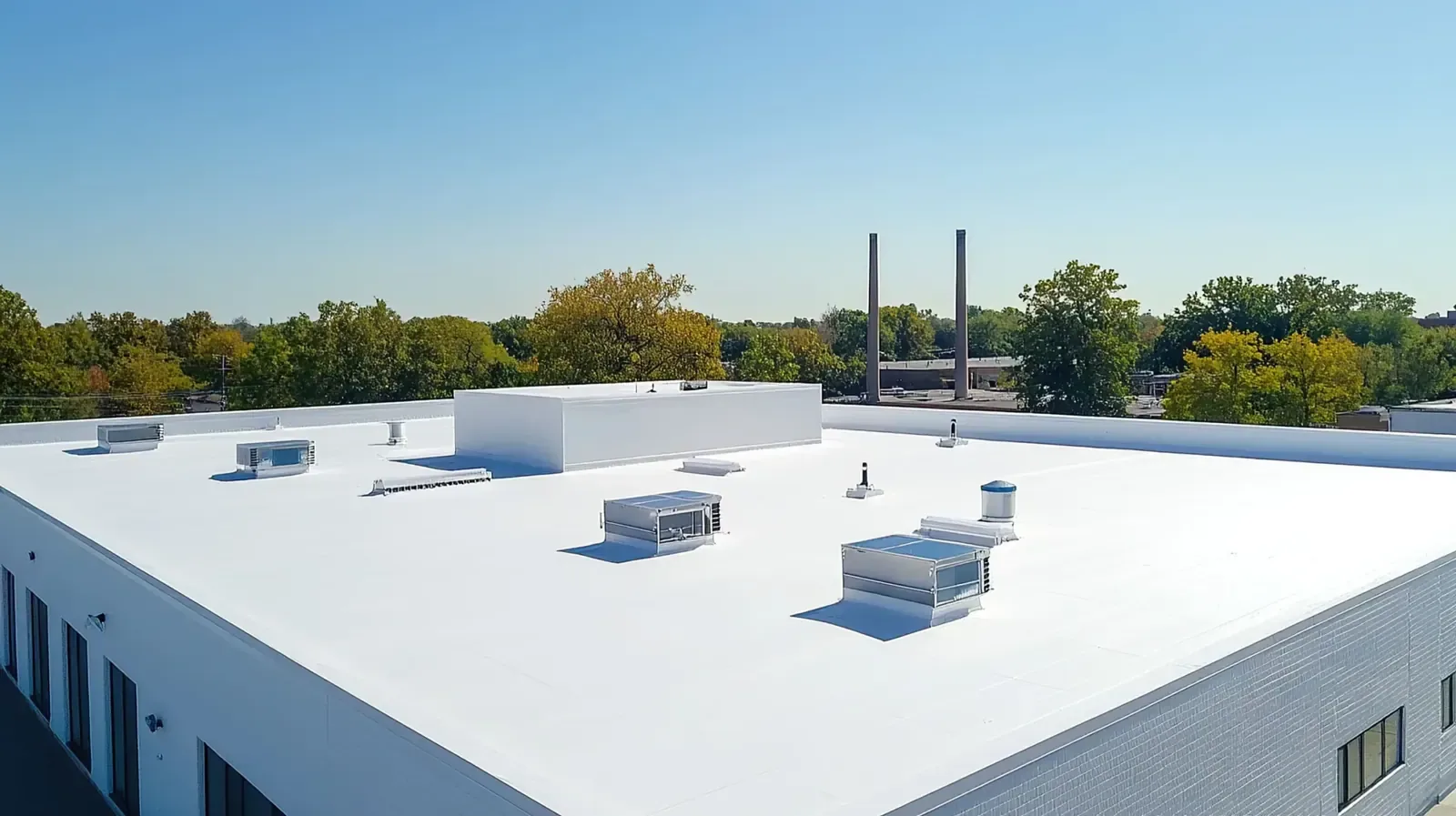
A lifted EPDM seam may pull at the adhesive, the flashing, or both. We check the connection before closing it again. The scope also needs the roof zone, nearby penetrations, and the condition of the surface. In Escondido, dry Santa Ana winds can be warm or hot, which makes edge movement and loose metal worth checking during the same visit. City planning identifies Downtown and the Escondido Boulevard corridor among commercial areas. Those locations do not tell us which membrane a building has. We confirm the field sheet and attachment directly, then compare a bounded repair with broader options.
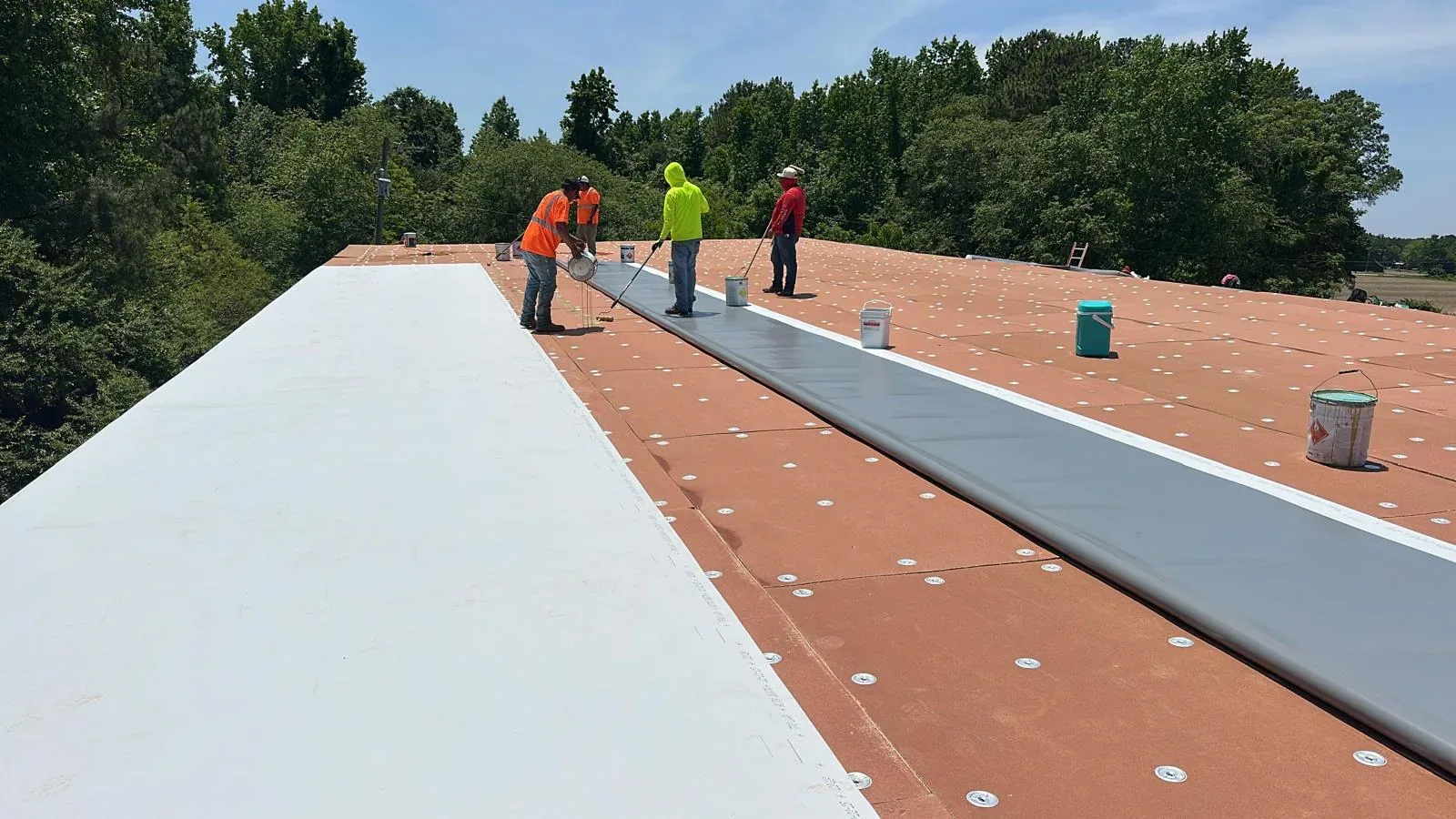
EPDM is a synthetic rubber membrane often installed in adhered or mechanically attached assemblies. Seams may use tape or adhesive systems, depending on the roof. The right repair method follows the material already there. We inspect laps, wall flashings, drains, curbs, and old patches. The written scope identifies what can stay, where removal is needed, and what should be retested before work begins.
Sheet, Seam, and Substrate
We look for open laps, fishmouths, punctures, shrinkage, displaced flashing, and repairs with different materials. A seam that has opened at one end may still have a sound bond farther along. We mark the limit and inspect the adjoining sheet before cutting. Adhesive residue, coatings, or surface contamination can affect a new bond. The work plan should identify how the substrate will be prepared and how the finished lap will be checked.
Interior staining provides a starting location, not a complete roof map. Water can travel under membrane or insulation before appearing below. We compare the report with roof slopes, drains, curbs, wall transitions, and previous repair records. A selective core may show whether insulation is wet at a chosen point. An inspection record ties those observations to an identifiable zone, while a moisture survey can help choose a test location.
Bonded Seams and Flashing Details
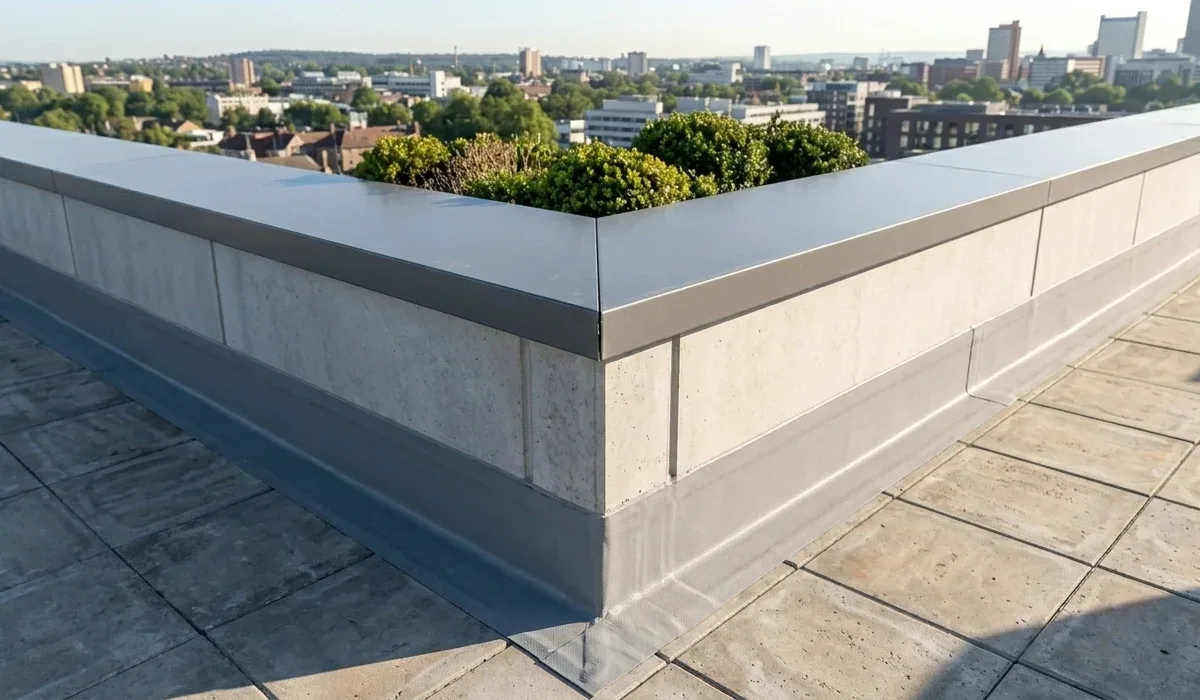
EPDM repairs depend on compatible materials and clean preparation. We remove loose material, prepare the surface, and fit the patch or flashing with the required overlap. Corners, wall terminations, drains, and curb bases often need shaped details rather than a flat cover. The proposal should specify the membrane type, seam approach, primer or adhesive where required, and the inspection method at closeout. Sealant alone does not rebuild a failed connection.
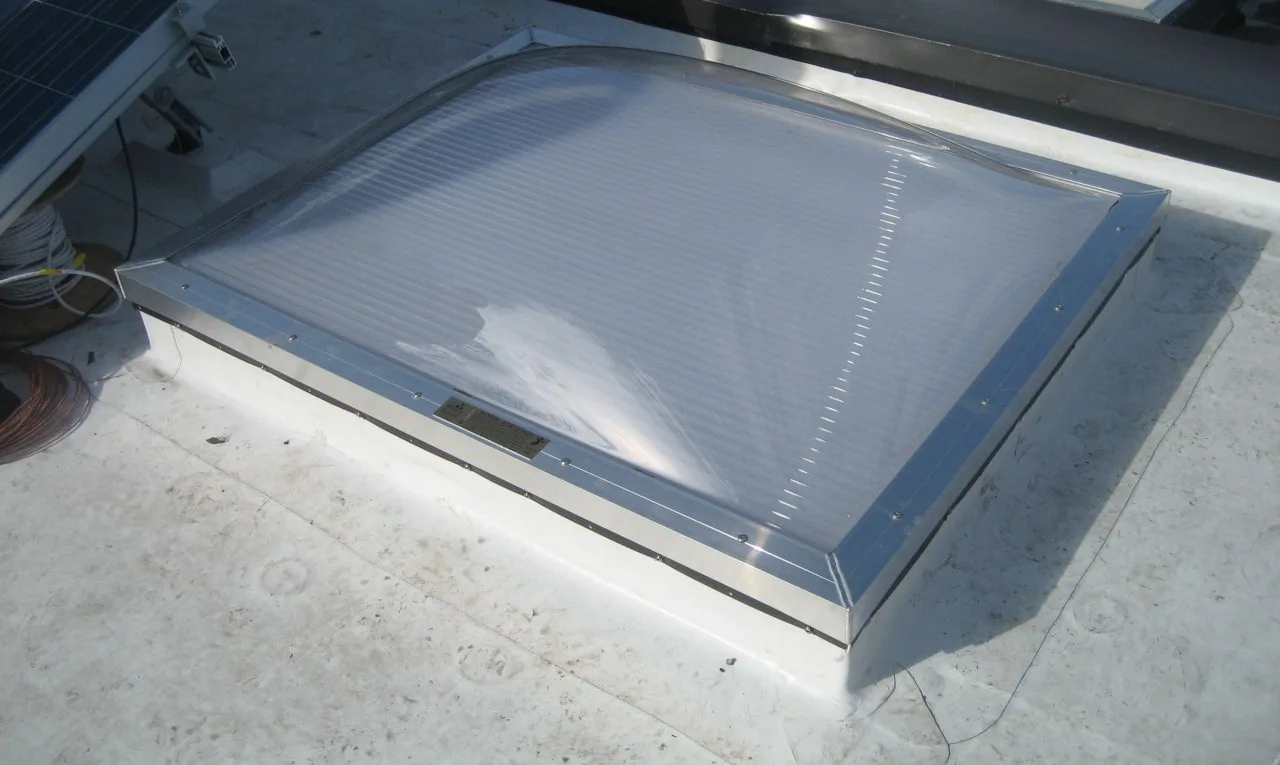
Equipment changes can leave unsupported edges, exposed fasteners, or multiple layers around a penetration. We identify whether another trade must secure or reset the equipment before flashing work. At drains, we follow the membrane into the bowl and check the path to the outlet. A penetration detail review can cover curbs and skylights. For perimeter concerns, edge-metal repair may need a separate quantity and access plan.
Roof Access and Weather Windows
Adhesive and tape work needs suitable surface conditions. We plan when the area can be cleaned, dried, prepared, and closed without leaving an open edge. The building contact confirms hatch access, escorts, working hours, deliveries, and protection below. If a tenant or line cannot stop, we select a zone that can be isolated and finished safely. Temporary protection is documented with its location and the follow-up it requires.
Escondido's fire-safety information describes red-flag conditions involving dry weather and strong winds, with Santa Ana or east winds commonly contributing. Conditions vary by day and parcel. We check current weather before choosing a work window. The city's 2025 map also classifies portions of Escondido across several wildfire hazard levels, with ignition-resistant standards for new construction in high and very-high areas. Those requirements do not automatically dictate every repair. We verify the project scope before specifying work near Downtown Escondido or another district.
Repair Limits and System Choices
A sound sheet with one isolated opening may take a localized patch. Repeated lap failures, widespread shrinkage, wet insulation, or a deteriorated deck can require a larger correction. We compare repairs with recover and replacement using the same roof area. A recover depends on dry and stable existing layers, attachment, deck capacity, drainage, code, and details at edges or curbs. If any of those conditions remain unknown, the proposal identifies what testing will resolve them.
EPDM differs from heat-welded systems because seams rely on different joining materials and preparation. TPO membrane work uses welded laps; a modified-bitumen assembly has its own layer and tie-in requirements. The comparison should include substrate, access, repairs, and future maintenance. No system label alone establishes the best fit. We present the assembly details the owner can price and the conditions that could alter the work.
Evidence for the Work Order
Send roof plans, leak history, past patches, warranty documents, and known equipment changes before pricing. We check those records against visible conditions. The scope should name each roof zone, seam length or repair location, flashing work, preparation, and completion check. Concealed insulation and deck conditions need a clear approval step. Photos should link the close detail to a wider roof reference.
Escondido planning materials identify employment uses near the Research and Technology Center and planned offices around the Felicita Road and Interstate 15 interchange. Those plans are not roof-condition records. They remind us to confirm site operations and access with the facility contact. A recover review can help compare an overlay with removal, and a documented condition report can preserve the basis for the bid. Arrange an inspection with the roof contact and a decision date. We will define the next scope and budget window.
Budget changes when the repair boundary grows past the first visible opening. We separate planned seam work from concealed conditions that need approval. A unit or allowance can cover clearly bounded unknowns, but it must name the trigger for using it. Keep access, disposal, protection below, and any required trade reset in separate quantities. That gives the project team a direct comparison when the roof findings arrive. If the owner has a fixed shutdown period, identify it before choosing a temporary detail or permanent tie-in. The work sequence should leave each opened area secure before crews move to another zone.
Frequently Asked Questions
How do you patch an EPDM seam without trapping a problem beneath it?
We check the existing bond, nearby sheet, surface contamination, and moisture before laying a patch. The repair boundary includes material that can accept a compatible tie-in. If the substrate is wet or unstable, we identify the opening needed to resolve it. The closeout record shows the prepared area and completed lap.
Will a coating repair an aging EPDM roof?
A coating is considered only when the membrane, substrate, adhesion, and details suit the selected system. We inspect and test the surface first. Loose seams, wet insulation, or deck damage need separate correction. The proposal should identify preparation and the areas excluded from coating.
What does a recover add to the EPDM assembly?
It adds weight and height, and it changes edge, drain, and curb conditions. We review existing layers, attachment, moisture, deck, drainage, and applicable requirements before recommending an overlay. If layers cannot remain, removal belongs in the comparison. The work scope states what is retained.
How can wind affect the EPDM roof details?
Wind exposure can stress perimeter metal, terminations, corners, and flashings. We inspect those locations and look for movement or separation. A regional weather pattern does not prove damage at a specific building. Repair limits come from the observed assembly and condition.
Which records help before an EPDM inspection?
Roof plans, prior repair invoices, leak logs, warranty information, and access rules help us focus the visit. Note equipment changes and areas that cannot be entered. We compare each record with the roof and mark any conflict before pricing a permanent scope.
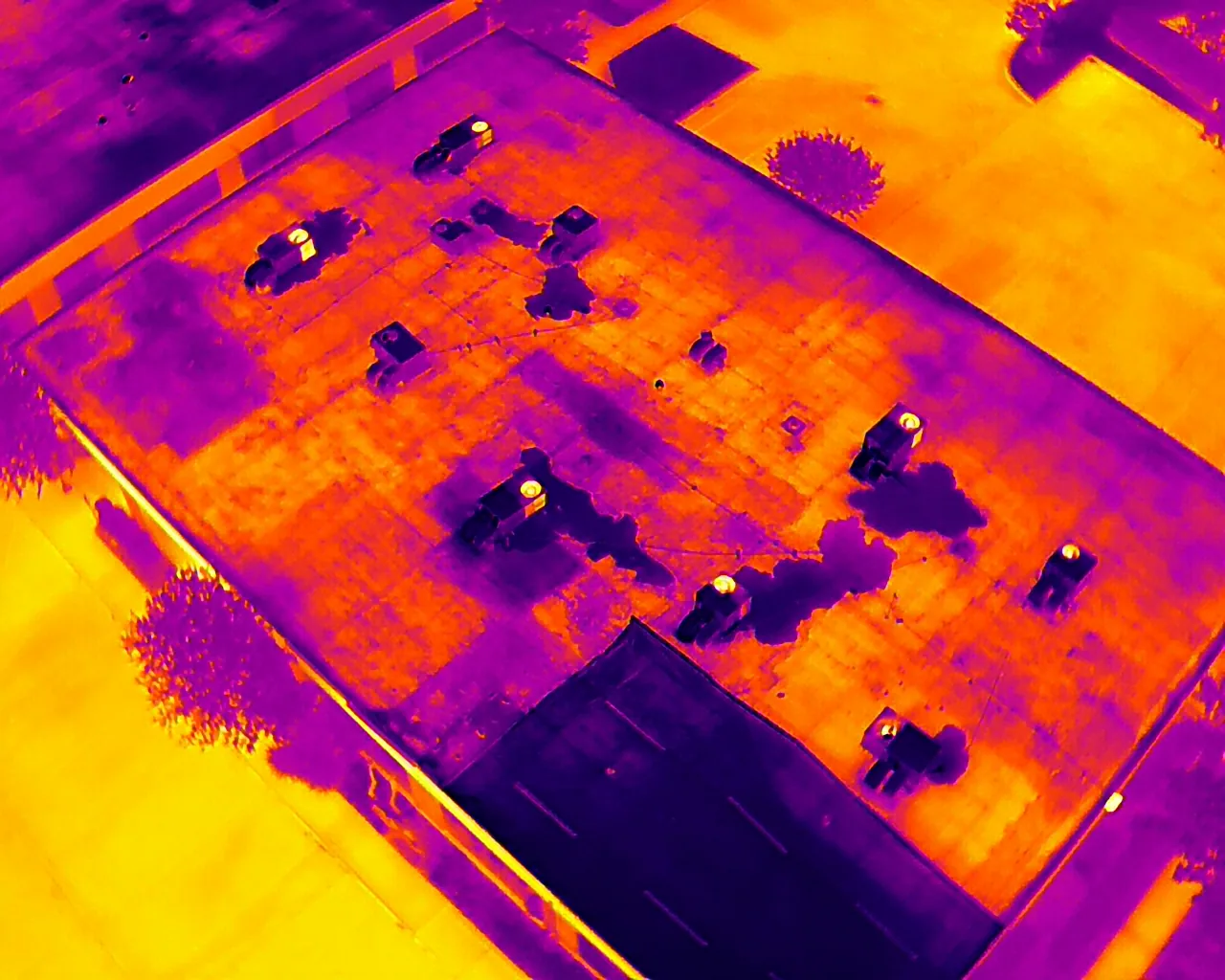
Map the EPDM Repair Area
Arrange a site review with roof plans, leak locations, past repairs, and access information available. We will inspect the membrane and define a repair, recover, or replacement path. Call to discuss the roof.
Call 555-555-5555 or email [email protected].