
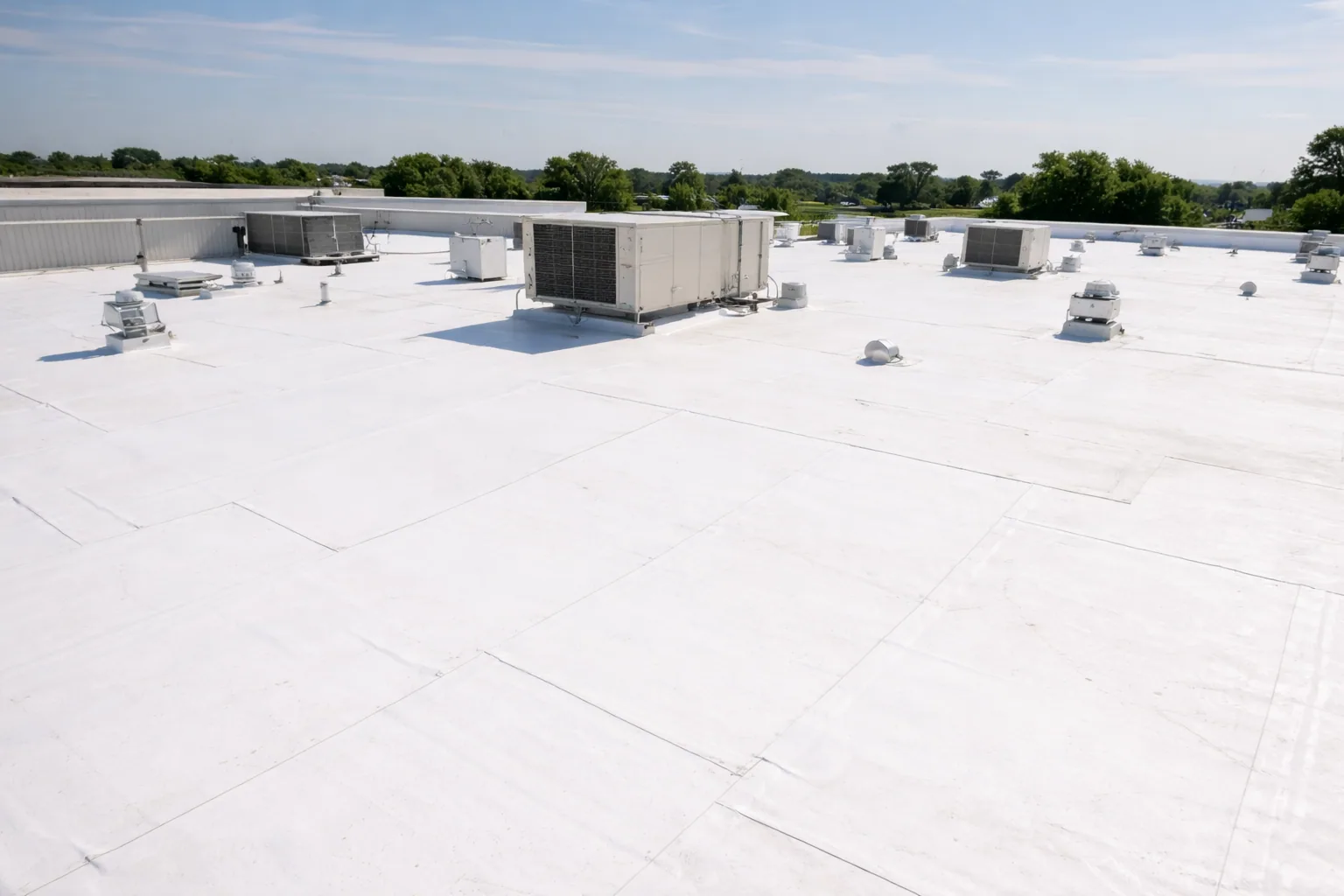
Distribution Center Roofing in Escondido, CA
Property Types We Roof · Escondido, CA
An order delay can start with a wet sort lane. We locate the affected operation before choosing a roof test. The general contractor identifies the bay, roof access contact, and the window when material movement can pause. We compare that interior report with seams, drains, curb bases, and wall transitions above. In Escondido, the General Plan identifies Harmony Grove Industrial Park and several commercial corridors, including East Valley Parkway. Those planning areas set local context, not the construction of any distribution roof. The field record begins with the actual assembly and work limits.
Distribution buildings coordinate inbound loads, staging, sorting, and outbound routes. A roof opening can affect scanners, conveyor equipment, stock, or a shift handoff. We separate immediate water control from permanent repair. The scope names the roof zone and the work that needs access. That gives the project team a real sequence to price, with staging and interior protection included where required.
Dispatch interruptions and roof access
A roof walk should follow the reported condition, not just the shortest path from the hatch. We trace the interior mark toward the nearest drain, equipment curb, expansion joint, and perimeter. Water can travel before it reaches a ceiling tile. We photograph the likely route and label what can be seen. If a conveyor line or stored inventory blocks the ceiling, the site contact identifies a safe inspection window. That allows testing to focus on the right bay.
The roof surface may show open laps, punctures, lifted flashings, or a patch that failed at its edge. Each detail needs a specific correction. We check field membrane, terminations, curb corners, overflow routes, and rooftop service paths. The inspection scope can distinguish a surface defect from a question that needs a test cut. A photo-based condition record then links findings to labeled roof zones, helping the general contractor coordinate several trades without combining separate defects.
Roof assembly at sort zones
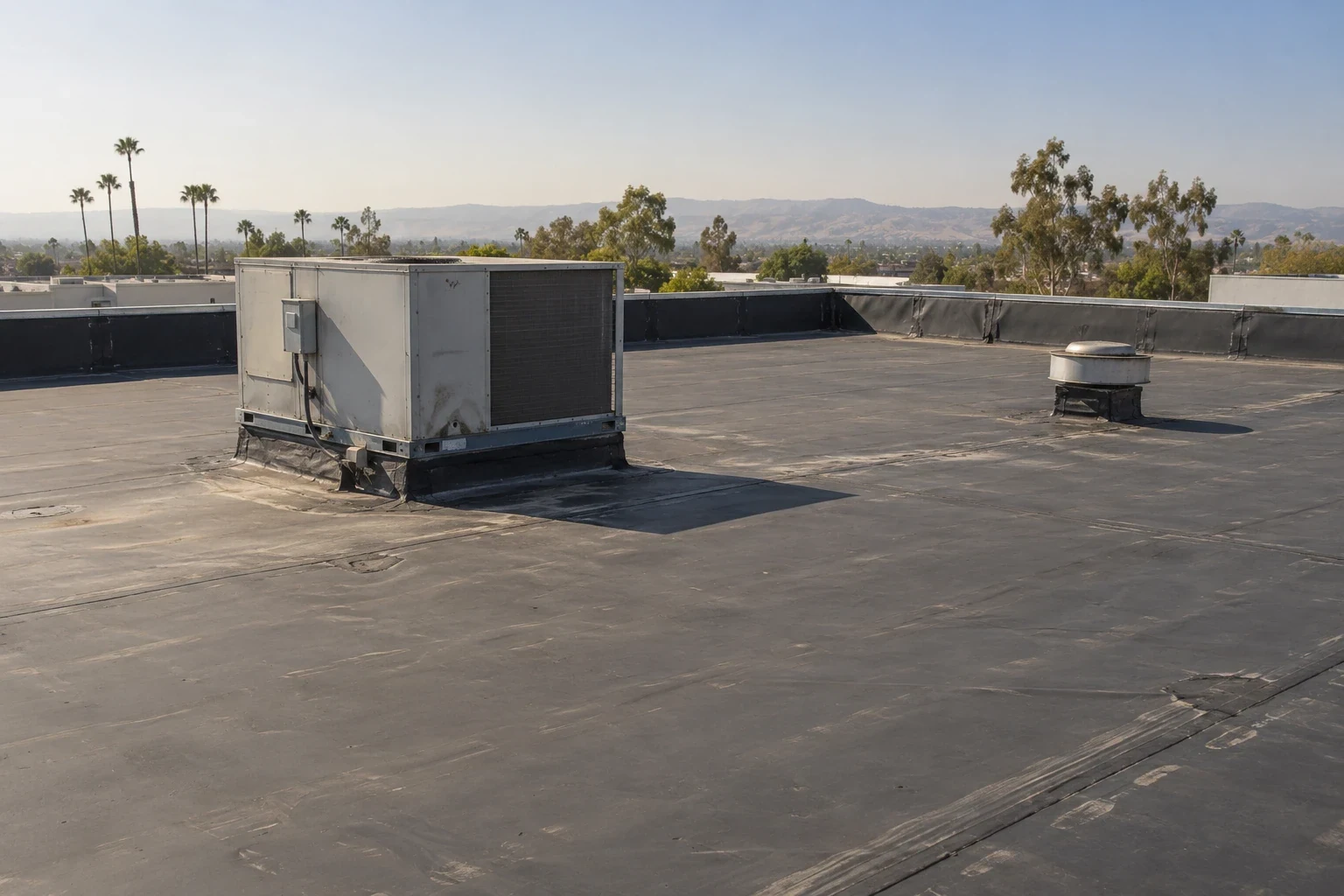
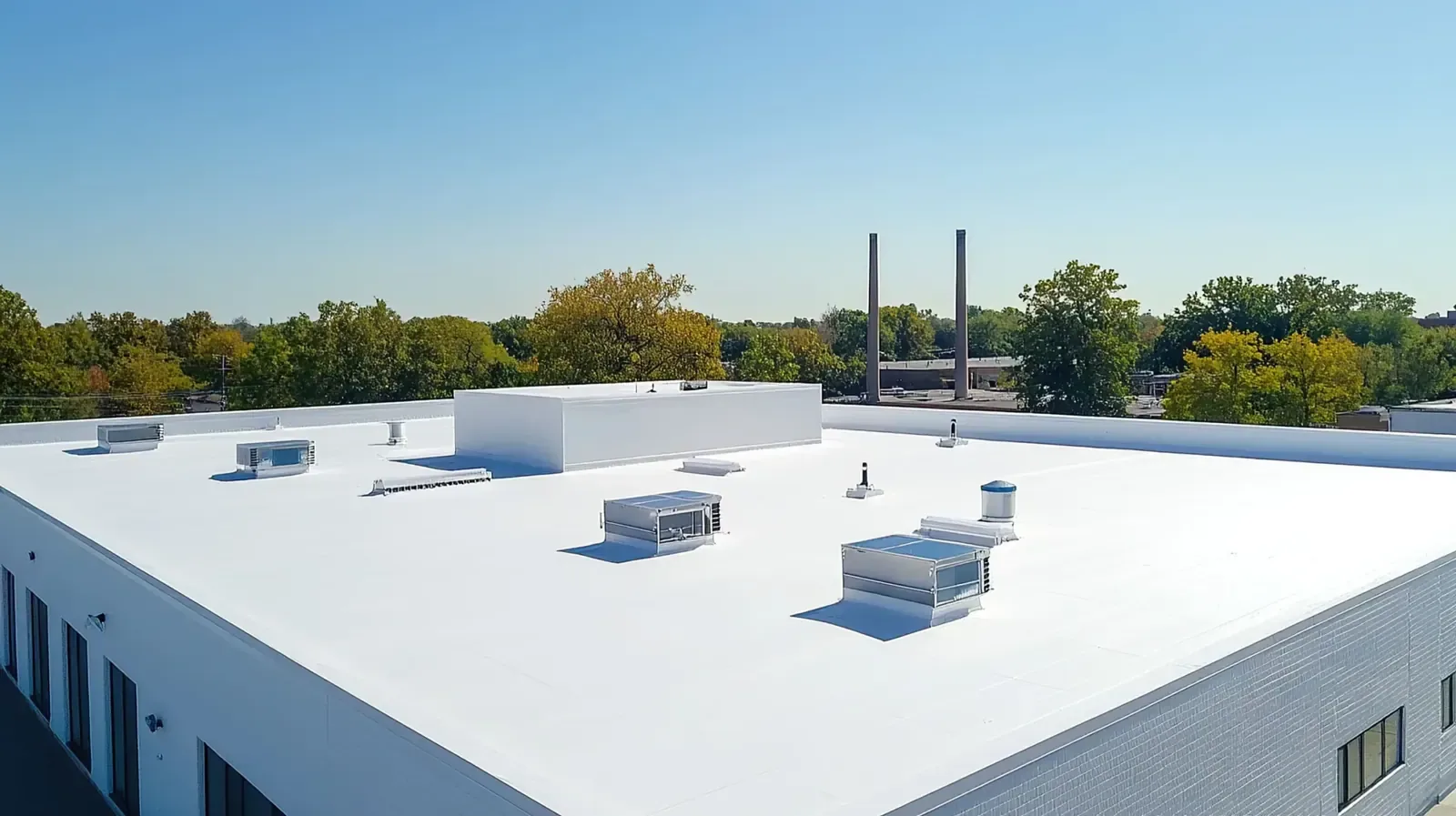
Different additions may leave one distribution center with more than one assembly. We check documents, visible layers, membrane edges, fastening clues, and earlier repairs. TPO and PVC are welded systems. EPDM seams rely on compatible adhesives or tape. Modified bitumen uses asphaltic plies and cap sheets. Metal panels move with temperature and need sound clips, laps, and fasteners. The EPDM roof system and modified bitumen assembly cannot share one repair specification merely because they show a similar stain.
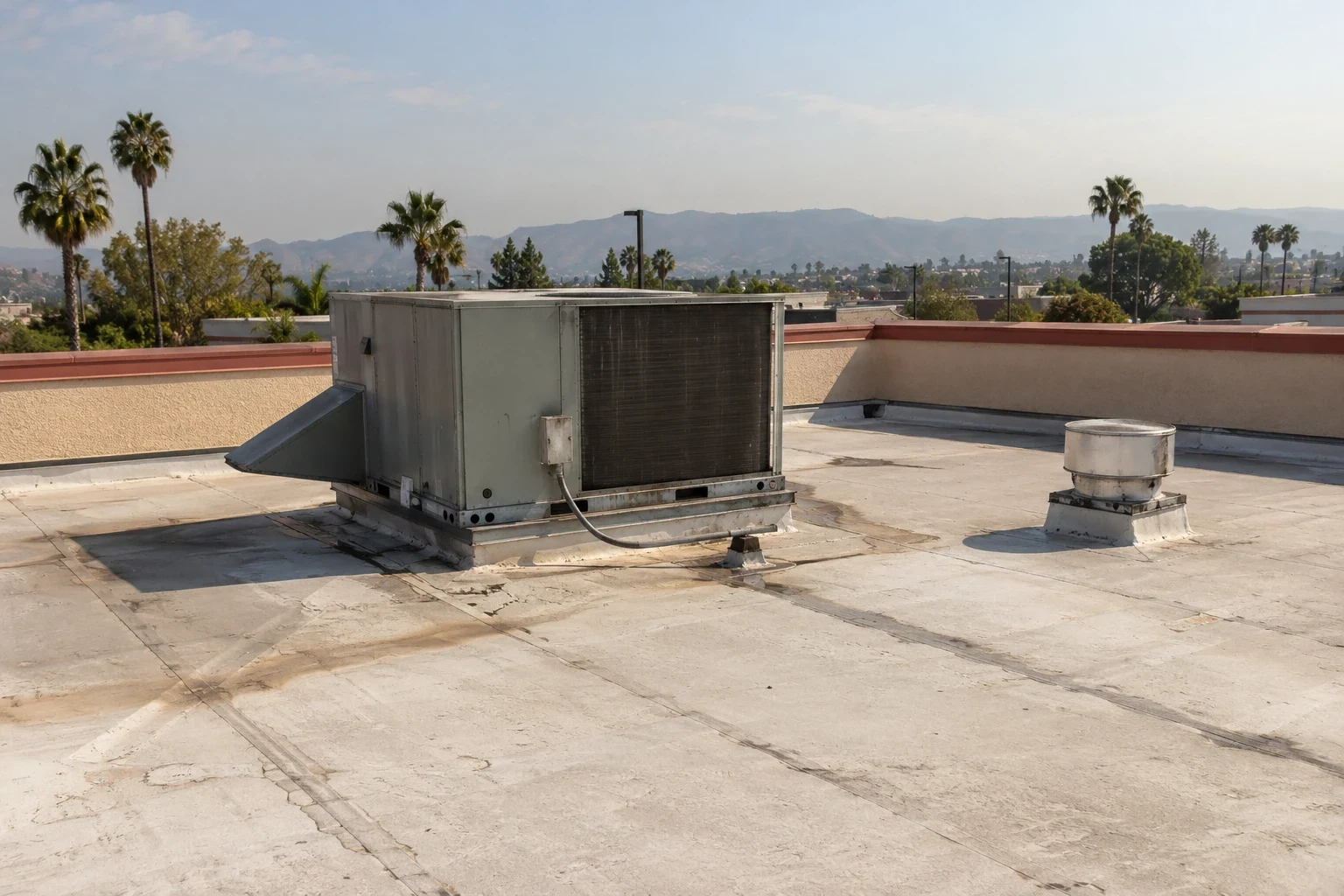
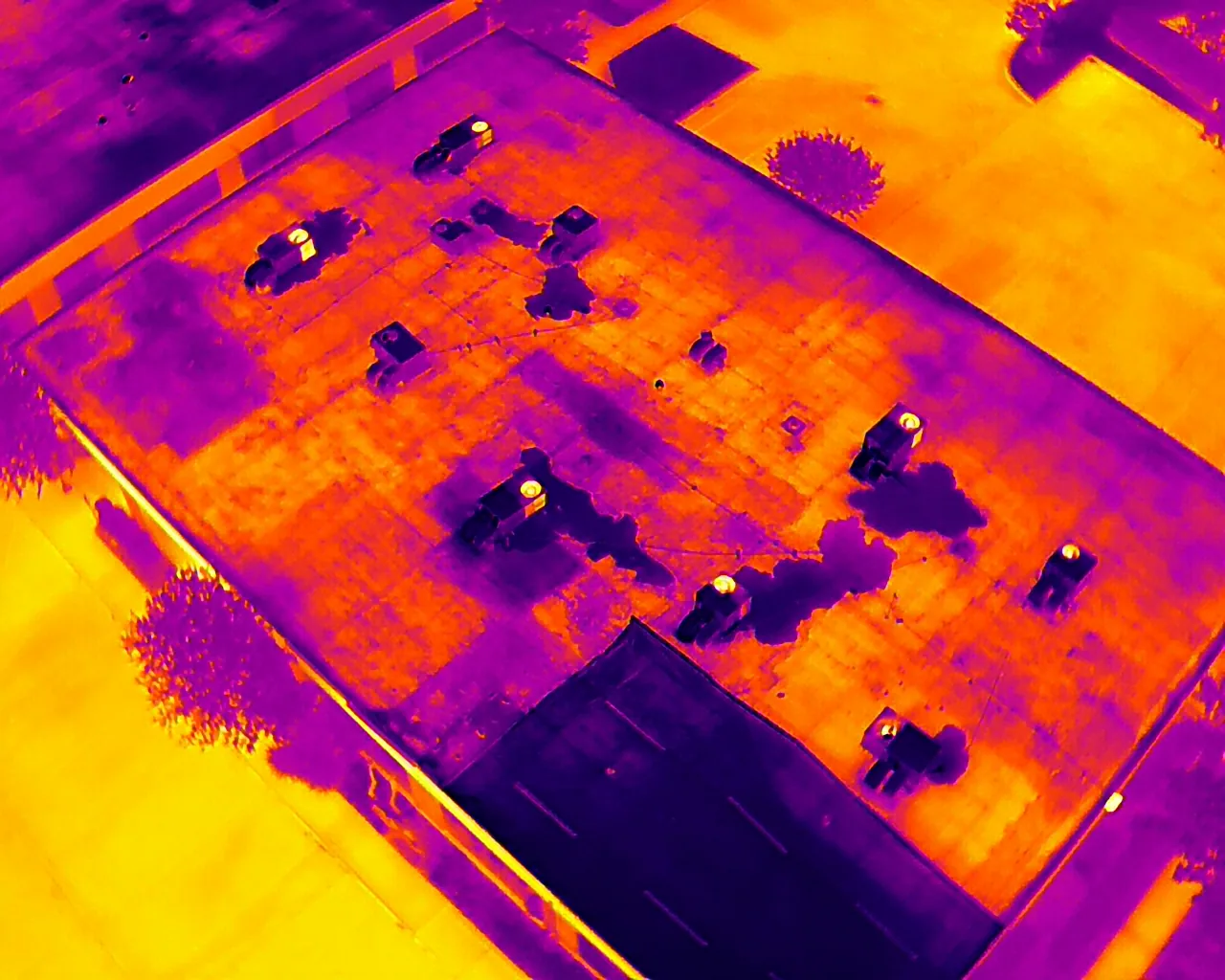
At a conveyor penetration or rooftop unit, the curb base and membrane turn-up matter as much as the equipment seal. A loose corner can direct water under the field sheet. We inspect metal counterflashing, termination, and nearby seams before recommending work. If insulation could be wet, a moisture survey may help select verification points. We define any test opening and explain what it can establish before the owner approves it. The repair limit follows those findings, not an assumed line across the roof.
Dock edge and drainage path
Dock walls and roof edges take repeated service traffic. We look for shifted coping, separated splice plates, loose fasteners, damaged downspouts, and failed transition flashing. At drains, we inspect the bowl, clamping area, strainer, overflow, and nearby membrane. A blocked outlet can leave water beside a seam. A curb placed in the drainage route can complicate movement toward the drain. We mark each observation and note whether the correction falls within roof work or needs another trade.
The City identifies Grand Avenue as Escondido’s historic downtown corridor and completed its second streetscape phase in June 2025. Those are city circulation facts, not a prediction of truck conditions at a particular site. For a project near Downtown Escondido, the general contractor still confirms deliveries, pedestrian controls, and lift placement. A distribution property in Harmony Grove Industrial Park needs its own gate and staging review. Roof access stays building-specific.
Shift timing and temporary protection
Crews need a stable surface and a closure plan before opening a roof section. We coordinate the shift schedule, lift location, truck route, and any aisle that needs temporary isolation. The contact confirms alarm rules, escort requirements, interior coverings, and equipment shutdowns. Work across multiple zones can be divided by exposure and operational impact. Each day ends with a secure tie-in. If weather interrupts the sequence, the open area receives an approved temporary measure and a documented return step.
National Weather Service guidance describes Southern California Santa Ana winds as dry, often warm or hot winds moving west through mountain passes. Those conditions can damage property. On a distribution roof, the observation makes edge securement and exposed details relevant to inspect. It does not identify damage at a particular facility. We record actual movement and material condition. If wind or heat changes safe access or installation conditions, the project team receives a changed work window rather than a guessed completion time. A warehouse roof also needs loading routes kept clear; a cold-storage roof adds interior temperature controls and operating conditions the site team must confirm.
Repair scope and dispatch choice
A bounded seam or flashing failure can be repaired when nearby membrane and substrate remain sound. Repeated openings, wet insulation in multiple areas, or weak attachment may justify a larger section. A recover needs a compatible, adequately attached base with suitable drainage. We state the evidence behind each option and the portion of roof it covers. The estimate separates preparation, detail work, protection, access equipment, and any testing. Concealed deck conditions require a written approval method before they change quantities.
Escondido's General Plan calls for retaining and attracting technology, manufacturing, office, professional-service, and retail businesses. It also names life sciences, biotechnology, biomedical, software, telecommunications, and research and development as recruitment goals. The adopted Harmony Grove plan covers about 476 acres, with detailed standards for 201 acres. Those planning designations do not identify the roof assembly or stored goods at any one building. A field review still needs to confirm the system, while the facility lead identifies protected inventory zones. Clear project records help when a property shares roads or access with nearby operations. We send labeled photographs, a repair scope, and unresolved questions to the project lead. Arrange a review with roof records, leak locations, shift limits, and the person who can authorize access. The contractor can then compare immediate repair with the next budget window.
Frequently Asked Questions
Which details should we map before opening the roof?
Mark the affected sort lane, ceiling report, nearby drains, and equipment penetrations. We compare those points with the membrane and record the route that can be observed. If inventory blocks access below, we schedule a safe aisle window before selecting any test opening.
How do dock operations affect the repair sequence?
Lift placement, truck movement, door use, and pedestrian paths shape staging. We agree on an exclusion area with the site contact. The roof plan also sets a secure end-of-shift tie-in and a clear step if weather interrupts the work.
What changes a distribution roof repair estimate?
Roof height, assembly type, seam length, number of curbs, moisture, lift access, and interior protection change the labor and material. We document those factors by zone. A concealed condition gets an approval step instead of an open-ended allowance.
Can a recover reduce interruption at the facility?
A recover may limit tear-off only when the existing roof is dry, attached, compatible, and suitable for the new assembly. We verify layers and drainage first. If those conditions fail, a removal scope is safer to price and schedule.
What should the closeout give the project team?
Provide the repaired zone, material and preparation, completion photos, and any excluded condition. We note access limits and follow-up items. The project lead can then match the repair record to shift plans, other trades, and future roof work.
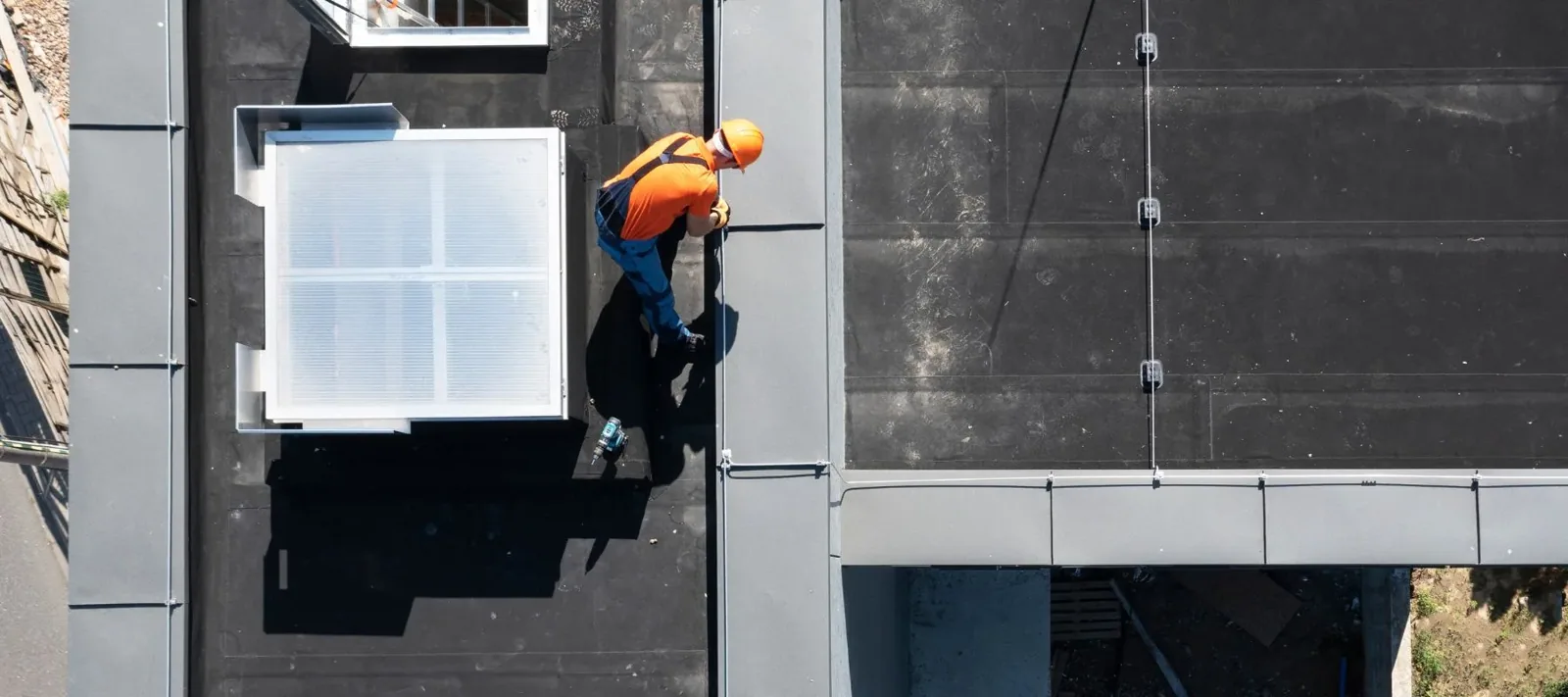

Coordinate a distribution roof review
Share the affected bay, work shift, roof plan, and site access rules. We will document the roof condition and outline a repair sequence the project team can price. Call to arrange a defined scope review.
Call 555-555-5555 or email [email protected].