

Wind Damage Roof Repair in Escondido, CA
Roof Damage Repair · Escondido, CA
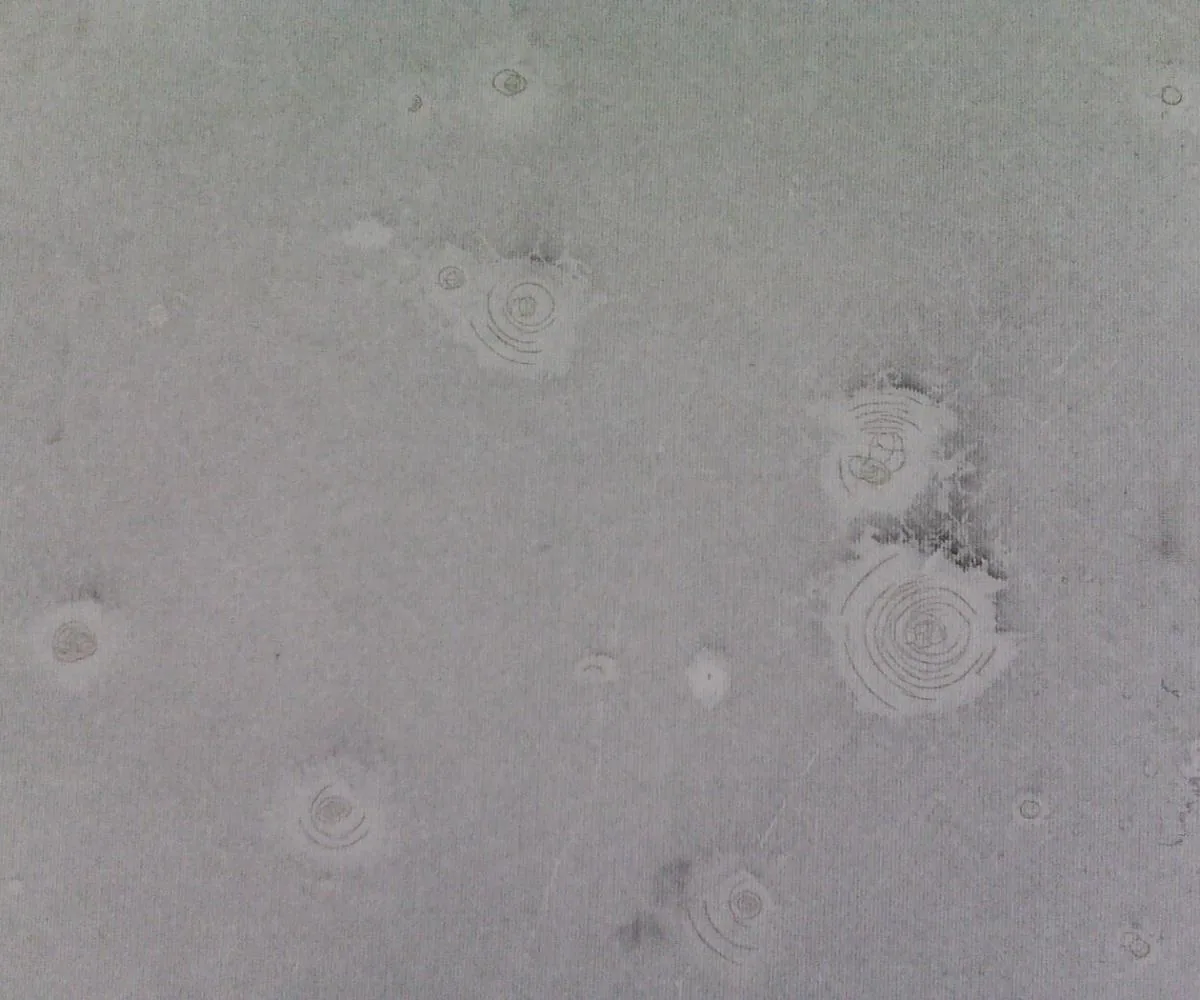
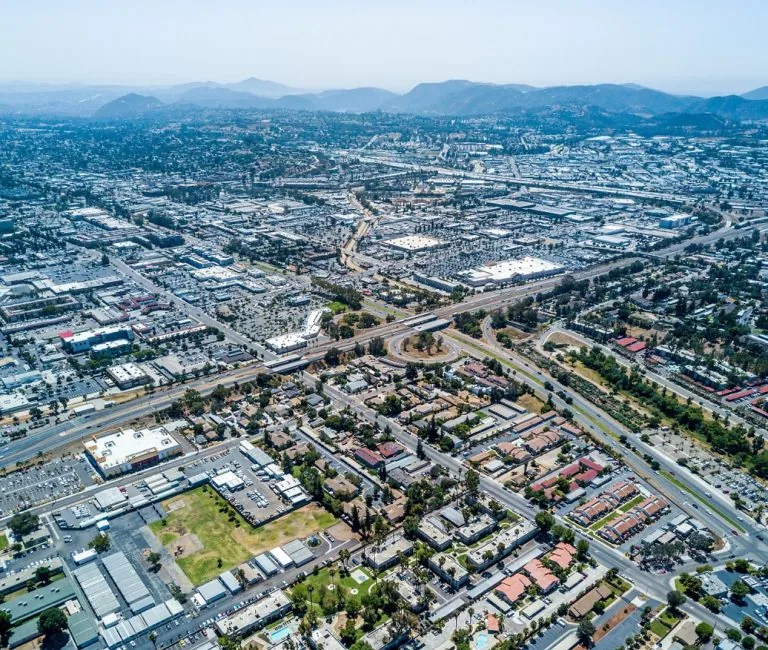
A lifted roof edge changes the repair scope quickly. In Escondido, dry Santa Ana winds can arrive with strong gusts from the northeast. We check perimeter attachment, edge metal, seams, flashings, and rooftop equipment before setting a work sequence. A general contractor needs more than a note that wind was present. The repair record should show what moved, where water can enter, and what remains stable. We separate immediate protection from permanent repair. That keeps access, tenant communication, and follow-on trades in the same schedule conversation. If the event affected several areas, we mark them individually rather than pricing one broad patch. Start with the Downtown Escondido commercial area or the specific building location, then compare roof evidence to the incident timing.
What the edge shows
Wind damage often begins where a membrane terminates or turns upward. We look for open laps, pulled fasteners, separated sealant, bent coping, and movement at corners. Those conditions have different repair paths. A loose cap may need securement and a new splice. A membrane tear needs clean, dry material around the opening. We photograph the condition before moving components. The written finding identifies the roof zone, affected detail, and access needed for repair. That lets the project team decide whether a lift, perimeter lane, or interior protection belongs in the plan.
Local red-flag periods usually come with dry winds from the northeast, when wildfire spread risk rises. After a wind event, we document perimeter debris and exposed penetrations alongside the assembly conditions visible at the inspected roof. The inspection scope can also record loose materials and drainage conditions that affect safe access. That creates a useful starting point for the repair conversation.
Separate repair zones
A useful wind repair scope divides the roof into manageable zones. We mark corners, edges, penetrations, field seams, and equipment curbs separately. One area may need temporary water control while another is ready for permanent work. That distinction helps a general contractor coordinate lifts, staging, and roof access with other trades. For an occupied site, we can define when material handling occurs and which paths stay clear. A written scope should say what gets opened, what is replaced, and how the completed detail is checked.
Where sheet metal has shifted, we check the substrate and cleat condition before resetting the cap. Where membrane attachment has loosened, we verify the affected seam and surrounding fastener line. A superficial bead of sealant does not restore a detail that has lost mechanical restraint. We may recommend a broader repair if water entered insulation or if repeated movement has widened a seam. The flashing repair scope addresses wall transitions and penetrations that commonly share exposure with roof edges. A second visit may also find displaced material around a membrane puncture. Each recommendation remains tied to visible evidence and the assembly present.
Patch, reinforce, or replace
A small puncture or open lap may be repaired locally when the surrounding membrane remains sound. A displaced termination may need a new fastening pattern or a formed metal replacement. Repeated edge movement can justify reinforcing a longer run instead of making isolated patches. We explain the difference in labor, access, and likely disruption. The decision also considers repair history, moisture findings, and whether the proposed work can be completed within the project window. We do not turn one damaged corner into an automatic replacement recommendation.
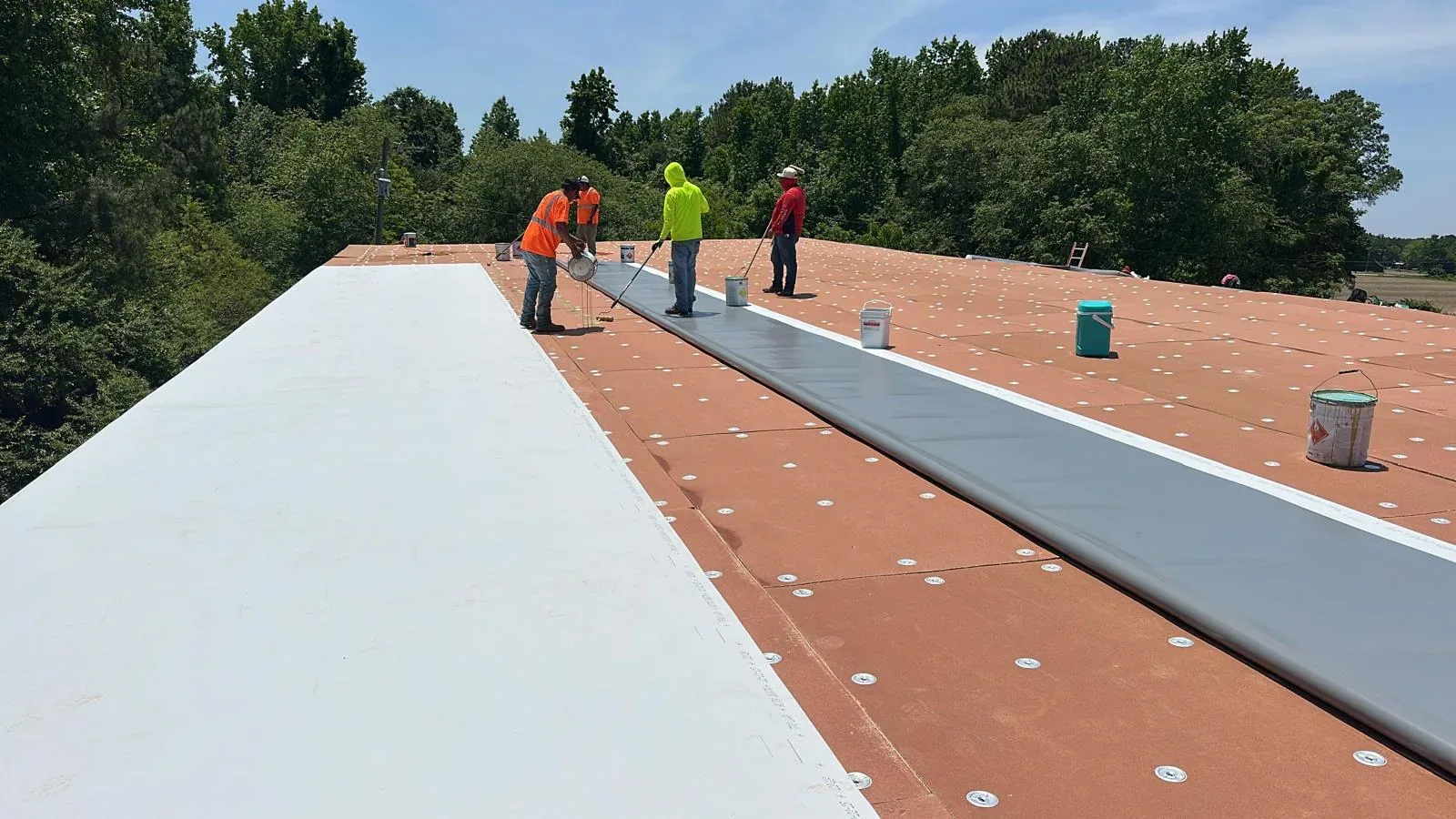
On a thermoplastic roof, the repair method depends on membrane type, surface condition, and access for a clean weld. The TPO assembly calls for compatible membrane and careful seam preparation. Other systems require their own materials and procedures. If ponding or a blocked outlet is present, repair sequencing should include the drainage path. That may mean clearing or correcting an adjacent condition before closing a wet area. The final scope lists repair items separately so the owner can compare immediate correction with a larger capital decision.
Access and work timing
The second Grand Avenue streetscape phase reached completion in June 2025. Wider walking paths, angled parking, and traffic-calming roundabouts changed the downtown approach. For a nearby repair, we confirm the current loading point, pedestrian route, and building access with the property contact before scheduling material movement. A short site walk can prevent a repair crew from sharing a constrained entrance with tenants or another contractor.
Along Citracado Parkway at Harmony Grove Industrial Park, the site contact confirms the loading point, roof hatch, staging area, and any operation that cannot pause before a wind-repair crew arrives. We identify staging space, active operations, rooftop equipment, and any areas that cannot be closed. If wind conditions remain unsafe for material handling, the schedule changes. The repair record notes the hold point and the next decision instead of leaving the project team to infer it.
Document the finished work
Closeout should show the original defect, the repair materials, and the completed detail. We photograph the edge or seam after work, note the zone, and list any condition that remains for later review. If the scope involved temporary protection, the record identifies when it was installed and what permanent step follows. That matters when the building has other trades scheduled overhead or when a contractor must provide a status update to the owner. The closeout package can distinguish completed items from open decisions. For the closeout file, pair a wide roof-zone image with close views of secured edges and welded seams. Note nearby conditions that remain open so the next review checks the correct boundary.
General contractors can use the repair record to align roofing work with façade, mechanical, or electrical scopes. The condition report should identify the limits of the observation, roof assembly, and follow-up action. Each recommendation should point to the marked condition and the repair boundary the crew inspected. We return to the marked locations and confirm that the proposed correction was completed. If a larger section shows recurring movement, that condition belongs in a separate scope with its own timing and budget review.
Frequently Asked Questions
How do you distinguish wind damage from an older seam issue?
We compare the affected detail with surrounding seams, fastener lines, and dated site records. A fresh displacement pattern may support the event timeline, but the repair decision comes from what the assembly shows now. We note uncertainty where prior condition records are absent.
Can a lifted edge be secured without replacing the roof?
A local repair is practical when the substrate, membrane, and adjacent attachment remain serviceable. We inspect beyond the visible opening before defining the boundary. If movement extends along the perimeter, the scope may need a longer reinforcement run.
What should the project team schedule first?
Start with safe access and temporary water control where needed. Then coordinate a roof walk, material staging, and any interior protection with building operations. Our written scope separates those steps from permanent repair so trades can plan around them.
Will wind damage require a claim document?
We can provide dated photographs, locations, observed conditions, and repair recommendations for the owner’s records. The insurer determines coverage. We keep the roofing scope factual and separate it from policy decisions.
What information helps set a repair window?
Share the roof plan if available, the reported event date, access rules, active rooftop work, and any leak locations. We use those details to define inspection access and work sequencing. Call to arrange a roof review and a scoped repair discussion.
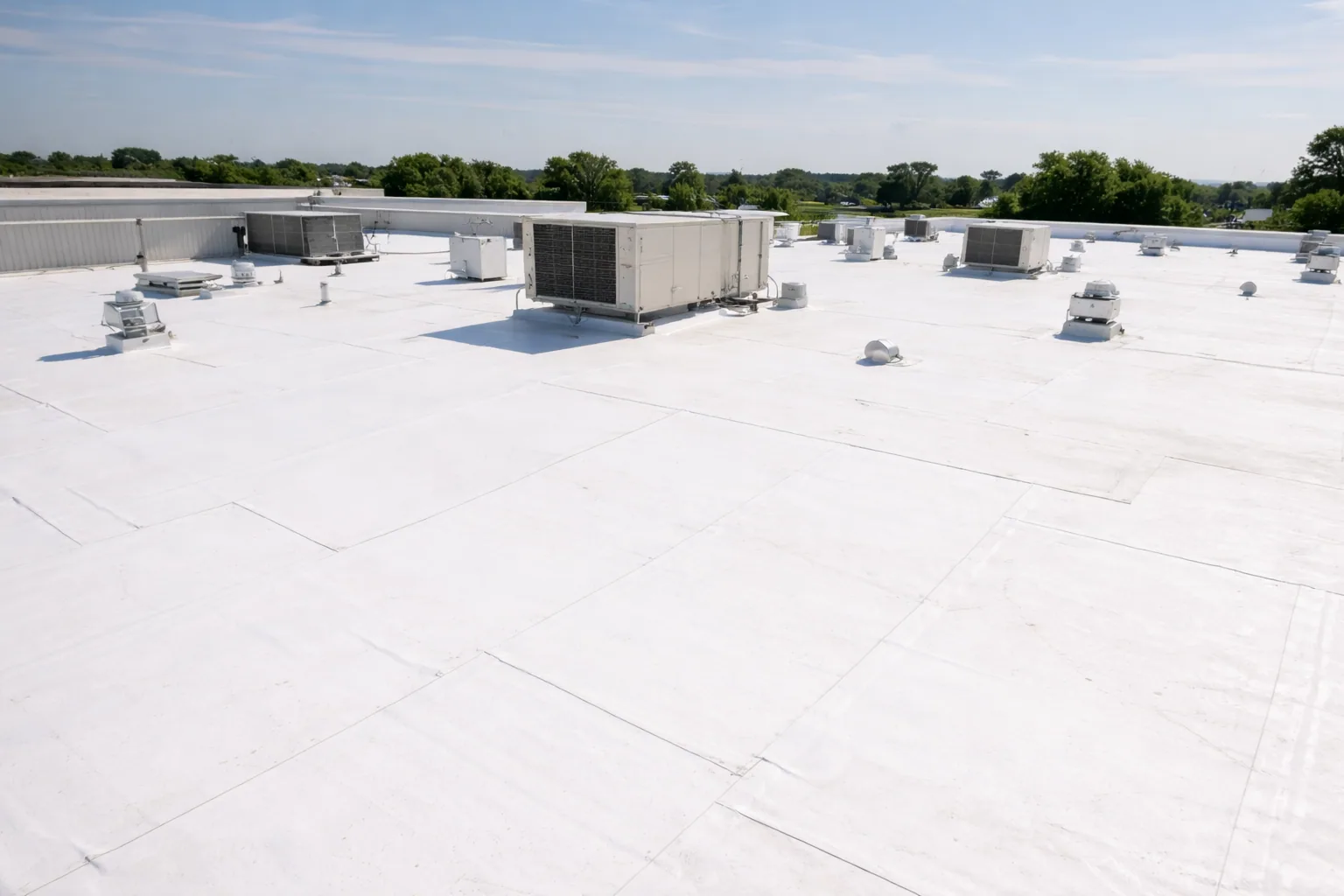
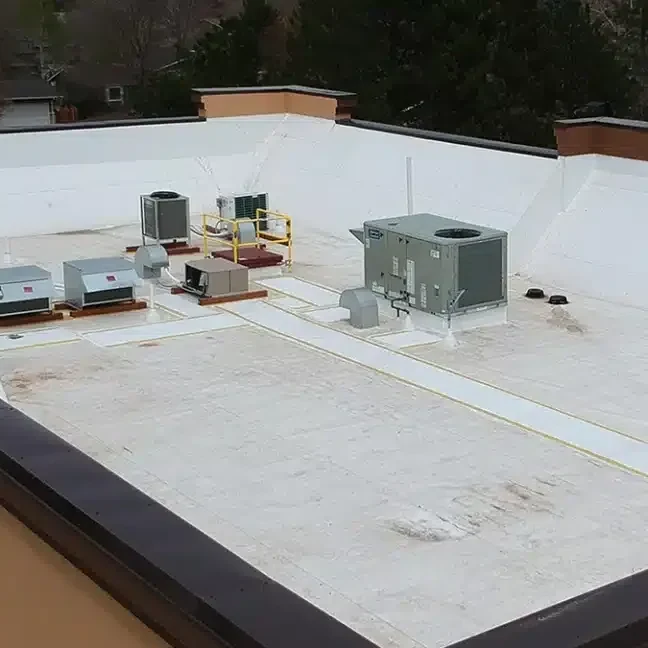
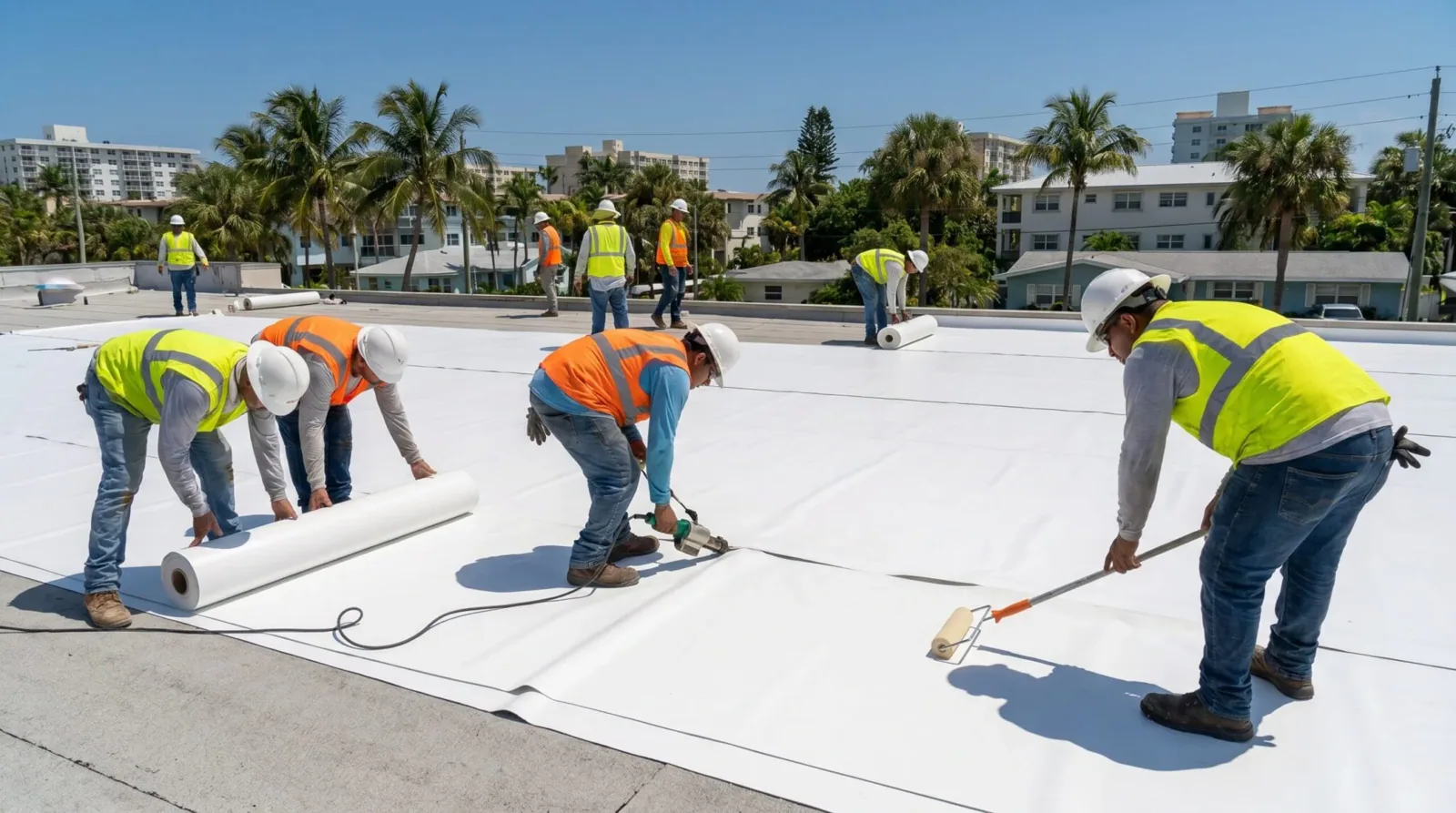
Set a wind repair scope
Arrange an inspection with the reported event date, roof access rules, and known leak locations. We will document the affected details and identify a practical repair sequence. Call Commercial Roofers Escondido to coordinate a review.
Call 555-555-5555 or email [email protected].