

Commercial Membrane Puncture Repair in Escondido, CA
Roof Damage Repair · Escondido, CA
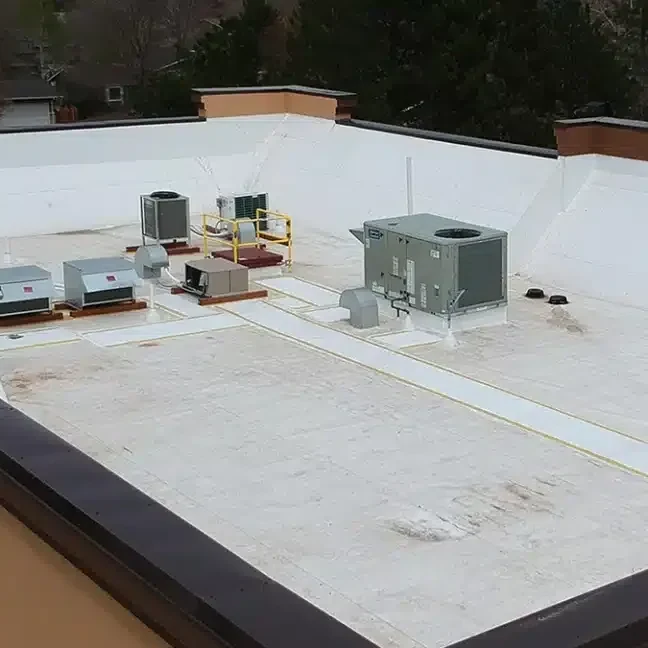
A small puncture can admit water below a membrane before it shows indoors. In Escondido, long warm or hot periods and dry winds make surface condition important during a roof walk. We locate the opening, confirm the membrane, and inspect material around the cut. A general contractor needs to know whether a patch is isolated or whether foot traffic, stored equipment, or another trade has affected a larger path. We photograph the mark and note nearby seams, drains, and penetrations. The repair scope then sets a boundary the owner can review. Properties near Escondido Boulevard include planned retail, office, visitor-serving, and residential uses. The use mix informs site coordination; it does not identify the roof assembly.
Find the full opening
We clean the immediate surface and inspect the puncture under good light. A cut edge, crushed point, punctured membrane, or separated coating leaves a different repair detail. We check whether the substrate feels firm and whether water has tracked beneath the sheet. The visible mark is only the starting point. A shallow probe or moisture scan may help define whether a controlled test cut is needed. The written finding states what we observed and what would justify opening the assembly.
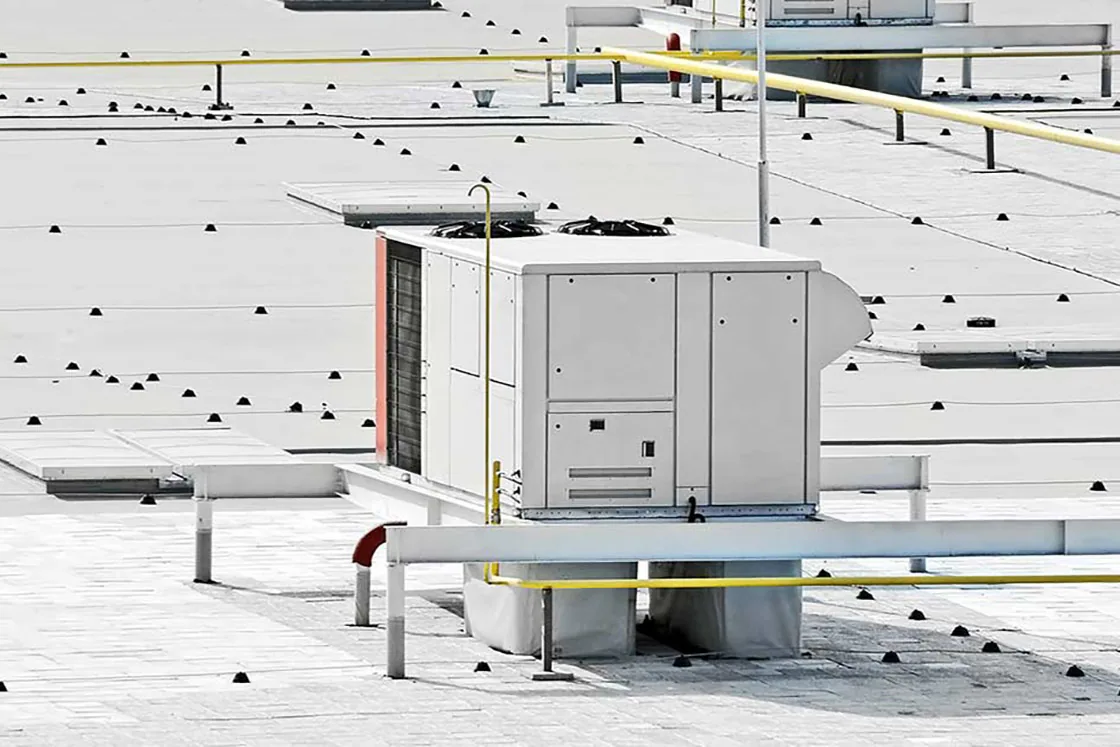
Roof traffic can create several small cuts along a route to equipment. We look for sharp edges, loose fasteners, discarded hardware, and drag marks. Escondido’s Research and Technology Center contains a significant share of employment acreage available for development, including space for technology and corporate uses. Equipment service at such properties can involve repeated access. We record the route and any protection needed for later trades. The equipment-curb service can address a separate support or penetration issue without treating it as a membrane puncture.
Confirm membrane compatibility
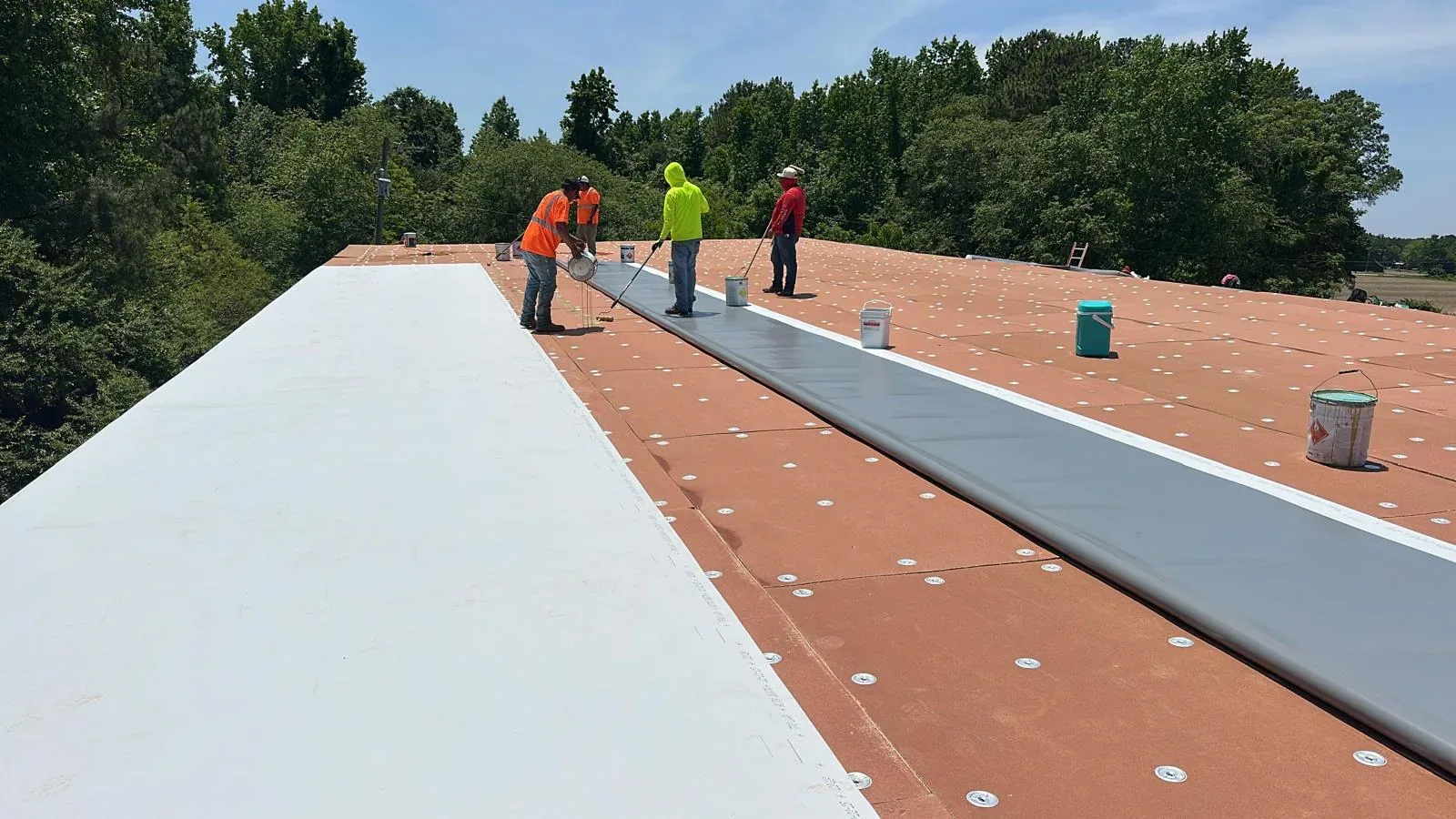
A patch must bond or weld to the roof that is there. We identify whether the surface is TPO, PVC, EPDM, modified bitumen, or a coating over another membrane. Manufacturer marks, exposed edges, and repair history help confirm it. Color is not enough. A thermoplastic patch may be heat-welded after the surface is clean. EPDM needs its own primer and splice materials. A coated roof may need a repair compatible with both the coating and underlying membrane.
We test the repair method on a prepared sample area when the surface history is uncertain. That small check can reveal contamination or aging that affects adhesion. The TPO system and the EPDM system call for different procedures. We specify the material, prep, overlap, and cure or cooling time. If the puncture reaches insulation, we identify the wet boundary before closing the roof. The crew protects the opening until dry material and sound substrate are ready for the patch.
Set the patch size
The repair extends beyond loose or damaged material into a sound surface. We avoid a tiny cover patch over an opening whose edges keep tearing. If a larger area has lost bond, removal may be required before the new piece is attached. The scope notes whether insulation replacement, cover board, or deck review is included. Each item has a separate boundary. That detail helps a project manager compare a local patch with broader correction.
Wildfire classifications differ across Escondido parcels. New buildings in designated high and very-high severity areas must use ignition-resistant construction. That fact does not classify a specific roof or change ordinary patch compatibility. It can affect how a building team coordinates materials and site controls during certain project work. We keep the repair focused on the observed membrane and substrate. If the puncture lies beside an open lap, our seam inspection records that separate condition. A wall transition receives its own flashing review.
We note the limits of each observation before material is removed. A clean opening with dry insulation can stay local. A soft area may require additional testing or a small controlled cut. The work order then identifies the approval point before the crew expands. That protects the building from an undefined opening and gives the owner a chance to compare added work with the approved budget.
Protect the building during work
Before cutting or removing material, we confirm what is below the work area and who can approve an opening. The crew sets temporary protection, controls debris, and keeps tools clear of drainage paths. If a tenant occupies the space, the project team may need to protect equipment, stock, or finished ceilings. We coordinate that timing with the general contractor. The repair sequence identifies preparation, patch placement, curing or cooling, and the final check. A defined order helps other trades plan around the roof crew.
Grand Avenue near Downtown Escondido received wider sidewalks and diagonal parking when its second streetscape phase finished in June 2025. Public frontage is one consideration when deliveries occur nearby, but private loading and roof access must be checked at each property. We confirm staging, roof hatch access, and any lift location before work begins. If rain interrupts the planned window, the opening remains protected and the owner receives an updated sequence. The repair service can include the membrane patch, adjacent detail checks, and a documented work record.
Verify the patch and protect the path
At closeout, we examine the patch edge, bond or weld, and the adjoining roof surface. We check the roof zone for loose debris and confirm that drains remain clear. Photos show the original defect and finished repair. The record names the material used and identifies any nearby issue that was outside scope. If a later observation is needed, we note its timing and the person responsible. Those details let a general contractor close the work item with a verifiable result.
Repeated punctures may point to an access or storage problem. The project team can mark a designated route, add walk pads where suitable, or adjust how equipment is delivered. We do not assume the cause from one mark. We compare its location with service paths and roof plans, then recommend a practical protection step. Call Commercial Roofers Escondido with the membrane information, roof plan, and any trade schedule. We can inspect the area and prepare a defined repair scope for review.
Frequently Asked Questions
Can one puncture cause a leak several feet away?
Water can move within the roof assembly before it appears inside. We trace the likely path and inspect seams, drains, curbs, and low areas near the symptom. The report records the observed opening separately from any confirmed wet material.
How do you identify a membrane if the roof records are missing?
We check exposed edges, repair history, surface characteristics, and available product marks. If the material remains uncertain, we include confirmation in the work plan. A patch should not be selected by color alone.
Does a puncture always require replacing insulation?
No. We determine whether moisture reached the insulation and how far it extends. A controlled opening or appropriate scan can define the boundary. The scope lists any insulation work separately from the membrane patch.
What can prevent more punctures after repair?
We review service routes, stored items, sharp edges, and protection at equipment. The project team may choose a marked path or walk surface where the roof system allows it. The recommendation follows the observed traffic pattern.
Can the repair be coordinated with mechanical work?
Yes. We align roof access, equipment shutdowns, temporary protection, and the closeout check with the general contractor. Share the trade schedule and roof plan. Call us to arrange an inspection and set the repair window.
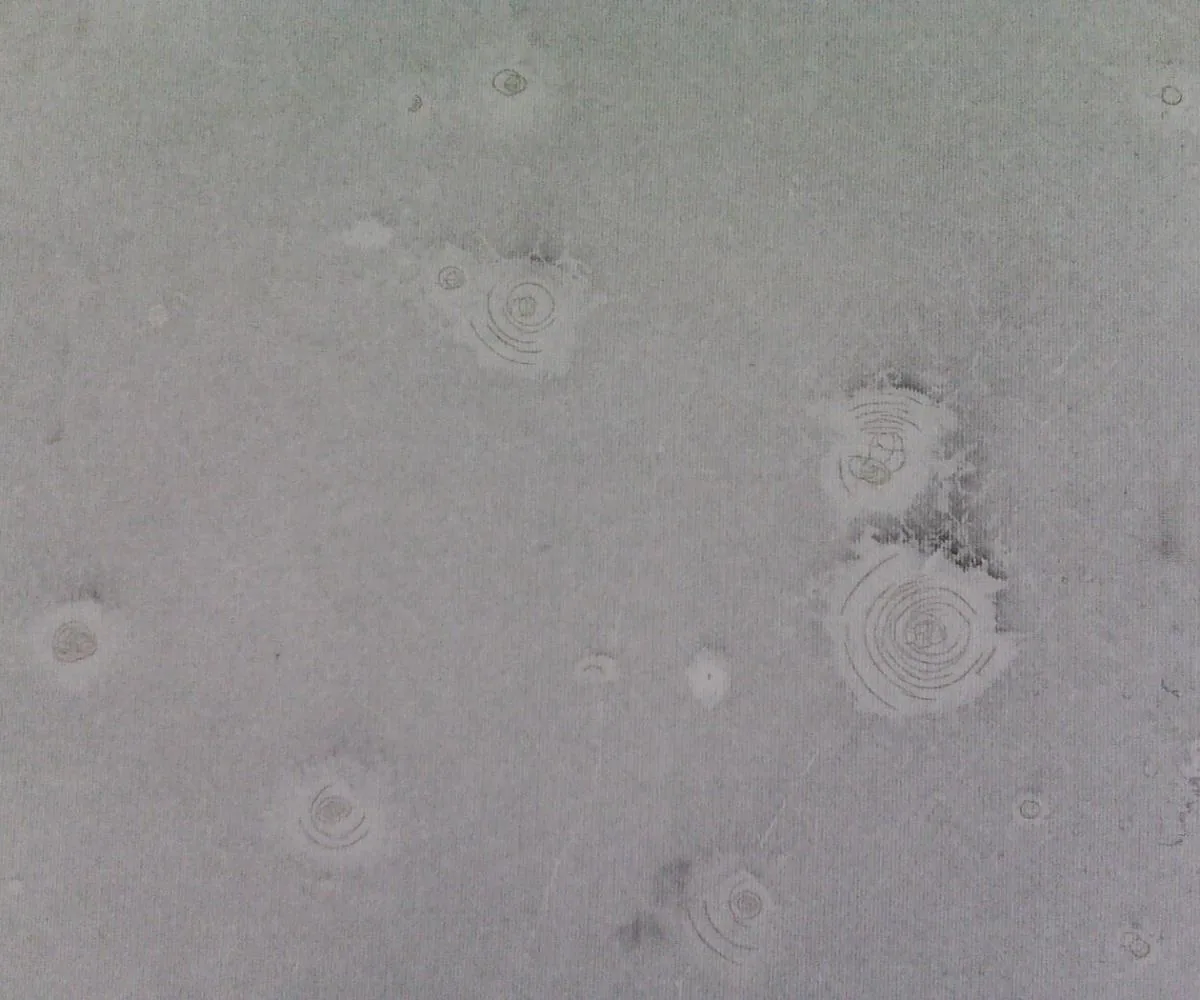
Inspect the puncture area
Bring the roof plan, membrane records, suspected leak area, and upcoming trade schedule. We will confirm the patch boundary and access steps. Call Commercial Roofers Escondido to arrange an inspection and scope review.
Call 555-555-5555 or email [email protected].