

Rooftop Equipment Curb and Support Roofing in Escondido, CA
Commercial Roofing Services · Escondido, CA
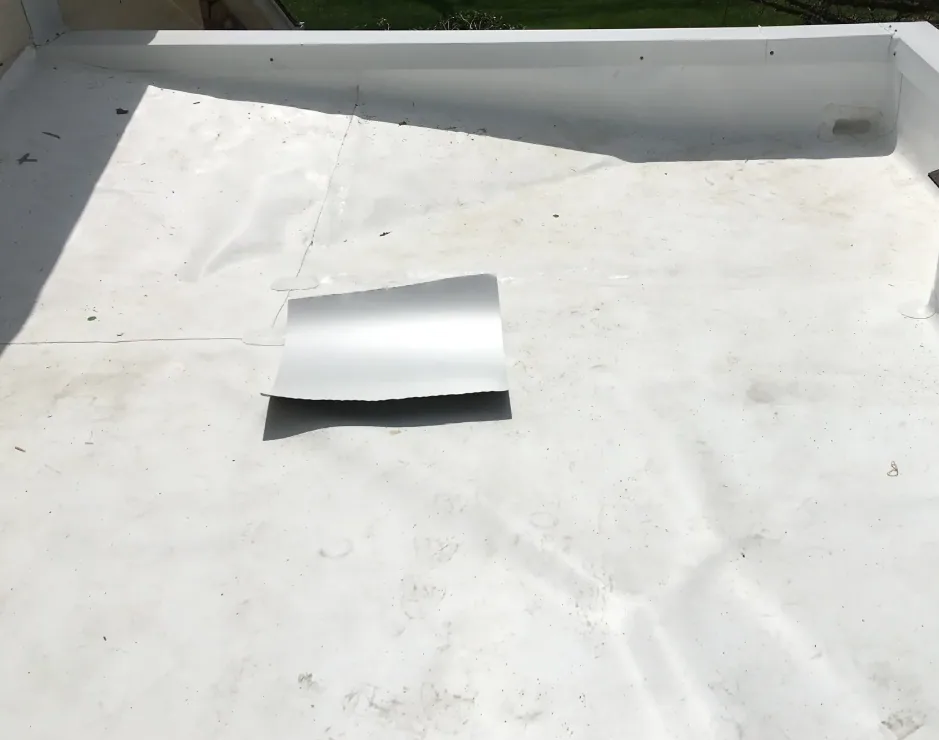
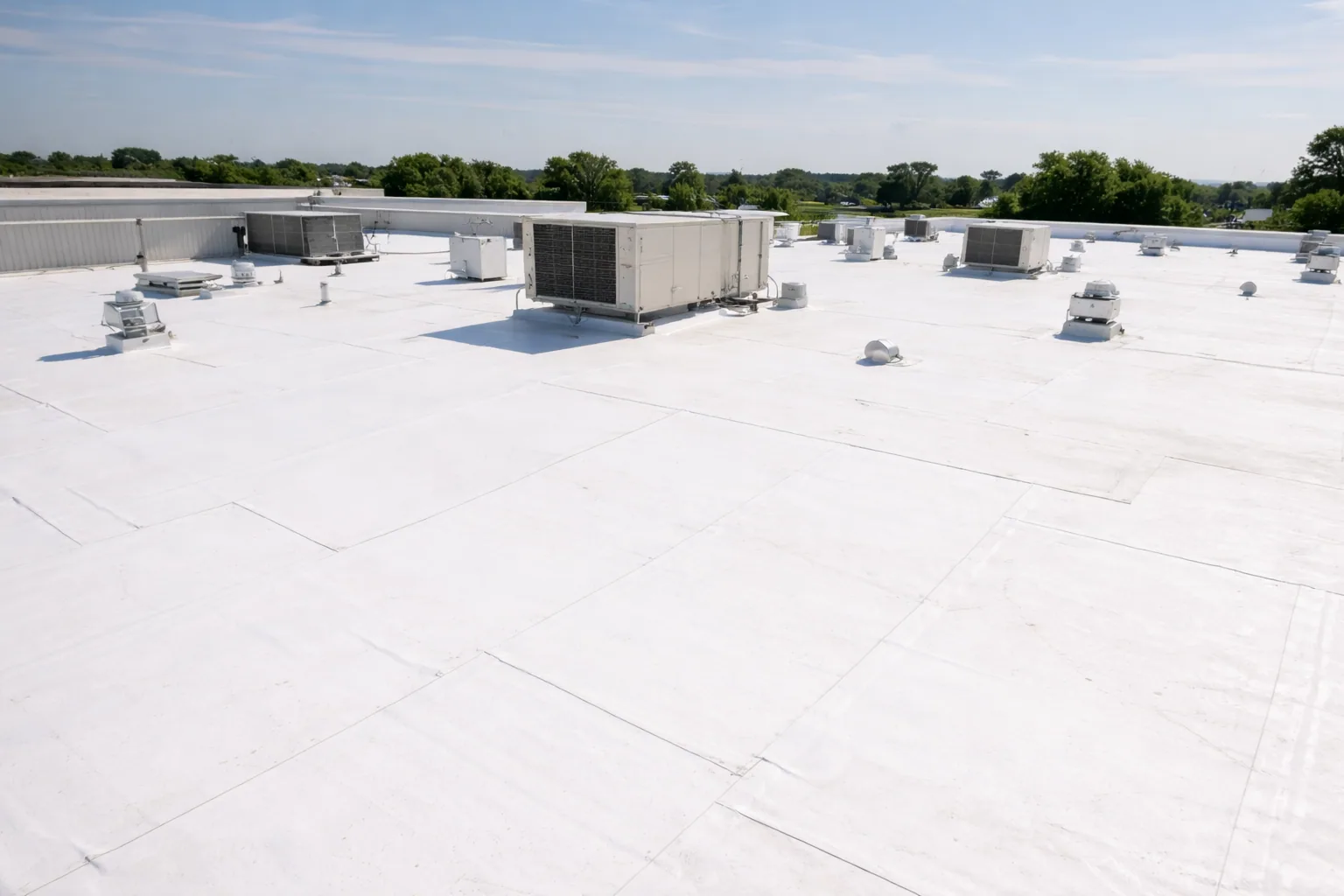
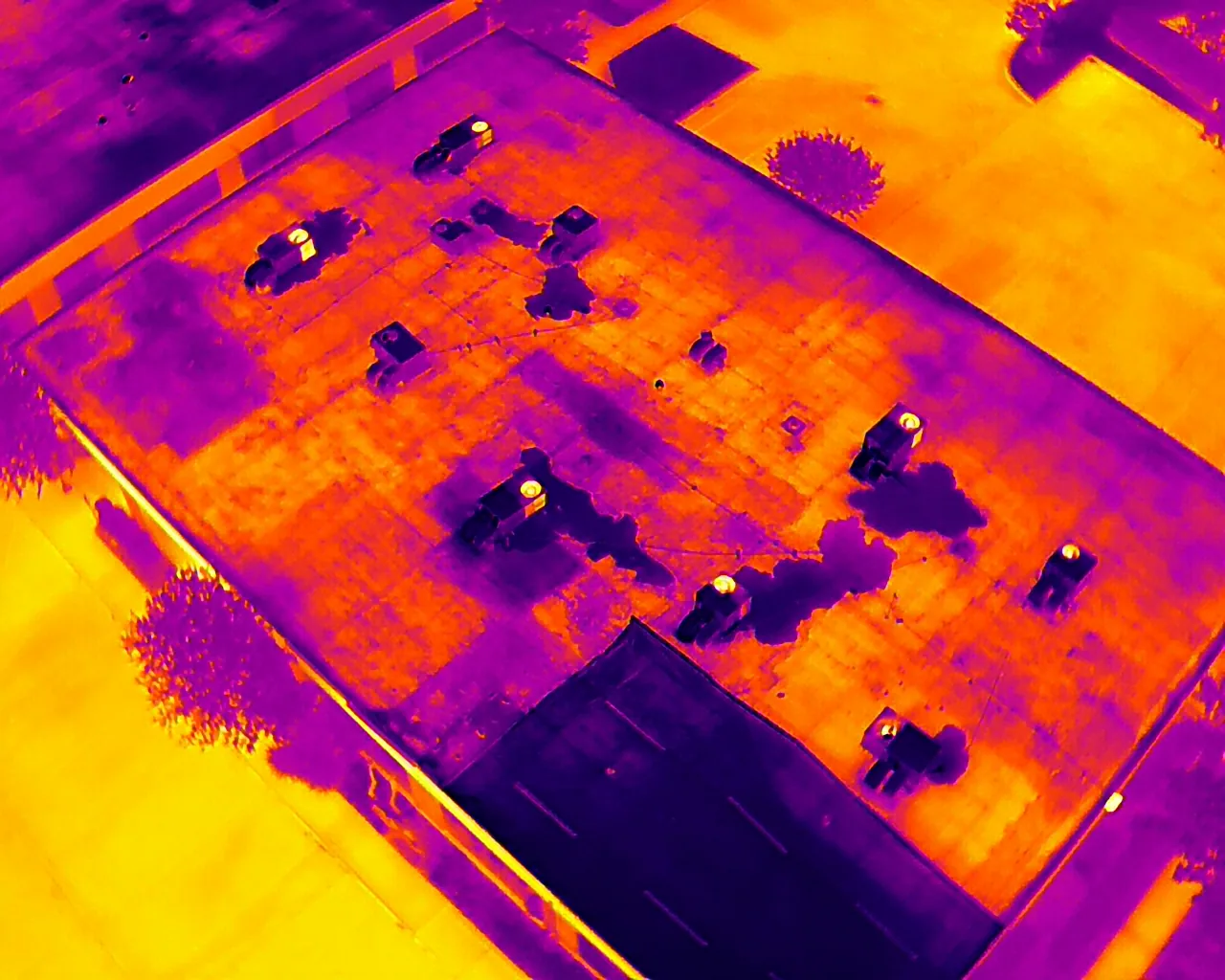
Equipment curbs and pipe supports create roof details that must keep working after a mechanical visit is finished. A technician may leave a line disconnected, a fastener loose, or flashing disturbed without an immediate ceiling stain. We trace the assembly from the unit base to the surrounding membrane, then record each side, nearby seam, and route for water. The report separates roofing work from HVAC or plumbing work so a project manager can assign the right trade. In Escondido, a scheduled visit near the Harmony Grove employment area may involve gated access and several contractors sharing one roof window. Conditions differ at a property in the Grand Avenue area, where street access and delivery timing can shape staging. Those local settings affect coordination, not the diagnosis. We base the repair on the observed curb, support, membrane, and interior evidence.
Curb condition and movement
A curb perimeter needs a close look at corners, joints, and transitions. We check whether flashing stays bonded to the curb, whether metal counterflashing sheds water, and whether fasteners have pulled through. Sealant can conceal a gap without correcting the underlying lap, so its presence alone does not establish that a detail is sound. We photograph all four sides when access permits and note any obstruction from conduit, screens, or adjacent equipment. The condition record identifies movement, corrosion, open seams, punctures, and prior patch layers separately. That helps the owner compare a focused repair with a larger correction. A commercial inspection can document adjacent field seams and drainage points at the same time, while the scope keeps each finding tied to its own roof zone and recommended action.
Support loads and bearing
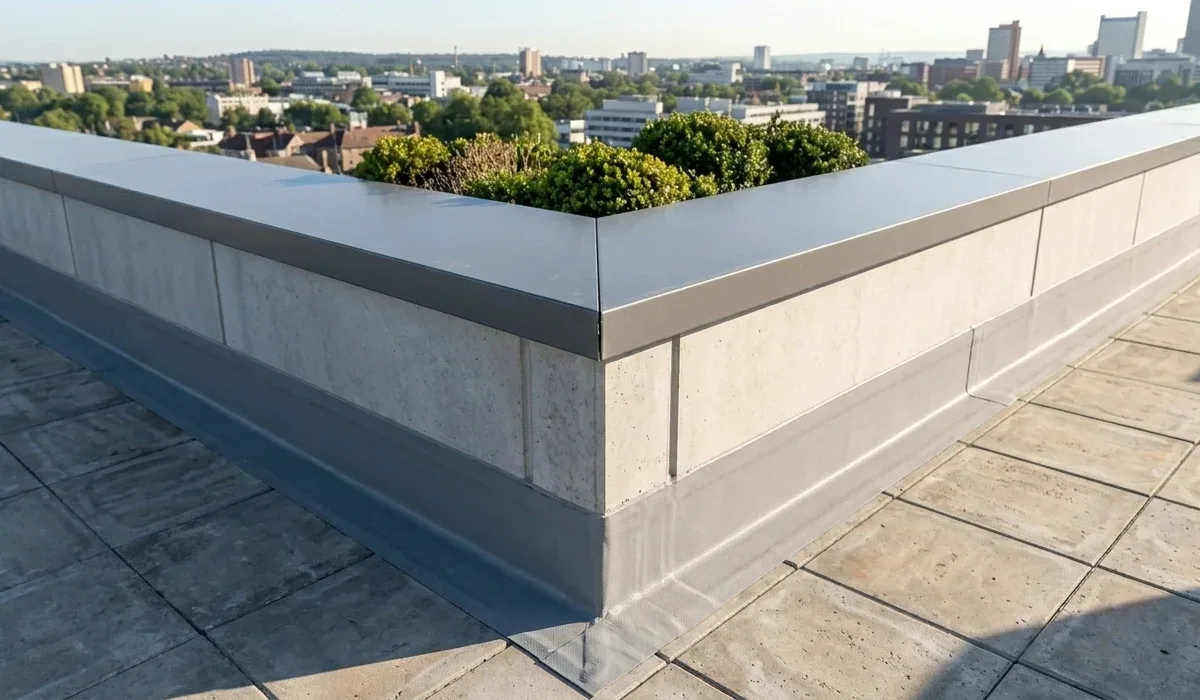
Pipe stands, rails, and equipment supports place concentrated forces on a roof assembly. We inspect the bearing pad, attachment, base plate, and membrane contact point for crushing, abrasion, looseness, or displacement. If the support bears on insulation rather than framing, the visible surface may not reveal how the load reaches the structure. We flag that question for the appropriate building professional instead of treating a roofing visit as a structural analysis. The project record shows the support location and the condition beneath it where visible. Metal components also need enough clearance to protect the membrane during vibration and later service. When a support repair affects coping or parapet transitions, that edge detail review can receive its own inspection and price. Clear trade boundaries help a general contractor schedule roofing and mechanical work without leaving either connection undefined.
Water path and roof assembly
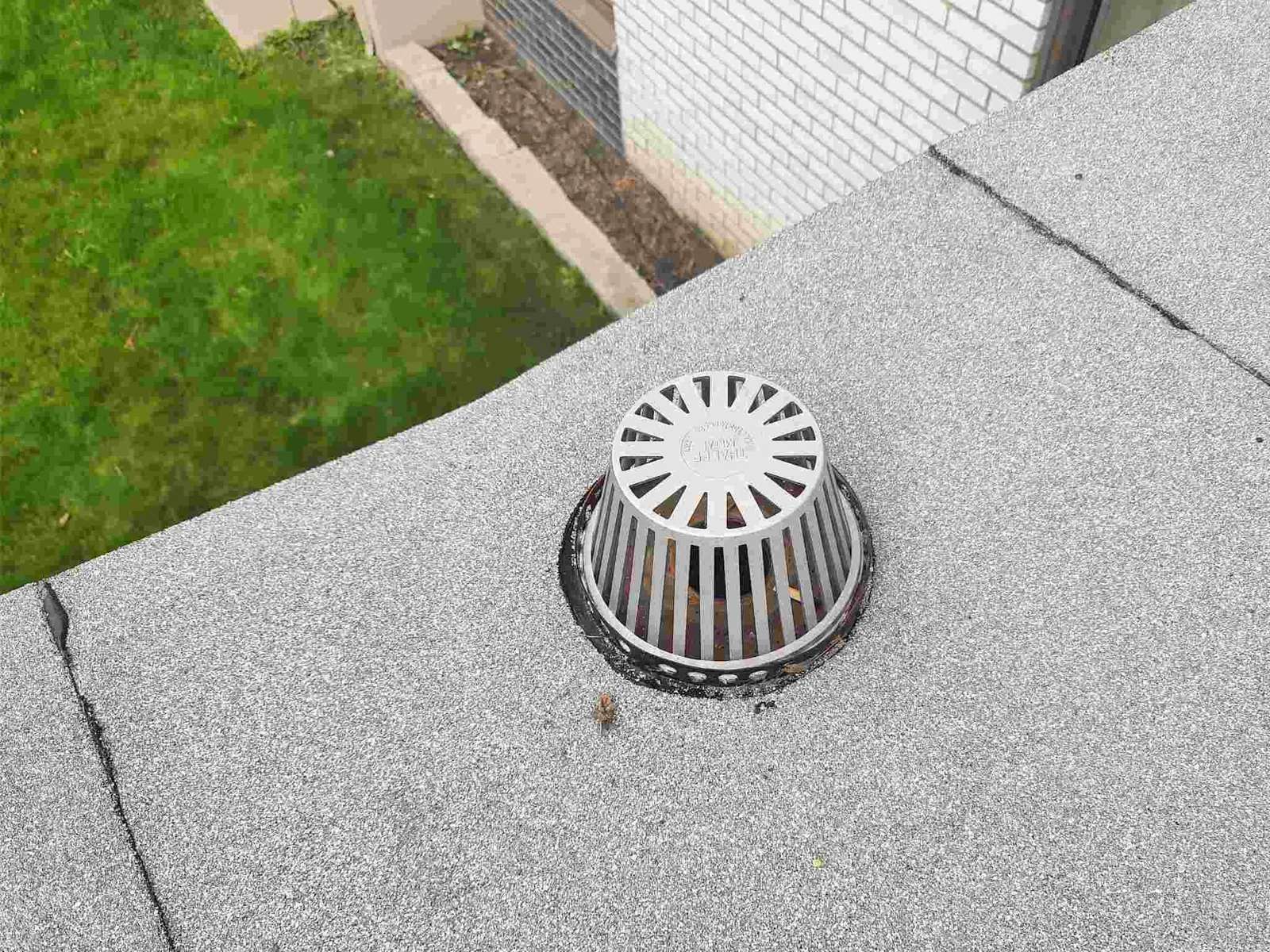
A stain below a rooftop unit does not establish that the curb is leaking. Water can enter at an upslope seam, follow a deck flute, collect at a low point, or appear after traveling away from the opening. We compare the reported interior location with membrane laps, slope, drains, supports, and visible moisture. If a non-destructive moisture survey would clarify the repair boundary, the owner can review its purpose before scheduling it. Any test cut or opening is separately discussed and documented. This is useful where rooftop screens limit the view or several penetrations occupy the same zone. The project team receives a roof sketch or marked photos connecting each observation to a reference point. Near the Escondido Research and Technology Center, a shared zone reference can help contractors discuss the same curb without overstating the cause. In and around the Citracado Parkway employment district, access plans may involve several trades, so the sketch also clarifies which opening is under review.
Membrane compatibility
Flashing details must suit the installed roof rather than the product a contractor happens to have on hand. We identify the membrane family, surface condition, seam method, and existing transition before specifying repair materials. TPO membrane, EPDM-compatible flashing, asphaltic membranes, and metal assemblies use different preparation and attachment methods. A curb patch that bridges incompatible surfaces can separate even when the visible cutout looks complete. The written scope names the work area, preparation, material, termination, and any test requested by the owner. If opening the detail exposes wet insulation or a damaged deck, the crew pauses and documents the finding before extending the work. That keeps the approved price tied to the conditions reviewed. The same discipline applies at adjacent drains and edges, where separate corrections can be listed without blending them into the equipment allowance.
Access window and trade sequence
Roof access, unit operation, and building use set the practical work window. Before mobilization, the facility contact identifies the roof entrance, escort procedure, restricted areas, and any equipment that must remain available. A mechanical lead confirms isolation or restart steps when the curb or support connects to active systems. The roofing scope states which party disconnects, lifts, or resets equipment; assumptions remain visible until the team resolves them. For properties around Grand Avenue, loading and street access may differ from an industrial parcel along Citracado Parkway. We confirm the conditions at the actual address rather than treating one district as a stand-in for another. Weather, roof temperature, deliveries, and tenant activity can also affect sequencing. A written access plan gives the owner a workable schedule and a contact for changes before the roof opening is exposed.
Frequently Asked Questions
How do you determine whether water entered at a curb or a nearby seam?
We compare the interior report with curb flashing, nearby laps, slope, drains, and visible moisture. Marked photos connect each observation to the proposed repair area.
Can one loose pipe support require replacement of the whole roof?
Not by itself. The decision depends on membrane condition, insulation, deck evidence, and whether movement appears at other supports.
Who disconnects rooftop equipment before flashing work?
The project team assigns that step to the qualified mechanical contractor. The roofing scope records the access window and handoff before the opening is exposed.
What should a general contractor include in a curb allowance?
Define access, protection, removal, compatible flashing, attachment, testing, and closeout photos. Price mechanical connections separately when another trade controls them.
What information belongs in the repair closeout?
Keep dated photos, the roof-zone reference, observed materials, completed work, and unresolved conditions with the work order for future maintenance.

Set the curb repair scope
Share the affected roof zone, equipment access contact, and operating window. Call to arrange an inspection and review the next scope.
Call 555-555-5555 or email [email protected].