
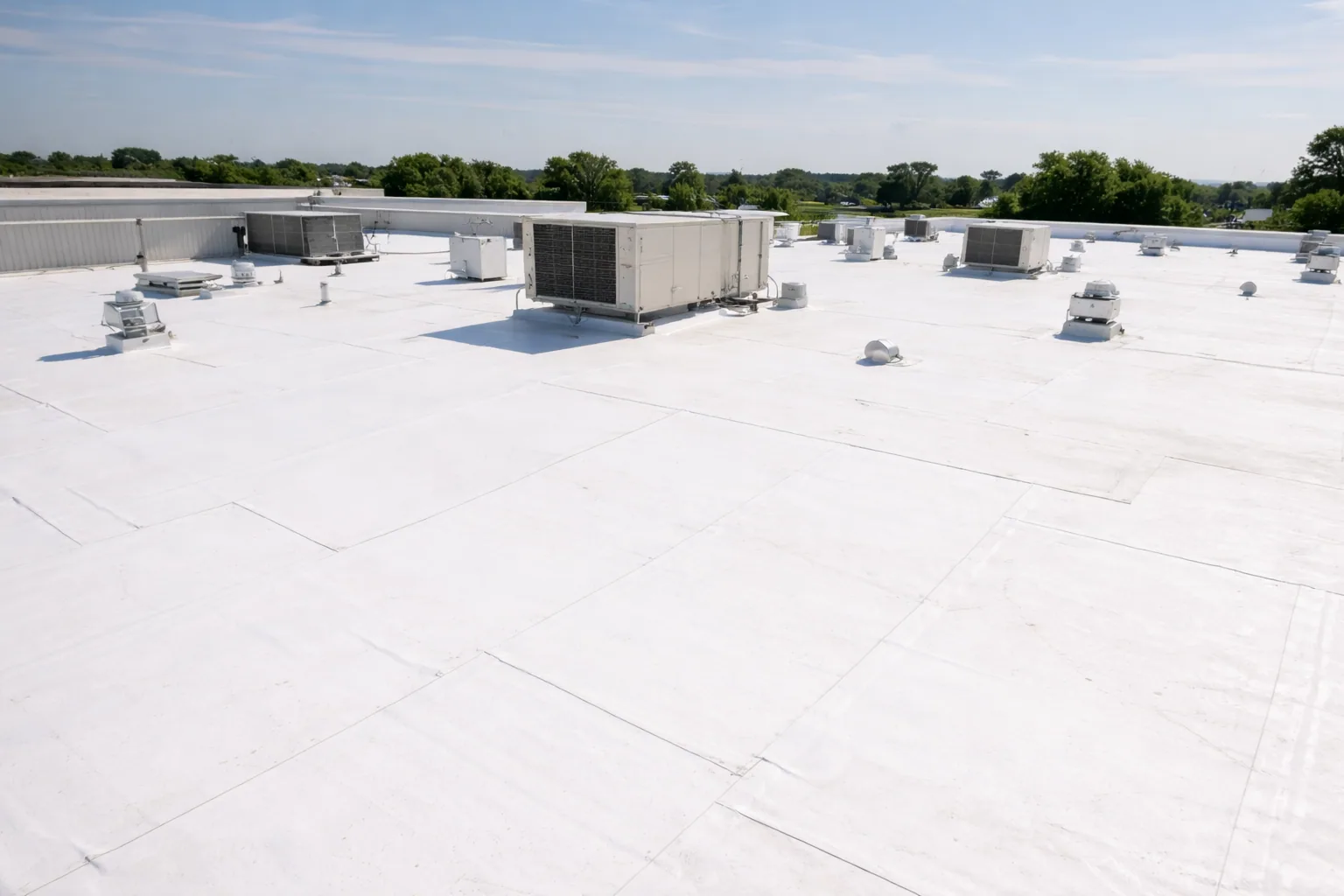
Commercial Roofing in Escondido Research and Technology Center, Escondido, CA
Service Areas · Escondido, CA
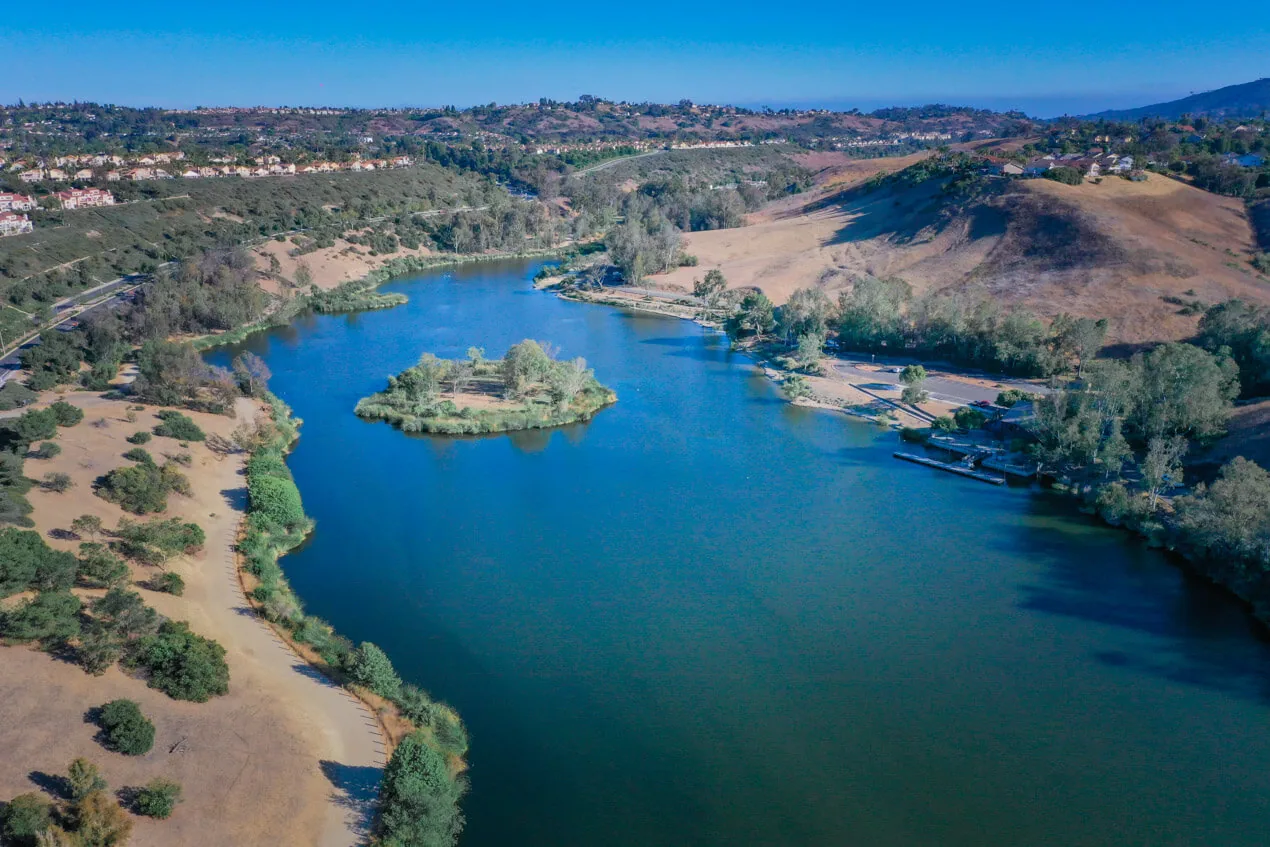
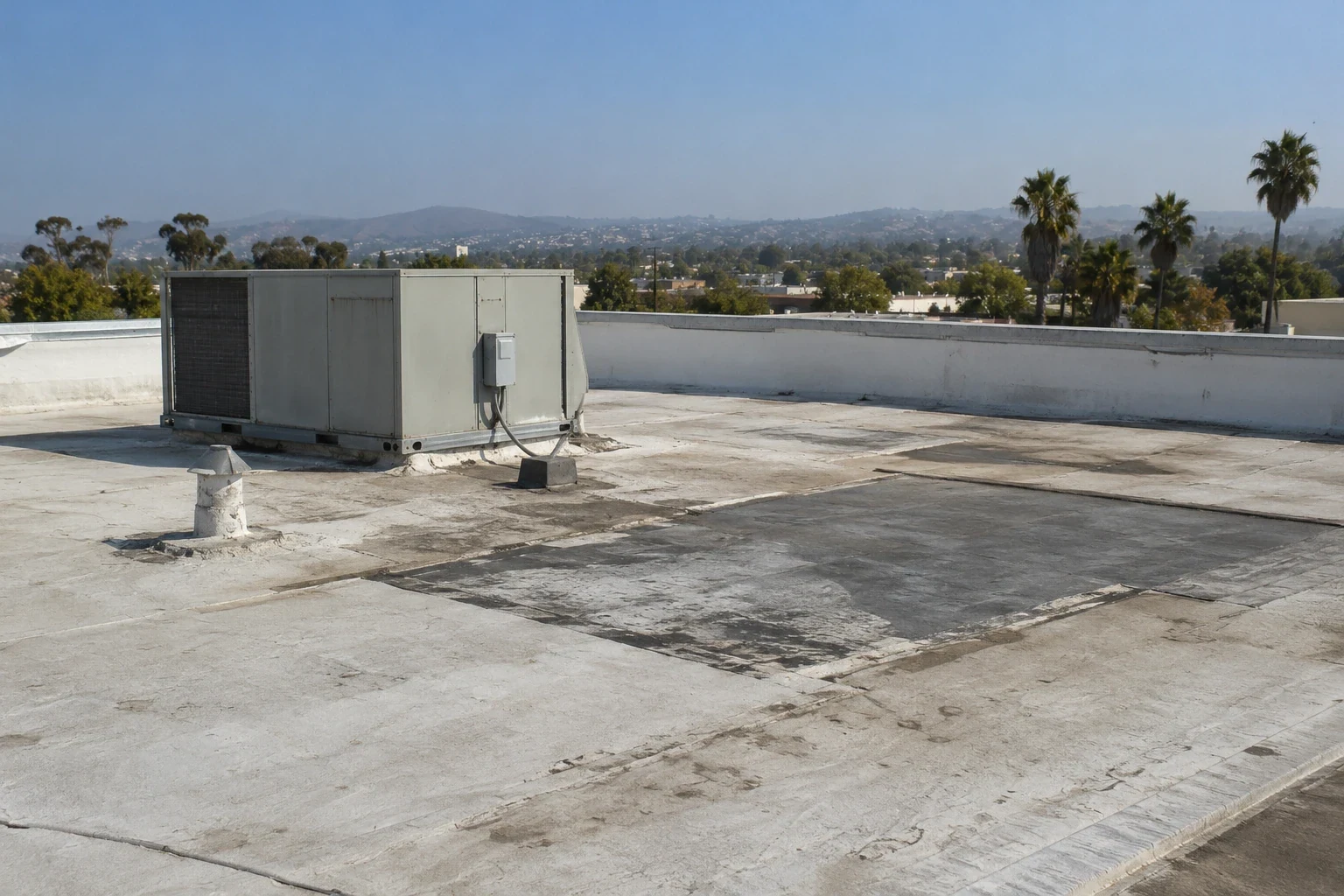
An equipment curb can change the repair boundary when several trades share the roof. We inspect the flashing, supports, nearby seams, and drainage before setting the roofing scope. Escondido’s General Plan reserves substantial employment acreage for the Research and Technology Center, with land intended to support technology firms and corporate headquarters. For an existing or planned building, confirm the current use, roof assembly, and access with the project contact. A commercial roof inspection records the accessible conditions and the questions that need design or testing.
Start from the project documents
For a planned project, review roof plans, specifications, equipment schedules, drainage details, and the construction phase. For an operating property, gather inspection reports, repair invoices, leak logs, and access instructions. Keep design review separate from a field inspection, and mark any difference between proposed and installed conditions before pricing work. That prevents a preliminary drawing from becoming an assumed as-built condition. When roof review accompanies design work, keep proposed equipment locations separate from field-verified curb locations. Mark both on the plan and identify which trade owns a flashing change.
Planned technology uses include life sciences, biotechnology, biomedical activity, software, telecommunications, and research and development. That mix gives project teams context, not proof of laboratory operations or unusual roof requirements at a specific property. If rooftop equipment or exhaust penetrations are present, verify their locations and responsibilities with the owner. The condition report should map each observed detail. Insulation and cover-board scope should follow the assembly information and any test results.
Check penetrations and support details
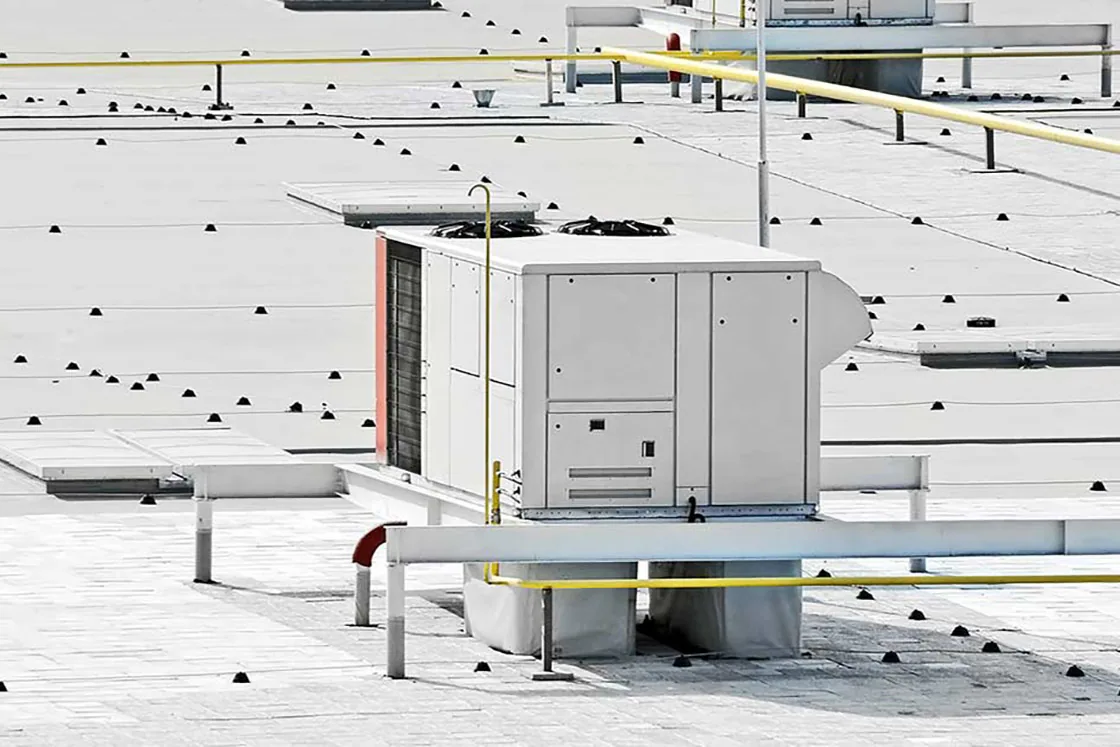
We look at field seams, wall transitions, perimeter edges, drains, curb corners, pipe supports, and any repair that crosses another trade's work. A cracked curb flashing can allow water below the membrane even when the equipment base looks stable. A new unit can also place its legs or service route across a prior repair. Photograph the detail and surrounding area before opening or lifting components. Record which trade must isolate, disconnect, or reset equipment.
A curb and support scope should define the roofer's tie-in and the mechanical contractor's tasks. If a leak path remains unclear, compare interior observations with the roof map. Aerial images can help orient a larger surface but cannot verify concealed attachment or moisture. We identify whether hands-on probing or a test opening is needed and who can approve it.
Inspect exposed transitions after wind
From September through May, Santa Ana winds can carry dry, warm or hot conditions west through Southern California mountain passes and can damage property. Before a project window, confirm edge securement, flashing transitions, and temporary closure details against current site conditions. We inspect and photograph visible movement, open joints, or membrane tears before tying any repair to a reported event.
Escondido Fire Department says local red-flag conditions normally involve dry, usually warm Santa Ana or easterly winds from the northeast. On those days, follow current safety restrictions, secure loose materials, and confirm the approved access plan before work. A wind-related roof assessment can record observed conditions. If a confirmed defect needs work, a bounded repair scope shows preparation, tie-in length, and the completed-detail check.
Coordinate access with active operations
Rooftop work may intersect with equipment service, interior occupancy, deliveries, and other construction. Confirm the hatch or ladder, escort requirements, shutdown windows, lift location, staging area, and rooms below the work. A test opening needs approval and a plan for same-day temporary closure. When a building remains occupied, describe noisy tasks and the work zones that can be closed. The schedule should identify who can answer a field question if concealed conditions change the scope.
The General Plan calls for vehicle, transit, pedestrian, and bicycle connections among commercial centers. For roof deliveries, the general contractor confirms a suitable truck route, lift position, and property entrance with the site contact. A phased occupied-building roofing sequence can coordinate room protection and daily closeout. A project in the Felicita Road and I-15 office area needs a confirmed loading route and staging point before insulation or membrane delivery. Before a tenant improvement or equipment replacement, compare permit drawings with the current roof plan and field-mark each curb, support, pipe boot, and conduit penetration. Confirm who seals new fasteners and who returns to photograph the tie-in after the mechanical work. A written responsibility line helps the roofer, engineer, and facility team keep the detail in the project scope. Keep uninspected areas outside the repair quantity until a field visit confirms the assembly and access.
Set repair limits before planning replacement
A localized defect can remain a repair if surrounding membrane, attachment, and substrate are sound. Broad moisture, recurring seam failures, loose attachment, or deck concerns may justify testing beyond the visible opening. A recover requires review of existing layers, moisture, compatibility, drainage, and applicable limits. Replacement becomes a planning option when the assembly cannot support a reliable bounded repair. We document what each route assumes and what remains unconfirmed.
Cost and timing depend on roof height, safe access, equipment moves, penetrations, interior protection, and work windows. Those drivers belong beside the scope quantities. A capital planning review can show immediate repair separately from a longer-range project. A property in Harmony Grove Industrial Park needs its own roof plan, inspection record, and access window.
Frequently Asked Questions
Does the Research and Technology Center plan identify current buildings?
It identifies employment acreage and land uses for development, not the status or roof assembly of a particular property. We confirm the building and project records before assigning a roof scope.
Can roof work continue while rooftop equipment is operating?
That depends on the equipment, access, and task. We identify disconnect, lifting, support, flashing, and reset responsibilities with the mechanical contractor before scheduling work near an active unit.
What if a curb leaks after new equipment is installed?
We inspect the curb, membrane tie-in, supports, and nearby seams, then compare the finding with the installation record. The repair scope should show the affected transition and trade coordination needed.
Can a drone confirm the roof is dry?
No. Aerial images can help locate visible surface conditions and orient roof zones. Moisture or attachment questions need appropriate hands-on testing and, where needed, a test opening.
Which records help set a roof work window?
Send roof plans, equipment schedules, occupied hours, access rules, lift restrictions, leak notes, and the person who approves testing. Those details help coordinate roof work with other trades and building operations.

Review a Research and Technology Center roof
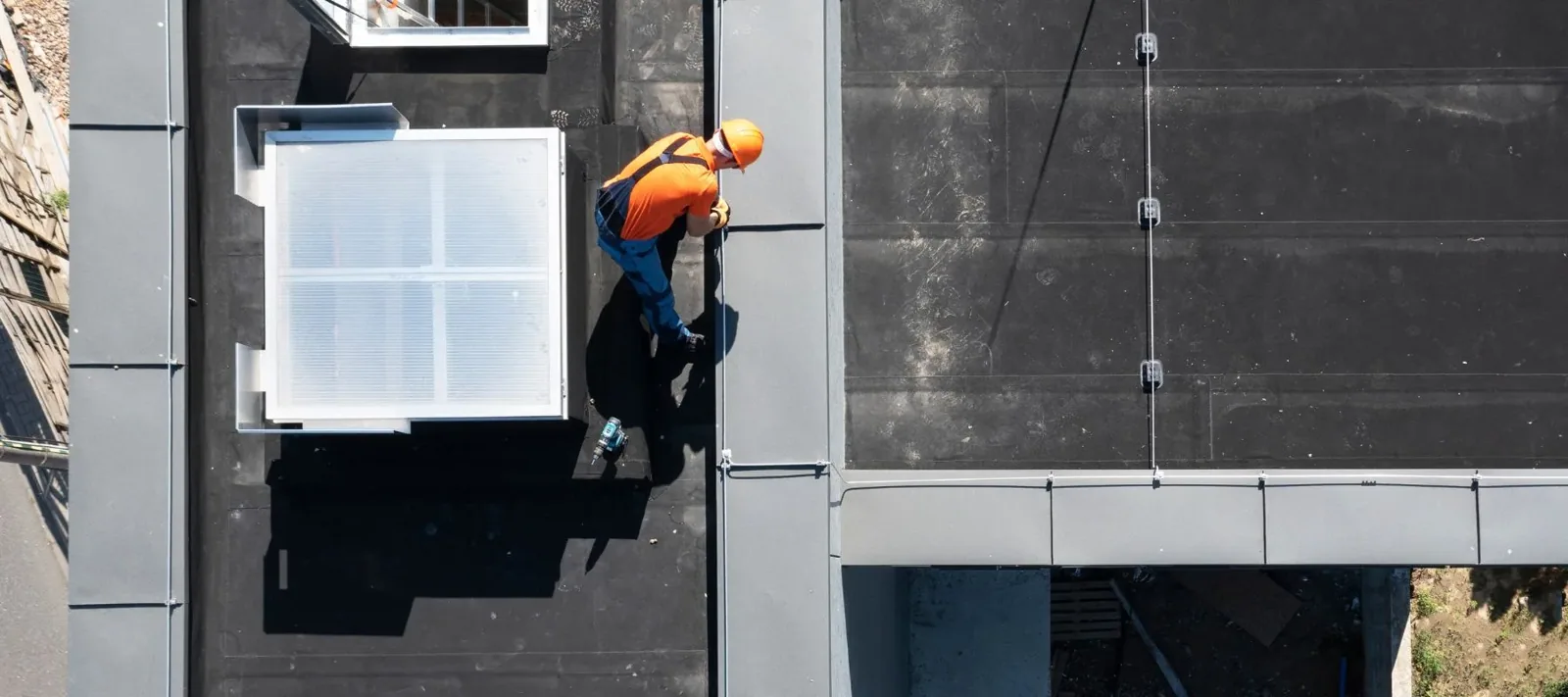
Share roof plans, equipment schedules, repair records, and site access instructions. Call Commercial Roofers Escondido to arrange an inspection and set the repair boundary.
Call 555-555-5555 or email [email protected].