
Commercial Roof Planning for Property Managers in Escondido, CA
Industries We Serve · Escondido, CA
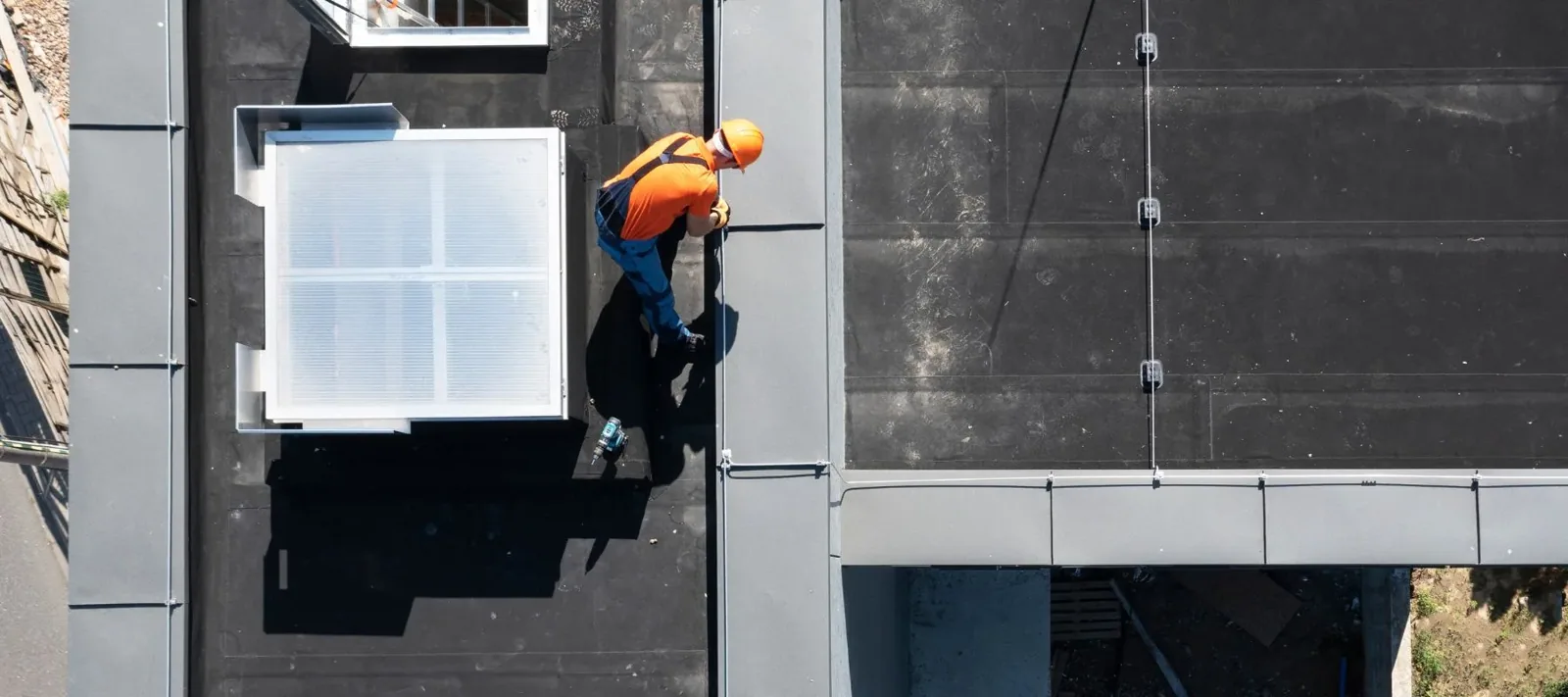
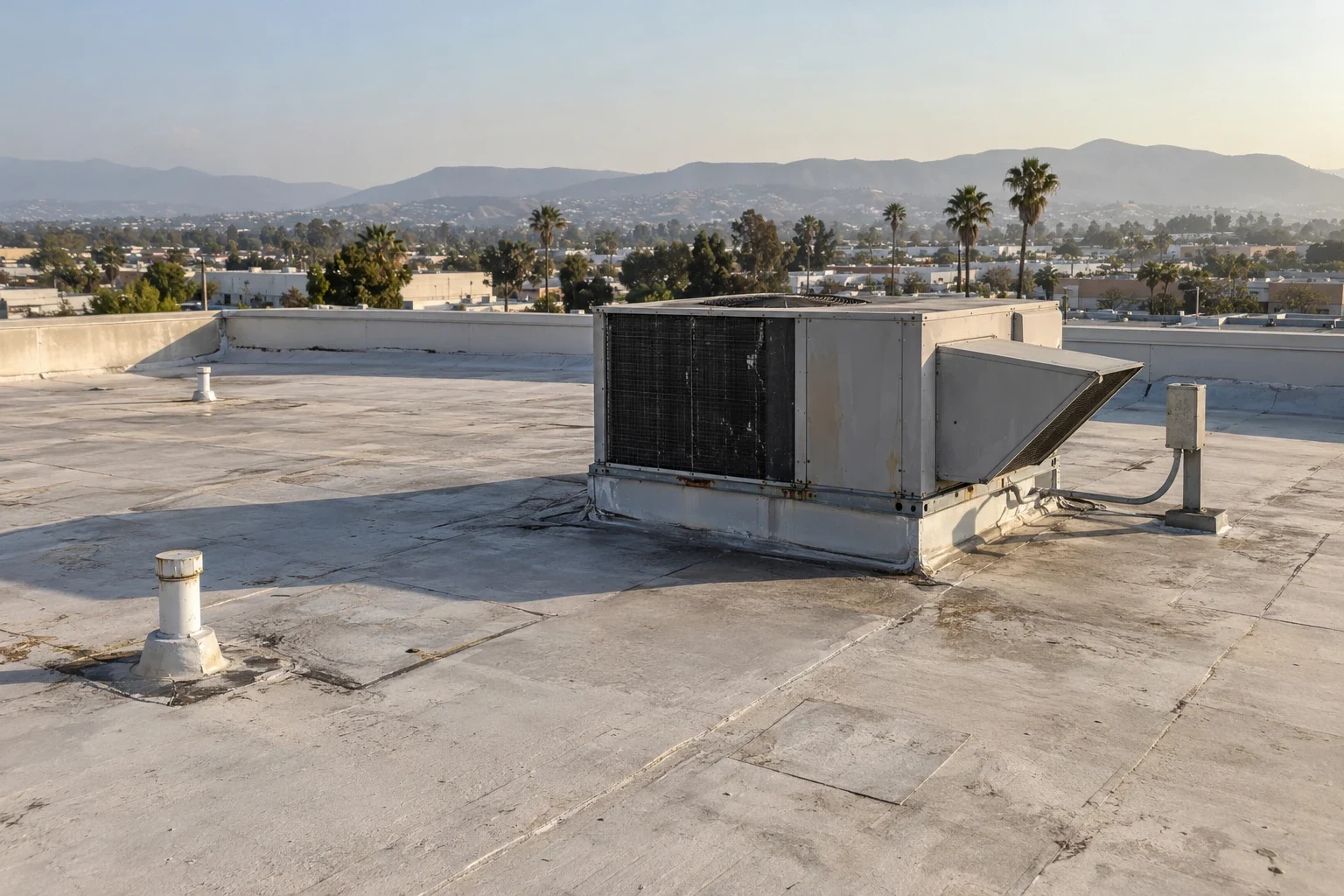
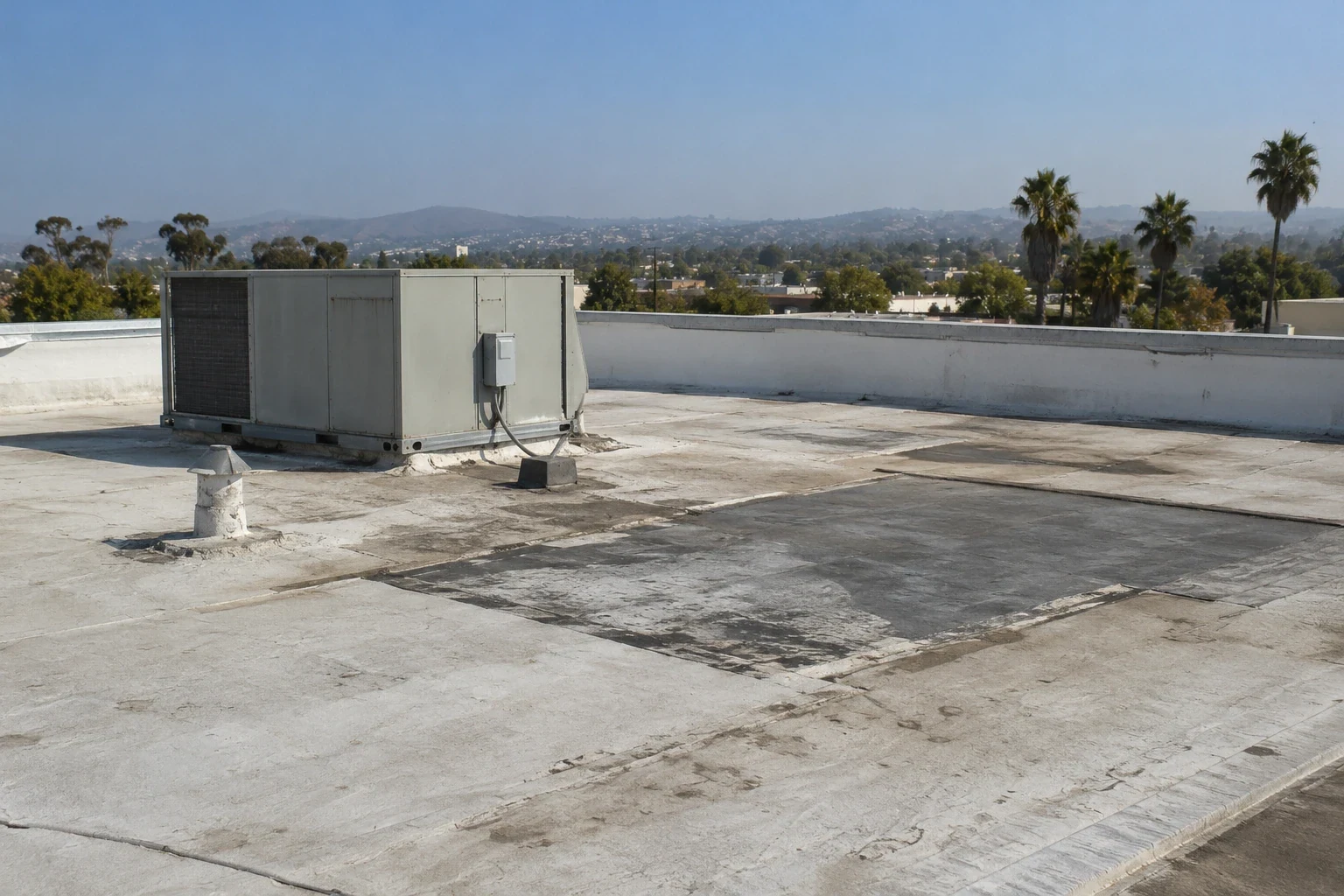
A leak report may be accurate but still miss the full repair scope. Property managers need a finding tied to a roof zone, tenant, access window, and next decision. We inspect commercial roof conditions in Escondido and record what is visible. That may include an open seam, loose edge metal, wet insulation, a blocked drain, or a detail that needs closer review. The report separates observed conditions from items that remain unconfirmed. Santa Ana winds can bring dry, warm or hot air through Southern California during much of the cooler season. That regional pattern gives exposed edges and penetrations a reason for attention, but it does not prove damage at a specific property. A practical roof condition report helps a manager assign a next step without turning every note into an emergency project.
Tie each report to a building decision
A portfolio list is not a roof plan by itself. One symptom can call for a repair at one building and a broader review at another. We connect each finding to its roof zone, assembly when known, access limits, and open questions. A split at a termination may need a defined repair. Repeated moisture indicators may need more investigation before pricing. Photos stay tied to locations, so a manager can find the same condition later. We separate active water entry from older staining when evidence supports that distinction. The report should identify who acts next and whether the decision is repair, testing, or budget planning. Property managers can compare these steps with planning needs for real estate investors and REITs or healthcare systems, while keeping each site's roof evidence separate.
Use one evidence record across sites
Different buildings produce different work orders. A shared record makes comparison easier. Start with the manager's building name, roof section, observed condition, date, and photograph. Add limits such as a locked hatch, tenant restriction, covered assembly, or inaccessible equipment. Those limits leave questions open; they should not be replaced with a guess. A proposal can name the affected detail and state what is excluded. If investigation must come first, list it separately. This gives an owner a cleaner approval and a later reviewer a way to check whether conditions changed.
A multi-site roof program can group inspections by urgency, access readiness, assembly information, or budget window. It should not assume each property needs identical work. Separate records help prevent one leak from justifying a broad replacement elsewhere. They also make repeat findings and warranty questions easier to review.
Separate urgent entry from planned work
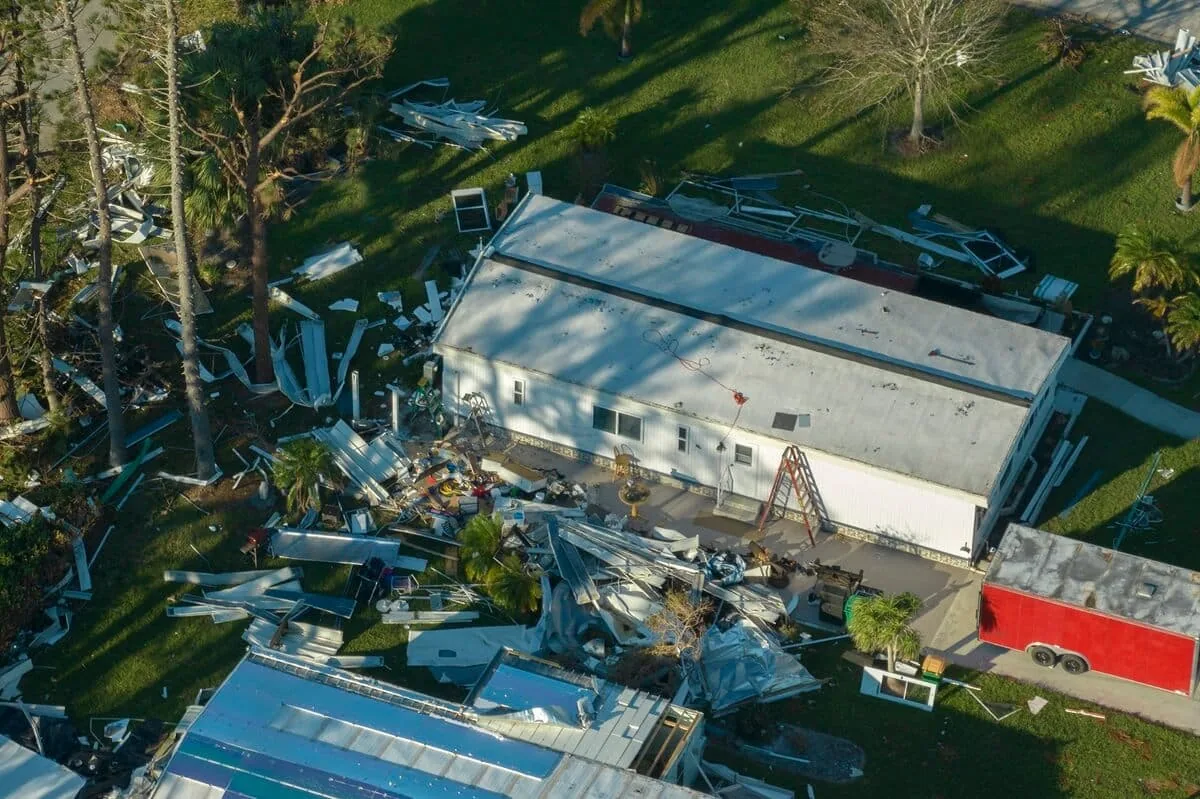
Not every roof call has the same timing. Active water entry near electrical equipment or occupied space deserves prompt coordination. A dry stain with no recent change may need documentation and monitoring. A loose edge after wind exposure could require a safe temporary measure while a complete repair is scoped. The inspection should record what is happening now, what the crew can safely reach, and what would change the recommendation. A manager can then separate stabilization from permanent work. We do not treat an after-hours call as proof that an entire roof has failed. We also avoid delaying a visible opening just because a larger budget request is pending.
For each building, identify the contact who can authorize access, escort requirements, tenant notification, and any roof safety rules. Mark equipment that cannot be shut down without approval. If water is still entering, note the route and any interior protection already in place. A defined commercial roof repair scope can then state which detail is addressed and whether follow-up testing is needed. This is especially helpful when property staff must explain a repair in a work order before the next budget meeting.
Make access part of the schedule
A crew can have a clear scope and still lose time if access is unresolved. Roof keys, lift placement, loading areas, tenant notices, escorts, and alarm procedures should be discussed before the visit. Managers can identify allowed work hours and any days when deliveries or customer traffic make staging difficult. We confirm the access path and note where a lift or material drop might interfere with daily use. If the roof is occupied by equipment service work, coordinate trades before opening a detail. That reduces repeat setup and helps protect the membrane from unnecessary traffic.
Access is not just logistics. It changes how much roof can be inspected safely and which repairs can be completed in one mobilization. If a tenant only permits a short window, the proposal should say what can be accomplished in that window and what remains. For planned work, a preventive maintenance visit can combine a walk-through with agreed small corrections when the roof and schedule allow it. Any condition needing a separate crew or material should remain a separate line item rather than disappearing inside a general maintenance allowance.
Build an approval-ready budget window
Owners usually need more than a single total. They need to know why the scope exists and what may wait. We can separate immediate protective work, defined repair, additional investigation, and longer-range assembly planning. Cost depends on roof access, material and assembly, quantity, detail complexity, work hours, and the condition found after the roof is opened. A photo cannot show every concealed layer. If deck condition or insulation cannot be confirmed without exploratory work, that uncertainty belongs in the proposal. It should not be priced as a repair quantity not yet confirmed.
For a capital discussion, compare the documented repair scope with a recover or replacement review only when the roof facts support that comparison. A roof capital planning review can sequence known needs by evidence and timing. It cannot forecast an exact service life from one visit. Managers should keep the assumptions beside the budget number: what is included, which area is excluded, and what finding triggers a change. That lets an owner approve the current need while reserving a separate discussion for a broader project.
Frequently Asked Questions
Can one inspection cover several buildings?
Yes. We record conditions and access limits separately for each roof. A portfolio visit organizes appointments, but one building's finding does not prove a condition at another.
What should a manager send before a roof visit?
Send the reported roof zone, recent photos, available plans, access contact, and operating limits. Share sensitive property details during scheduling. Those items help us plan without assuming the symptom reveals its source.
How do you prioritize leak requests?
Active water entry, safety exposure, business impact, and safe access shape timing. We document what is observed and what remains unclear, then separate temporary protection from permanent repair.
Can a maintenance visit include small repairs?
It can, if condition, approval, materials, and access allow it. We identify included corrections before mobilizing; larger or concealed findings receive separate review and pricing.
Will a roof report set a replacement date?
No. The report records current conditions, known assembly details, and priorities. A replacement window requires broader evidence, budget context, and any findings from follow-up work.

Review a property roof scope
Share the reported area, access contact, and timing constraints. Call Commercial Roofers Escondido to arrange an inspection and review a defined scope.
Call 555-555-5555 or email [email protected].