
Multi-Site Commercial Roof Programs in Escondido, CA
Roofing Capabilities · Escondido, CA
A portfolio view is only useful if each roof keeps its own evidence. One property may need a seam repair, another a drain correction, and a third a test opening before its scope is known. We build a common record for dates, photos, repair status, and next decisions while preserving each site's assembly and access limits. Escondido's General Plan identifies employment uses in technology, manufacturing, offices, professional services, and shopping. A regional owner can have very different operating needs within one market. A roof asset record can establish consistent fields without assigning one condition label to every property. Keep the asset file organized by roof zone.
Set the portfolio fields first
Agree on the building identifier, roof-area labels, known system, last visit, open findings, and record owner. A field that cannot be confirmed should stay marked unknown. Do not infer a membrane from a proposal title or assume an older addition matches the main roof. Use the same action categories across the portfolio, such as repair, investigation, monitoring, and capital review. Keep the detail behind each summary so a regional manager can trace why an item received its status.
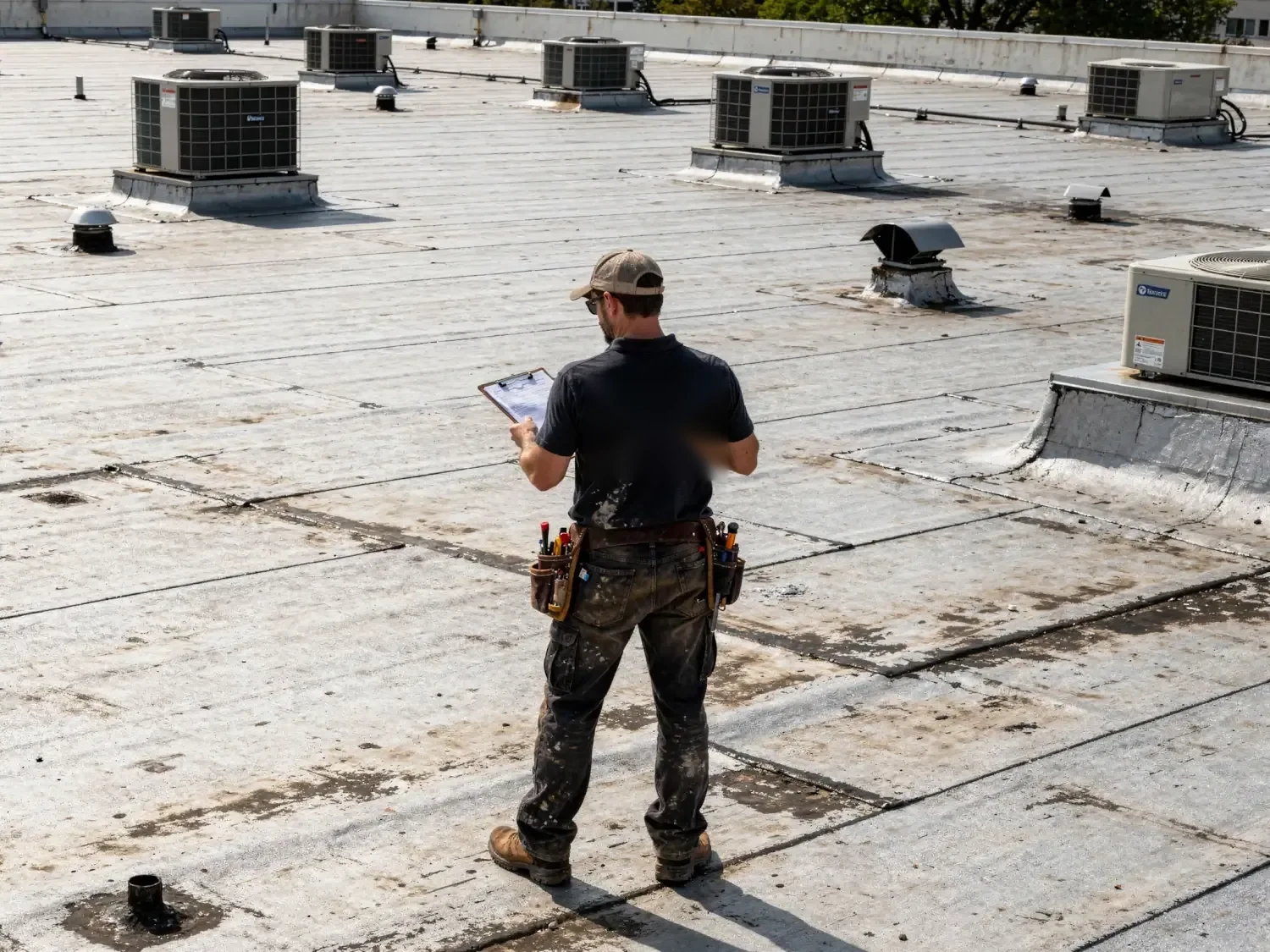
A commercial inspection can refresh one property's visible baseline. Reports should include the inspection date, photos, accessible zones, and limitations. A condition report with photo references helps later teams locate the same detail. The standard is a shared format, not a shared conclusion. Roofs with different build-ups, maintenance histories, and exposure still require separate findings and proposals.
Sort work by exposure and readiness
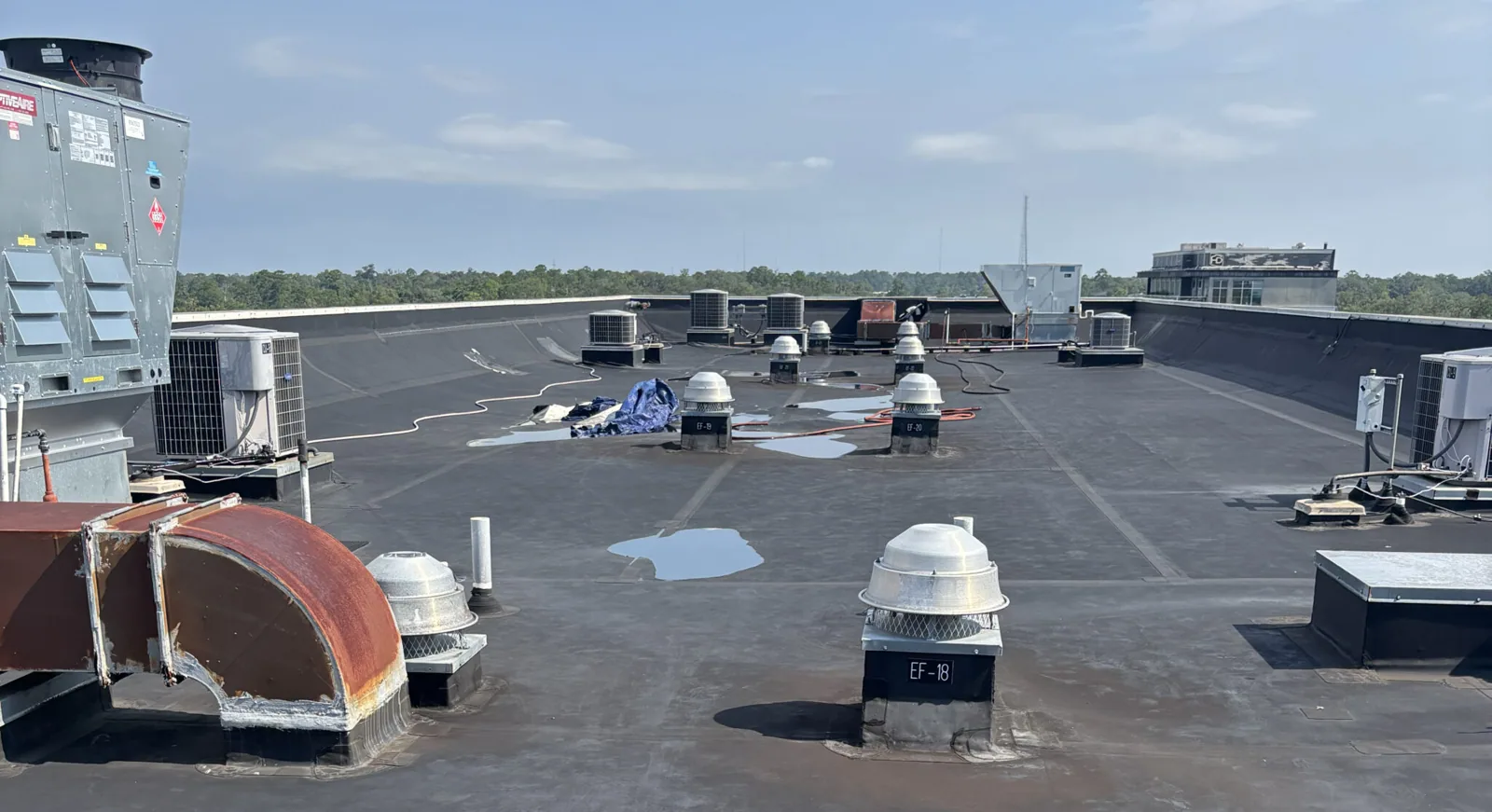
Start with active interior water entry, open roof details, drainage concerns, and work that could affect operations. Then identify properties ready for repair pricing and properties that need records, testing, or access approval first. The sequence should show the reason for each priority. A roof with a verified split seam is a different case from an area where only an interior stain has been reported. We document the distinction so the portfolio report does not turn an unknown into a confirmed defect.
Escondido's Fire Department associates local red-flag conditions with dry Santa Ana or east winds from the northeast. After a reported event, exposed edges and flashing transitions may merit review, but the weather description does not prove damage to a specific property. A storm-damage inspection can record observed conditions for that location. If a roof has a drain or seam issue, keep the correction as a defined scope rather than rolling it into a portfolio allowance.
Batch visits without losing site detail
Grouping nearby inspections can reduce travel and simplify manager coordination. The route still depends on roof access, tenant schedules, escort requirements, roof hatch location, and equipment restrictions. Before a field day, confirm who can open each building and whether any interior areas require notice. A common checklist helps collect comparable information. It does not justify skipping site-specific safety or access steps.
Escondido's coordinated commercial planning includes Downtown and the East Valley Parkway, Centre City Parkway, and Escondido Boulevard areas. Grand Avenue's second streetscape project phase finished in June 2025; the changes widened pedestrian routes, introduced diagonal parking, and added roundabouts for traffic calming. For a roof in Downtown Escondido, confirm the loading and staging plan with the property contact before batching the visit. Each visit log should record its own arrival window, route, and areas inspected.
Connect recommendations to budget windows
Portfolio budgeting needs comparable scopes. For each property, identify what is included, quantities that remain uncertain, access equipment, interior protection, trade coordination, and any likely approval steps. Separate immediate leak protection from permanent repair and replacement planning. The owner can then group work that is ready while keeping unresolved investigations visible. A capital planning review can translate dated findings into a sequence without assigning a replacement year from age alone.
If a building needs a recover or replacement option, describe the existing assembly, moisture evidence, attachment, deck questions, drains, curbs, and edges. A recover review should explain what layers stay. A replacement proposal should show removal and new assembly assumptions. When an acquisition is part of the portfolio, a due-diligence survey can capture transaction-specific access and evidence needs. These scopes stay attached to the correct property even when their approval dates align.
Use regional context for scheduling
Planning documents reserve a significant portion of Escondido employment acreage for continued development in its Research and Technology Center. Poway's Business Park profile spans research, distribution, manufacturing, warehousing, and lighter industrial use. These district facts help frame regional property variety, but they do not identify an individual roof system or its condition. We verify the specific property before planning materials or setting a work window.
For regional work, a Harmony Grove Industrial Park visit and an Escondido downtown inspection may need different access and staging plans. Neither district label replaces a named property contact, route, or safety review. We can coordinate across the portfolio, then issue a separate field record and repair boundary for each building. Keep local scheduling context alongside, rather than inside, the technical condition rating.
Frequently Asked Questions
Can one score compare all the roofs in a portfolio?
A summary can group actions and dates, but each roof needs its own findings, assembly, and access limits. We keep the evidence attached to each property so a common status does not hide different conditions.
How do you decide which property to inspect first?
Active water entry, open details, drainage concerns, operating impact, and access readiness help set the order. We document why a site is prioritized and flag where more records or approval are needed before a visit.
Can inspections be grouped by region?
Nearby visits can be batched when access and operating schedules allow. Each site still gets its own route, inspection record, roof-zone map, and scope. A district label cannot replace property-specific permission.
How should owners handle unknown roof systems?
Mark the system unknown, gather available plans and invoices, and confirm visible components during a field review. Concealed layers may need testing before a replacement or recover assembly can be specified.
What belongs in a portfolio budget report?
Include each property's action, scope boundary, dated evidence, access needs, unresolved quantities, and approval date. Keep immediate mitigation distinct from permanent repair and longer-range capital options.

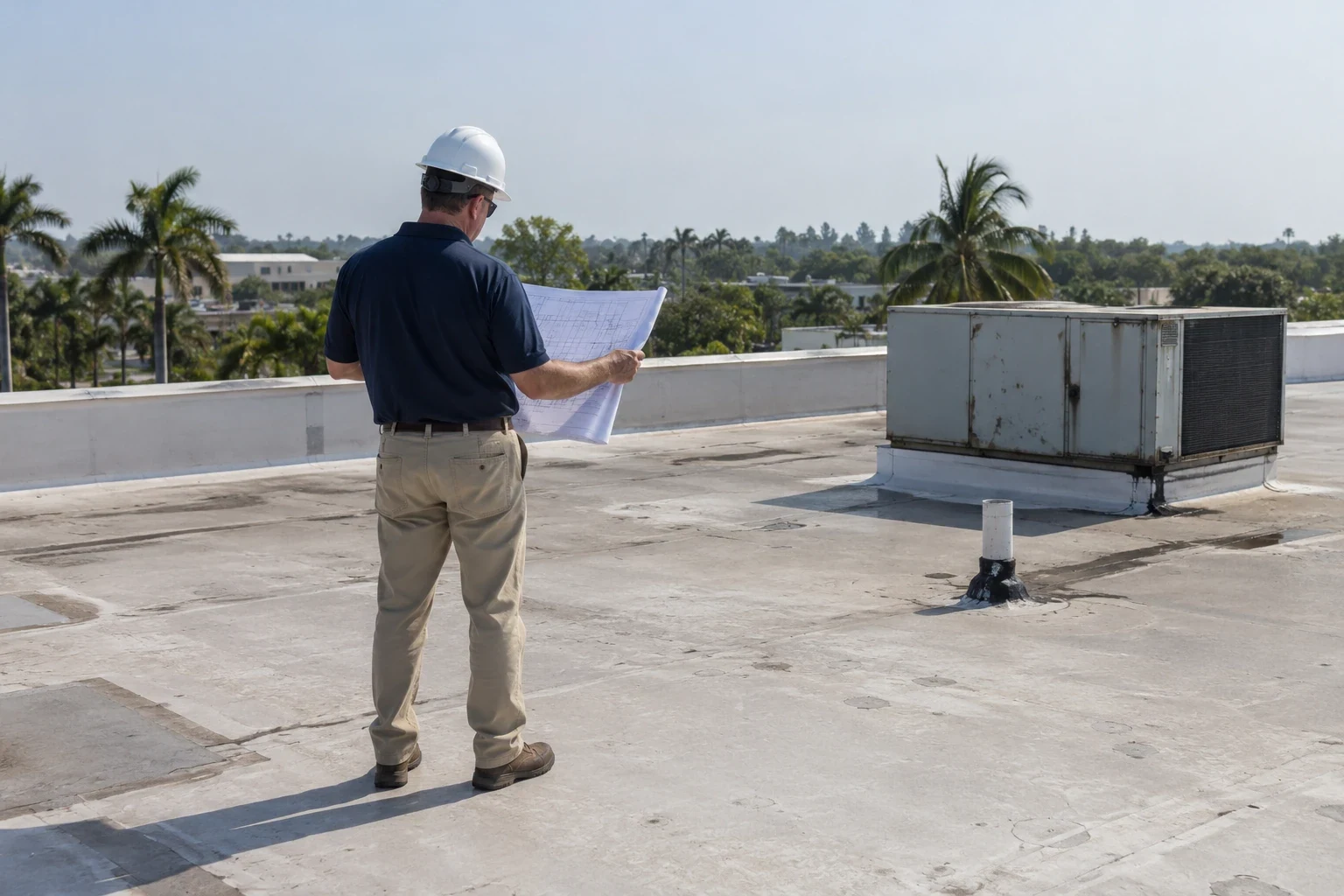
Coordinate a portfolio roof review
Send the property list, current reports, repair history, access contacts, and operating calendars. Call Commercial Roofers Escondido to plan site visits and organize decision-ready scopes.
Call 555-555-5555 or email [email protected].