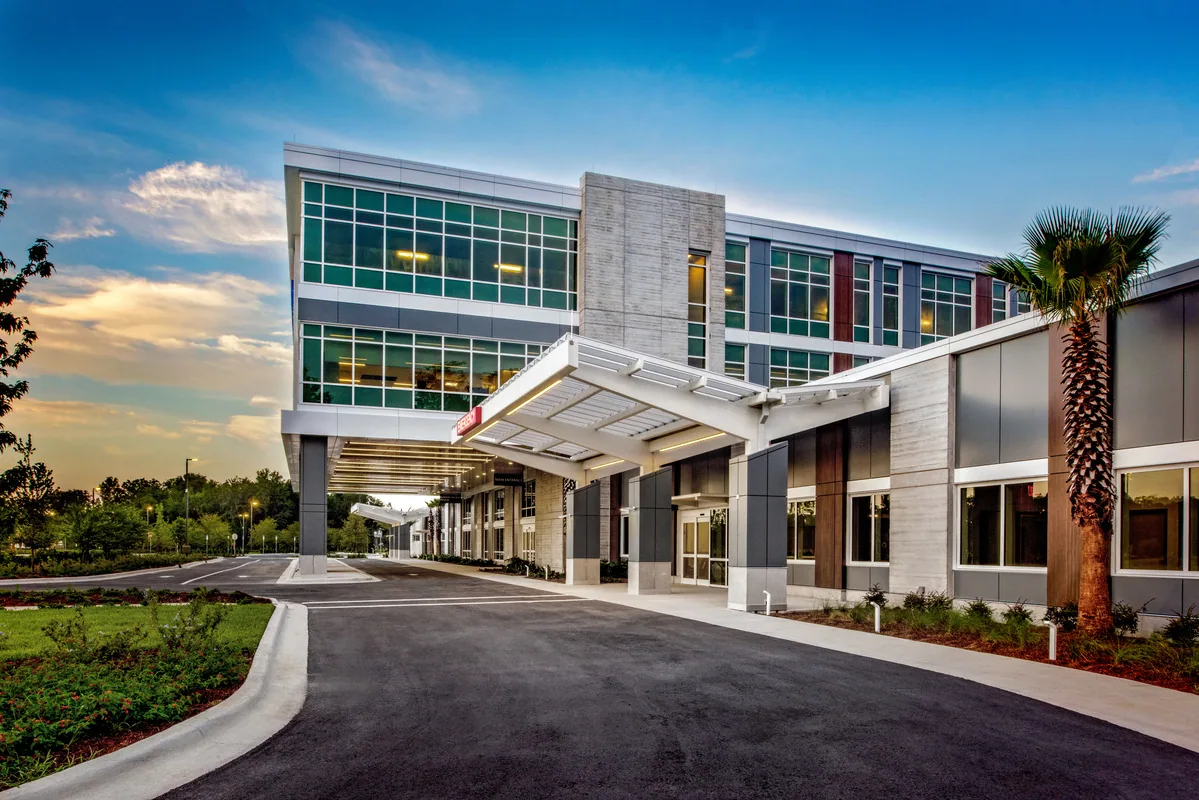

School District Roofing in Escondido, CA
Industries We Serve · Escondido, CA

A school roof project has to fit the school day, campus access rules, and the facilities team's approval path. In Escondido, CA, we begin by confirming which building is affected, how water is entering, and whether rooms below remain occupied. We inspect seams, flashings, drains, roof edges, curbs, and prior patches. Each finding is tied to a roof zone and a practical next step. The written scope separates immediate protection from permanent repair, testing, and any concealed condition that needs approval. If several campuses are involved, we keep their records distinct so a leak at one site does not become an assumption about another. Planning begins with the district contact and the person who controls each campus.
Escondido's employment base includes manufacturing, office, professional services, technology, and shopping. Downtown and Escondido Boulevard are city commercial references; East Valley Parkway and Centre City Parkway are additional map points. Those labels do not say what any campus roof contains. A district can use them to sort service coverage, then keep roof areas, access limits, and approval records separate by school. The access controls in a healthcare roof program differ from those in a manufacturing roof program.
Schedule Around the Campus Calendar
Ask for the calendar that governs the affected building, not simply the district's published term dates. Summer programs, testing, evening events, meal service, athletics, and custodial work can keep a campus active when classrooms are closed. The site contact can identify quiet hours, restricted walks, delivery locations, and dates when a roof area must remain clear. A repair may fit during a short break if access and dry-in are ready. A larger replacement can be divided into zones, each with a defined start condition and a point when the space below can return to normal use.
We set a sequence that names the work area, material route, protection below, and daily closeout. A phased reroofing plan can help coordinate trades where school operations continue nearby. Confirm who can stop work and how a weather or access change reaches the crew lead. That keeps the schedule usable when the campus changes during the day.
Separate Work Areas from Student Routes
Before staging, map pedestrian gates, bus circulation, service yards, emergency lanes, accessible entries, and any route shared by students and deliveries. The contractor and campus representative should agree on barriers, signs, overhead protection, and daily inspection responsibilities. Ladders and roof access remain controlled. Tools, fasteners, tear-off, and packaging must be accounted for at the end of each shift. The exact controls depend on the building, surface below, and whether other trades need access.
A marked plan should show where a lift may set up and how it avoids blocking fire access or a required entry. If the work touches electrical, mechanical, or interior systems, a general-contractor coordination scope can identify handoffs. A campus roof access review helps define how technicians can reach equipment after closeout. The campus team approves routes and restrictions before mobilization.
Trace Water to the Roof Condition
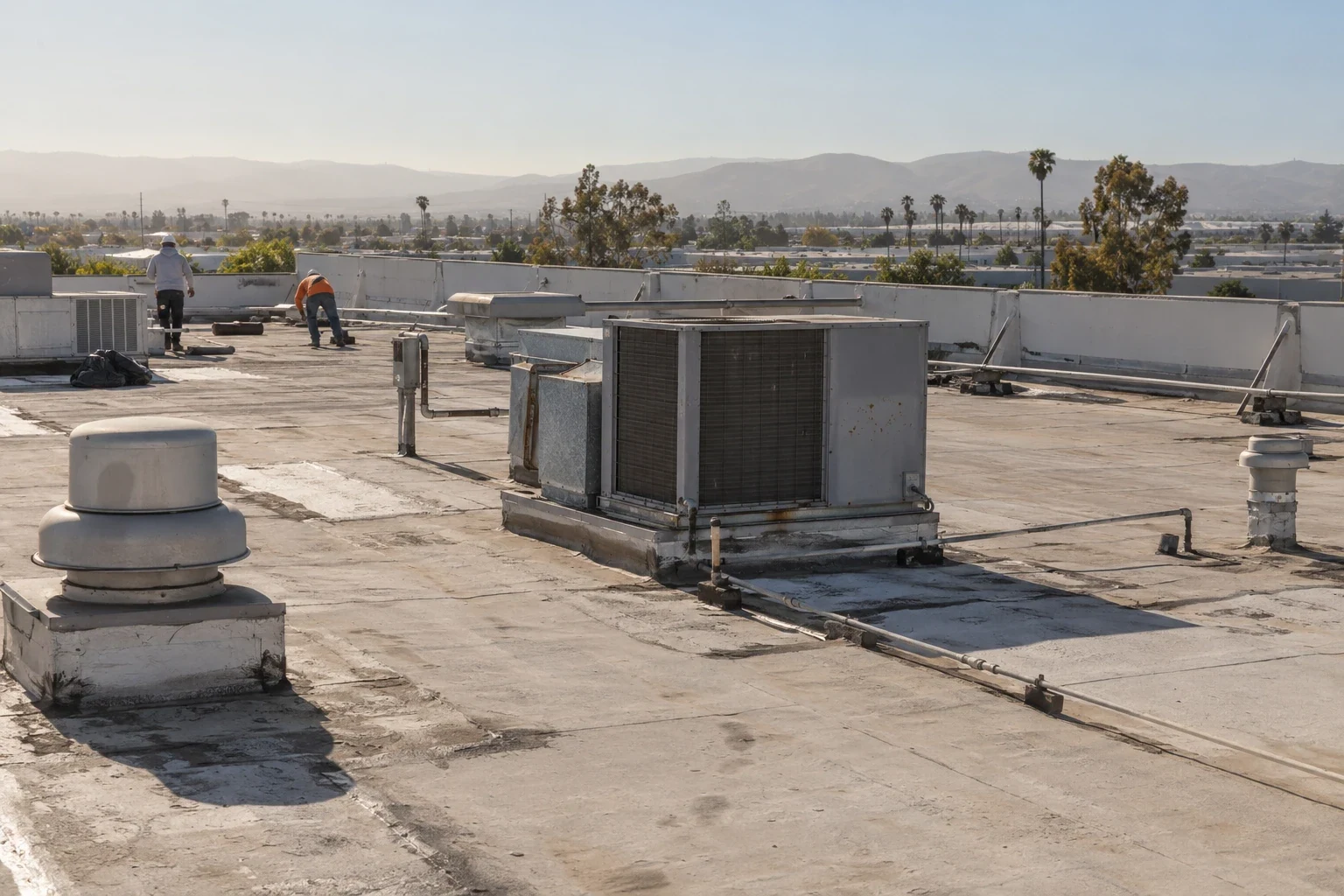
A ceiling stain is evidence of water entry, but not proof that the closest roof detail is the source. We follow the report to the roof and examine drainage paths, seams, penetrations, wall transitions, equipment curbs, and earlier repair edges. If water may be trapped beneath the membrane, we explain whether a test cut or other evaluation is needed. Photographs and zone references let the district compare locations without confusing one building with another.
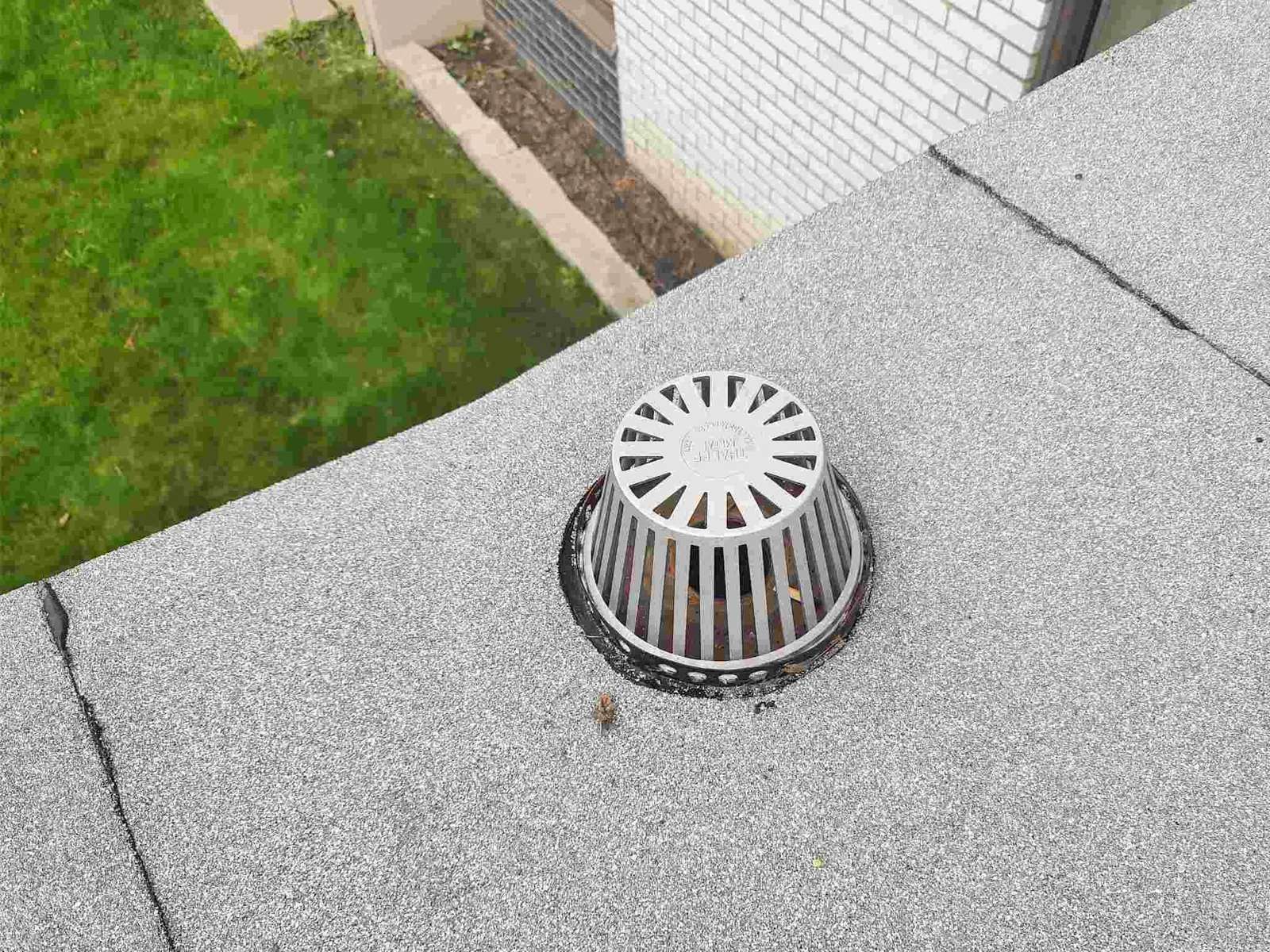
After a report of wind exposure, start with the school's affected roof zone and a dated photograph. Southern California Santa Ana winds are dry, may be warm or hot, and can cause property damage. We check displacement at edge metal, flashing, and rooftop items before authorizing broader work. A blocked outlet calls for a different response than a split seam; a drain and scupper inspection distinguishes flow from membrane condition. A commercial roof inspection adds assembly-level findings for the district file.
Compare Repair and Replacement by Zone
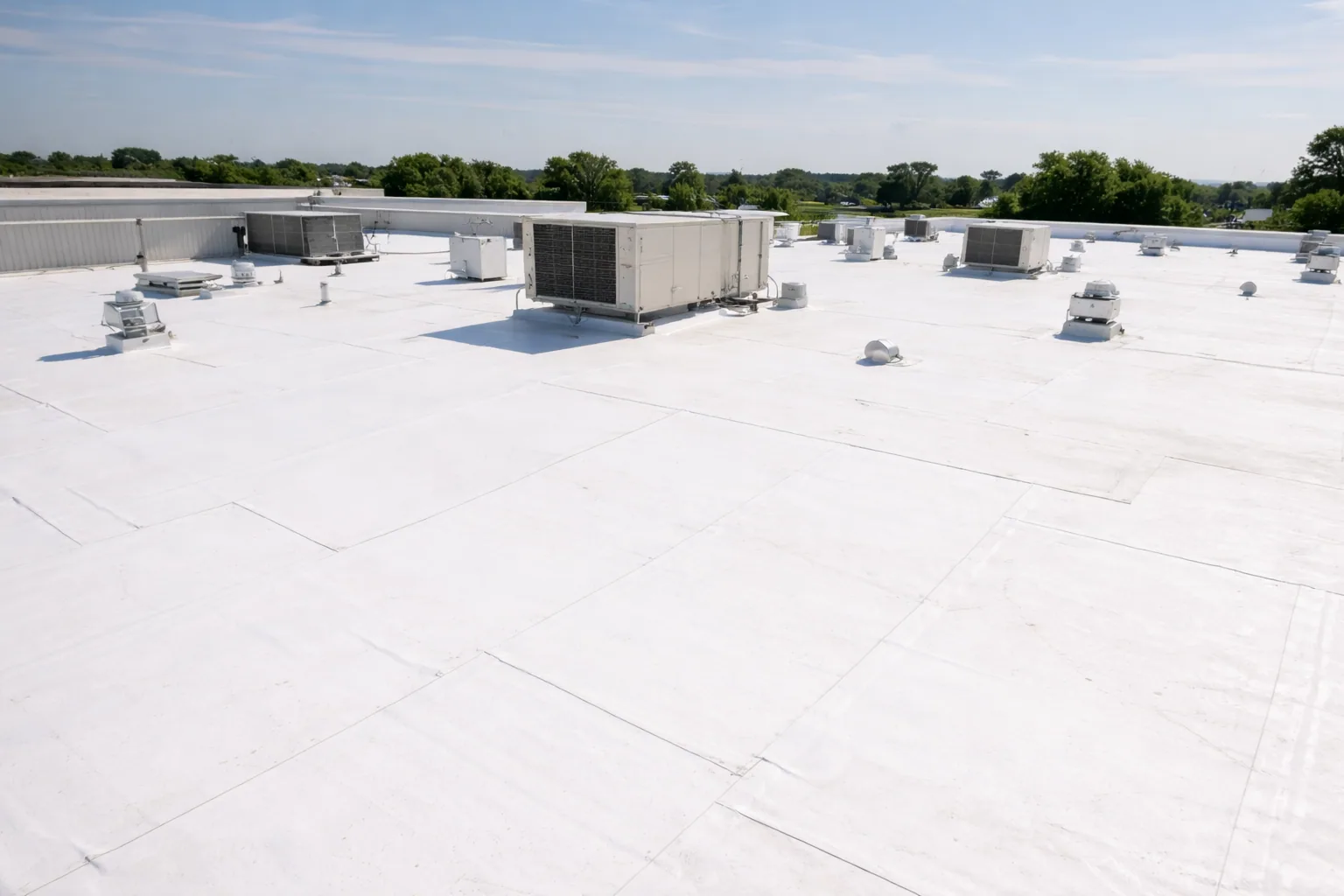
A sound local repair may address a bounded split or flashing failure. Recurring leaks, wet insulation across several areas, weak attachment, or deteriorated deck may call for wider work. We describe the evidence, define the limits, and identify what remains unknown. Replacement options state the assembly, insulation, cover board, membrane, attachment, edge metal, drains, curbs, removal, and temporary dry-in. If a recover is considered, moisture, layer count, drainage, compatibility, and applicable constraints need review first.
District staff can compare alternatives when each option uses the same roof-zone boundary and access assumptions. A roof condition report can organize findings for capital planning. We list allowances separately from confirmed work and name the approval point for concealed conditions. The proposal should state what can be completed in one window and what requires a second mobilization.
Make the Bid Package Comparable
Provide available roof plans, leak logs, prior repair records, known roof layers, equipment information, and campus restrictions. Add the district's requirements for insurance, background checks, escorts, deliveries, work hours, and emergency contacts. The bid package should specify whether bidders may inspect above ceilings or perform testing, where questions go, and how substitutions are reviewed. Site walks should cover representative conditions without implying every campus uses the same roof system.
A building-specific roof review helps distinguish occupied interior constraints from the roofing assembly. Where multiple campuses need work, include a separate line for each roof area and preserve a common format for scope, exclusions, schedule, and closeout. The district can then evaluate price against defined work rather than an unclear allowance.
Frequently Asked Questions
Can roof work continue while school is in session?
It can when the work zone, student routes, noise, deliveries, and protection are approved for that building. We review campus hours and the roof assembly, then set limits and a closeout checklist with the site contact.
What should a district send before a roof inspection?
Available roof plans, leak locations, repair history, equipment layouts, and access rules help us prepare. We verify records in the field and identify any testing or escort needed before pricing permanent work.
How are several campus roofs prioritized?
We document water entry, observed roof condition, affected rooms, and operational constraints for each campus. The district can then group work by urgency and budget while retaining a separate scope for every roof.
Can replacement happen during a school break?
A break may provide a useful window, but duration depends on roof size, removal, weather protection, materials, and access. We define zones and daily dry-in requirements before treating a calendar window as workable.
What belongs in school roof repair closeout?
The record should show the roof zone, repair detail, materials, photos, test results when applicable, and any open observation. A named contact and follow-up date make the next decision clear.
Plan a School Roof Review
Bring campus access requirements, roof records, leak locations, and the facilities contact to the first discussion. We will document findings and define a safe, comparable scope. Call to schedule an inspection.
Call 555-555-5555 or email [email protected].