
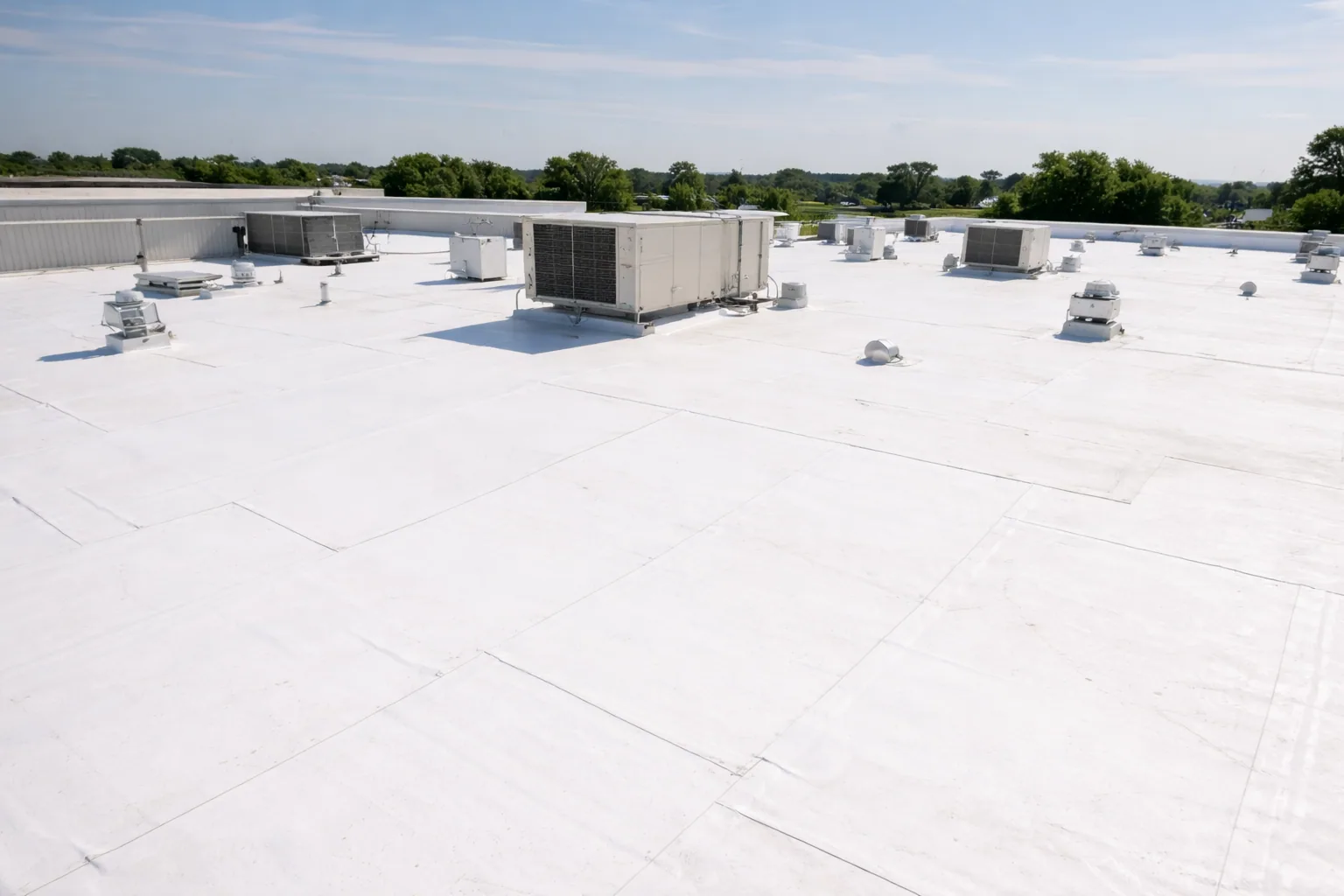
Commercial Roof Condition Reports in Escondido, CA
Roofing Capabilities · Escondido, CA
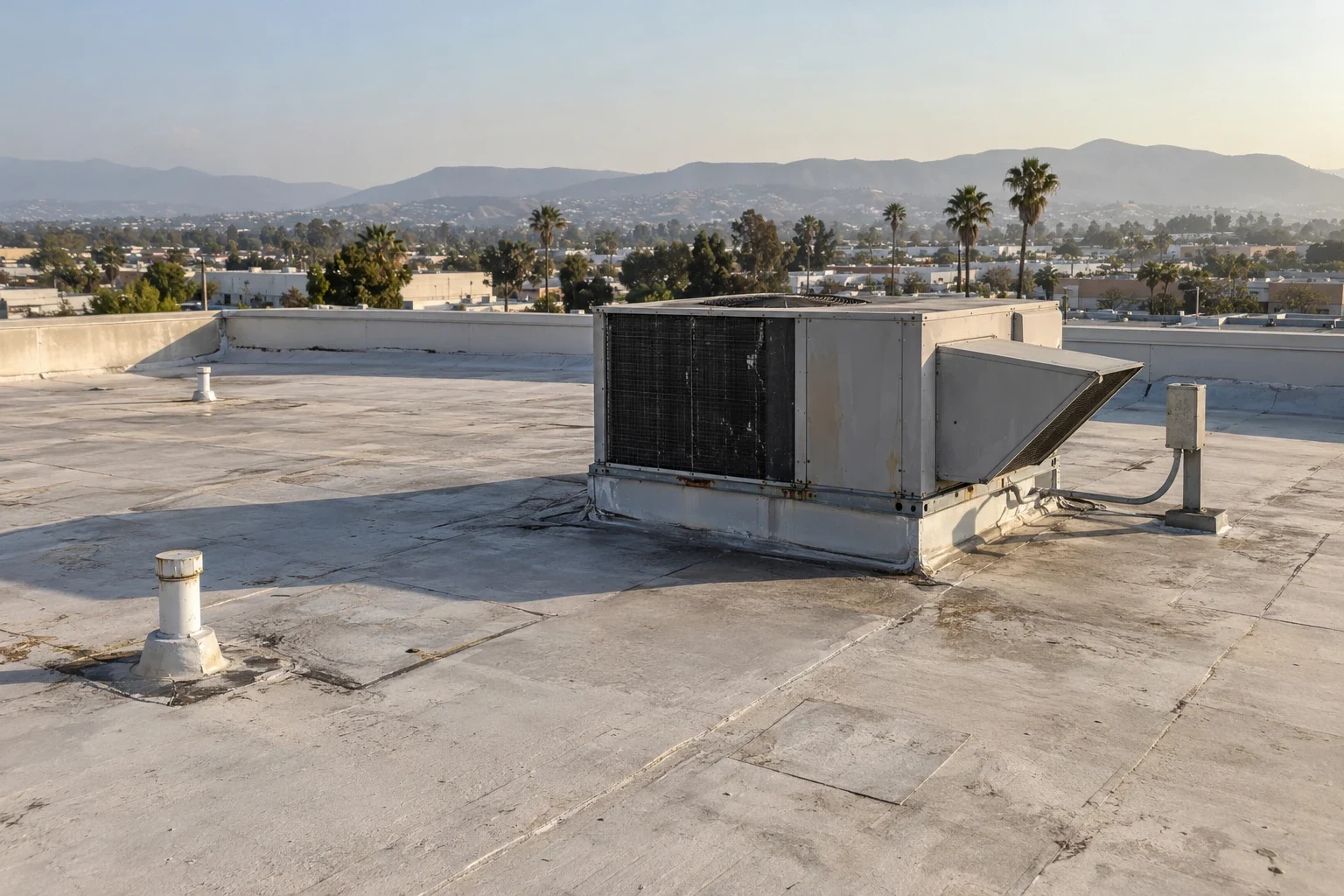
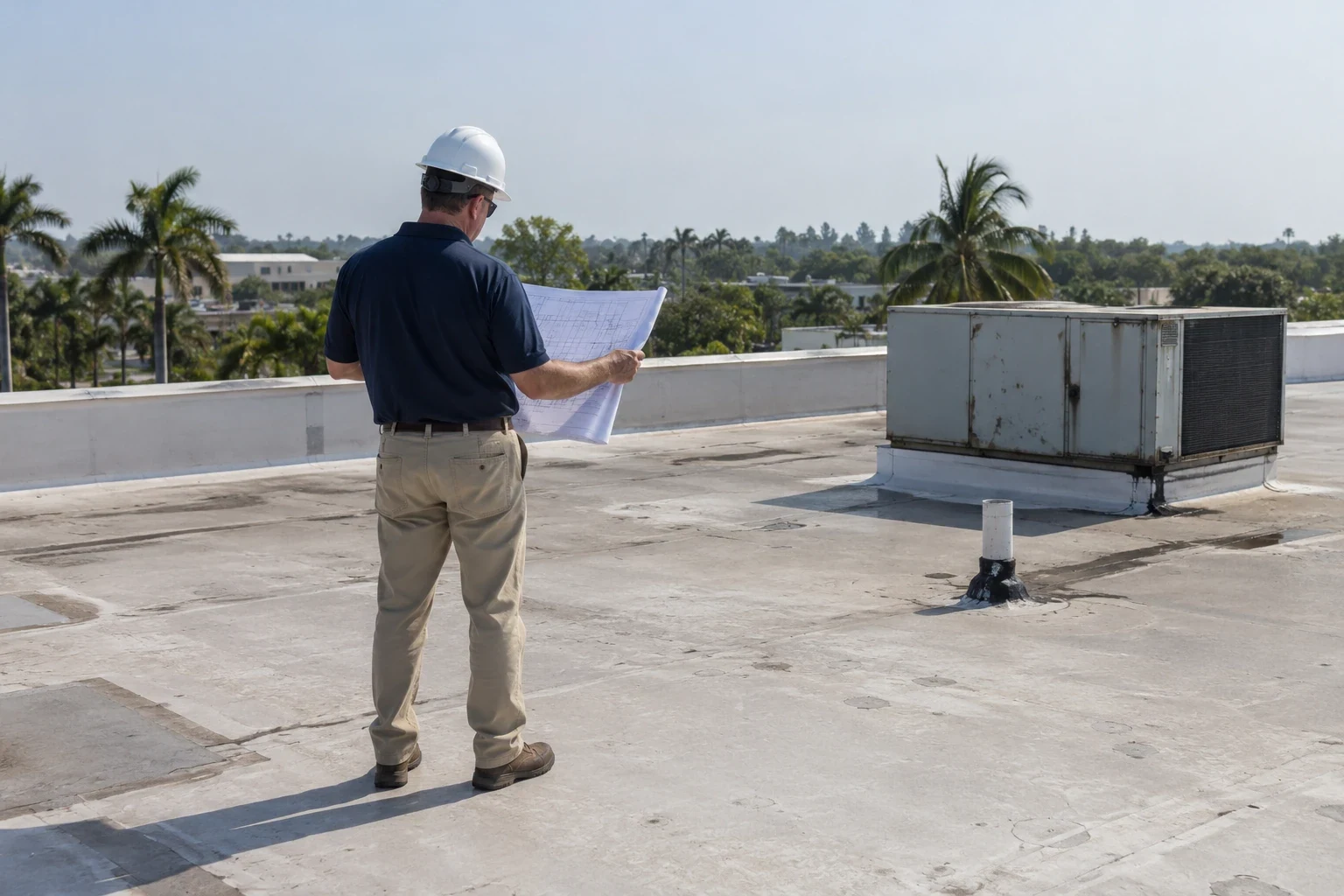
A useful roof report lets another person find the same detail later. It names the roof area, shows a close view and a wider location, and records what could not be confirmed. We prepare written reports with photos after a hands-on inspection, drone review, or infrared survey when the question calls for it. The finding should lead to a repair boundary, a test, or a monitoring date. In Escondido, Santa Ana winds are regionally described as dry and often warm or hot. That makes exposed transitions reasonable inspection points, but it does not establish damage at a specific property. A commercial roof inspection should connect the visible detail to an owner decision.
Make each photo findable
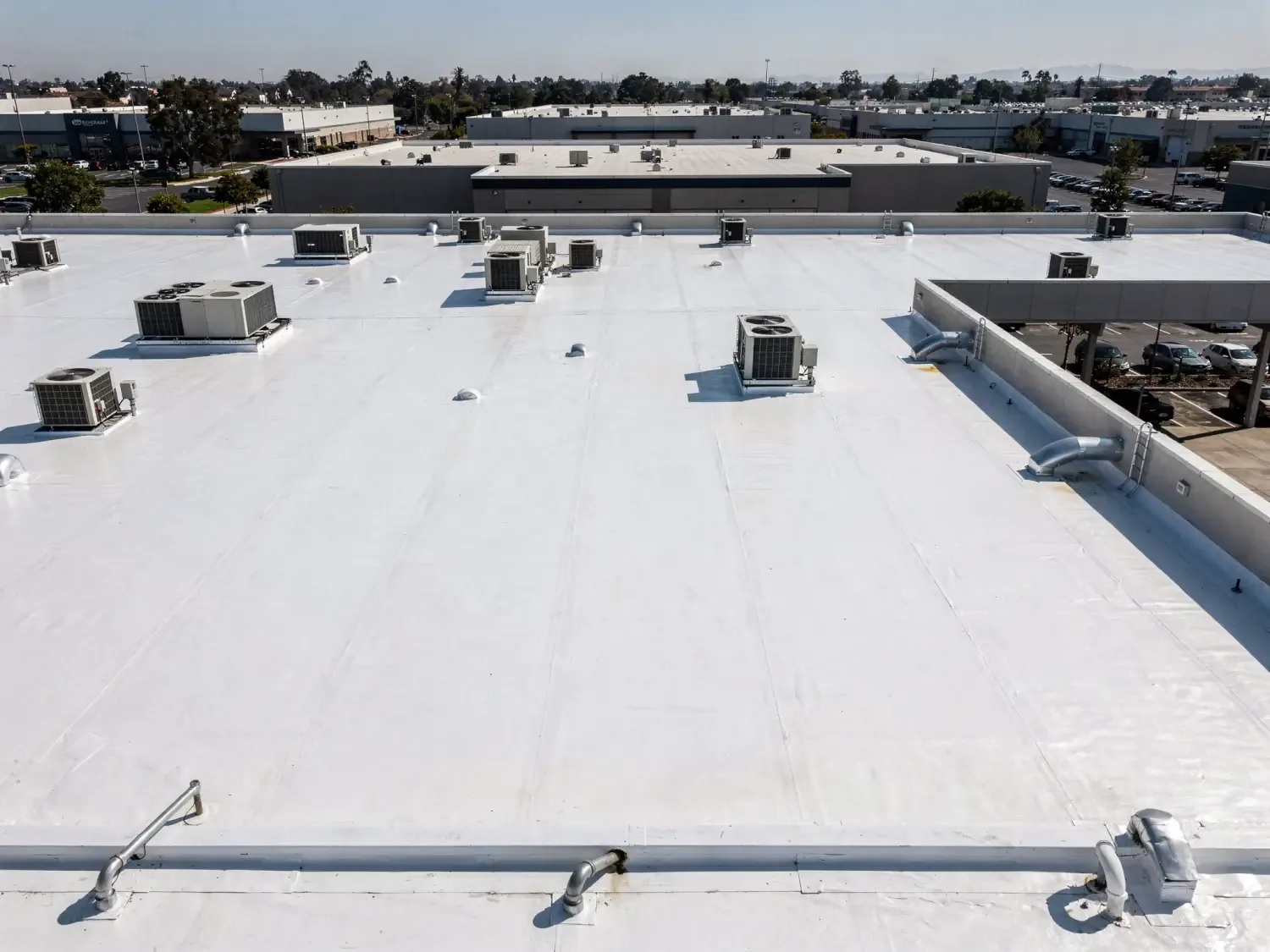
Close photographs show a seam split, open lap, curb corner, rusted edge, or debris at a drain. A second frame should locate that detail within a roof zone. Add the date, direction, and a consistent area label. Without that context, a future reviewer may not know whether two images show the same condition. We identify roof access and any area that was not reached. Drone images can help orient a large or obstructed surface, but they do not replace hands-on checks where contact or probing is needed.
A repair record should link the finding to the completed work and follow-up image. If a manager sends a ceiling photo, we note the reported room separately from the roof location until tracing confirms the path. The roof asset record can hold dated reports, invoices, and open items together. For leak investigations, infrared patterns can help select test locations. The report must distinguish an infrared pattern from confirmed wet material.
Write observations without upgrading them
Describe what is visible before assigning a cause. A lifted lap is an observation. Water below a seam is a separate finding. A roof report should say when the assembly was opened or when interior tracing connected the two. If the deck or insulation remains concealed, mark it unknown. The reader needs a next step, such as checking a nearby transition, testing a suspected area, or authorizing a bounded repair.
For local red-flag advisories, the Escondido Fire Department points to dry northeast Santa Ana or easterly winds as the typical setup. That weather context can guide an inspection after a reported event, but it cannot attribute a particular tear to wind. We record the condition, location, and any supporting photographs. An owner considering storm damage roof repair can then compare the field record with the actual claim and maintenance history. A seam concern should show the tested length and repair limits.
Give every finding a next action
Use action labels that match the evidence: repair, investigate, monitor, or obtain another trade review. An open penetration may require a roofer and equipment contractor to coordinate removal and flashing. A drain with standing debris may need cleaning before its flow can be checked. A broad soft area may warrant moisture mapping and an exploratory opening. The report should state who needs to approve access and what question the next visit will answer.
Keep budget priority separate from the observation itself. The report can identify active interior water entry and a displaced edge detail as different items with different timing. A capital planning review can use the documented findings to compare scopes. The record should not turn each note into an automatic replacement recommendation. A localized defect may remain a repair when adjacent materials test sound.
Use local detail for access planning
Grand Avenue is the historic downtown corridor, and its second streetscape phase was completed in June 2025, widening sidewalks and changing curbside parking while adding traffic-calming circles. That context may matter when a property team plans staging or a service visit nearby. It does not describe the loading rules at an individual building. The report should capture the contact, route, roof hatch, lift location, and hours approved for the actual site.
San Marcos's Heart of the City plan describes business uses along State Route 78 and Barham Drive, including office and industrial activity. Those are useful regional reference points for a general contractor scheduling roof work. They do not tell us a particular building's assembly or access needs. Our Downtown Escondido service area is a broad district. A service-area label never replaces site-specific permissions or a roof-zone map.
State what inspection did not establish
A surface visit does not identify every layer below a membrane. Infrared images suggest where temperatures differ; a test opening can confirm the materials and moisture at that point. A drone shows visible surface patterns from above, not attachment strength or concealed deck condition. The report should name the method, areas covered, conditions at the time, and any limitations. That lets the next reviewer understand what evidence exists before setting quantities.
When findings support a repair, define the boundary and completion check. When they do not, say what additional testing is needed. A drone review can help map difficult-to-access roof sections, while drain and scupper work may require a separate flow or connection review. For a larger project, compare replacement scope only after mapping the affected zones and confirming the system. Avoid a report that gives one condition label to a roof with several assemblies.
Frequently Asked Questions
What makes a roof report actionable?
A mapped area, dated photographs, clear observations, defined limitations, and a next action make the record usable. We separate confirmed conditions from suspected causes and identify what additional test would answer an open question.
Can a drone report confirm wet insulation?
A drone can show visible surface conditions and help orient roof zones. It cannot confirm concealed moisture by itself. We identify candidate areas, then use appropriate testing or an opening when the assembly question requires it.
Will infrared locate the exact leak source?
Infrared can show temperature patterns that help focus an investigation. It does not prove the source or extent of water. We compare the pattern with visible conditions and confirm materials through testing when needed.
Should a report recommend replacement for every defect?
No. A localized defect may support a bounded repair if nearby materials remain sound. Broader moisture, repeated failures, weak attachment, or deck concerns can justify more testing or a larger option. The report should show why.
What should we send before the inspection?
Send roof plans, past reports, leak locations, repair invoices, access rules, and any hours or areas that must stay open. We use them to plan the route and note which conditions need confirmation in the field.
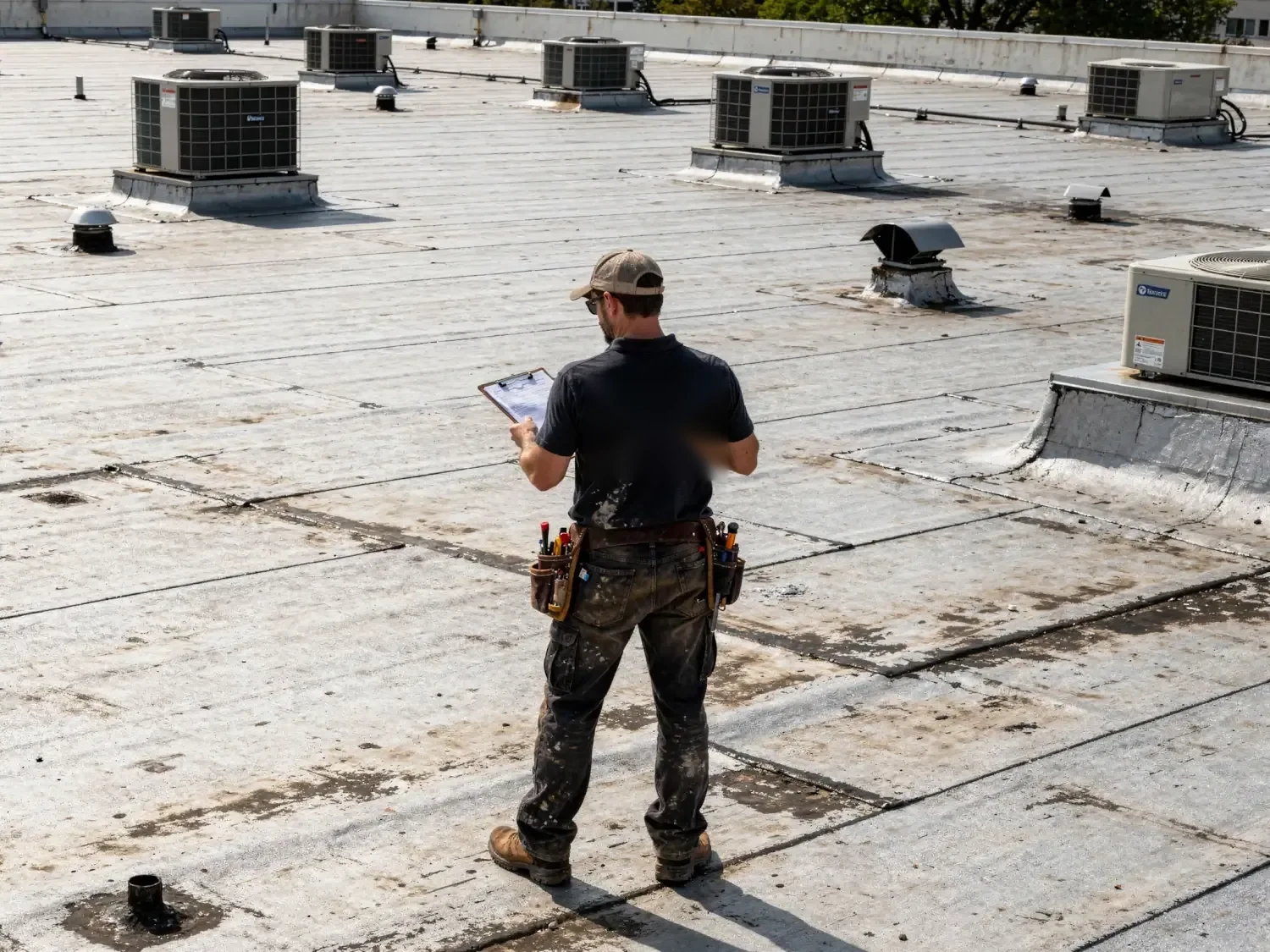
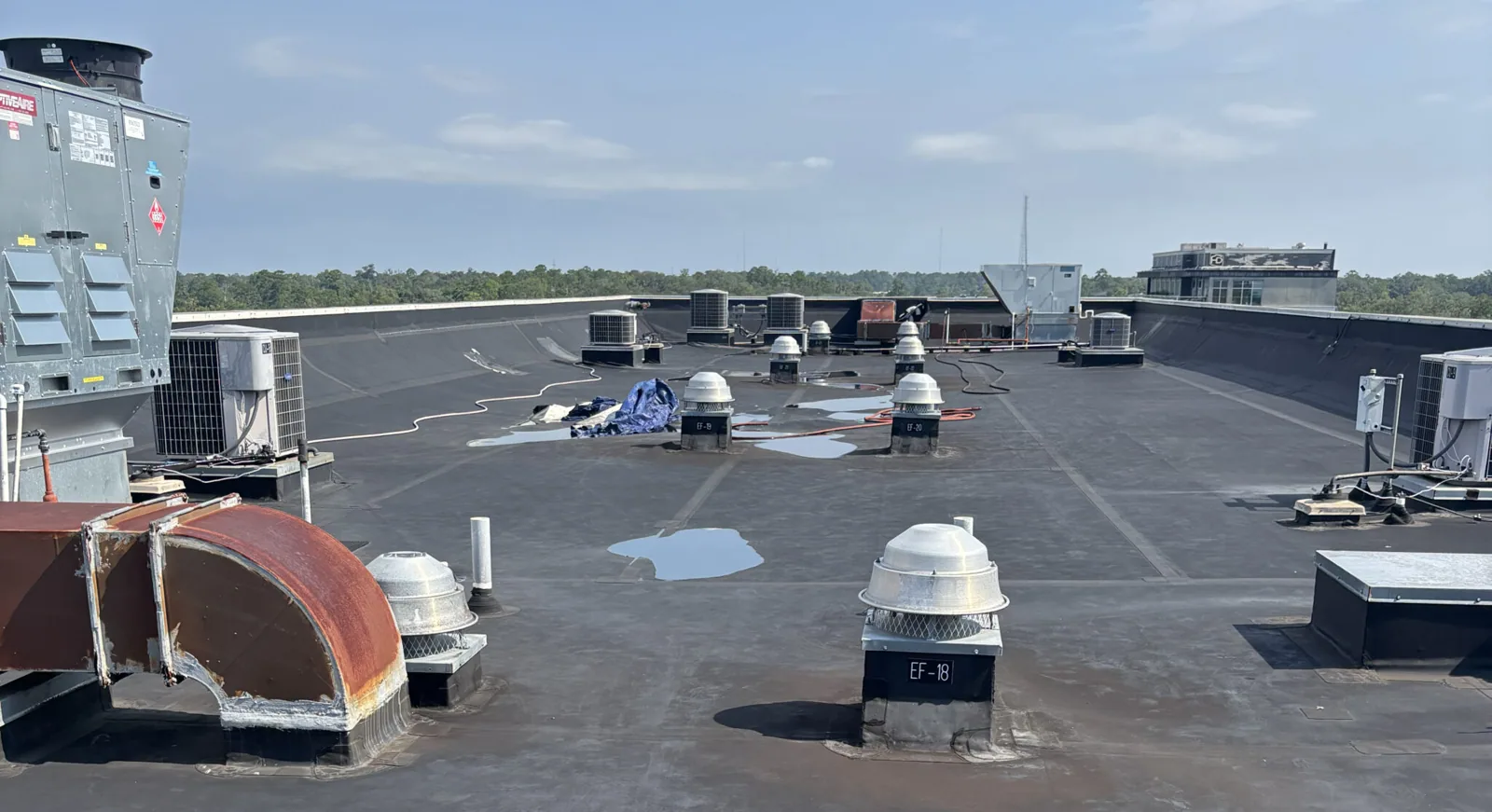

Request a photo-based roof report
Share roof plans, reported leak areas, past repair records, and site access details. Call Commercial Roofers Escondido to arrange an inspection and document the next decision.
Call 555-555-5555 or email [email protected].