
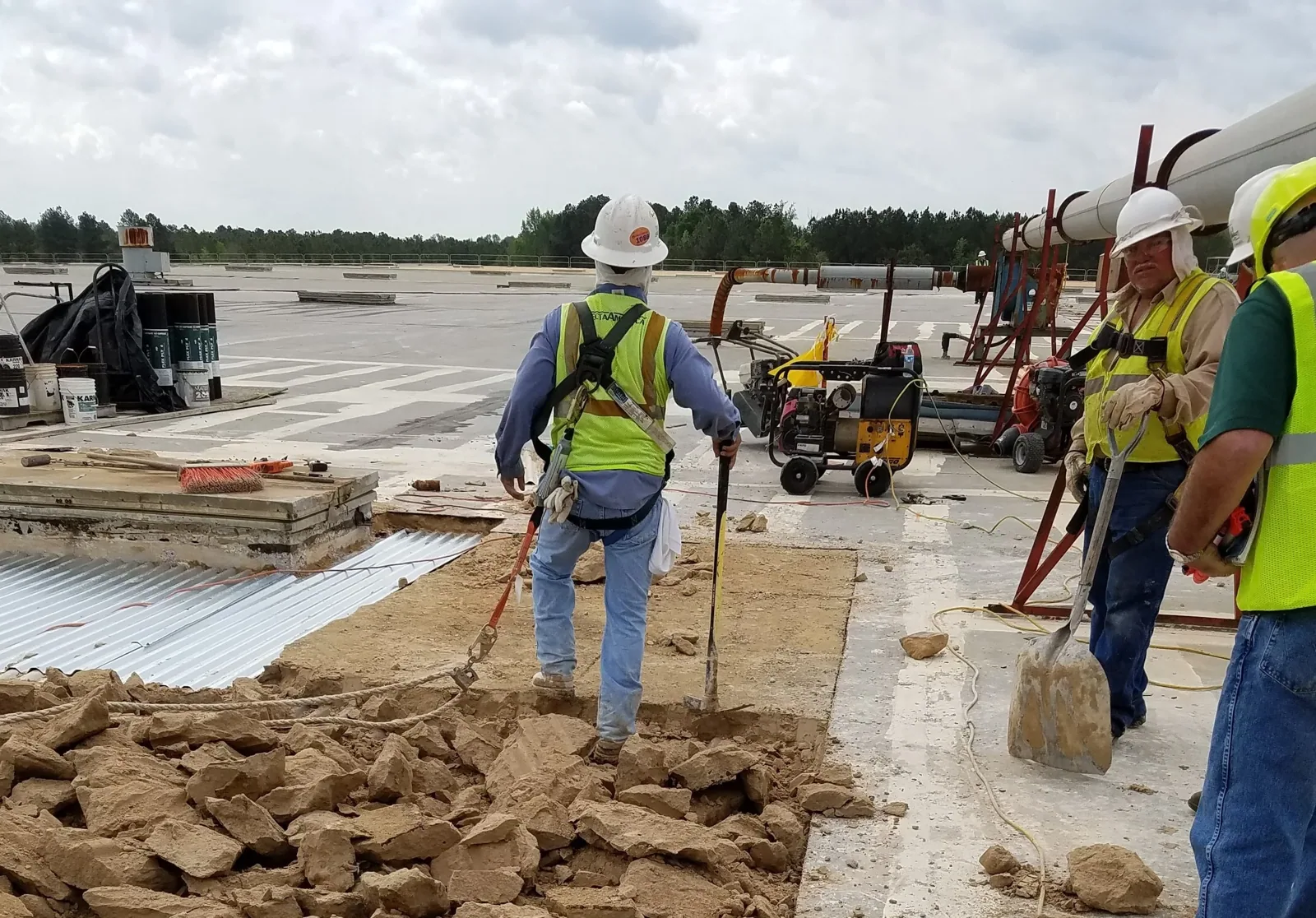
PVC Roofing in Escondido, CA
Roof Systems · Escondido, CA
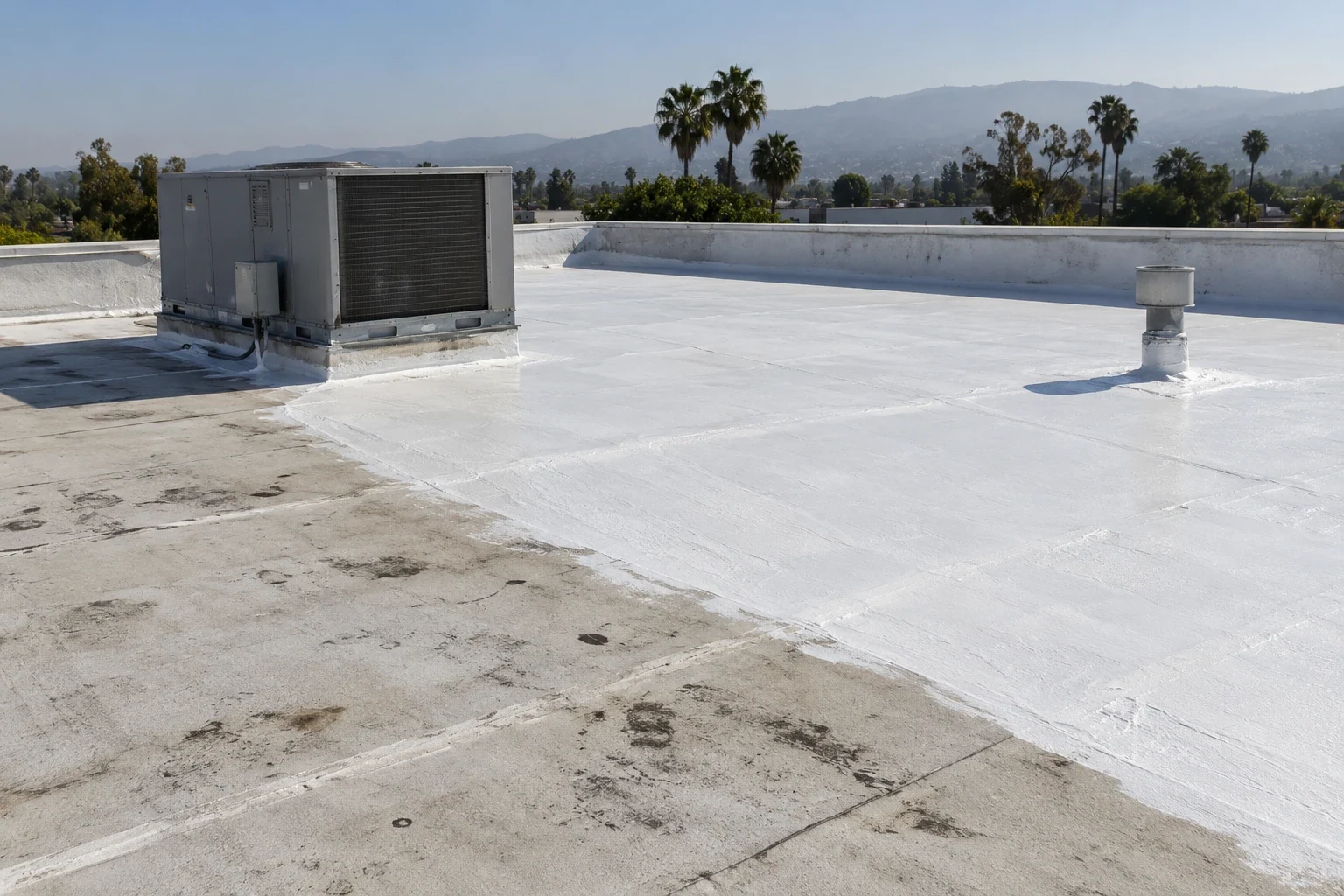
Grease exhaust, service work, or a curb change can put a PVC roof detail under review. We identify the sheet, the affected seam, and what has changed nearby. The repair depends on the membrane formulation and existing condition. A patch that bonds poorly will not correct the cause. In Escondido, commercial planning areas include Downtown and East Valley Parkway, where access and building use can vary from property to property. We confirm the roof assembly before deciding whether to weld, rebuild a flashing, or test the layers below. The written scope should name the actual work zone and the inspection that will close it.
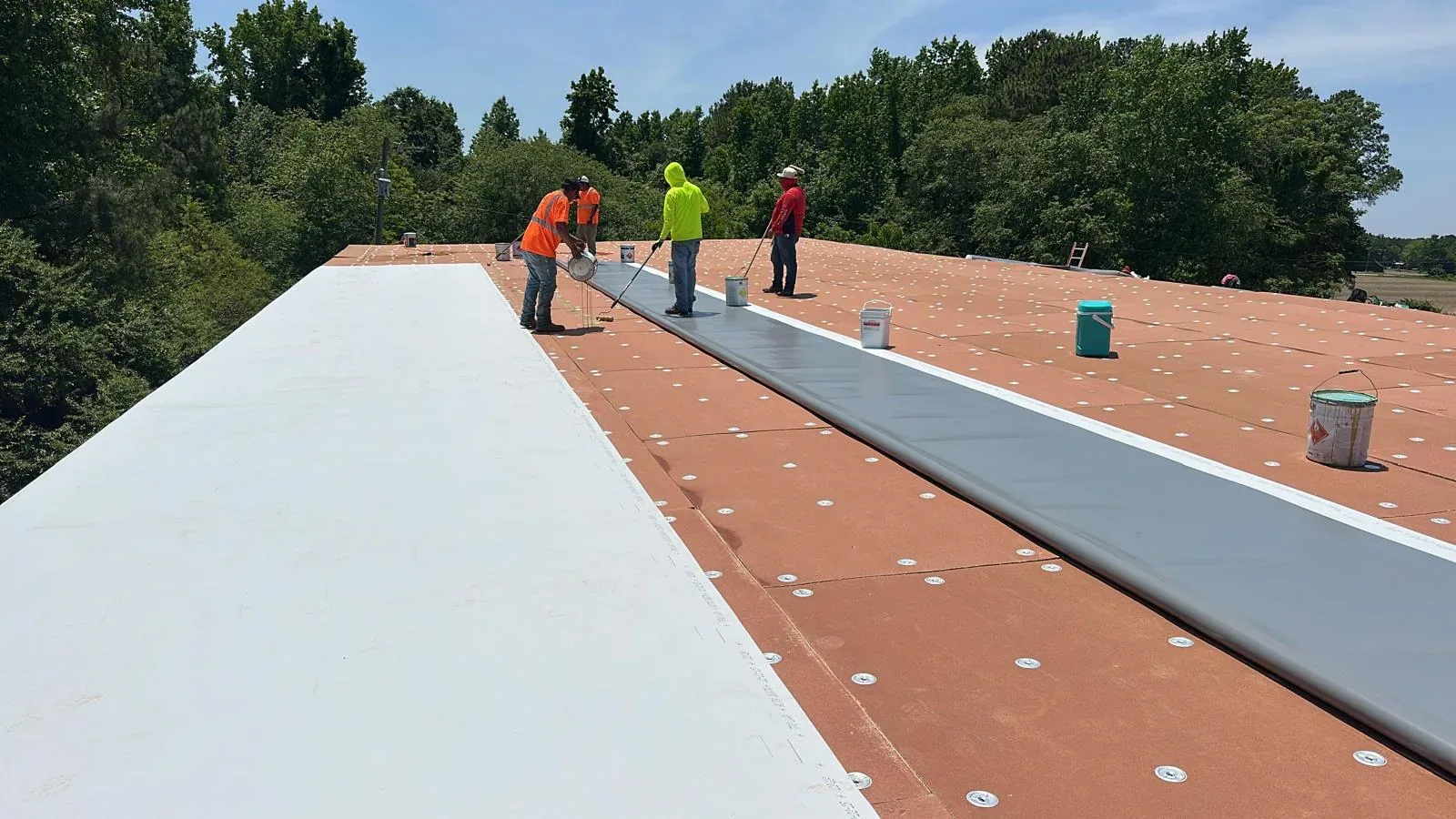
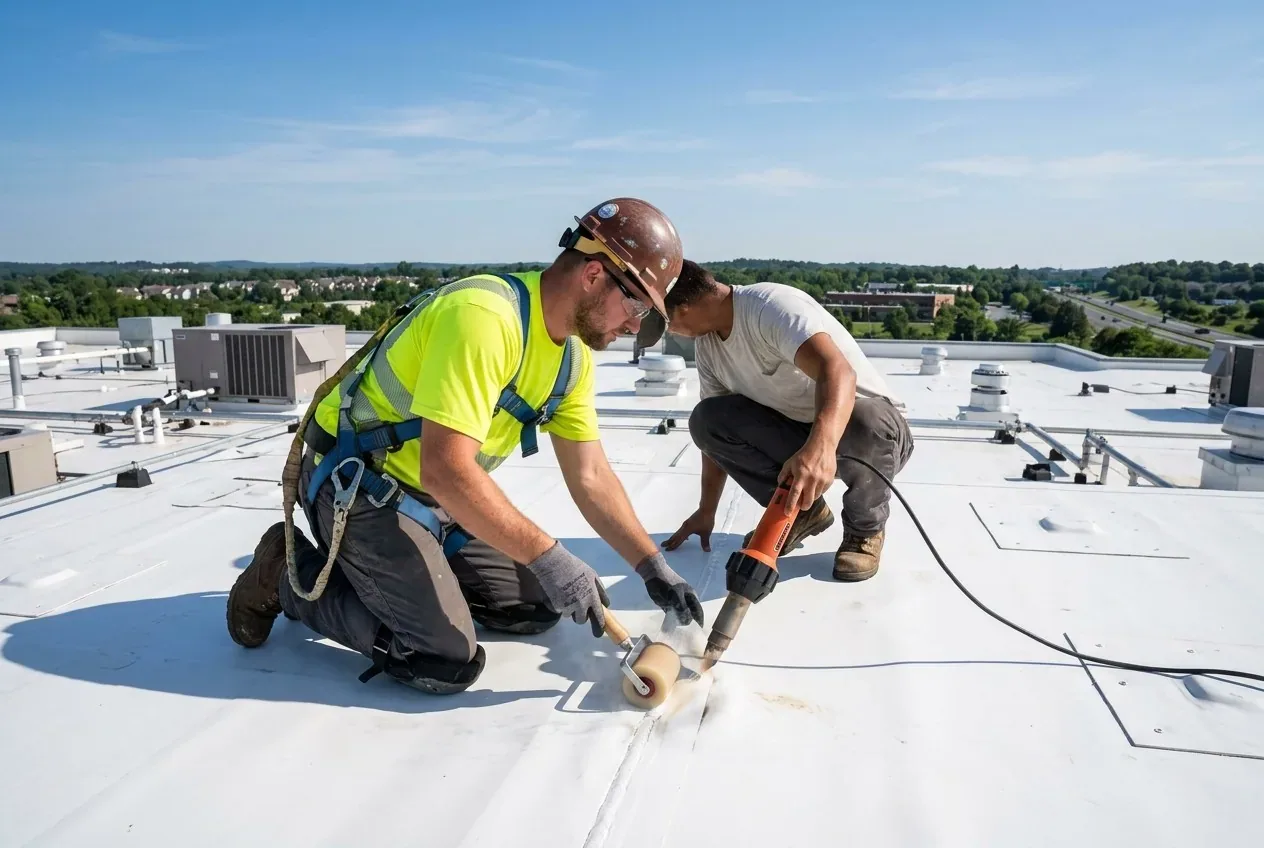
PVC is a thermoplastic single-ply system with heat-welded seams. The membrane does not define the full roof. Insulation, attachment, substrate, penetrations, perimeter details, and drains are part of the assembly. We inspect those points together. A general contractor can then compare the repair boundary with a recover or replacement option, using the same assumptions for staging and interior protection.
Membrane and Seam Condition
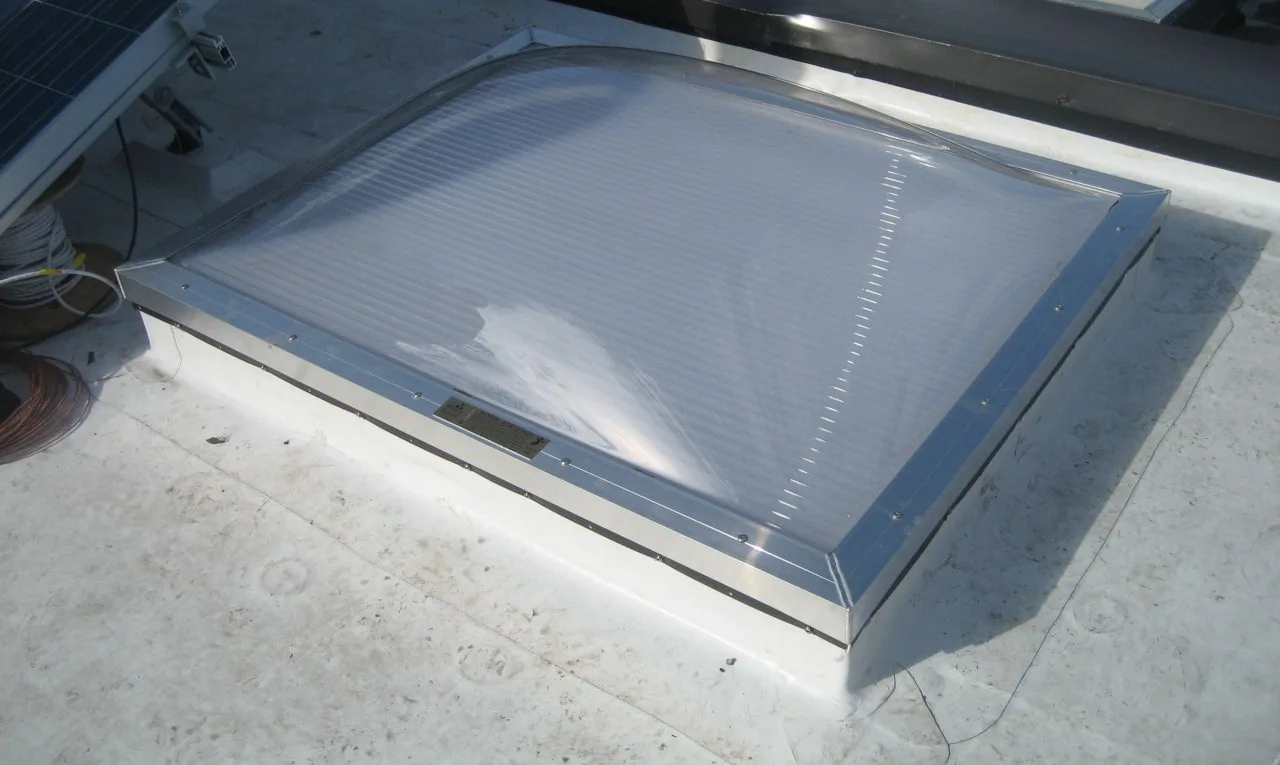
We inspect welded laps for separation, contamination, fishmouths, shrinkage, and patches that do not match the field sheet. A probe can identify a suspect edge, but the surrounding membrane also needs review. Look for stress at corners, wall terminations, drains, and equipment curbs. If a trade has changed a penetration, note the work date and material used. That history can guide preparation and keep a new flashing from bonding to an incompatible layer.
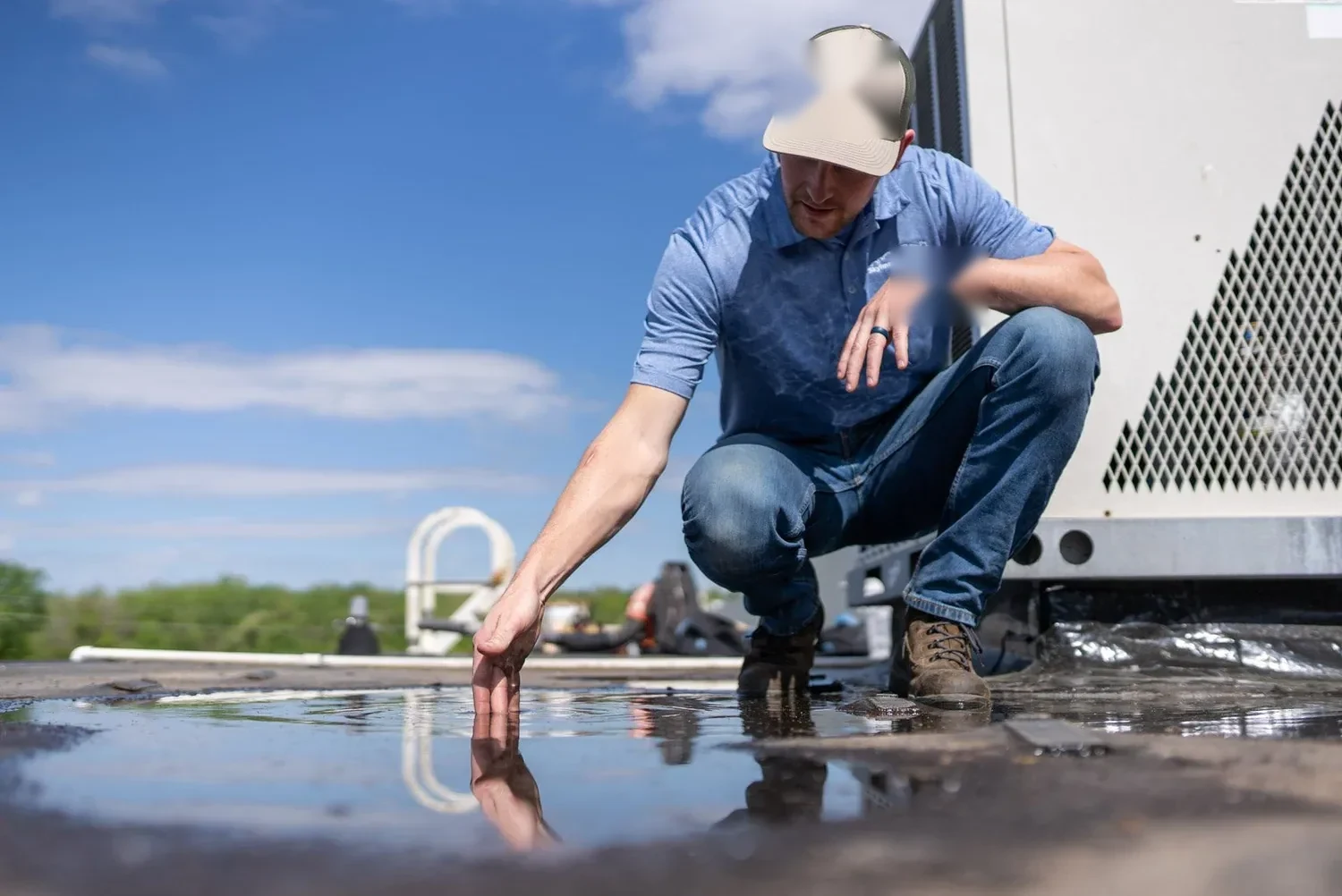
Water marks inside the building help select a roof zone, but they do not establish the entry point. We trace the route from the ceiling location to seams, outlets, and transitions. A targeted opening may show wet insulation or deck conditions that surface observation cannot confirm. For a current leak, leak tracing and repair can isolate the active path. A curb and penetration review is useful where equipment changes intersect the sheet.
Welds, Flashings, and Compatibility
Preparation controls the repair. We clean and dry the work area, identify the membrane type, and use compatible sheet and flashing materials. A new weld needs the right overlap and a continuous bond. Corners and vertical transitions may need formed accessories or field-fabricated details. We do not use a sealant bead as a substitute for a failed seam when the assembly calls for a welded connection. Each repair should state the preparation, tie-in, and closeout check.
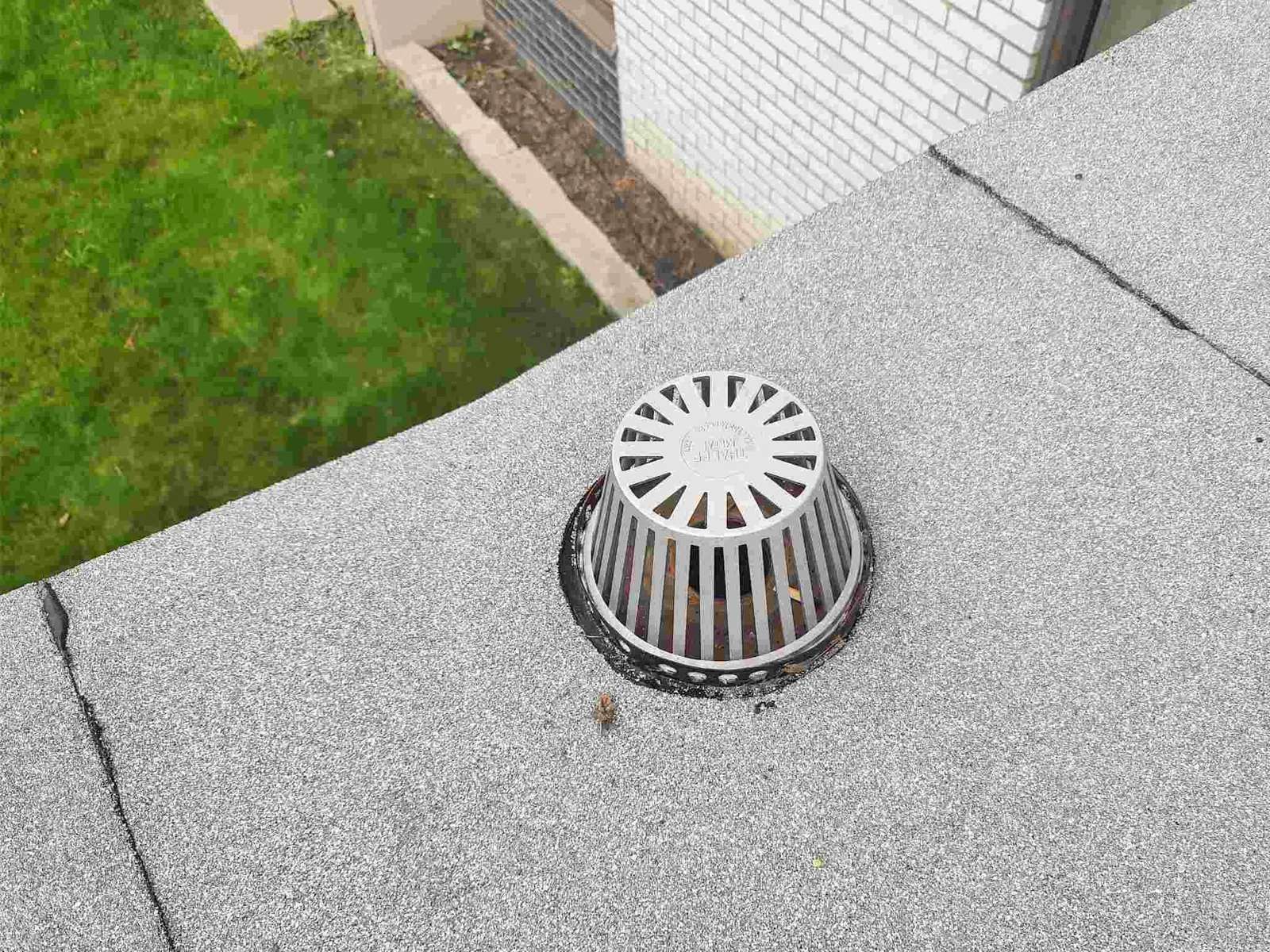
Drain bowls, scuppers, pipe penetrations, and edge metal each have different geometry. We check the membrane termination and the path that carries water away. If a patch spans loose or contaminated material, the bond may be unreliable. The scope should show what is removed and how the replacement joins sound sheet. A drain and scupper repair can be priced separately from membrane work. For a sound roof with several known defects, scheduled maintenance can keep observations tied to later visits.
Choosing the Next Assembly
A small tear with sound sheet around it may support a localized repair. Several failed seams, widespread brittleness, wet insulation, or attachment problems can change the recommendation. We map the evidence by roof zone and identify whether a core opening is needed. A recover is considered only if the existing layers and deck can support new work, the added height fits details, and applicable requirements are met. Otherwise, removal may provide a more reliable base for replacement.
PVC should be evaluated against the actual use and exposure of the building. Ask whether the selected system is suitable for the expected service conditions, roof slope, drainage, and maintenance plan. TPO is another thermoplastic option; TPO membrane work also relies on heat-welded seams but uses a different formulation. A KEE/PVC-alloy assembly needs its own product and compatibility review. We compare system choices only after documenting the existing substrate and project requirements.
Occupied Work and Delivery Routes
Welding work needs safe access and a dry surface. We set the repair area around weather, shift hours, loading activity, and interior exposure. Material staging should not block an exit or interfere with deliveries. If rooftop equipment must be disconnected, the project plan needs the mechanical contractor at the right step. We identify when a temporary dry-in ends and who can authorize the next phase.
The West Mission Avenue Specific Plan area is bounded by State Route 78, Mission Avenue, Quince Street, and Rock Springs Road. For existing retail space there, confirm roof layers, occupancy limits, and the transitions needed before pricing replacement. Confirm the installed roof system, loading route, tenant access, and work hours with the property contact before selecting a PVC repair method. Near West Mission Avenue, we confirm the actual delivery and roof entry route. A phased work sequence can help limit disruption while a larger area is repaired.
Scope Details for the Bid
Before pricing, share roof plans, prior repair notes, leak locations, access restrictions, and known equipment changes. We compare the records with the membrane and details in the field. The bid should identify the PVC sheet and accessory work, surface preparation, seam length, curb or edge transitions, and the completion check. Concealed insulation or deck repair needs a stated allowance and an approval path.
Escondido’s commercial areas include Centre City Parkway and Mercado Escondido, where a PVC repair still depends on the installed assembly and its transition details. Mercado Escondido combines restaurants, retail shops, artisan crafts, and cultural uses in a pedestrian-oriented district. For a roof visit, we confirm loading, work hours, and protection for people below the active zone. A commercial roof inspection can document the current assembly before a proposal is set. Arrange a review with the roof records and decision date. We will mark the repair limit, explain unresolved questions, and outline the next budget window. If the work includes both membrane and curb changes, we can separate the trade handoff and identify which detail is ready for installation.
Frequently Asked Questions
How can we tell whether a PVC seam is still sound?
The edge needs a hands-on check. We inspect the weld, nearby sheet, flashing transitions, and any repair material already present. A suspect lap may need a test or opening to establish the bond. The report ties that observation to one roof zone instead of assuming every seam has the same condition.
Can another material be used to patch a PVC membrane?
Compatibility comes first. We identify the membrane and confirm that the proposed flashing, patch, or sealant works with it. A surface that appears clean may still carry residue or an incompatible coating. The repair scope names preparation and the finished tie-in, then records how it was checked.
Does a recover work on a PVC roof?
A recover depends on moisture, attachment, deck condition, layer count, drainage, and added height at edges and curbs. We inspect those constraints before recommending it. If wet layers remain or details lose required clearance, removal may be the better path. The proposal should state the basis for that choice.
What changes the schedule for PVC roof work?
Weather, roof access, seam preparation, material delivery, staging, and equipment shutdowns set the work window. We confirm occupied hours and protection needs with the site contact. If a repair cannot be closed before a shift change, the sequence needs a secure stop point and a clear return plan.
What should the final repair record include?
It should identify the roof location, membrane, defect, preparation, materials, and tie-in. Photos show the area before and after work. We also record any location not opened or any question left for follow-up. That gives the general contractor a usable handoff for inspections and future budgeting.
Review the PVC Assembly
Arrange an inspection with roof plans, leak records, access rules, and known equipment changes available. We will document the membrane details and define a repair or replacement scope. Call to set a review.
Call 555-555-5555 or email [email protected].