
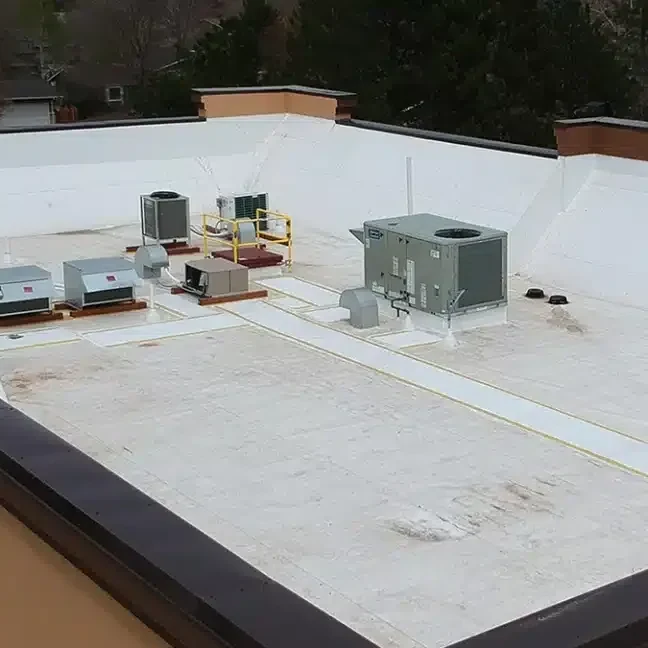
Commercial Skylight and Penetration Flashing in Escondido, CA
Commercial Roofing Services · Escondido, CA

A leak beside a skylight may start at the curb, glazing, fastener, or nearby membrane. We inspect the full transition before choosing a repair. The review records curb height, flashing layers, corners, sealant condition, and adjacent seams. A flashing failure assessment can distinguish a loose termination from a field membrane defect. The owner receives a marked location, photos, and a scope boundary the general contractor can price. Replacing sealant alone is not a sound answer when the curb or substrate has moved.
Inspect the curb and perimeter
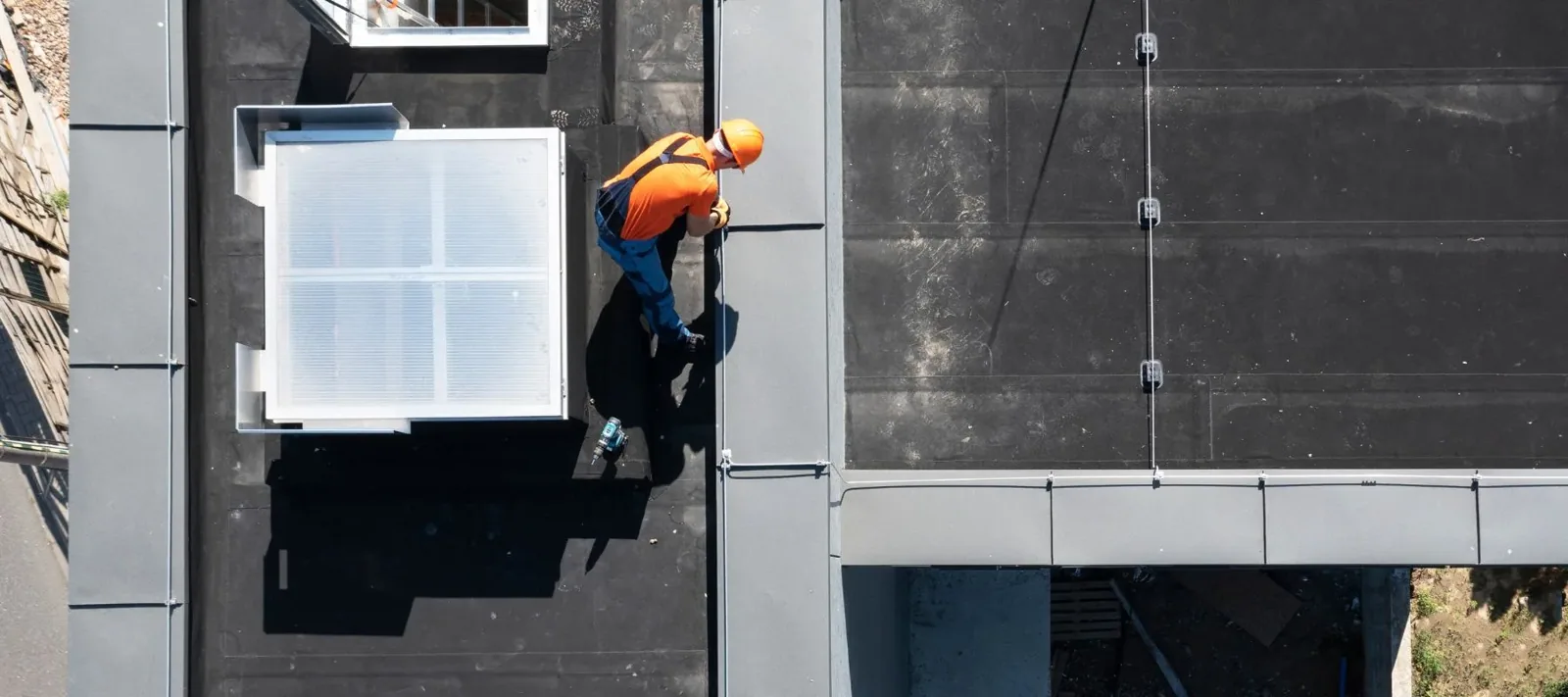
We check the curb base, membrane turn-up, counterflashing, corners, fasteners, and any cover or cap. A low curb can leave little room for a reliable tie-in. A metal curb may have a failed seam; a framed curb can show movement or wet substrate. We look for evidence on both the roof and accessible interior side. A roof inspection can capture adjacent equipment and drainage details that affect the repair sequence.
Skylight glazing is a separate assembly from the roof membrane. We note cracked panels, loose retainers, damaged gaskets, or condensation, then identify which trade should evaluate that condition. We do not attribute every interior drip to the curb. If testing is needed, the property lead approves the method and interior protection before water is introduced. A numbered photo set helps the team compare the north and south sides of a curb without relying on memory. We record dimensions only where they affect the flashing profile or repair quantity. If a safety screen or fall-protection detail blocks access, it remains an inspection limit until the right equipment is available.
Map pipes, supports, and equipment
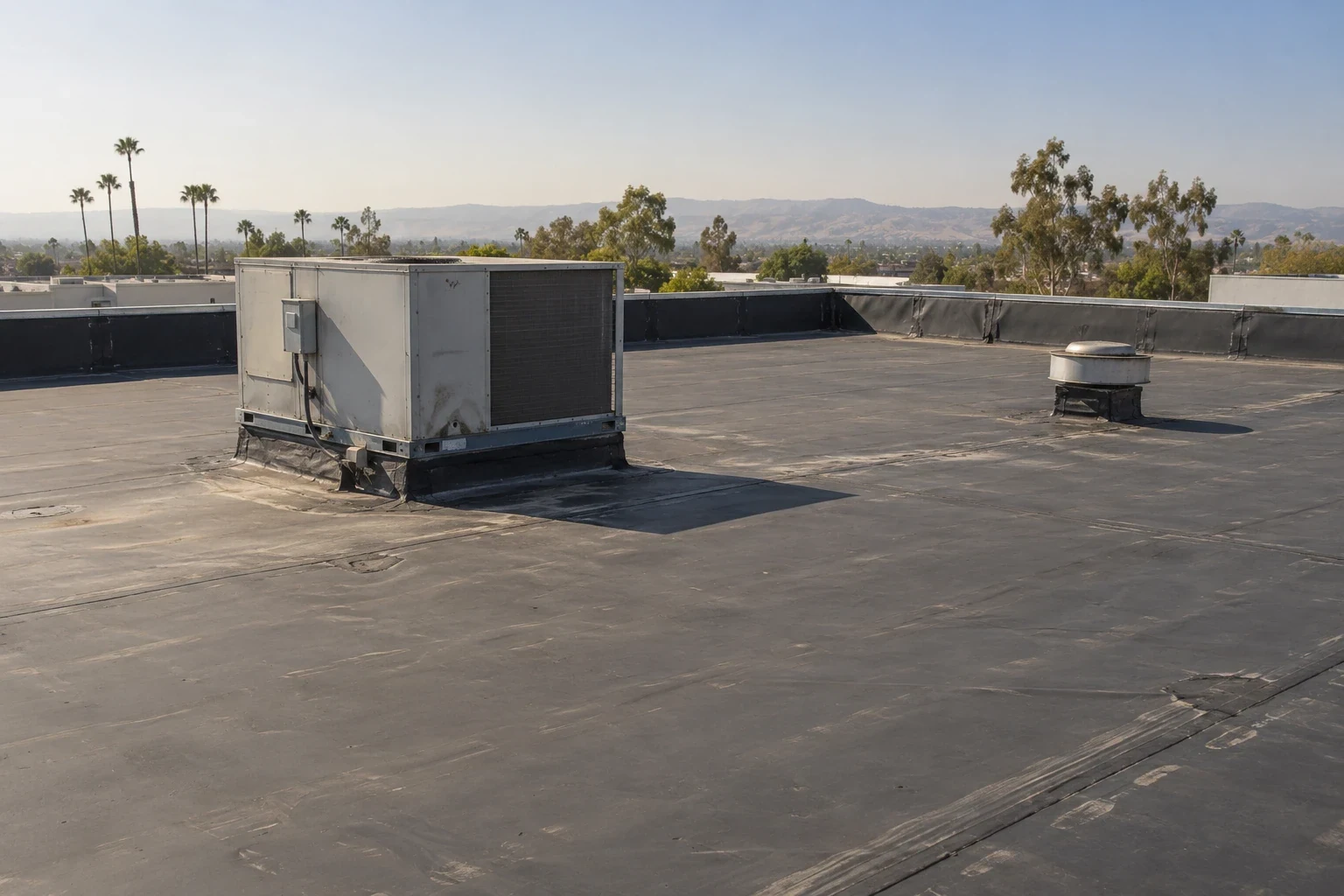
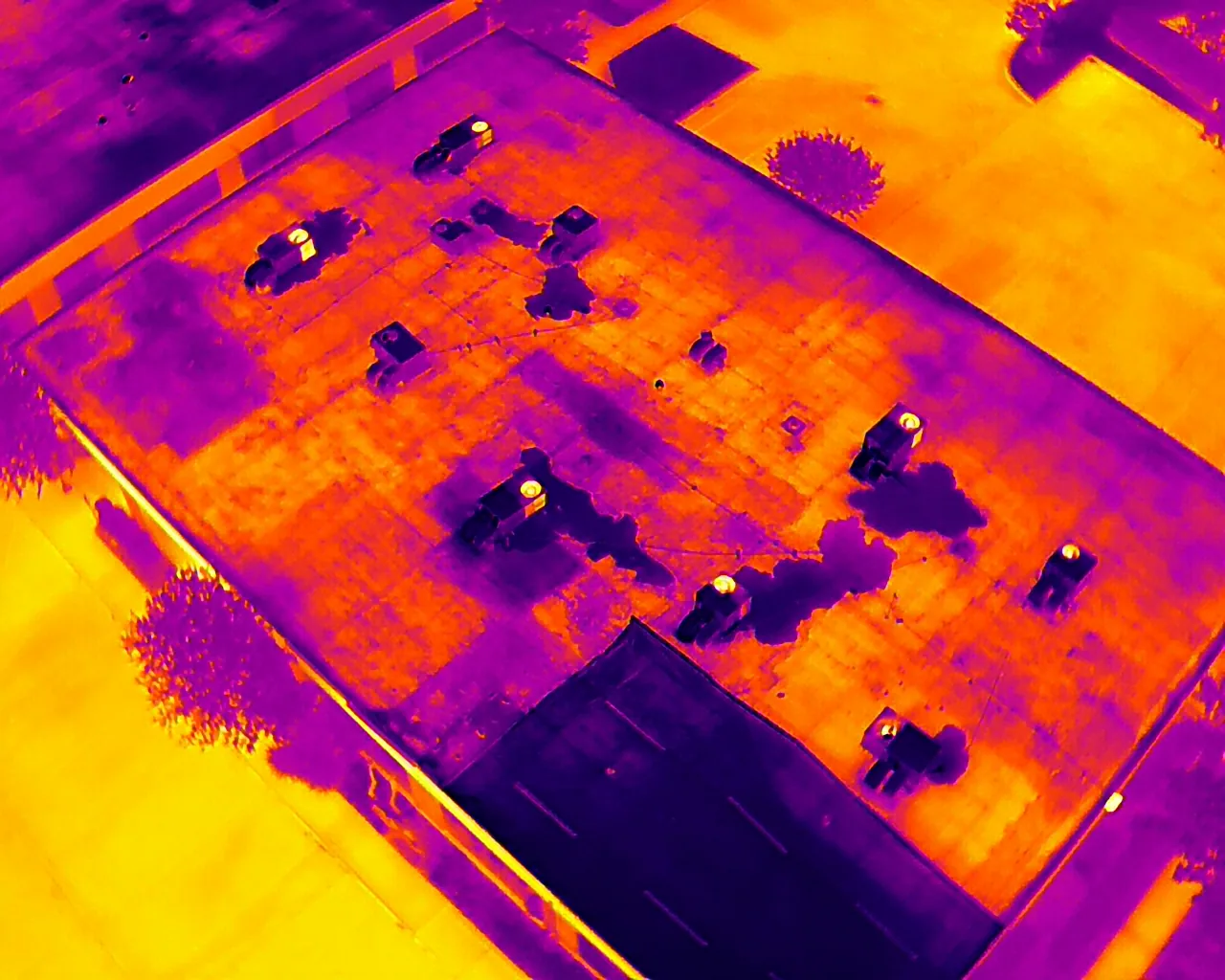
Small penetrations can be easy to miss during a broad roof walk. We mark pipes, conduits, posts, and equipment supports near the reported leak. Each detail needs a flashing method suited to the roof system, movement, and exposure. We look for split boots, open pitch pockets, loose clamps, and membrane separation. The EPDM system review considers its own adhesives and flashing components, while thermoplastic roofs require compatible welded details.
A later trade can disturb flashing when adding a cable, line set, or support. We compare repair dates with work orders and record signs of subsequent access. The condition report service can preserve locations and open items for facilities staff. Where a curb cannot be reached safely, we state that limitation rather than implying it passed inspection.
Trace the leak before opening material
Interior staining, moisture readings, and roof observations may point to different locations. We compare them with the roof plan and likely water paths. Water can travel beneath a membrane before appearing in a room. If a moisture survey is useful, its method and limitations are stated. A targeted moisture survey can help select an opening for direct confirmation. The owner approves the location, size, and closeout detail before any cut is made.
We also inspect drains, seams, and transitions uphill from the symptom. A blocked outlet or open lap may contribute to the same leak report. The scope separates those findings so the owner can prioritize work. If the original leak cannot be reproduced, the report lists what was checked and what evidence would support another visit.
Coordinate access and work windows
Downtown Escondido is a commercial area for retail, office, visitor-serving, and residential uses. June 2025 marked completion of Grand Avenue Vision Phase II, which brought wider pedestrian paths, angled curb parking, and three traffic-calming circles. That public context makes staging and pedestrian protection useful questions, but does not define a particular building entrance. We coordinate the lift, material route, and work hours with the property team. A Downtown Escondido service visit still needs a site-specific access plan.
Citracado Parkway crosses the Harmony Grove industrial area, with Auto Park Way and Avenida del Diablo marking its broader limits. Before staging, facilities staff confirm the building's roof access, equipment clearance, and operating hours. For either district, the work plan names who protects the interior if weather changes and who can authorize added investigation.
Choose compatible flashing work
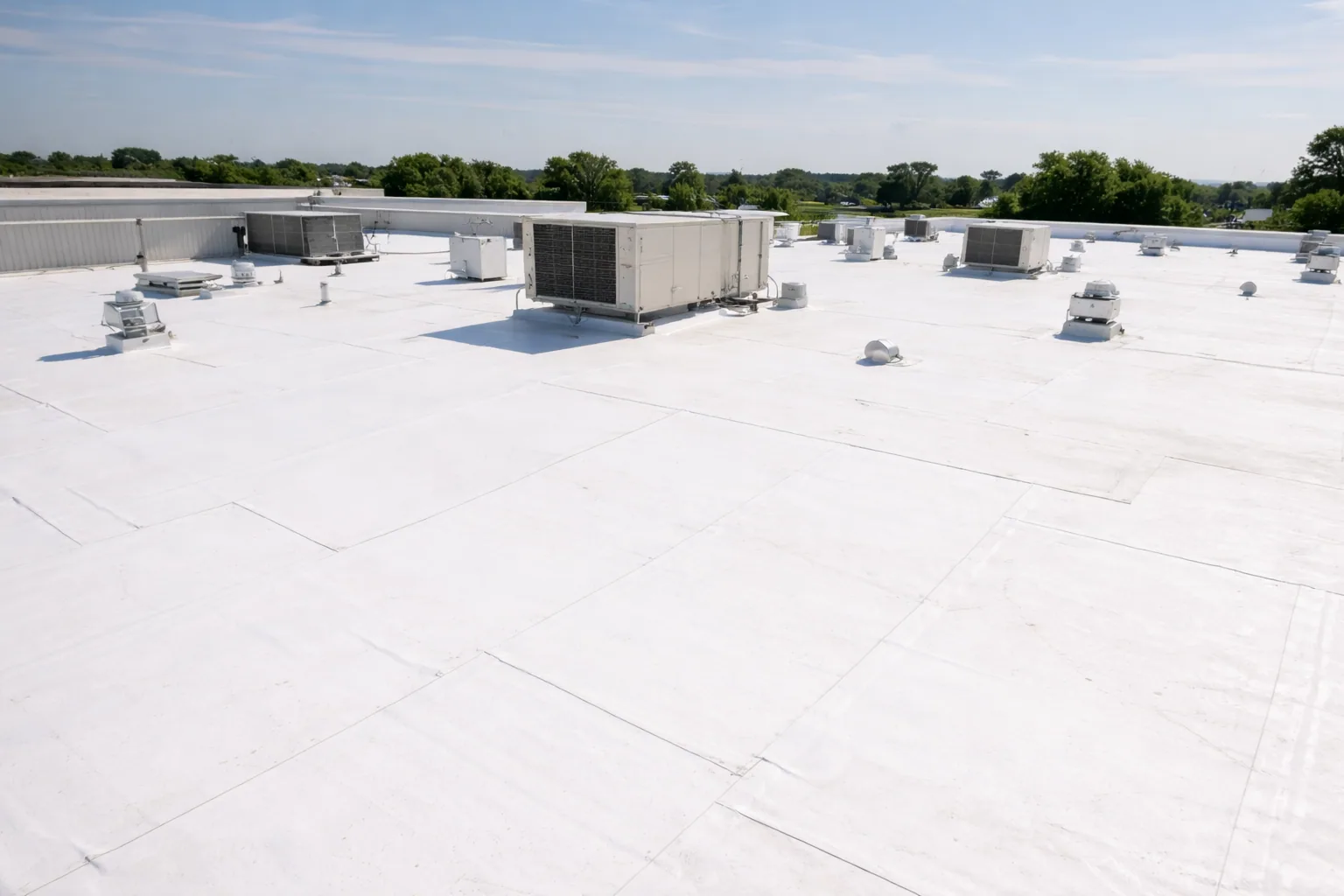
A repair may replace a boot, rebuild a curb transition, renew a counterflashing, or correct a broader membrane tie-in. We identify surface preparation, compatible materials, fastening, weld or adhesive method, and final inspection. If the curb is deteriorated or too low, the proposal explains the rebuild requirement. A commercial roof repair can address related membrane defects in a separate line item. This lets an owner see which work resolves the penetration and which addresses another condition.
When the existing system cannot be identified, we verify it before selecting a product. A new flashing must bond or weld to sound, compatible material. We identify any test patch or manufacturer direction required. If moisture reaches insulation or cover board, an added opening needs an approval step and a defined limit. Recommendations remain tied to observations, not assumptions based on skylight age or appearance.
Frequently Asked Questions
Can you repair a leaking skylight without replacing it?
Often the roof curb or flashing can be corrected while sound glazing remains. We inspect the full assembly and identify cracked or failed glazing for separate evaluation.
What causes a leak around a roof penetration?
Possible causes include a split boot, loose clamp, open curb corner, failed membrane tie-in, or water arriving from another detail. Inspection and testing narrow the likely water path.
Will you open the roof during the first visit?
Not without an agreed purpose and approval. We first review visible conditions, then identify whether a controlled opening or other test could change the repair scope.
How do you handle several penetrations on one roof?
We mark each location, describe its condition, and group work only when the repair method and access are alike. The estimate retains clear quantities and exclusions.
What details should I share before scheduling?
Send leak dates, roof plans, prior repair notes, skylight or equipment records, access rules, and the contact responsible for interior protection. We can plan the inspection route.

Review a skylight or penetration leak
Share roof plans, leak locations, prior repairs, access rules, and the interior contact. We will inspect the transition and define a compatible repair scope. Call Commercial Roofers Escondido to arrange timing.
Call 555-555-5555 or email [email protected].