
Acrylic Roof Coatings in Escondido, CA
Roof Systems · Escondido, CA
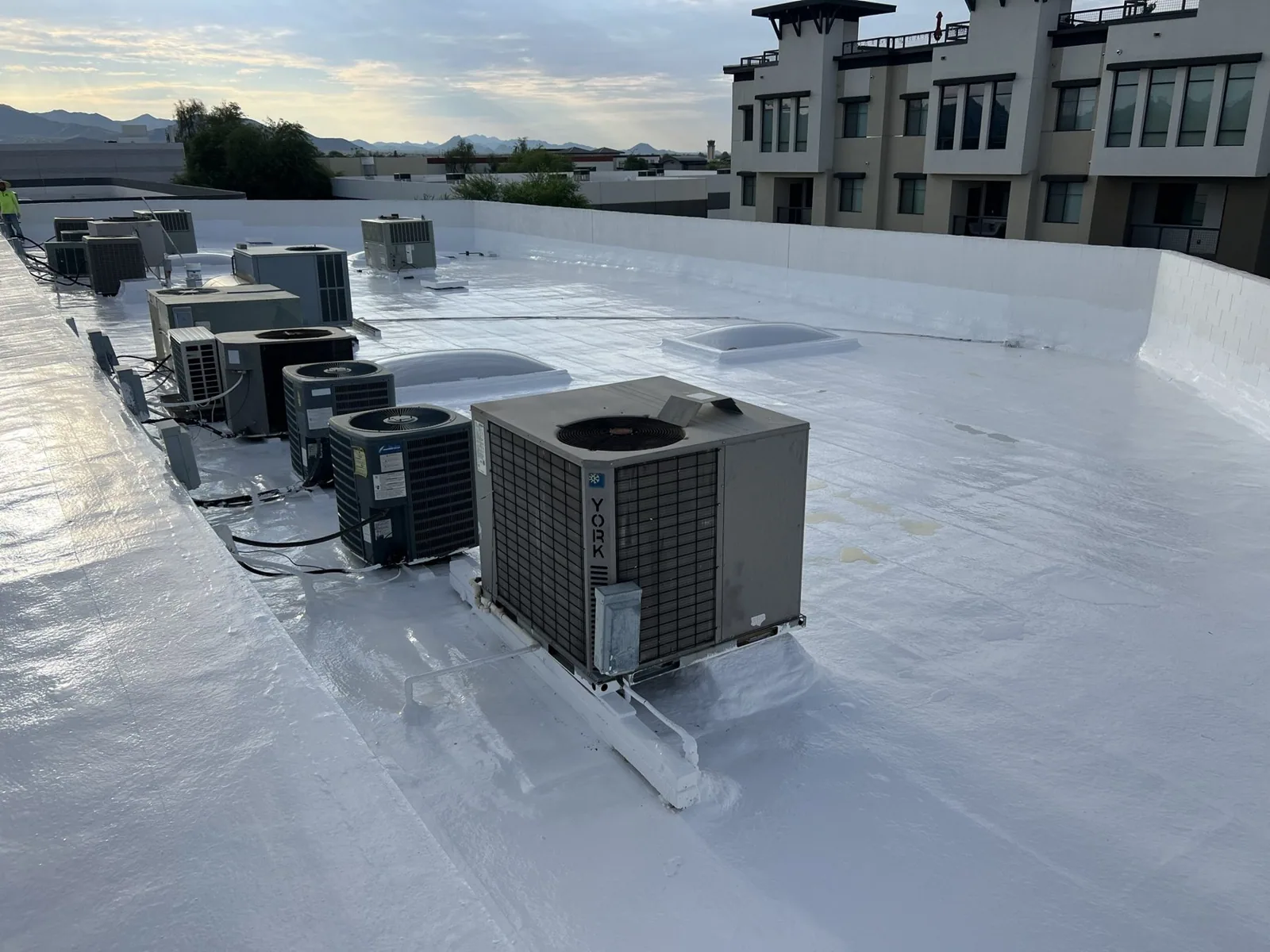
A chalking acrylic finish at the roof edge can be a maintenance item or a sign that the surface needs more work. We test adhesion, inspect seams, and trace drainage before measuring a recoat. Escondido's dry, warm Santa Ana winds make loose edges worth checking during the same visit. At the Escondido Boulevard Commercial Corridor, confirm curb delivery and roof access with the property contact before staging coating materials. Downtown Escondido has a different pedestrian and parking pattern, so record loading limits and the approved work window before equipment arrives. We verify the existing membrane and coating, then separate preparation, repair, and field application in the bid.
Acrylic is a water-based roof coating used over an appropriate prepared surface. It needs a compatible substrate, suitable application weather, and enough drying time. Ponding, contamination, weak adhesion, or an unstable membrane can make another coat a poor fit. We identify the condition first, then give the owner a scope with clear limits.
Adhesion and Existing Film
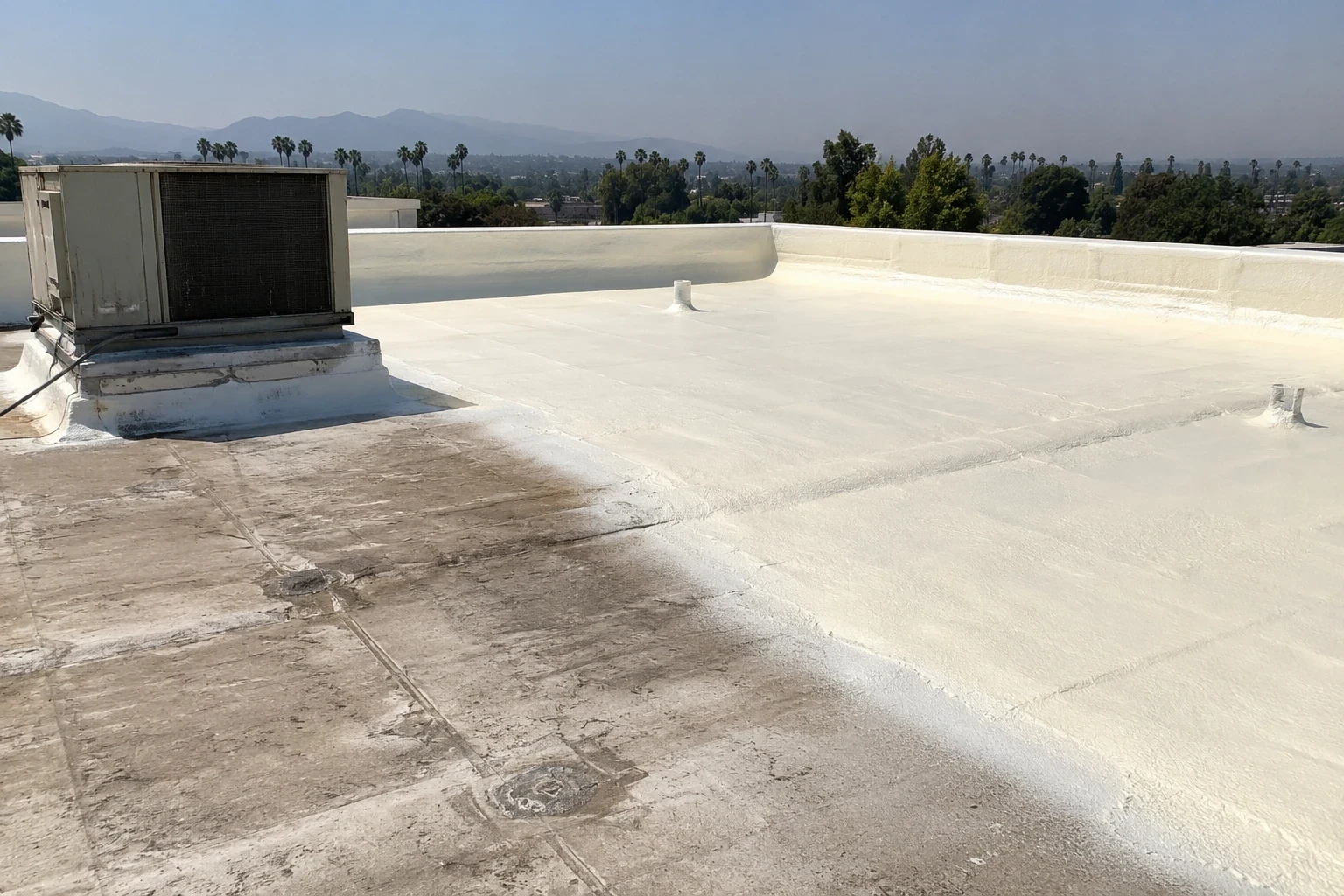
We inspect chalking, peeling, splits, blisters, exposed membrane, and areas where prior coats have separated. A coating may look continuous from a distance yet fail at a seam or curb. We test representative areas and record the preparation boundary. Loose material must be removed to a sound edge. The proposal identifies cleaning, abrasion, primer, and any repair layer so the surface can be accepted before application.
Older roofs may mix acrylic with another product or patch material. We mark those transitions and verify compatibility rather than assuming one primer covers every zone. When moisture is suspected, a focused survey can help select a test location. Test results stay tied to the sampled area, with untested sections shown separately.
Slope, Ponding, and Drain Openings
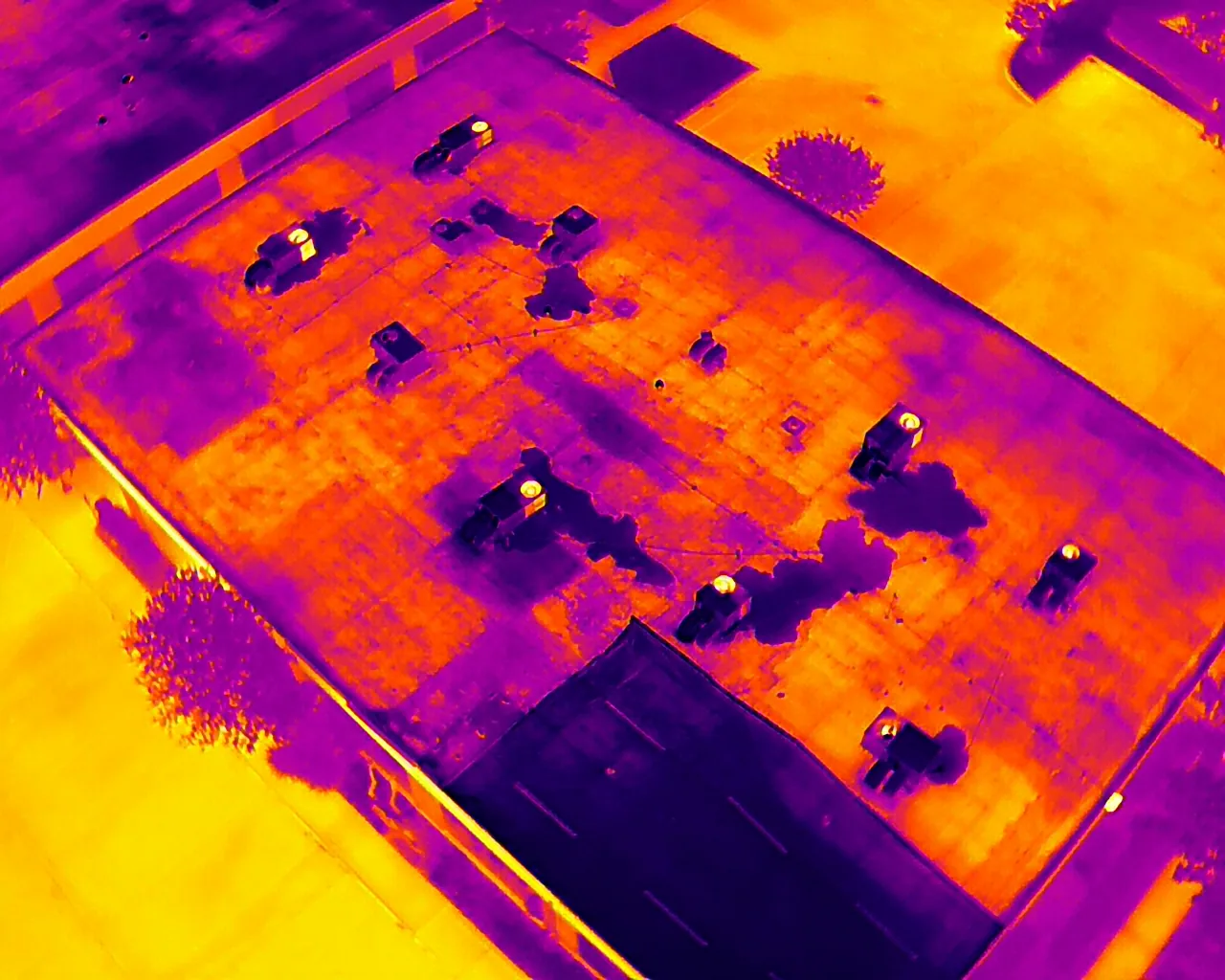
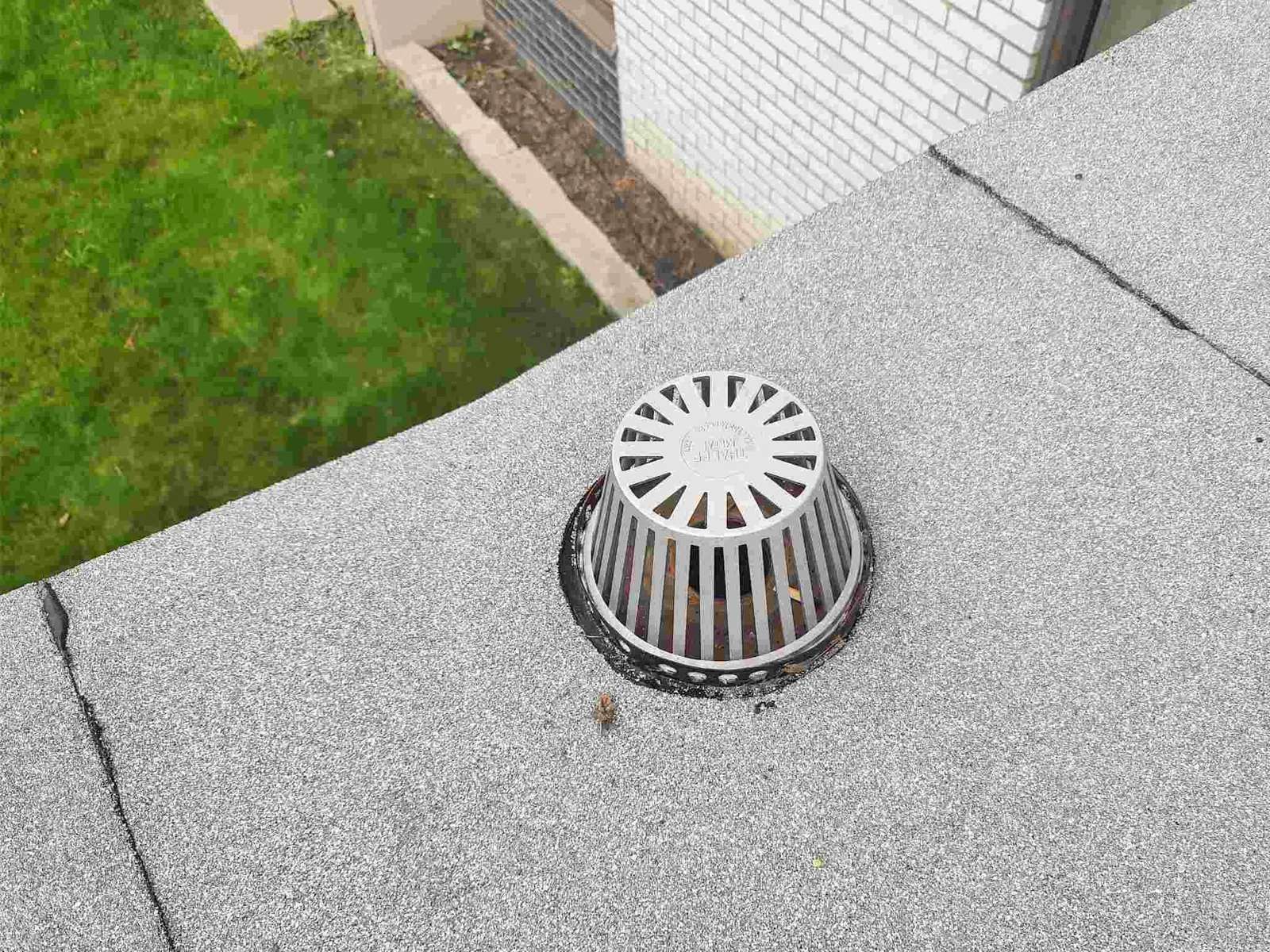
Acrylic coatings are not a substitute for correcting persistent ponding. We inspect low areas, drain bowls, scuppers, and overflow paths before measuring the field. A raised patch or clogged outlet can keep water against a seam. The repair plan states whether drainage correction belongs before coating. We also check that application thickness will not reduce the opening at a drain or cover its clamping detail.
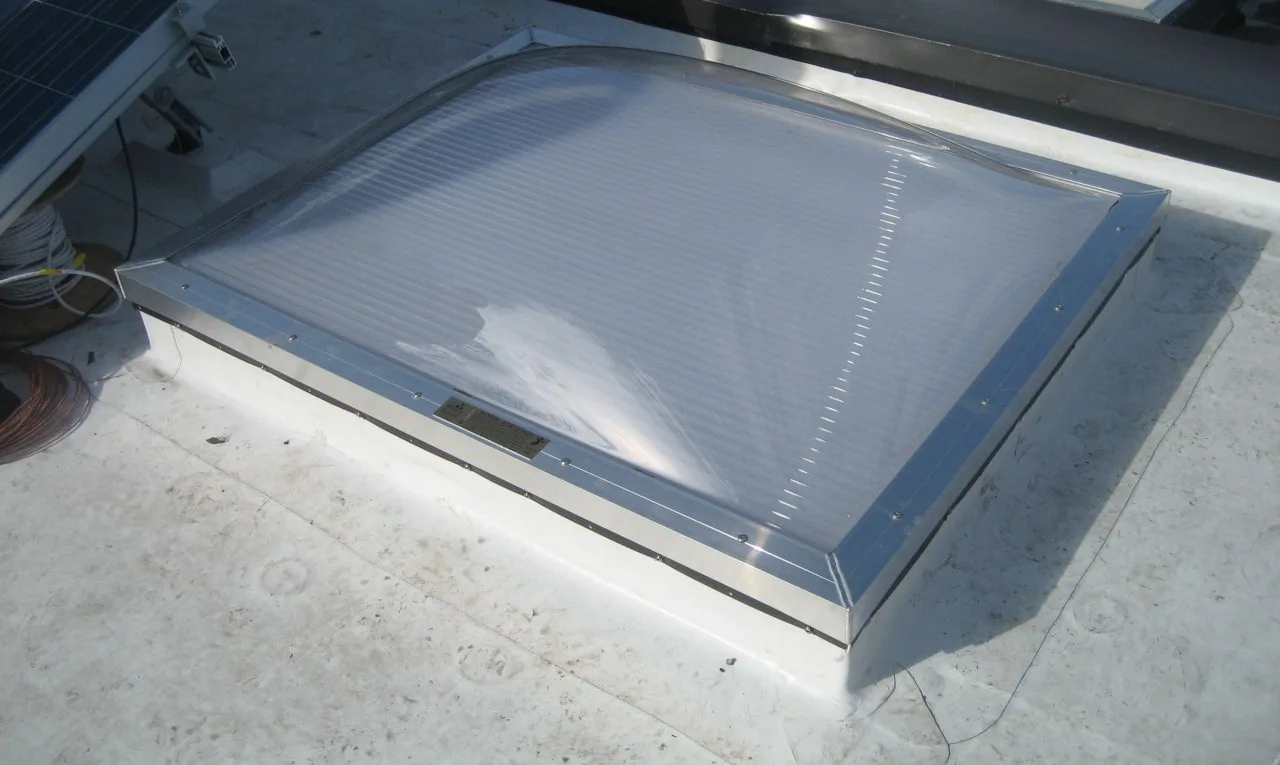
Water flow changes around curbs and walls. We inspect the transition and mark any reinforcement needed before field coating. Drain and scupper work can carry its own quantity. A penetration detail review identifies the material at skylights, pipes, and equipment bases. Escondido commercial areas include office and retail uses. At each property, we confirm access, air-intake locations, and work hours with the facility contact.
Acrylic, Silicone, or New Membrane
Acrylic can fit a prepared roof with acceptable slope and a surface that bonds. Repeated ponding, wet insulation, or weak membrane may require a different repair or removal scope. We mark those areas before setting the coating quantity. A coating pass can refresh a suitable surface, but it does not restore a failed seam or deck. The proposal lists patch work and field coating separately.
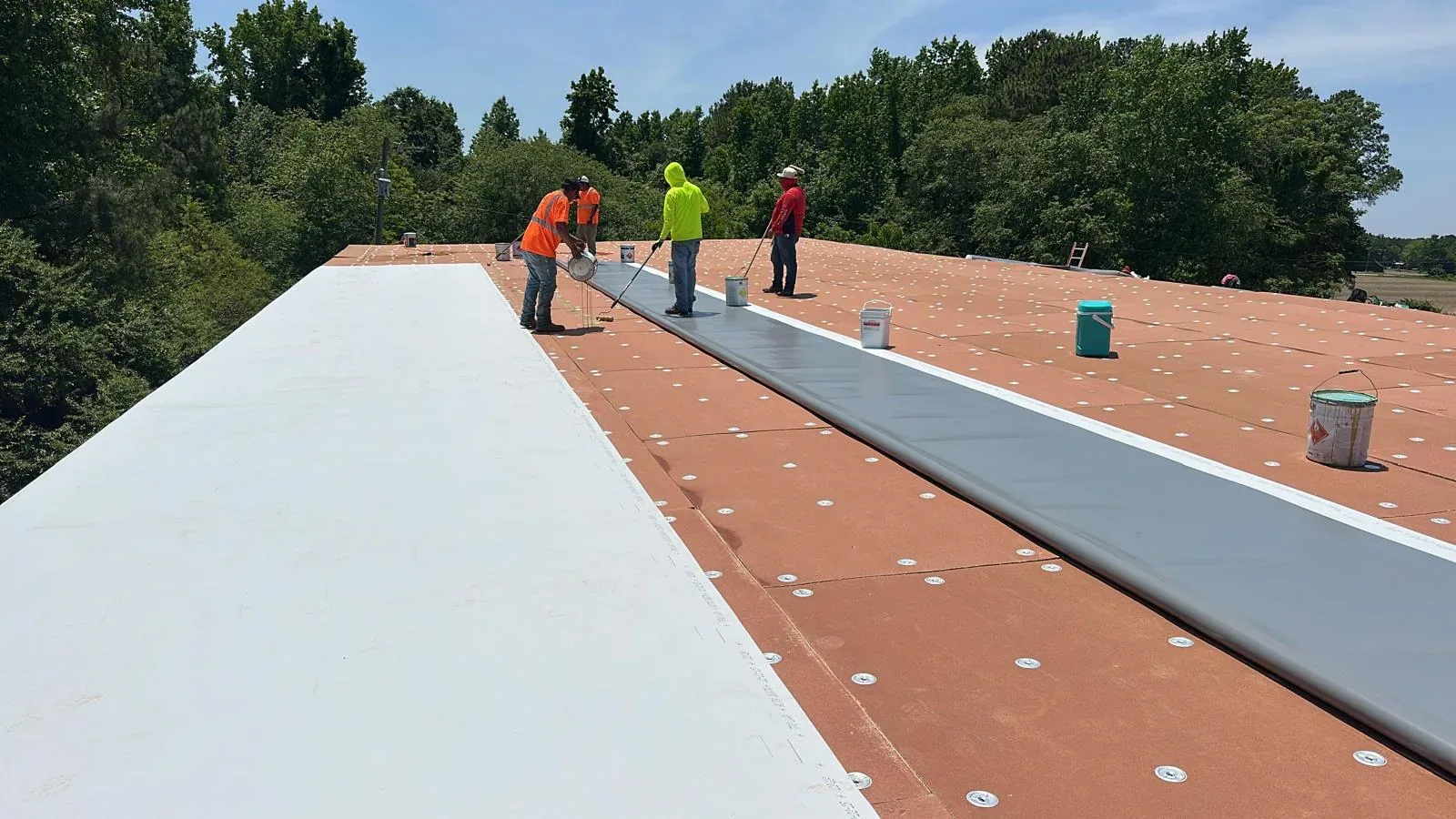
Silicone may suit roof areas with standing water concerns, but product selection still depends on substrate and existing layers. Compare silicone coating work with SPF restoration only after the roof condition is documented. For a sheet assembly, TPO replacement is a distinct system with welded seams and different edge details. The bid should compare preparation, repairs, drainage, access, and future maintenance, not coating labels alone.
Drying Time and Work Sequence
Application depends on a clean surface and a weather window that allows each pass to dry. We plan washing, repairs, drying, primer where specified, coating, and inspection. The site contact confirms hatch access, exhaust locations, occupied areas, and hours when crews can work. If a roof section cannot be closed safely, we split the area and define a stop line before starting.
Regional Santa Ana episodes often bring dry air and heat from fall into spring. The seasonal pattern helps with advance planning, but current conditions and product instructions set the application window. Dry weather and northeast Santa Ana winds can create red-flag conditions around Escondido; inspect exposed coating edges and flashing after a wind event. We check job conditions before mixing or staging product. Escondido Boulevard Commercial Corridor access still depends on property delivery rules and the occupied schedule.
Measured Repairs and Finish
Show the prepared area, crack and seam repairs, reinforcement, primer, number of coats, target film build, and inspection method. List surfaces excluded from the recoat, including wet or unstable areas held for approval. Drainage work, flashing replacement, and equipment resets need distinct lines. The closeout includes dry-film checks and photos of the detail areas. A single total without preparation or exclusion boundaries makes comparison difficult.
Portions of Escondido are mapped in moderate, high, and very-high wildfire zones; ignition-resistant construction standards apply in high and very-high areas. We confirm parcel conditions and permit scope instead of extending that rule to every coating project. A photo condition report records the repair limits. If the membrane is broadly unstable, compare coating against a replacement scope. Send prior finish records, marked leak zones, site access hours, and drain notes before we schedule the visit. We will return preparation quantities and a practical budget window.
Price the coating field separately from seam, curb, and drain repairs. State who accepts the surface after cleaning and where concealed issues stop work. The estimate should show included roof area, excluded wet sections, measured edge footage, penetration details, and any test-opening allowance. That lets the owner compare a recoat with removal on the same marked plan. Set a review point after preparation and before application, so newly exposed defects are priced before the coating crew begins. Keep return visits and cure-related access in the schedule.
Closeout should note the final film check, repaired transitions, and places that remain under observation. Record the coating product and lot information for future maintenance. That record helps a facility team compare the next inspection against the installed finish, instead of relying on an invoice description alone. Allow for a punch walk after cure so isolated thin areas or missed details can be addressed while access remains scheduled.
Frequently Asked Questions
Can acrylic coating cover a roof that ponds water?
We map ponding depth and duration before recommending a coating. Acrylic is not a correction for standing water. Drainage improvements or another coating type may belong in the comparison. The proposal identifies outlets and low areas separately from the field application.
How do we test whether an old coating will accept another coat?
We inspect and test representative locations after identifying existing materials. The result guides cleaning, abrasion, and primer requirements. Weak areas need removal or repair first. We mark the tested locations so a result is not applied to unrelated roof zones.
What can delay an acrylic roof coating project?
Surface moisture, temperature, wind, drying time, and access windows affect application. Repairs must be ready before field coating. We split work into sections that can close during each shift. The project schedule includes return visits if a coat cannot dry within the available window.
Does a recoat repair open seams and wet insulation?
A recoat can protect a suitable prepared surface, but open seams need detail work. Wet insulation needs investigation and replacement where confirmed. We measure each repair separately and define any concealed condition approval. Coating begins after those conditions are resolved.
What should the bid include for an acrylic restoration?
Include preparation, repair boundaries, primer, reinforcement, coat count, film target, access, drainage work, and inspection steps. Identify excluded areas and the condition that could add work. Photos by roof zone make closeout useful for the next maintenance cycle.
Set the Acrylic Recoat Limits
Send product records, roof plans, leak history, and drain locations. We will check adhesion, repairs, and application conditions before pricing the coating field. Call to arrange an inspection.
Call 555-555-5555 or email [email protected].