
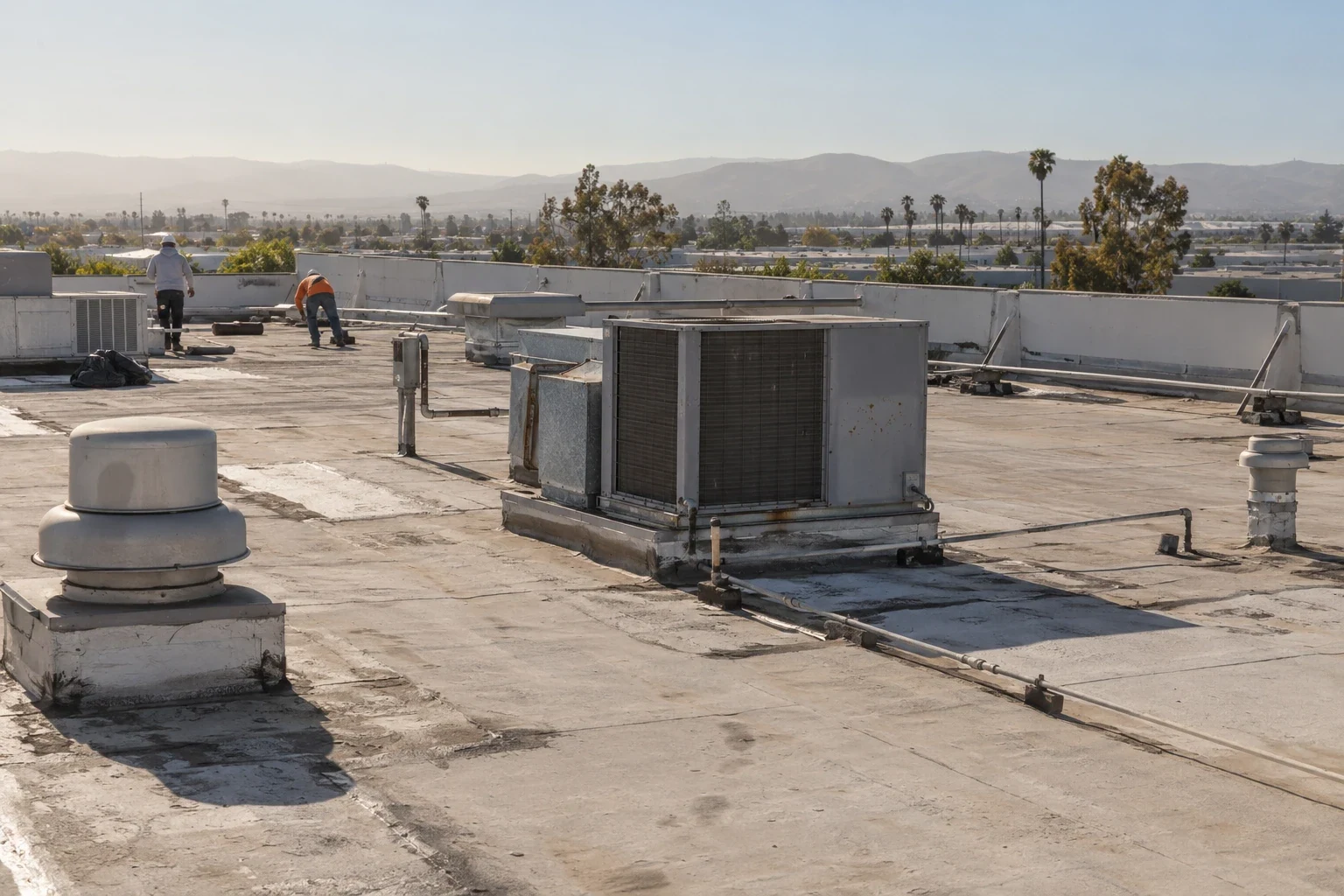
Hospitality Group Roofing in Escondido, CA
Industries We Serve · Escondido, CA

Guests may notice a roof problem through a ceiling stain, a closed terrace, or a maintenance call before the facilities team sees the source. Hospitality operators need the affected area, guest route, and room-protection plan defined before repair work proceeds. In Escondido, CA, we inspect the reported roof zone, trace drainage, and review seams, flashings, penetrations, equipment curbs, edges, and prior patches. Each finding receives a location reference and a recommended next action. The scope separates temporary water control from permanent repair and identifies testing or concealed conditions that require approval. If a group manages more than one property, each building's findings remain distinct. A shared report format supports portfolio review while the work plan reflects each property's roof system, occupancy, and operating calendar.
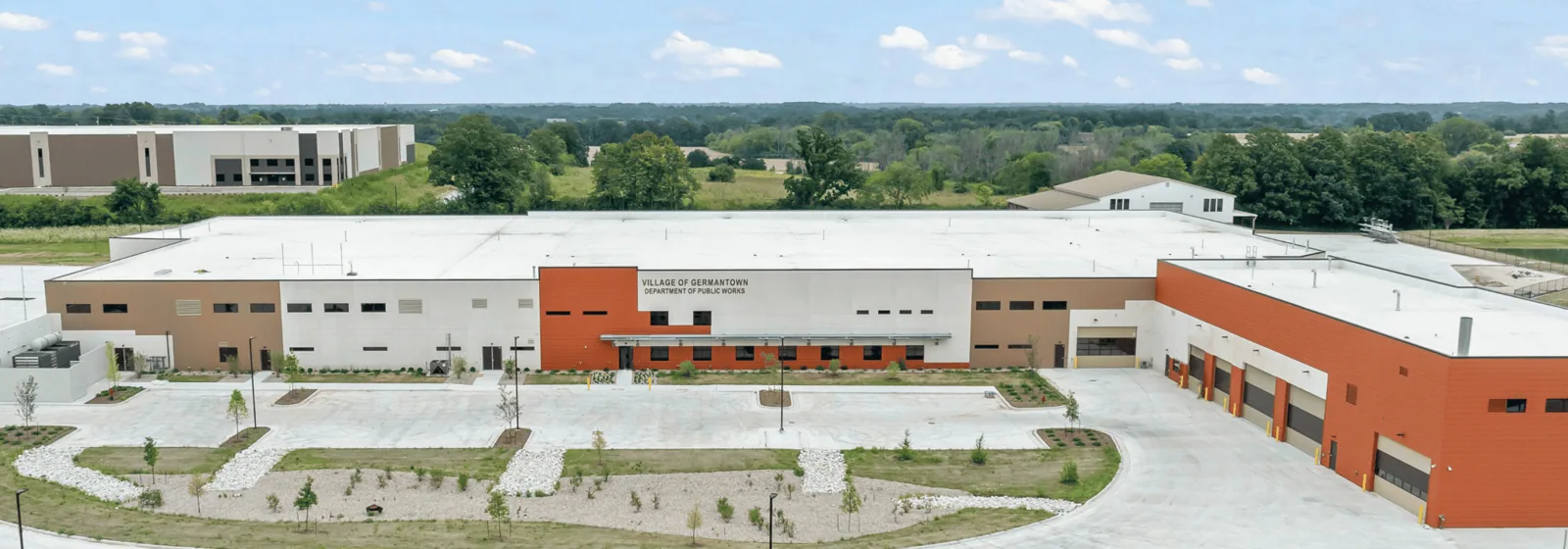
Downtown Escondido has retail, office, visitor-serving, and residential uses in its commercial mix. Downtown, East Valley Parkway, Centre City Parkway, and Escondido Boulevard include coordinated retail, office, visitor-serving, and residential uses. A hotel still needs a property-specific roof record and access plan. A hotel or conference property still needs its own roof record. Guest timing determines access. A retail and restaurant roof plan considers customer paths, while a public facility roof scope follows the owner's operating controls.
Protect Guest Comfort and Staff Access
Coordinate roof access with housekeeping, front desk, maintenance, food service, events, and security. Confirm quiet periods, occupied rooms below, balcony or patio use, pool access, deliveries, and fire routes. The field plan should show the lift or material path, barriers, overhead exposure, temporary closures, and daily cleanup. A hotel manager can identify the areas where guest circulation changes during the day. The contractor should name a site lead who can receive updates and approve a safe adjustment. Identify the person with authority to relocate a guest, close an amenity, or pause access beneath active work. The crew should have a direct channel to that contact and a documented threshold for stopping when weather, unexpected moisture, or an access conflict changes conditions. A shift handoff should capture what area is open, what remains covered, and where staff can report a new leak. Before work resumes, the property lead confirms that the approved barrier and guest route remain in place. This reduces confusion when housekeeping or event staff rotate during the project.
For work above occupied rooms, discuss interior protection and how staff will respond if water appears during removal. Where odor, dust, or noise restrictions apply, record the limits and schedule. A phased reroofing sequence can keep work zones separate and establish daily dry-in. If guest services need an alternate route, communicate the approved path before the crew stages materials.
Trace the Leak Beyond the Guest Room
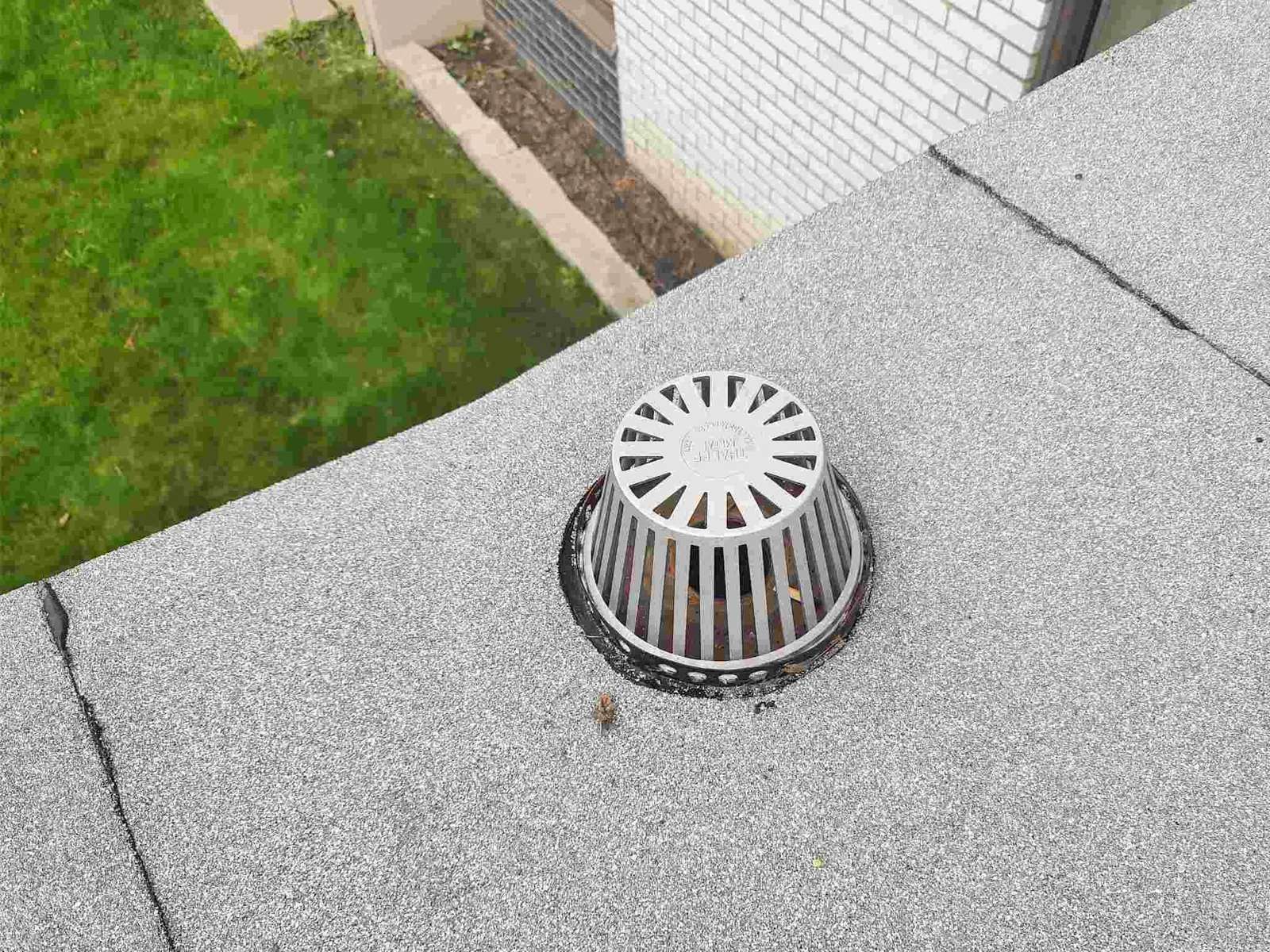
Water can move under a membrane or along framing before it reaches a guest ceiling. We inspect the nearest roof penetrations and follow possible paths through drain bowls, scuppers, seams, wall flashings, equipment curbs, and earlier repair edges. The report records visible conditions and identifies when a test cut, moisture survey, or interior opening is needed. Keep room number and guest details private in the service record; the roofing scope needs the roof zone and access contact, not personal guest information.
Southern California's Santa Ana winds are dry, and an event may bring warm or hot air with potential property damage. After a report, we check the hotel's affected edge, flashing turns, and equipment screens, then photograph movement. A clogged drain is not the same failure as a split seam. The drain and scupper assessment checks the outlet; a commercial roof inspection records assembly conditions and connected defects. Keep the repair boundary precise before reopening an amenity or service path.
Choose the Right Repair Window
A bounded flashing failure or open seam may be repaired with limited impact if adjacent materials remain sound. Repeated water entry, wet insulation, weak attachment, or deck deterioration may call for broader investigation. We explain the evidence and define the work boundary so the operator can decide whether to close rooms, reroute services, or schedule a larger project. Emergency protection and permanent repairs are separate scope items, each with its own access and timing assumptions.
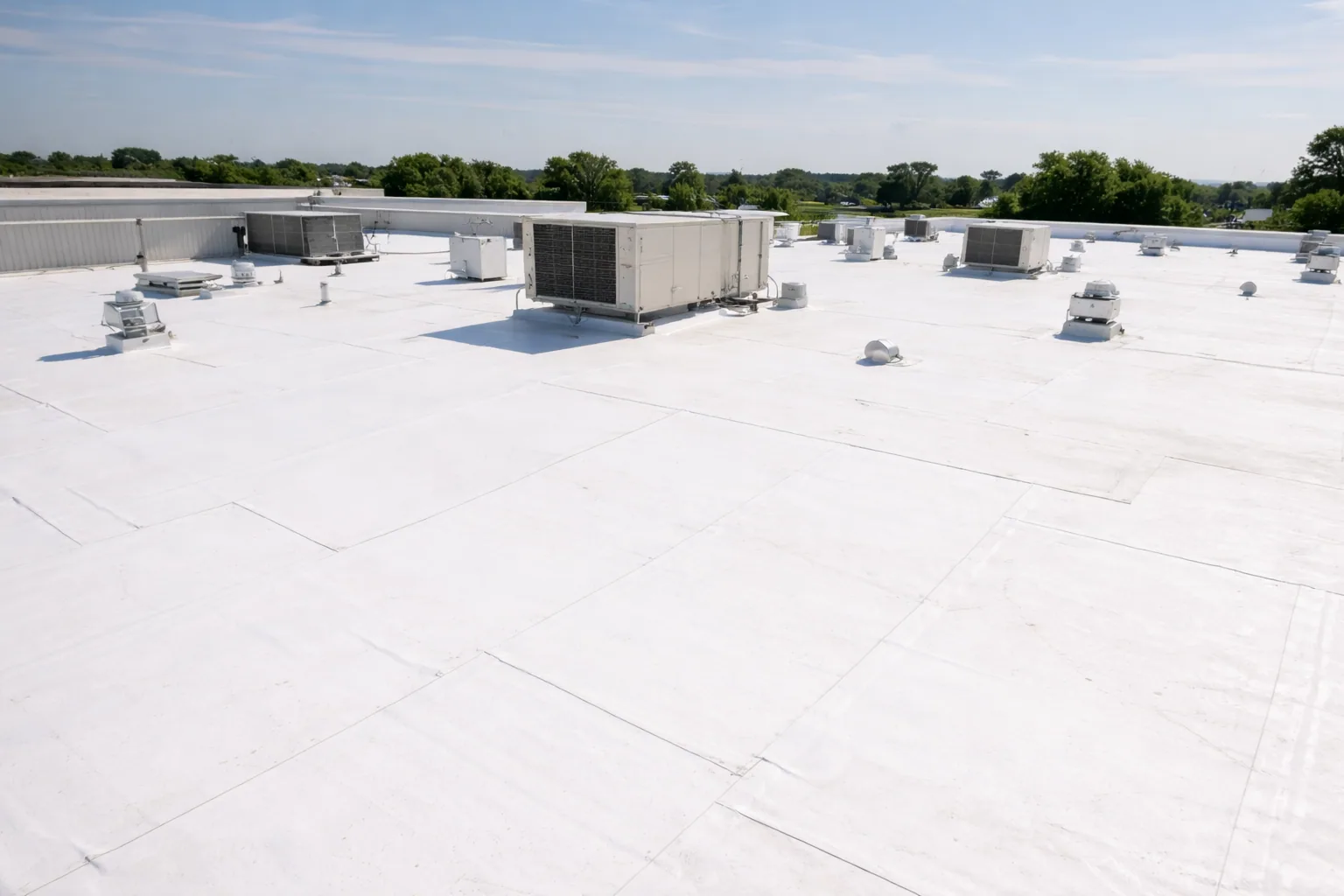
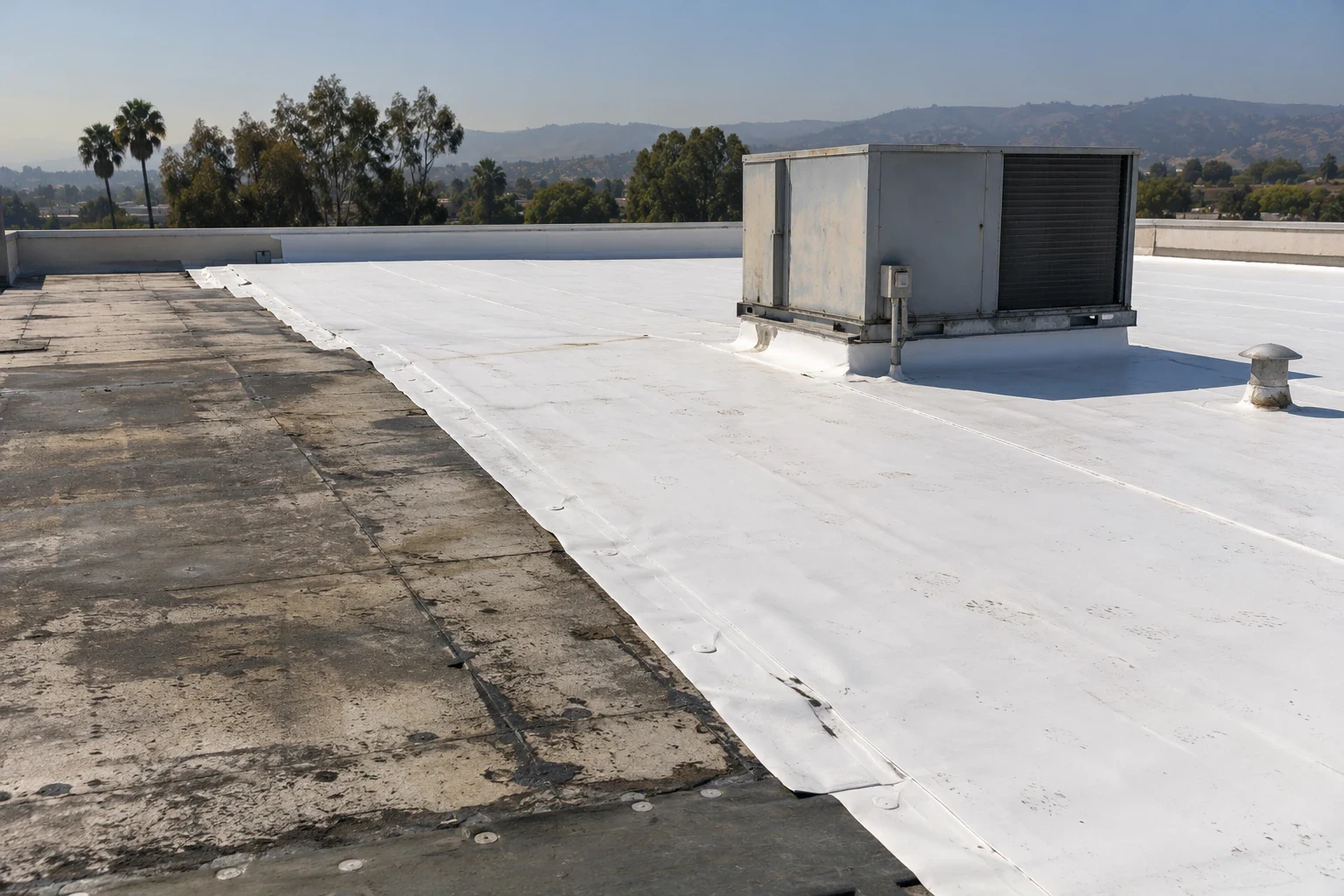
For replacement, identify removal, insulation, cover board, membrane, attachment, edge metal, drains, curbs, debris handling, and daily dry-in. A recover requires review of moisture, existing layers, drainage, compatibility, and applicable limits. A recover and replacement comparison can clarify the decision. A hotel roof plan should pair guest routes and room use with the work sequence.
Compare Properties Without Merging Their Histories
Use consistent fields across the portfolio: system if known, roof section, leak history, date inspected, observed condition, access restrictions, repair record, and recommended action. Maintain one record per address and label photos by roof zone. This allows a regional leader to compare urgency and budget while preserving differences in age, additions, equipment, and use. Warranty details and prior contractor work should be attached to the correct property.
Escondido’s commercial planning includes I-15 and State Route 78; a hotel roof visit still needs the property's approved delivery route and staging point. Centre City Parkway crosses a separate commercial area; Valley Parkway and East Valley Parkway are additional map labels. A hotel delivery window depends on its own driveway, loading bay, and guest flow, so the property manager confirms route and timing. A roof condition report can support capital review while access limits remain in the operating plan.
Restore Normal Guest Operations
At the end of each shift, confirm the completed area is secure, debris is removed, access is restored as approved, and any temporary protection is documented. Closeout identifies materials, repair locations, dated photos, tests when specified, and open follow-up. If a room or amenity remains under observation, the property contact receives a clear timeframe and escalation path. The final record should state what was completed and what remains outside the contract. Keep a short site log for arrival, work limits, protection checks, weather pauses, and release of access. The manager can share that record with the next shift and distinguish a completed repair from a temporary measure. If an amenity remains closed, state the reopening condition and the person responsible for confirming it. The roofing supervisor should not release a room or service area without the property contact's approval. These final checks give the operator a clear account of the workday and a basis for follow-up if the reported symptom returns.
Facilities can retain the scope, changes, inspection record, and warranty information with the property's maintenance history. For a property in the Downtown Escondido commercial district, confirm the hotel’s loading point and approved roof route with its property contact. The next visit should reference the prior roof zone and finding, then confirm whether the condition has changed. That gives staff a useful baseline without making promises about performance that cannot be established from a single inspection.
Frequently Asked Questions
Can roofing work happen while hotel rooms are occupied?
It can when the operator approves access, noise limits, room protection, and daily dry-in. The roof zone and repair method determine whether a room or amenity needs a temporary closure.
What information helps locate a reported room leak?
A report date, ceiling location, weather context, and maintenance observation help start the investigation. We then inspect the roof zone and record the roof-side condition without adding guest personal details to the work scope.
How do you schedule work around hotel events?
The property contact can share event, quiet-hour, delivery, and room-turnover schedules. We define staging and work windows with the manager, then document who approves any change to the plan.
Should a hospitality group use one roof scope for all its properties?
A shared report format is useful, but each roof needs its own observed condition, system, work limit, access plan, and estimate. Grouping similar tasks should not merge site histories.
What should the manager receive at closeout?
Provide repaired zones, materials, dated photos, specified test results, any remaining observation, and a contact for follow-up. State which access routes or amenities are released for normal use.
Coordinate a Hospitality Roof Assessment
Share the property calendar, guest-access rules, leak reports, roof records, and facilities contact. We will inspect the roof and define work around the operating plan. Call to arrange a site visit.
Call 555-555-5555 or email [email protected].