Retail and Restaurant Roofing in Escondido, CA

Industries We Serve · Escondido, CA

Retail and Restaurant Roofing

A roof leak in a customer area can disrupt service, inventory, and a shift already in progress. In Escondido, CA, retail and restaurant operators need a defined roof zone, access route, and work window before repair begins. We inspect seams, flashing, drains, curbs, penetrations, edge metal, and prior patches. Findings are tied to a location and separated from conditions that require testing. The written scope explains temporary protection, permanent repair, cleanup, and the approval point for concealed damage. If several locations are involved, each roof receives its own record. A chain-wide format can make review easier without treating stores as identical. Work proceeds from verified roof conditions and the operator's actual hours, delivery rules, and customer-access requirements.

Westfield North County Mall has more than 1.6 million square feet of retail space and is a major contributor to city revenue. That figure describes mall retail floor area, not roof area or the condition of any individual tenant space. A store receiving plan should still verify the actual truck approach from Interstate 15, gate hours, and unloading point with the site contact. Chain operators should keep each address's access route, receiving window, roof system, and repair history attached to that property. A plan for school district properties differs from work near healthcare facilities, where shutdown and interior-protection contacts may change.

Keep Customers and Deliveries Moving

Map public entrances, accessible routes, loading doors, waste areas, fire lanes, rooftop access, and the proposed lift or material staging point. Confirm peak service periods, delivery appointments, kitchen or receiving hours, and any events that change parking or circulation. A work boundary should show how customers, staff, and vendors remain separated from tools and overhead work. The store manager can identify which door must stay open and who can approve a temporary reroute. Agree on a single point of contact for a service shift, since the manager opening the store may differ from the facilities lead approving roof work. A crew should know which entrance is reserved for customers, where a lift may be staged, and which access route must remain free for deliveries. If a temporary barrier moves, the site contact should approve the revised route before work resumes. These controls belong in the site plan and daily briefing. They let store staff explain changes to customers and vendors without improvising instructions around an active work zone.

For restaurant work, protect food preparation and service from dust, debris, odors, and water entry. For retail, account for stock receiving and customer paths. A phased reroofing sequence can divide roof sections and set daily closure points. If another contractor controls a shared work area, a general-contractor coordination plan can clarify who owns each barrier, delivery, and inspection.

Find the Source Before Closing a Ceiling

A ceiling drip may be far from the roof opening that admits water. We check the reported area and trace likely paths through low spots, drains, seams, curbs, wall transitions, and earlier repairs. On metal, examine laps, fasteners, and closures. On membrane roofs, inspect seams and penetrations for separation or incompatible patch material. Document the visible condition and note whether moisture beneath the surface remains unconfirmed. If a test opening is needed, the operator should understand its location and restoration plan before it happens.

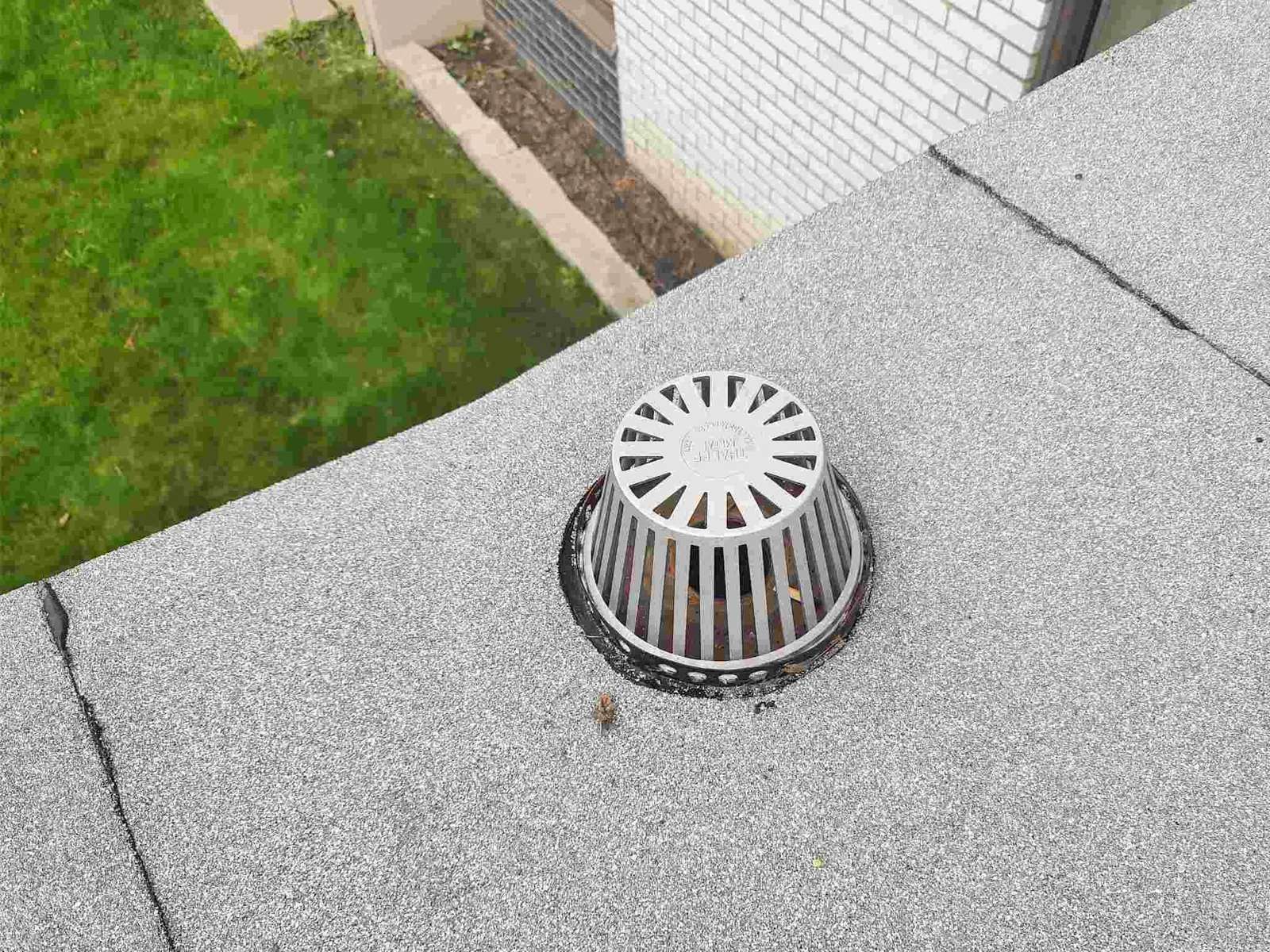
Delivery access needs a current check at each store. Before mobilization, confirm today's entrance, truck path, receiving window, pedestrian route, and lift position with the site contact. A drain and scupper review separates debris from a failed outlet; a commercial roof inspection records the zones and repair history for facilities review. Do not use a route map to infer a building's access or roof condition.

Choose a Repair That Fits the Condition

A localized split, loose flashing, or failed seam can often be scoped as a bounded repair when adjacent material remains stable. Repeated leaks, wet insulation across multiple areas, weak attachment, or a deteriorated deck may require wider investigation. The recommendation should explain why the repair boundary is appropriate and what nearby area remains outside the scope. Where water threatens operations, temporary protection and permanent work should appear as separate actions with different timing.

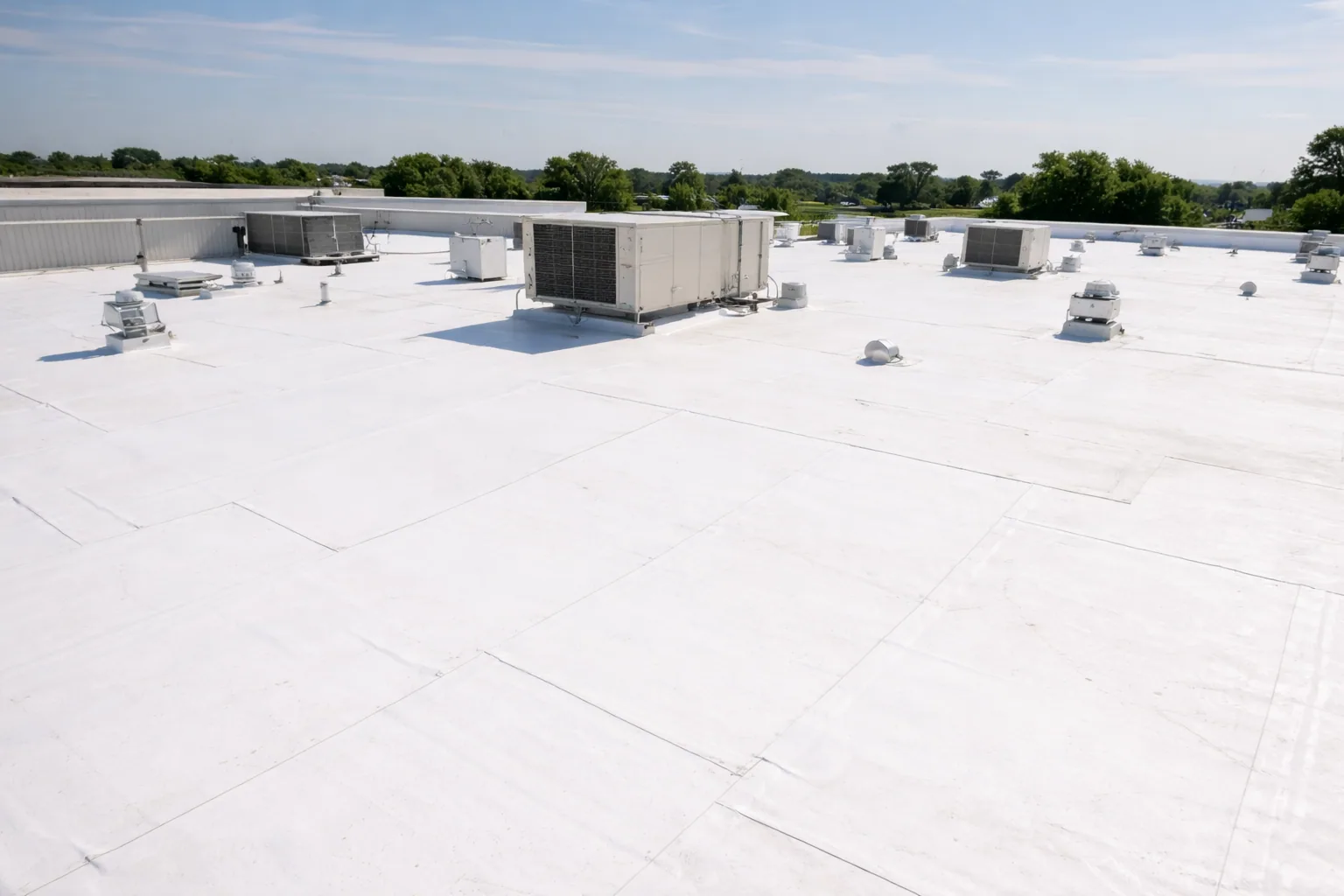
For a replacement, identify removal, insulation, cover board, membrane, attachment, edge details, drains, curbs, disposal, and daily dry-in. A recover should be considered only after moisture, existing layers, drainage, compatibility, and applicable limits are reviewed. A recover evaluation can compare the conditions with removal options. For refrigeration-heavy sites, account for curb flashing and condensate routing where equipment work overlaps the roof.

Standardize Reports Across Locations

Use the same report fields for each address: roof section, system when known, leak date, observed impact, prior work, photos, access rules, and recommendation. The content should stay property-specific. A spreadsheet that groups estimated costs does not substitute for separate roof findings or separate approval. Track urgent stabilization, scheduled maintenance, and investigation still required as distinct categories. This lets an operator compare needs while preserving the reason each site received its scope. Include a contact, response preference, and current roof plan for each address. A regional manager can then route a report to the correct store without assuming that a familiar leak pattern repeats elsewhere. When a location changes ownership or manager, transfer open observations and warranty information with the asset record. Keep dated photos labeled by roof zone, not only by street address. This avoids confusion when the property has multiple additions or separate low and high roofs. For a recurring maintenance visit, list drains to clear, seams to watch, and any temporary repairs that need rechecking. The next inspection can verify those specific items and record what changed since the prior visit.

After a reported Santa Ana event, do not assume every store took the same hit. The regional winds are dry, can bring warm or hot conditions, and may damage property. Compare dated photos at the branch with earlier conditions; inspect perimeter laps, curb flashings, and roof-mounted screens. A condition report separates confirmed displacement from routine maintenance and gives the regional manager evidence for the next budget review.

Return the Site to Normal Service

Before reopening a restricted path, inspect cleanup, remove loose materials, and confirm the temporary cover or permanent repair is secure for the agreed conditions. Closeout should include the completed zone, materials used, dated photographs, test results when specified, and any remaining observation. If a ceiling or equipment area needs a separate interior review, state that boundary clearly. Give the manager a direct contact for new water entry and identify what information helps locate the roof area.

Escondido's planning context includes several commercial corridors. For a property in the Downtown Escondido commercial area, confirm the store's access, receiving window, and operating conditions with its manager. The facilities team can share the completed scope with its regional manager and retain the roof record with maintenance history. That keeps follow-up tied to the work performed, not a generic chain-wide assumption.

Frequently Asked Questions

Can roofing repairs happen while a store remains open?

Work can proceed when the operator approves the work zone, entry routes, hours, barriers, and cleanup plan. The repair method and roof location determine whether a temporary closure or different shift is needed.

How do you reduce disruption at a restaurant?

We coordinate roof access, deliveries, service periods, and interior protection with the manager. The scope states where tools and materials travel and when the crew must leave the area clean and secure.

What should a chain provide for multiple roof inspections?

Provide separate leak logs, roof plans if available, service hours, repair history, and access contacts for each address. A consistent record format helps compare findings without merging site conditions.

When is a roof recover suitable for a retail building?

A recover depends on moisture, attachment, drainage, existing layers, compatibility, and applicable constraints. We verify these conditions before recommending an overlay or comparing it with removal.

What does a store receive after a repair?

The closeout identifies the repaired zone, materials, photos, testing when specified, and any open observation. It also states who to contact if water returns and what condition warrants another review.

Schedule a Retail Roof Inspection

Share store hours, delivery windows, roof records, and the manager who controls site access. We will document the condition and define repair work around customer operations. Call to arrange a visit.

Call 555-555-5555 or email [email protected].

Call us555-555-5555