
Hotel Roofing in Escondido, CA

Property Types We Roof · Escondido, CA

Hotel Roofing

A roof leak can reach a guest room between checkout and the next arrival. The first decision is which rooms and public paths need protection. In Escondido, a hotel repair scope must fit the building's actual roof assembly and operating calendar. We trace the reported water, inspect nearby transitions, and mark the roof zone before opening materials. The manager gets a boundary, access plan, temporary protection detail, and next decision. We separate visible damage from concealed conditions that need testing. That keeps the immediate response useful without pricing an unknown area as settled work. A hotel plan also differs from a restaurant roof scope: guest-room access, housekeeping turns, and meeting schedules can overlap even when work stays above back-of-house space.

Hotel teams balance room inventory, events, food service, housekeeping, laundry, and maintenance calls. A roof repair can affect more than the ceiling below it. We ask who controls room holds, guest notices, loading, roof access, and equipment shutdowns. The occupied-building sequence sets the daily closure point and dry-in check. The property manager can then coordinate engineering, front desk, and housekeeping from one work boundary instead of relaying separate assumptions.

Protect guest circulation

Before mobilization, we map the room stack, corridors, meeting space, staff lifts, and roof access. A ceiling opening over a guest route needs a different barrier than work above a back-of-house closet. Management identifies check-in peaks, event turnover, quiet periods, and rooms that cannot be taken offline. We place warning signs and interior protection before removing roof material. The work plan names who can extend a closure if the opened area is larger than expected. That decision should not wait until a guest arrives at a blocked hallway.

Downtown Escondido includes visitor-serving uses alongside retail, office, and residential activity. The Mercado Escondido District calls for a pedestrian-oriented mix of restaurants, shops, artisan crafts, and cultural uses. Hotels near active walking routes should coordinate lifts, deliveries, and sidewalk protection with the property contact. These district facts help frame public access; they do not set a hotel's event calendar. A Mercado Escondido work area still requires a site-specific entry, loading, and guest-routing review.

Coordinate kitchen and mechanical equipment

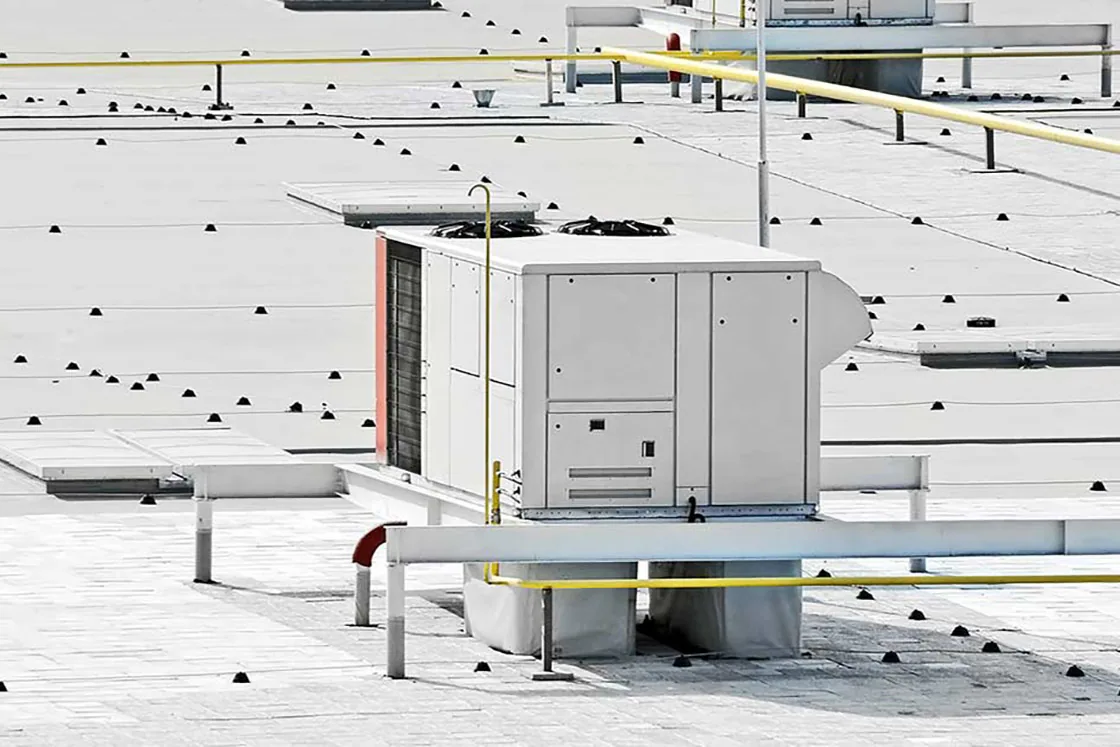
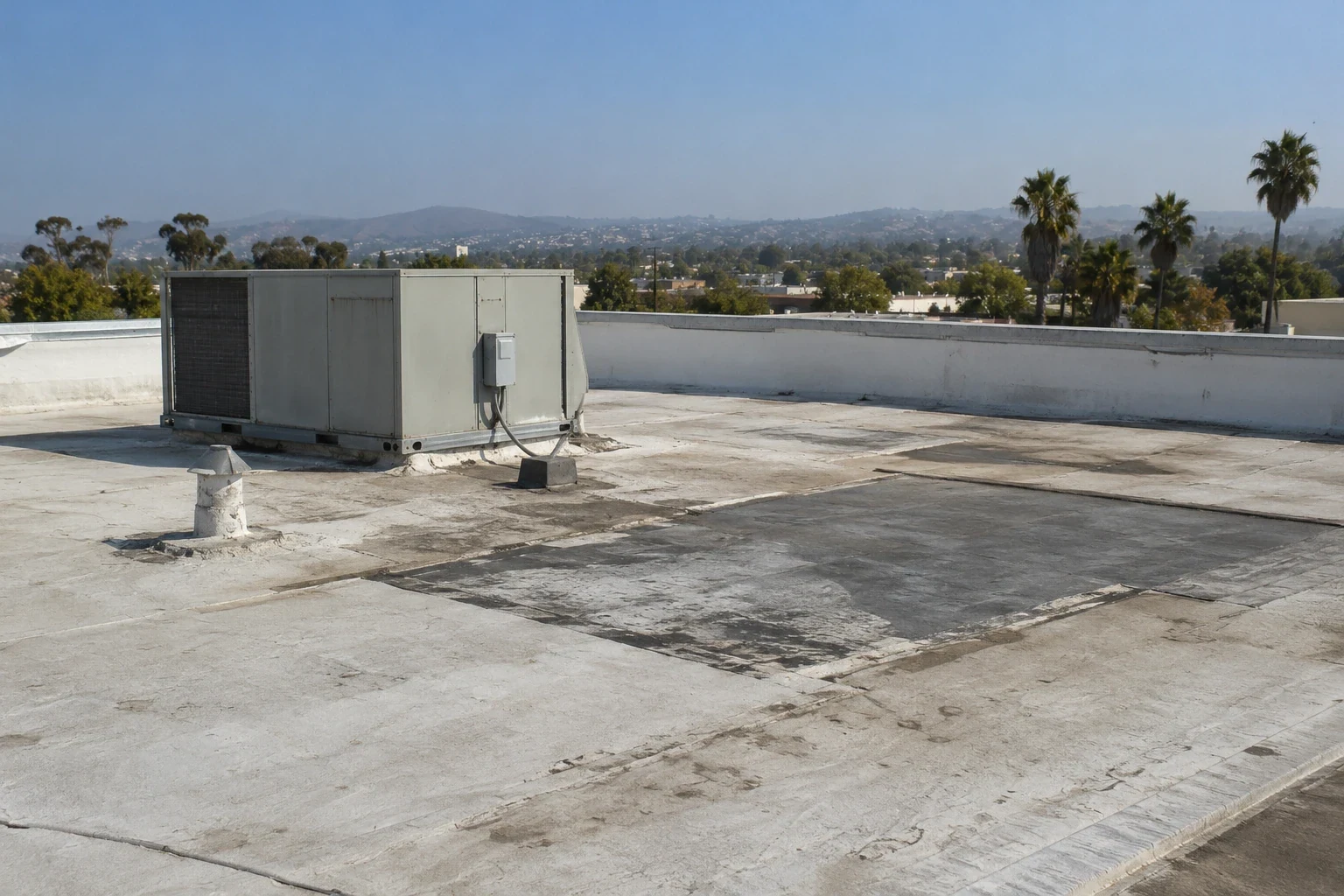
Kitchen exhaust, laundry vents, HVAC units, refrigeration lines, pool equipment, and antennas create roof transitions. We inspect curbs, pipe boots, supports, and nearby seams for movement or failed flashing. A leak near a unit can travel before it reaches a guest room. The hotel engineer identifies which trade can isolate power, move equipment, or approve a restart. We keep that handoff separate from roofing work. A curb and support scope defines the interface before a unit is lifted or a flashing detail is removed.

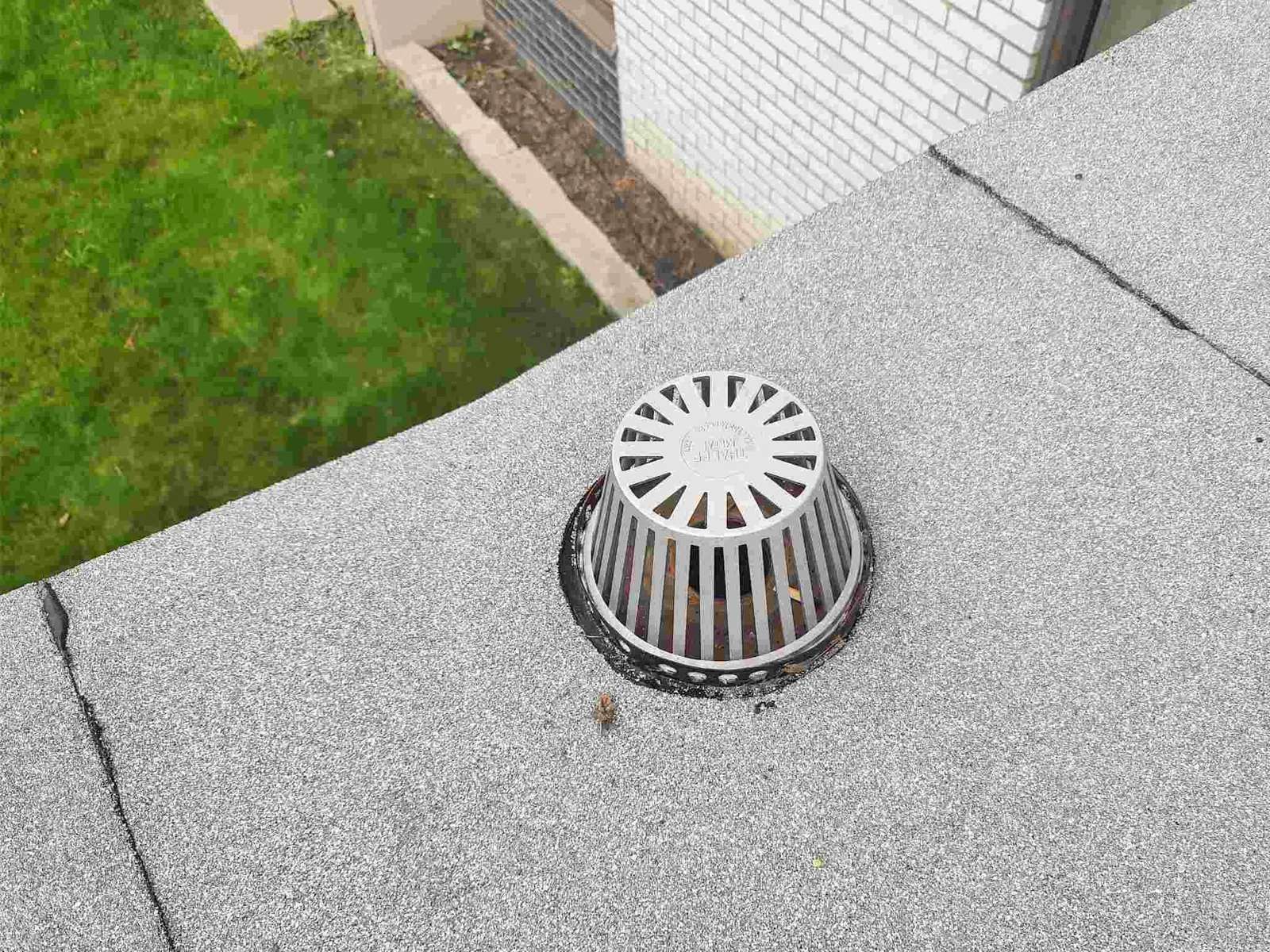
At each transition, the roof system matters. We identify membrane type, prior patch material, edge metal, and how water leaves the roof. If an opening is needed, we agree on its location and protection first. A drain check should include the inlet, bowl, and overflow route, not just a clear screen. The drainage inspection records the outlet condition and any roof-side correction. That helps the hotel distinguish a roof scope from a plumbing or interior maintenance item.

Trace the leak before closing ceilings

A stain does not mark the roof entry point. Water can follow insulation joints, deck flutes, a curb, or a wall transition before appearing indoors. We compare the reported room with seams, drains, skylights, penetrations, and earlier repairs. Photos show the wider roof zone and close detail. When moisture may extend beneath the membrane, an infrared review or test opening can help define the boundary. We explain what that check can resolve and obtain approval before cutting. The repair scope separates immediate water control from permanent work and any concealed condition.

The National Weather Service reports that Santa Ana events in Southern California tend to occur from September through May and may damage property. A hotel roof review should record exposed perimeter details and rooftop supports individually, then coordinate any access restrictions with management. Weather history is context only; a repair scope follows observed conditions, not a regional assumption.

Compare work by roof section

A hotel may have additions with different assemblies and repair histories. We label each roof section before comparing options. A compatible patch can fit a localized defect where surrounding material remains sound. Repeated seam movement, broad moisture, weak attachment, or deck damage can change that choice. We document the evidence, open questions, and area outside the proposed repair. A multifamily roof review also tracks occupancy, while hotel decisions add room turns, events, and service corridors to the schedule.

Recover or coating work requires a dry, compatible, adequately attached surface and sound details. Replacement needs a defined removal limit, insulation and cover-board plan, drainage corrections, edge work, and daily dry-in. A modified-bitumen assembly uses different materials and detailing than a single-ply roof. We specify against the system found on the building. That makes the proposal easier to compare on scope, access, guest impact, and timing rather than treating every roof section as one line item.

Set the work window and handoff

The hotel calendar has operating details a roof plan cannot supply. Management confirms room blocks, check-in, conferences, kitchen hours, laundry shifts, vendor deliveries, and any quiet-time requirements. We schedule noisy removal and lift work around the agreed windows where conditions allow. Each shift ends with a dry-in limit, debris check, and person responsible for reopening a route. If weather or a concealed condition changes the sequence, the owner receives a revised boundary before crews expand the work.

Closeout records the repaired zone, materials, dates, photographs, tests when specified, equipment handoffs, and follow-up items. We mark changed drains or curbs on the roof plan and leave a clear contact for unresolved observations. The property team can keep that record with engineering and room-maintenance history. Bring roof plans, leak locations, access rules, event dates, and equipment schedules to a review. For an active opening, call to coordinate the inspection, safe access, and temporary protection boundary with the property team.

Before a crew enters a guest-facing area, management should identify the staff service route, roof hatch, and any route that crosses occupied rooms or public space. The daily plan should state when noisy work starts, where tools remain secured, and who can authorize a change. A closeout walk checks that temporary protection is removed only after the repaired detail is dry and the work area is clear.

Frequently Asked Questions

Can roof work proceed while hotel guests are on site?

Often, if the affected zone, interior protection, access route, and daily dry-in point are agreed first. Management may need to hold specific rooms or corridors while crews work above them.

How do you reduce room closures during a leak repair?

We trace the roof condition, identify rooms below the work zone, and coordinate the opening with housekeeping and engineering. The owner sets room holds from the verified boundary and work window.

What should the hotel provide before an inspection?

Share roof plans, leak reports, room or event restrictions, equipment schedules, access rules, and prior repair records. Those details help us plan the inspection route and identify decision-makers.

When is a patch different from a replacement plan?

A localized defect with sound surrounding material may support a bounded repair. Repeated movement, widespread moisture, attachment problems, or deck concerns can justify comparing broader options.

What belongs in hotel roofing closeout?

Keep roof-zone photos, materials, work dates, test results when specified, equipment handoffs, marked details, and open observations together. Assign an owner and follow-up date to each remaining item.

Plan a Hotel Roof Inspection

Share the room schedule, access rules, roof plans, and any active leak locations. We will inspect the assembly, define the work boundary, and discuss timing with your facilities team. Call to arrange a review.

Call 555-555-5555 or email [email protected].

Call us555-555-5555