
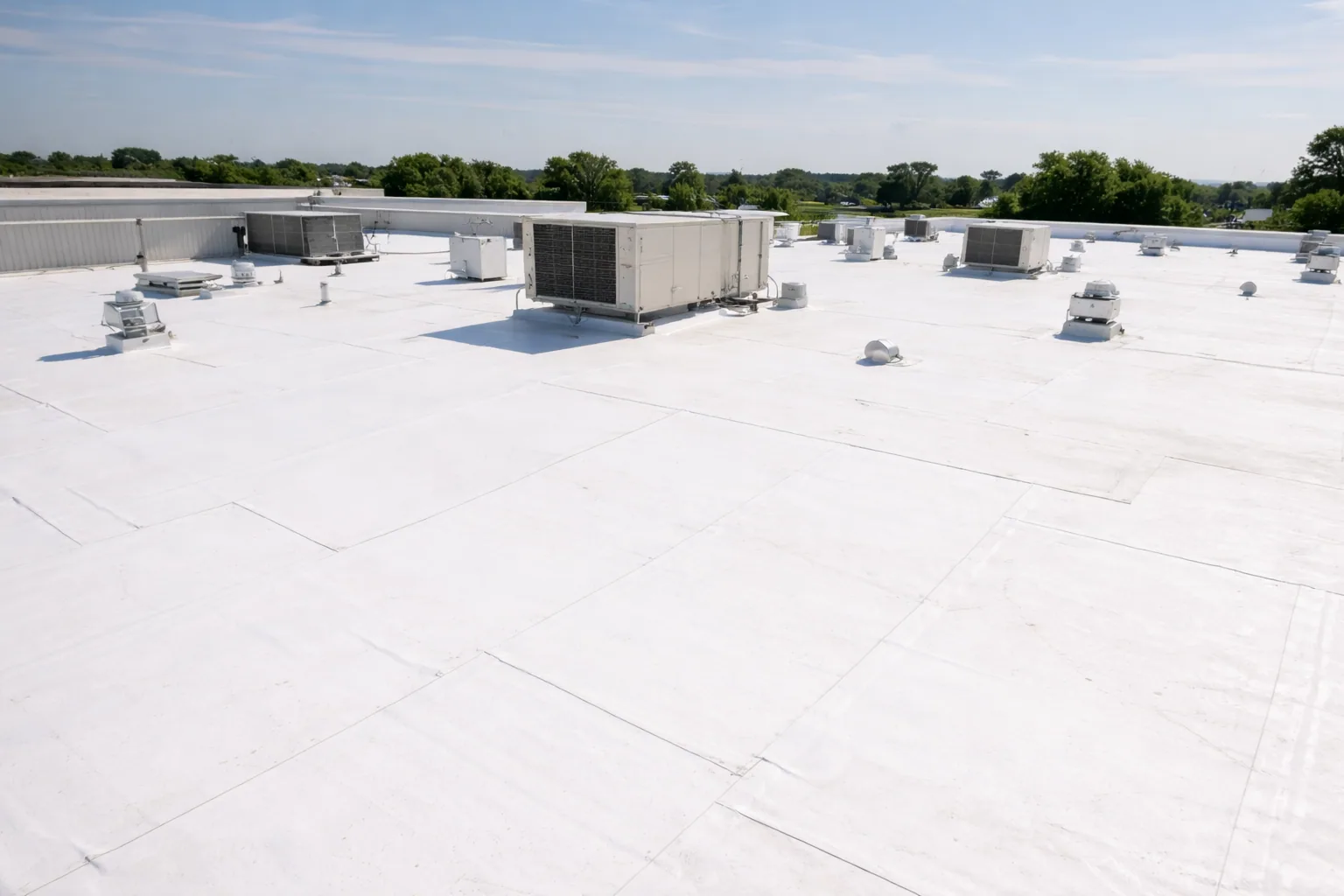
Solar-Ready Commercial Roofing in Escondido, CA
Commercial Roofing Services · Escondido, CA
A planned solar array can expose roof decisions that should be resolved first. The membrane, insulation, drains, equipment curbs, and future attachment points need one coordinated review. Commercial Roofers Escondido documents the roof condition before the solar contractor finalizes its layout. The Research and Technology Center contains a significant share of Escondido’s available employment acreage. The I-15 and Felicita Road interchange is another planned office-development area. For each building, we confirm roof condition, structural review status, and attachment details before the solar layout is finalized. We identify what is sound, what needs repair, and which details need trade input. A defined scope helps a general contractor protect the roof work sequence while keeping future array access in view.
Roof condition before array layout
Solar planning should start with the roof assembly and its remaining service condition. We review membrane seams, flashings, edge metal, drains, penetrations, insulation, and visible repairs. Where concealed layers affect the decision, targeted openings can show what surface observations cannot. The findings identify roof areas that can remain, areas needing repair, and areas that may require broader work before array installation.
Roof age alone is not a layout plan. A mechanically attached membrane, a coated surface, a metal roof, and a recover assembly present different attachment and flashing questions. Existing moisture or recurring leaks can change whether an array should wait. The assessment should record sample locations, limitations, and the basis for each recommendation. It should also separate roof findings from electrical production modeling, structural capacity, and utility interconnection, which need their own professionals.
Use a commercial roof inspection to establish the existing condition before the solar drawing becomes fixed. If the roof history suggests concealed wet areas, we can identify where focused testing may help.
Attachment and waterproofing details
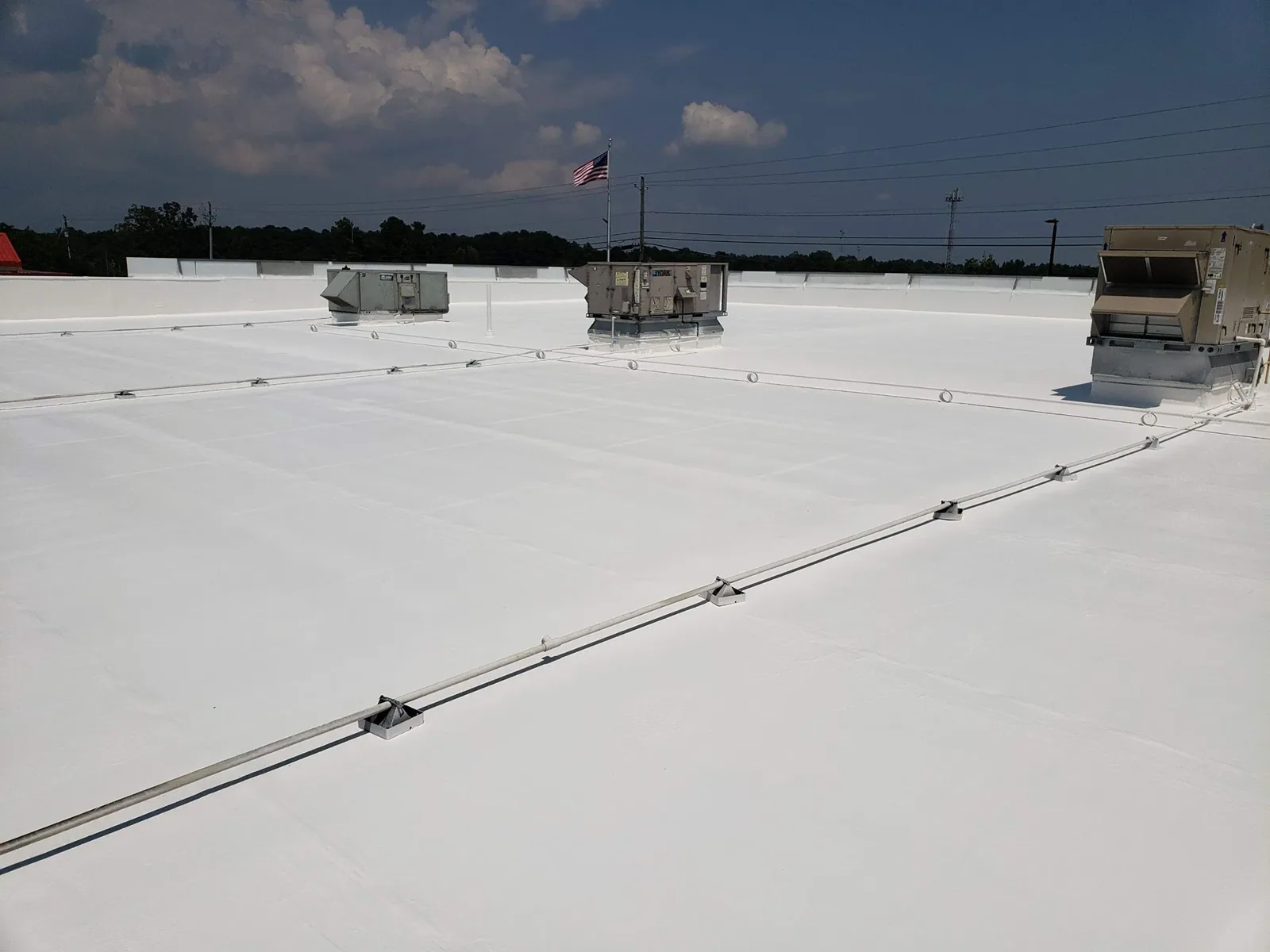
Every attachment or support that crosses the roof surface becomes a water-management detail. The roofing scope should identify who provides curbs, rails, supports, blocking, and flashing. It should show how penetrations connect to the membrane and how the completed work will be inspected. The solar contractor’s design and the roofing manufacturer’s requirements should be coordinated before materials arrive. Do not leave responsibility for a roof penetration to a general note.
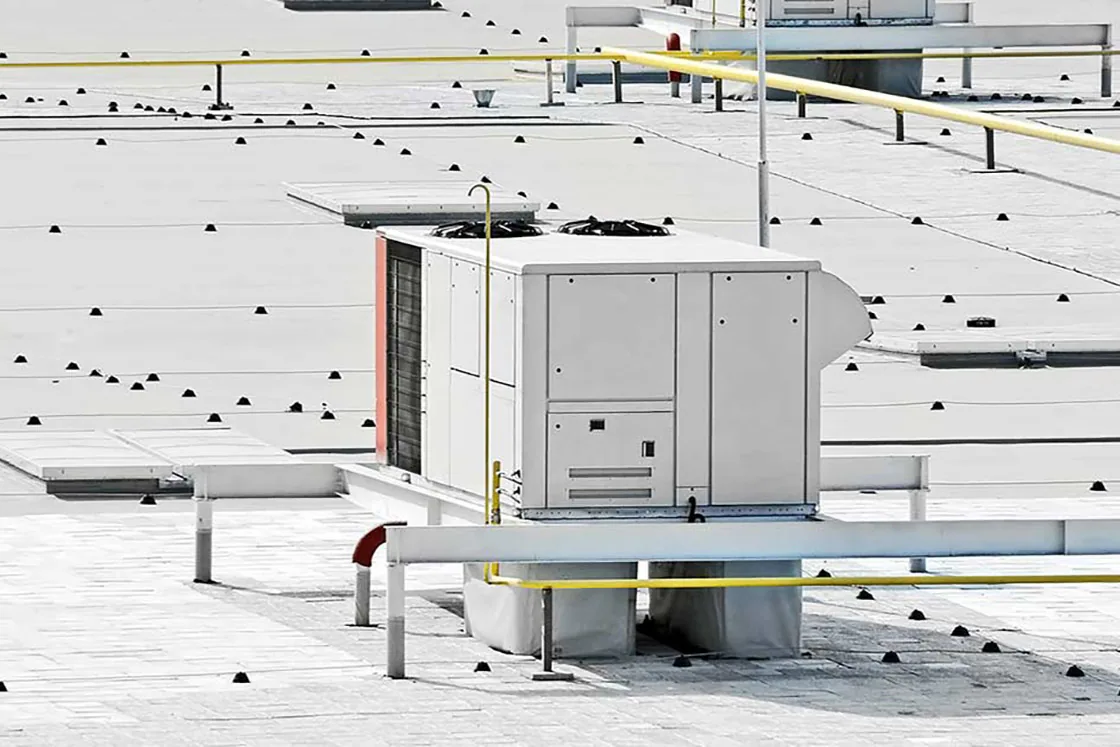
Ballasted and mechanically attached array layouts create different roof considerations. Ballast adds load and may affect drainage paths. Mechanical attachments need suitable structure, layout, and properly detailed penetrations. The roofing contractor can address the roof interface, while structural and electrical design stays with the responsible professionals. A curb and support review can coordinate other rooftop equipment that shares the same work area.
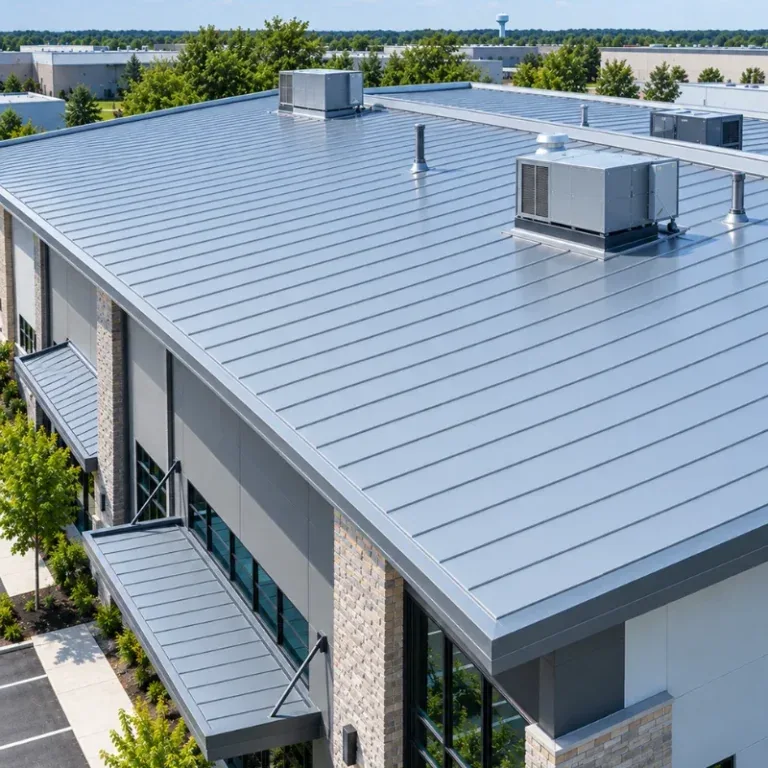
East Valley Parkway is among Escondido’s commercial areas for coordinated retail, office, visitor-serving, and residential uses; confirm roof staging at the individual property. For work near that corridor, we use the property’s roof plan and access rules to set staging and review the actual attachment locations. Check the TPO assembly or standing-seam assembly against existing details before assigning attachment work.
Trade sequence and roof access
Roof repairs, array staging, and electrical work compete for limited access. The project schedule should say when each trade uses roof zones, how materials reach the building, and which areas stay clear. Confirm crane or lift access, delivery routes, roof hatch permissions, and temporary protection before mobilization. If the building remains occupied, coordinate work hours and interior sensitivities with the owner.
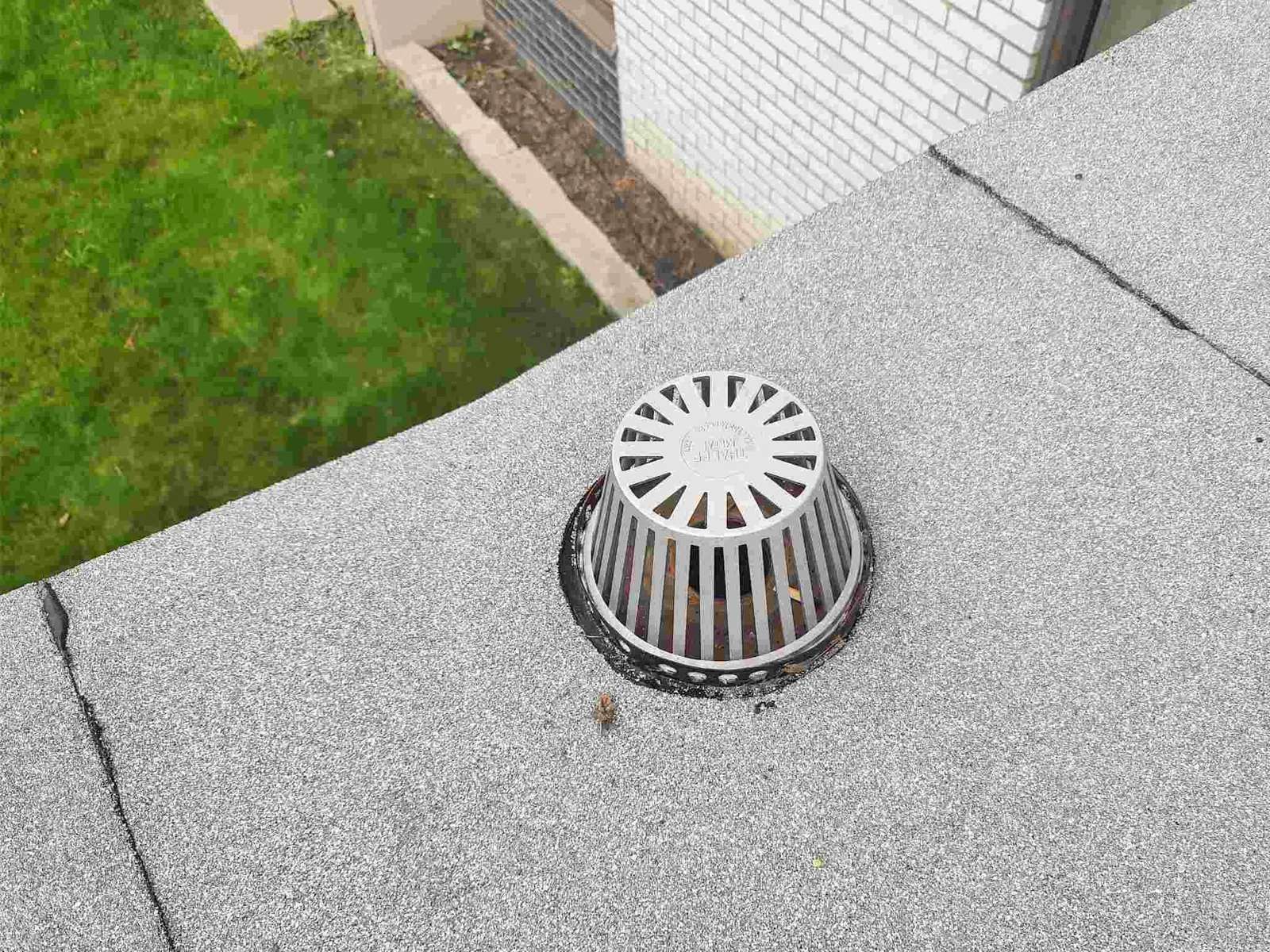
Sequence roofing first where the assembly needs broad repairs or replacement. Then document the finished membrane and accepted flashings before solar attachments begin. If the roof is serviceable, define repair limits and installation interfaces together. In either case, require each contractor to identify penetrations, supports, and responsibility for weather protection. The drainage path must remain accessible and functional after array placement.
For delivery near East Valley Parkway or I-15, set staging with the property contact rather than relying on a corridor-level schedule. For a roofing project, confirm the actual delivery route and staging area with the property contact. Confirm project-specific street, loading, and staging conditions before setting a crane date. A roofing review near East Valley Parkway can begin with those access questions and the property’s own plan.
Repair, recover, or replace before solar
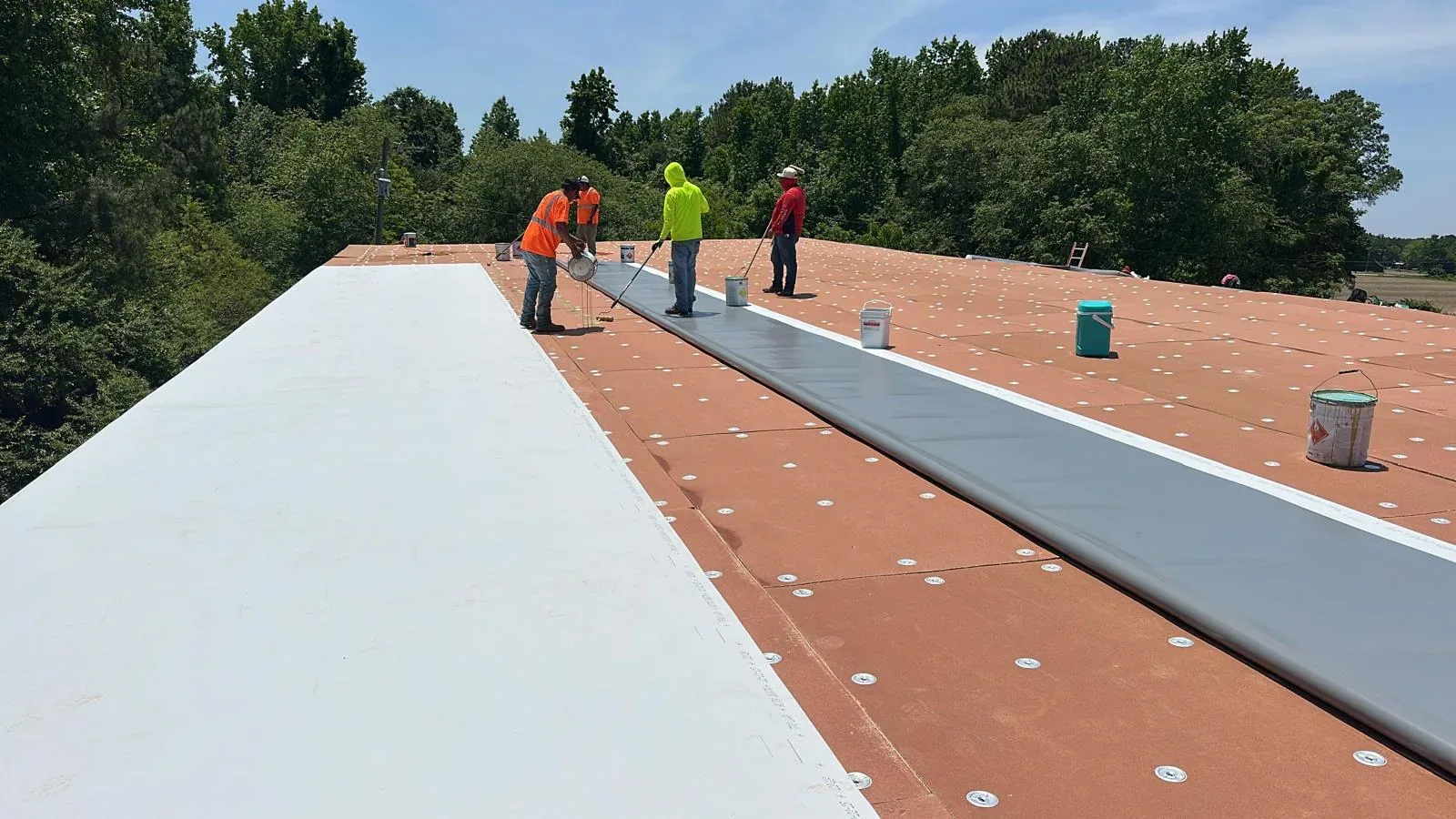
A roof with isolated defects may need focused repair before solar work. Repeated seam issues, widespread moisture, unstable attachment, or deck deterioration can change the decision. We document the affected areas and explain whether a repair, recover, or replacement is appropriate to price. The solar schedule should not hide an unresolved roof condition beneath new equipment.
A recover may preserve a serviceable base assembly, subject to moisture, layer count, attachment, drainage, and applicable project requirements. Replacement can provide a new surface and fresh detailing when the existing roof has reached its practical limit. Each option changes height, edge conditions, flashing, and future service access. Compare a recover scope with a replacement scope before solar rails or supports are installed.
Document the roof manufacturer, system, repair areas, and interface details in the closeout package. Include photographs and a marked roof plan showing completed penetrations. The project team can then reference known locations during later maintenance. A maintenance plan should account for both roof inspection and safe access around the array, with responsibilities agreed among the owner and contractors.
A coordinated solar-ready scope
For pricing, share the roof plan, prior inspection reports, leak history, solar concept drawing, structural review status, equipment schedule, and site access rules. Identify the owner’s target installation window and any operating constraints. We will document roof conditions, define repair or replacement work, and list questions requiring solar, structural, or electrical input. The proposal should state who provides each support and flashing detail.
Keep roof work, array attachment, electrical connections, and structural engineering as clear scopes. Include temporary weather protection, penetrations, drain access, edge work, and final inspection records. If future solar is only a possibility, the roofing scope can still record assembly and access conditions without guessing at a system layout. Arrange a site review before bids lock and settle the scope against the existing surface and planned interfaces.
Frequently Asked Questions
Should solar panels wait until the roof is replaced?
That depends on the documented assembly condition and the project schedule. We inspect the roof and identify repair, recover, or replacement needs. The solar and roofing teams can then coordinate the installation sequence using the same roof plan and agreed penetration details.
Who should flash solar attachments and roof penetrations?
The contract documents should name the responsible trade for each curb, rail, support, penetration, and flashing interface. Roofing work must follow the selected system requirements. Coordinate the design before installation so no contractor assumes another party will waterproof the opening.
Can an array be installed over a recover roof?
Possibly, when the existing layers, moisture condition, attachment, drainage, and project requirements support the assembly. Added height and edge transitions also matter. We inspect and document the roof before the general contractor compares a recover with replacement.
What should be included in the roof closeout records?
Keep the final roof plan, system information, photographs, repair locations, penetration details, and inspection records together. Mark support locations and preserve access information. These records give future maintenance teams a clearer reference when roofing and solar work share the same surface.
Can the roof and solar work proceed at the same time?
Concurrent work can fit when roof zones, access, weather protection, trade responsibility, and inspection hold points are defined. Broad roof repairs may need to finish first. We coordinate sequencing with the general contractor and solar team around actual site operations.
Coordinate the Roof Before Solar Mobilization
Arrange a roof review with the current plan, solar concept, repair history, and access rules. We will document the assembly and identify the decisions that should be settled before the trades begin.
Call 555-555-5555 or email [email protected].