Commercial Roofing in Poway, CA
Service Areas · Escondido, CA

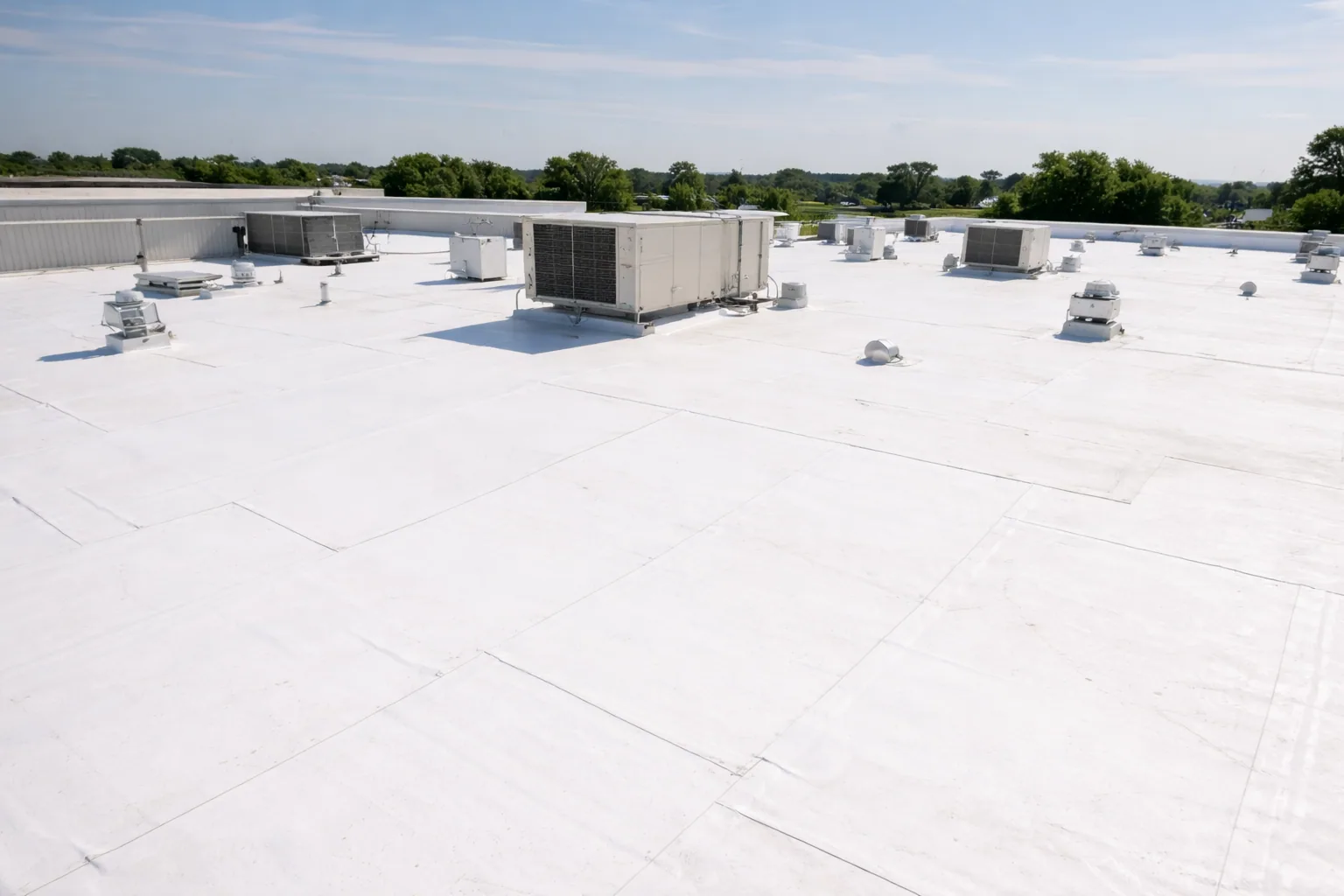
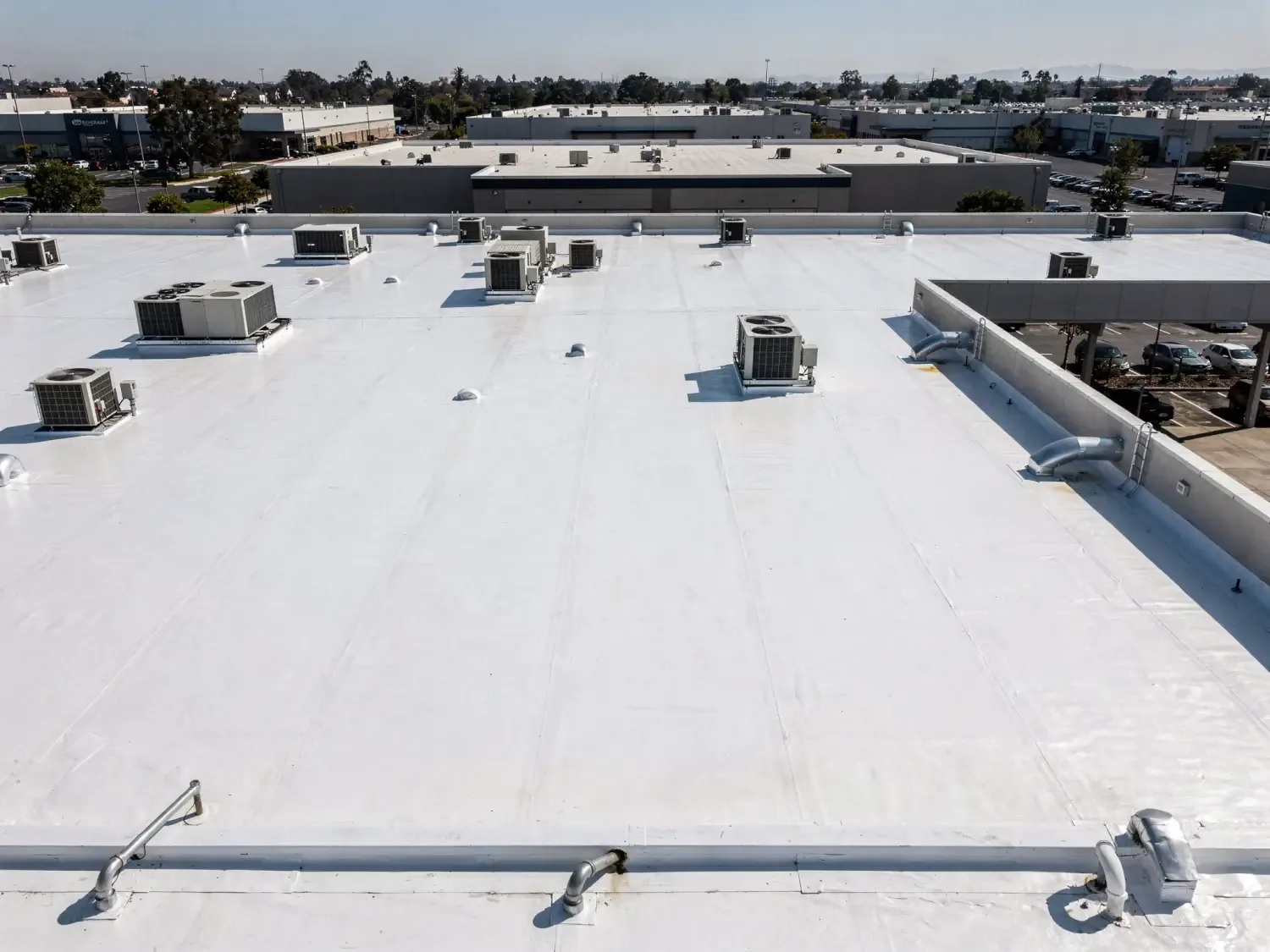
Light industrial, manufacturing, and distribution work can place different demands on each commercial roof. Poway's commercial base includes these uses, with the Business Park as its main commercial area. We begin with the actual building, reported water entry, and the work window. The first walk checks seams, penetrations, drains, flashing, edges, and previous repairs. We flag unsafe access, note operating limits, and agree how urgent findings will reach the decision-maker. We identify the roof assembly when possible and note conditions needing a test or approval. The written scope separates emergency protection from permanent repair. It also names access limits, trade handoffs, and the point where concealed conditions change cost or timing. This gives the owner a defined roof decision without assuming all Poway properties share one system.
Poway's Business Park spans 700 acres and contains more than 500 businesses. It includes office and industrial buildings, but those reported floor-area totals are not roof measurements. We confirm the roof size and assembly at the property. The Poway Business Park roof assessment can focus on that district; properties elsewhere in the city need separate measurements and access notes.
Match the Inspection to the Building Use
Warehouse, office, manufacturing, and research settings can differ in access, equipment, and operating schedule. Confirm the roof hatch, delivery route, restricted rooms, lift location, and any production or testing windows with the site contact. The inspection should record actual conditions rather than infer them from a business category. We check membrane seams, metal laps, curbs, parapets, drains, and roof-to-wall transitions. Each observation gets a roof-zone reference and a photo that helps the owner locate the detail later.
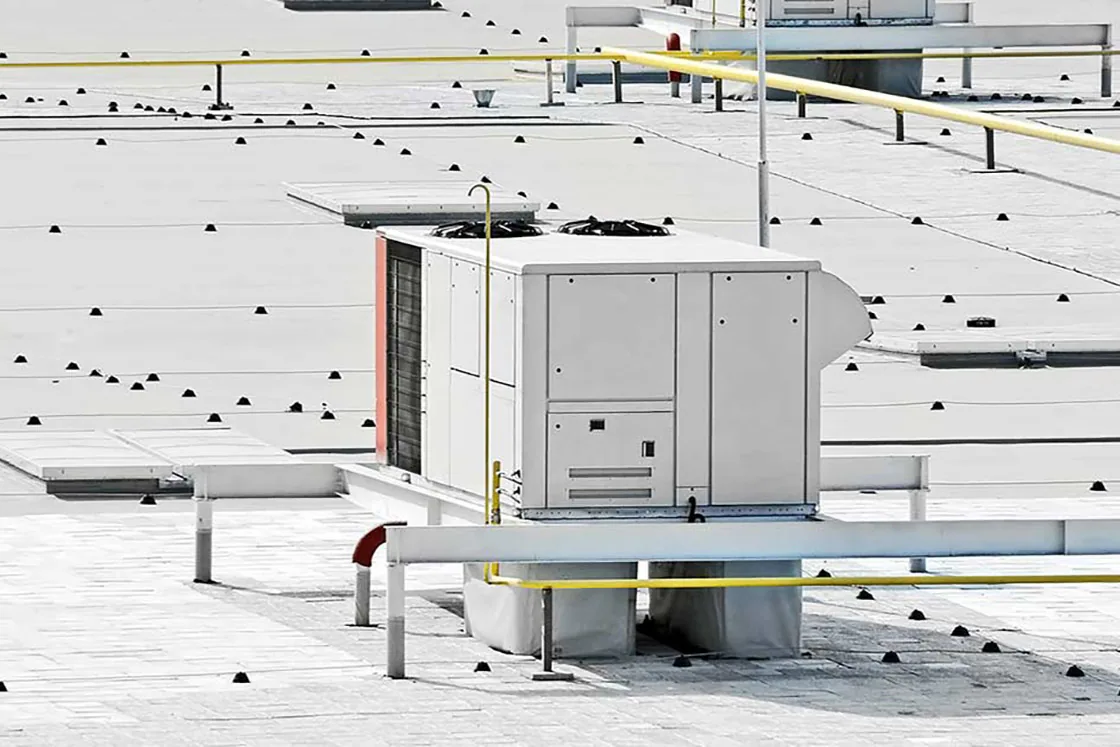
Light industrial, manufacturing, warehousing, distribution, and research and development are intended uses for the Business Park. Those uses make equipment layouts and operating windows useful items for the property meeting, not proof of any roof feature. A commercial roof inspection can establish a broader baseline. A curb and equipment scope can define a trade handoff when units, supports, or penetrations overlap the work area.
Trace Leaks Before Setting a Repair Limit
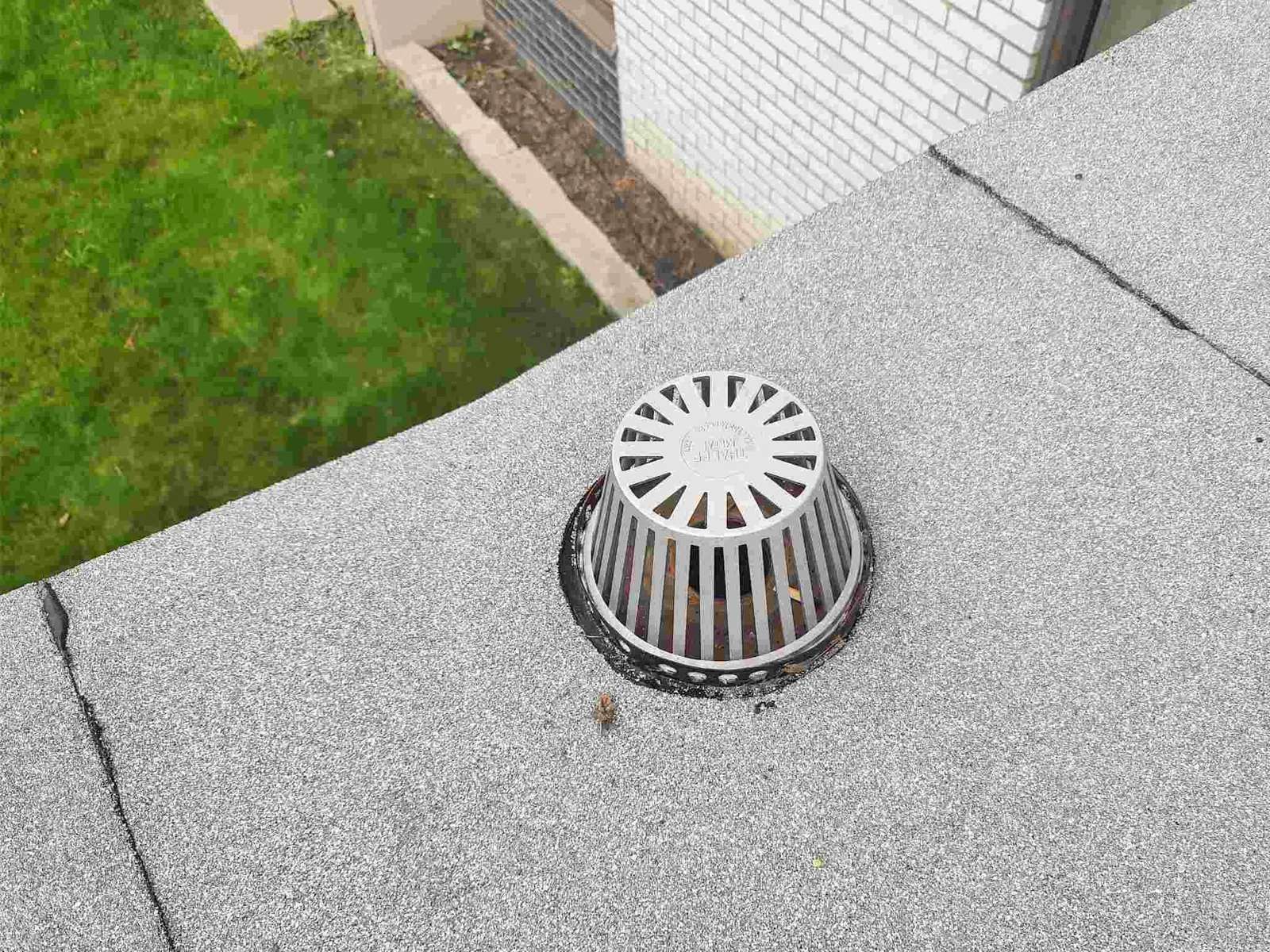
Water may move beneath a membrane or along a deck before it reaches the ceiling. Start with the reported area, then inspect nearby seams, low points, scuppers, roof drains, wall flashings, curbs, and prior patches. Note whether the visible defect is bounded or whether surrounding material may be affected. Moisture beneath the roof is not confirmed until the agreed test or opening establishes it. We state the inspection limit and identify what can be priced now.
Regional Santa Ana periods bring dry winds that can run warm or hot; after a reported event, check exposed roof edges and flashing. That regional context does not show what happened at a Poway property. A drainage review can distinguish outlet blockage from membrane failure. If conditions warrant a wider test, we can help select roof areas for further evaluation.
Options by Assembly and Moisture
A localized seam or flashing repair may fit when adjacent material remains stable. Repeated water entry, wet insulation across zones, loose attachment, or deck damage may require broader work. We explain what supports each option and separate confirmed quantities from allowances. For a reroof, specify tear-off limits, insulation build-up, attachment, membrane, perimeter and penetration transitions, disposal, and end-of-shift weather protection. These components affect labor and material. Access, roof height, staging, and work hours also affect duration.
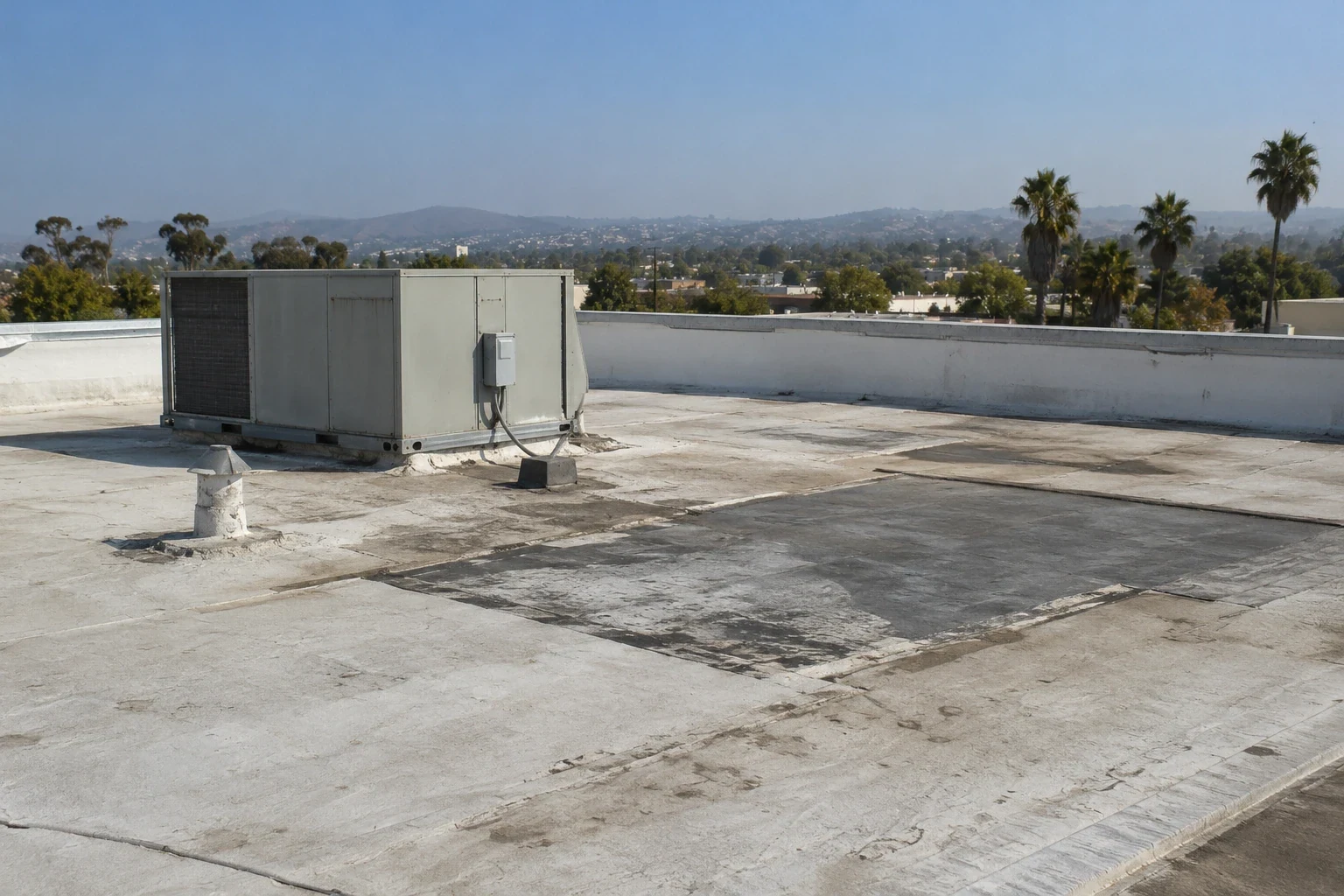
Recover remains viable only when testing and assembly review support retained layers; verify drainage, attachment, material compatibility, and system limits first. If different roof additions have different assemblies, we keep them separate. A commercial repair scope can define a bounded correction. For a larger decision, a replacement review can state system components and work limits. A condition report preserves the findings for the owner's budget window.
Set Work Timing and Secure Exposed Areas
Southern California Santa Ana periods bring dry winds that may run warm or hot. Escondido's red-flag conditions commonly involve dry northeast winds. These market-city facts support attention to edge metal, coping, flashings, and loose materials after a reported event. They do not establish a Poway parcel's condition. We inspect the actual detail and document any movement before setting the repair boundary.
If the roof must be opened, confirm the area that can be secured by shift end. Identify the person who checks temporary protection and the next work window. Staging and access should not block active business or emergency routes. A phased work sequence can define daily closeout on occupied properties. The San Marcos Heart of the City district has distinct boundaries, so confirm access at each property.
Keep Business Park and City Records Distinct
Park-wide figures report a workforce above 18,000 and over 9.5 million square feet across office and industrial buildings. Those statistics describe the park as a whole, not any single roof or a citywide roofing condition. For a multi-building operator, record each property separately. Track roof system, zone, leak date, repair history, photos, access restrictions, and recommended action. A shared format helps compare needs without merging different assemblies or approval paths.
For properties outside Poway's business district, Escondido locations receive separate inspection records. The East Valley Parkway commercial area and Downtown Escondido remain distinct geography. A roofing recommendation for one building should not transfer to another by corridor or city name alone. Use the property identifier, roof plan, and current access contact to keep records useful.
Frequently Asked Questions
Does the Business Park describe every Poway commercial roof?
No. The City's profile identifies the park's scale and intended business mix, not individual roof assemblies. We confirm membrane or metal type, drainage, attachment, and prior work at each property.
What changes the repair estimate at a Poway property?
Roof height, staging, access hours, flashing complexity, removal, interior protection, and concealed moisture can affect the work. We identify confirmed quantities and approval points separately.
Can a roof recover fit a manufacturing or warehouse building?
It can only when moisture, layer count, attachment, drainage, compatibility, and applicable limits support it. We inspect those conditions before comparing a recover with removal or replacement.
How should a property group compare several roofs?
Use consistent fields for system, roof zones, leak history, access, and recommended action. Keep each property's photos and repair scope separate so one finding does not become another building's assumption.
What should be ready for a first roof walk?
Provide roof plans if available, leak locations, access rules, equipment schedules, and the person who can approve testing. Those details help set the inspection route and a realistic work window.
Arrange a Poway Commercial Roof Review
Share the building's roof records, leak locations, access rules, and operating windows. We will inspect the assembly and define a scoped next step. Call to schedule a site walk.
Call 555-555-5555 or email [email protected].