
Commercial Roofing in Poway Business Park, Poway, CA
Service Areas · Escondido, CA

Material drops and roof access need coordination across a working business park. Poway Business Park spans 700 acres and serves as the city's main commercial area. Its mix includes light industry, manufacturing, warehousing, distribution, and research and development, bringing varied equipment and delivery demands. We still verify each building's roof assembly and condition before setting scope. We inspect the assembly, identify the affected roof zones, and record seams, flashing, drains, edges, penetrations, and prior repairs. The work scope separates confirmed repair from testing and concealed conditions. Each building receives its own findings and timing assumptions, even when a portfolio manager uses one review format.
Poway Business Park spans multiple industrial and office properties; each building needs its own roof-condition and access review. Escondido red-flag periods can involve dry northeast winds; after a reported event, we check exposed roof details and document any movement. Near Downtown Escondido, keep lift access clear of active entries; East Valley Parkway properties need their own entrance and delivery check.
Map Deliveries, Lifts, and Active Routes
A park-wide label does not tell a crew where to stage. Confirm the building entrance, loading area, lift location, roof hatch, and route for membrane or metal delivery. Identify yard movements, employee parking, pedestrian crossings, fire lanes, and any hours when truck access is restricted. The property contact should approve barriers and state which paths cannot close. The contractor records the route and daily cleanup responsibility before mobilizing.
Poway Business Park's mix of light industry, manufacturing, warehousing, distribution, and research uses can affect freight access at some properties. Verify truck movement with the actual operator instead of assuming each site runs the same shifts. A phased reroofing sequence can define zone closures and dry-in. A curb and equipment review can coordinate mechanical access when units or supports overlap the repair area.
Check the Assembly Before Pricing
Start at the reported leak and follow likely paths through seams, drains, parapets, curbs, skylights, and previous patches. Water can travel below a membrane or along the deck before it shows inside. We record visible conditions, roof system when known, and limitations such as inaccessible areas. If moisture beneath the surface is suspected, define the test location and restoration method before opening the roof. The owner can then choose whether to proceed with investigation or price confirmed repair only.
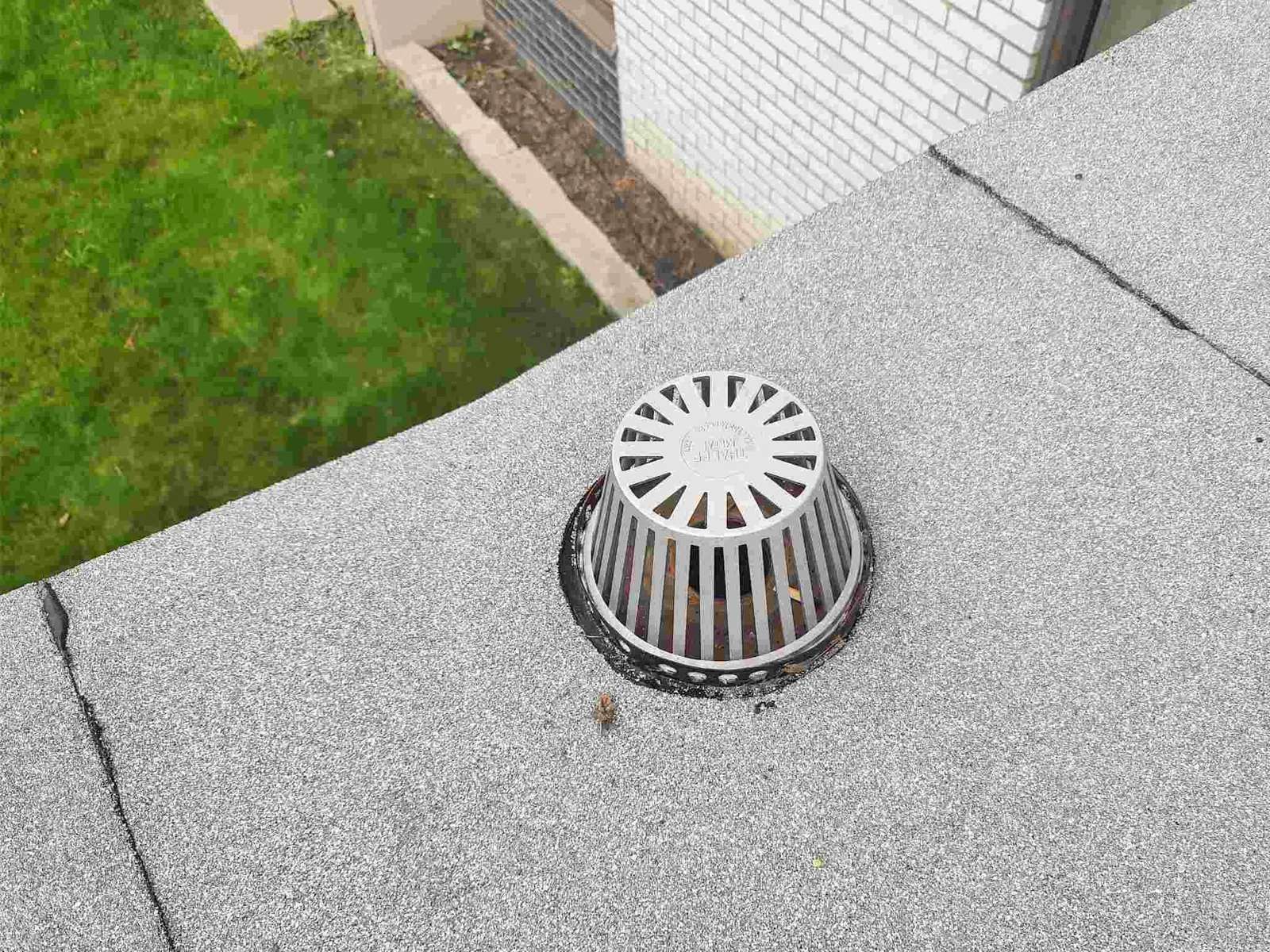
A commercial roof inspection can document the broader condition. A drain and scupper review can separate a blocked outlet from a membrane defect. For a portfolio, the report should identify roof zones separately and keep each site's photos with its own record. Similar building uses do not prove matching assemblies or leak paths.
Inspect Exposed Details After Wind
Escondido red-flag warnings concern dry northeast flow, including Santa Ana or easterly winds, which can raise wildfire spread risk. Following a report, we inspect edge metal, coping, flashing terminations, and loose rooftop items, then write a repair boundary only around observed movement.
If work requires membrane removal, weather protection and end-of-shift dry-in affect the schedule. We identify the area that can be opened and secured within the approved window. A wind damage repair scope can record displaced edges or flashing. A commercial repair plan can define materials, preparation, and completion checks. We record the assembly and observed condition before selecting repair materials.
Compare Repair with Broader Work
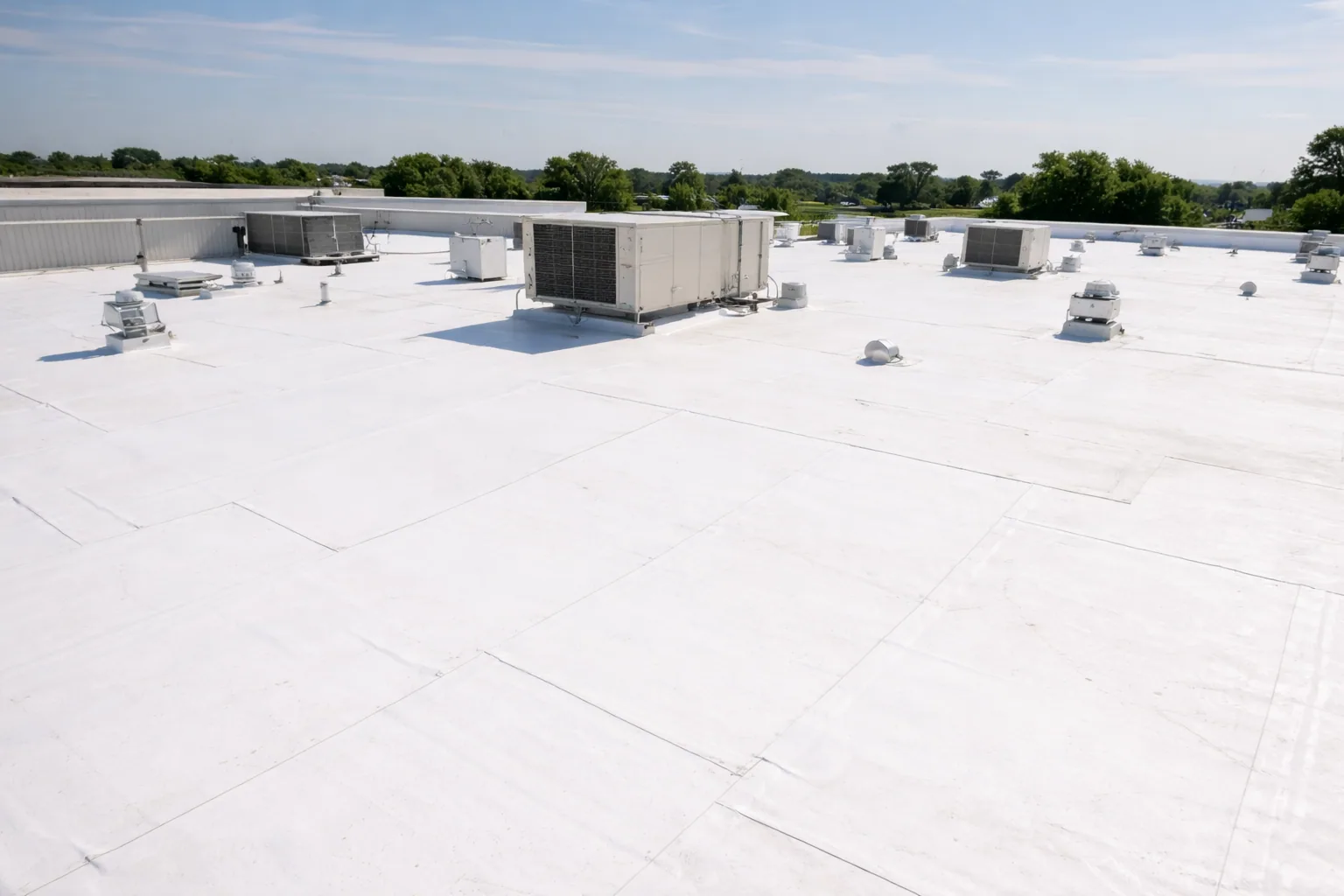
A local flashing or seam repair may fit when nearby material remains stable. Recurring leaks, broad wet insulation, weak attachment, or damaged deck can expand the investigation. We explain why a proposed boundary fits and list additional approval points separately. Replacement may include removal, insulation, cover board, membrane, attachment, edge metal, drains, curbs, and daily protection. A recover needs review of moisture, layer count, drainage, compatibility, attachment, and applicable limits before it is considered. Add a separate mobilization assumption for lifts, hoisting, and delivery coordination. If work must occur outside normal operations, identify the approved shift and how the facility confirms access before each visit. A phased sequence may cost more to mobilize than one continuous run, especially when roof zones cannot remain open overnight. The proposal should show those timing drivers beside the work limits so the owner can compare options on the same basis. Unknown deck or insulation conditions remain an approval point until they are exposed or tested.
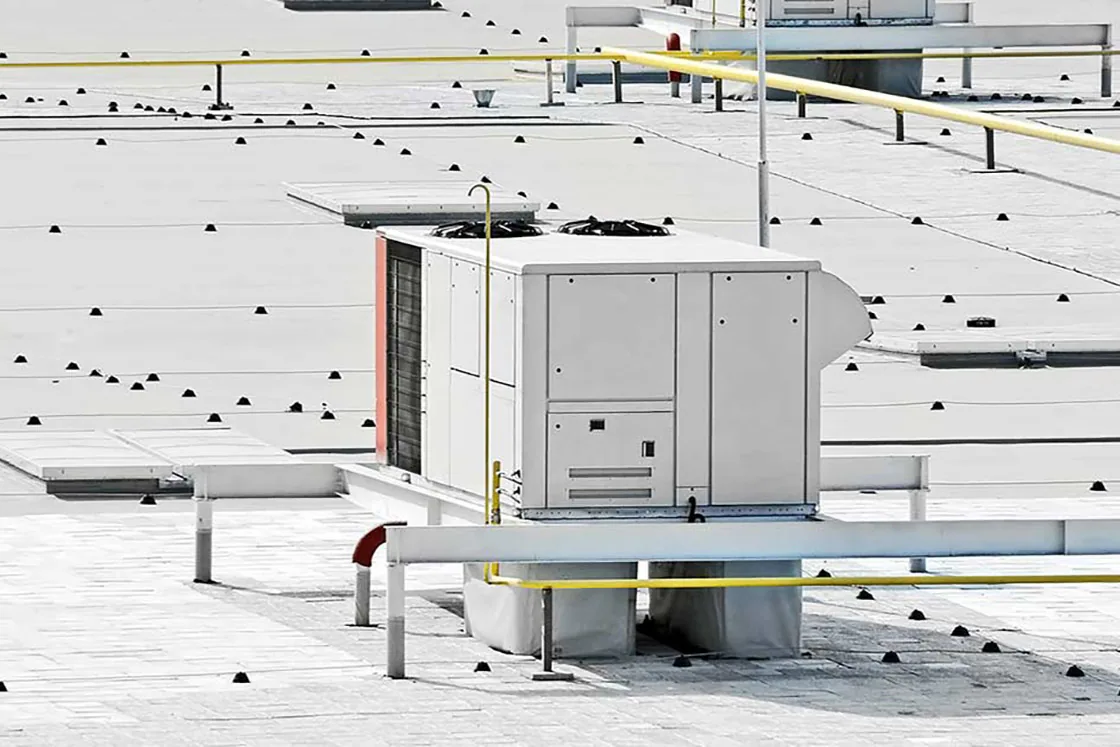
The cost and timing depend on access, roof height, tie-ins, equipment coordination, removal, and operating restrictions. A maintenance review can prioritize observed repairs and future checks. A condition report can preserve the basis for a budget decision. The scope should show what is included, what remains unconfirmed, and what action is required before the next phase.
Set Handoffs for Multi-Trade Roof Work
Manufacturing or research activity may involve equipment, penetrations, and planned rooftop work. Confirm dimensions and curb locations before the membrane is closed. Identify which trade disconnects, moves, flashes, and resets each unit. Record inspection hold points for substrate and completed details. If a superintendent controls the schedule, align roofing start conditions with the preceding trade's completion and the next trade's access. When deliveries use a shared lane, record the temporary route and the contact who can approve a change before mobilization.
Do not leave temporary openings without a named owner and return point. State who checks protection at each shift end and how the project reports a weather pause. A clear handoff lets facilities staff plan around active work without assuming that another building shares the same sequence. The final schedule follows property access, roof condition, and the installed assembly.
Frequently Asked Questions
Does every Business Park building use the same roof system?
No. The City describes the park's intended business uses, not the assembly of each roof. We confirm membrane or metal type, layers, attachment, drainage, and prior repairs during the field review.
What should a facility lead prepare for roof access?
Provide the entrance, loading point, roof access method, work hours, restricted routes, and onsite contact. Note any freight or equipment movement that could affect staging.
How do roof repairs fit around warehouse deliveries?
We confirm the operator's actual delivery windows and map a safe route for people, materials, and equipment. The work plan identifies any temporary closure and when the area returns to service.
Which findings can expand a repair scope?
Wet insulation, repeated seam failure, unstable attachment, deck damage, or additional layers can change the work boundary. We document the condition and submit any added work for approval before proceeding.
Can a portfolio manager compare several park properties?
Yes, with consistent report fields and separate records for every address. Keep roof-zone photos, assembly details, estimates, and follow-up actions attached to the property they describe.
Schedule a Poway Business Park Roof Walk
Share roof plans, reported leaks, operating windows, and site access rules. We will inspect the assembly and define a practical repair sequence. Call to arrange an assessment.
Call 555-555-5555 or email [email protected].