
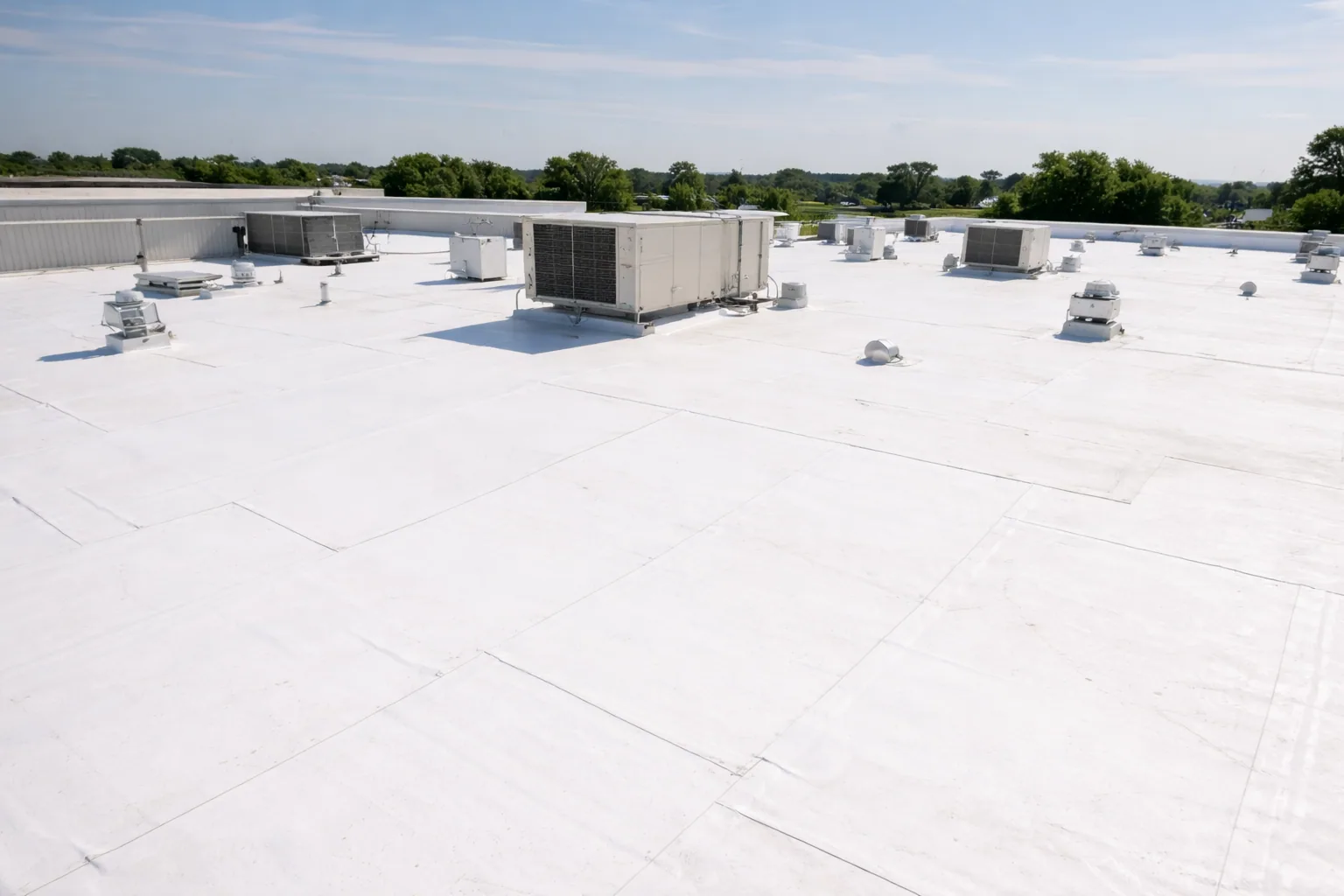
Big-Box Retail Roofing in Escondido, CA
Property Types We Roof · Escondido, CA
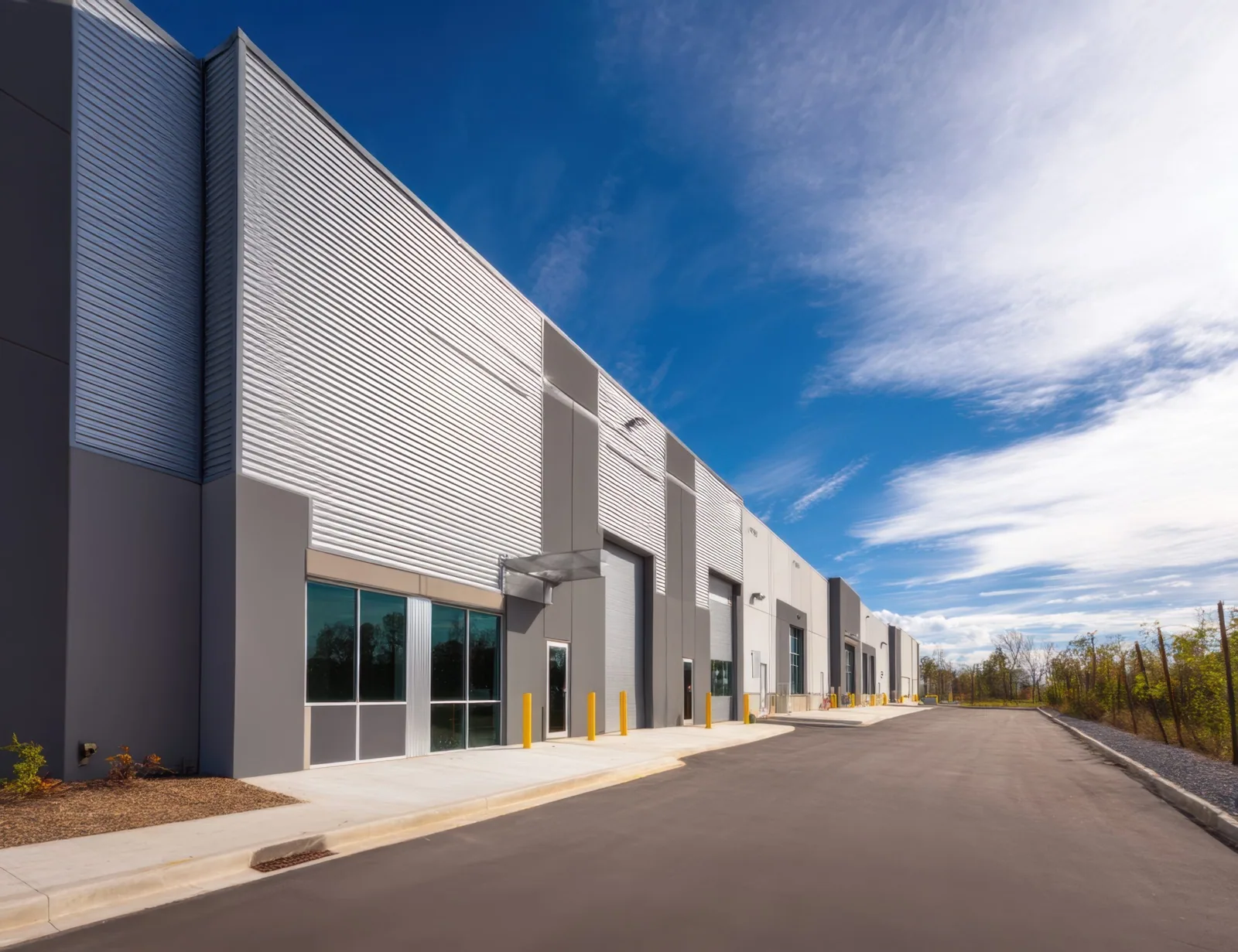
A long retail roof can hide a small defect until water reaches stock or sales space. In Escondido, the first decision is where the assembly has failed and what area needs protection. We inspect the reported interior point, then follow seams, drains, curbs, and perimeter details across the roof. Santa Ana winds can be dry and warm or hot, and may damage property in Southern California. We include exposed edges and rooftop equipment in the inspection, without assuming any specific store has wind damage. The Escondido Boulevard Commercial Corridor and Mercado Escondido District reflect different commercial settings in the city. Neither establishes a roof condition at a particular retailer. A useful work plan maps roof zones, customer access, stock protection, and the hours when deliveries can be staged.
Divide the roof into work zones
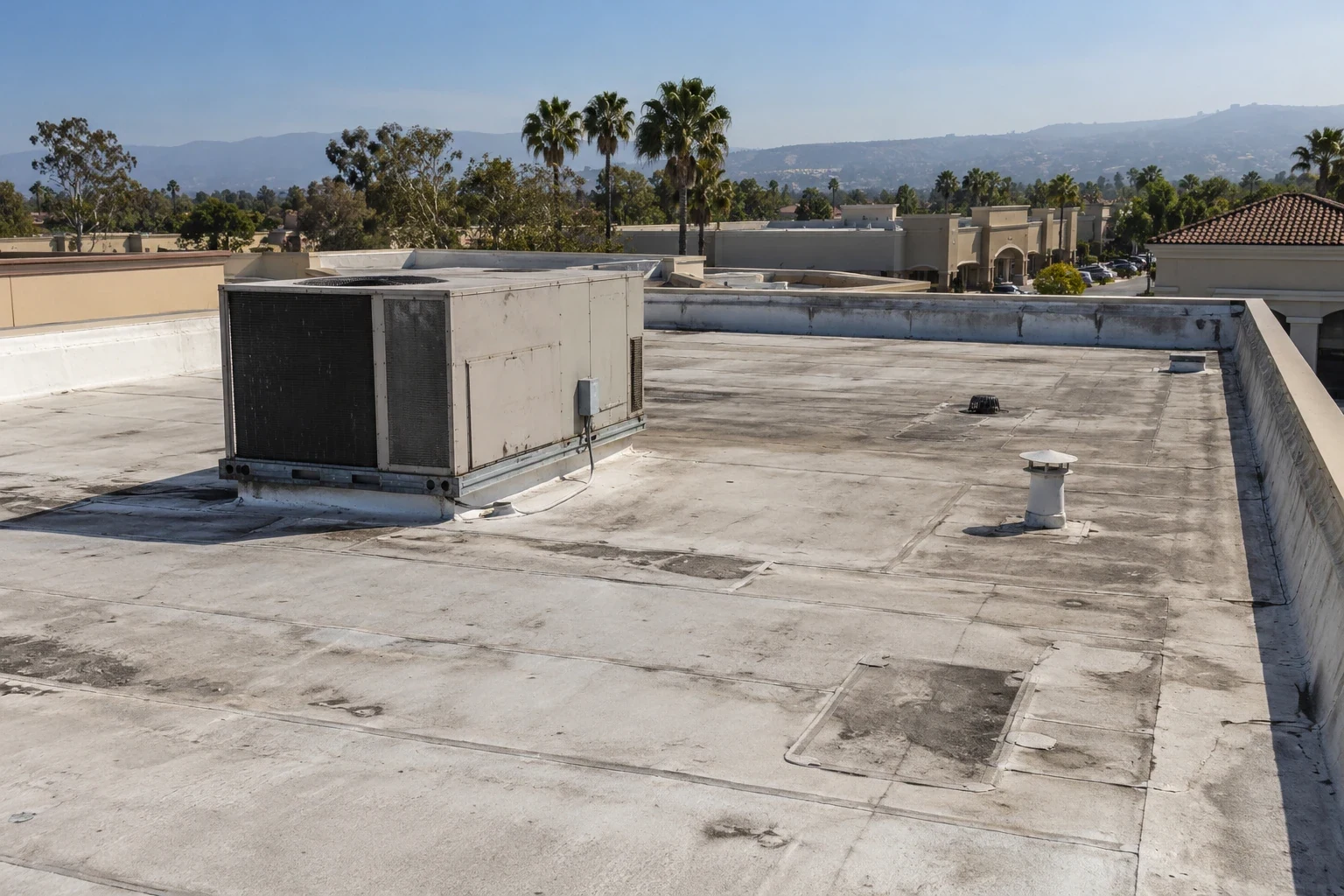
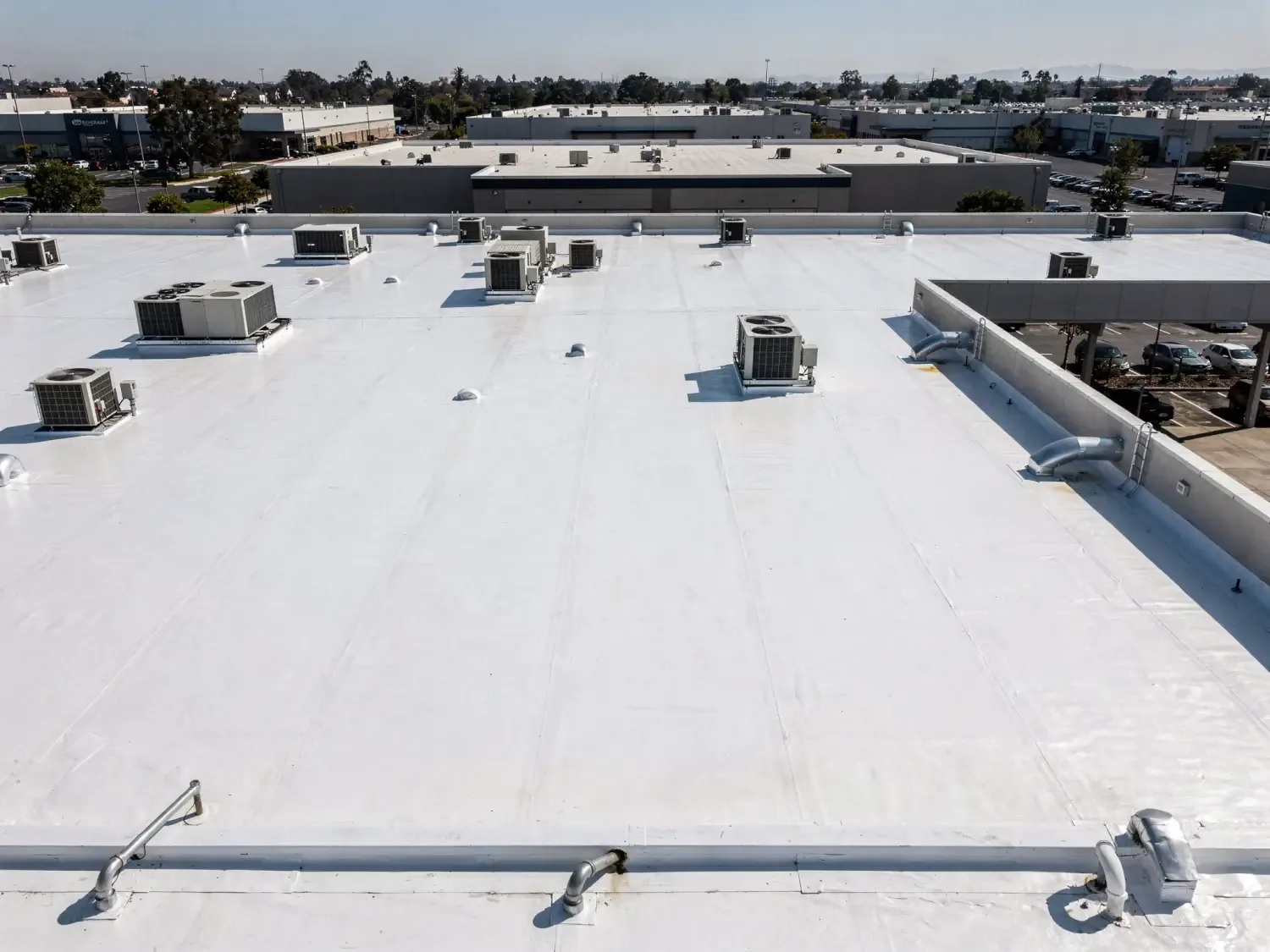
A large store roof should not be treated as one undifferentiated surface. We mark drains, parapets, roof hatches, mechanical units, skylights, and transitions on a plan. Then we connect each interior leak report to the closest roof evidence. Water can track along deck flutes or insulation joints before appearing indoors. The roof inspection records the area checked, conditions seen, and any space that needs a test opening. That gives store operations and the project manager a shared map.
The City General Plan reports that Westfield North County Mall contains more than 1.6 million square feet of retail space and serves as a primary source of city economic revenue. That is a fact about retail space, not the size or condition of any roof. It does underscore why retail disruption and repair sequencing matter locally. The shopping center roof scope addresses shared tenant access, while a single large-format store may need a different staging and section plan.
Follow the water path
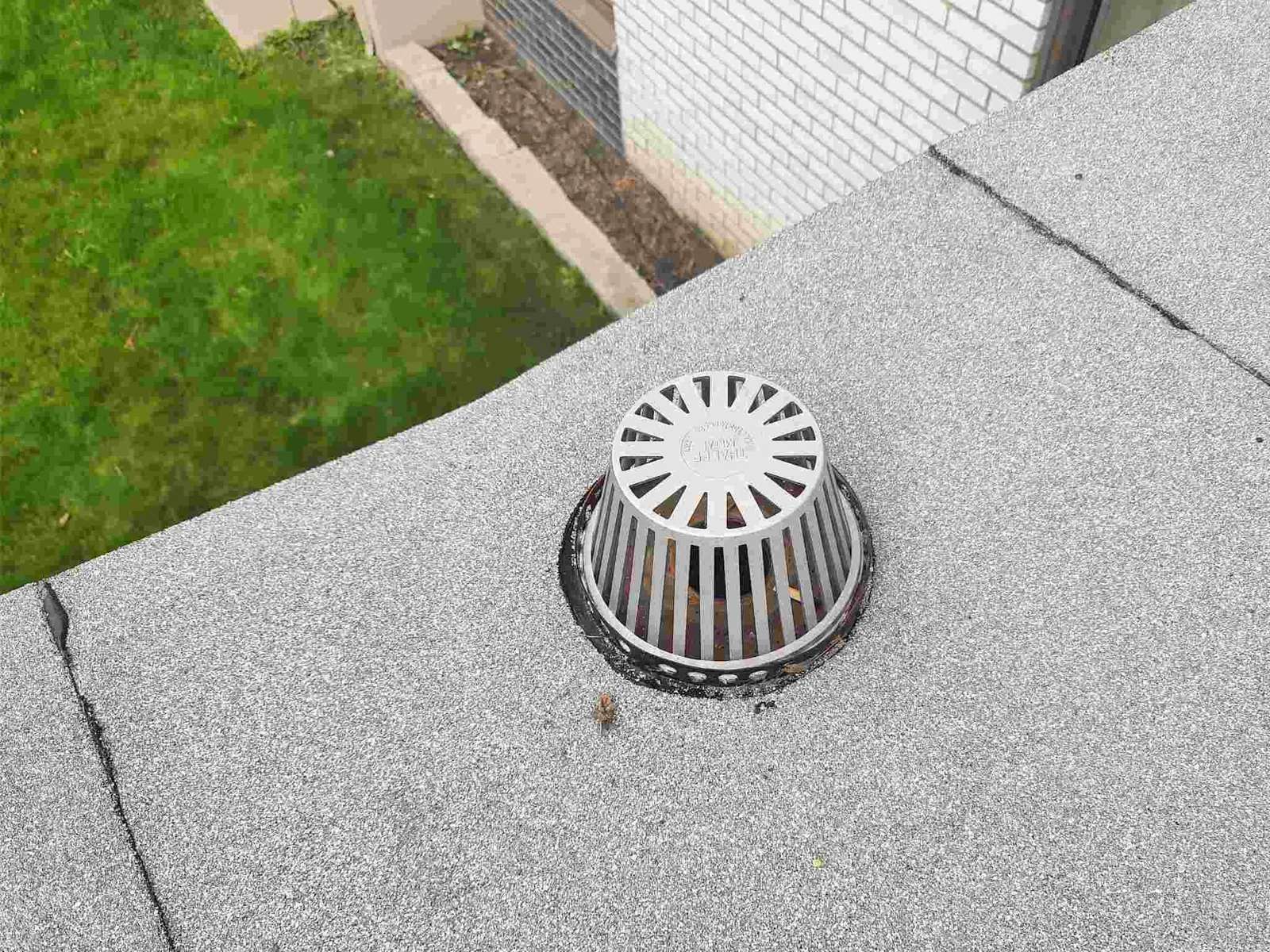
We inspect drains and overflow outlets before calling ponding a membrane failure. A blocked strainer, compressed insulation, a low deck bay, or a failed seam can create similar symptoms. Each possibility needs a different response. We photograph the drain assembly, surrounding membrane, and interior report location. If water is retained across a wide section, the report notes the limits of observation and whether a moisture survey or core cut would affect the scope. The drainage correction should be separate from any plumbing repair below the roof.
Escondido's East Valley Parkway Commercial Area Plan covers about two miles and supports rehabilitation of existing centers and access improvements. Retail properties near that district may have changing storefront or service access, but the store manager confirms the conditions at this building. We ask where trucks turn, where a lift can set up, and which doors need to remain open. That detail informs material delivery and debris removal. It also prevents a roof repair from blocking an active receiving lane without a planned alternate route.
Identify the installed roof system
Big retail buildings may have single-ply membrane, built-up roofing, metal, or several systems added over time. We identify the material at the field, seams, curbs, and edge. A local puncture may be repaired if the membrane remains sound around it. Repeated seam separation or wet insulation can require a larger repair boundary. If an addition meets an older roof, the transition gets its own detail review. We do not price a system from a tenant label or aerial image alone.
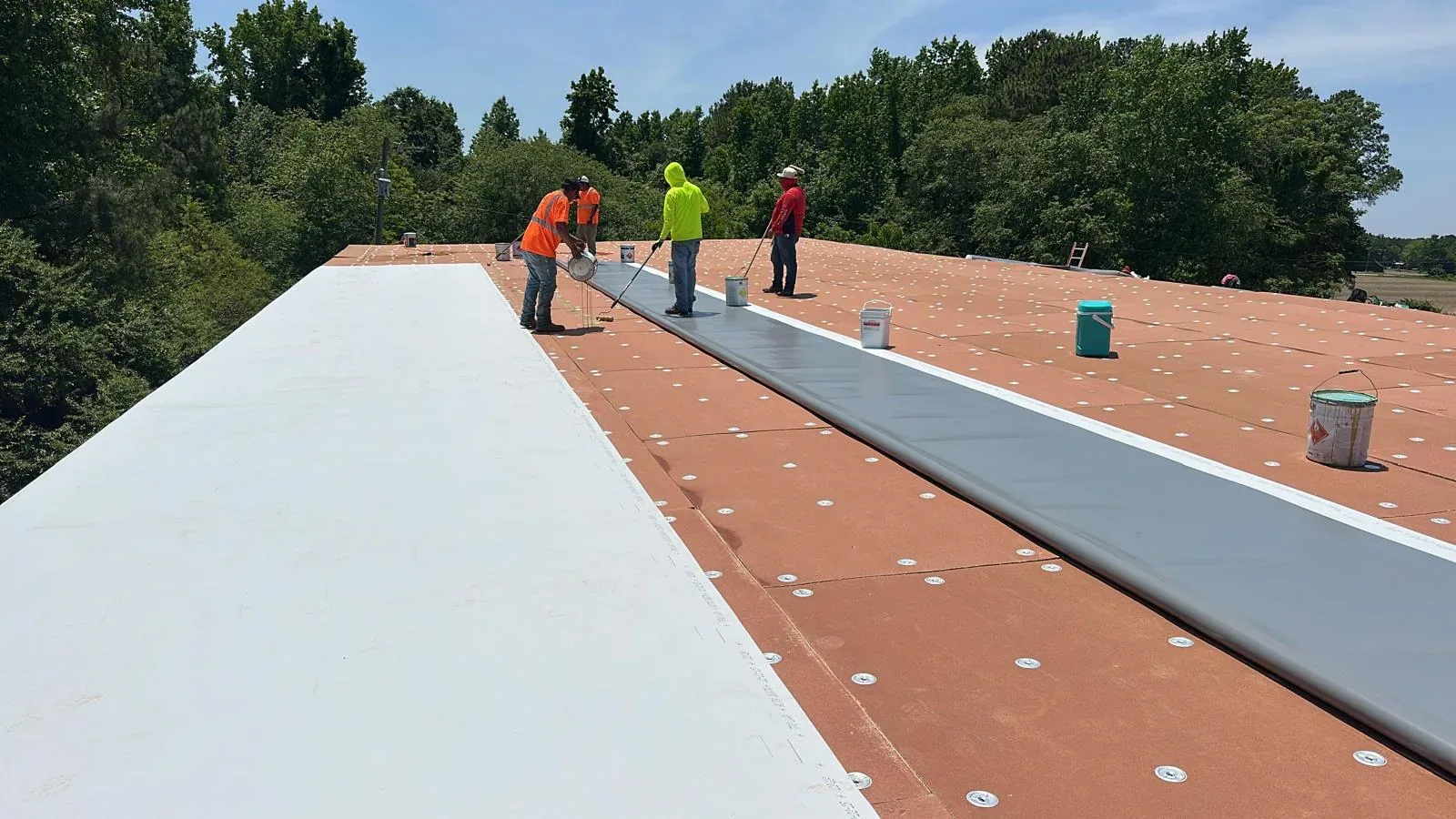
A TPO assembly needs compatible sheet material and prepared weld surfaces. A metal section calls for attention to panel laps, fasteners, closures, and thermal movement. A recover may only work when the existing layers, attachment, moisture, and drainage allow it. When replacement is justified, the replacement scope states tear-off limits, insulation, cover board, perimeter securement, and drain details. Each option remains tied to the actual assembly and building requirements.
Keep deliveries and customers moving
Store operations bring fixed receiving periods, customer entries, fire lanes, and sometimes overnight stocking. We map those constraints before selecting a work zone. The daily sequence identifies roof access, lift placement, material storage, debris route, and the dry-in limit. If work is above a public entry, the manager approves a protected pedestrian path and any temporary closure. A store operations plan can coordinate roofing with HVAC, electrical, sign, and refrigeration work.
Regional Santa Ana winds commonly occur from September through May and can bring dry, warm or hot air. This seasonal context does not predict an individual workday. We still review current conditions and secure materials at shift end. If the opening cannot be closed before work stops, the owner needs to know which area remains covered and who will inspect it. For active water entry, report the affected roof zone and interior risk through the property contact, then confirm current availability and access. The permanent repair follows once safe access and system conditions are clear.
Compare targeted repair with replacement
A focused repair can work where damage is limited and the surrounding roof remains serviceable. A coating or recover requires a compatible substrate, dry insulation, secure attachment, and drainage that can perform. Replacement enters the discussion when deterioration spans multiple zones or the assembly no longer supports reliable repairs. We identify the evidence and list any test that could change the decision. A grocery roof review may emphasize cooler and exhaust interfaces; the large-format retail scope is based on this store's equipment and service routes.
Owners can compare price drivers when the proposal separates membrane, insulation, edge metal, curbs, drains, and interior protection. We state assumptions about access and concealed deck conditions. The project team should know how approval works before additional tear-off begins. A photo-based condition report can support internal capital review and preserve the reason for a phased project. Separate alternates allow the store to schedule urgent leak work now while considering wider replacement during a future budget window.
Frequently Asked Questions
How do you find a leak on a wide retail roof?
We map the interior report and inspect the roof zone above and around it. Seams, drains, curbs, equipment, and transitions can route water away from the entry point. Photographs and marked locations help define a repair boundary.
Can crews work overnight or between deliveries?
We can plan hours around receiving and store operations when site access allows. The owner confirms roof entry, lift access, fire lanes, and customer routes. The schedule also includes daily dry-in and material security.
Does a large roof always need full replacement?
No. A local failure may be repairable when surrounding material and insulation remain sound. We inspect the assembly, document recurring defects, and compare repair, recover, or replacement only where each option fits the observed condition.
What should be separate in a retail roof proposal?
List field membrane, penetrations, curbs, drains, edge metal, insulation, and interior protection when these change cost or access. State the approval process for concealed deck conditions and identify each roof section included.
Can equipment work be coordinated with roofing?
Yes, if the owner and mechanical contractor agree on responsibility and sequence. We identify clearances, support details, and temporary protection before work starts. The roof scope can show the handoff and final flashing review.

Set a retail roof inspection
Share leak locations, roof plans, equipment schedules, store hours, and receiving rules. We will map the roof zones and prepare a repair or replacement scope. Call Commercial Roofers Escondido to coordinate a review.
Call 555-555-5555 or email [email protected].