
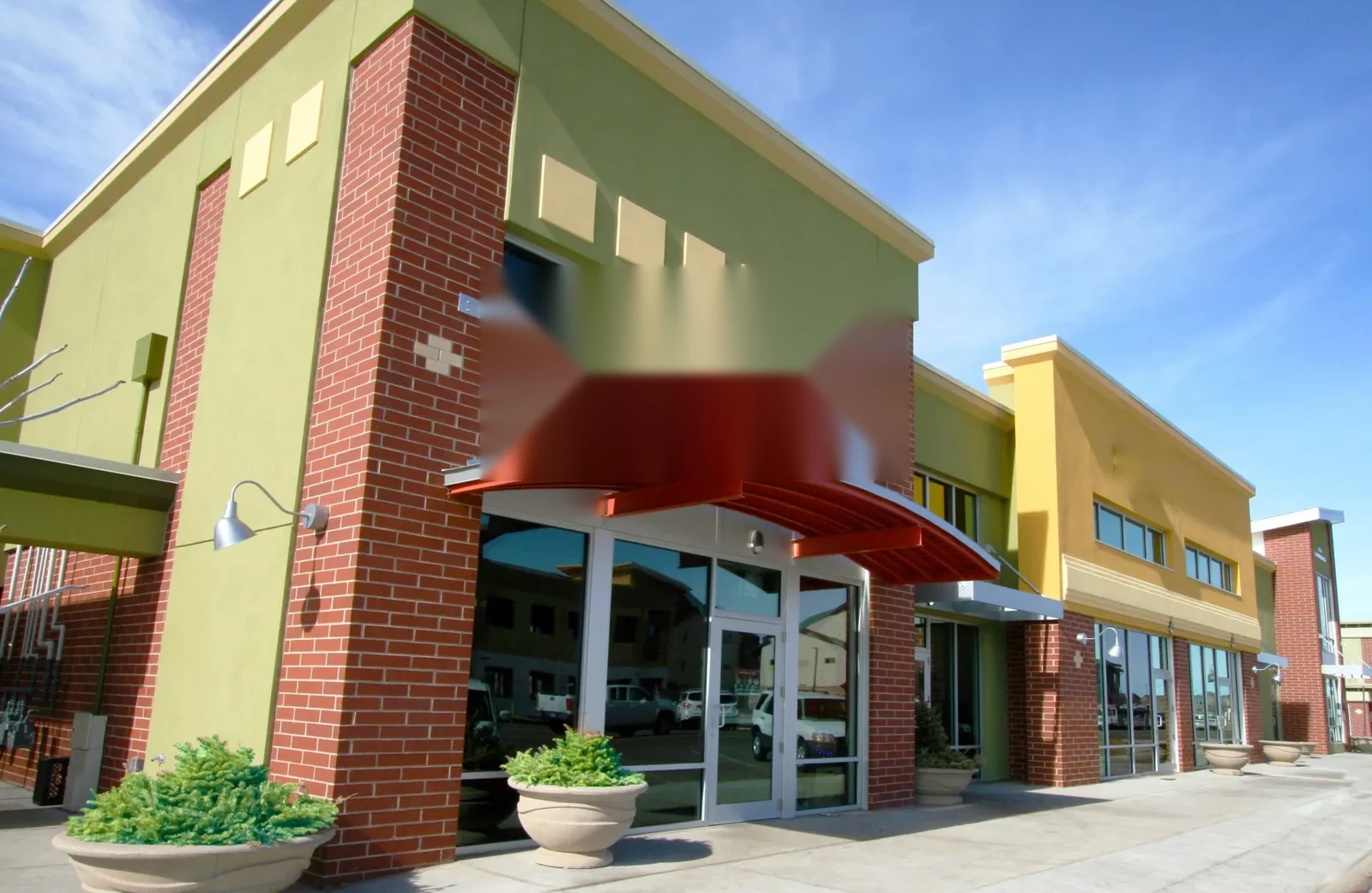
Auto Dealership Roofing in Escondido, CA
Property Types We Roof · Escondido, CA
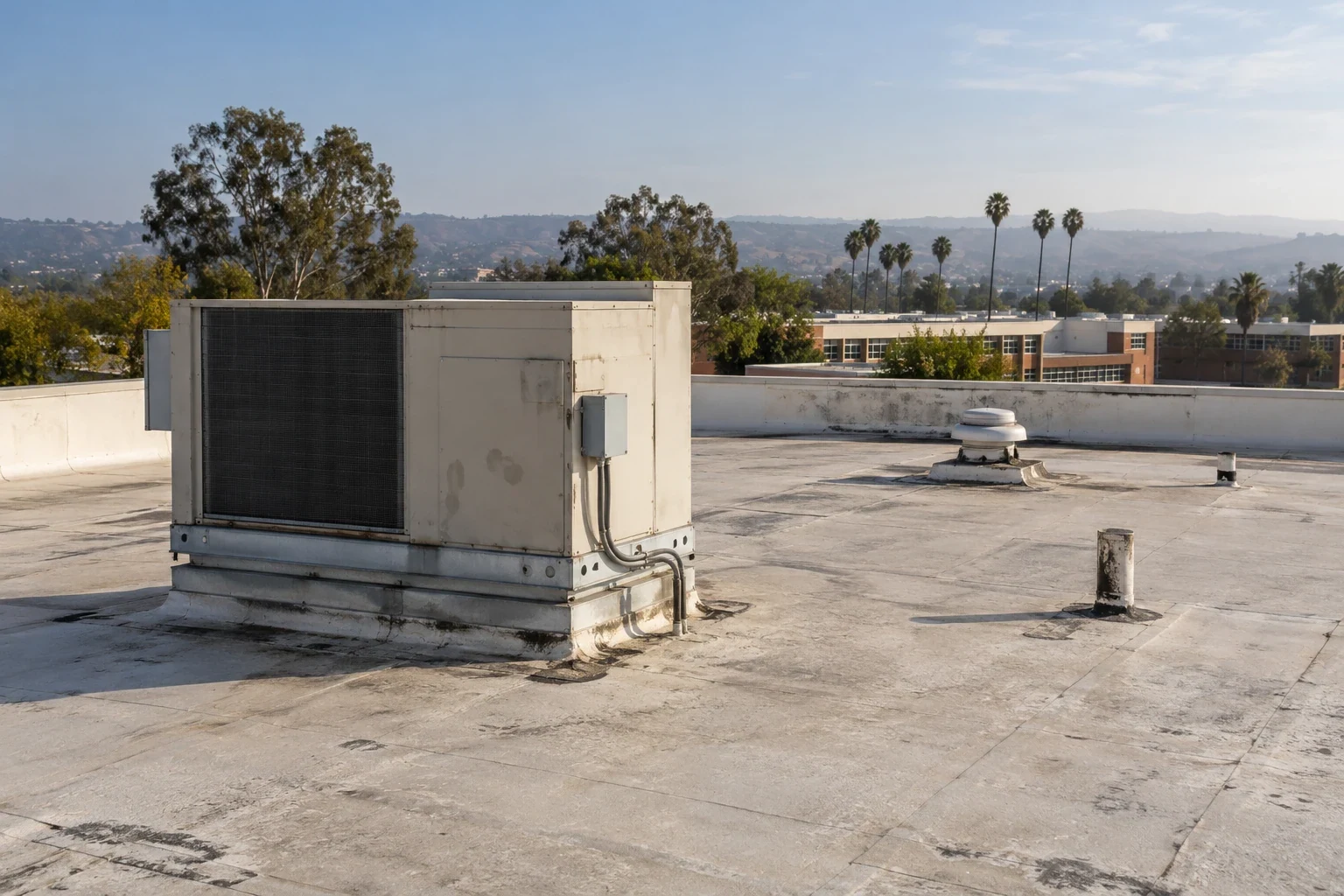
A leak above a customer waiting area can disrupt service before the roof shows a broad failure. Dealership work must account for showroom hours, repair-bay operations, vehicle movement, and parts deliveries. Commercial Roofers Escondido inspects the assembly and maps the affected area before setting a schedule. Escondido’s General Plan includes shopping among employment uses supported by designated acreage. The I-15 and Felicita Road interchange is also identified as a planned office opportunity area. Those city facts provide commercial context, not a description of any dealership site. We confirm its own loading route, service calendar, roof access, and customer circulation. A useful proposal defines work limits, temporary protection, equipment coordination, and the approval process for concealed damage. The owner can then compare repair, recover, or replacement based on the roof condition and a realistic work sequence.
Showroom hours and customer movement
Map customer parking, sales entries, delivery lanes, accessible routes, and the waiting area before choosing a staging location. The dealership should identify peak hours and any events that change traffic. Keep lifts, ladders, tools, and debris out of customer paths. If a drive aisle must close, set notice timing and an approved alternate route with the property manager.
Coordinate notices with sales and service leaders. A roof phase may create noise above a showroom or dust near a parts counter. Identify rooms needing interior covers, equipment that cannot move, and staff authorized to grant roof access. Set a contact for unexpected water entry. The contractor should not redirect customers or move vehicles without specific approval.
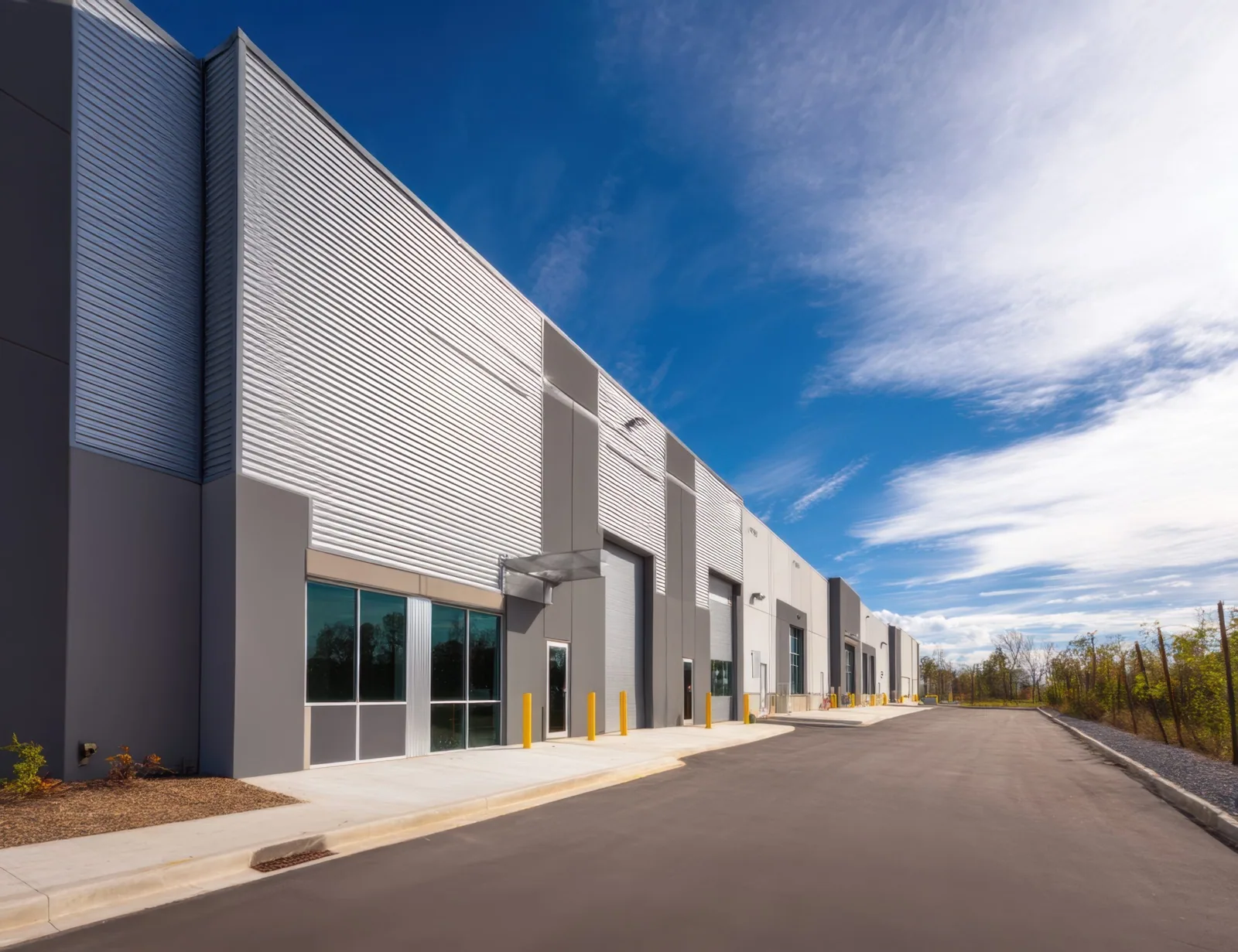
Retail-scale sites can also face large roof areas and multiple entrances. Large roof zones above customer areas need big-box retail access controls and flex-industrial staging limits adapted to the dealership’s own circulation plan.
Roof areas above sales and service
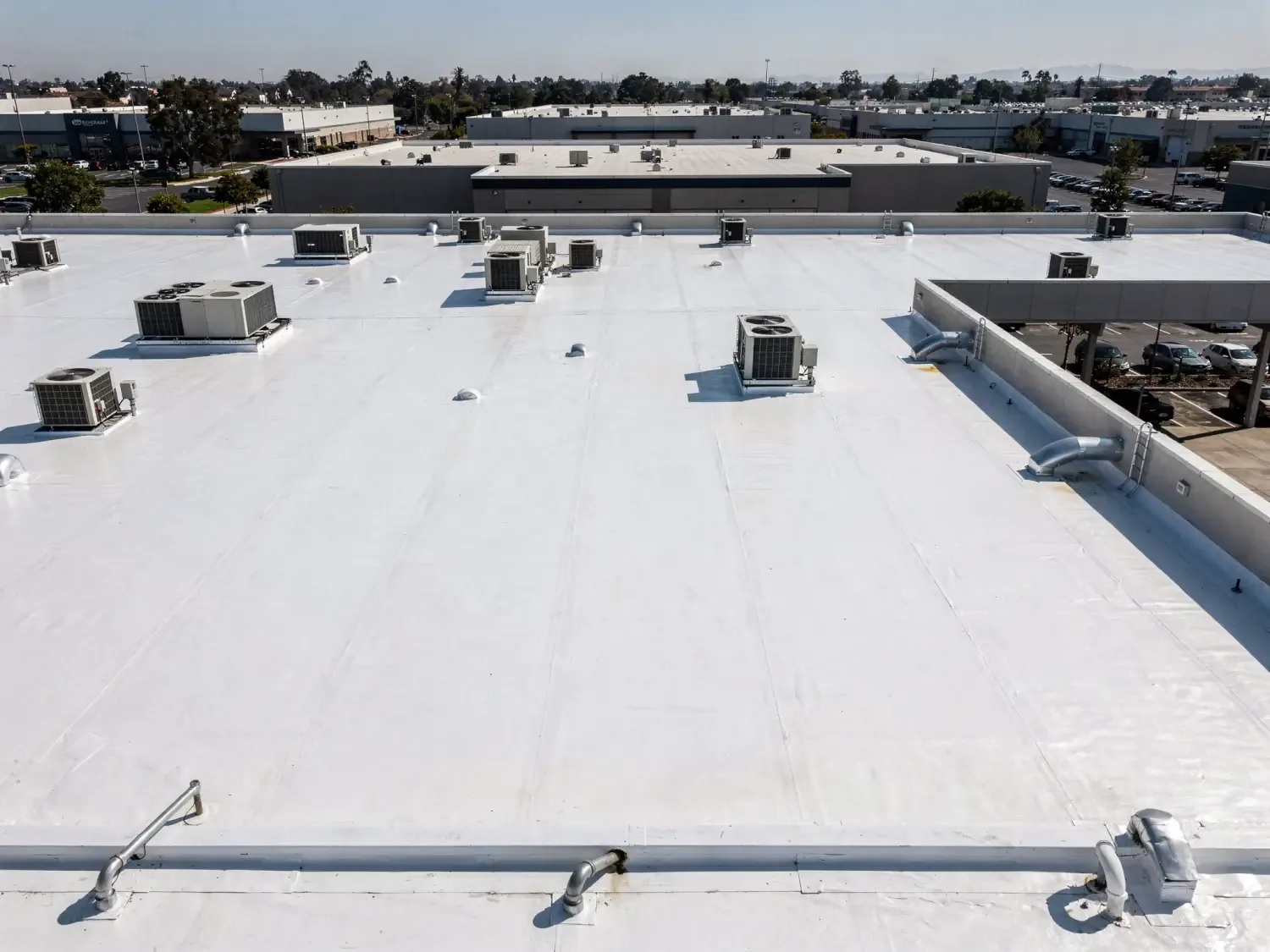
Separate the showroom, service bays, parts areas, and additions on the roof plan. Their ceilings and equipment may conceal different assemblies. Inspect membrane seams, metal panels, penetrations, curbs, drains, skylights if present, and edge transitions. Match interior reports to roof areas, then note where water may have traveled. An inspection should identify visible evidence and any area needing further testing.
Service bays can contain exhaust equipment, compressed-air lines, lifts, and electrical work. Confirm which items remain active during roofing and who may authorize shutdowns. Do not assume equipment curbs or penetrations can be disturbed without another trade. If the building has multiple roof sections, identify tie-ins before estimating quantities. A commercial roof inspection can establish the condition map and limit.
Escondido’s commercial areas include East Valley Parkway, a planned district where the area plan supports access consolidation to improve circulation. That does not determine a dealership’s driveway or loading restrictions. For a property near East Valley Parkway, verify the address, permitted staging, truck route, and operating hours with the site contact.
Vehicle protection and phased work
Set work zones away from vehicle storage and customer parking wherever the property allows. The plan should identify roof opening limits, debris handling, lift placement, and daily dry-in. Agree whether vehicles must move from areas below an active phase. The dealership representative controls vehicle access, while the roofing crew follows the approved work boundary.
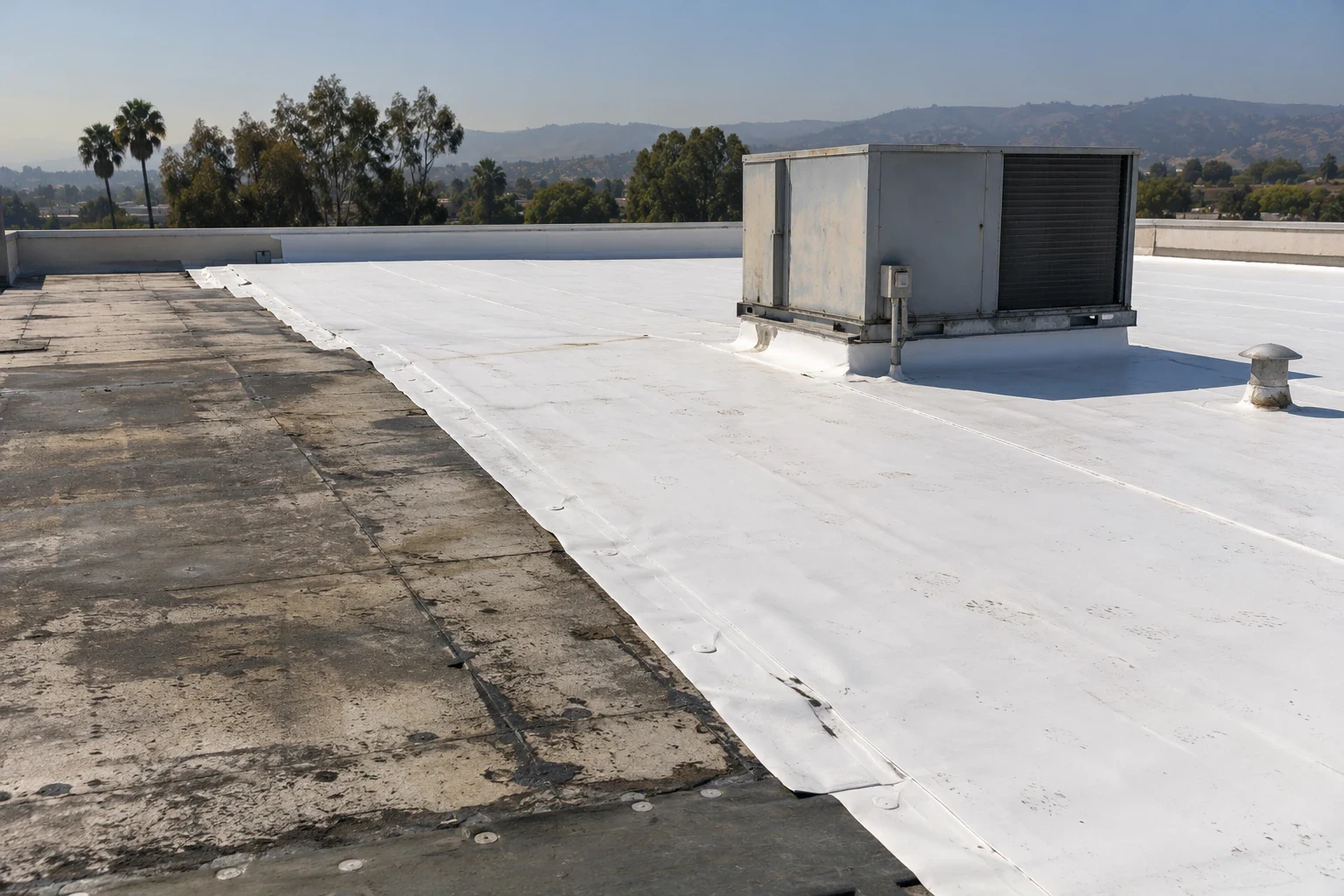
If removal exposes wet insulation or damaged decking, pause at the stated limit and photograph the condition. The proposal should identify who reviews it, how additional quantities are priced, and when work may resume. Keep repairs distinct from broad replacement. A replacement scope should describe removal, deck allowances, insulation, cover board, membrane, flashing, and edge details. Where existing layers permit, a recover option can be priced separately.
Drains and scuppers need clear paths after staging and installation. A drainage review should identify ponding, blocked outlets, and areas affected by rooftop equipment. If a temporary closure changes the drive pattern, confirm that customer access and emergency routes remain approved.
Reflective surfaces and exposed edges
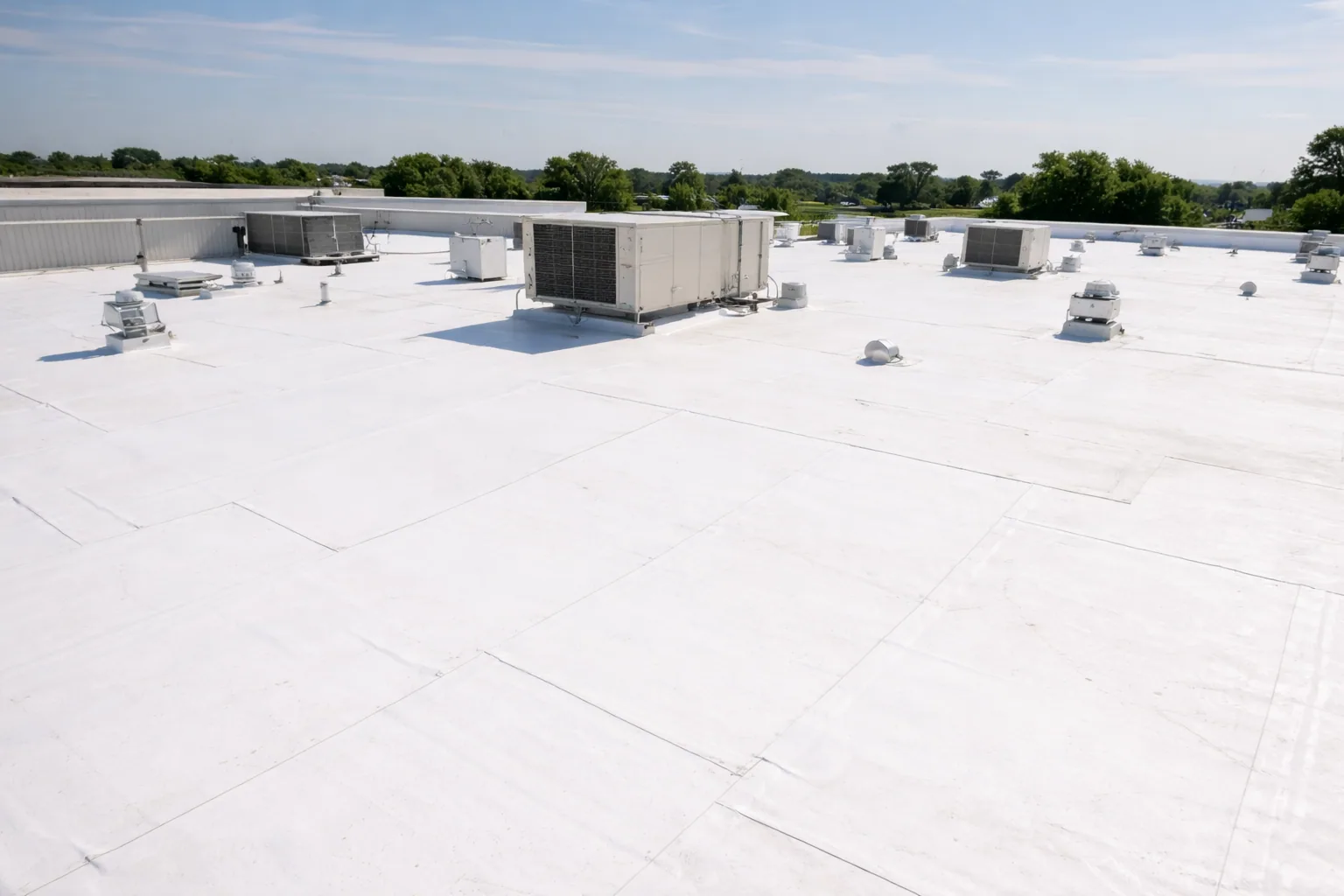
Showrooms, parts departments, and service bays can have different ventilation and cooling demands. A reflective roof surface may address part of a building-energy question, but it cannot correct wet insulation, poor drainage, or a failed assembly. Review bills or comfort complaints with the facilities team, then separate roof findings from mechanical-system questions. Do not promise a particular indoor temperature change.
Southern California Santa Ana winds are dry and often warm or hot; the National Weather Service notes they can damage property. We inspect perimeter securement, metal edges, coping, and flashings as part of the roof condition. That regional pattern informs detail review but does not predict a project-day forecast. Secure materials and follow product instructions and current site safety direction.
If the substrate and system support a coating, define preparation, repairs, reinforcement, and termination work. A reflective finish is not a substitute for correcting a failed deck or trapped moisture. The specified membrane, including a TPO system, must fit the assembly and bid documents.
Dealer schedule and closeout
Before pricing, provide roof plans, prior repair records, leak locations, equipment schedules, operating hours, parts delivery windows, and access rules. State the dealership’s busiest periods and any inventory moves. The bid should separate base work, deck allowances, drainage, equipment coordination, and optional upgrades. Name who can approve changes and who receives daily reports. Include sign-in steps, vehicle restrictions, a roof-hatch route, and the contact for gate access. Confirm those instructions before each phase. If another dealership shares the same ownership, keep its roof file separate because assemblies, warranty status, and repair history may differ.
At each shift change, the manager should confirm the service drive, customer paths, and emergency lanes are open. Record any remaining barrier, temporary cover, or follow-up area so a short-term control does not carry into the next day without an owner. During construction, keep dated photographs, marked roof plans, delivery records, inspections, and written approvals. Show completed zones and any remaining observation. At closeout, give the owner the system information, warranty documents when issued, maintenance access notes, and final repair map. A maintenance visit can track drains, seams, and transitions after handoff.
For a dealership with more than one building, inspect and record each roof separately. A shared brand or address does not establish a shared assembly. Arrange a site review with the facilities contact, roof plan, service calendar, and delivery rules available. We will document conditions and outline the next scope decision without assuming the service department can pause on demand.
Frequently Asked Questions
Can roof work continue during showroom business hours?
It can when customer paths, noise periods, staging, and roof zones are coordinated with dealership staff. Some work may require a temporary closure or interior protection. Confirm access windows before mobilization.
How should vehicles below the work area be handled?
The dealership determines vehicle movement and customer parking controls. Set the roof opening limit, drop zone, lift position, and debris route in advance. Do not move or cover vehicles without the owner’s direction.
What roof details matter around dealership equipment?
Curbs, exhaust penetrations, skylights, drains, and electrical equipment need mapped interfaces. Name the trade responsible for shutdowns, removal, support, and flashing. Verify existing details instead of assuming identical equipment across bays.
Can a reflective coating solve service-bay heat issues?
A coating may reduce solar absorption at the surface when the assembly is compatible. Indoor conditions also depend on insulation, ventilation, equipment, and operations. Inspect the roof before assigning a comfort issue to its finish.
What should be provided before a dealership roof inspection?
Share roof drawings, prior repairs, leak reports, operating hours, service-bay equipment details, delivery windows, and access restrictions. Identify a facility contact who can coordinate roof entry and customer-area protection.
Set Roof Work Around Sales and Service
Arrange a site review with roof plans, leak records, service hours, equipment schedules, and delivery rules available. We will document the assembly and identify a practical phase sequence for the dealership.
Call 555-555-5555 or email [email protected].