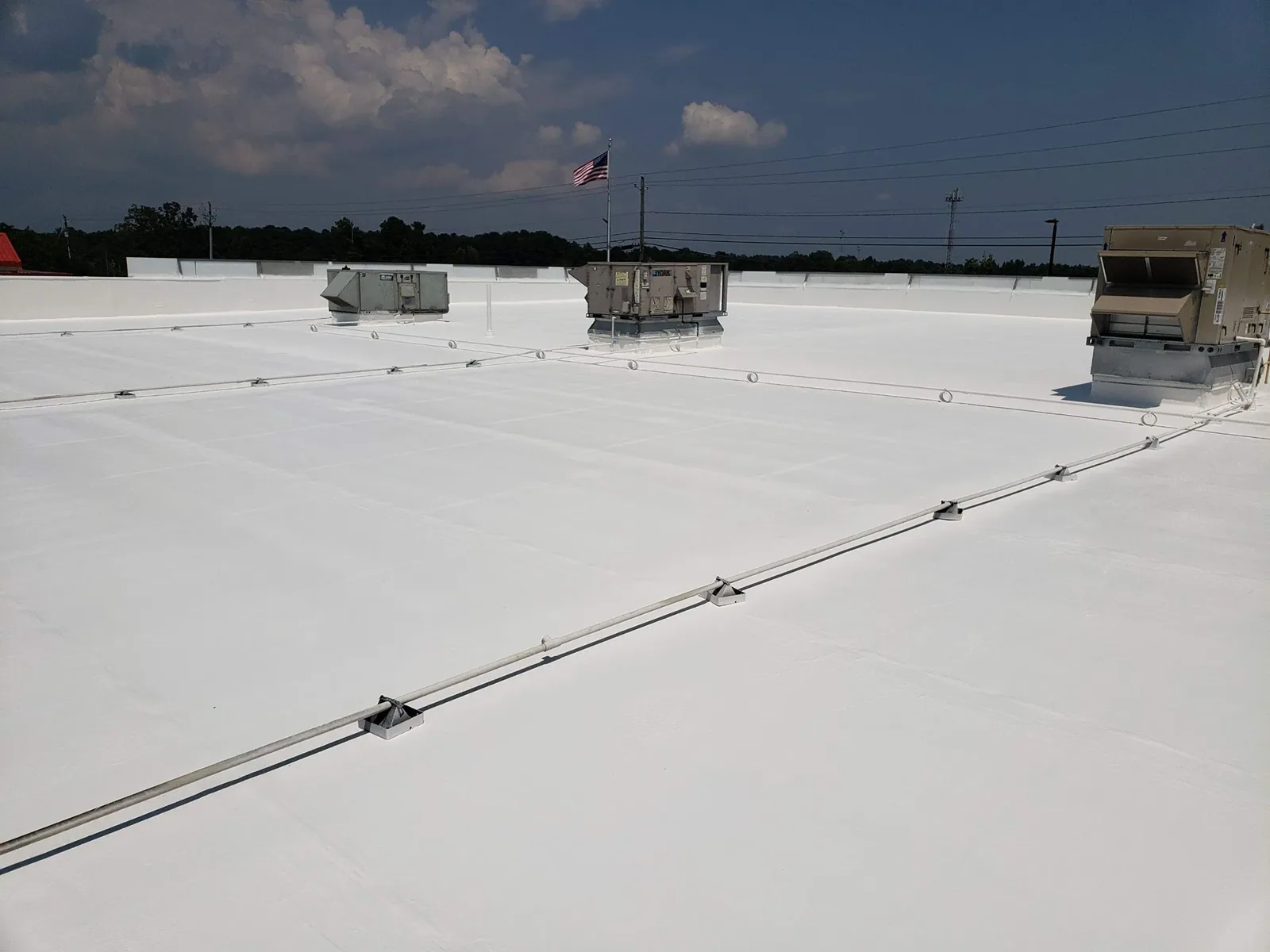

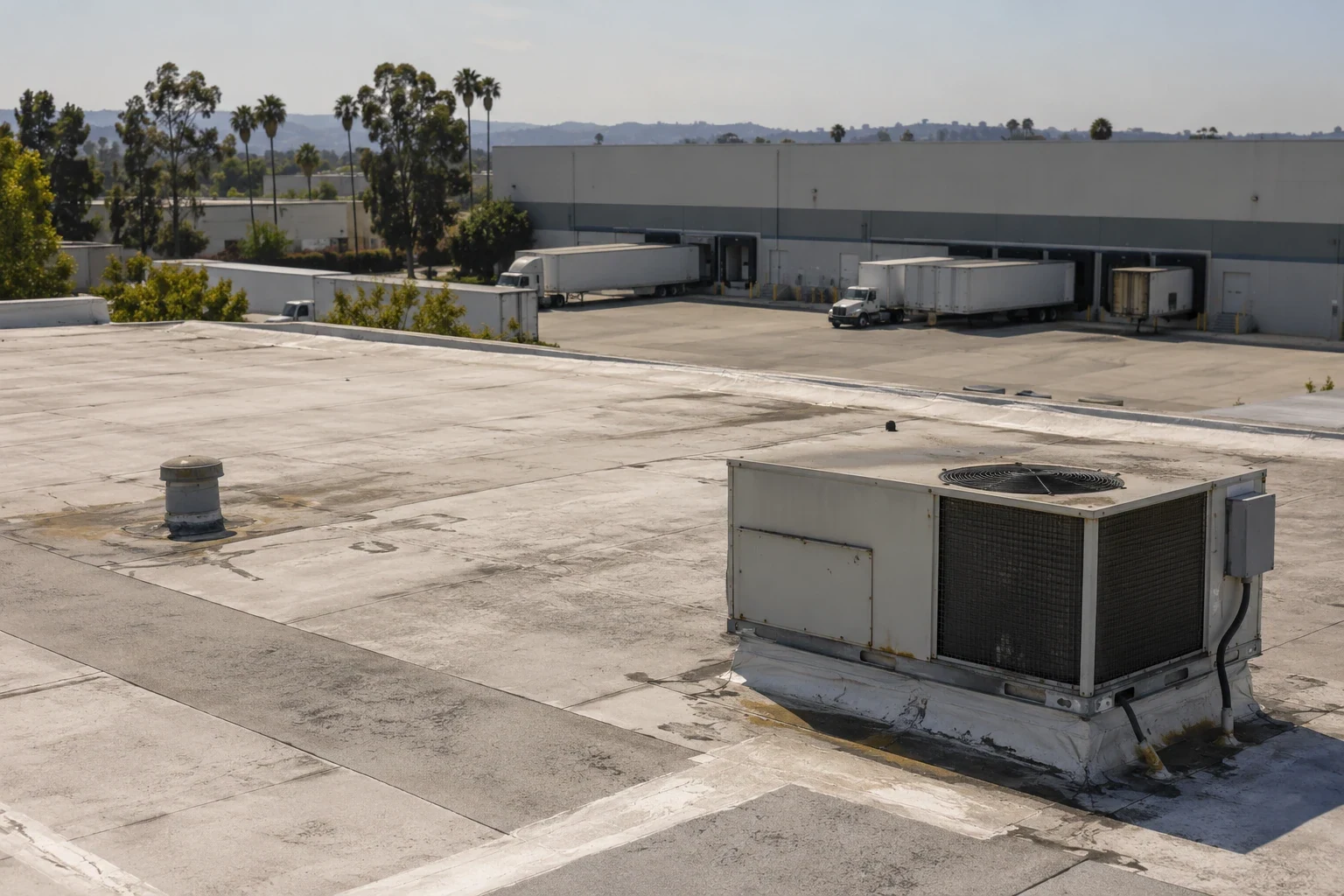
Insurance Restoration Roofing in Escondido, CA
Industries We Serve · Escondido, CA

After a roof event, the owner needs a reliable record of what is visible, where it occurred, and what work will stabilize the building. In Escondido, CA, we inspect reported commercial roof damage and prepare a repair scope tied to observed conditions. We photograph the roof zone, note the assembly when known, and identify nearby seams, edges, flashings, drains, curbs, and prior patches. The report separates damage observed during the visit from older conditions, suspected concealed issues, and items that need further testing. Temporary protection and permanent repair are described separately. The property owner manages its claim and coverage decisions; our role is to document roofing conditions and define the construction work requested. That separation keeps the technical record useful to the owner, facilities team, and other professionals involved.
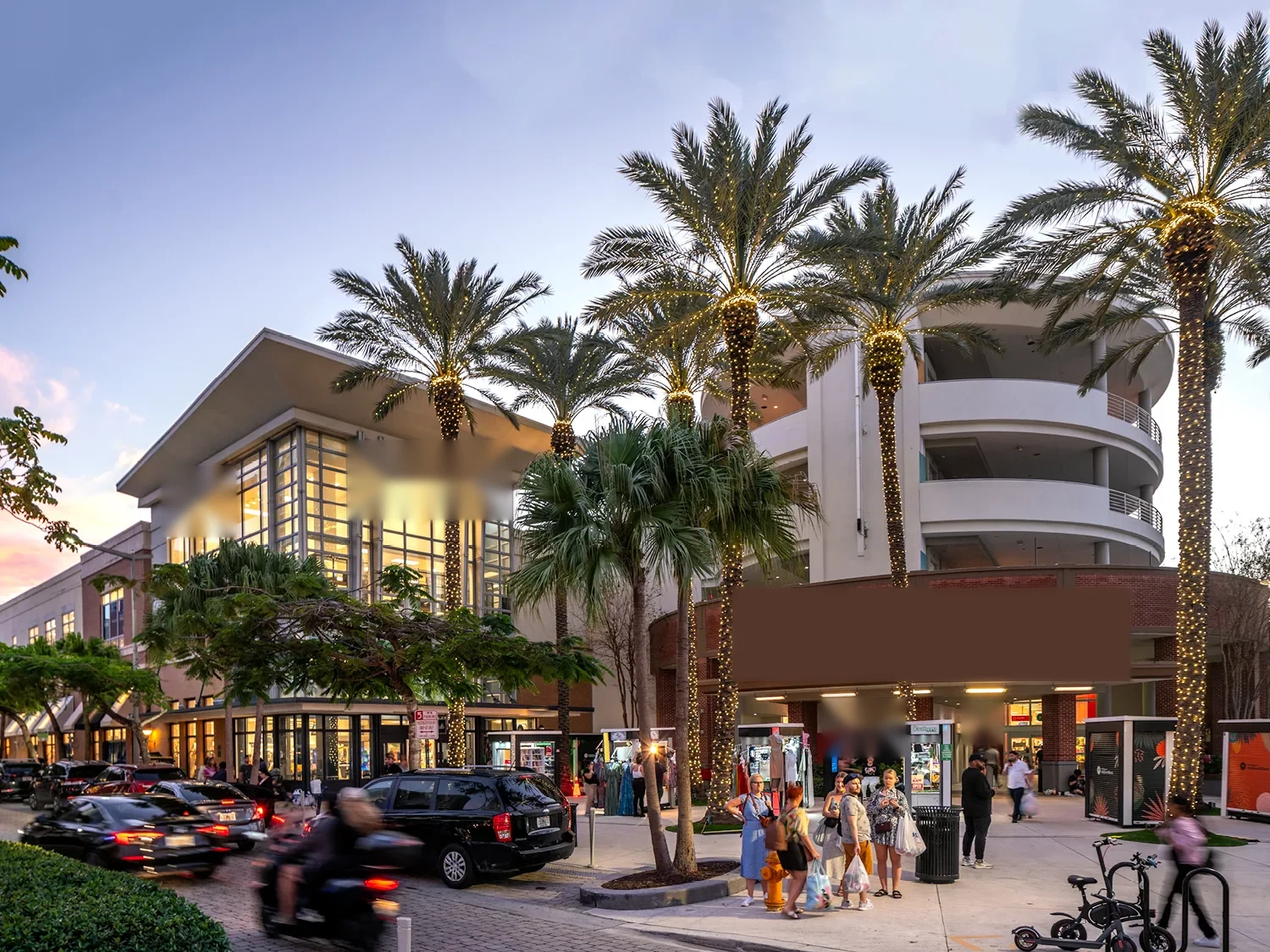
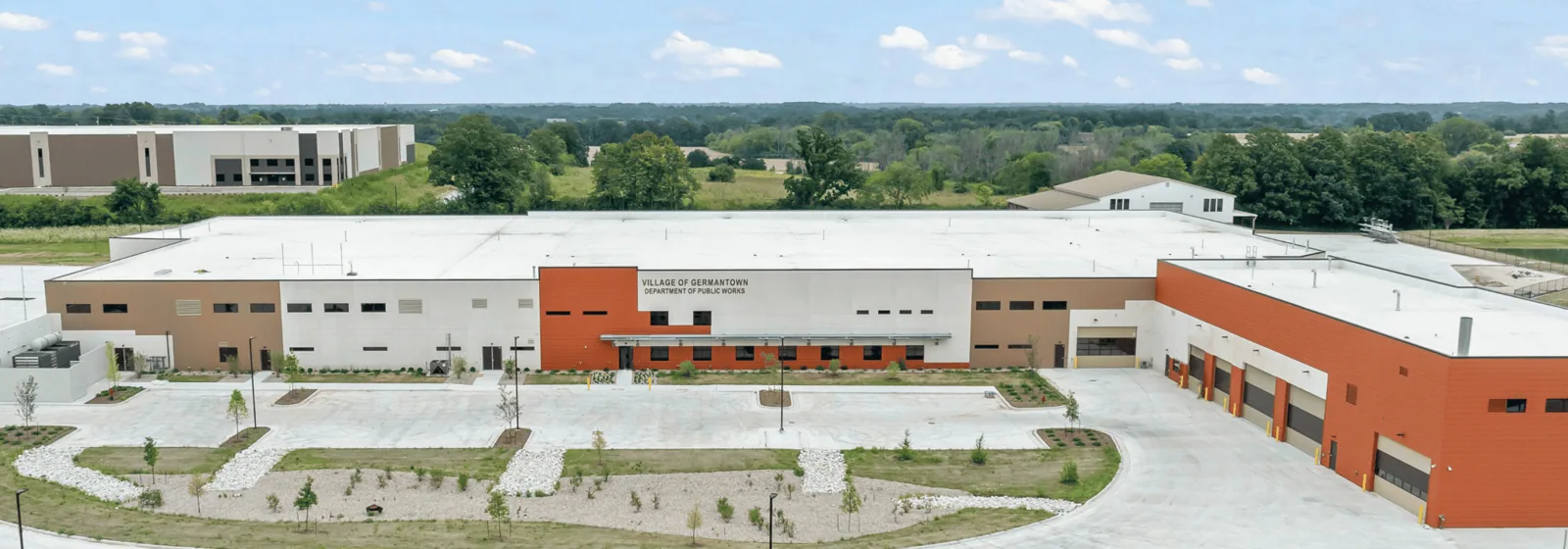
Downtown Escondido and the Centre City Parkway Commercial Corridor are broad commercial references. City economic-prosperity policies also identify Escondido Boulevard as a commercial area for coordinated uses. Those geography labels help schedule portfolio inspections, but do not prove event damage at any property. For a chain property, keep the retail roof restoration record tied to its own building; a public-agency roof file needs the same separation between observed conditions and authorized work.
Record Conditions Promptly and Precisely
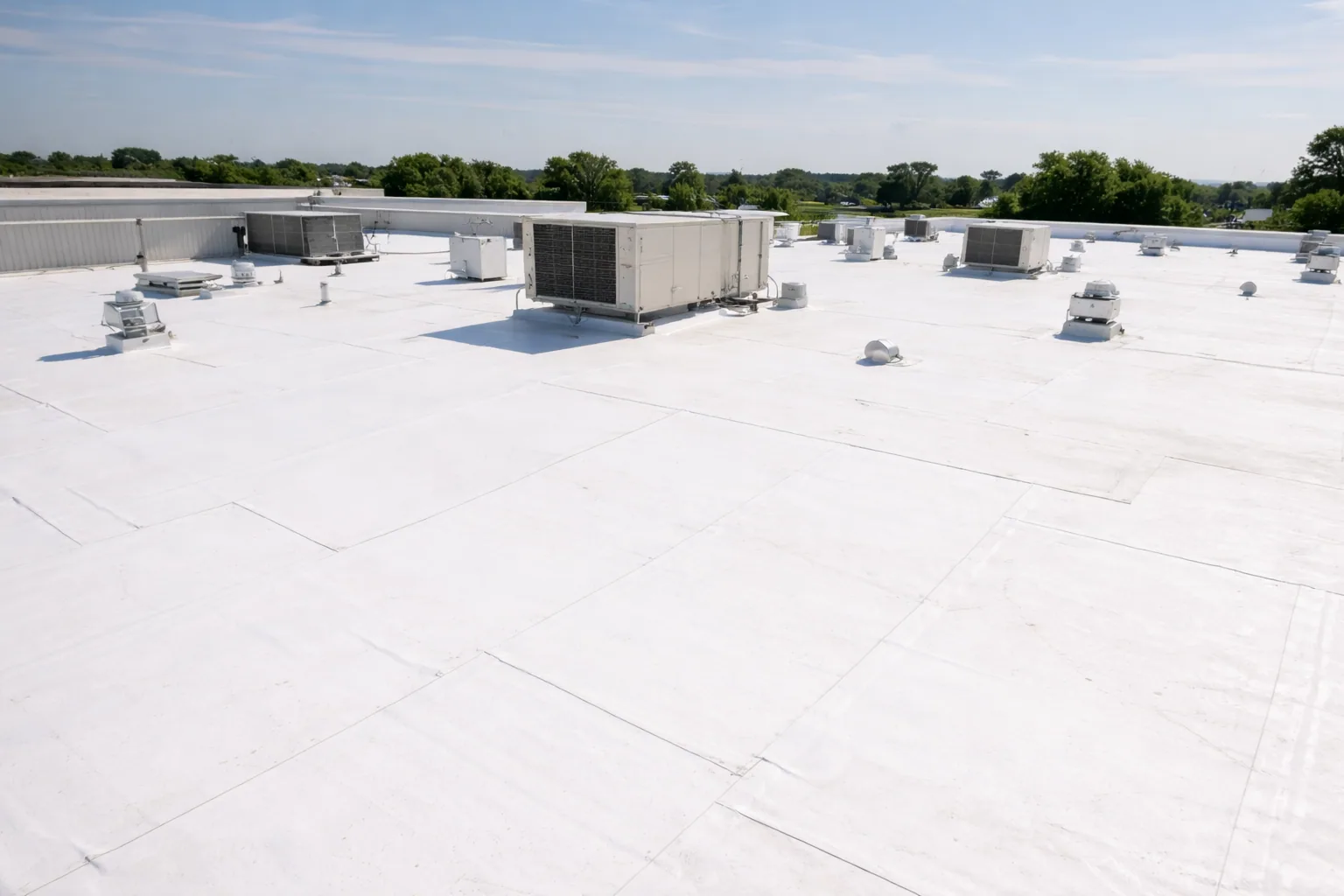
Start with the reported date, affected interior area, recent weather or other event, and any emergency protection already installed. On the roof, document the location, dimensions where practical, material, and visible condition. Photograph details with both a close view and enough context to locate them later. Check seams, flashings, penetrations, edge metal, rooftop equipment, drainage points, and transitions near the report. Do not state that an event caused a condition unless the available evidence supports that conclusion. Note limits such as inaccessible areas, standing water, or a surface that could not be tested.
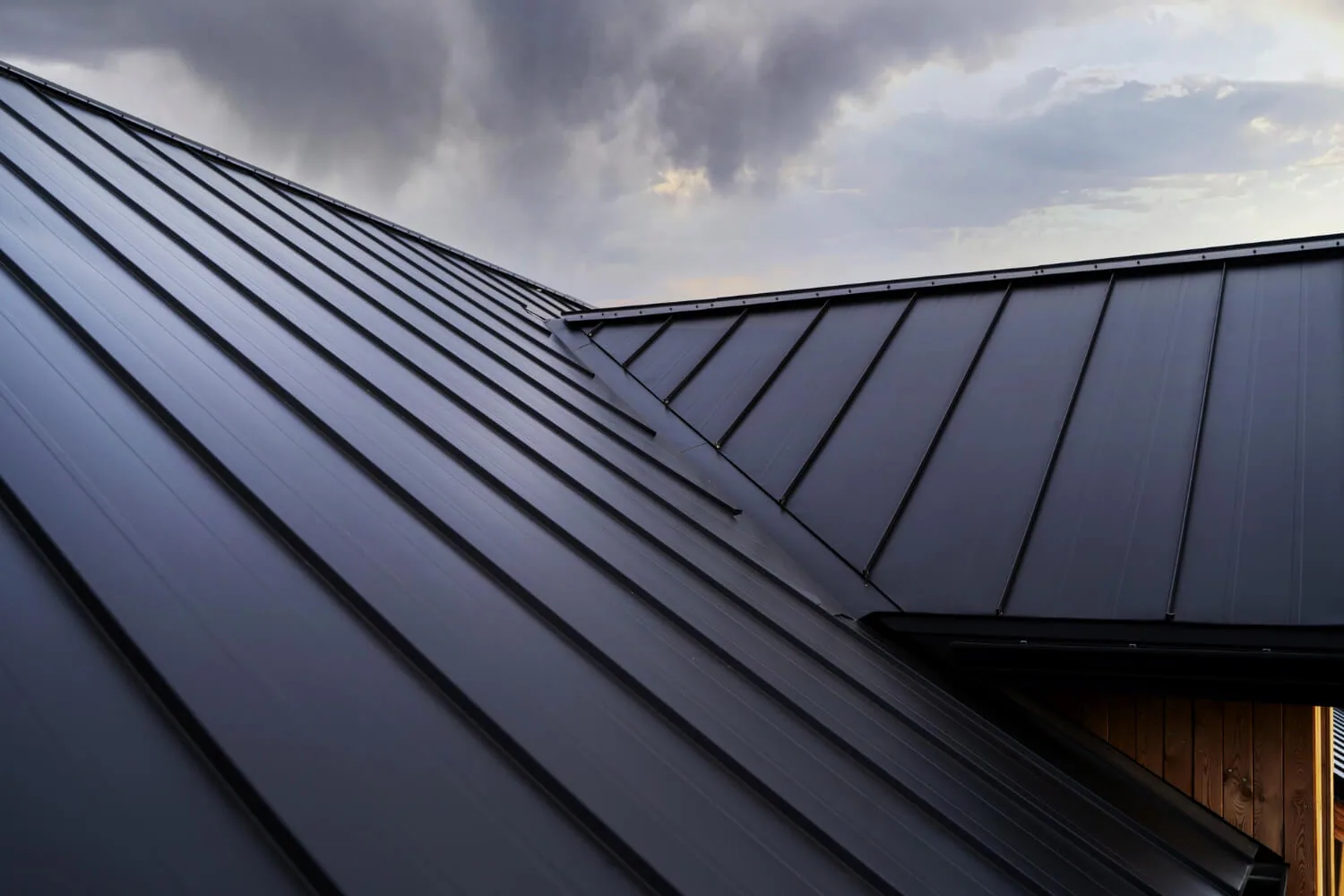
Dry Santa Ana winds cross Southern California and may bring warm or hot conditions; property damage is possible. After an event report, take dated photos at the affected roof, note loose metal or flashing displacement, and retain unaffected zones as a comparison. A commercial roof inspection records the assembly; a focused wind damage assessment can define the event-related boundary. The owner then has observations, not a presumption that the whole asset was affected.
Separate Emergency Protection from Permanent Work
When water is entering, first define safe access and a temporary measure that limits additional exposure. A temporary cover or patch is not automatically a permanent repair. The scope should state its location, materials, attachment method, monitoring responsibility, and the condition that requires follow-up. If interior contents, electrical equipment, or occupied areas are at risk, the owner coordinates those actions with the appropriate building professionals. Roofing work should not proceed into an unsafe area or beyond the authorized boundary.
Once access is safe, determine whether a seam, curb, drain, flashing, or roof edge is the likely entry point. A emergency roof response can address immediate water control. A drainage inspection can distinguish overflow or blockage from a membrane issue. The owner should retain dated photographs of both the initial condition and the completed temporary measure.
Build a Clear, Traceable Repair Record
Use a roof-zone sketch or plan to connect each photograph with its location. Include inspection date, weather context when known, reported symptom, visible damage, measurements, and the limits of the review. Identify any prior repair or unrelated deterioration separately. If moisture below the membrane is suspected, label it as unconfirmed until a test or authorized opening verifies it. Keep estimates tied to quantities and detail locations instead of using a single broad allowance for unknown work. A chronology can list when water was first reported, when the roof was inspected, what temporary work followed, and when permanent repair was authorized. Attribute each entry to its source, such as a facility log, a dated photograph, or a field observation. If two reports describe different roof areas, retain both references instead of combining them into a single event narrative. This gives the owner a traceable sequence and makes later questions easier to answer accurately.
Use separate records for each building and event date. Downtown Escondido and the Centre City Parkway corridor are broad commercial reference points, but neither identifies what happened on a parcel. Keep roof-zone photos, prior repair notes, and the approved access window with that asset. A repair file for a multi-tenant commercial property can pair those access notes with the affected roof zone; the manager confirms the loading lane and material setdown area before mobilization. A condition report can sort observations by area and flag what needs testing; an inspection documents the assembly. The owner can compare recommendations without merging two building histories.
Define the Repair Boundary and Unknowns
A repair proposal should state the affected roof area, preparation, compatible materials, tie-in limits, temporary protection, and closeout. If removal reveals wet insulation, damaged deck, or additional layers, stop at the agreed hold point and document the condition. The owner can then review a written change with photos and measured quantities. Do not include unobserved work as though it were confirmed. Explain which parts remain outside the scope and which observations merit a later inspection.
A larger project may involve removal, insulation, cover board, membrane, attachment, edge metal, drains, curbs, and disposal. A replacement scope can state those components and daily dry-in requirements. If a recover is considered, evaluate moisture, existing layers, drainage, compatibility, and applicable limits first. Then compare a defined replacement scope with the recover option. The construction recommendation does not determine claim eligibility.
Coordinate the Owner's Review Process
Set one contact for access, one for work authorization, and a clear route for technical questions. The owner may share photographs, inspection records, and the written scope with its insurer or other advisers. Each party can assess the information within its own role. The roofer should answer questions about observed roof conditions, measurements, materials, and proposed construction without representing that a carrier will accept a claim or pay a stated amount.
Where tenants or operations remain active, coordinate barriers, deliveries, hours, interior protection, and daily closeout. A phased roof work plan can document access and dry-in. For a roof near Downtown Escondido, verify the property's entry and staging conditions with the owner before mobilizing.
Frequently Asked Questions
Can a roofing contractor determine whether damage is covered?
No. We document observed roof conditions and define construction work. The property owner and its insurance professionals handle coverage interpretation, claim decisions, and communication with the carrier.
What should be photographed after a roof leak or wind event?
Capture the reported interior symptom, roof-zone context, close views of visible damage, related seams or flashings, and any temporary measure. Record the date and identify locations on a plan when available.
Should temporary protection be included in a repair estimate?
Yes, when it is part of the requested work. State its location, material, limits, monitoring responsibility, and whether it is temporary. Keep permanent repair as a separate scope item.
What happens if hidden damage appears during authorized work?
Stop at the agreed hold point, preserve temporary dry-in, and document the newly visible condition with photos and quantities. The owner reviews and approves any change before additional work proceeds.
Can one restoration report cover multiple buildings?
A summary can organize a portfolio, but each building should keep its own roof-zone findings, photos, work scope, approvals, and closeout. Separate records prevent conditions from being attributed to the wrong property.
Request a Commercial Roof Damage Assessment
Share the reported event, affected roof areas, access requirements, and owner contact. We will document observed conditions and define the requested roofing work. Call to schedule an inspection.
Call 555-555-5555 or email [email protected].