
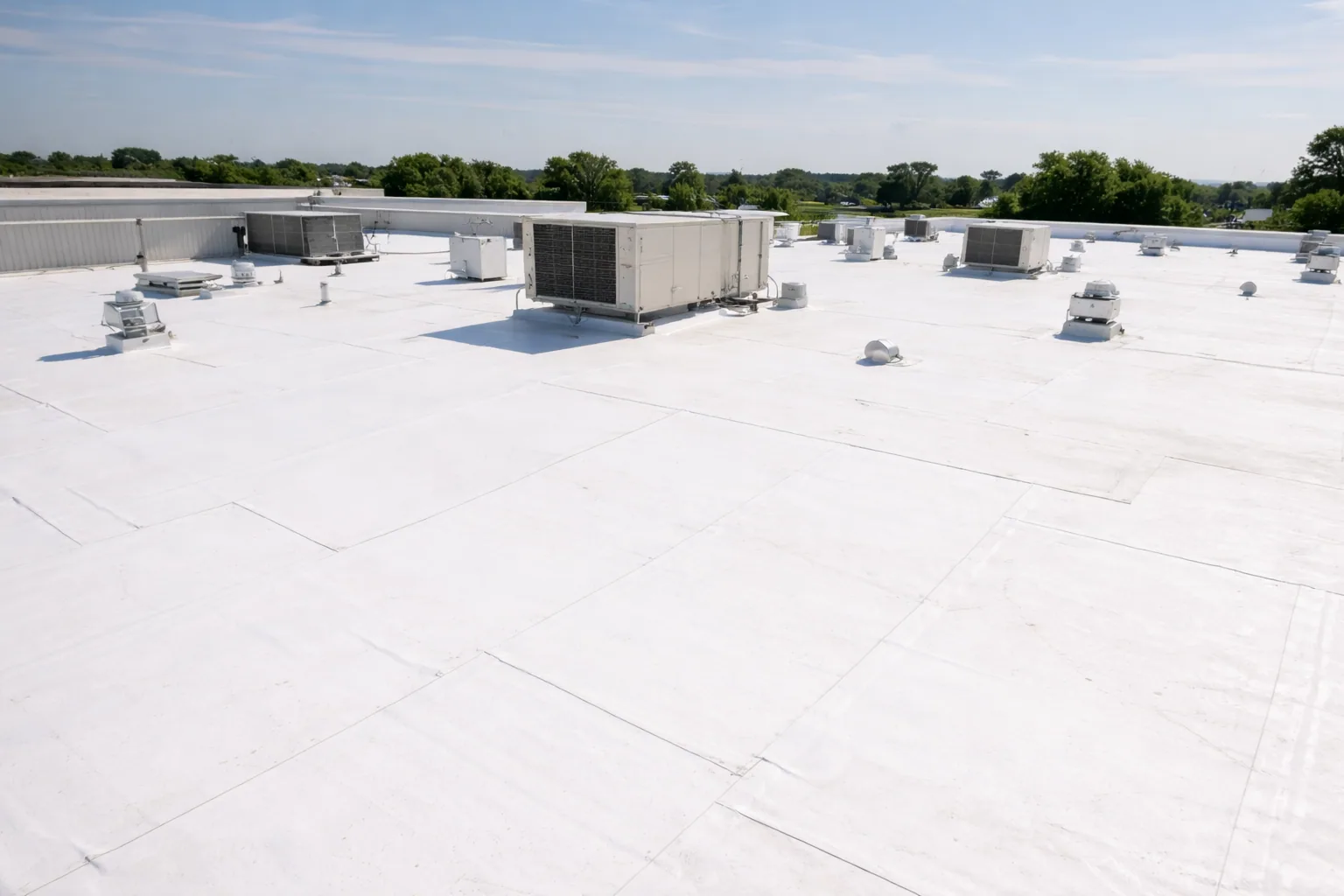
Commercial Roofing in Valley Center, CA
Service Areas · Escondido, CA
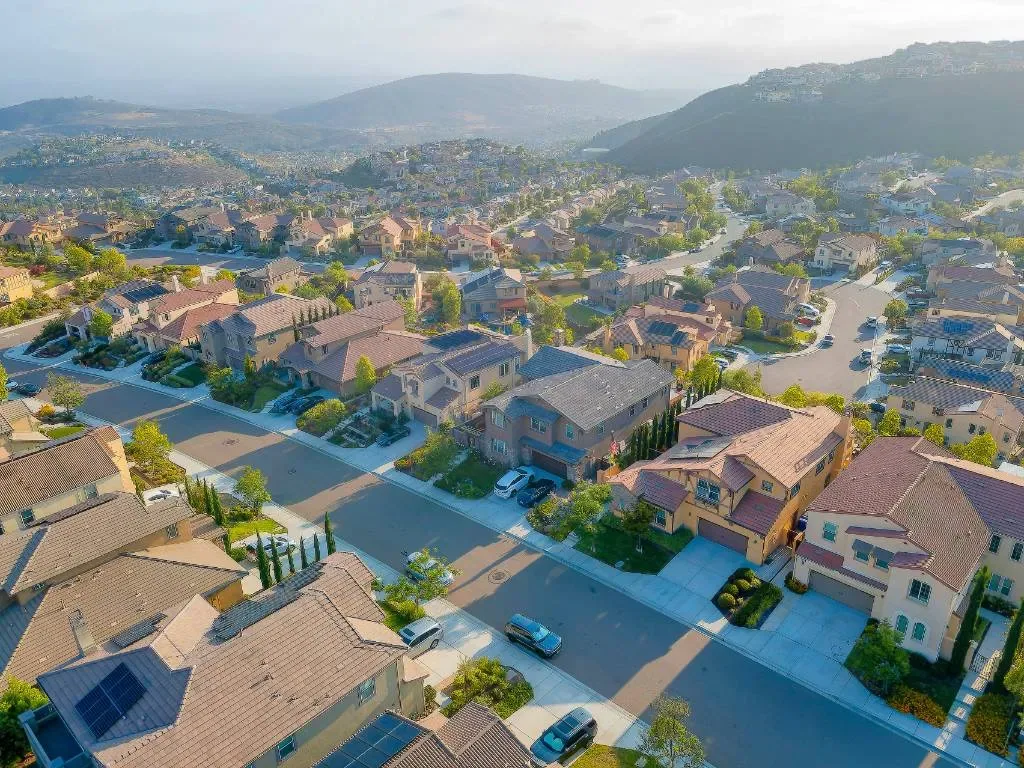
Roof work in Valley Center starts with the property and the route to it. Valley Center covers about 94 square miles, includes agricultural uses and estate housing, and connects to Escondido by Valley Center Road. For a commercial building, we inspect the actual assembly and record visible conditions before pricing work. We inspect the actual assembly and record visible conditions before pricing work. A commercial roof inspection gives the owner a clear starting record, with access limits and next steps attached.
Confirm the site route and roof boundary
Share the building location, roof plans, known leak areas, and name of the person who can open the property. Confirm where a service vehicle can stage and whether a lift or material delivery needs separate coordination. We mark each roof area included in the visit and keep additions separate when their construction differs. If no plan is available, we identify accessible sections during the walk and note any area that cannot be reached. A scope should not extend beyond the roof we actually reviewed.
Valley Center Road is the community’s principal connection to Escondido, and the community borders Fallbrook and Bonsall. We use those place names to confirm the service location, then keep each inspection, access approval, and repair file tied to its own property. Owners with properties near Fallbrook or Bonsall should keep each inspection, access approval, and repair file tied to its own property.
Check the assembly before assigning a repair
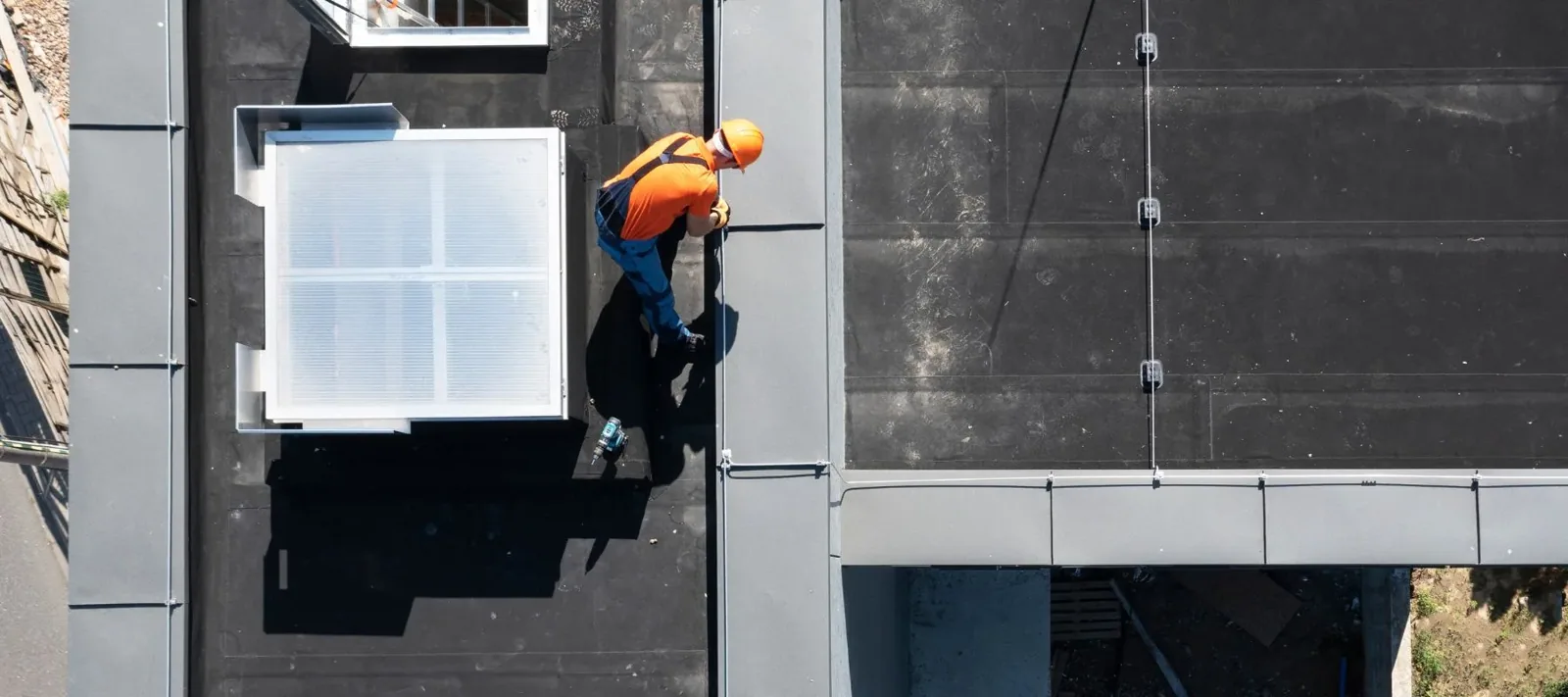
At the roof, we look at seams, penetrations, curbs, wall flashings, edge metal, drains, and transitions. We record open laps, splits, punctures, loose components, standing water, or other visible conditions when present. For a reported leak, compare interior observations with the details above; water can move before it appears indoors. Photos should show the specific defect and enough surrounding surface to locate it again. If moisture or deck condition is concealed, note what test or opening would answer the question.
Commercial roof service in Valley Center begins with a location-specific access route, not assumptions based on the community’s rural character. We ask how the commercial building operates, which areas need continued access, and who approves roof entry before setting the work sequence. If roof work affects occupied rooms or equipment, capture those limits in the site notes. A condition report with roof-zone photographs separates visible findings from assumptions. That boundary matters when an owner uses the report for repair approval or a later capital review.
Use regional exposure as an inspection prompt
Southern California Santa Ana winds can be dry, often warm or hot, most commonly occur from September through May, and can damage property. If a Valley Center owner reports wind exposure, we record the date and location, inspect exposed edges and transitions, and distinguish moved material from undamaged sections before preparing a scope.
If an owner reports a wind event, capture its date separately from the observed roof condition. Note which edge lifted, whether a seam opened, and if interior water appeared. Do not infer the cause from timing alone. A wind-damage assessment can document the visible area and define any needed repair. Where evidence does not show an event-related defect, list the observation without converting it into a claim quantity. This gives the owner a useful record for a repair decision.
Compare repair with broader roof work
A localized flashing split or puncture may call for a bounded repair if surrounding materials remain serviceable. Repeated leaks, several failing details, or broad moisture indications can make a larger scope more appropriate. We explain what the inspection supports and where information remains open. A test opening may be needed before pricing concealed insulation or deck work. Keep testing as a separate line item with an approval point. This lets the owner authorize known work while deciding how much additional evidence to gather.
A recover or coating depends on the existing layers, attachment, moisture, drainage, and applicable requirements. If those conditions are not suitable, replacement may be the clearer option. A recover review should describe what stays in place and how new work terminates. A replacement scope should list removal, insulation, edge details, penetrations, and equipment handling. We identify the cost drivers before the owner compares alternatives, rather than making a system recommendation from a community land-use description.
Coordinate a practical work window
Timing depends on access, weather, material availability, safety setup, other trades, and the owner's approval cycle. For a reported leak, share the roof access point and an authorized site contact so a temporary dry-in can be planned for the actual assembly. Emergency protection and permanent repair are separate scopes. Before the crew arrives, identify who can approve an opening, who controls the interior below, and which hours are unavailable. For an occupied building, an occupied-site sequence can set work areas and notice around real operating needs.
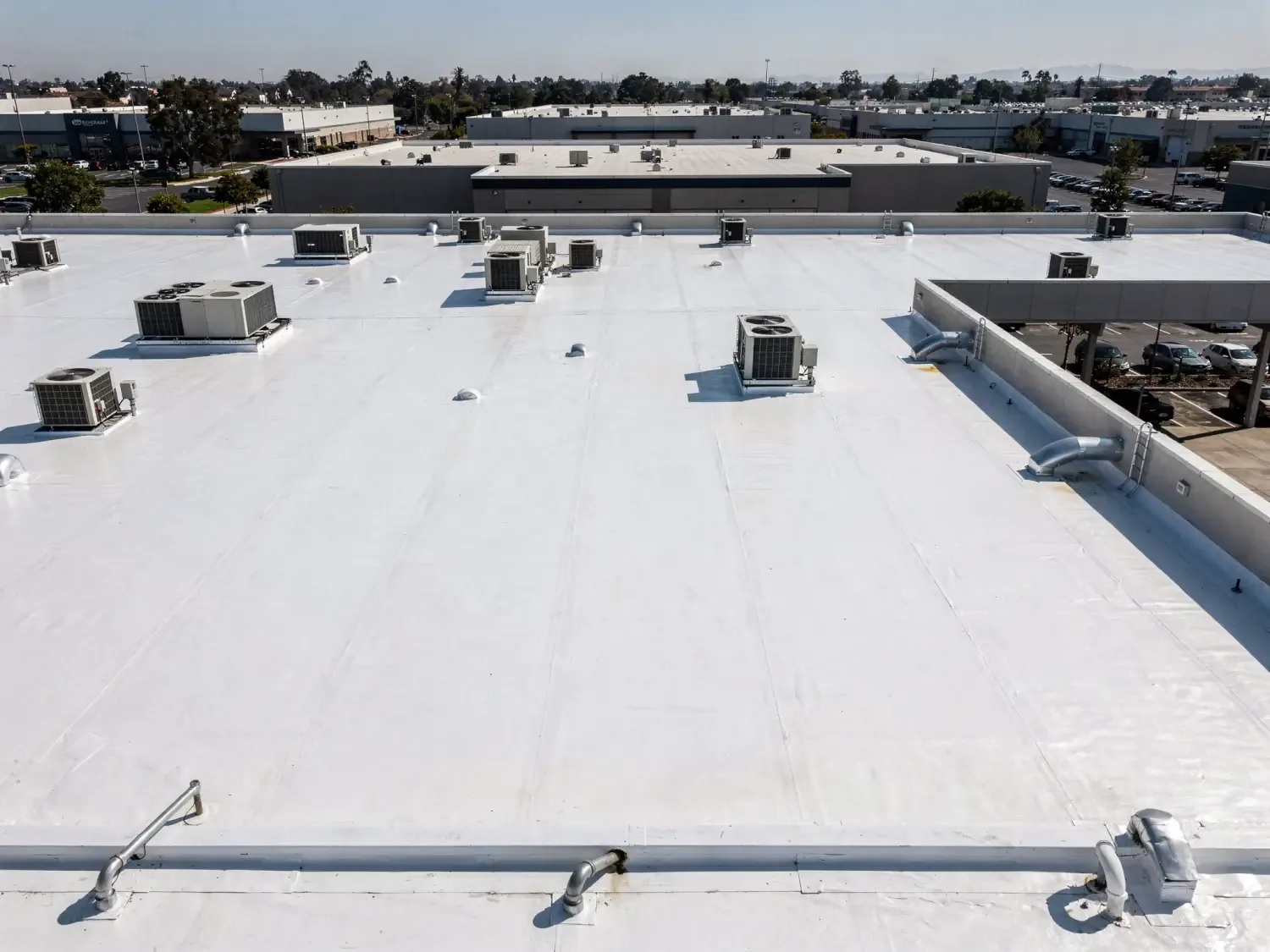
A roof with several elevations may need separate material handling and tie-in work. If an HVAC unit or other equipment interrupts a membrane area, confirm its support and shutdown contact before including movement. The proposal should state whether the unit moves, who coordinates that work, and how the roof detail will be restored. A change in equipment scope can move both schedule and price. We document such dependencies before mobilization, so an owner can line up approvals and trades against the budget window.
Frequently Asked Questions
Does Valley Center Road identify where you can service?
Valley Center Road connects the community with Escondido. Before scheduling, we confirm the property location, approved entrance, roof route, and inspection boundary.
Can the County's land-use description identify my roof type?
No. Agricultural uses and estate housing describe Valley Center. We check records and visible roof details at the building, then list any test needed to confirm concealed materials.
What belongs in a wind-related roof report?
Record the reported event date, roof area, photographed condition, and any interior water report separately. We identify what was observed and what would need more evidence before expanding the repair scope.
How do you price a repair when part of the roof is hidden?
We price confirmed work by roof zone and list a test opening or concealed condition as a separate item. The owner can approve known repairs while deciding whether to authorize the additional investigation.
What should happen before an urgent leak visit?
Before scheduling, share the roof access point, an authorized building contact, and the temporary dry-in option the site can support. We define permanent work after inspecting the membrane and agreeing on its boundary.
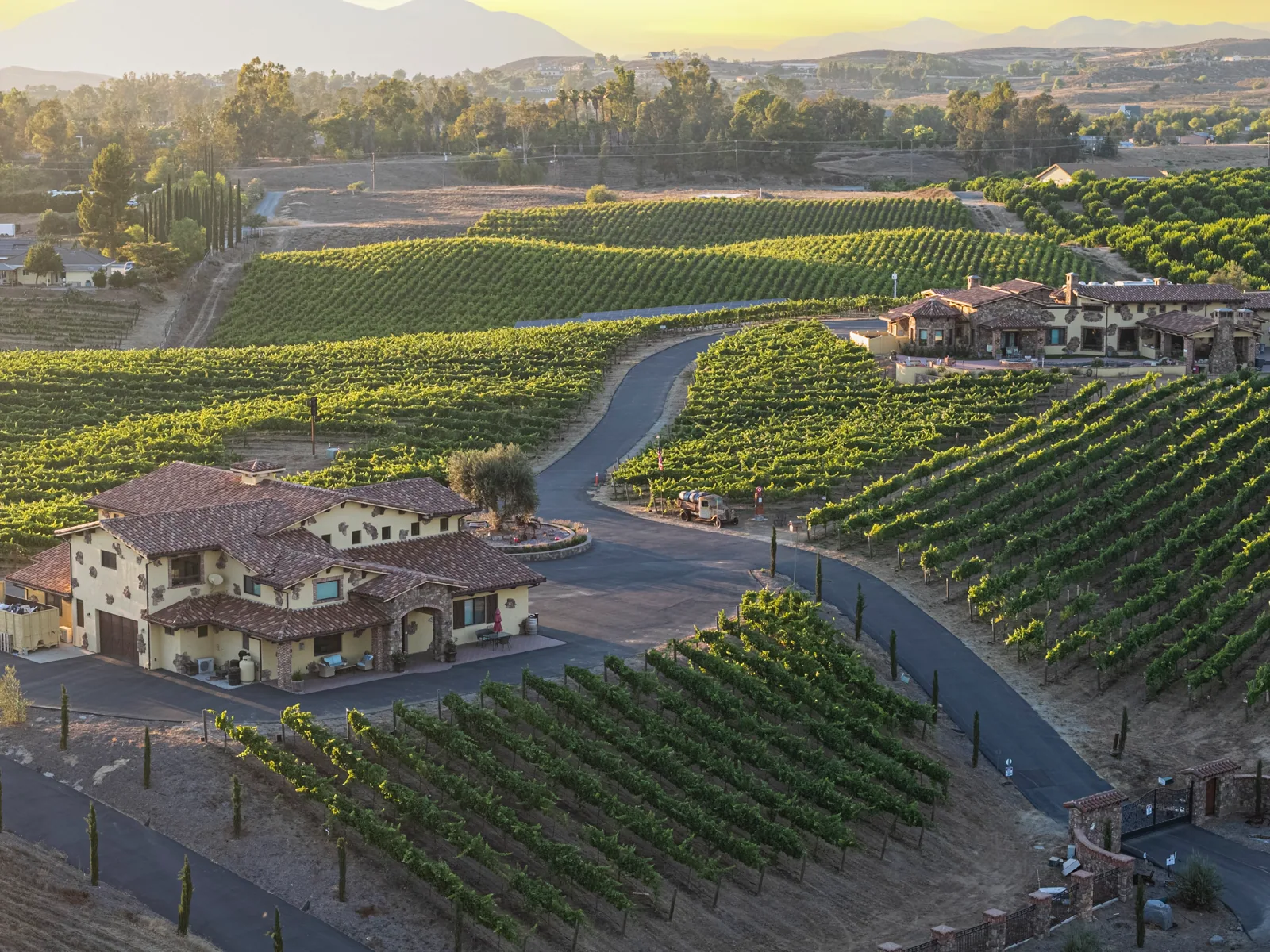
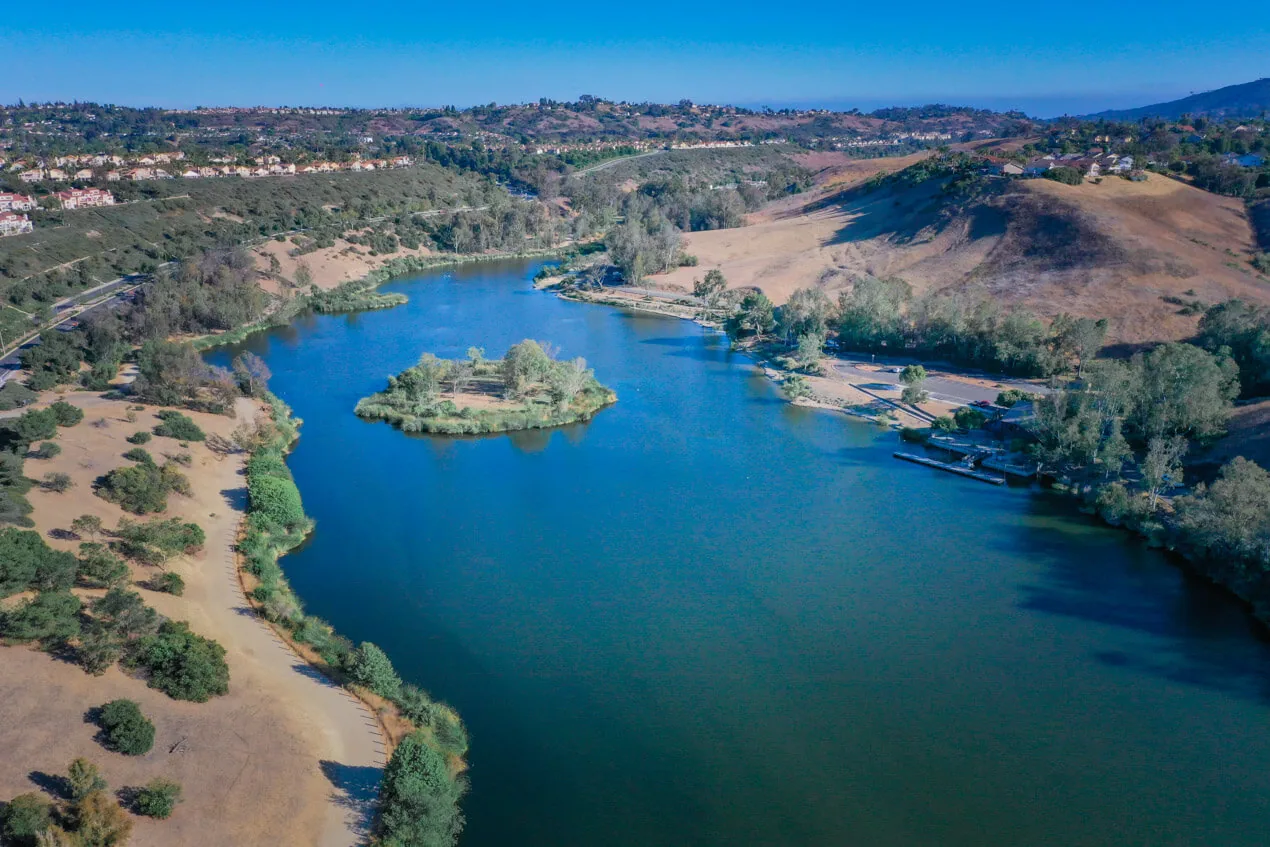
Arrange a Valley Center roof inspection
Provide the property location, roof records, leak notes, and access contact. Call Commercial Roofers Escondido to set a field review and define the next repair or planning decision.
Call 555-555-5555 or email [email protected].