
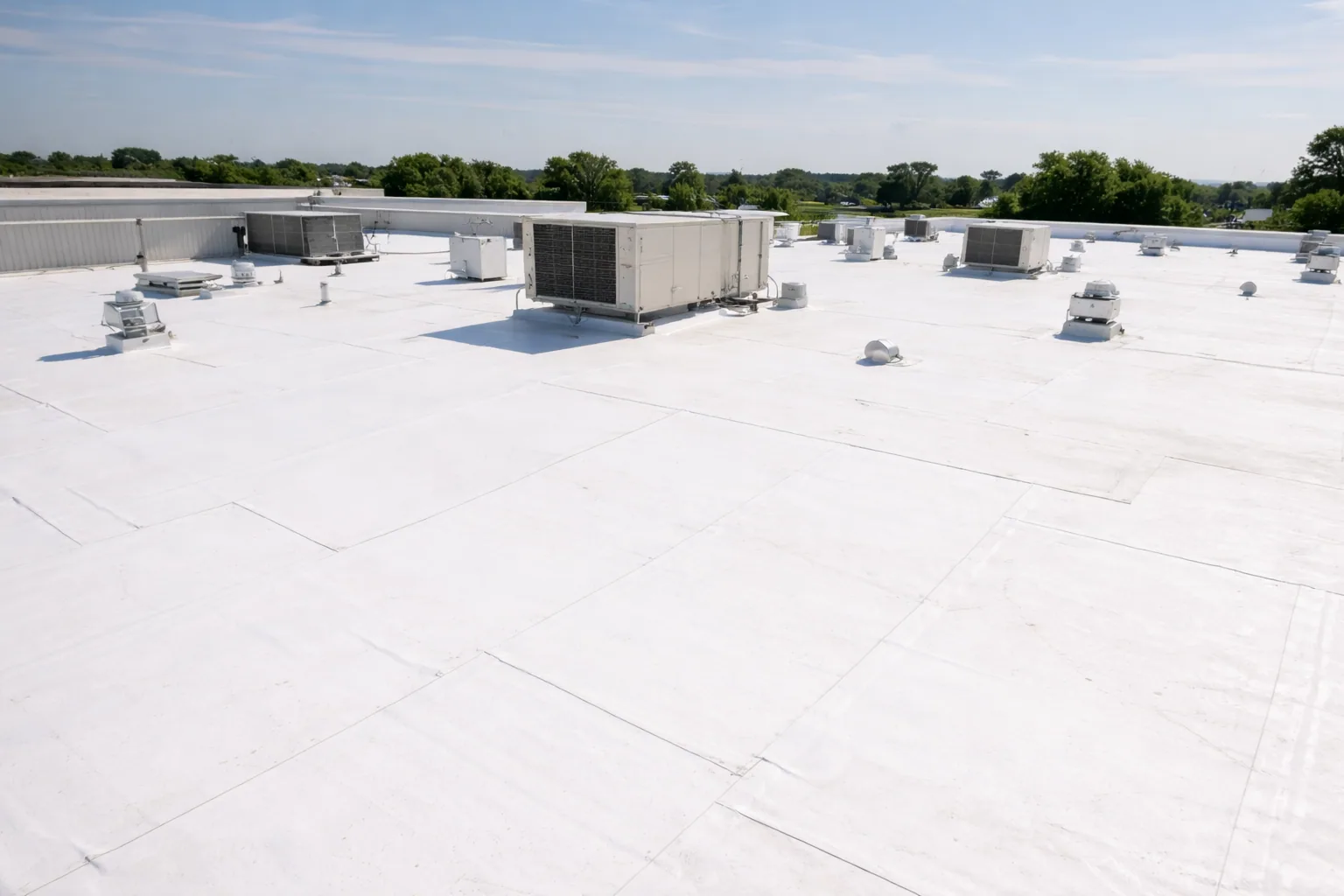
Commercial Roofing in Ramona, CA
Service Areas · Escondido, CA
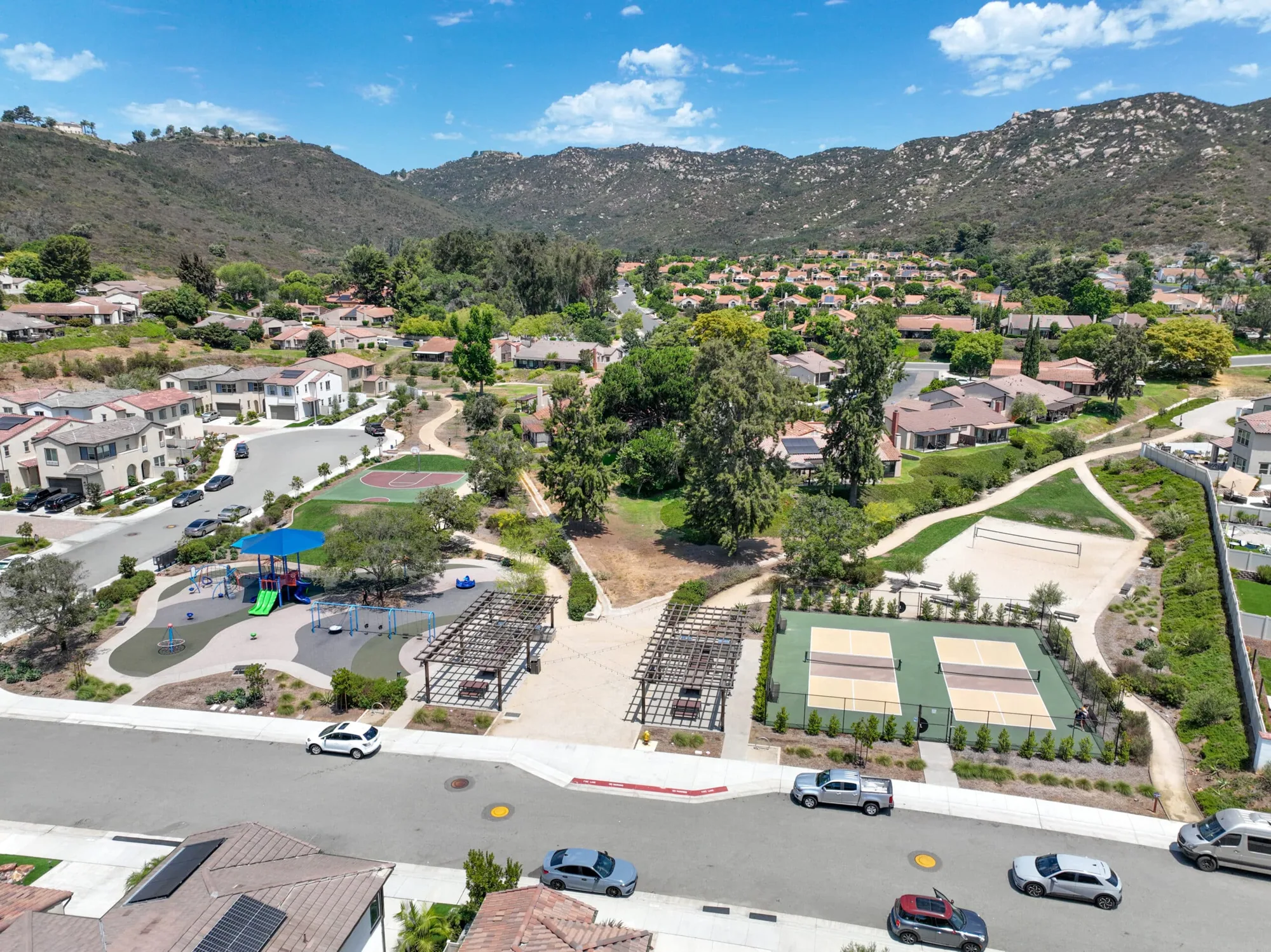
A roof work plan for Ramona begins with the building record and access route. Ramona’s community planning area covers about 84,000 acres east of Poway and north of Lakeside. North Mountain and Central Mountain lie to the east. Ramona’s main commercial activity centers on Town Center, with an industrial area west of Highway 78. For a commercial roof, we verify the property, assembly, leak report, and access conditions before recommending repair or replacement. We verify the property, assembly, leak report, and access conditions before recommending repair or replacement. A commercial roof inspection records what the project team can price and schedule.
Community geography and roof records
Ramona's planning area spans a wide geography. Poway lies to its west, Lakeside to the south, and North Mountain and Central Mountain extend to the east. That context helps a property manager orient a building within the community. We still confirm the property location, access route, operating hours, and roof assembly before proposing a field visit. We confirm the site location with the contact, then review any roof plans, prior repairs, leak notes, and operating restrictions before proposing a field visit.
A roof file should identify the existing assembly, work history, and any warranty or maintenance records the owner holds. We compare those documents with accessible field conditions. If the record conflicts with what is visible, we mark the gap and explain how to resolve it. A condition report with photos can organize the findings by roof area and urgency. It is useful at turnover, when a new manager needs to know what was repaired and what remains open.
The roof walk and its limits
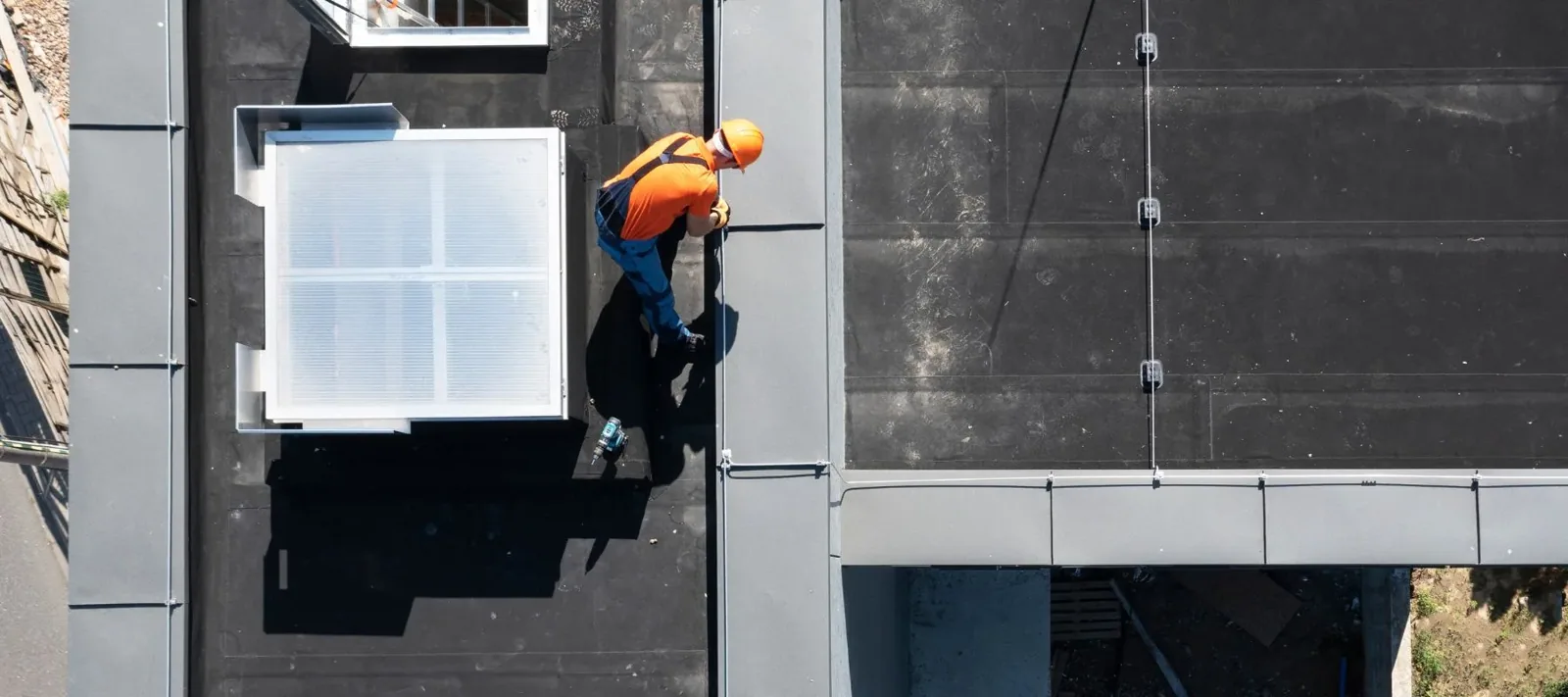
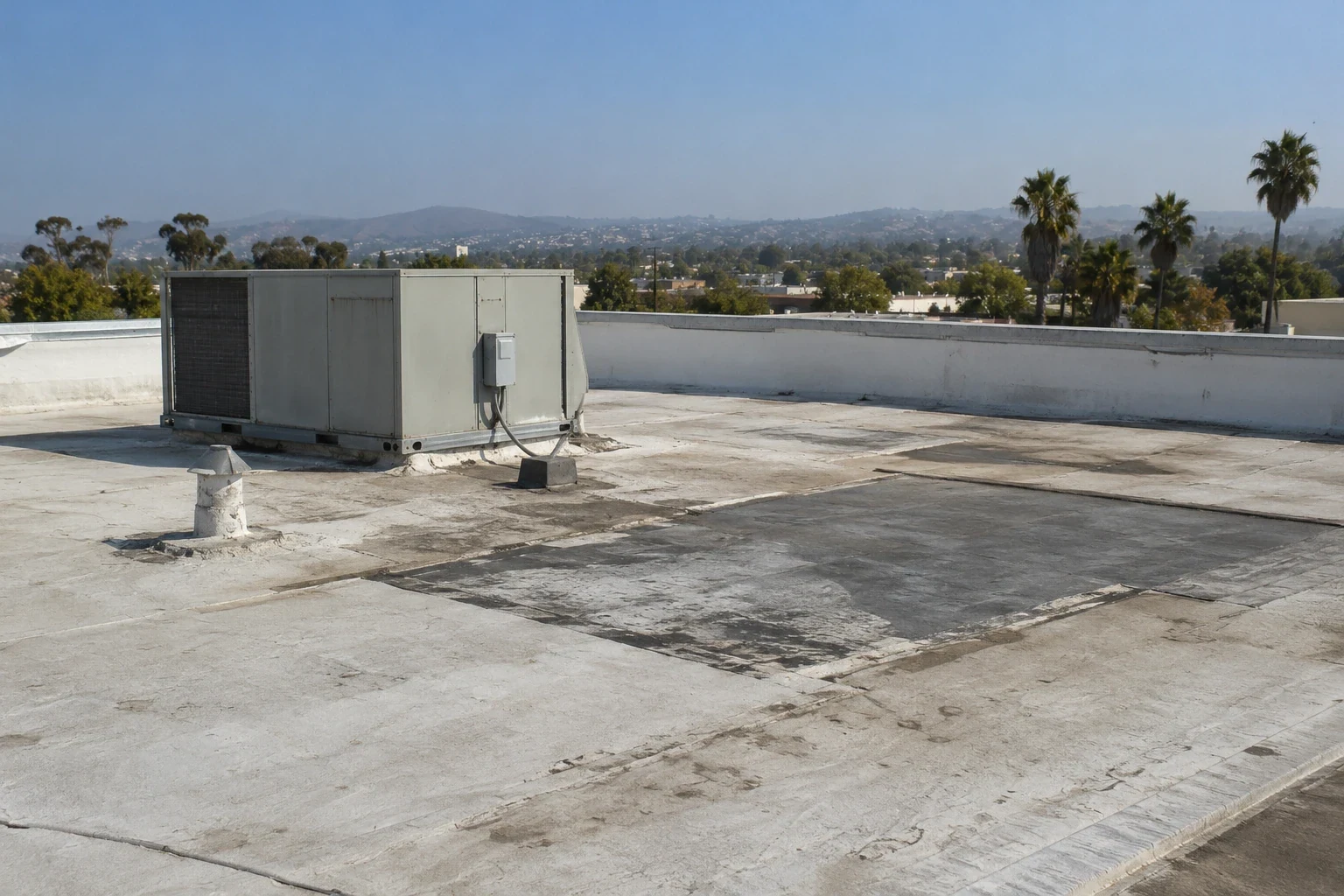
We inspect the roof assembly from the field membrane to its edges, penetrations, drains, and wall transitions. At each location, we look for open seams, punctures, loose terminations, failed sealant, cracked flashing, or signs of movement. A ceiling stain is a clue, not a measured repair area. We trace the path above it and mark any surface that could not be reached. That separates an observed defect from a condition that needs a test, opening, or additional access before pricing.
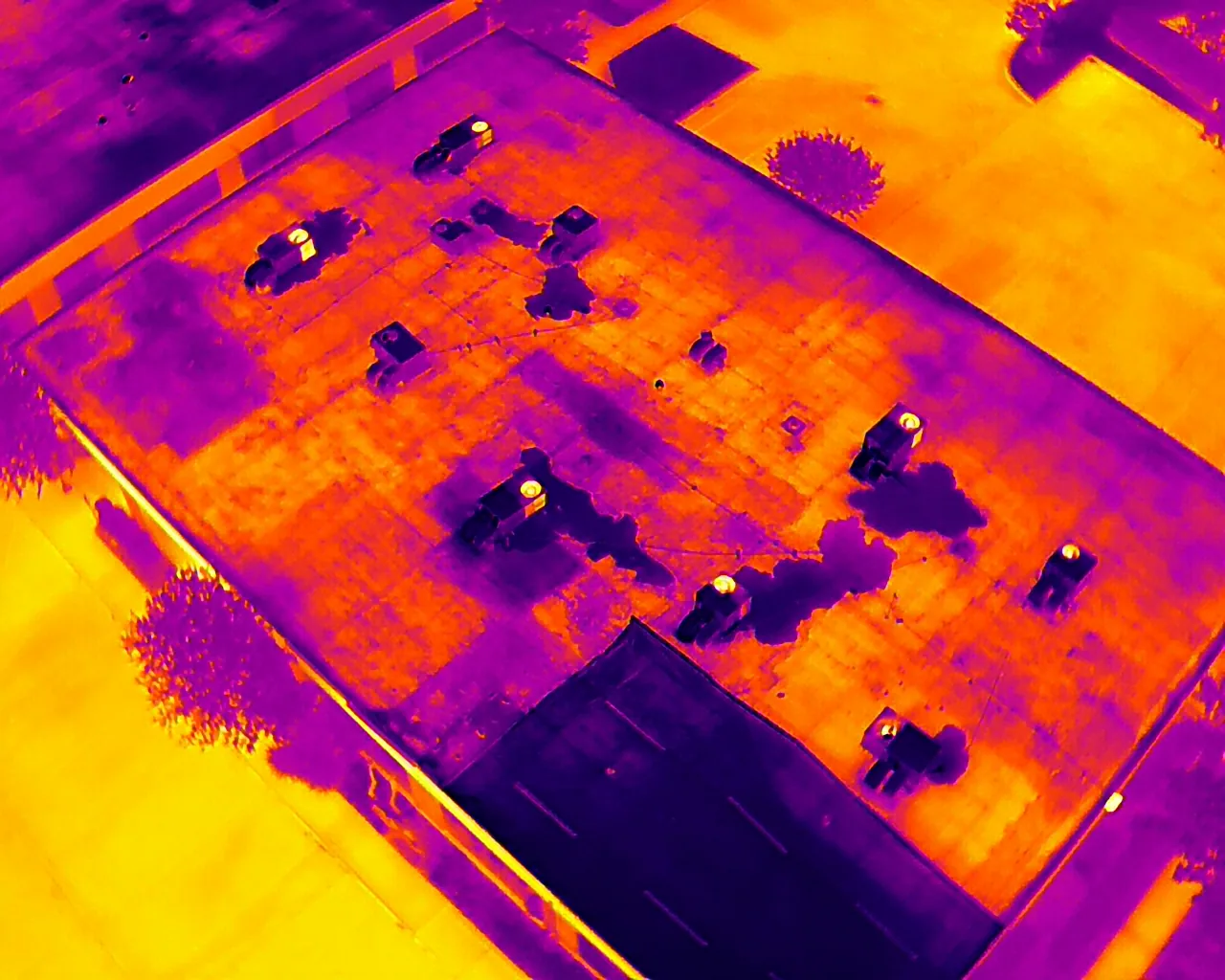
Where moisture may extend under insulation, infrared survey work can help locate areas for closer confirmation. Test results should be interpreted with the roof's construction and repair history. The decision is whether to open a defined area, make a localized repair, or evaluate a larger section. We state what the survey can establish and which questions it cannot answer alone. The owner can then approve a next step with a known purpose.
Edge details after a wind event
Santa Ana winds can be dry and warm or hot, are most common from September through May, and can damage property. For a Ramona service call, we mark the roof zone, photograph coping and exposed laps, and measure any separation before preparing a repair boundary.
After a reported wind event, we check roof edges, exposed seams, and wall transitions, then document movement separately from the event report. A wind-related repair evaluation should distinguish displaced components from intact adjacent details. We recommend temporary protection when the field condition calls for it, then set a permanent repair scope based on what we can verify.
A repair boundary that can be priced
A repair can work when the defect is localized and surrounding membrane accepts a sound tie-in. We identify the system, prepare the surface, remove material that will not bond, and secure the new flashing or membrane to stable substrate. Drainage problems need their own line item. Clearing debris will not correct a loose drain flange, displaced insulation, or a membrane depression. The estimate should separate those tasks so ownership can choose work that matches the finding. We mark the access route and the area that must remain clear. The site contact can then coordinate interior protection with the roof work window.
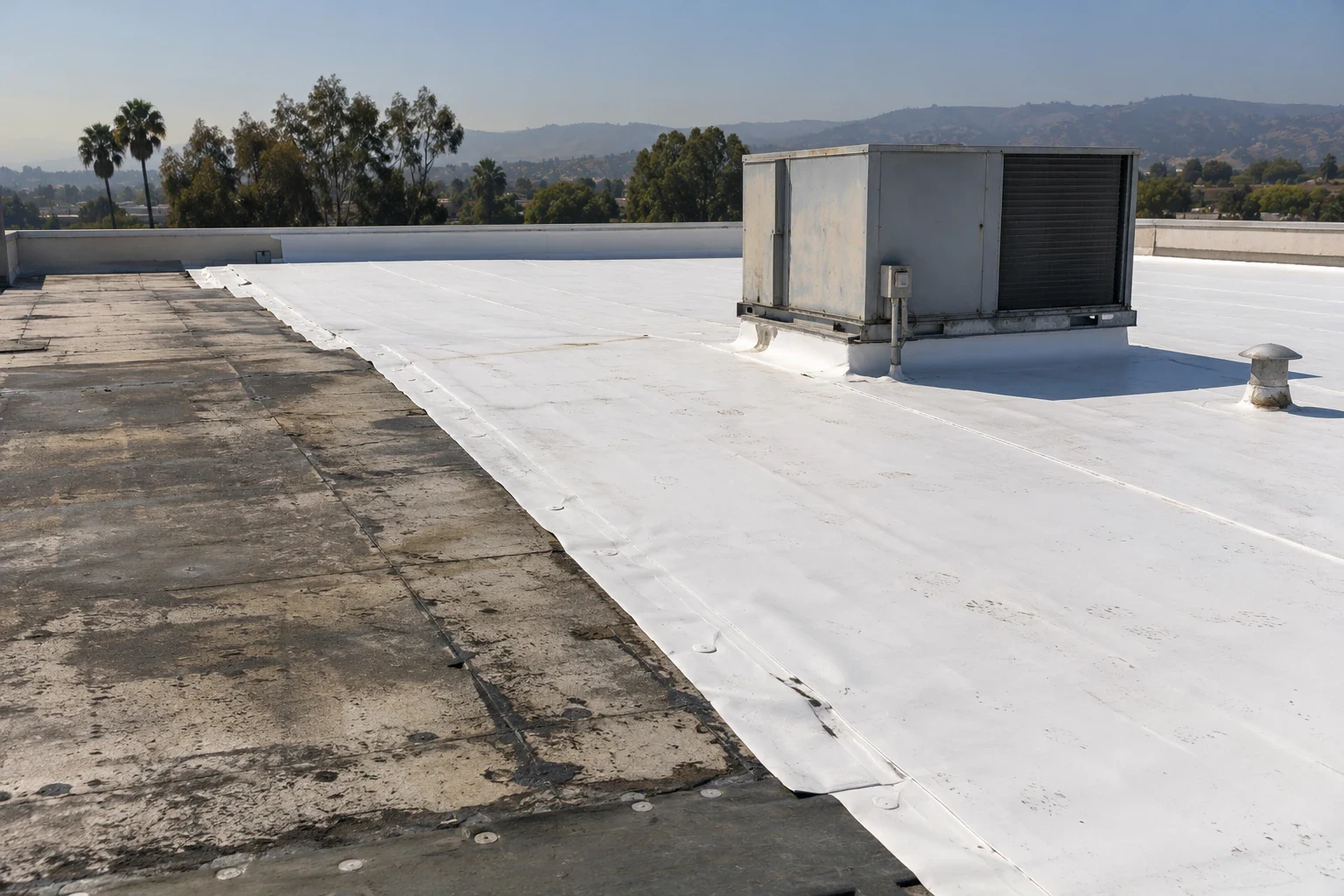
If moisture, repeated failures, or poor attachment extend beyond the initial defect, a larger review may be appropriate. We compare repair with restoration or replacement based on the assembly, not on age alone. A defined repair lists preparation, materials, limits, and closeout checks. When a recover remains possible, our overlay assessment reviews moisture, attachment, drainage, and compatibility first. Each option should state what stays in place and which condition could change the scope.
Access across a large planning area
The community plan's scale makes address confirmation important before a crew is scheduled. We ask who can approve roof access, how to reach the site contact, and whether a ladder, hatch, escort, or lift is required. Travel time, staging, weather, and other active work affect the visit window. For an occupied property, we agree on notices, noise-sensitive periods, and temporary protection before opening the roof. These details reduce avoidable stops and keep the work sequence clear.
Equipment and other trades can change the order. We confirm who can disconnect or move units, who protects them, and who accepts the final flashing. If an active use cannot pause, the occupied-building work sequence can split the roof into controlled phases. Ramona Town Center and the industrial area west of State Route 78 are distinct planning areas within Ramona. Town Center roof work and industrial-area work still require property-level access and condition checks.
Frequently Asked Questions
Does the Ramona planning area tell you how far a property is from Escondido?
Ramona’s planning area is east of Poway and north of Lakeside. We confirm the property location and access details before setting an inspection window.
Can the inspection cover a leak without opening the roof?
We begin with accessible surfaces and trace the reported path. If moisture or assembly layers remain uncertain, we identify a targeted test or opening before assigning a larger repair.
What belongs in a repair proposal?
The proposal should state the roof area, preparation, tie-in, materials, protection, closeout, and any excluded testing or deck work. We separate measured work from allowances.
Will a regional Santa Ana description confirm wind damage at my building?
No. It provides market context. We inspect the actual edge, flashing, and seam condition, record any displacement, and define the affected work boundary.
How do you schedule work when site access is limited?
We confirm the access contact, restrictions, staging, and hours first. Those details determine whether the roof can be reviewed in one visit or needs a phased sequence.
Arrange a Ramona roof review
Call to schedule an inspection or review a defined scope. Roof plans, leak notes, repair records, site access instructions, and preferred work windows help us set timing.
Call 555-555-5555 or email [email protected].