Duro-Last Commercial Roofing in Escondido, CA
Roofing Manufacturers · Escondido, CA

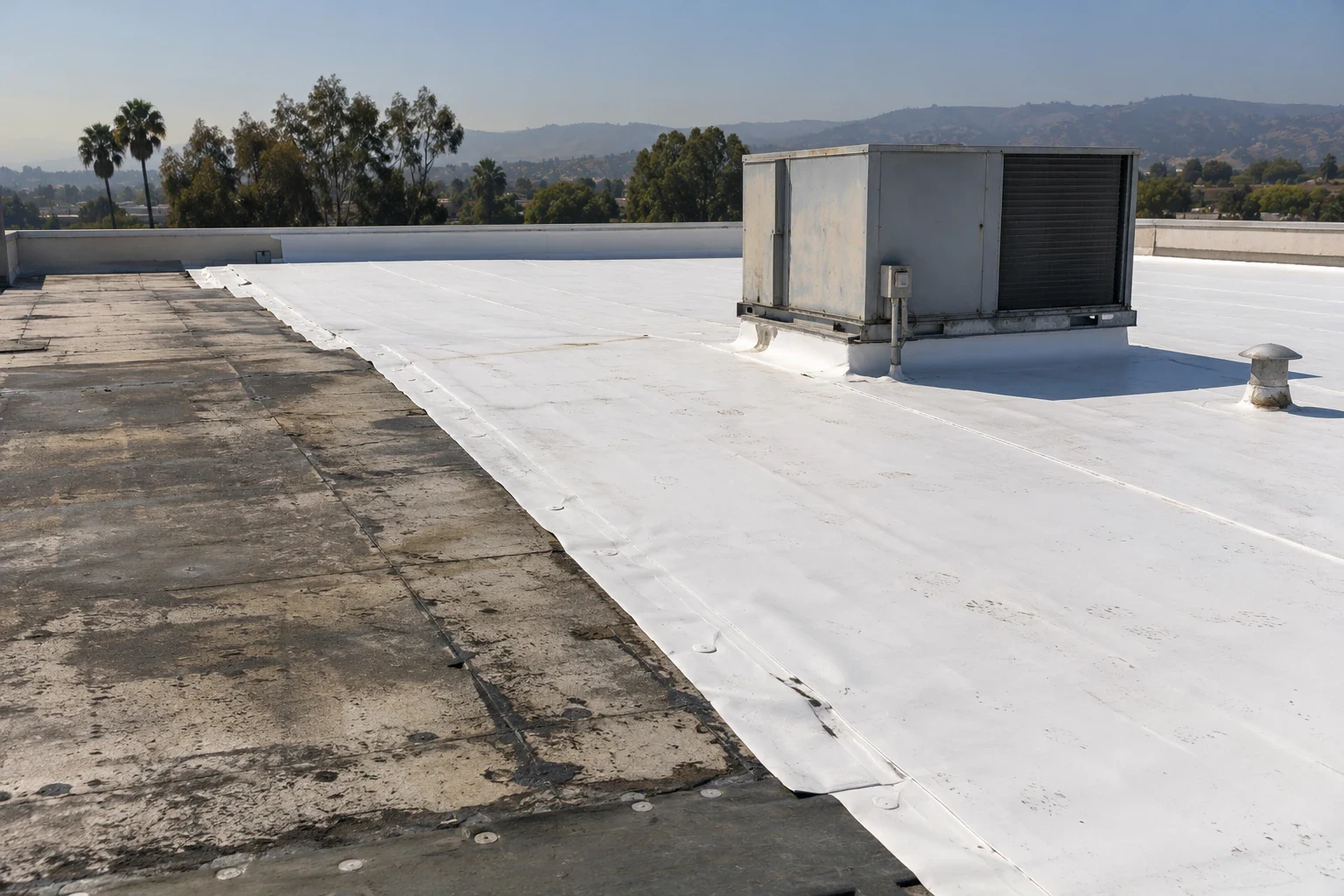
A factory-fabricated Duro-Last panel can reduce field seams, but the roof still needs a close detail review. We identify the sheet, attachment, flashing, and transitions before setting a repair boundary. Duro-Last builds custom-fabricated PVC roofing systems with field panels and accessories prepared to fit project dimensions. Its deck sheets can be mechanically attached, adhered, or induction welded, depending on the system. At the Felicita Road and Interstate 15 office opportunity area, a planned use does not identify an installed membrane or roof condition. We confirm both from records and field inspection. Equipment, tenant activity, and access vary by building. We inspect the actual assembly before deciding whether a panel repair, recover review, or replacement is appropriate. A PVC roof review helps focus attention on the membrane and welds.
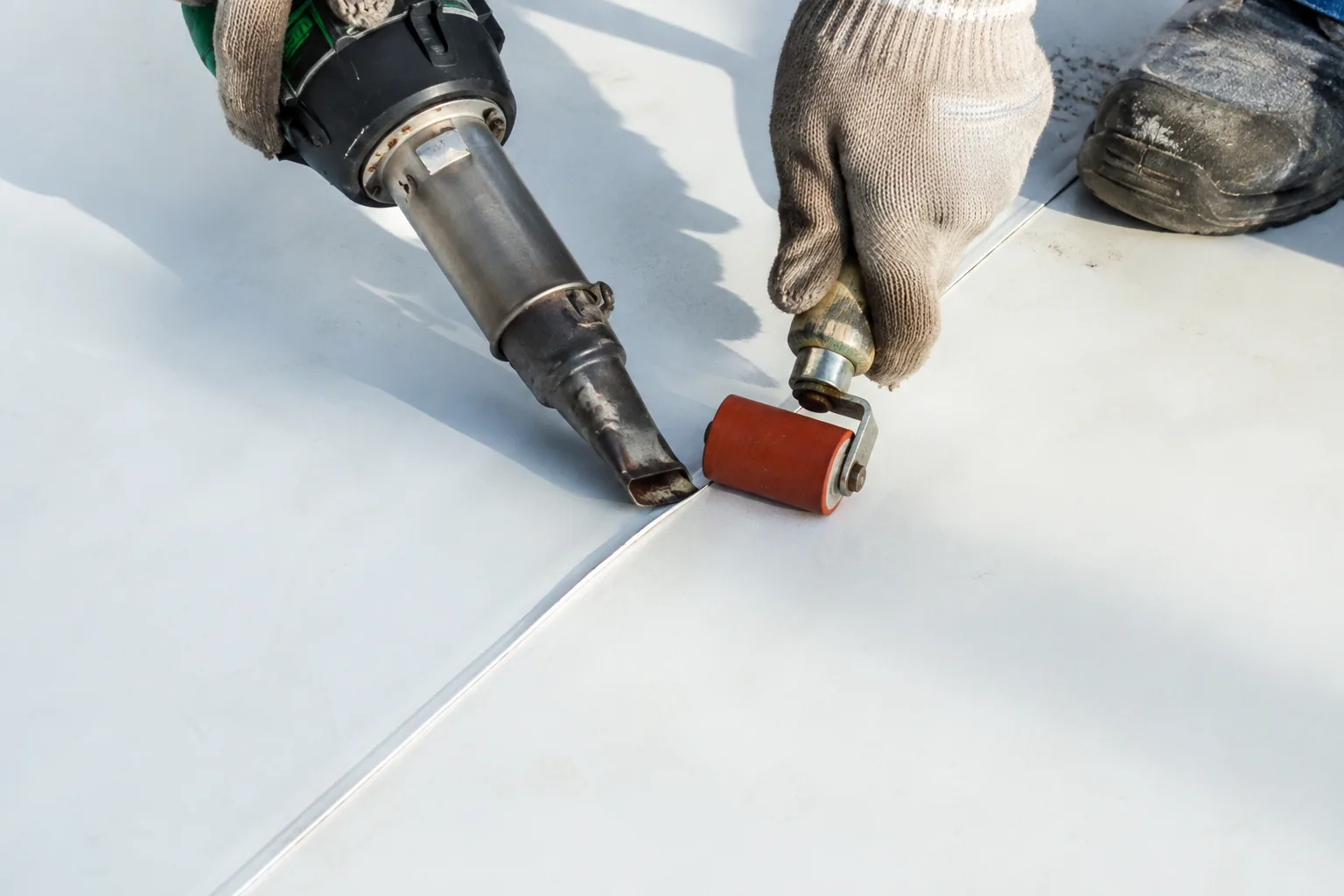
Prefabrication shifts some seam work away from the roof, but field tie-ins remain at perimeters, penetrations, and panel connections. We inspect those joints and compare the plan with the installed roof. A custom piece is not a substitute for confirming substrate and attachment. Product labels, closeout drawings, and repair history help identify the system. If evidence differs, we note what needs verification before selecting replacement material.
Factory seams and field tie-ins
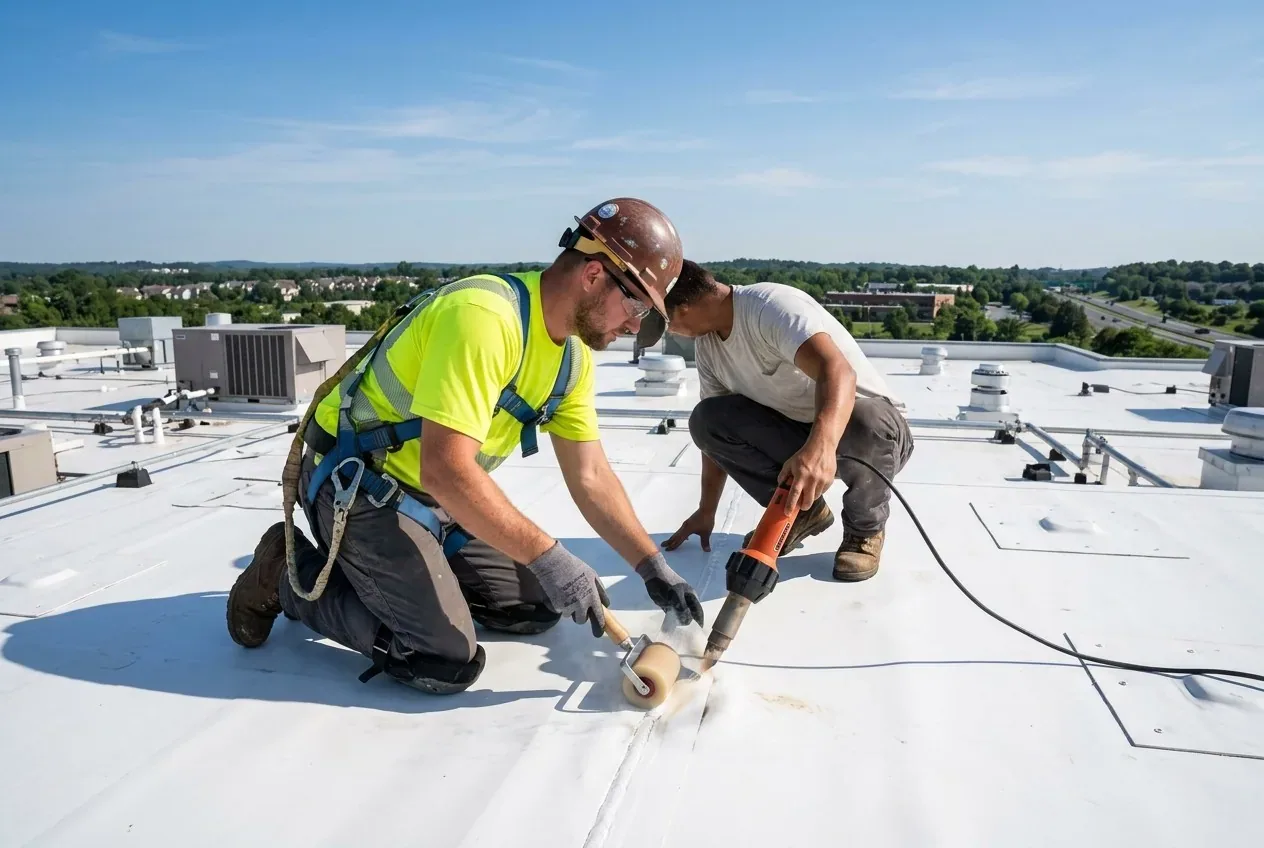
Duro-Last custom-fabricates PVC panels and accessories, completing some seam work before delivery. Field joins, perimeters, and transitions still require inspection. We compare the delivered layout with onsite welds; a later addition can interrupt an earlier pattern and need its own tie-in.
Duro-Last offers PVC deck sheets and roll goods, plus custom accessories for drains, flashings, and edge conditions. Attachment choice matters at the deck and perimeter. We verify the approved fastening or induction-weld approach and inspect accessible plates and terminations. A metal edge review can be separated from field-panel work. Compare GAF PVC and TPO options or the Holcim Elevate system range only after identifying the current Duro-Last assembly.
Drains, curbs, and attachment
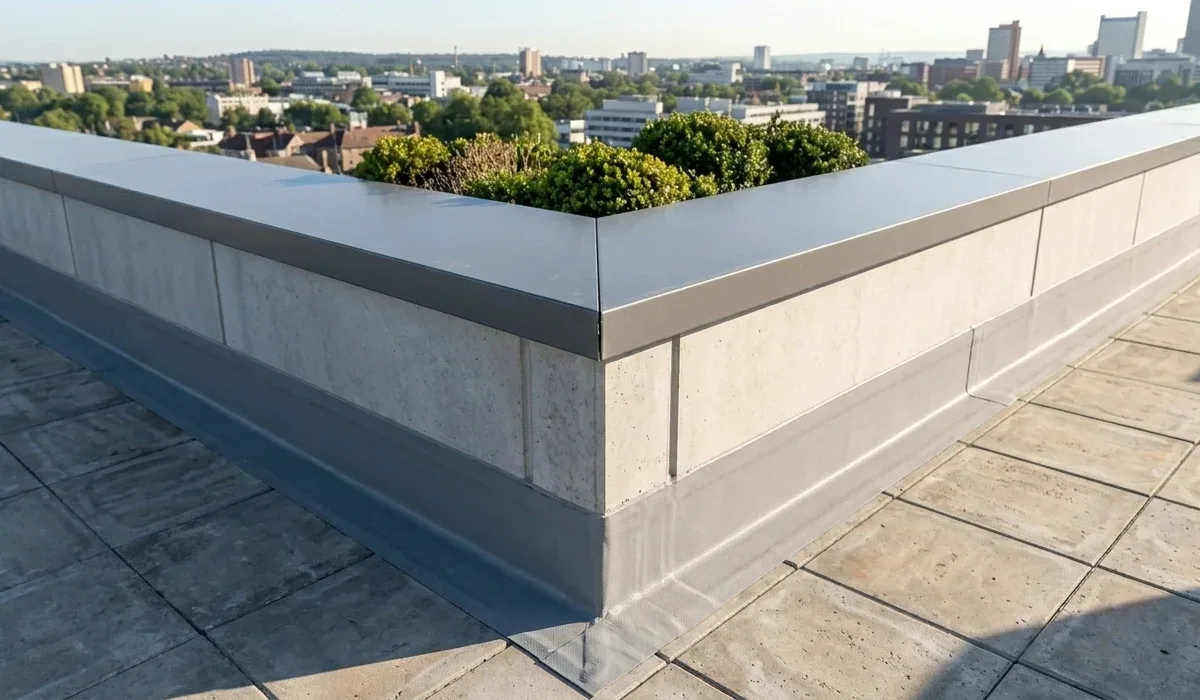
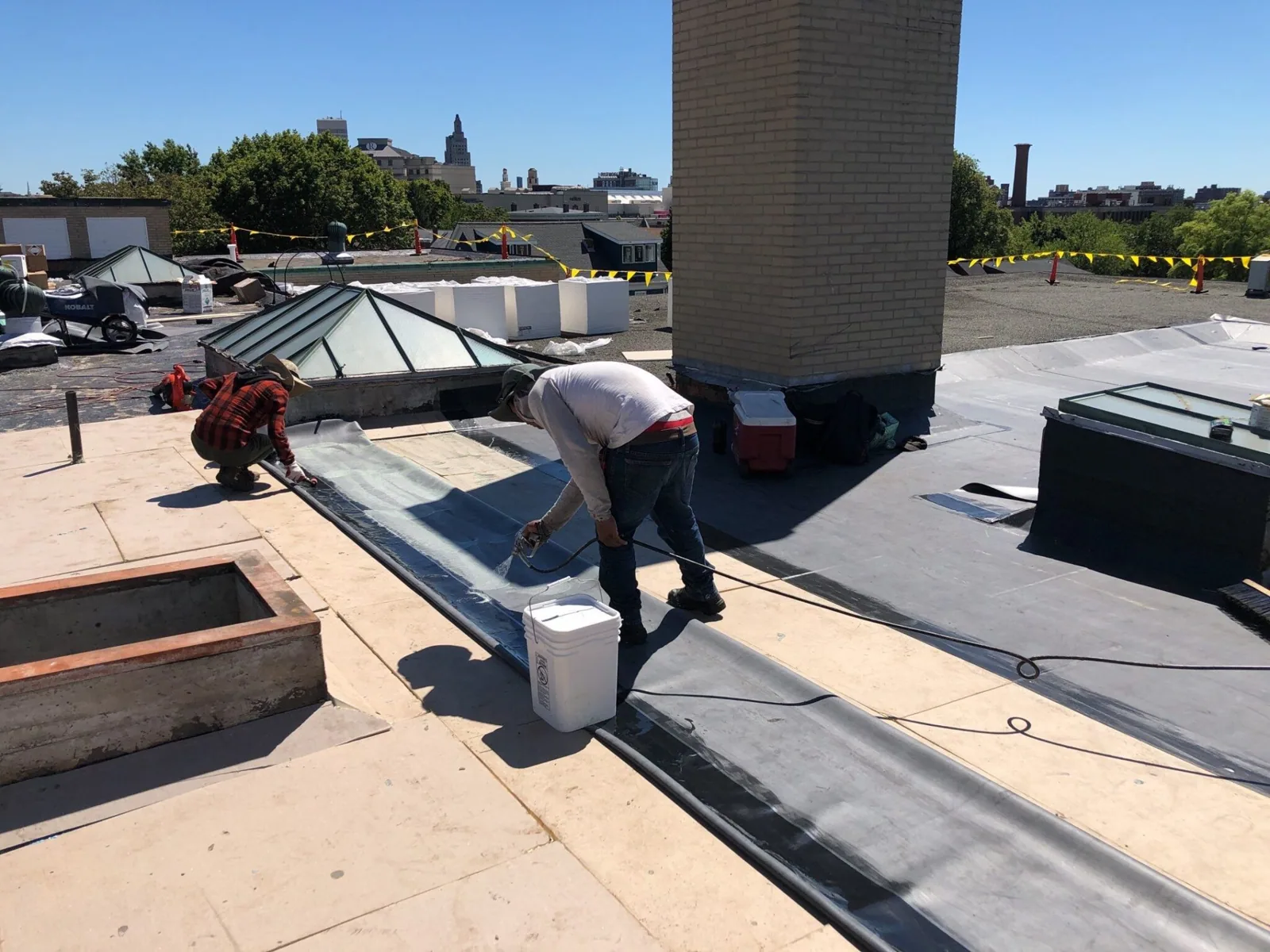
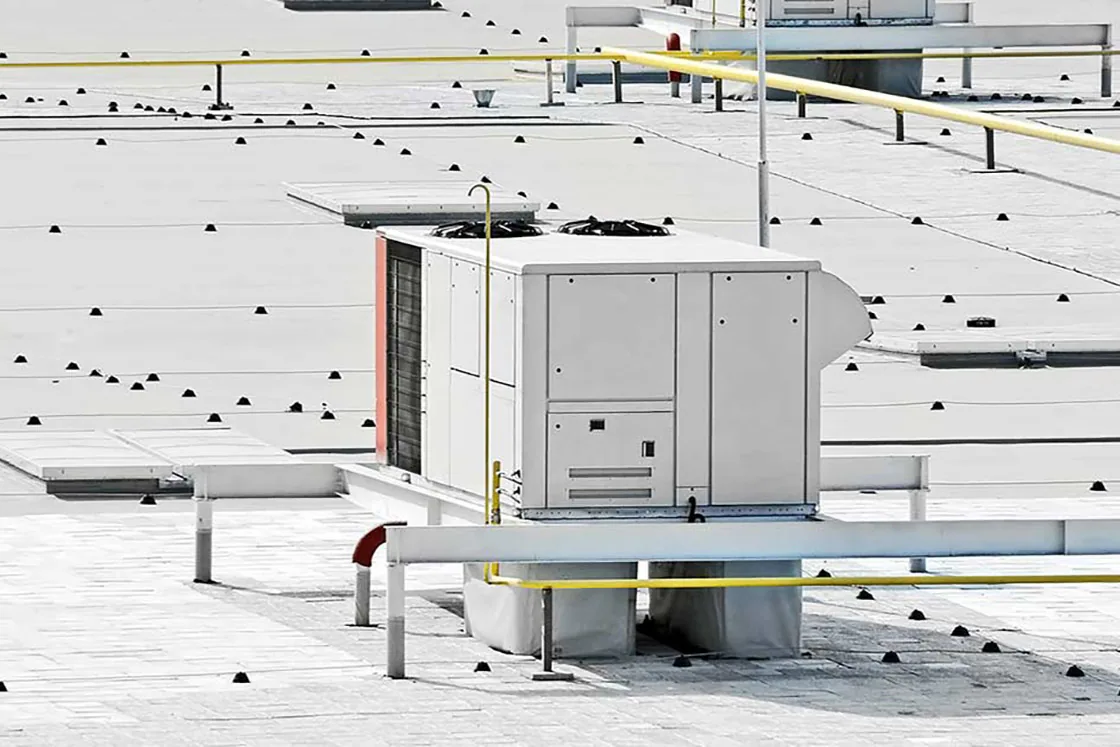
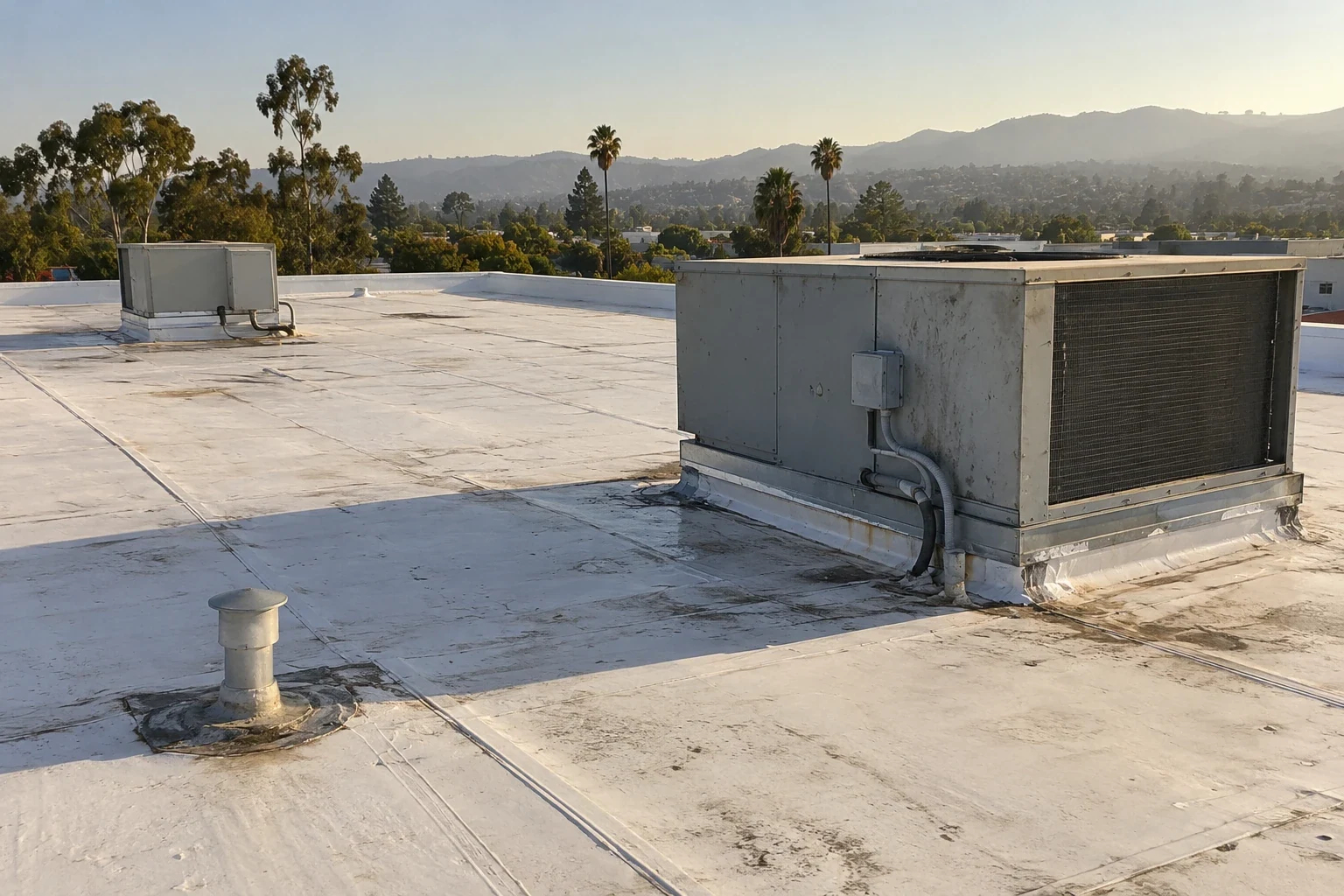
We inspect the transition between factory-fitted material and field flashing. Look for lifting at corners, open welds, surface damage, membrane stress, and loose attachment. At drains, check the bowl connection and keep the water path clear. At equipment curbs, inspect corners, flashing height, support, and any abandoned penetrations. A prefabricated accessory can simplify a detail, but it still needs a sound connection to the roof field and substrate.
The Felicita Road and Interstate 15 office-planning area is a land-use reference, not a delivery plan. The site contact confirms roof entry, staging, and equipment access before a crew sets the route. The inspection then checks each panel and transition against the reported leak area. A curb and equipment scope should assign disconnect, lift, flashing, and reset before the crew mobilizes.
Panel repair, recover, or removal
A torn panel, failed field weld, or loose termination may support a local repair when surrounding sheet remains stable. We identify the damaged area, remove unsound material, prepare the surface, and make a compatible welded tie-in. Repeated openings, loose plates, broad moisture, or damaged deck can expand the investigation. The proposal maps confirmed work and lists test openings separately from base scope.
A recover can work only when layers are dry, attached, compatible, and allowed under the project. Added height may alter edge metal, drains, and curb flashings. Removal gives access to the deck and insulation but adds handling, disposal, and protection. We compare the recover option with a replacement scope based on the same roof zones. A photo condition report can track panels repaired, details tested, and areas left for future review.
Material handling and occupied use
Large prefabricated panels require a delivery and lifting plan that suits the roof and site. We confirm staging, crane or lift access, roof entry, and any route used by tenants or customers below. A panel sequence should keep the daily opening manageable and close the tie-in before the crew leaves. Rooftop units, interior sensitivity, and active deliveries can change how work is phased.
Santa Ana winds commonly cross the regional passes from September through May, bringing dry air that may be warm or hot. Before a custom panel is raised, we check gusts at the site and secure the day's removal boundary; the season alone says nothing about panel damage. If water intrusion is active, follow the property's water-control procedure and confirm safe access before temporary protection. Permanent repair follows a separate inspection and is planned around material and operating constraints.
Panel map and repair record
Bring the Duro-Last layout, product labels, installation drawings, repair invoices, and any roof warranty documents. The layout can show panel seams, fastening zones, and accessory locations. We compare it with what is visible on the roof. If mechanical equipment or an addition changed the field, the current configuration needs to be recorded. A test cut may identify layers at one point, not across the full assembly.
Closeout photos should show the repaired weld, perimeter connection, curb flashing, and drainage path. Note preparation, replacement panel dimensions, attachment, and any condition not included. Phase II of the Grand Avenue Vision project reached completion in June 2025; its first phase had closed in 2022. In Downtown Escondido, the loading route still comes from the building contact. Centre City Parkway access still needs a site-specific staging check. For future budgeting, the record should identify both completed work and remaining roof questions.
Frequently Asked Questions
Does factory fabrication eliminate all Duro-Last field seams?
No. Many seams may be factory welded, but panel joints and transitions remain in the field. We inspect those connections, along with edges, drains, and curbs. The repair scope identifies both factory and site-finished details that need work.
How do you find a leak beneath a custom Duro-Last panel?
We compare the interior location with panel seams, penetrations, drains, and perimeter transitions. Water can travel before it appears below. The inspection maps confirmed openings and identifies any moisture test or cut needed to trace the path.
Can a damaged factory panel be patched instead of replaced?
A patch may fit when the surrounding PVC remains sound and the tie-in can be welded cleanly. Damage near a seam, curb, or loose plate may require a larger section. We state preparation, panel limits, and the completion check in the proposal.
What information is needed to order a replacement Duro-Last panel?
The panel layout, roof-zone dimensions, attachment, curbs, drains, and perimeter details need confirmation. We compare drawings with field conditions before specifying a custom piece. Any unverified area is identified before fabrication begins.
What should happen if a Duro-Last leak is reported after hours?
Record the reported room, time, and roof zone, then follow the property's established incident process if interior protection is needed. A roof visit should confirm panel condition and safe access before permanent repair is selected.
Review the Duro-Last Panel Layout
Arrange a roof inspection with panel drawings, repair records, leak locations, and access rules ready. We will document field conditions and set a defined repair or replacement boundary. Call to schedule a site visit.
Call 555-555-5555 or email [email protected].