
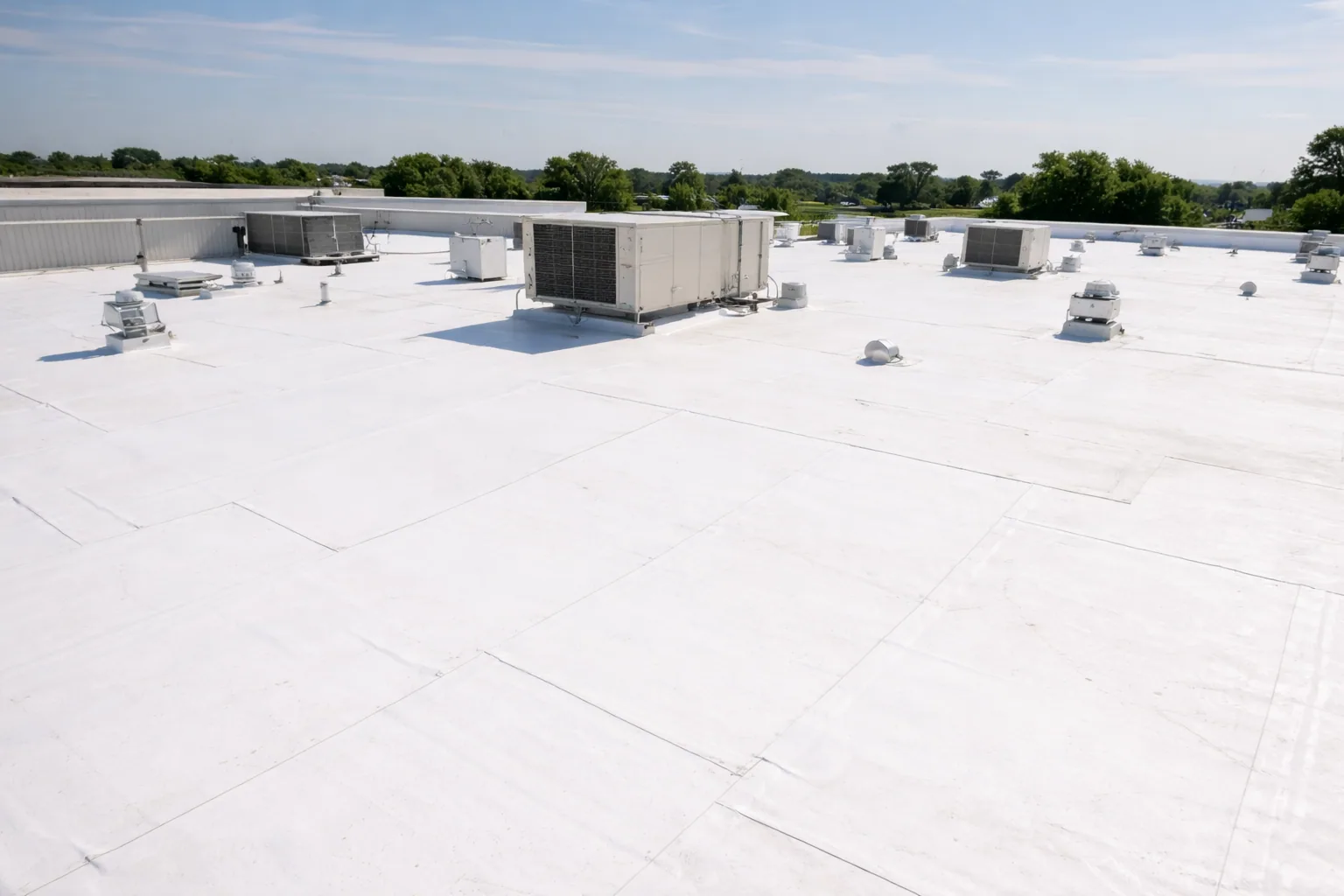
Commercial Roofing in Fallbrook Downtown, Fallbrook, CA
Service Areas · Escondido, CA
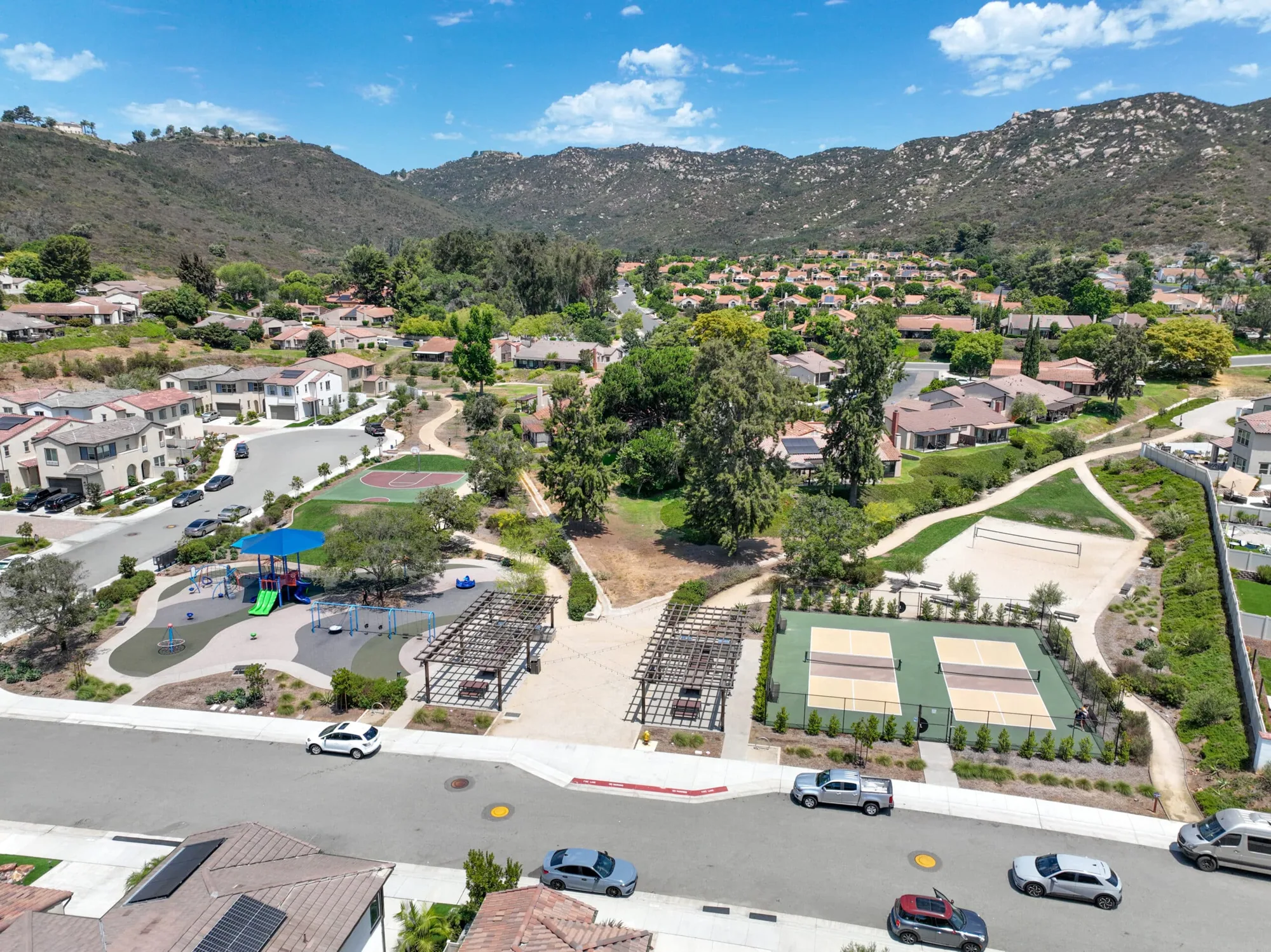
A downtown roof scope has to account for the building and its ground-level access. The district’s street-level program includes downtown beautification, business revitalization, pedestrian access, and mobility improvements. Those goals make loading and staging relevant to the work schedule. The roof inspection starts with the building and accessible roof zones. We inspect the actual property, record the accessible roof zones, and agree on a work route with its contact. A commercial inspection helps owners make a repair decision without relying on a district-wide assumption.
Plan access before materials arrive
Confirm the entrance, roof hatch, staging area, and delivery window with the property contact. If pedestrians use the nearby route, define where barriers and material handling can occur. A lift or crane may need a separate approval and a clear time window. We record those controls alongside the roof work, then identify any tenant notices or interior protection required. That makes the estimate easier to schedule and keeps site coordination in the approved scope. Before calling a lift, confirm the setup footprint and pedestrian separation. The delivery window should name a contact who can redirect the crew if conditions change.
Downtown improvement efforts call for beautification, business revitalization, and better pedestrian mobility. A property manager sets the construction schedule for each roof project. Commercial properties elsewhere in Fallbrook can have different access routes and loading needs. A commercial roof inspection in Fallbrook still follows the property's approved route and access controls. For a roof visit, the owner confirms current street conditions, the property route, and any access control with the site contact.
Find the defect behind the interior report
Start with the room, date, and conditions when water appeared. Then check roof seams, penetrations, wall flashings, curbs, edge metal, drains, and transitions above and around that area. Water can travel before it reaches a ceiling, so we record the likely path and any competing explanations. A photograph should show both the observed detail and nearby context. If the membrane hides insulation or deck conditions, list a test opening as a separate decision instead of estimating concealed damage from a stain.
Revitalization efforts center on Fallbrook’s western town center and historic district. A property visit checks the building’s actual roof sections, additions, and repair history. The actual roof may include several additions or repairs, and the inspection should map those boundaries. A condition report with referenced photographs records where we walked, what we saw, and what remained inaccessible. It gives the owner a clear basis for approving repair work or asking for more testing.
Price the work that is actually known
A repair estimate should identify each leak-related detail and the work needed there. State how the surface will be prepared, what material will be used, how it ties into adjacent construction, and how the finished repair will be checked. If the roof has multiple sections, keep measurements separate. A condition in one area should stay separate from adjoining sections until each is inspected. When testing is needed, label that step and the approval required. This leaves the owner with a defined scope and a visible limit.
For a split lap or open seam, a seam repair may be appropriate if the surrounding material is sound. Failed wall transitions need their own flashing details. Repeated water reports or broad moisture concerns can move the choice toward replacement. A recover depends on existing layers, attachment, moisture, drainage, and code limits. Compare a replacement plan only after the roof assembly and scope boundary are clear. We keep exclusions and allowances readable so the owner can compare proposals on equal terms.
Keep occupied operations in the schedule
Downtown work can involve a narrow delivery window, shared access, or interior areas that need notice. Confirm business hours, restricted rooms, nearby trade work, and any route that cannot be blocked. For an active leak, first address safe temporary protection; the permanent repair remains a separate decision after the roof is inspected. The lasting scope follows a roof inspection, safe access, material availability, and approval of the work boundary.
Pedestrian access can affect staging and sidewalk protection, so confirm the approved route with the property manager. For a property visit, the manager should identify current work or access controls with the city and property contacts. A roofing sequence for an occupied building can define task order, protection, and coordination. If the roof supports equipment, note who can authorize interruptions before work is scheduled. We coordinate loading, sidewalk protection, and lift placement with the site contact before mobilization.
Compare repair with longer-range work
Cost can change with membrane removal, insulation, edge metal, equipment handling, drainage corrections, safety controls, and access restrictions. A small repair and a full assembly project use different quantities and work windows. We show what is included and what remains subject to testing. If the owner wants to hold a future project for a budget cycle, separate immediate water control from the capital scope. That avoids treating an emergency patch as a replacement plan or pricing a replacement before concealed conditions are understood.
Fallbrook's western town center and Bonsall's commercial district near Mission Road, Olive Hill Road, and Highway 76 are separate settings. Neither one tells us what a particular roof requires. A capital planning review can group dated findings with the owner’s approval calendar. For sites near the Champagne Boulevard planning area, maintain separate roof maps and access notes. For either location, a property-specific inspection sets the repair limits.
Frequently Asked Questions
Which access details should be settled before a downtown roof visit?
Pedestrian improvements can affect loading, staging, or sidewalk protection. We confirm current site conditions with the property contact before setting the work window.
How do you plan a roof visit where pedestrian work is underway?
The property contact confirms the route, staging, delivery window, and any current access controls. We keep those requirements in the schedule and define where work can occur without blocking approved paths.
Can you stop an active leak before a full estimate is ready?
For active water entry, provide the reported location and access contact so the next step can be arranged. The permanent repair is scoped after we inspect the roof detail and its surrounding assembly, then agree on materials and access.
What if the roof has several additions?
We map accessible areas separately and compare their visible seams, flashings, and records. Concealed layers may require testing. The report marks those limits rather than applying one finding to the entire roof.
What should a downtown repair closeout include?
Keep the authorized scope, dated photographs, roof-zone reference, and any remaining open items together. We note what was repaired and whether follow-up testing or inspection is still required.

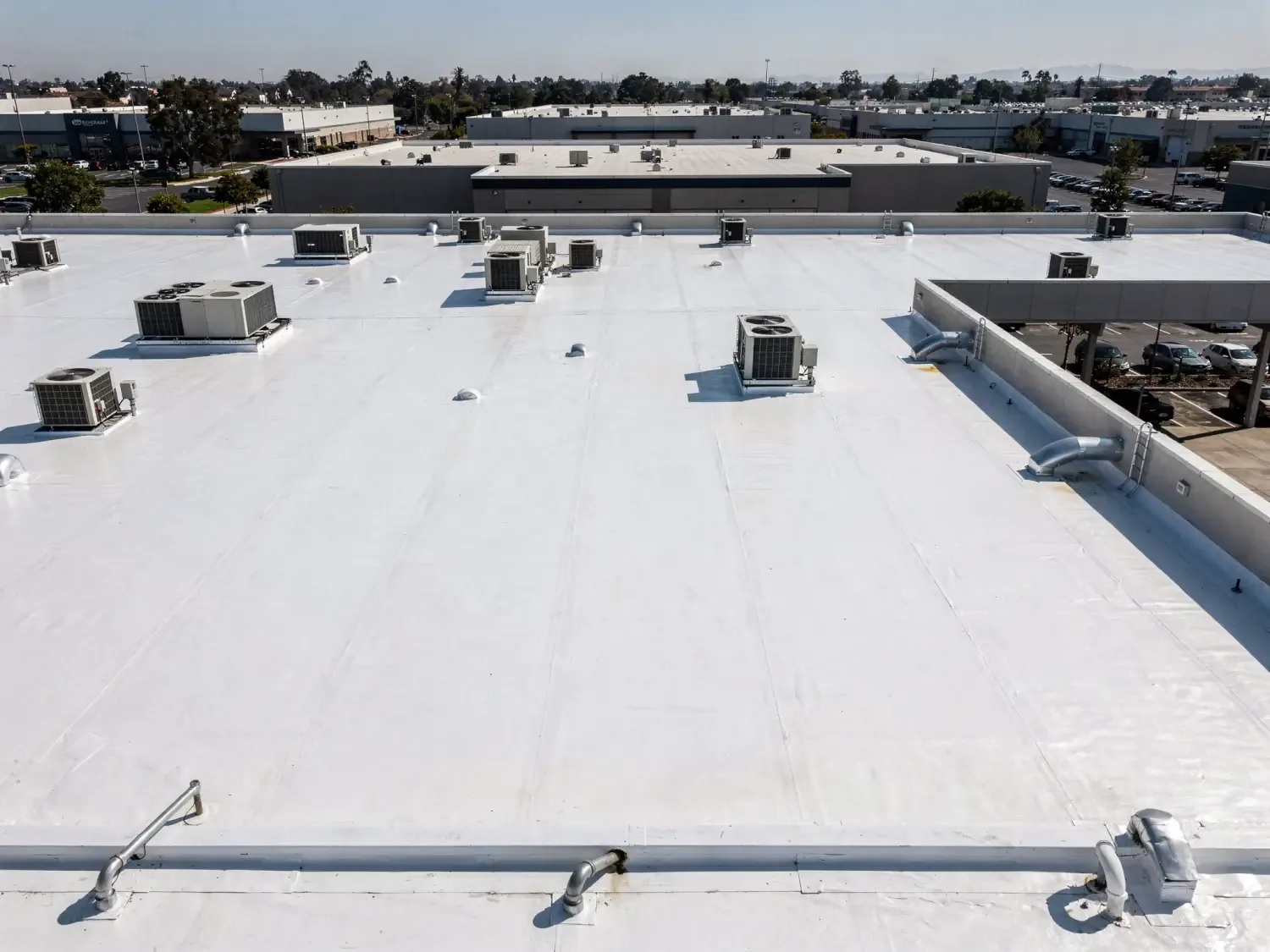

Schedule a Fallbrook Downtown roof review
Share the property location, leak report, roof records, and access route. Call Commercial Roofers Escondido to set an inspection and plan a defined repair window.
Call 555-555-5555 or email [email protected].