

Commercial Fire Damage Roof Repair in Escondido, CA
Roof Damage Repair · Escondido, CA
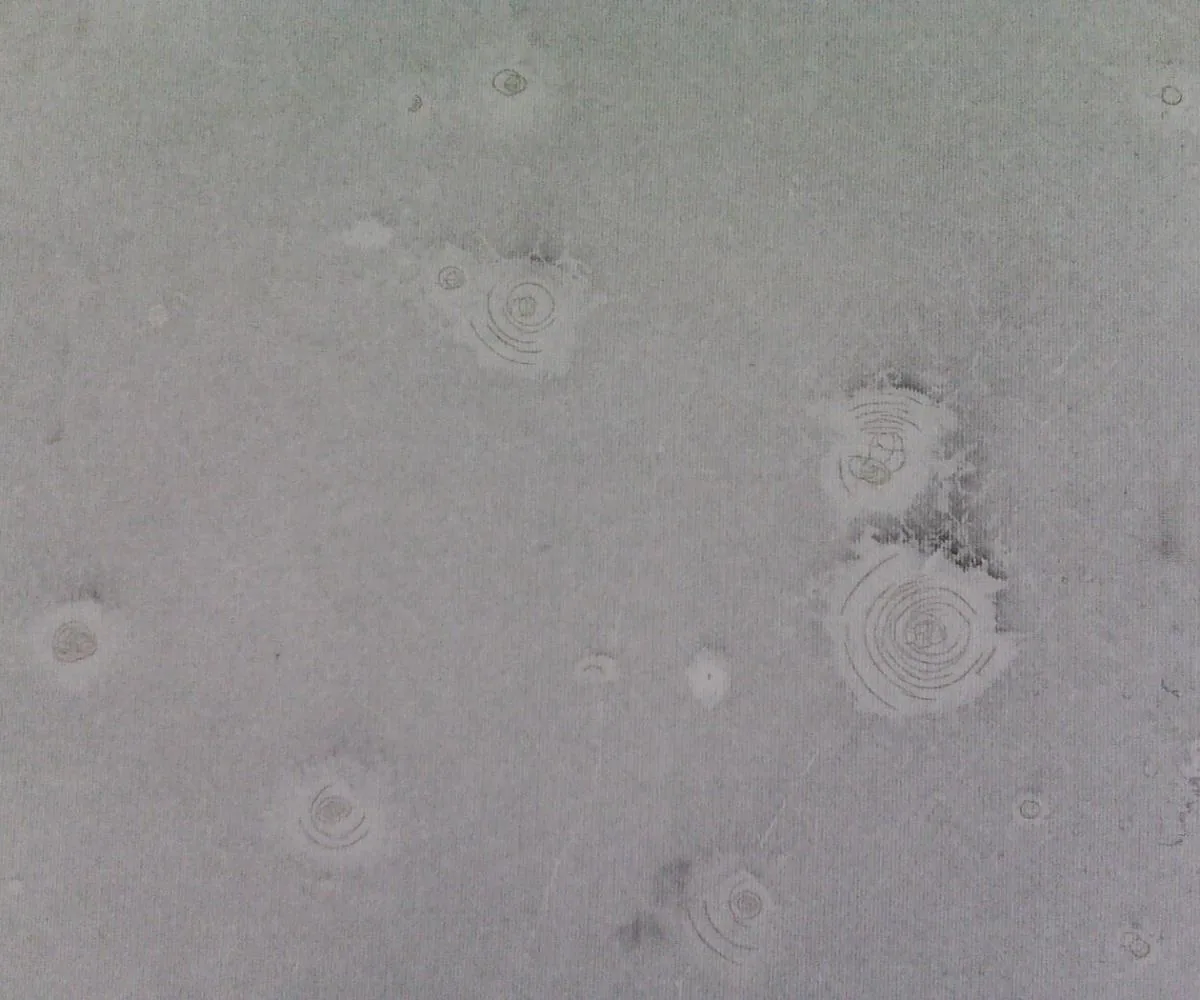
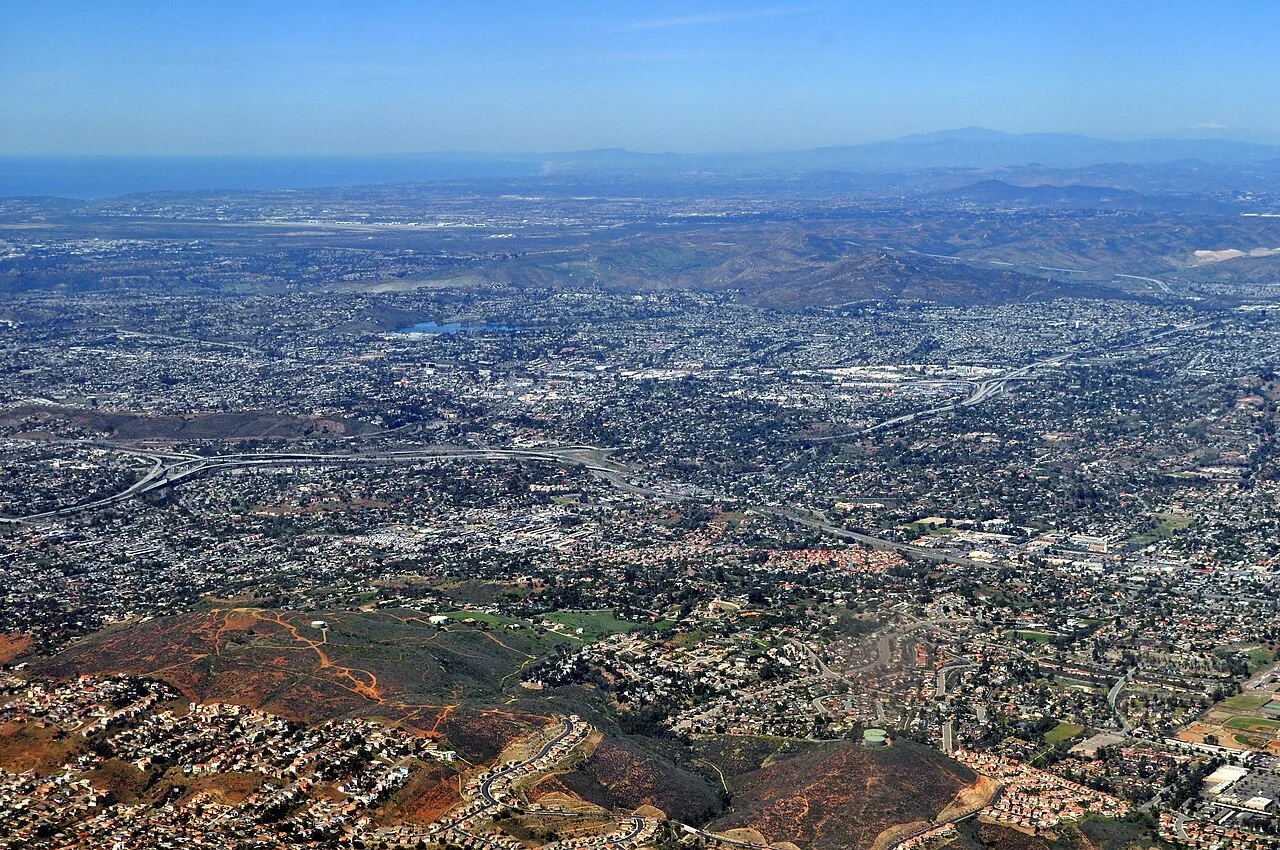
After a fire, the roof needs a separate condition review before repair is priced. Heat can affect membrane, insulation, metal, and sealants. Suppression water can follow a different path. The city’s 2025 hazard map places portions of Escondido in moderate, high, and very-high severity zones. New construction in the two higher classes must meet ignition-resistant standards. We inspect membrane, edge metal, and flashing at the building before recommending repairs. We document what the roof shows, where the assembly is wet or displaced, and which areas need another trade’s evaluation. A general contractor can then separate roofing work from structural, electrical, and interior recovery. The Downtown Escondido commercial district and the Research and Technology Center support different commercial uses; confirm the entrance, staging area, and safe access route with the property contact before mobilizing.
Make access safe first
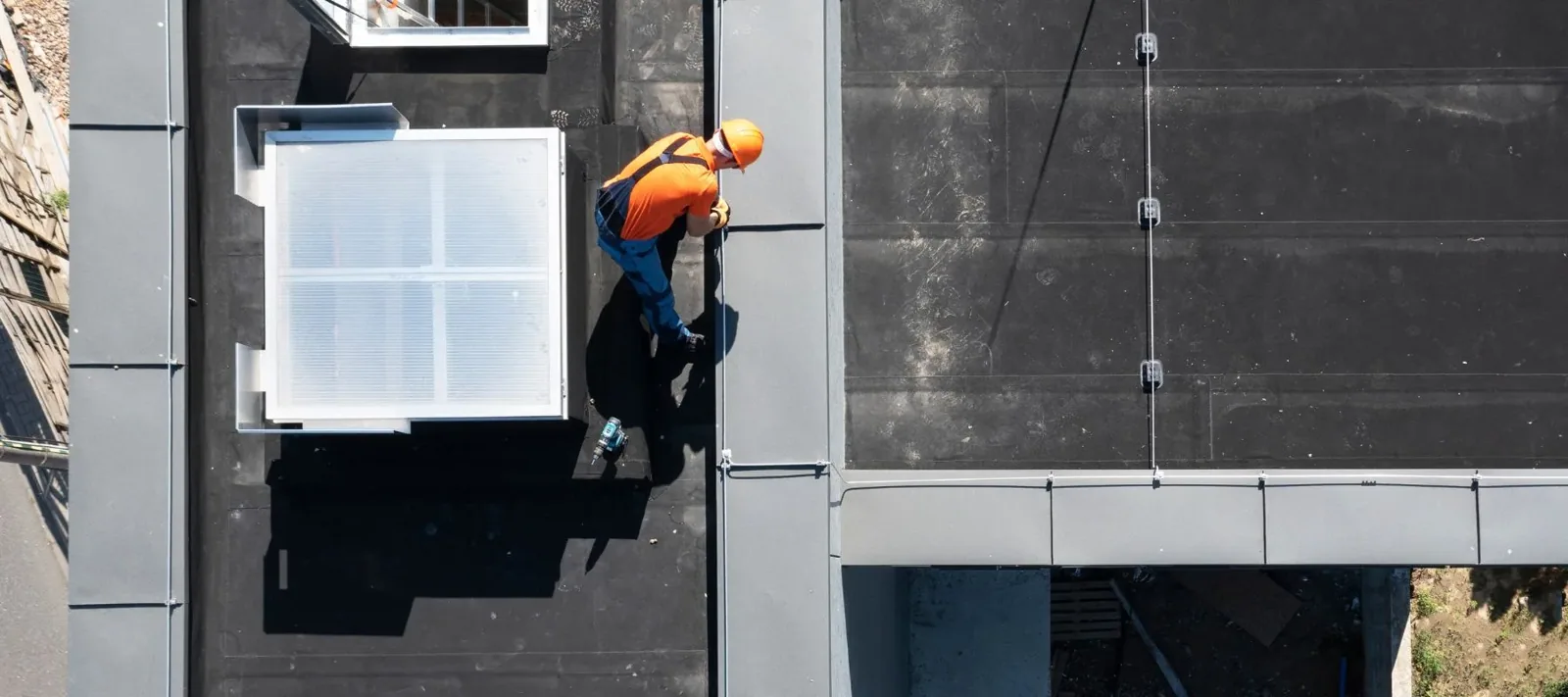
We coordinate the roof walk with the incident lead and building representative. The roof may have unstable materials, open edges, damaged equipment, or debris. No one should cross a suspect area until access is cleared. We mark safe routes, identify areas that remain restricted, and agree on any interior protection before opening the assembly. That first review is about boundaries and sequence. It is not a final repair estimate when the condition remains concealed.
Red-flag periods can bring dry weather and strong northeast winds that increase wildfire spread risk. Before a roof walk, confirm the incident lead has cleared access and set any restricted zones. We compare the owner’s incident timeline with visible heat, smoke, suppression-water, and membrane conditions before assigning repair limits. The roof inspection documents the membrane, perimeter, penetrations, and drainage. If temporary water protection is needed, we define who approves it and who can return to verify it.
Separate heat from water damage
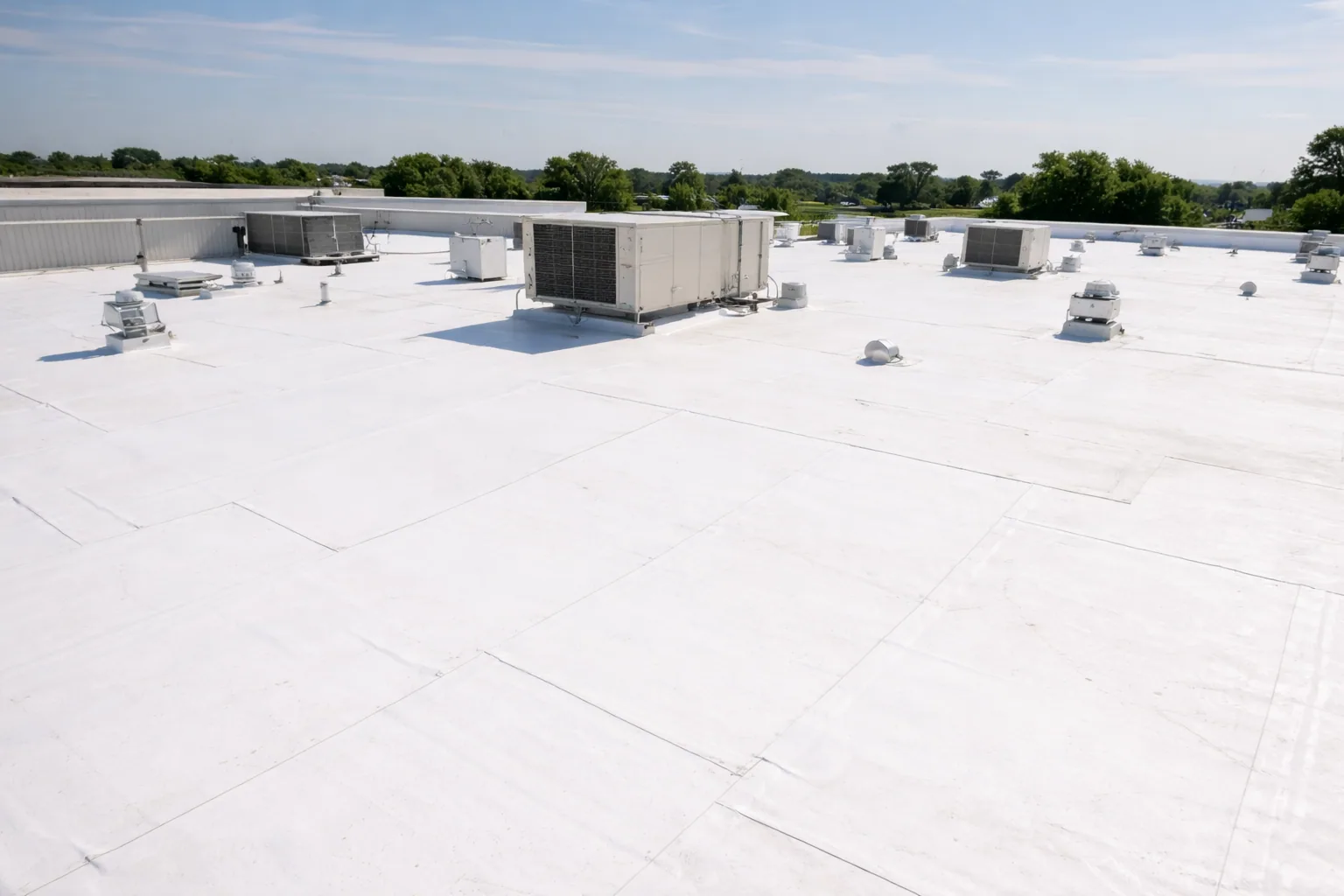
Heat may blister or shrink a membrane, soften a coating, distort edge metal, or damage a curb seal. Suppression water may enter at an opened lap, a displaced flashing, or an exposed penetration. Smoke residue can affect a surface without indicating how far heat traveled through the roof. We photograph each condition and locate it on a roof plan. If the assembly is cut, the test area is agreed in advance. Wet insulation and damaged deck require their own repair boundaries.
In June 2025, Downtown Escondido saw Grand Avenue gain wider sidewalks, angled parking, and roundabouts during the second streetscape phase. For recovery work near Grand Avenue, we confirm loading, lift access, pedestrian routes, and any restricted frontage with the property team before moving material. A condition report can organize photographs by location and distinguish observed damage from items still concealed.
Define temporary and permanent work
Temporary dry-in and permanent repair should appear as separate tasks. The emergency step may cover an opening or protect an exposed edge. The permanent scope identifies the membrane, insulation, cover board, metal, and substrate work that the inspection supports. If a test opening reveals more damage, the approval point should be clear before the crew expands. That keeps incident recovery from becoming an unbounded roof scope.
When the existing membrane remains suitable, a localized repair may restore a limited area. A heat-affected field or compromised attachment may require a larger replacement section. We compare each option by roof condition, access, and disruption. The seam evaluation can separate opened laps from surface discoloration. We also inspect wall and curb flashing where fire response or mechanical activity disturbed the transition. The final recommendation states what is necessary for weather protection now and what can wait for the broader property decision.
For insurance and capital review, the owner may need separate quantities for emergency cover, selective tear-out, insulation replacement, and new membrane. We identify those quantities from the inspected boundary instead of combining them into a single allowance. The project team can then compare the cost and schedule impact of each decision. If concealed conditions require more removal, the work order names who approves that change and how the exposed roof will be protected before the crew continues.
Align trades and recovery work
The roof repair may depend on structural review, electrical isolation, mechanical replacement, or interior drying. We identify those handoffs with the general contractor before setting a work date. Roof openings are protected until the next trade can proceed. If equipment must be removed, the curb and membrane sequence is written down. When a building is partly occupied, we map the affected area and set routes that keep repair work away from active operations.
Escondido employment uses span technical and production work, offices, professional services, and shopping. Those uses can create different restart priorities after an incident. We ask the owner which areas need protection first and what operating limits apply. At a property near Harmony Grove Industrial Park, we confirm the approved entrance, lift location, and staging space with its site contact. The site scope records service-yard access, lift placement, material storage, and daily dry-in. If a temporary cover must remain, its inspection and removal dates belong in the schedule. We also confirm who can approve roof access and whether any area remains under safety control before each return visit.
Keep the recovery record usable
Closeout photographs should show the initial condition, the opened assembly, and completed roof details. We list material changes and note whether a limited area remains under observation. If water testing is appropriate, the owner and restoration team agree on the test boundary. A record that separates roof evidence from incident assumptions helps the general contractor answer follow-up questions. It also gives future maintenance staff a map of the work completed. The closeout can include product data, repair dates, and the location of temporary protection that was removed. The repair boundary remains on the site plan. When the deck remains exposed after a fire, we check temporary protection at each shift change and after wind. We mark the termination, fastening, and water-shedding direction so later inspection can distinguish new movement from the original repair.
We can provide dated observations and a roofing repair scope for the owner’s records. The insurer, fire official, and other specialists make their own determinations. Our report stays with the roof assembly and the work performed. Keep the incident date, access restrictions, roof plan, and interior leak locations together. Call Commercial Roofers Escondido to arrange a review and set the first safe work sequence.
Frequently Asked Questions
Can you inspect a roof while the fire response is still active?
We wait for the incident lead to clear roof access and identify restricted areas. The first visit may document safe boundaries and temporary protection only. A full repair scope follows when the assembly can be inspected safely.
Does smoke staining mean the membrane must be replaced?
Not by itself. We inspect the material, bond, and nearby assembly for heat effects and other damage. If the surface condition is uncertain, we recommend a defined test area before choosing repair or replacement.
How do suppression water and roof damage fit in one scope?
We record water entry separately from visible heat damage. The opening, drainage path, wet insulation, and interior symptom each receive a location. The proposed work can then show temporary protection and permanent correction as distinct tasks.
Can the roofer prepare documentation for an insurance file?
We can provide dated photographs, observed conditions, repair limits, and work records. Coverage decisions belong to the insurer. We document visible roof conditions, the repair boundary, and work needed to return the assembly to service.
What information helps begin recovery work?
Share the roof plan, incident date, access clearance, known equipment hazards, and interior water locations. We will coordinate the inspection boundary and any temporary cover. Call to arrange a review with the building team.
Coordinate a roof recovery review
When access is cleared, share the incident date, roof plan, restrictions, and interior water locations. We will document the roof condition and separate temporary protection from permanent repair. Call Commercial Roofers Escondido to arrange a review.
Call 555-555-5555 or email [email protected].